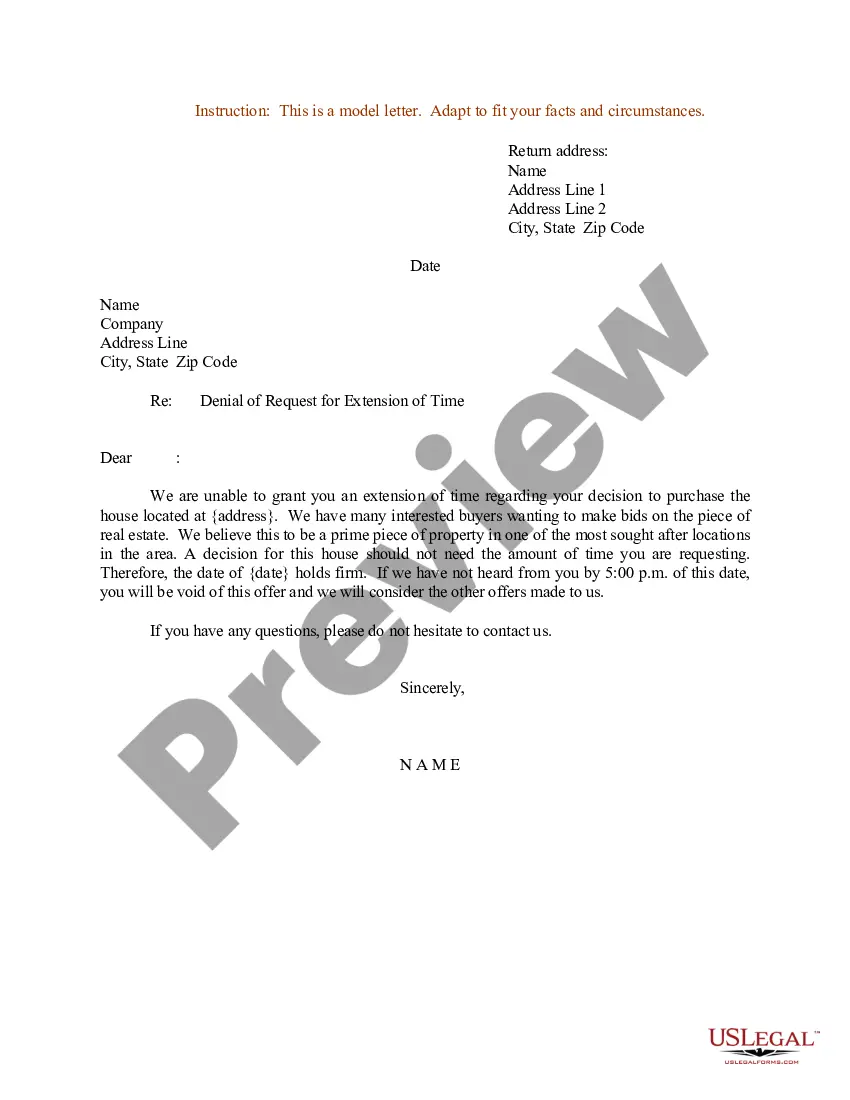
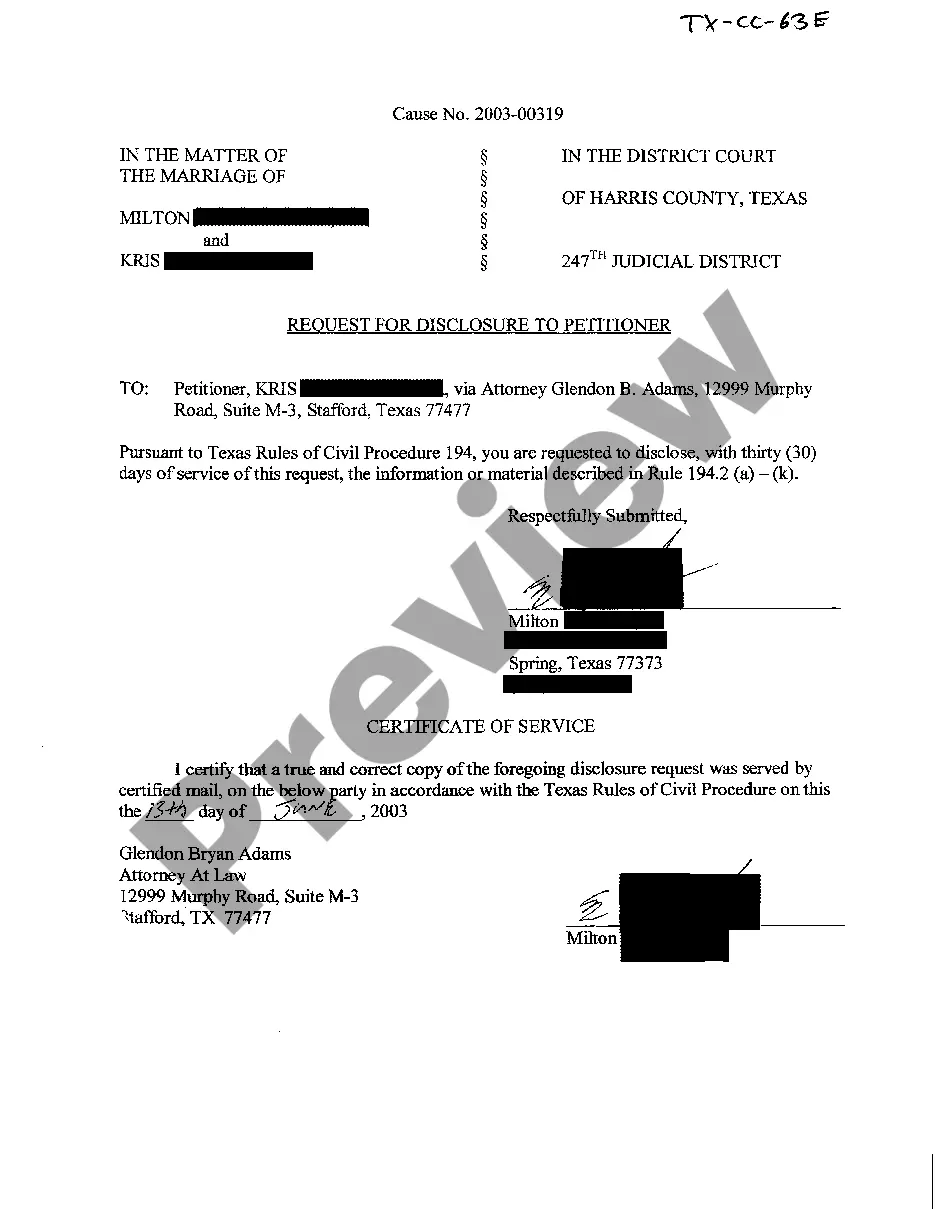
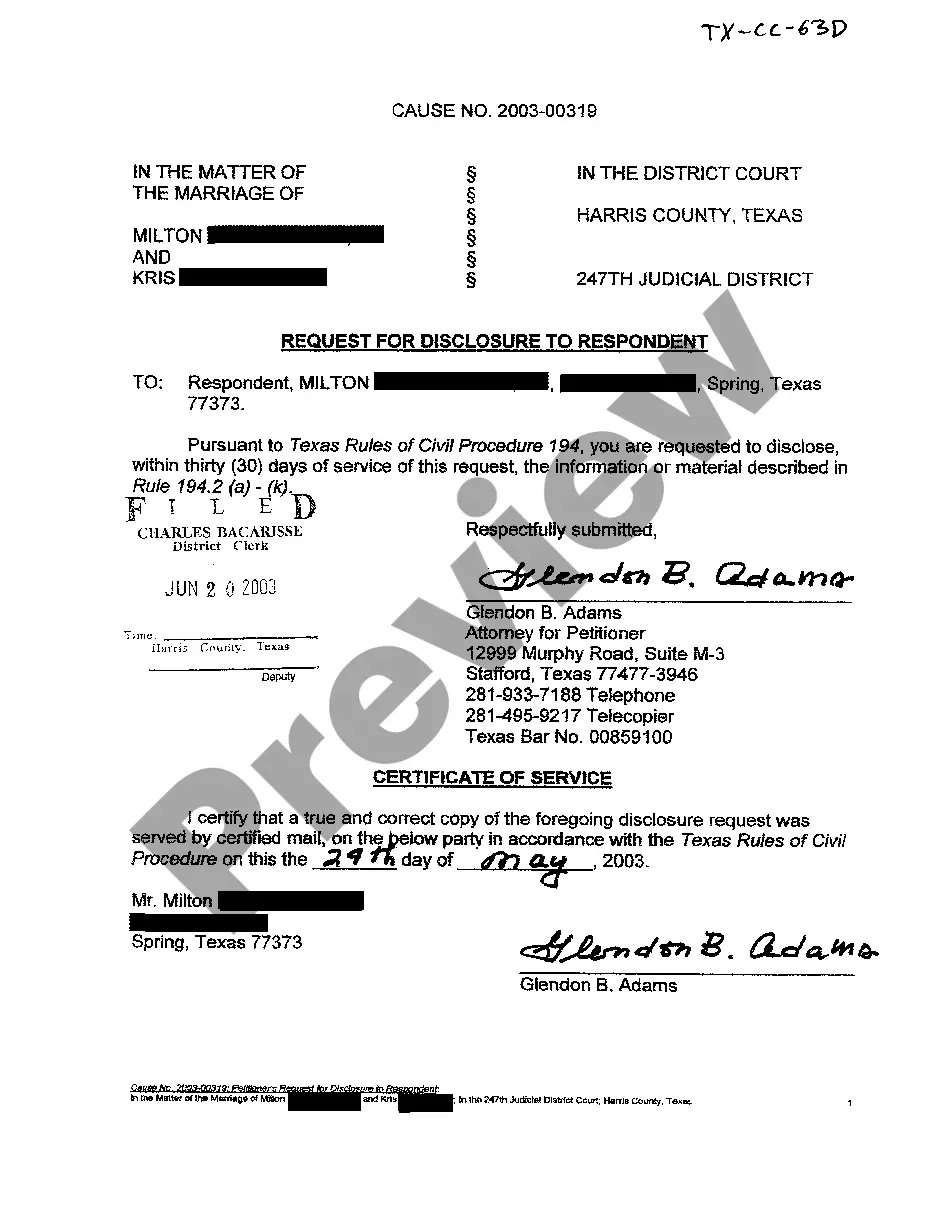
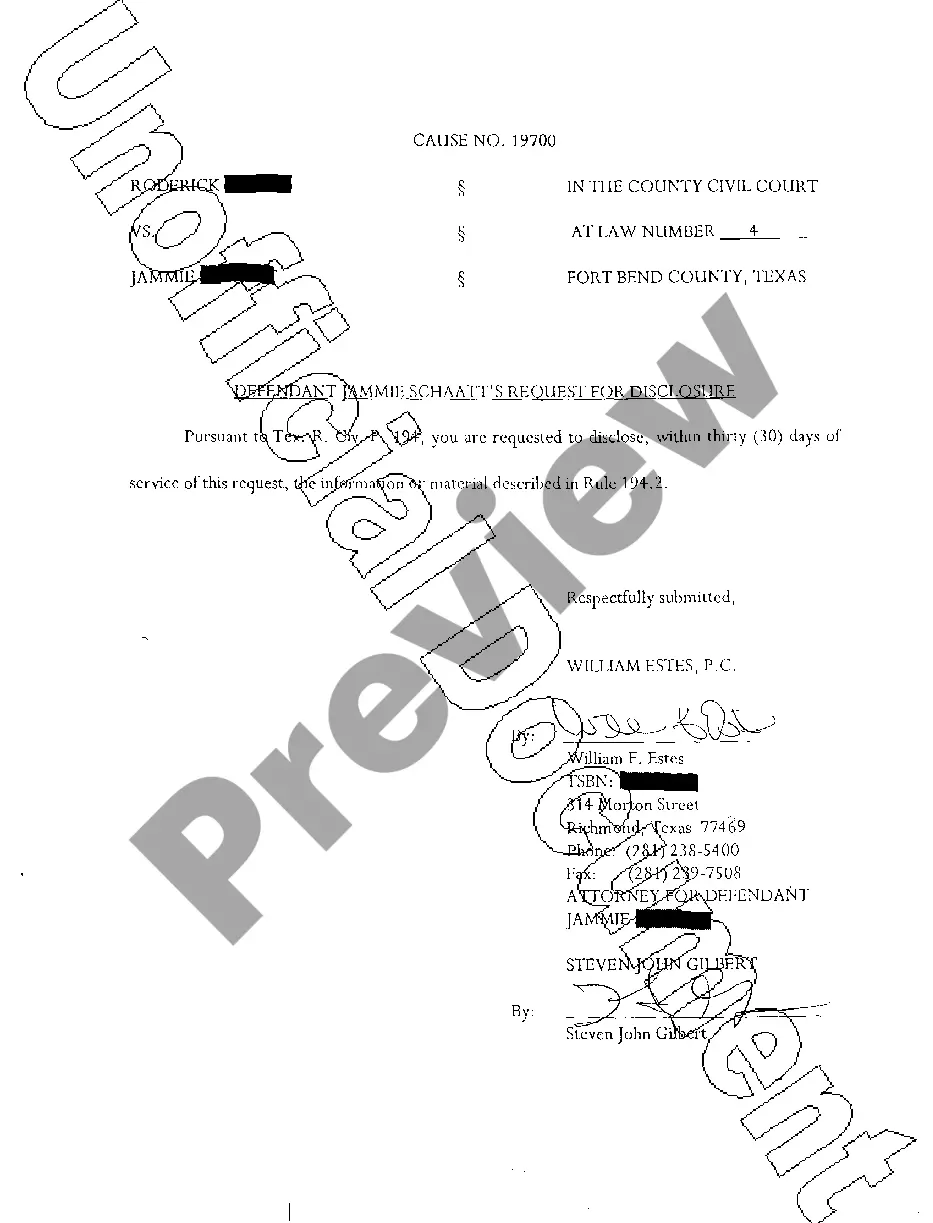
Texas Request for Disclosure to Petitioner
Description
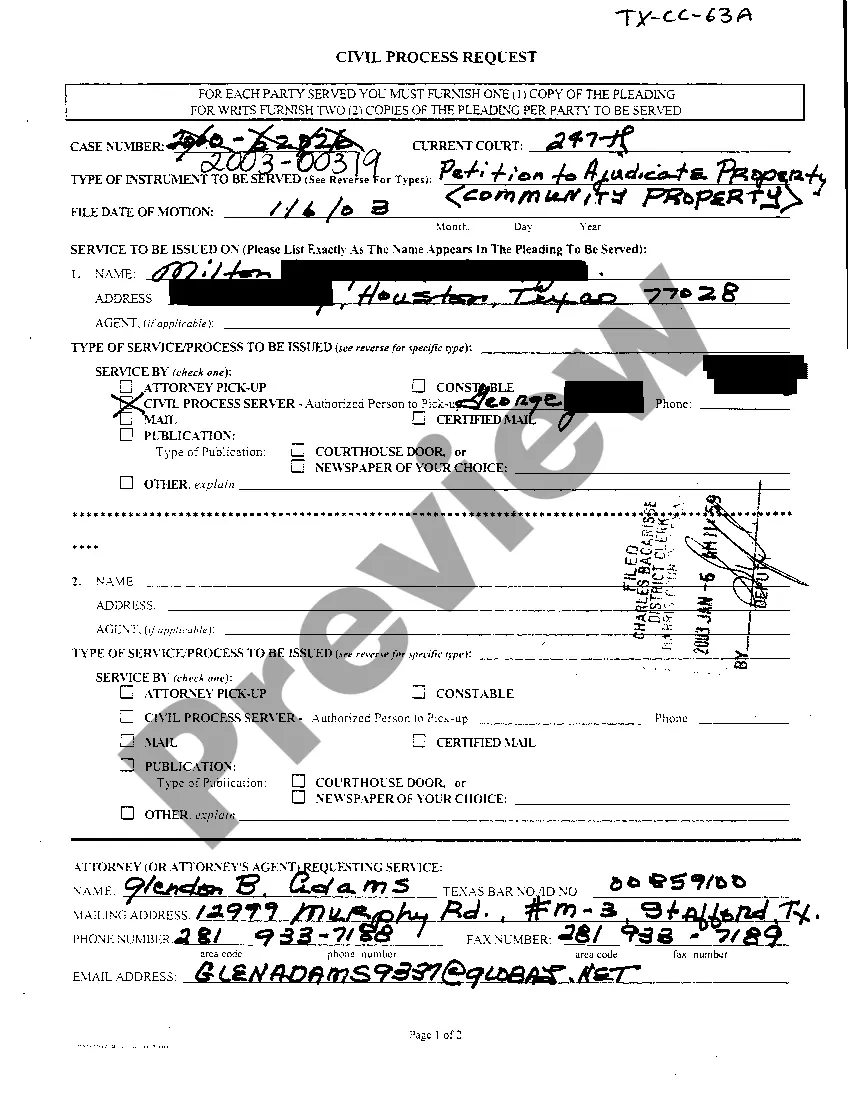
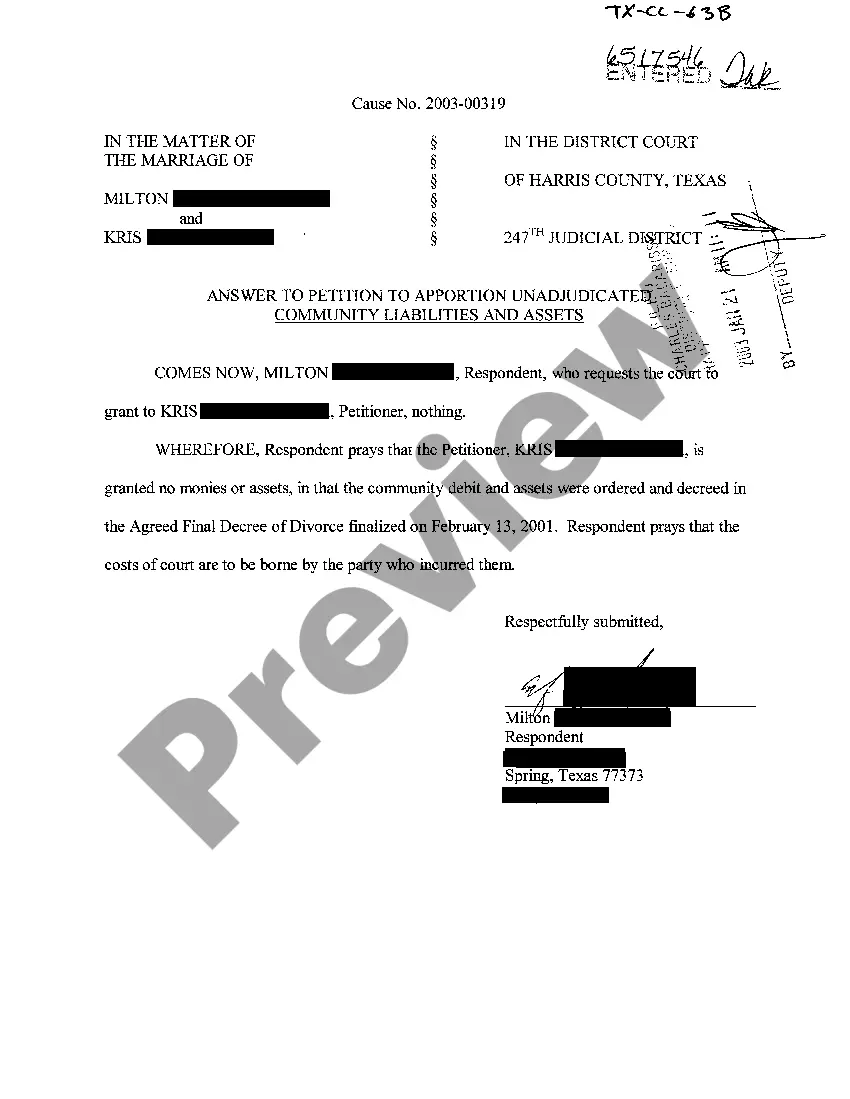

How to fill out Texas Request For Disclosure To Petitioner?
Get access to quality Texas Request for Disclosure to Petitioner samples online with US Legal Forms. Prevent days of lost time searching the internet and dropped money on files that aren’t updated. US Legal Forms gives you a solution to exactly that. Find more than 85,000 state-specific legal and tax templates that you could download and complete in clicks within the Forms library.
To find the sample, log in to your account and click on Download button. The document will be stored in two places: on the device and in the My Forms folder.
For those who don’t have a subscription yet, take a look at our how-guide listed below to make getting started easier:
- See if the Texas Request for Disclosure to Petitioner you’re considering is appropriate for your state.
- Look at the form using the Preview option and read its description.
- Go to the subscription page by clicking Buy Now.
- Choose the subscription plan to continue on to sign up.
- Pay out by credit card or PayPal to finish creating an account.
- Select a favored format to download the file (.pdf or .docx).
You can now open the Texas Request for Disclosure to Petitioner example and fill it out online or print it out and do it yourself. Think about giving the file to your legal counsel to make sure things are completed correctly. If you make a mistake, print out and fill application once again (once you’ve created an account all documents you save is reusable). Make your US Legal Forms account now and get more forms.
Form popularity
FAQ
Formal discovery is the process of discovery that is clearly regulated by statute and common law. Types of formal discovery include such requests as interrogatories, requests for production of documents, and depositions.
The request for disclosure is a form that the parties send to one another requesting answers to questions and the production of certain documents that are routine in every case (the other discovery items are more specifically tailored depending on the type of case).
The request for disclosure is a form that the parties send to one another requesting answers to questions and the production of certain documents that are routine in every case (the other discovery items are more specifically tailored depending on the type of case).
A request for production is a discovery device used to gain access to documents, electronic data, and physical items held by an opposing party in a legal matter. The aim is to gain insight into any relevant evidence that the opposing party holds.
Have a strategy. Adjust the scope of your requests to the questions at issue. Send clear requests. Always consider how your client would be prepared to respond to similar requests. Make your objections clear and specific.
Essentially, a party must disclose to the other parties the information, documents and witnesses that support the party's claims and defenses. Discovery refers to the procedures by which each party learns about the information, documents and witnesses that the other party does not have to disclose.
Rule 194. REQUESTS FOR DISCLOSURE. 194.1 Request. A party may obtain disclosure from another party of the. information or material listed in Rule 194.2 by serving the other partyno not.
The legal term disclosure refers to the portion of the litigation process where each party in the suit is required to disclose any documents that may be considered relevant to the case going to court. This stage normally occurs after each party has made their initial statement in their case.
Requests for Disclosure the most basic form of Texas Discovery. Requests for Disclosure are issued in almost all lawsuits. Requests for Disclosure are designed to produce the most basic information about a lawsuit. In a recent case, a party failed to answer our Request for Disclosure.