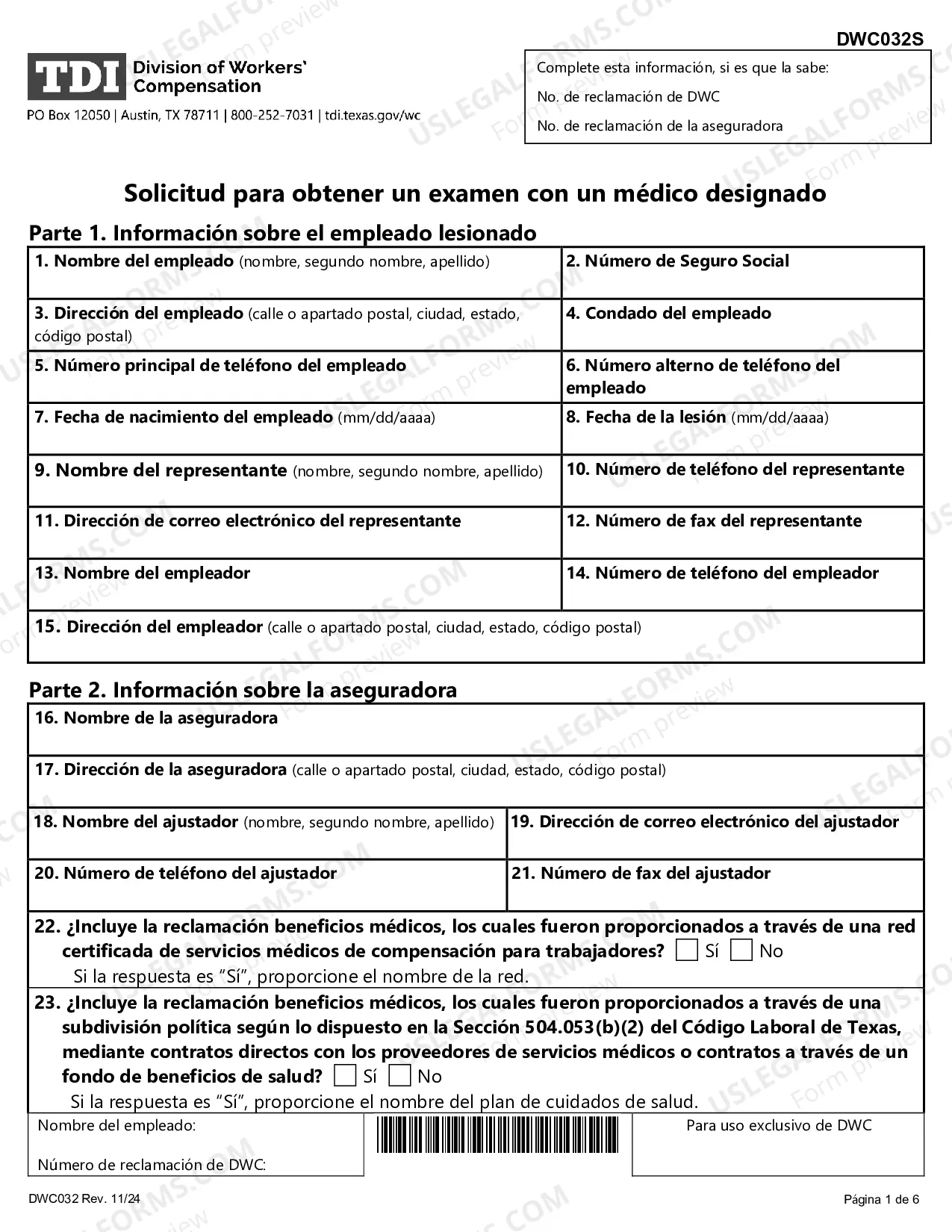
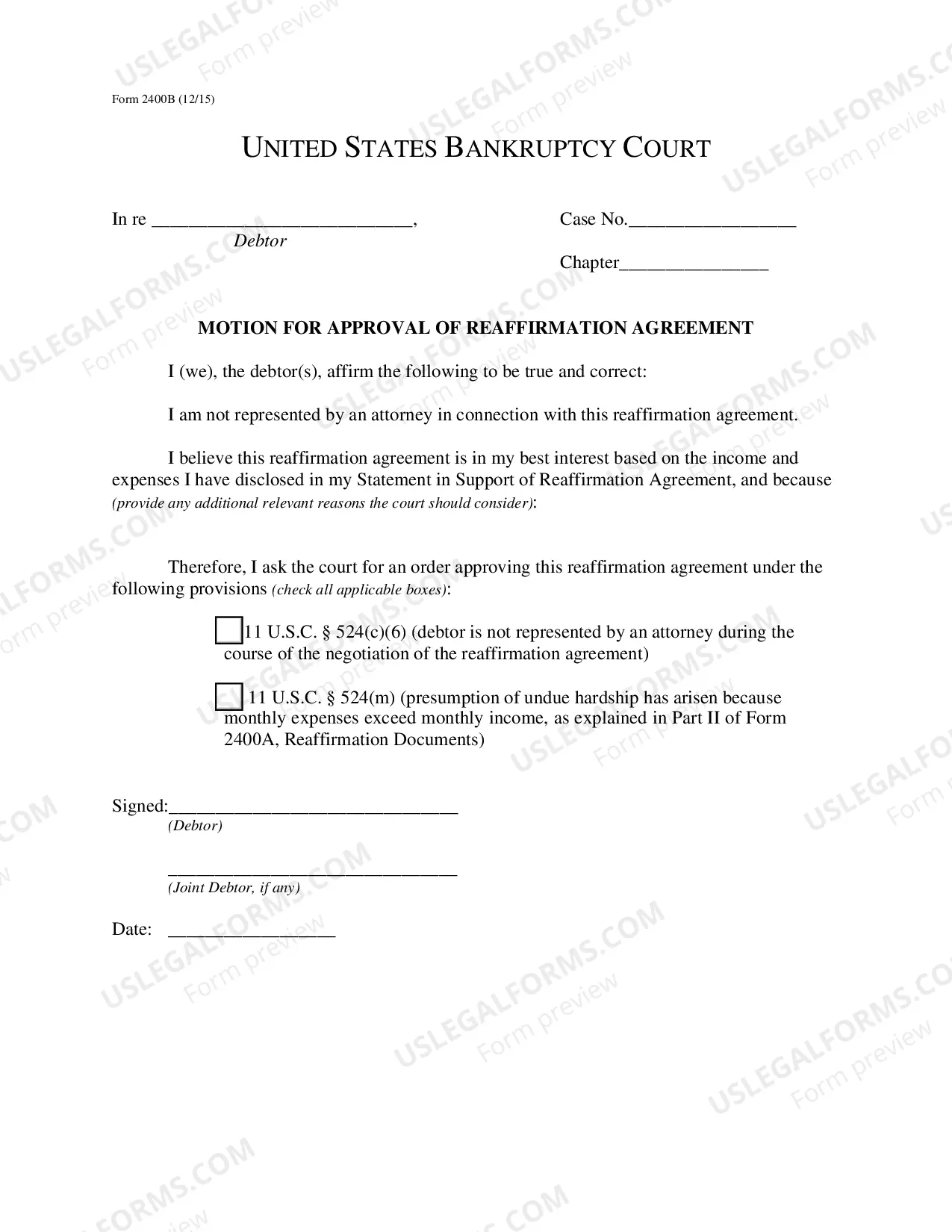
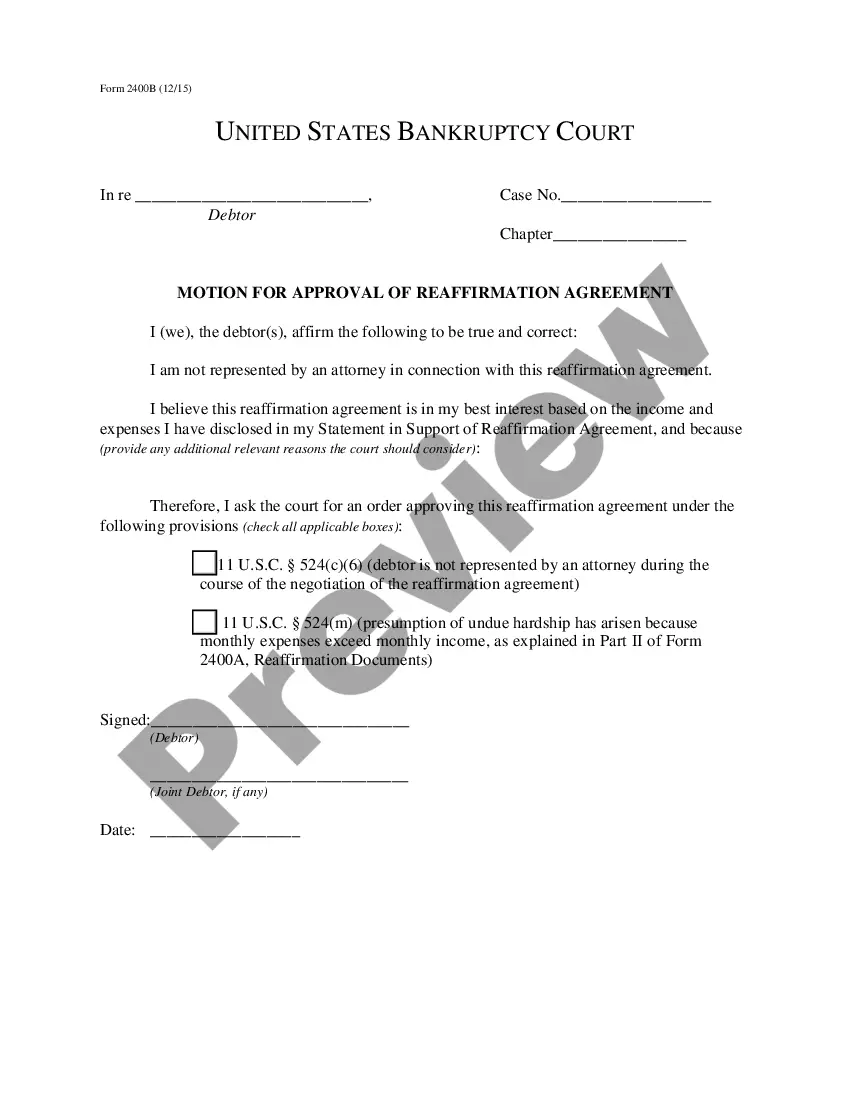
Texas Motion For Approval of Reaffirmation Agreement
Description
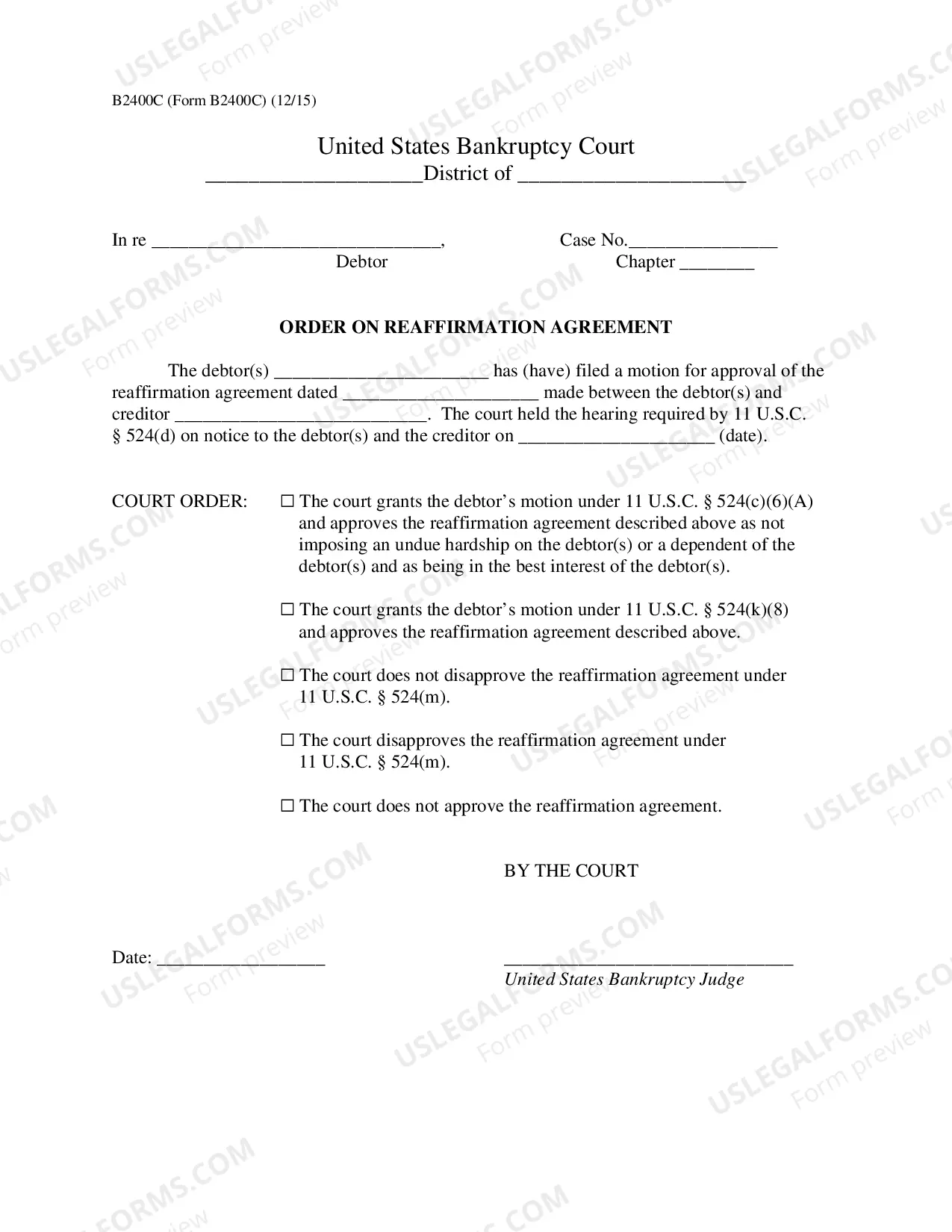
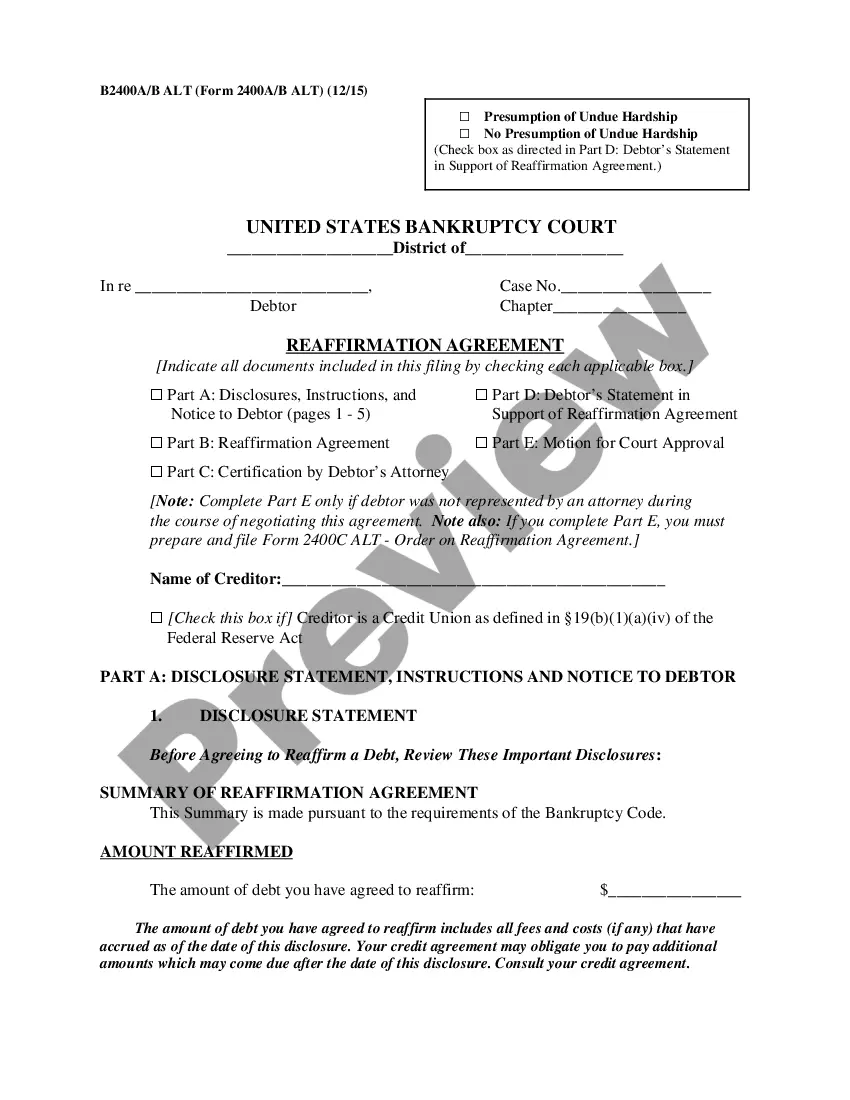
Get your form ready online
Our built-in tools help you complete, sign, share, and store your documents in one place.
Make edits, fill in missing information, and update formatting in US Legal Forms—just like you would in MS Word.
Download a copy, print it, send it by email, or mail it via USPS—whatever works best for your next step.
Sign and collect signatures with our SignNow integration. Send to multiple recipients, set reminders, and more. Go Premium to unlock E-Sign.
If this form requires notarization, complete it online through a secure video call—no need to meet a notary in person or wait for an appointment.
We protect your documents and personal data by following strict security and privacy standards.

Make edits, fill in missing information, and update formatting in US Legal Forms—just like you would in MS Word.

Download a copy, print it, send it by email, or mail it via USPS—whatever works best for your next step.

Sign and collect signatures with our SignNow integration. Send to multiple recipients, set reminders, and more. Go Premium to unlock E-Sign.

If this form requires notarization, complete it online through a secure video call—no need to meet a notary in person or wait for an appointment.

We protect your documents and personal data by following strict security and privacy standards.
Looking for another form?
How to fill out Texas Motion For Approval Of Reaffirmation Agreement?
Handling legal documentation requires attention, accuracy, and using well-drafted templates. US Legal Forms has been helping people across the country do just that for 25 years, so when you pick your Texas Motion For Approval of Reaffirmation Agreement template from our service, you can be sure it complies with federal and state regulations.
Working with our service is simple and quick. To get the necessary document, all you’ll need is an account with a valid subscription. Here’s a quick guide for you to find your Texas Motion For Approval of Reaffirmation Agreement within minutes:
- Make sure to carefully check the form content and its correspondence with general and law requirements by previewing it or reading its description.
- Look for another formal blank if the previously opened one doesn’t suit your situation or state regulations (the tab for that is on the top page corner).
- Log in to your account and download the Texas Motion For Approval of Reaffirmation Agreement in the format you prefer. If it’s your first experience with our service, click Buy now to continue.
- Register for an account, choose your subscription plan, and pay with your credit card or PayPal account.
- Decide in what format you want to save your form and click Download. Print the blank or add it to a professional PDF editor to prepare it paper-free.
All documents are drafted for multi-usage, like the Texas Motion For Approval of Reaffirmation Agreement you see on this page. If you need them in the future, you can fill them out without re-payment - just open the My Forms tab in your profile and complete your document whenever you need it. Try US Legal Forms and prepare your business and personal paperwork rapidly and in total legal compliance!
Form popularity
FAQ
Typically, a reaffirmation agreement is used for secured debt, most commonly associated with a mortgage on real property or a security interest in an automobile. Although it is uncommon, there is no prohibition against a debtor reaffirming an unsecured debt.
A reaffirmation agreement allows you keep any recently purchased property if you can keep up with the payments, essentially "reaffirming" in a contract that you will continue to be responsible for the debt even after the completion of your bankruptcy case.
If I deny the motion to reaffirm the debt, you are under no legal responsibility to pay the creditor, but the creditor can seek to repossess the collateral (if there is any). However the creditor cannot obtain a judgment against you for the amount you owe on this debt.
The deadline to cancel a reaffirmation agreement is the later of these two dates: 60 days after the date the agreement is filed with the Court; or ? the date the Bankruptcy Court issues a discharge in your case.
There are no debt limits for Chapter 7 cases, and this form of bankruptcy may allow all unsecured debts to be completely eliminated. However, a debtor will likely need to turn over certain non-exempt assets to the bankruptcy trustee, who will liquidate these assets and make payments to creditors.
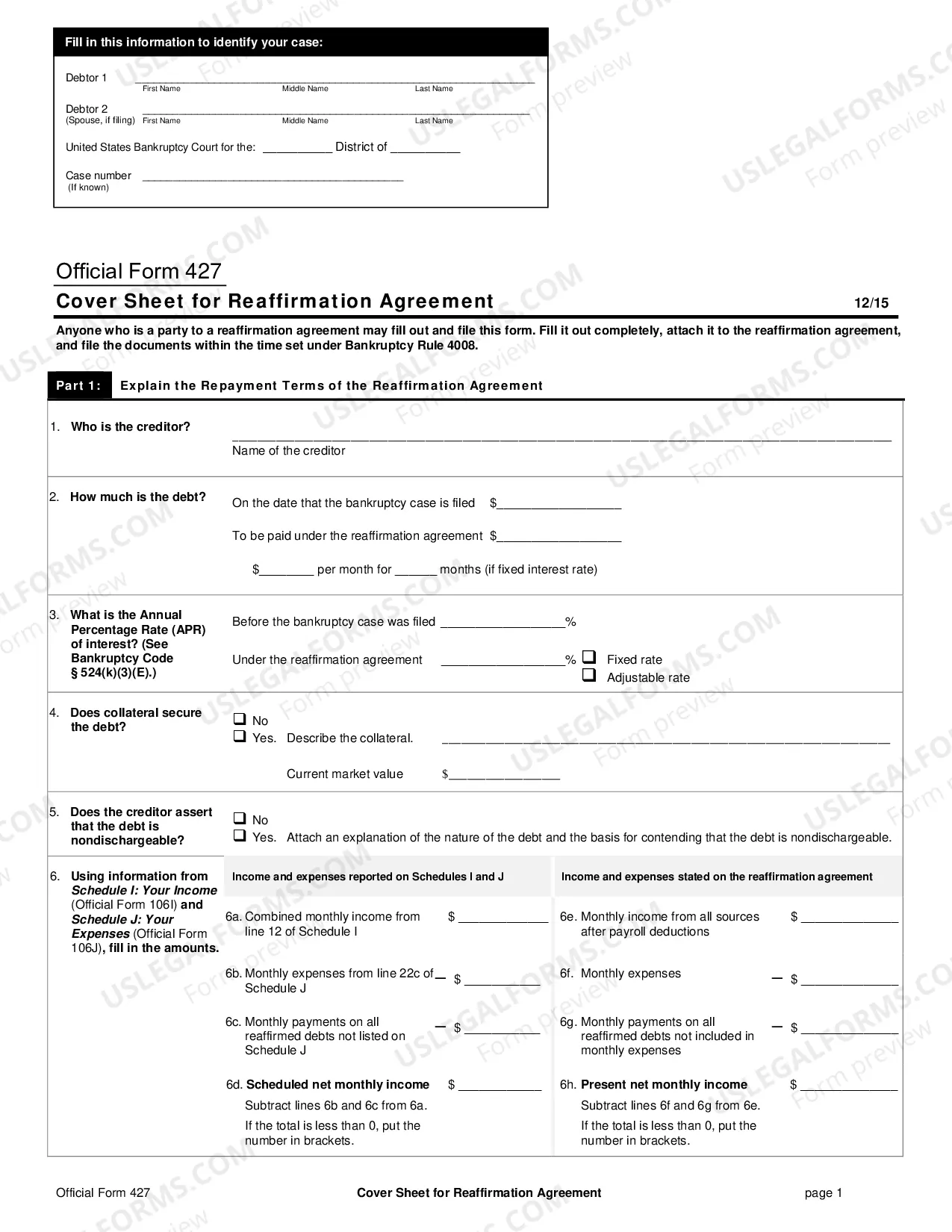
You or your creditor must file with the court the original of this Reaffirmation Documents packet and a completed Reaffirmation Agreement Cover Sheet (Official Bankruptcy Form 27).
No creditor can make you reaffirm a debt. This is because a reaffirmation goes against the most basic upside of filing bankruptcy: the fresh start. You cannot be sent to collections, sued, or garnished on a debt that was discharged in bankruptcy.
A Chapter 7 bankruptcy will generally discharge your unsecured debts, such as credit card debt, medical bills and unsecured personal loans. The court will discharge these debts at the end of the process, generally about four to six months after you start.