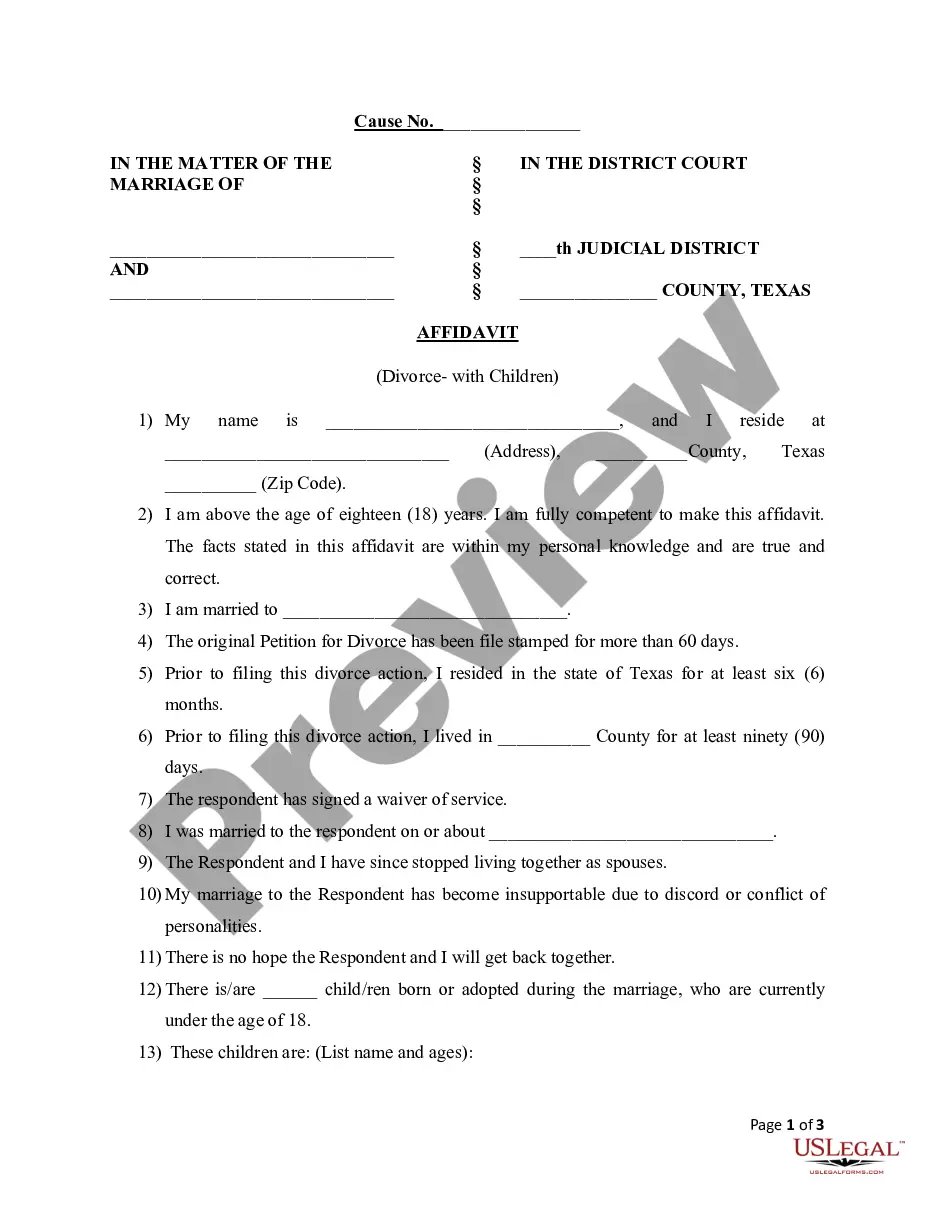
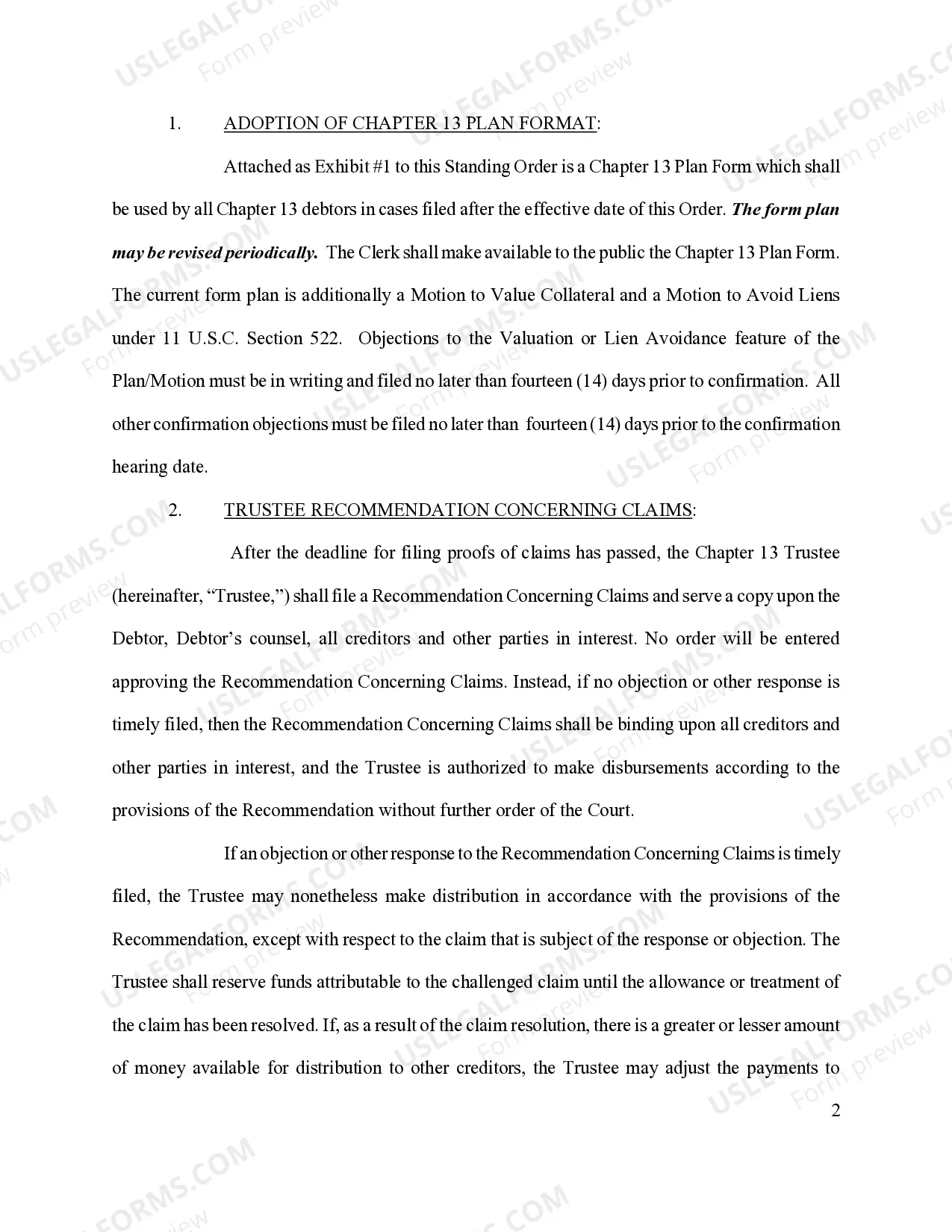
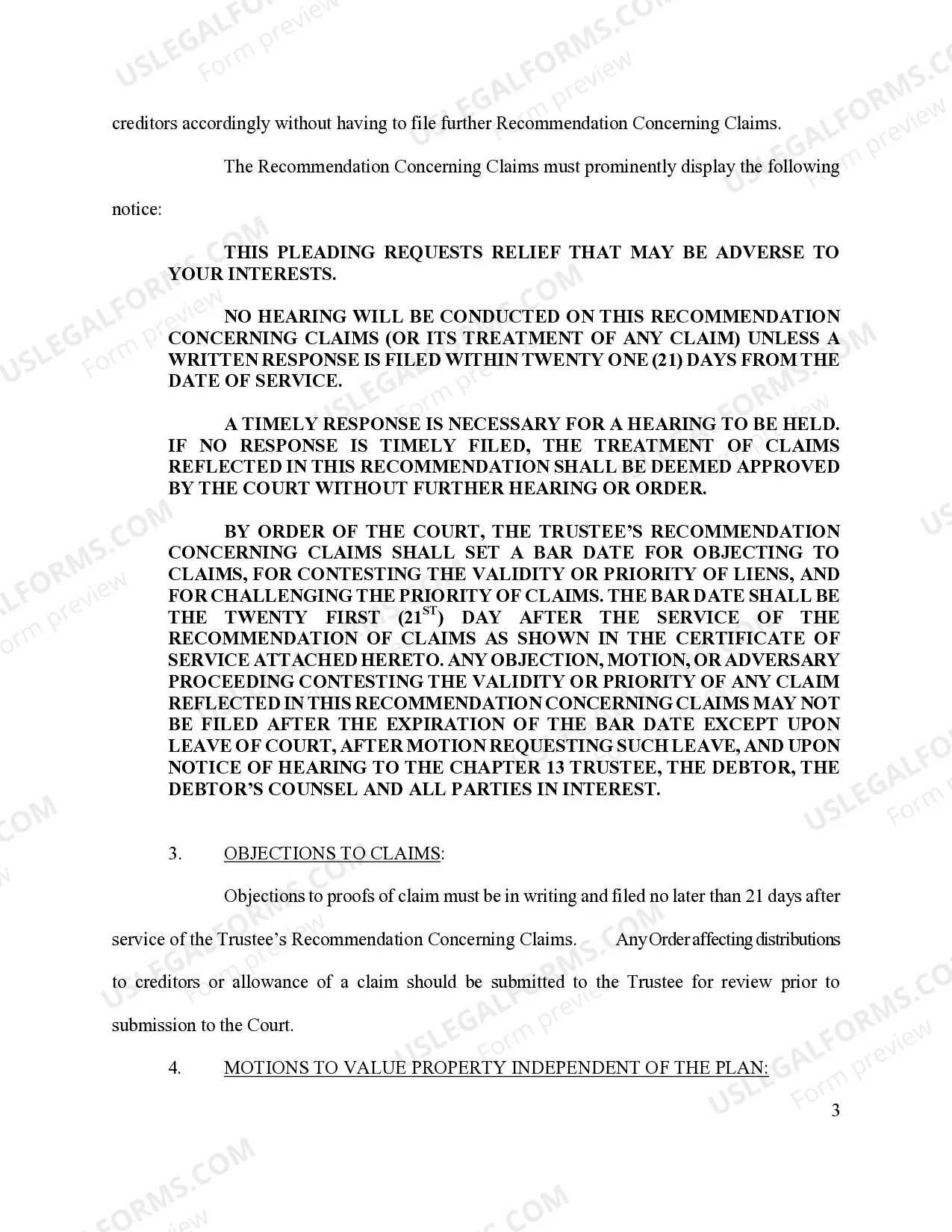
Texas Debtor(s) Chapter 13 Plan (Austin)
Description

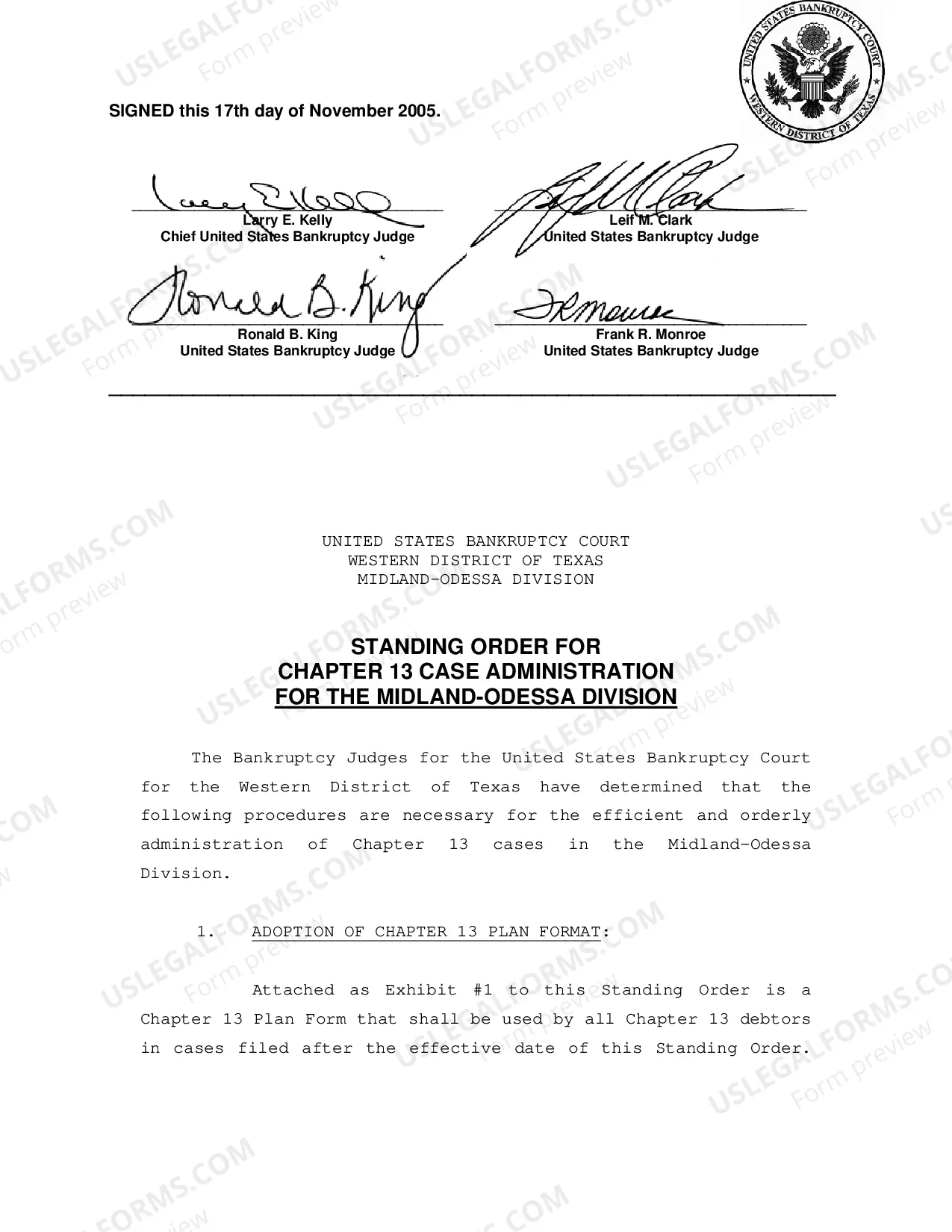
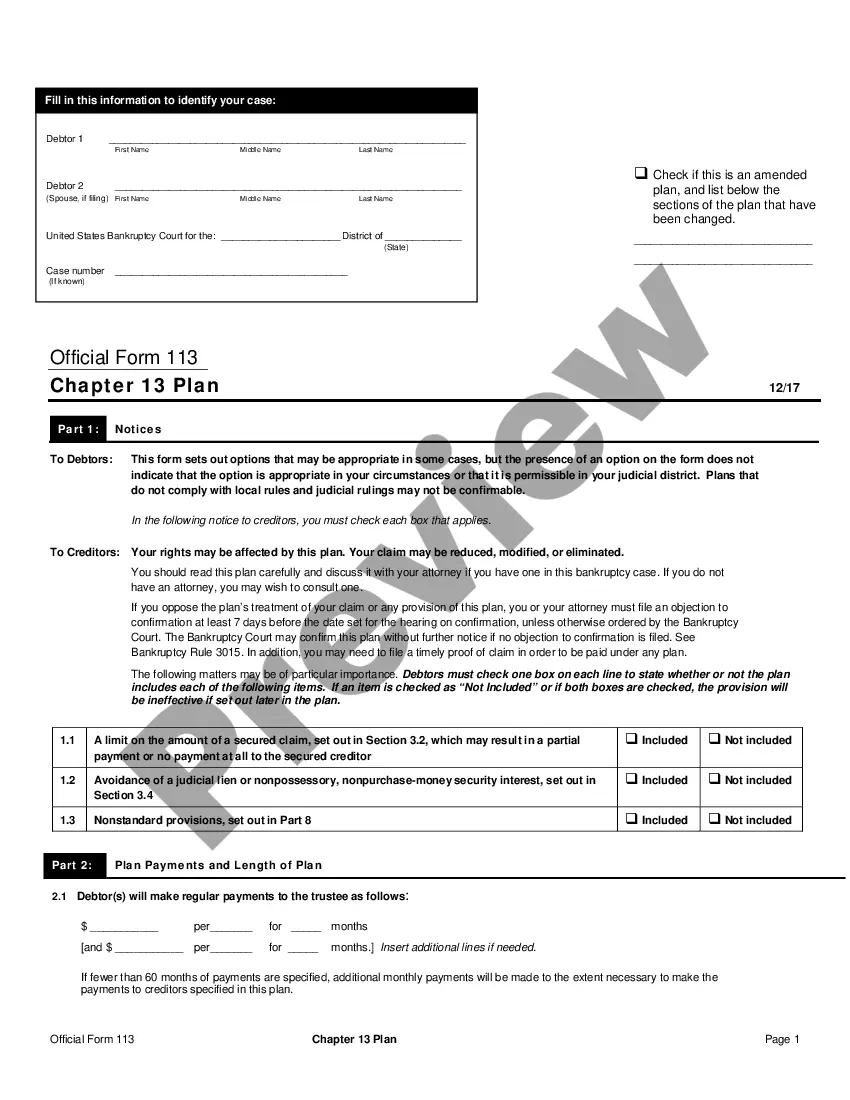
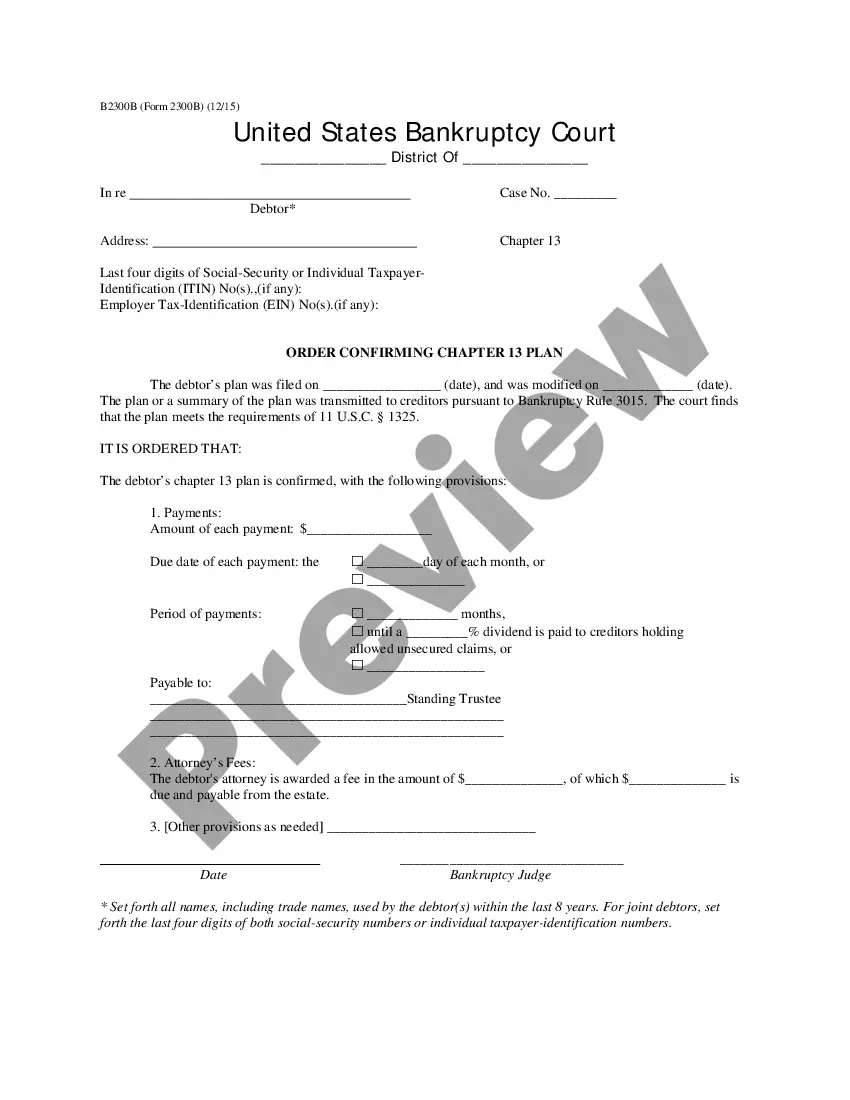
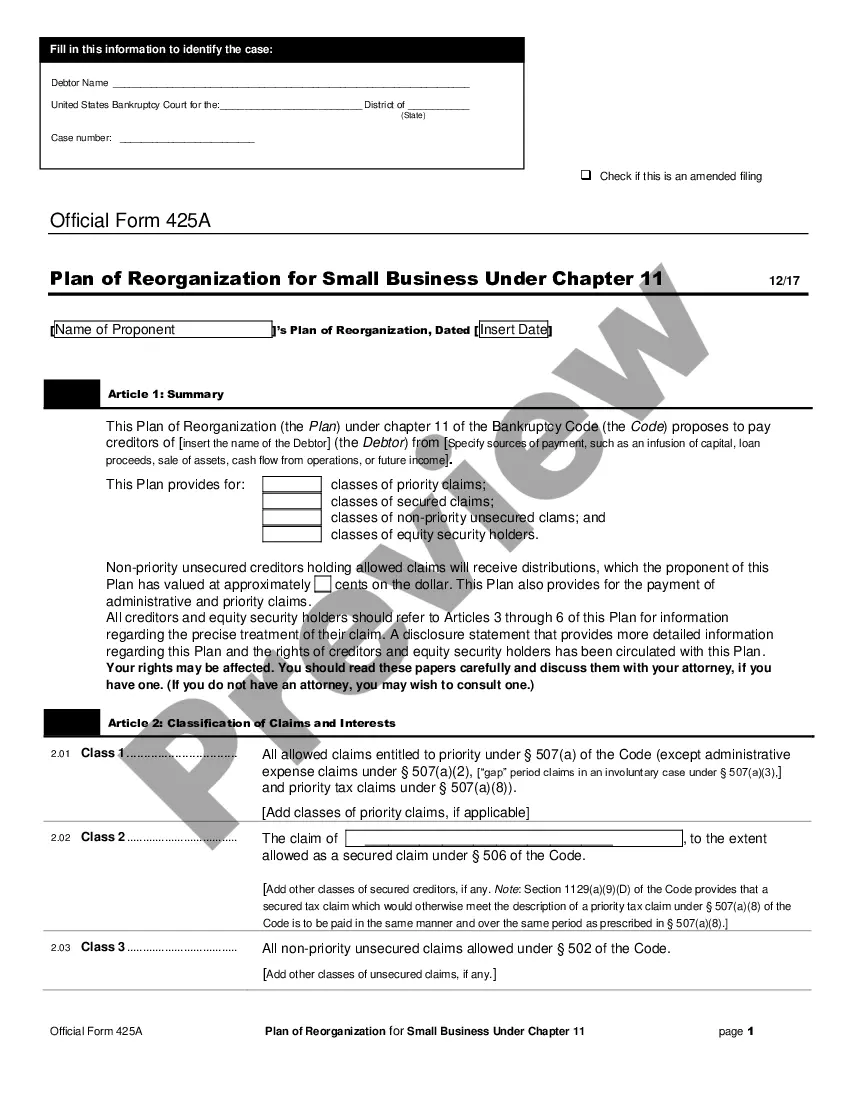
Get your form ready online
Our built-in tools help you complete, sign, share, and store your documents in one place.
Make edits, fill in missing information, and update formatting in US Legal Forms—just like you would in MS Word.
Download a copy, print it, send it by email, or mail it via USPS—whatever works best for your next step.
Sign and collect signatures with our SignNow integration. Send to multiple recipients, set reminders, and more. Go Premium to unlock E-Sign.
If this form requires notarization, complete it online through a secure video call—no need to meet a notary in person or wait for an appointment.
We protect your documents and personal data by following strict security and privacy standards.

Make edits, fill in missing information, and update formatting in US Legal Forms—just like you would in MS Word.

Download a copy, print it, send it by email, or mail it via USPS—whatever works best for your next step.

Sign and collect signatures with our SignNow integration. Send to multiple recipients, set reminders, and more. Go Premium to unlock E-Sign.

If this form requires notarization, complete it online through a secure video call—no need to meet a notary in person or wait for an appointment.

We protect your documents and personal data by following strict security and privacy standards.
Looking for another form?



How to fill out Texas Debtor(s) Chapter 13 Plan (Austin)?
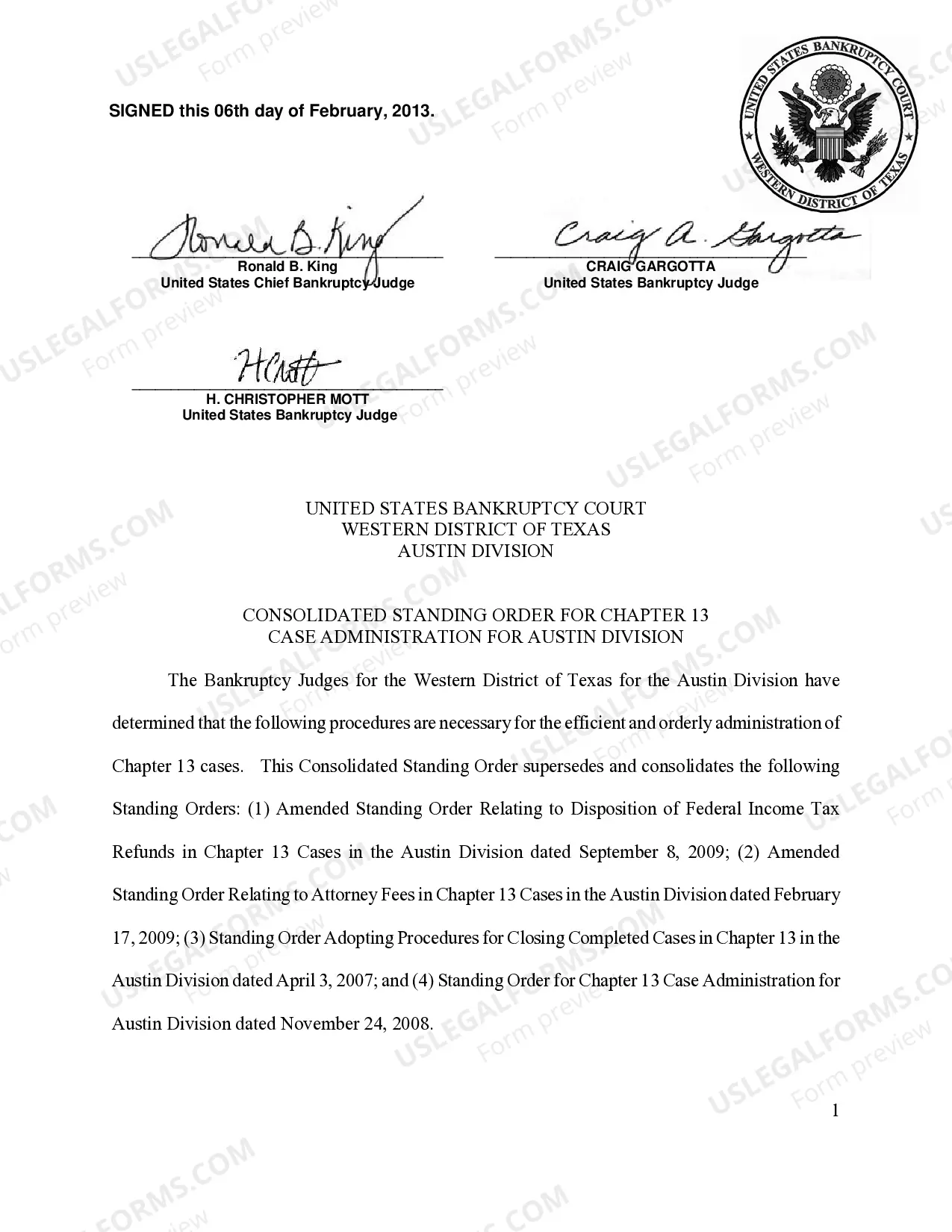
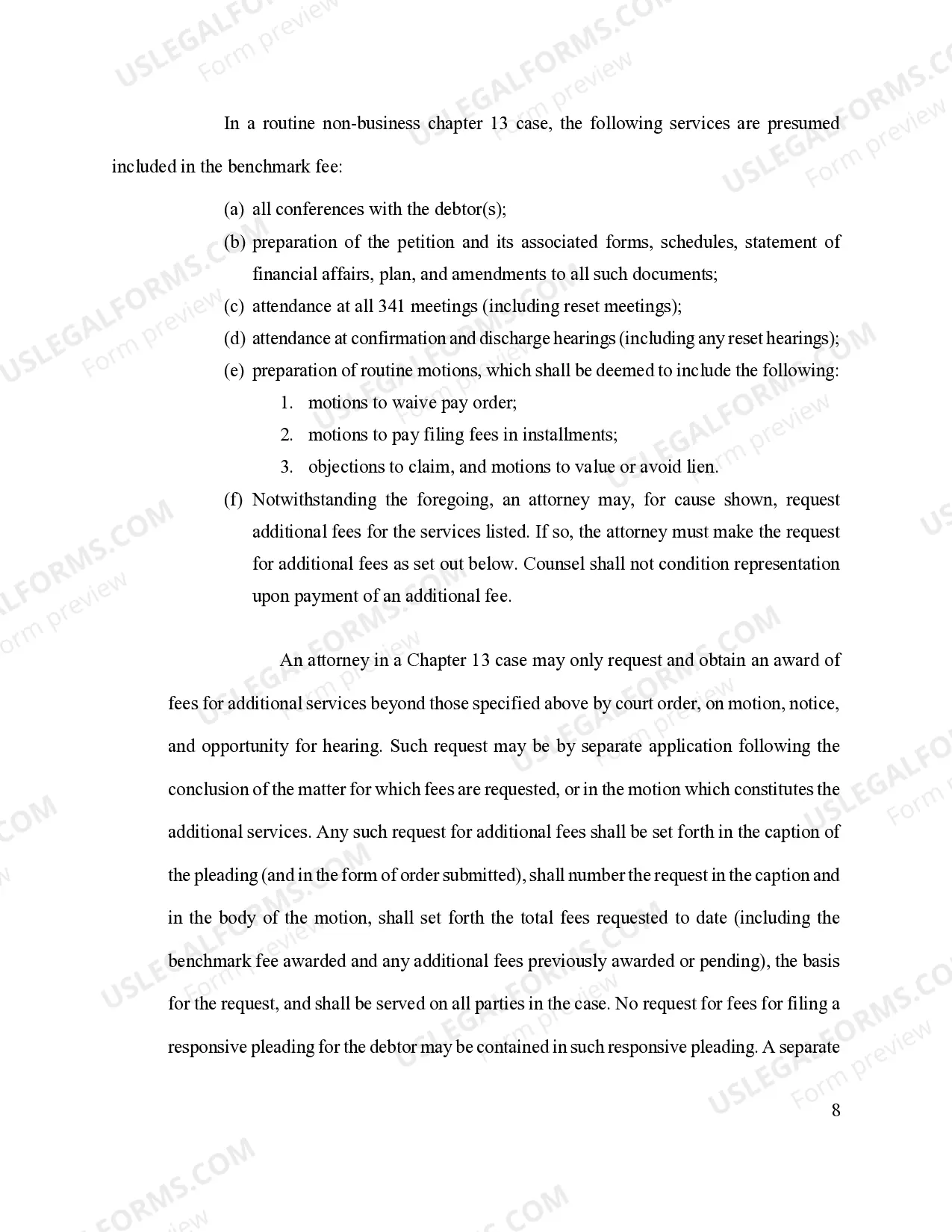
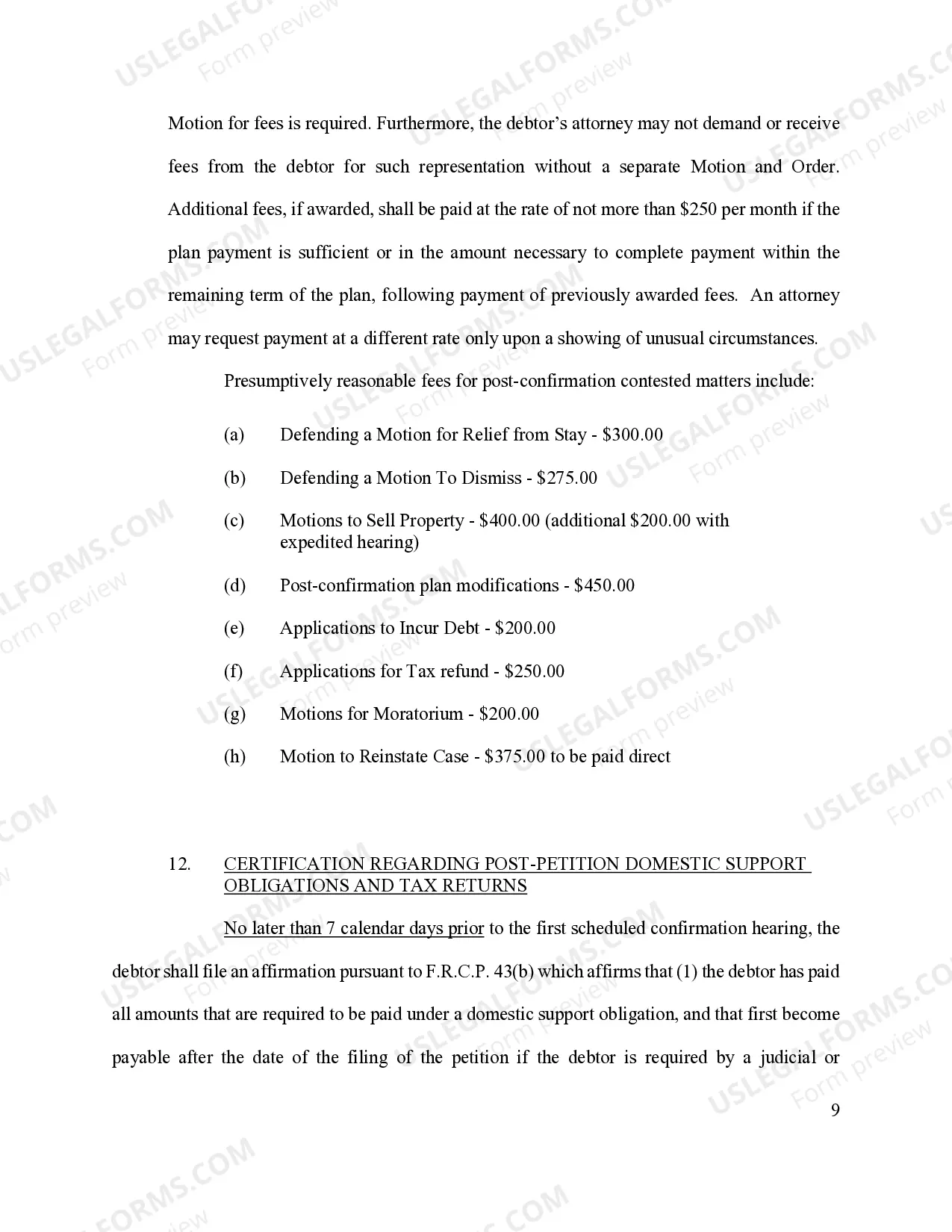
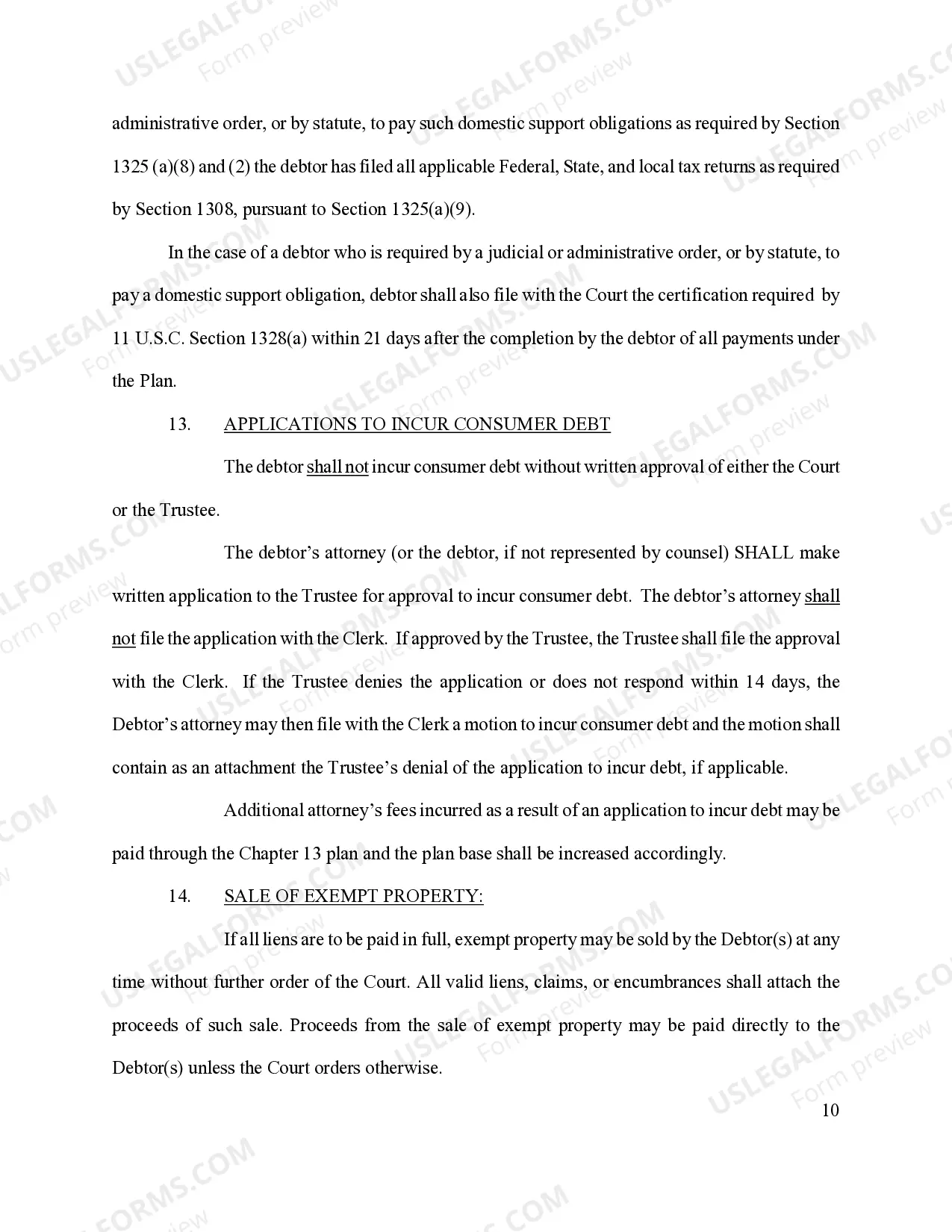
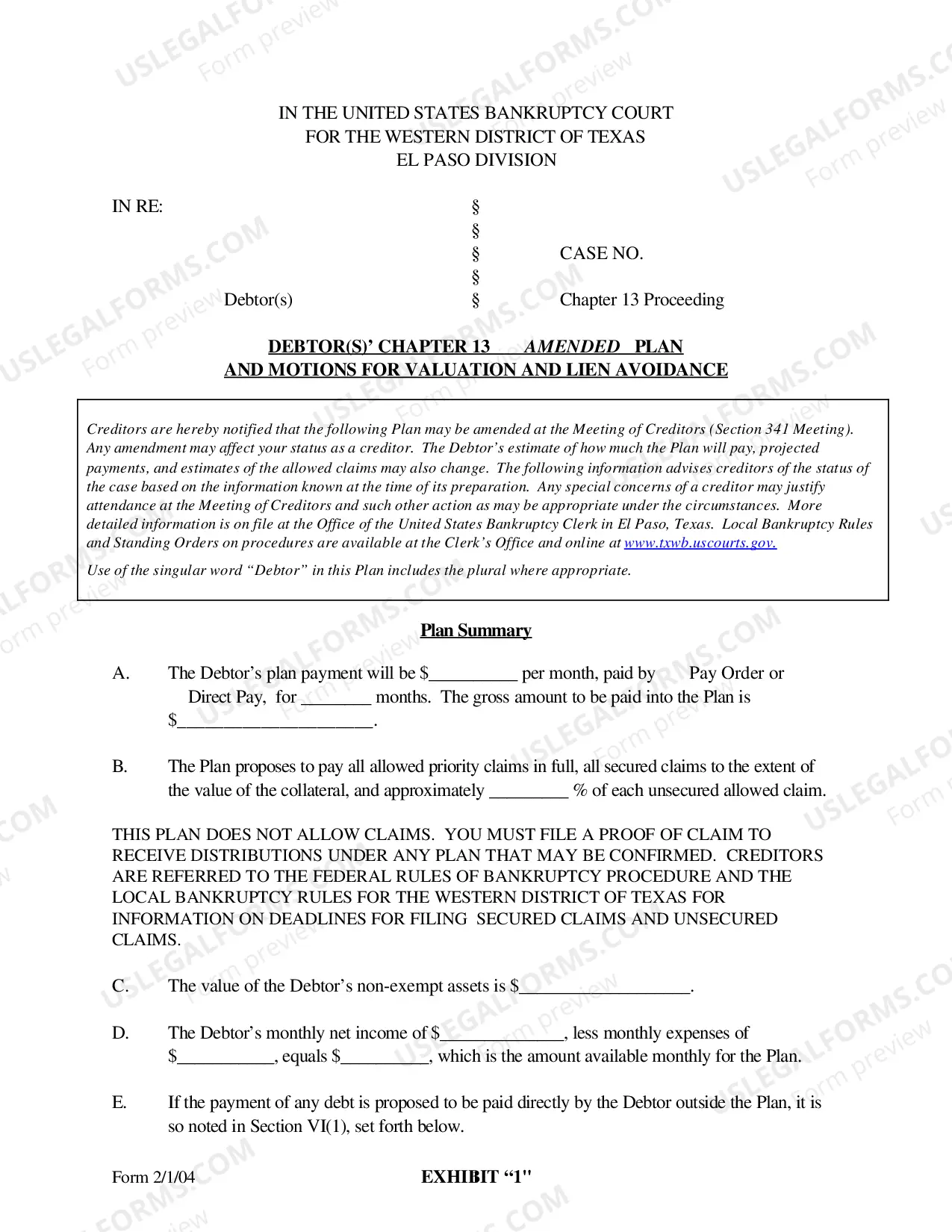
How much time and resources do you typically spend on drafting formal paperwork? There’s a greater opportunity to get such forms than hiring legal experts or spending hours browsing the web for a proper template. US Legal Forms is the top online library that provides professionally designed and verified state-specific legal documents for any purpose, like the Texas Debtor(s) Chapter 13 Plan (Austin).
To get and prepare a suitable Texas Debtor(s) Chapter 13 Plan (Austin) template, follow these simple steps:
- Look through the form content to make sure it meets your state regulations. To do so, check the form description or utilize the Preview option.
- In case your legal template doesn’t satisfy your needs, find another one using the search tab at the top of the page.
- If you already have an account with us, log in and download the Texas Debtor(s) Chapter 13 Plan (Austin). Otherwise, proceed to the next steps.
- Click Buy now once you find the correct document. Opt for the subscription plan that suits you best to access our library’s full service.
- Register for an account and pay for your subscription. You can make a payment with your credit card or via PayPal - our service is absolutely safe for that.
- Download your Texas Debtor(s) Chapter 13 Plan (Austin) on your device and complete it on a printed-out hard copy or electronically.
Another advantage of our library is that you can access previously purchased documents that you safely store in your profile in the My Forms tab. Obtain them anytime and re-complete your paperwork as often as you need.
Save time and effort completing official paperwork with US Legal Forms, one of the most reliable web solutions. Join us today!
Form popularity
FAQ
The Minimum Percentage of Debt Repayments In A Chapter 13 Bankruptcy Is 8 To 10 Percent.
Although a Chapter 13 bankruptcy stays on your record for years, missed debt payments, defaults, repossessions, and lawsuits will also hurt your credit and may be more complicated to explain to a future lender than bankruptcy.
A Chapter 13 petition for bankruptcy will likely necessitate a $500 to $600 monthly payment, especially for debtors paying at least one automobile through the payment plan. However, since the bankruptcy court will consider a large number of factors, this estimate could vary greatly.
Changing jobs is one of the most common reasons for a bankruptcy plan payment increase. Moving on to a higher-paying career or position usually means that the debtor's income increases. Along with raises or promotions to higher paying jobs, the court may also view consistent overtime as a source of additional income.
Under the statute, the debtor (and only the debtor) may propose a chapter 13 plan. Generally, the debtor must file the plan when the case commences or within 14 days afterwards. A repayment plan must detail a schedule of payments of fixed amounts to the trustee on a regular basis, usually biweekly or monthly.
Firstly, all Chapter 13 payment plans must repay all priority claims and administrative expenses in full. These types of debts include taxes, child support, alimony, attorneys' fees and court costs.
Debts dischargeable in a chapter 13, but not in chapter 7, include debts for willful and malicious injury to property (as opposed to a person), debts incurred to pay nondischargeable tax obligations, and debts arising from property settlements in divorce or separation proceedings. 11 U.S.C. § 1328(a).
To calculate the total average monthly payment, add all amounts that are contractually due to each secured creditor in the 60 months after you file for bankruptcy. Then divide by 60.