Texas Notice of Hearing on Temporary Orders
What this document covers
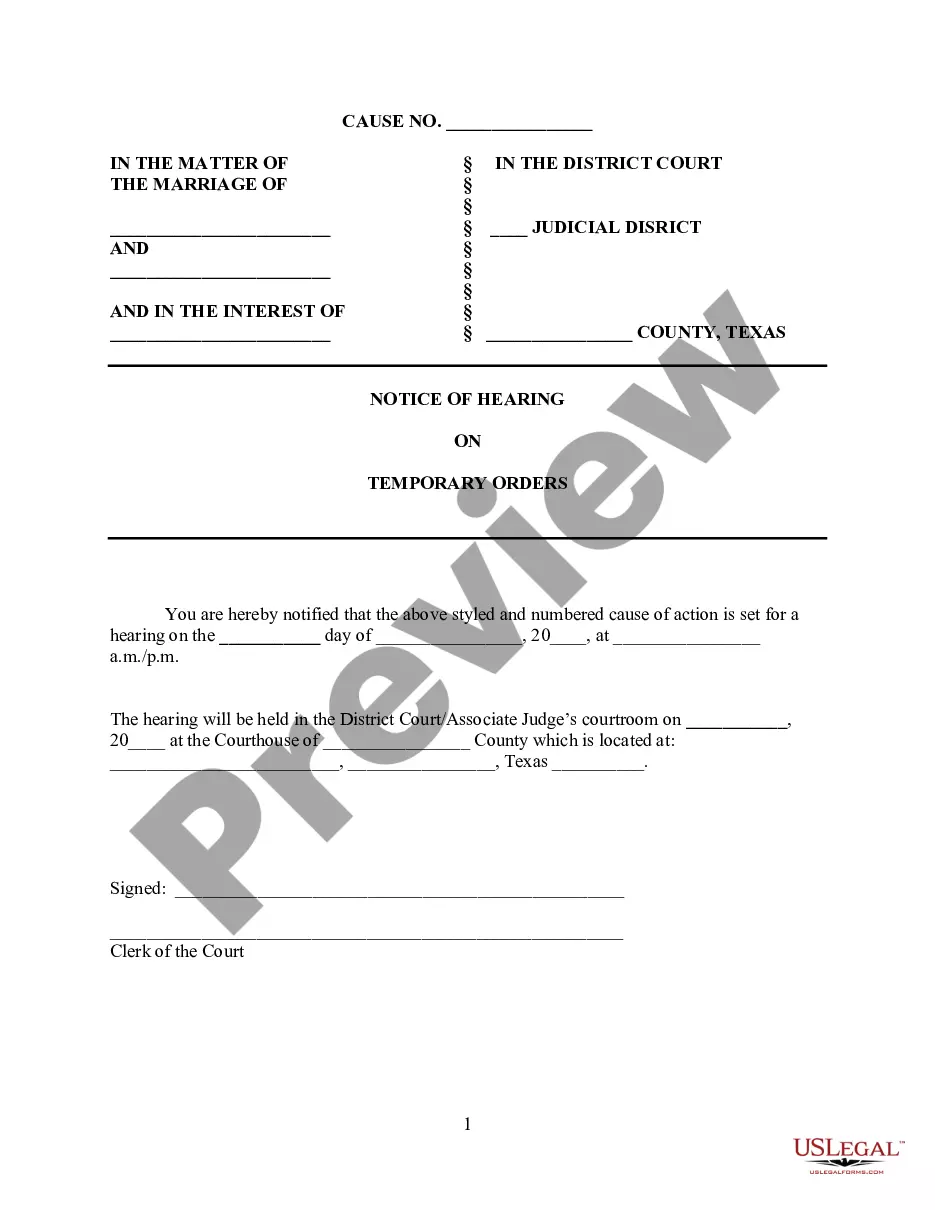
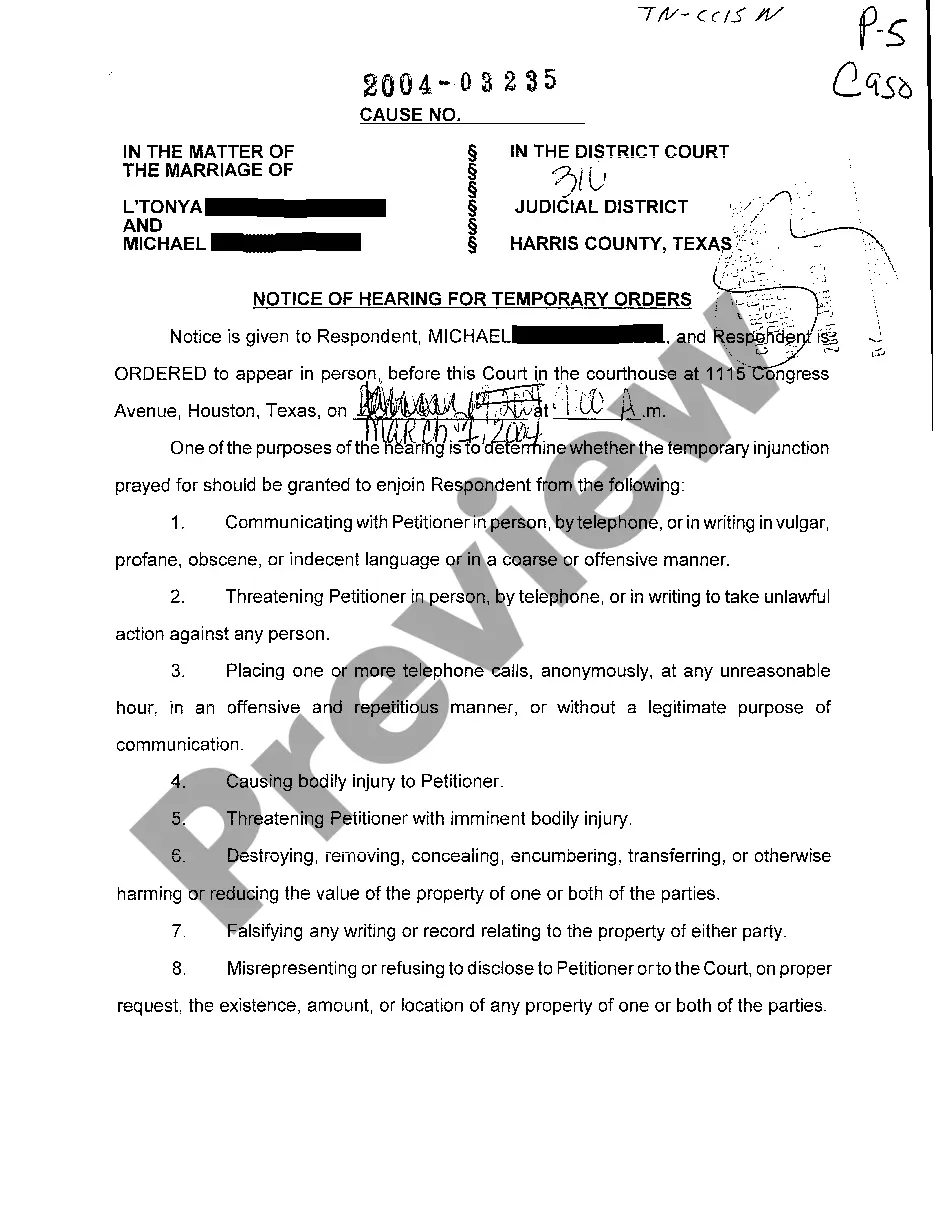
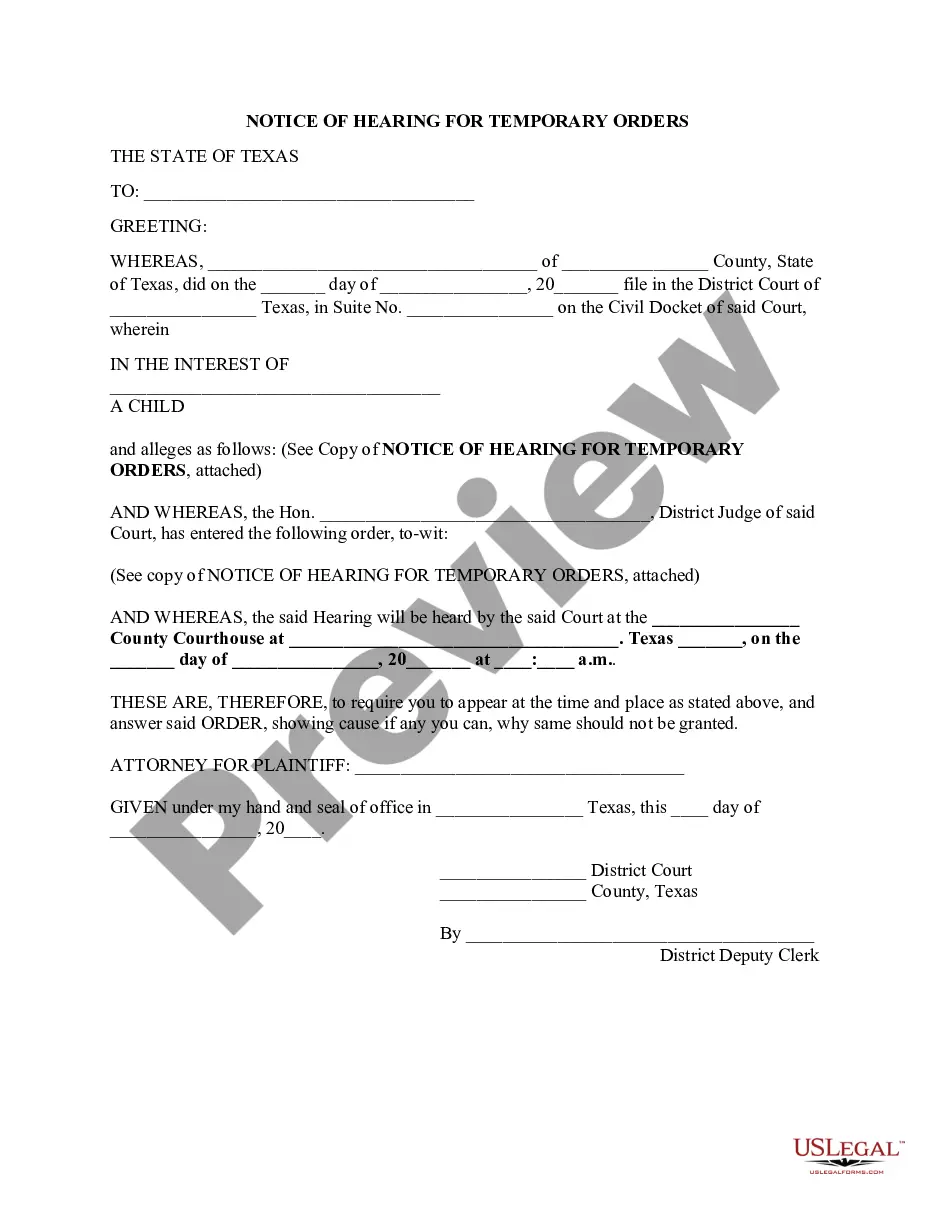
The Notice of Hearing on Temporary Orders is a legal document issued by the court clerk that informs involved parties about an upcoming court hearing regarding temporary orders in a divorce case. This form ensures that everyone is aware of the hearing schedule, allowing them to prepare adequately. It differs from other forms related to divorce proceedings by specifically addressing temporary orders, which are often put in place to provide immediate relief before the divorce is finalized.
Key components of this form
- Court case number for identification.
- Names of the parties involved in the divorce.
- Date and time of the scheduled hearing.
- Location of the courtroom where the hearing will take place.
- Signature of the court clerk confirming the notice.
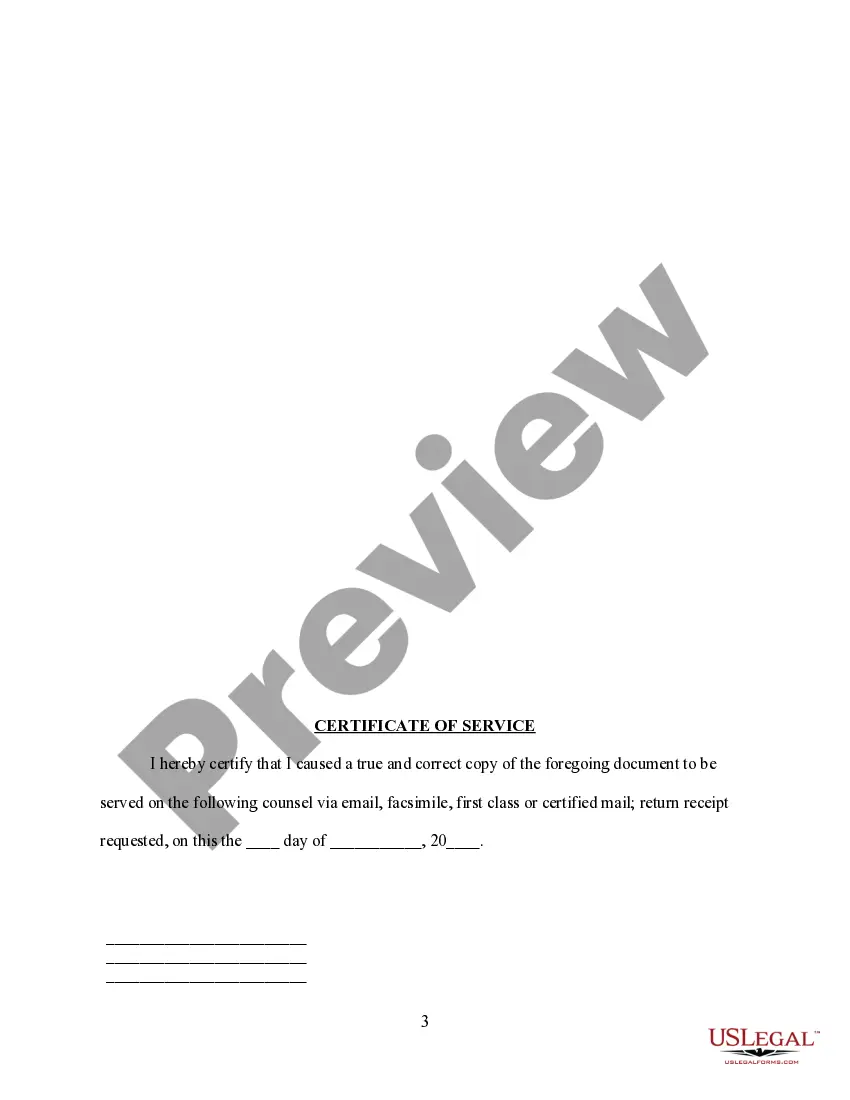
- Certification of service to ensure all relevant parties receive notice.


When to use this form
This form should be used when a hearing is scheduled to discuss temporary orders related to a divorce action. Common scenarios where this form is needed include when one spouse is seeking temporary custody of children, spousal support, or the use of marital property while the divorce is pending. It is essential to ensure that all parties involved are properly notified of the hearing to uphold due process in the legal proceedings.
Who can use this document
- Individuals currently engaged in divorce proceedings.
- Both spouses who need official notification regarding the hearing.
- Legal representatives of either party involved in the divorce.
Steps to complete this form
- Fill in the court case number at the top of the form.
- Insert the full names of both parties involved in the divorce.
- Specify the date and time of the hearing in the designated fields.
- Provide the location and address of the courthouse where the hearing will occur.
- Sign the document in the section designated for the Clerk of the Court.
- Complete the Certificate of Service to confirm that all relevant parties have received the notice.
Notarization requirements for this form
This form does not typically require notarization unless specified by local law. However, it's important to ensure compliance with jurisdictional requirements for enforceability.
Get your form ready online
Our built-in tools help you complete, sign, share, and store your documents in one place.
Make edits, fill in missing information, and update formatting in US Legal Forms—just like you would in MS Word.
Download a copy, print it, send it by email, or mail it via USPS—whatever works best for your next step.
Sign and collect signatures with our SignNow integration. Send to multiple recipients, set reminders, and more. Go Premium to unlock E-Sign.
If this form requires notarization, complete it online through a secure video call—no need to meet a notary in person or wait for an appointment.
We protect your documents and personal data by following strict security and privacy standards.

Make edits, fill in missing information, and update formatting in US Legal Forms—just like you would in MS Word.

Download a copy, print it, send it by email, or mail it via USPS—whatever works best for your next step.

Sign and collect signatures with our SignNow integration. Send to multiple recipients, set reminders, and more. Go Premium to unlock E-Sign.

If this form requires notarization, complete it online through a secure video call—no need to meet a notary in person or wait for an appointment.

We protect your documents and personal data by following strict security and privacy standards.
Typical mistakes to avoid
- Failing to include the correct court case number.
- Omitting necessary signatures or dates.
- Not serving the notice to all required parties.
- Leaving fields blank, especially regarding hearing details.
Benefits of completing this form online
- Convenient access to the latest legal templates anytime.
- Edit and customize the form according to specific needs.
- Security in handling sensitive legal information.
Looking for another form?

Form popularity
FAQ
Temporary orders are a way to get an agreement about child custody and support in place while the process for the final order is in process. Temporary restraining orders and protective orders are emergency agreements meant to protect the safety of a child or ex-spouse.
Whether you are going through a divorce or child custody case a temporary orders hearing occurs typically within four weeks of the lawsuit having been filed.
How to Win a Temporary Custody Hearing Write a detailed history about your marital relationship, which should include dates and facts that support your case. Do not forget to pick the pictures, videos and other visual aids that you will present before the court as evidence.
Temporary orders are a way to get an agreement about child custody and support in place while the process for the final order is in process. Temporary restraining orders and protective orders are emergency agreements meant to protect the safety of a child or ex-spouse.
Yes, you can ask the court to change temporary orders by filing a Motion to Modify Temporary Orders. However, you must be able to show a significant change in circumstances. Talk with a lawyer first. It may make more sense to set your case for a final hearing.
In Texas, a TRO lasts for 14 days or until your temporary orders hearing, whichever is first. But what about after the hearing? If a set of temporary orders worked for all family members, then the court might choose to turn the temporary order into a permanent or final order to finalize the divorce.
In Texas, a TRO lasts for 14 days or until your temporary orders hearing, whichever is first. But what about after the hearing? If a set of temporary orders worked for all family members, then the court might choose to turn the temporary order into a permanent or final order to finalize the divorce.