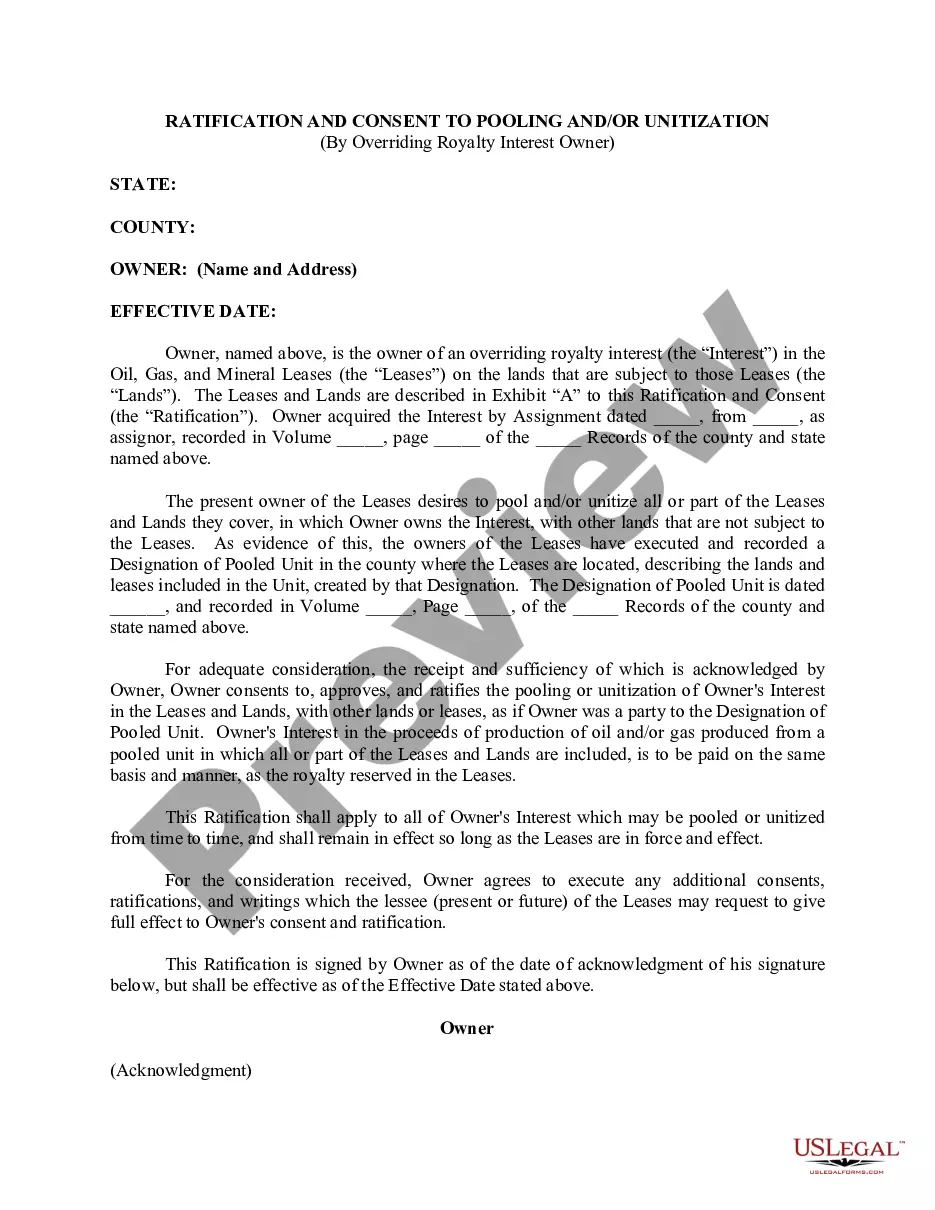
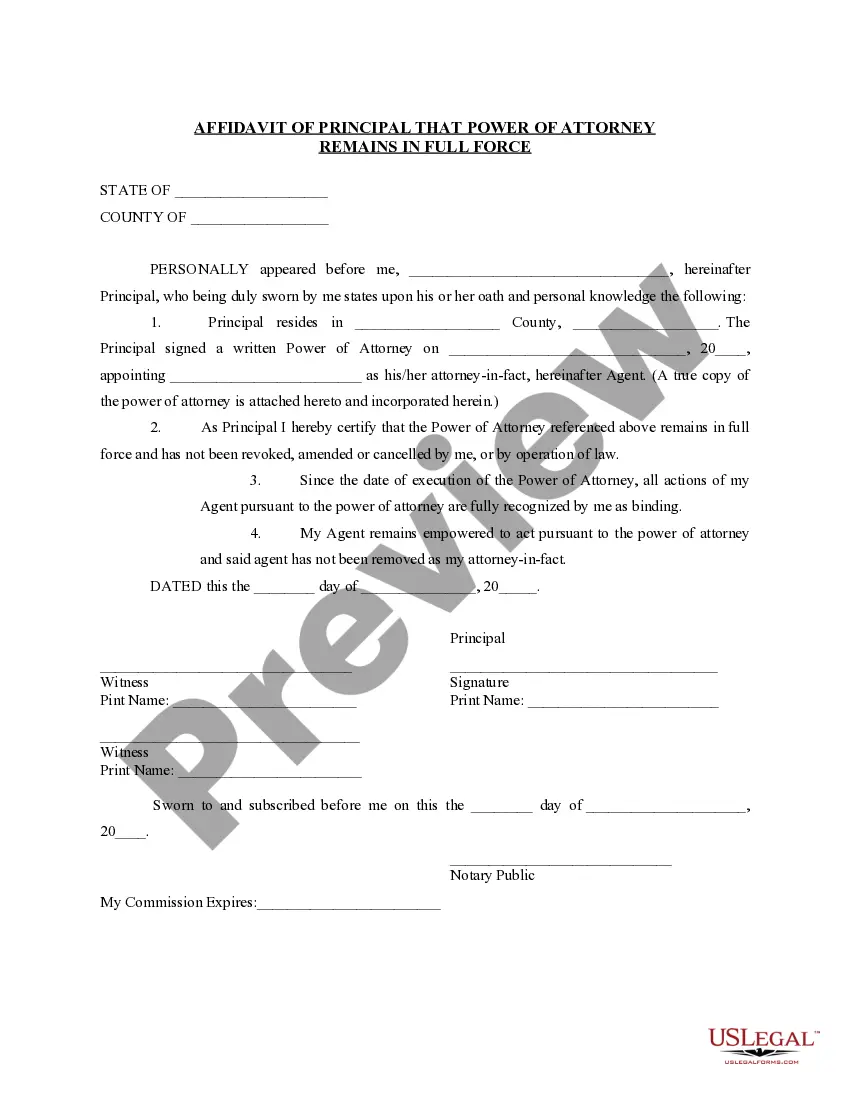
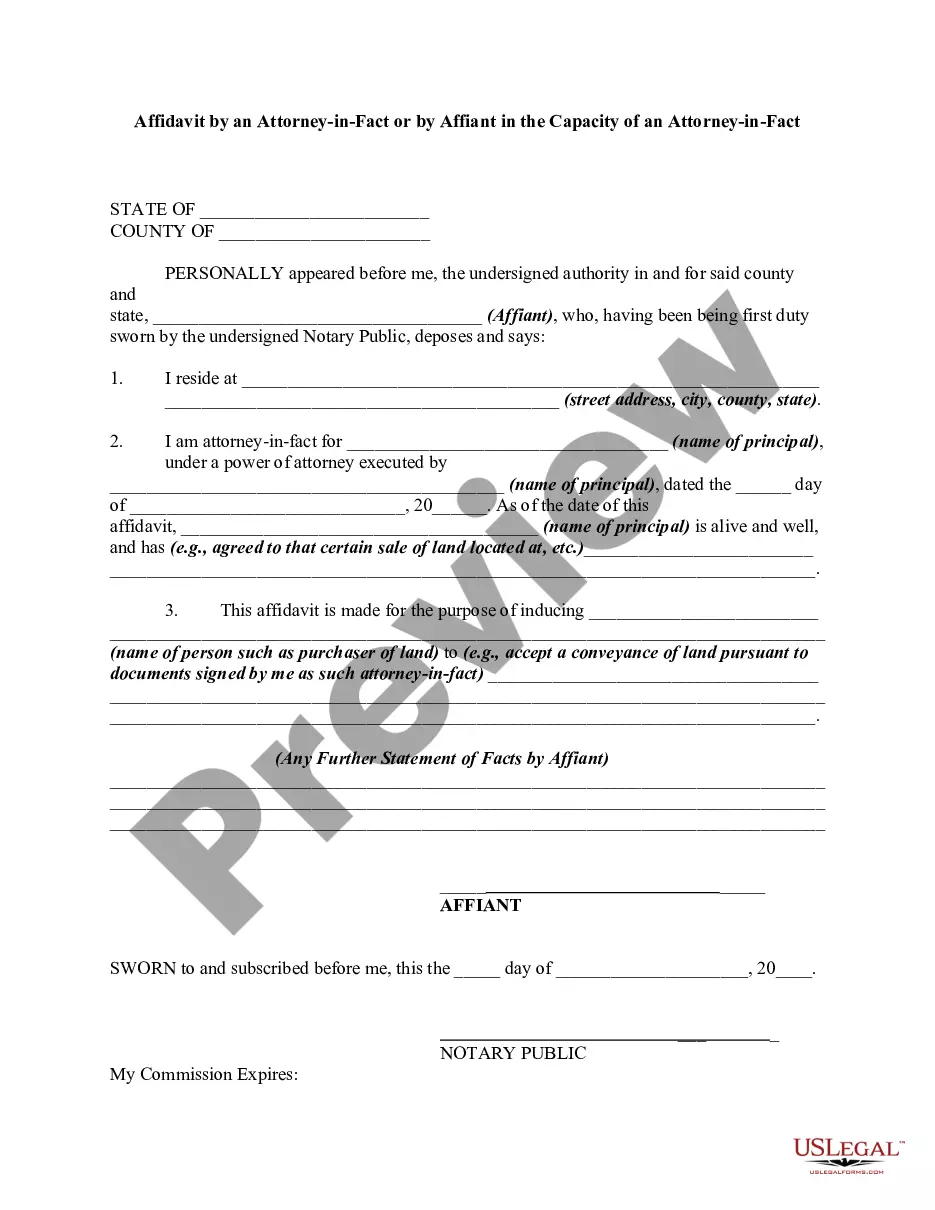
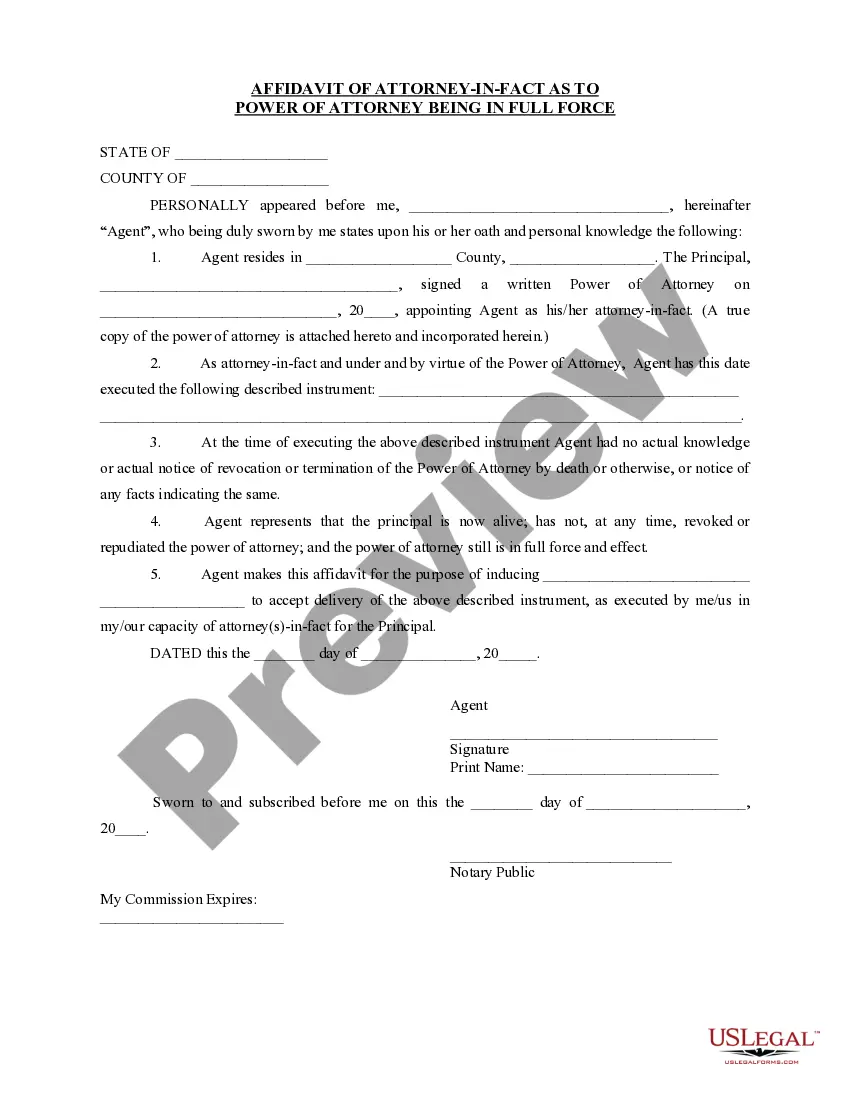
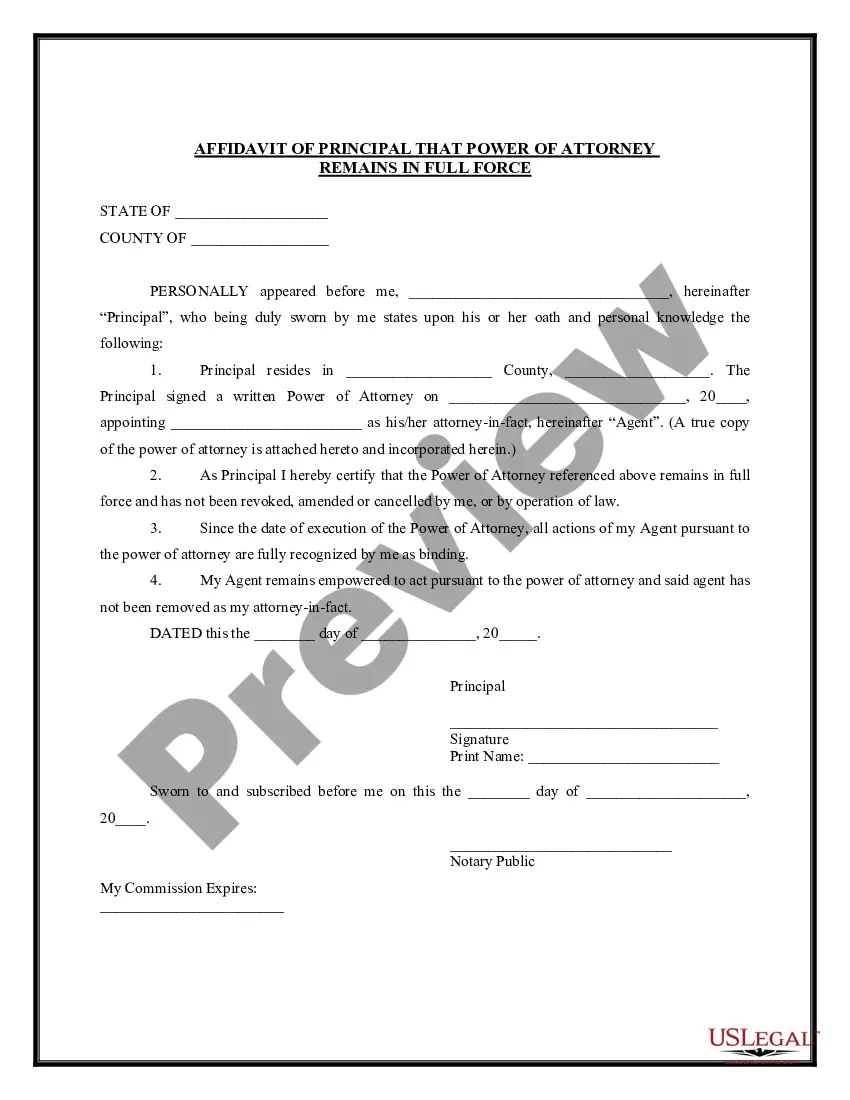
This affidavit is for a Principal to certify that the power of attorney has not been revoked and remains in full force. Only for use in Florida, Michigan, Ohio, South Carolina or Vermont.
Tennessee Affidavit of Principal that Power of Attorney not Revoked and in Full Force with Witnesses
Category:
State:
Multi-State
Control #:
US-P098AB
Format:
Word;
Rich Text
Instant download
Description

How to fill out Affidavit Of Principal That Power Of Attorney Not Revoked And In Full Force With Witnesses?
US Legal Forms - one of the largest collections of authentic templates in the United States - offers a variety of legal document designs that you can download or print. By utilizing the website, you can access thousands of forms for business and personal use, organized by categories, states, or keywords.
You can obtain the most up-to-date versions of forms such as the Tennessee Affidavit of Principal that Power of Attorney is not Revoked and is in Full Force with Witnesses in just moments. If you already have a subscription, Log In and download the Tennessee Affidavit of Principal that Power of Attorney is not Revoked and is in Full Force with Witnesses from your US Legal Forms collection. The Download button will appear on each form you view. You can access all previously obtained forms in the My documents section of your account.
If you are using US Legal Forms for the first time, here are simple steps to help you get started: Ensure you have selected the correct form for your city/state. Click on the Preview button to review the form’s content. Read the form description to confirm that you have selected the right form. If the form does not meet your needs, use the Search box at the top of the screen to find the one that does. Once you are satisfied with the form, confirm your choice by clicking the Buy now button. Then, choose the pricing plan you prefer and provide your details to create an account. Complete the transaction. Use your credit card or PayPal account to finalize the purchase. Choose the format and download the form to your device. Make modifications. Fill out, edit, print, and sign the downloaded Tennessee Affidavit of Principal that Power of Attorney is not Revoked and is in Full Force with Witnesses.
- Every template you add to your account has no expiration date and is yours permanently.
- Therefore, if you wish to download or print another copy, simply navigate to the My documents section and click on the form you need.
- Access the Tennessee Affidavit of Principal that Power of Attorney is not Revoked and is in Full Force with Witnesses through US Legal Forms, the most extensive collection of legal document templates.
- Utilize a multitude of professional and state-specific templates that cater to your business or personal requirements and specifications.
Form popularity
FAQ
In Tennessee, the rules for power of attorney require that the principal must be at least 18 years old and mentally competent. The document must specify the powers granted and must be signed in the presence of a notary or two witnesses. Additionally, the principal can revoke the power of attorney at any time as long as they are competent. A Tennessee Affidavit of Principal that Power of Attorney not Revoked and in Full Force with Witnesses can serve to affirm the authority of the agent in handling the principal's affairs.
A power of attorney may become invalid if the principal revokes it or if the principal becomes incapacitated without a durable power of attorney in place. Additionally, lack of proper signatures or failure to meet state requirements can render it void. Any alteration without proper consent can also invalidate the document. Utilizing a Tennessee Affidavit of Principal that Power of Attorney not Revoked and in Full Force with Witnesses can help avoid such issues.
For a power of attorney to be valid, the principal must be of sound mind at the time of signing. The document must clearly outline the powers granted to the agent and be signed by both parties. Furthermore, in Tennessee, having witnesses or a notary public can enhance its validity. A Tennessee Affidavit of Principal that Power of Attorney not Revoked and in Full Force with Witnesses ensures these conditions are met.
To determine if a power of attorney is valid, check if it was signed by the principal while they were competent. It should also include the necessary elements such as the principal's name, agent's name, and specific powers granted. Additionally, the document should comply with Tennessee state laws. A Tennessee Affidavit of Principal that Power of Attorney not Revoked and in Full Force with Witnesses can provide assurance of its validity.
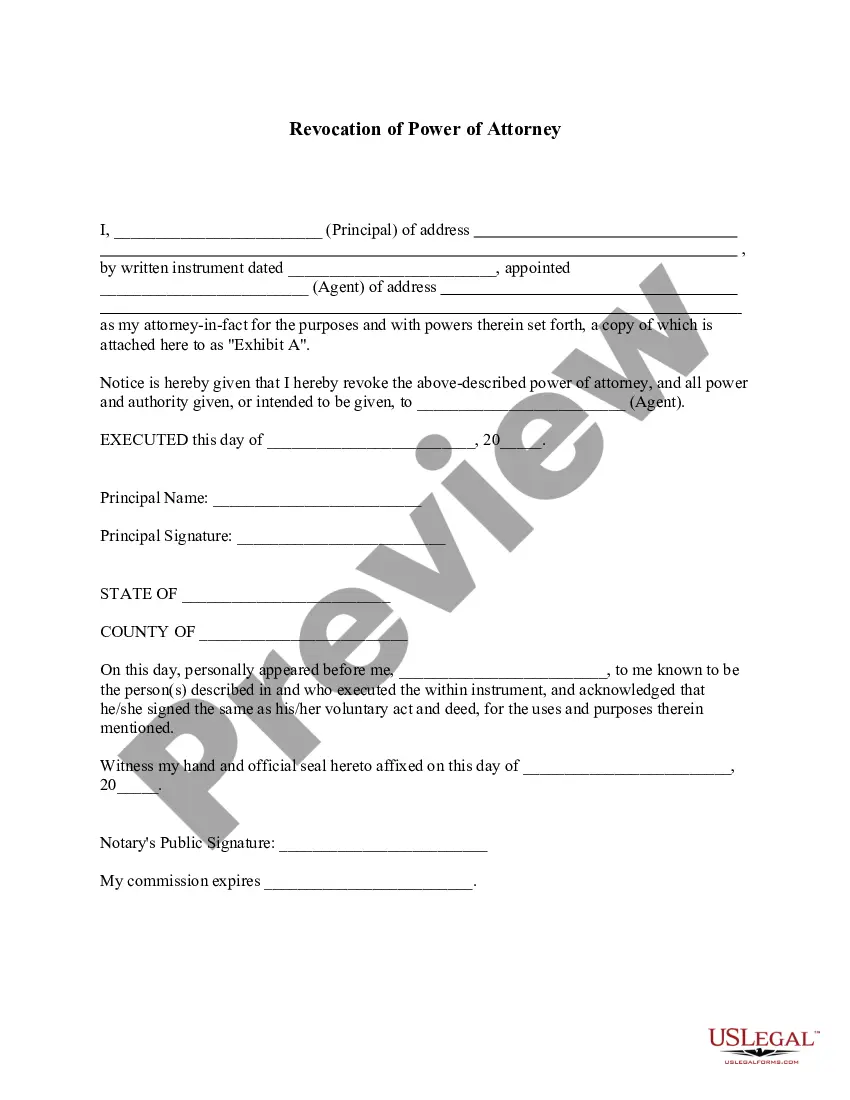
To revoke a power of attorney, the principal must create a written document stating the revocation. This document should be signed and ideally notarized. It’s also important to notify the agent and any institutions or individuals that may be relying on the power of attorney. A Tennessee Affidavit of Principal that Power of Attorney not Revoked and in Full Force with Witnesses can help clarify the status of the power of attorney.
A principal can revoke a power of attorney by providing a written notice to the agent and any relevant third parties who rely on the authority of the POA. This notice should clearly state the intention to revoke the power granted. For added clarity and legality, utilizing a Tennessee Affidavit of Principal that Power of Attorney not Revoked and in Full Force with Witnesses can help solidify the revocation process and prevent misunderstandings.
A power of attorney can become invalid for several reasons, such as if the principal becomes incapacitated without a durable POA in place. Additionally, if the document lacks proper signatures, notarization, or witnesses, it may not hold legal weight in Tennessee. It is crucial to regularly review your Tennessee Affidavit of Principal that Power of Attorney not Revoked and in Full Force with Witnesses to avoid invalidation.
To complete an affidavit stating that a power of attorney is in full force, start by identifying the principal and the agent appointed in the POA. Clearly state that the POA has not been revoked and remains effective. Including a Tennessee Affidavit of Principal that Power of Attorney not Revoked and in Full Force with Witnesses can simplify this process, ensuring all required information is documented correctly.
In Tennessee, a Power of Attorney (POA) is valid when it is signed by the principal, the person granting the authority. Additionally, the document must be notarized or signed by two witnesses to enhance its legitimacy. If you are looking to ensure your POA remains effective, consider using a Tennessee Affidavit of Principal that Power of Attorney not Revoked and in Full Force with Witnesses for added assurance.
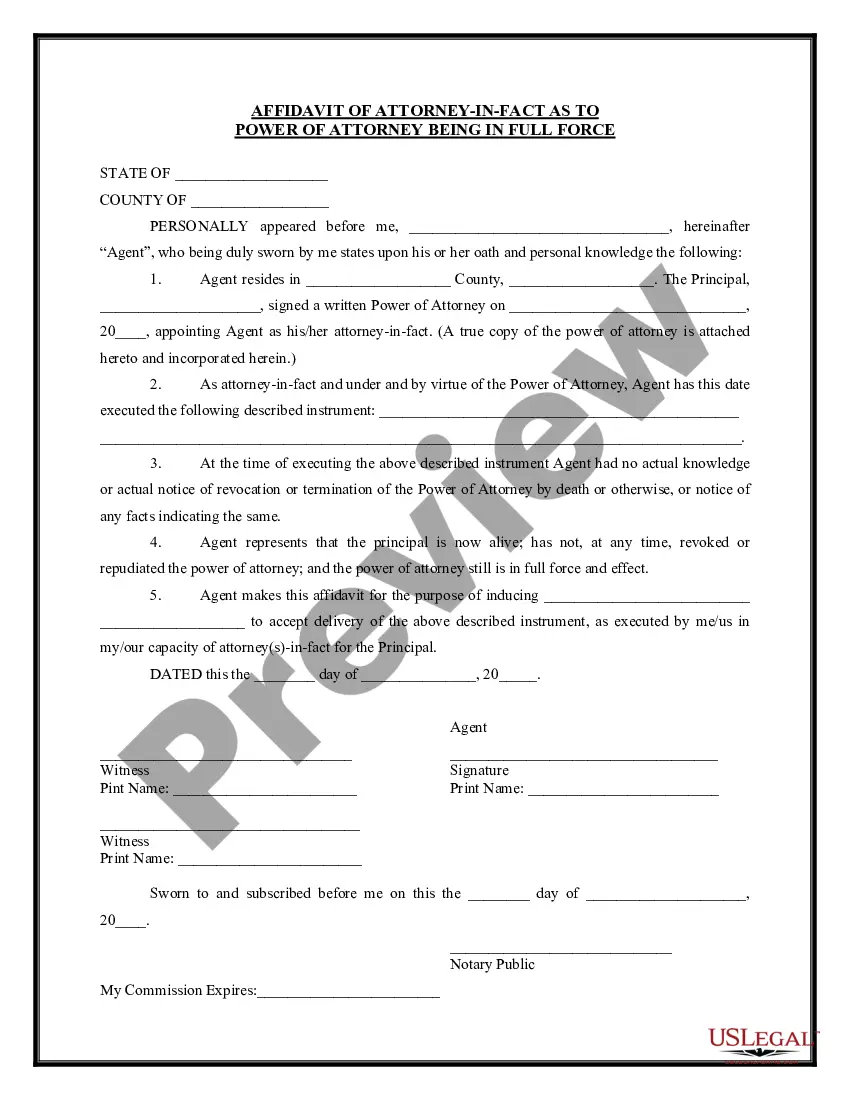
An affidavit asserting that the power of attorney is in full force indicates that the document remains active and has not been revoked. This affidavit serves as proof to third parties that the designated agent can act on behalf of the principal. Utilizing a Tennessee Affidavit of Principal that Power of Attorney not Revoked and in Full Force with Witnesses strengthens the validity of your power of attorney, ensuring all parties recognize its authority.