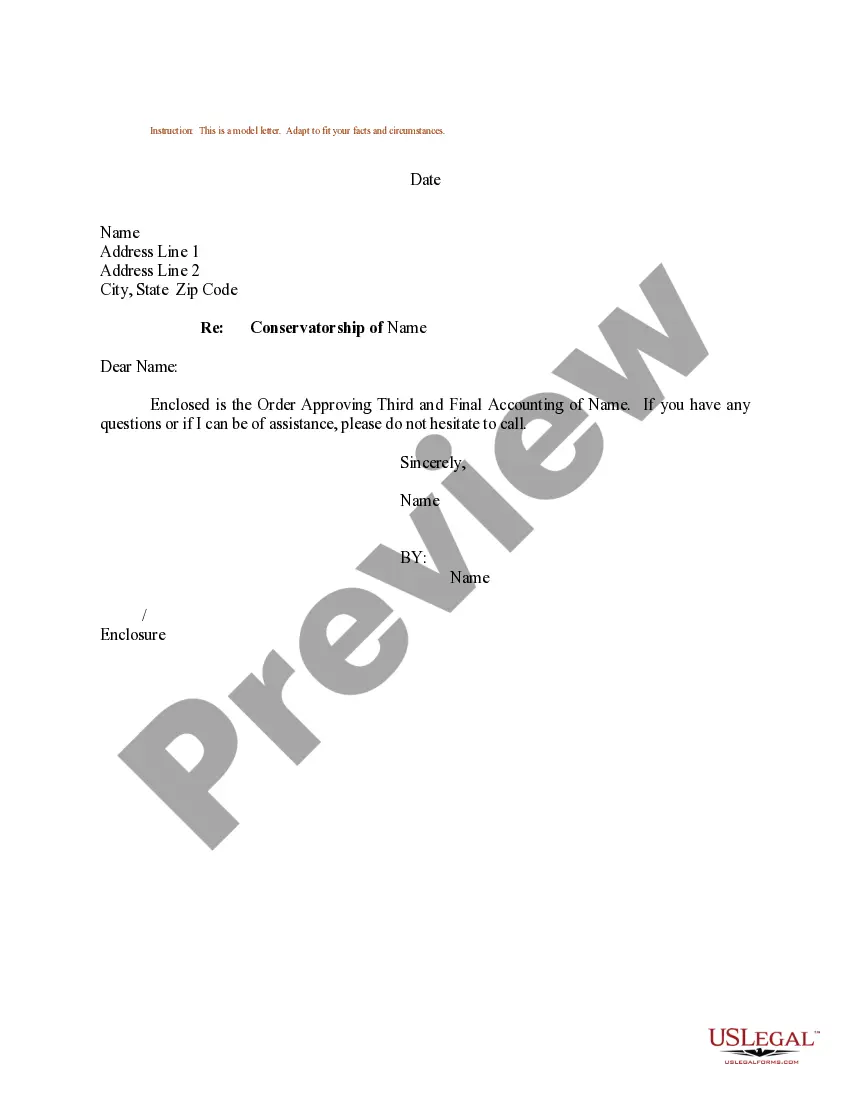
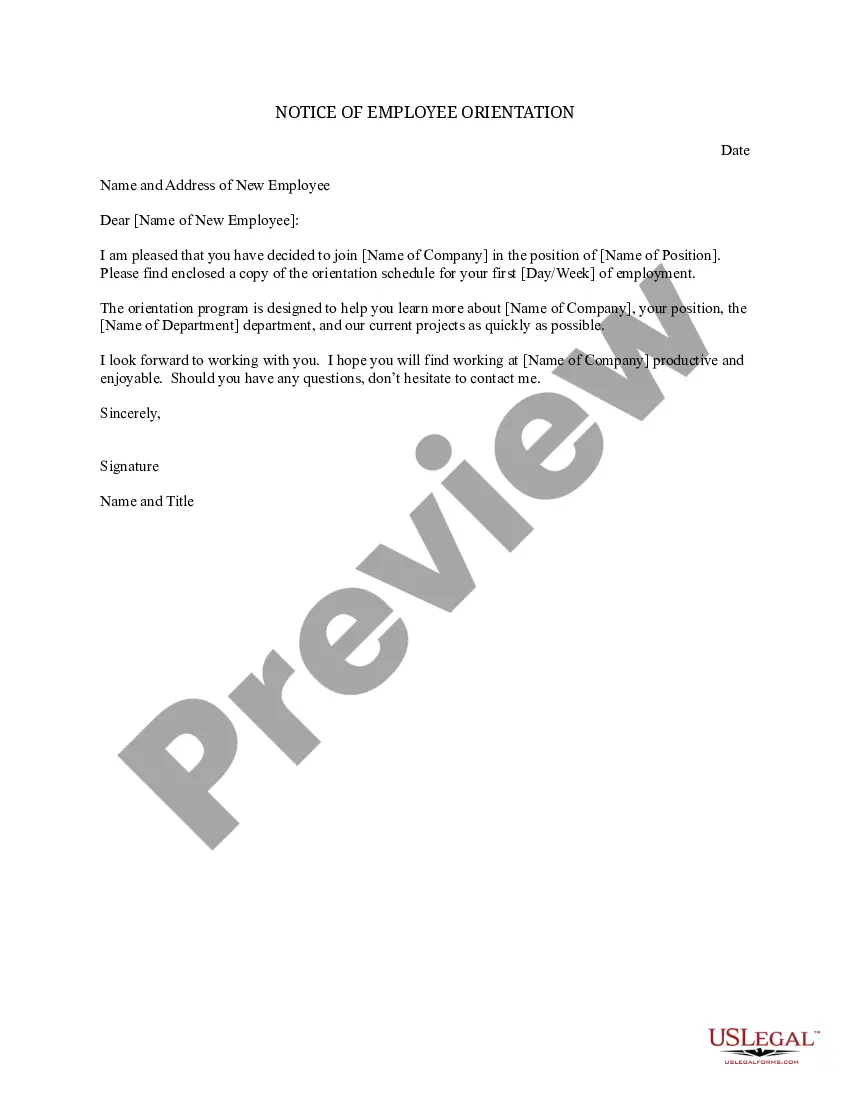
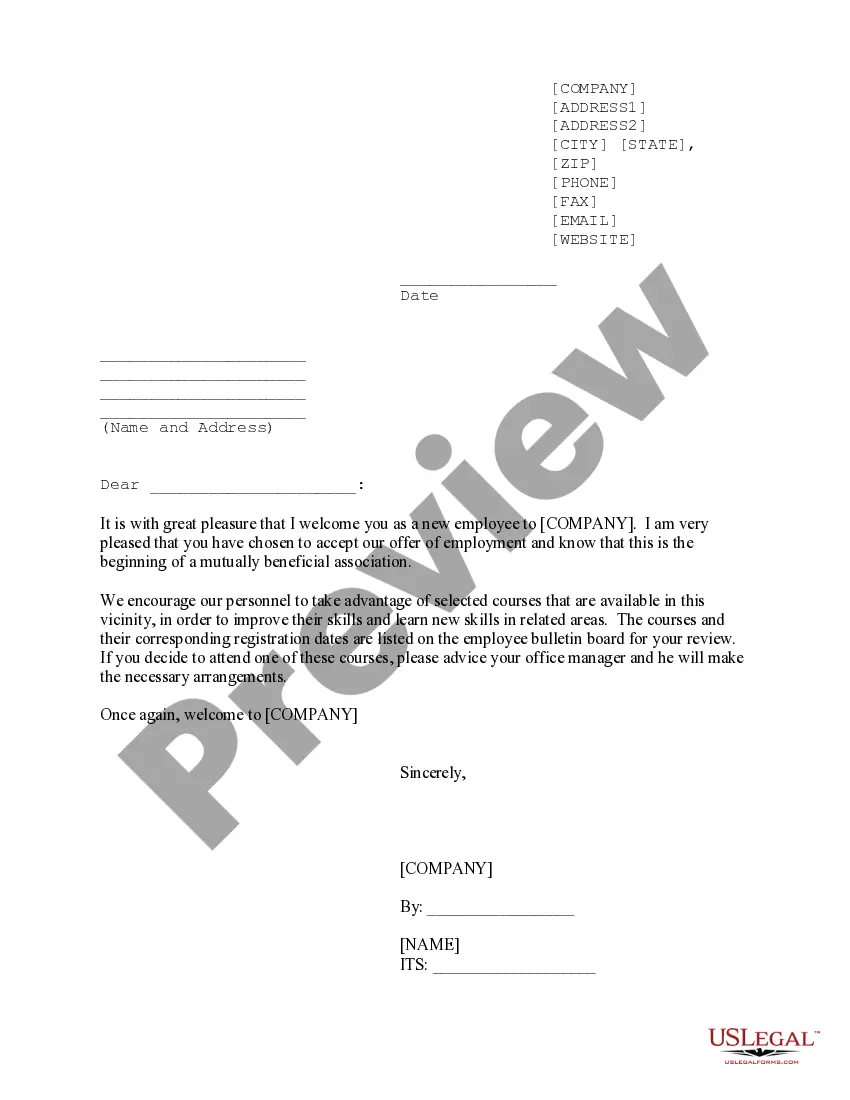
Tennessee Notice of Employee Orientation
Description
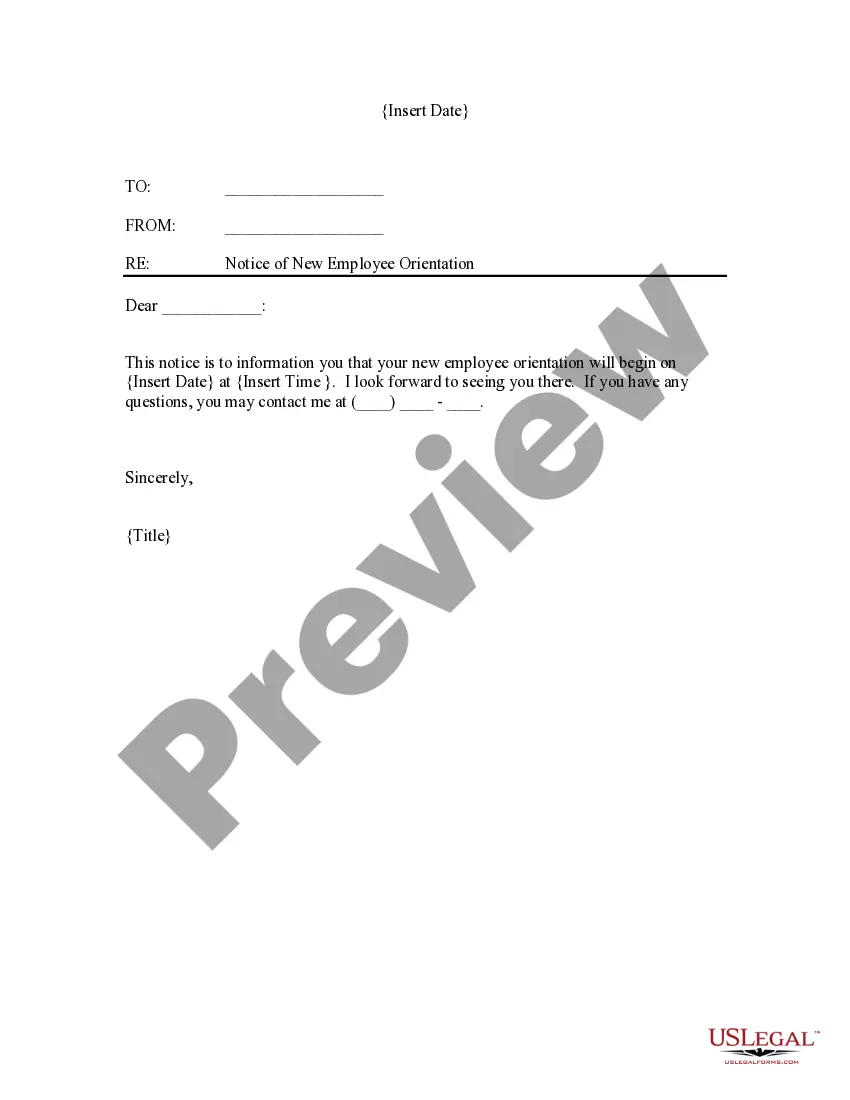
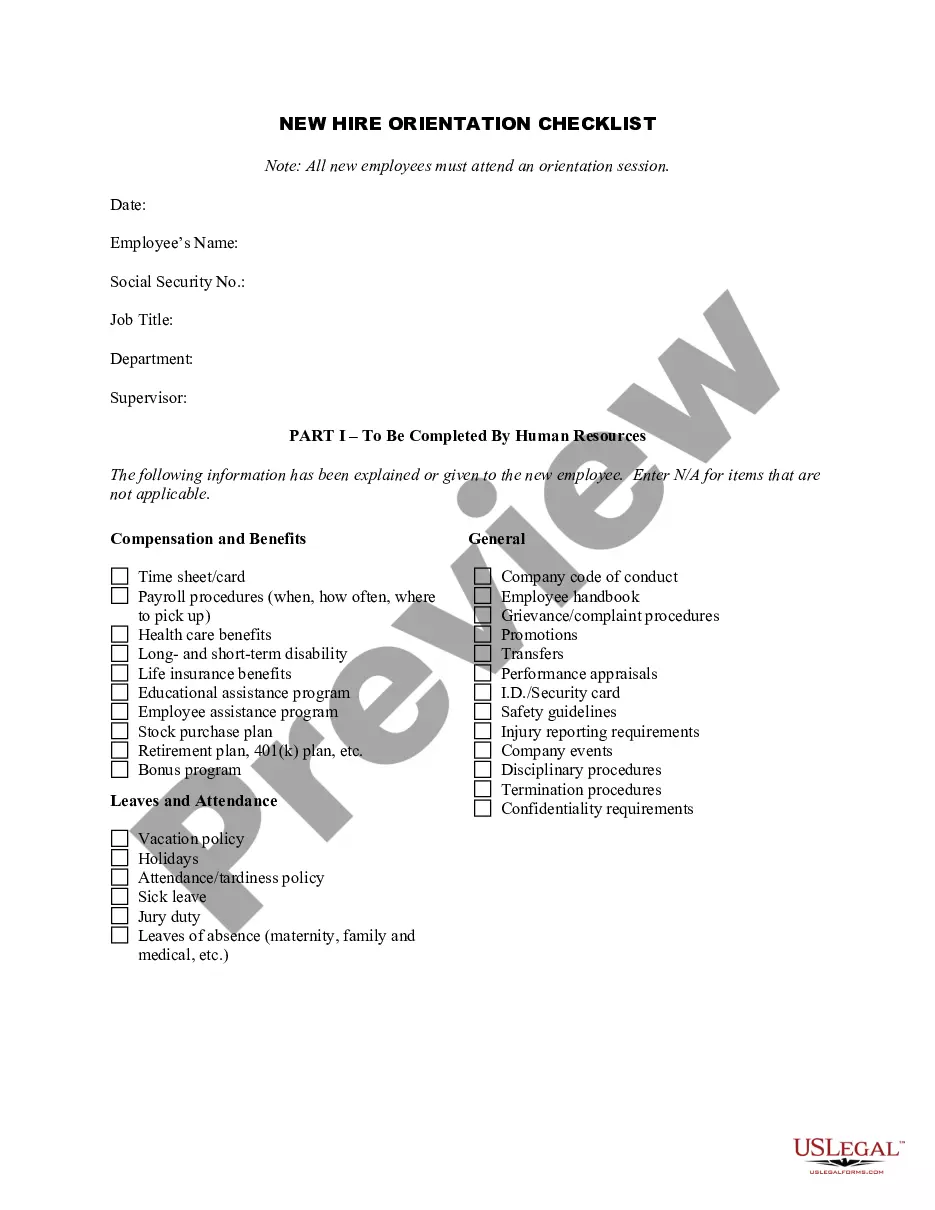
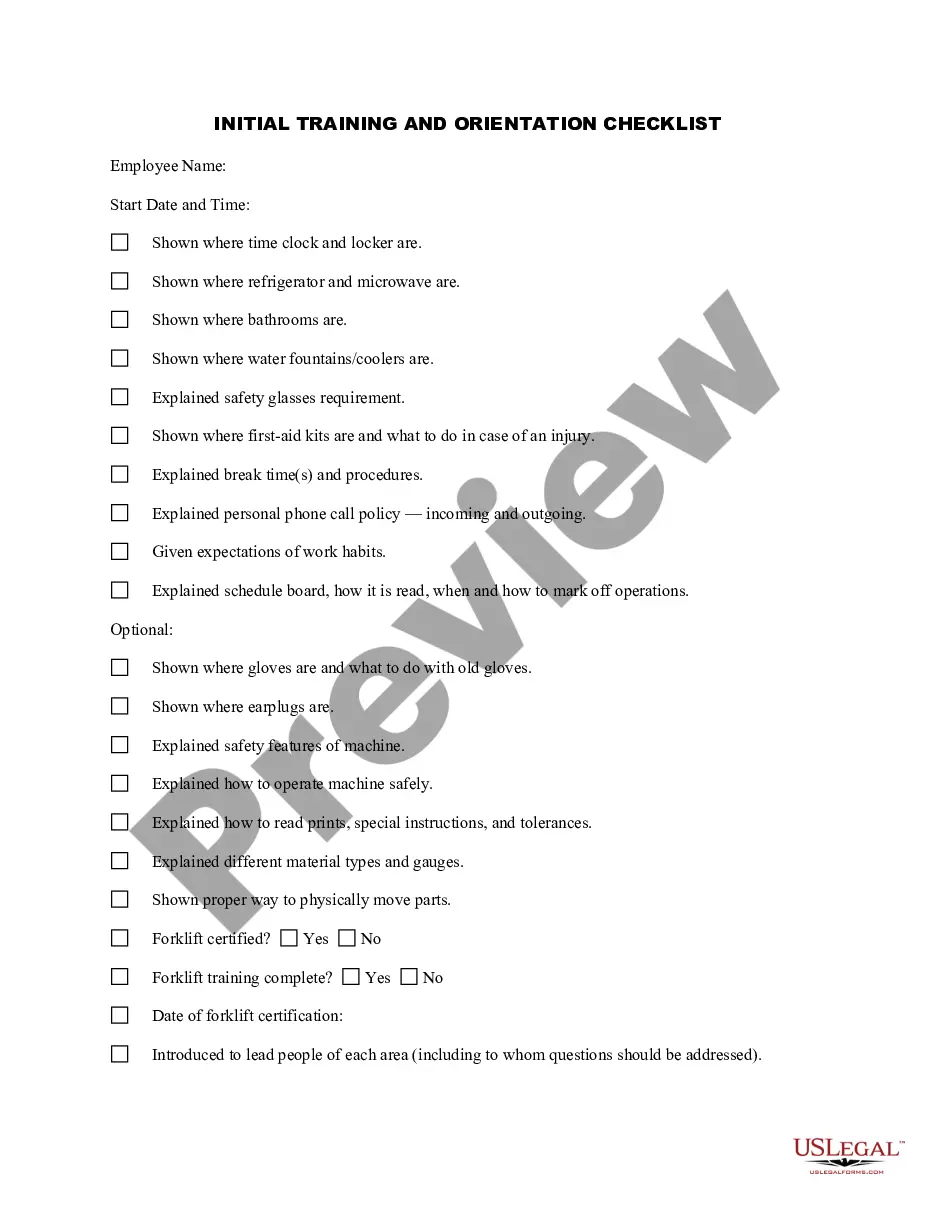

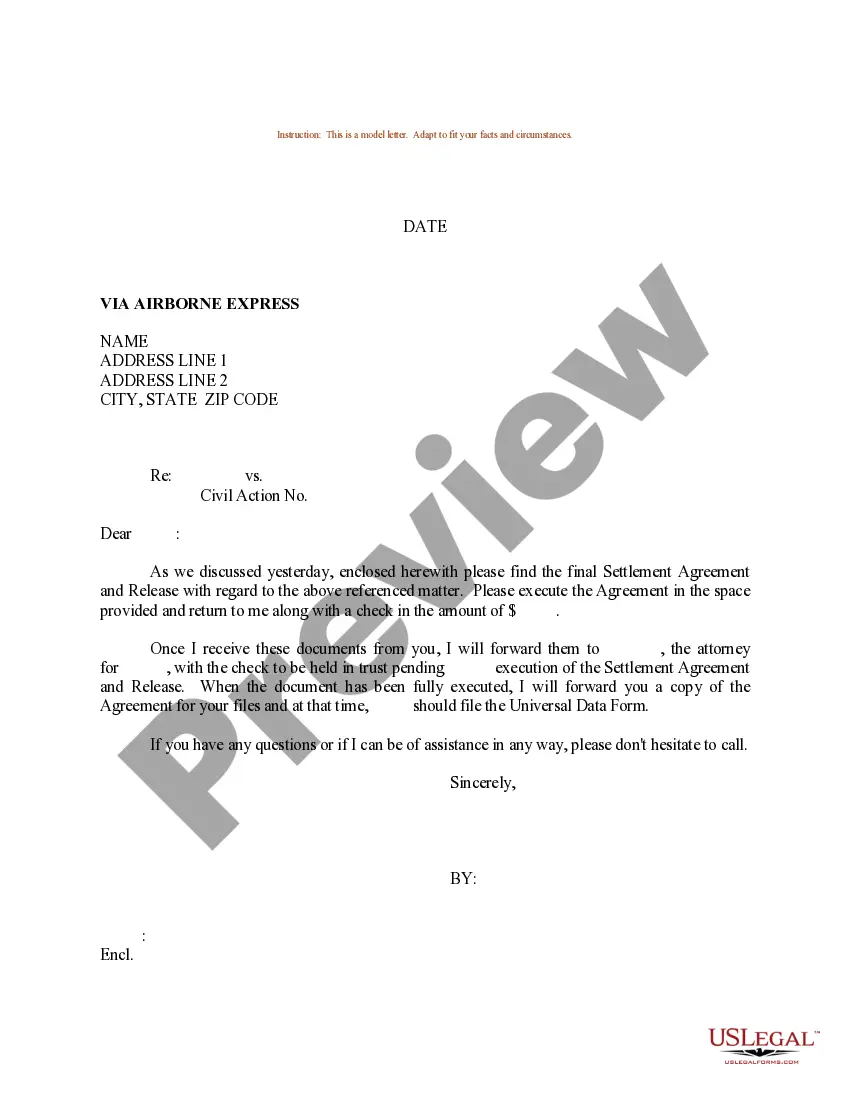
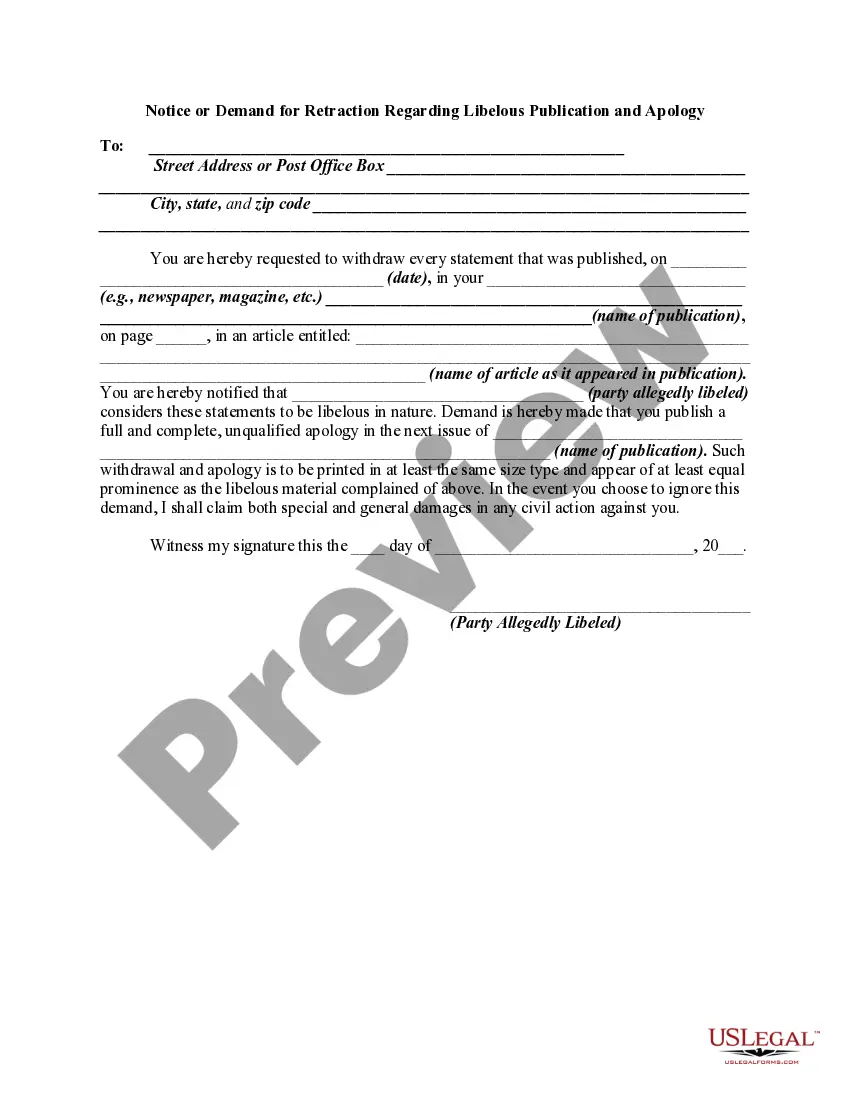
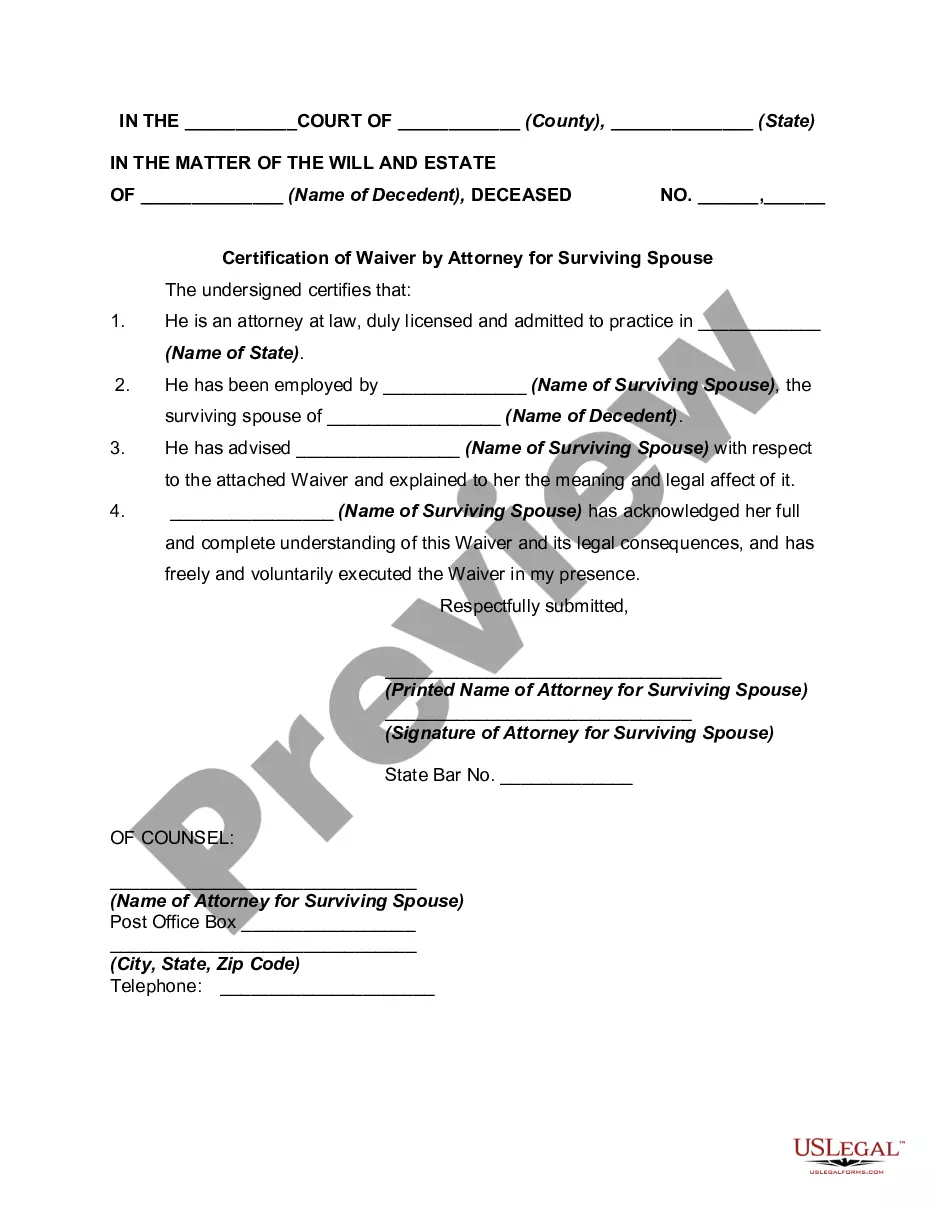
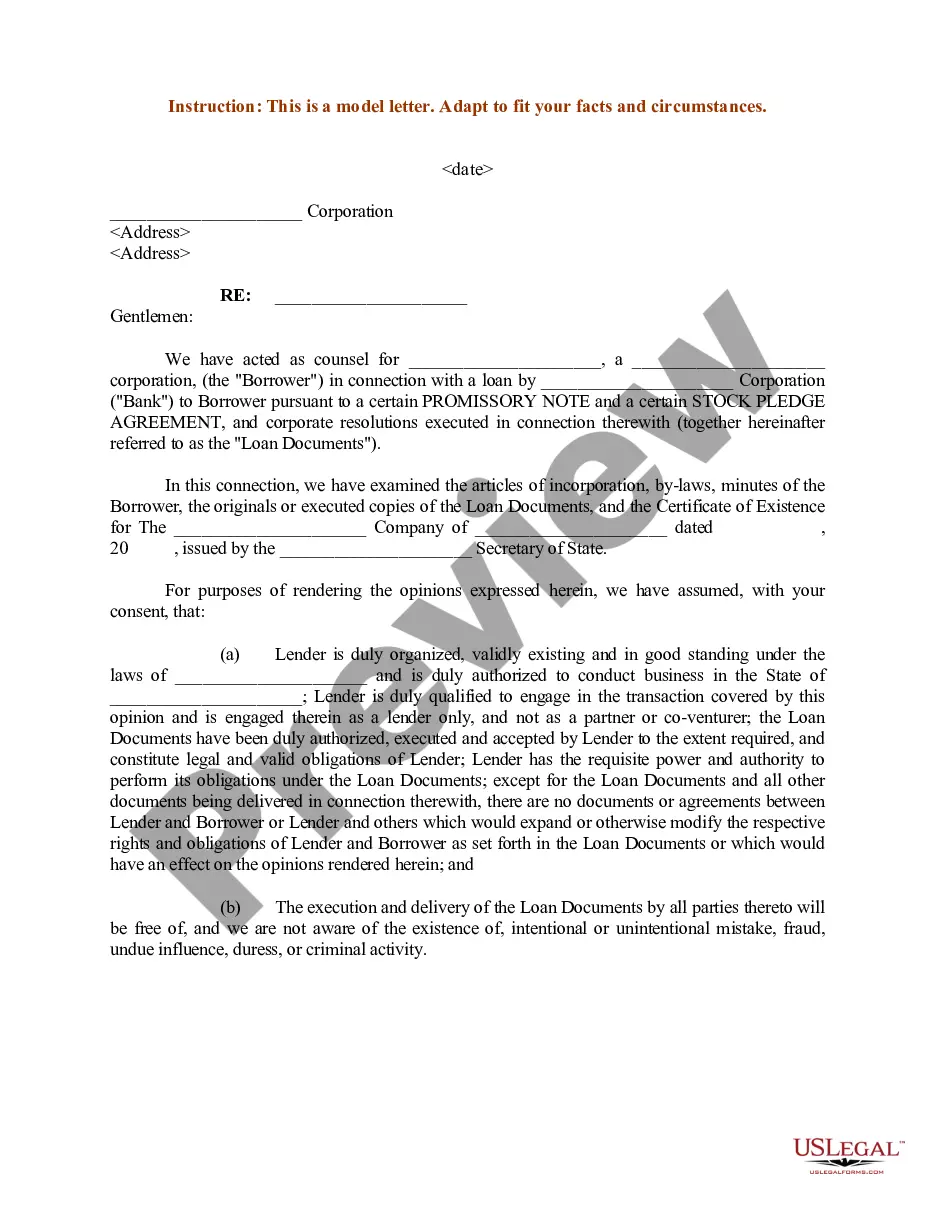
How to fill out Notice Of Employee Orientation?
US Legal Forms - one of the largest collections of legal documents in the United States - provides a selection of legal form templates that you can download or print.
By using the website, you can access thousands of forms for business and personal purposes, categorized by groups, states, or keywords. You will find the latest forms such as the Tennessee Notice of Employee Orientation in just minutes.
If you already have a subscription, Log In to obtain the Tennessee Notice of Employee Orientation from the US Legal Forms library. The Download button will appear on every form you view. You can access all previously saved forms in the My documents section of your account.
Process the payment. Use a credit card or PayPal account to complete the transaction.
Select the file format and download the form to your device. Make edits. Complete, modify, and print and sign the downloaded Tennessee Notice of Employee Orientation. Each template you added to your account does not have an expiration date and is yours indefinitely. Therefore, if you wish to download or print another copy, just go to the My documents section and click on the form you need. Access the Tennessee Notice of Employee Orientation with US Legal Forms, one of the most extensive collections of legal document templates. Utilize thousands of professional and state-specific templates that cater to your business or personal needs.
- Ensure you have selected the correct form for your city/state.
- Click the Preview button to review the form's content.
- Read the description of the form to confirm you have chosen the right one.
- If the form does not meet your needs, use the Search area at the top of the screen to find another that does.
- If you are satisfied with the form, confirm your choice by clicking the Buy now button.
- Then, select the pricing plan you prefer and provide your information to register for an account.
Form popularity
FAQ
Typically, employee orientation at a new job begins on day one of employment. Because of this, employees are typically paid their agreed-upon wage or salary for the time they spend training. Some companies may offer raises once an employee has completed specified certifications required to complete their job.
You've probably heard many terms associated with the start of a new employee's journey in a new job preboarding, orientation, onboarding, training. In the plainest of terms, a job orientation happens either prior to the new employee's first day or right when the new employee starts their job at your organization.
A job orientation is a process for giving new employees important information about their workspace, equipment, pay, benefits, and dress code. New hires are also introduced to their coworkers during an orientation, which sets them up for success and integrates them into the company culture.
Make a great first impression. Keep onboarding information simple. Get your new hires acquainted. Use research to enhance effectiveness....Employee orientation must-haves:Company safety rules.Company policies.Trainings.Potential hazards.Food & beverage.Relevant departments.Important contacts.
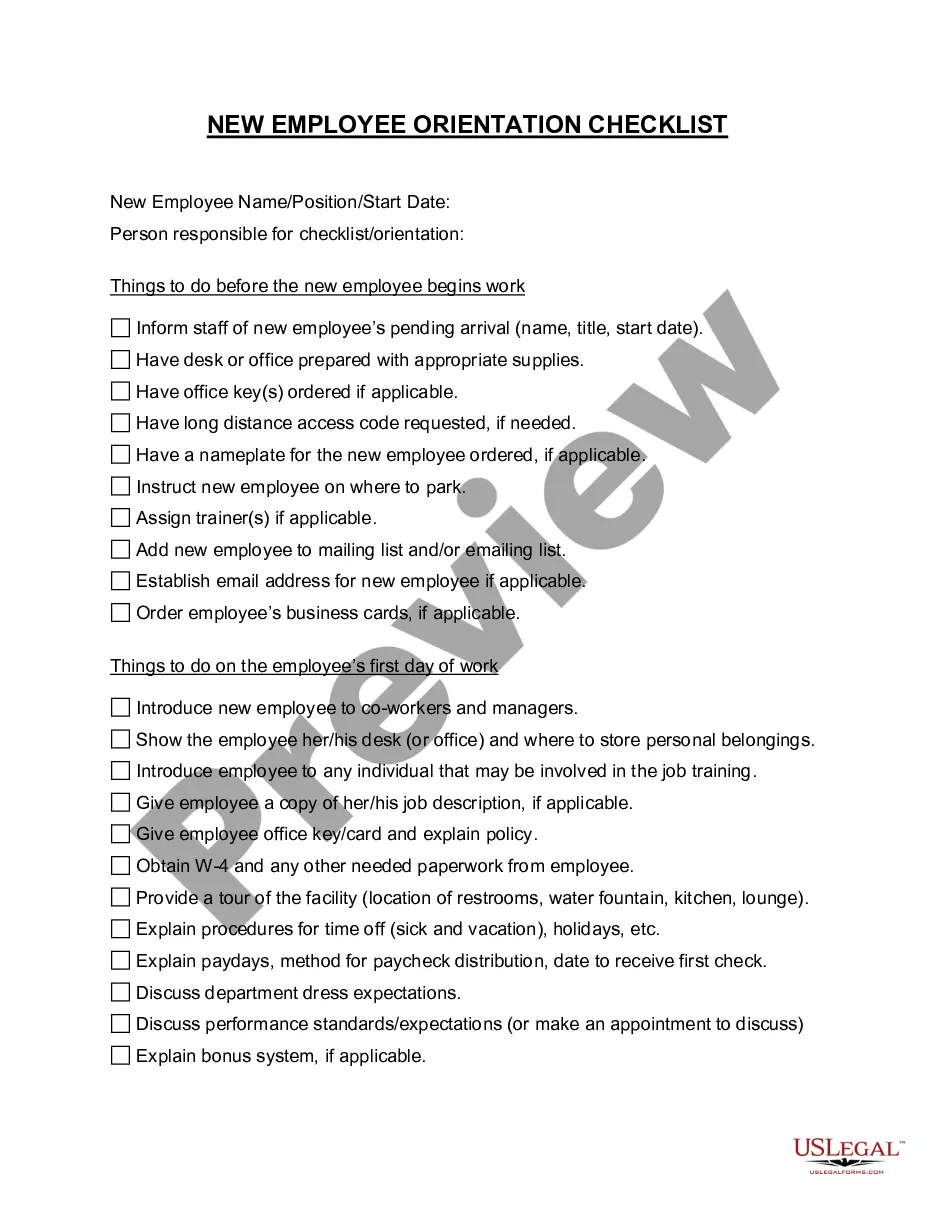
The direct manager of the new hire will most likely take the hands-on duties of orientation. This role plans and prepares a comprehensive orientation that includes: Giving them a tour of the building including locations for office supplies, break room, etc. Introducing them to their colleagues.
A typical orientation will include going over the company culture, leadership, mission and vision, and processes and procedures. Remember to include time for an office tour, introductions to core team members, department leaders, and the facilities where they will be working.
Phase 1: Pre-onboarding. The first phase of onboarding, also called pre-onboarding, begins as soon as a candidate accepts your offer and continues until their first day of joining.Phase 2: Welcoming new hires.Phase 3: Role-specific training.Phase 4: Easing the transition to their new role.Final thoughts.24-Jun-2021
Many experts believe a good (translation: informative, yet concise and effective) employee orientation program should last approximately three hours, but definitely no longer than one full work day.
Many experts believe a good (translation: informative, yet concise and effective) employee orientation program should last approximately three hours, but definitely no longer than one full work day.
In theory, onboarding starts on the first day, but in reality, it should start as soon as the candidate accepts the offer. By using the five onboarding tips below, you can keep your new hire engaged, set them up for a successful onboarding experience, and make the process much simpler for your organization.