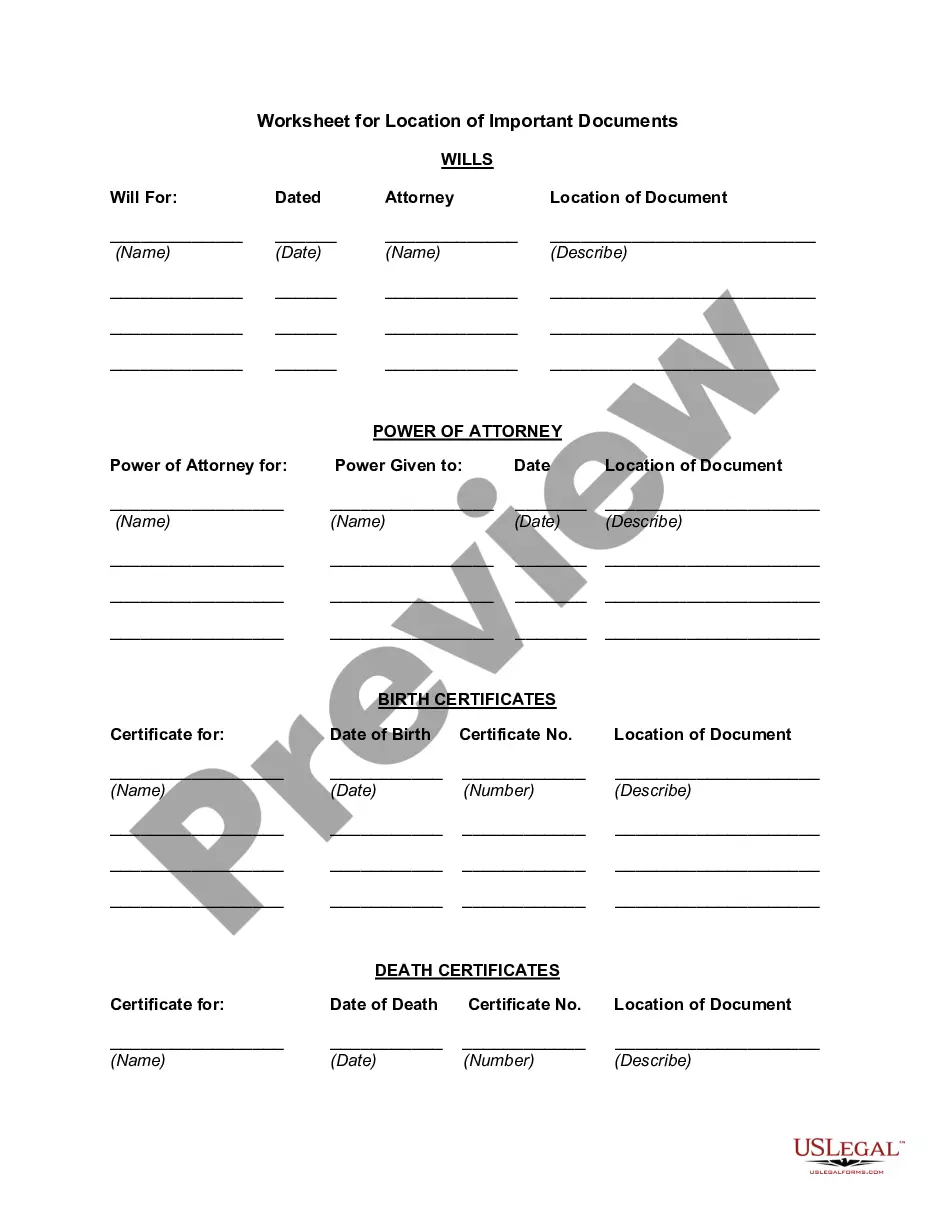
Tennessee Sale of Unit by Co-operative Housing Corporation
Description
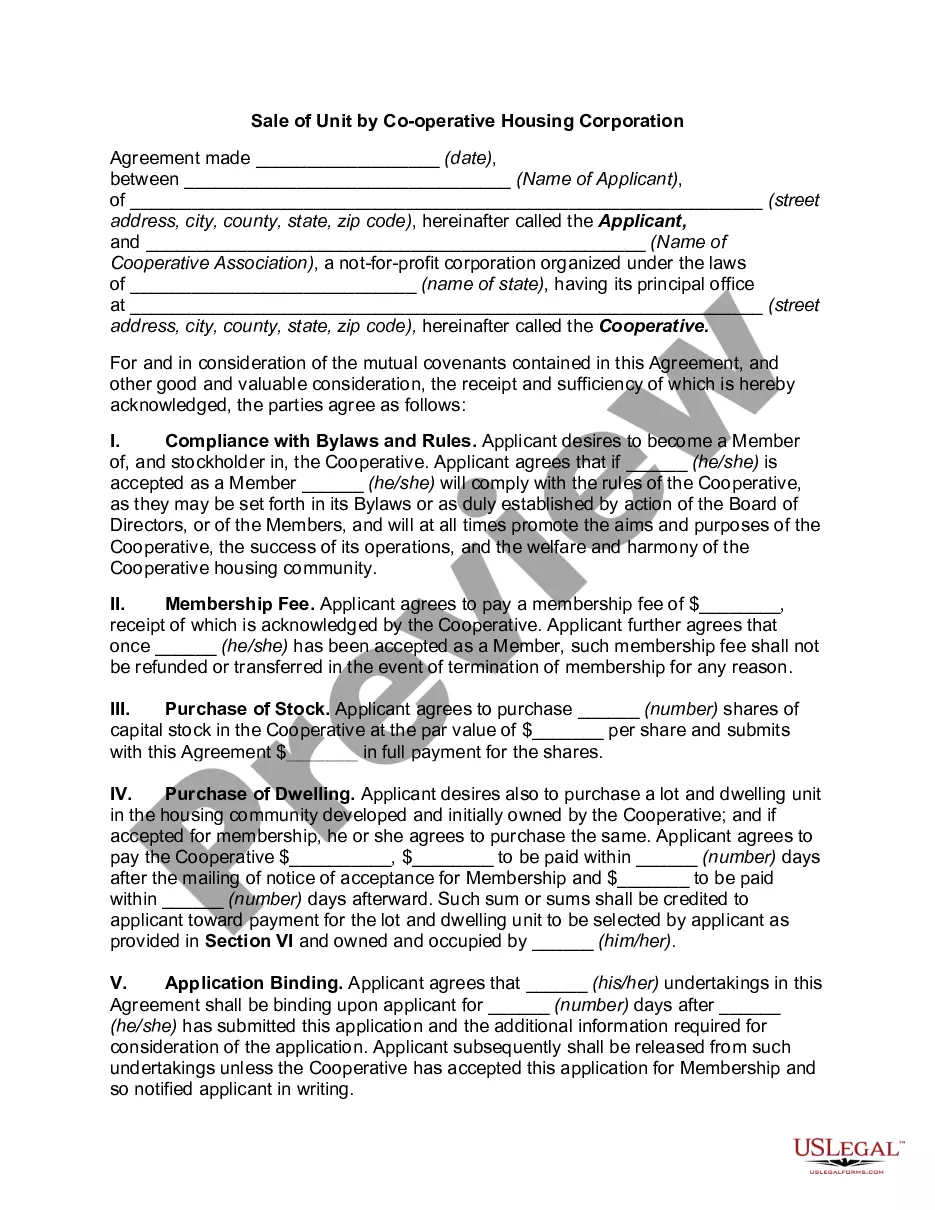
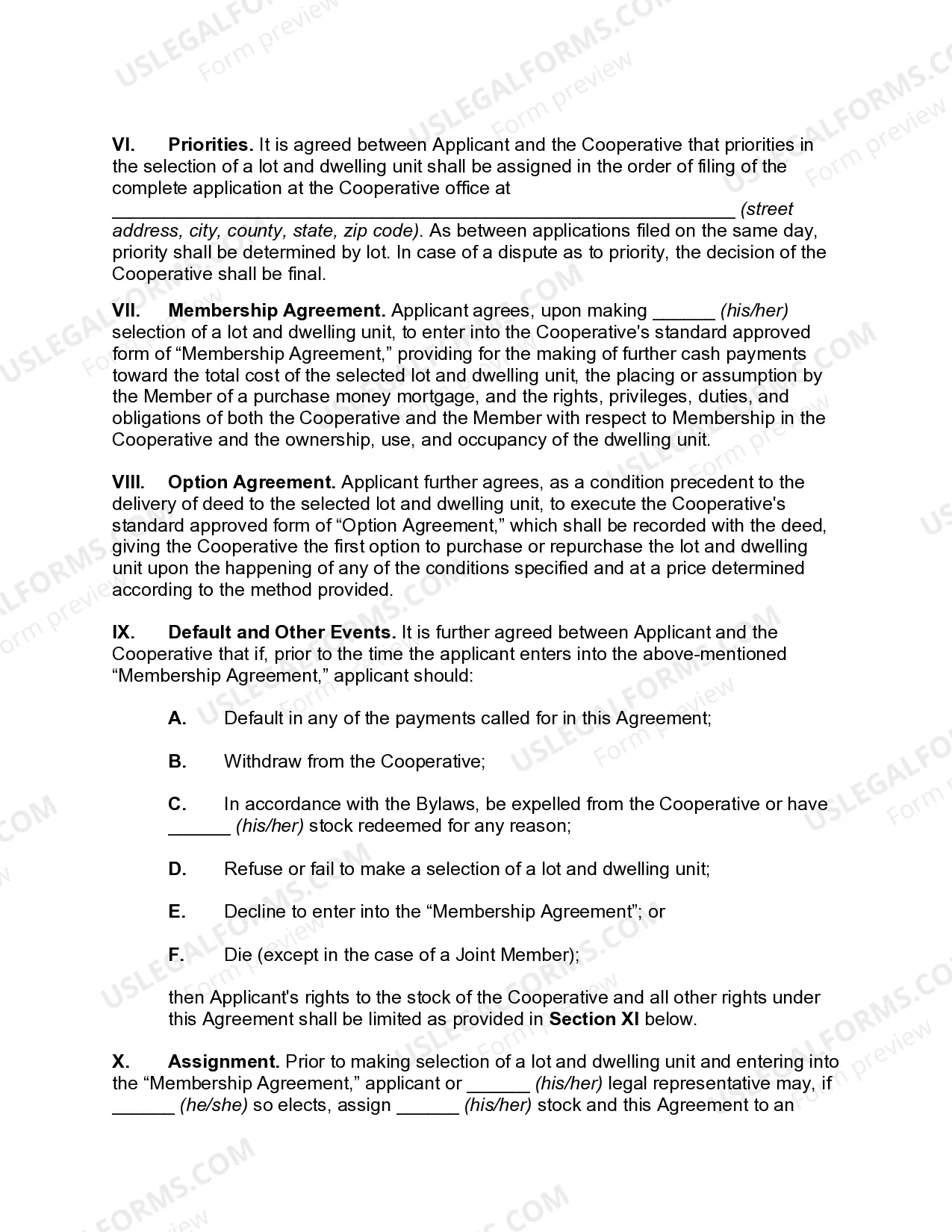
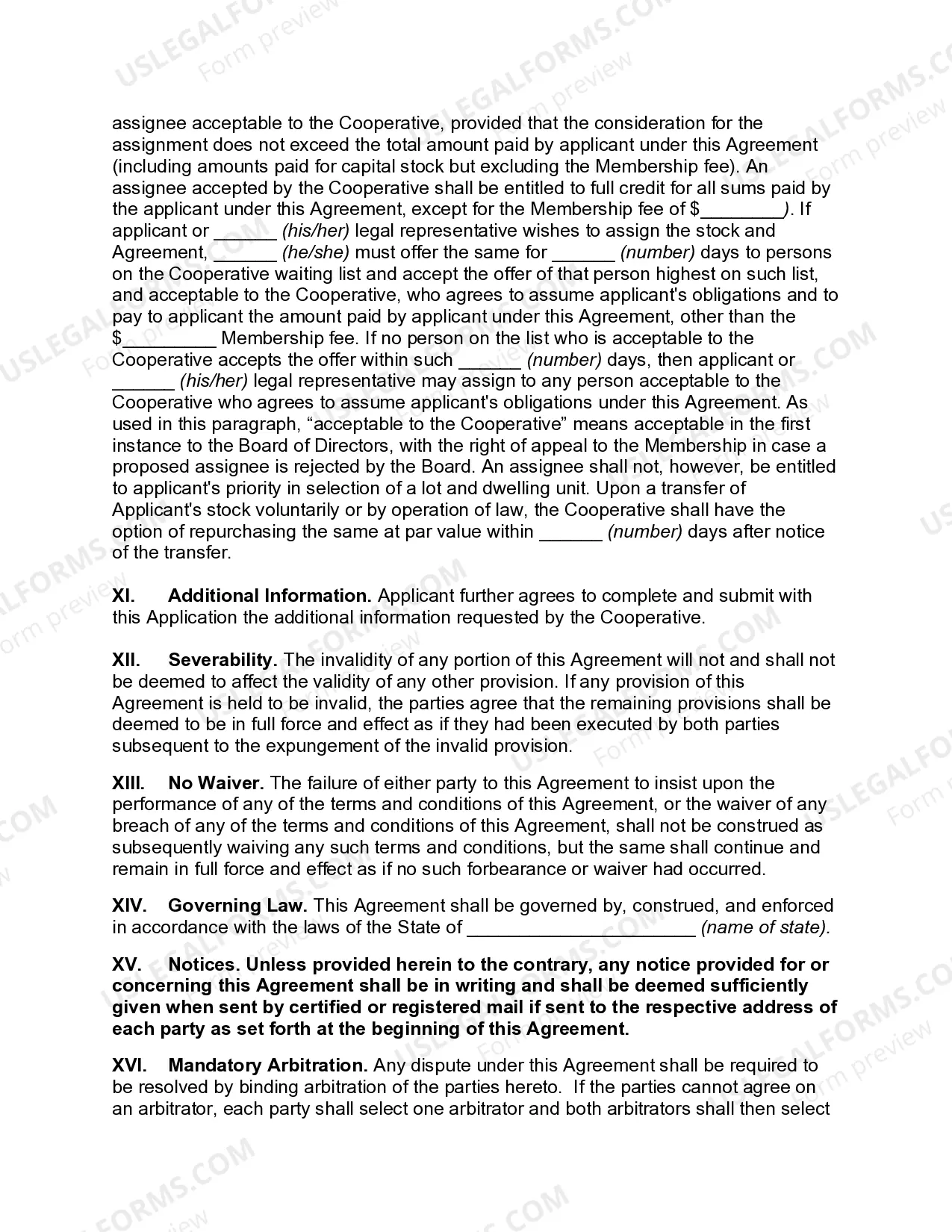
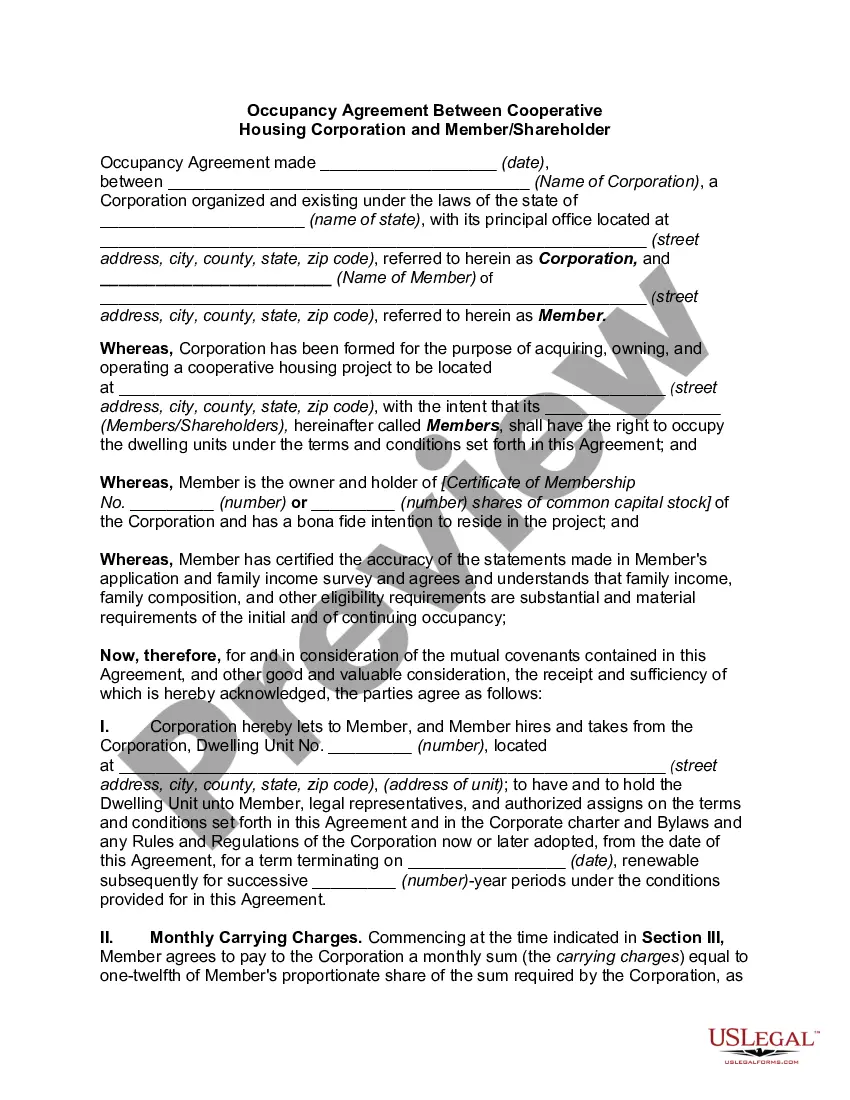
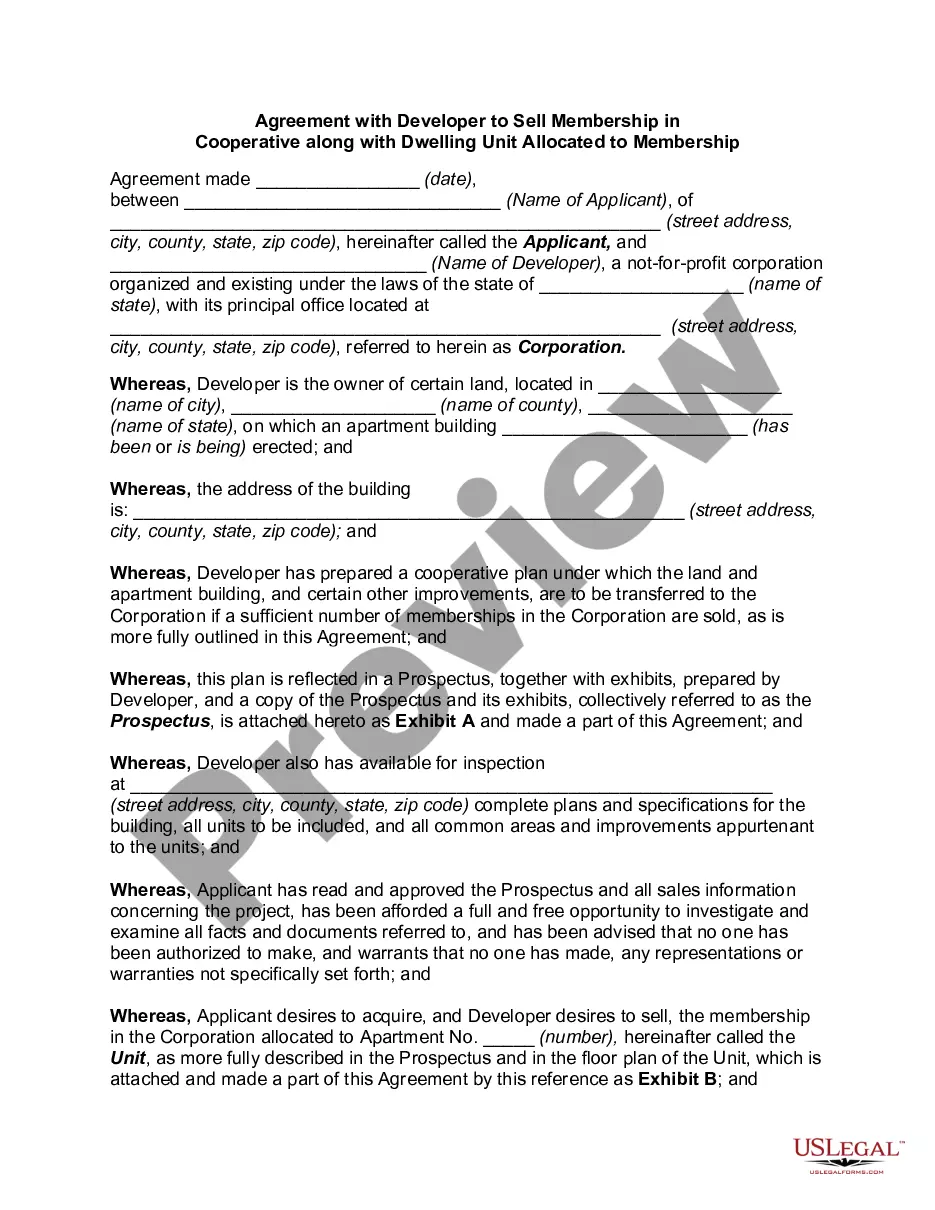
How to fill out Sale Of Unit By Co-operative Housing Corporation?
If you need to finalize, download, or print authorized document templates, utilize US Legal Forms, the largest repository of legal forms, accessible online.
Take advantage of the site's straightforward and user-friendly search feature to locate the documents you need.
A range of templates for business and personal purposes are organized by categories and states, or by keywords.
Step 3. If you are not satisfied with the form, use the Search field at the top of the screen to find alternative versions of the legal form template.
Step 4. After locating the form you need, click the Get now button. Select the payment plan you prefer and input your details to register for an account.
- Utilize US Legal Forms to acquire the Tennessee Sale of Unit by Co-operative Housing Corporation with just a few clicks.
- If you are currently a US Legal Forms member, Log In to your account and click the Download button to obtain the Tennessee Sale of Unit by Co-operative Housing Corporation.
- You can also access forms you previously downloaded in the My documents section of your account.
- If you are using US Legal Forms for the first time, follow the instructions below.
- Step 1. Confirm that you have chosen the form for the correct city/state.
- Step 2. Use the Review option to inspect the form's content. Be sure to read the description.
Form popularity
FAQ
Cooperative housing residents have the same potential tax benefits as other homeowners, including taking their share of the mortgage interest and real estate taxes as a deduction on Schedule A of their 1040 federal income tax return.
Ownership "Shares" in a Co-op The number of shares owned can be based on the size of the unit. As shareholders in the property, tenants get voting rights on issues affecting the property, including fees, common spaces, improvements, and when new prospective buyers are approved to live in the building.
ConsMost co-ops require a 10 to 20 percent down payment.The rules for renting your co-op are often quite restrictive.Because there are a limited amount of lenders who do co-op loans, your loan options are restricted.Typically it is harder to rent your co-op with the restrictions that most co-ops have.
As a general rule, buying a co-op is cheaper than buying a condo. This affordability is the primary perk of purchasing a NYC co-op. You'll also enjoy lower closing costs if you buy a co-op as you won't have to worry about title insurance or the mortgage recording tax.
op, or housing cooperative, is a type of housing owned by a corporation made up of the owners within the coop. The corporation owns the interior, exterior and all common areas of the building.
op owner has an interest or share in the entire building and a contract or lease that allows the owner to occupy a unit. While a condo owner owns a unit, a coop owner does not own the unit. Coops are collectively owned and managed by their residents, who own shares in a nonprofit corporation.
With double digit annual property value gains like that, it comes to no surprise that coops have made an excellent investment for those that have bought into them and continue to be a great opportunity for those looking to enter the market. For more Manhattan real estate market insights, read the Elliman Report.
By definition, a co-op, or a cooperative home, is usually a multi-family piece of real estate in which a business holds the title to the property. The residents gain equity in the building by buying shares in that business. Co-op residents own a share of the property, but not the deed to the property itself.
When you move, you sell your stock in the co-op. In some co-ops, you may have to sell it back to the corporation at the original purchase price, with all the stockholders sharing collectively in whatever profit is made when the shares (unit) are resold. In others, you get to keep the profits.
When you pay off the cooperative loan, the bank will return the original stock and lease to you and will also forward a UCC-3 Termination Statement that must be filed in order to terminate the bank's security interest in your cooperative shares.