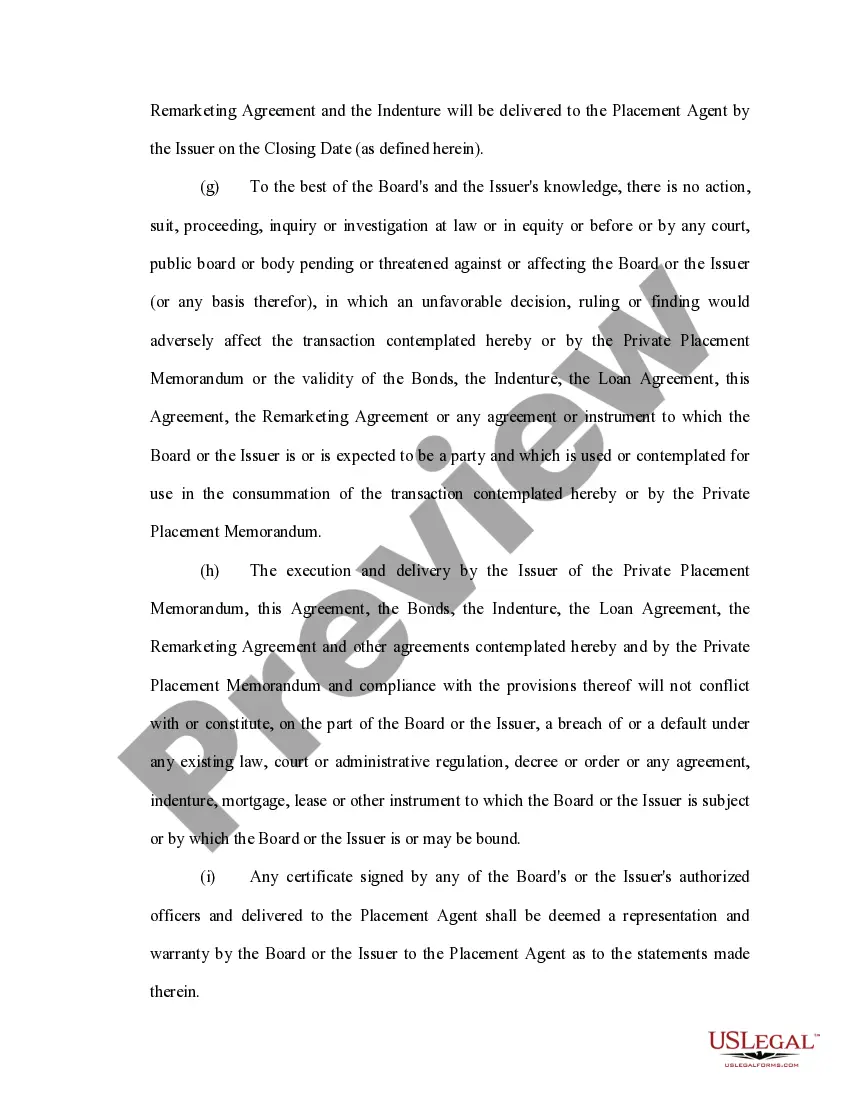
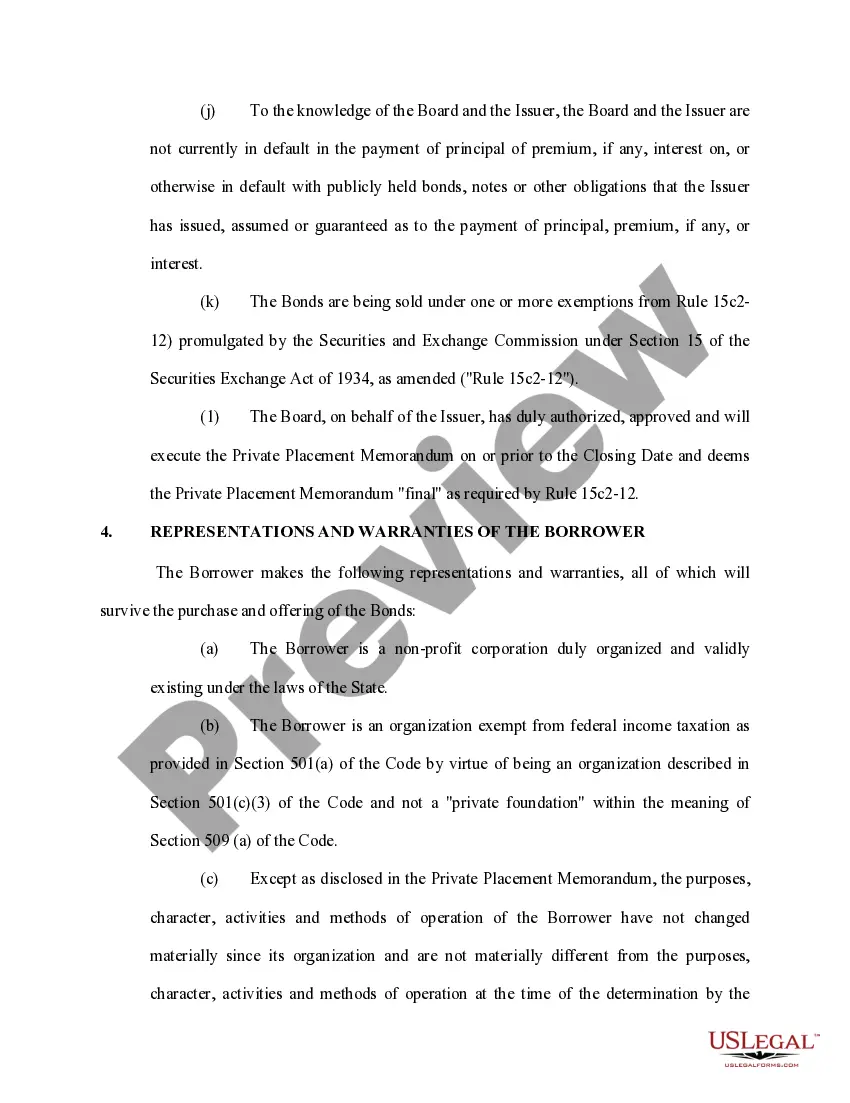
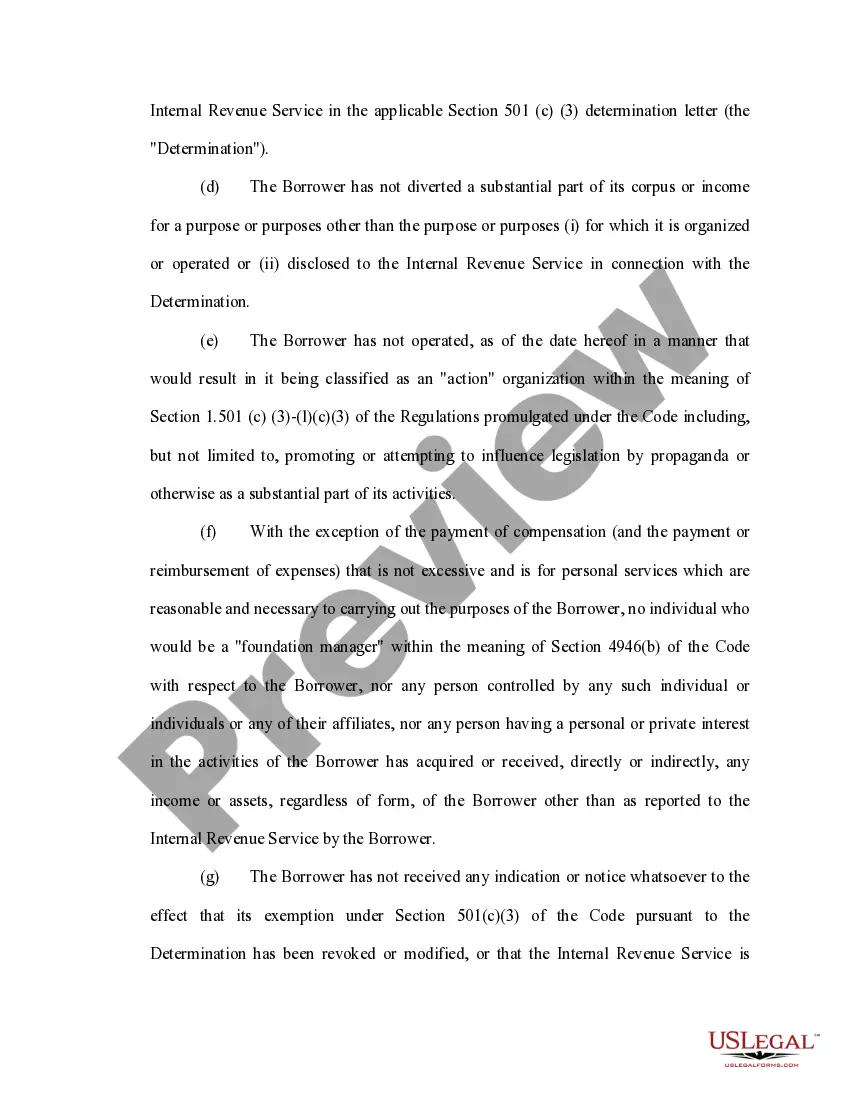
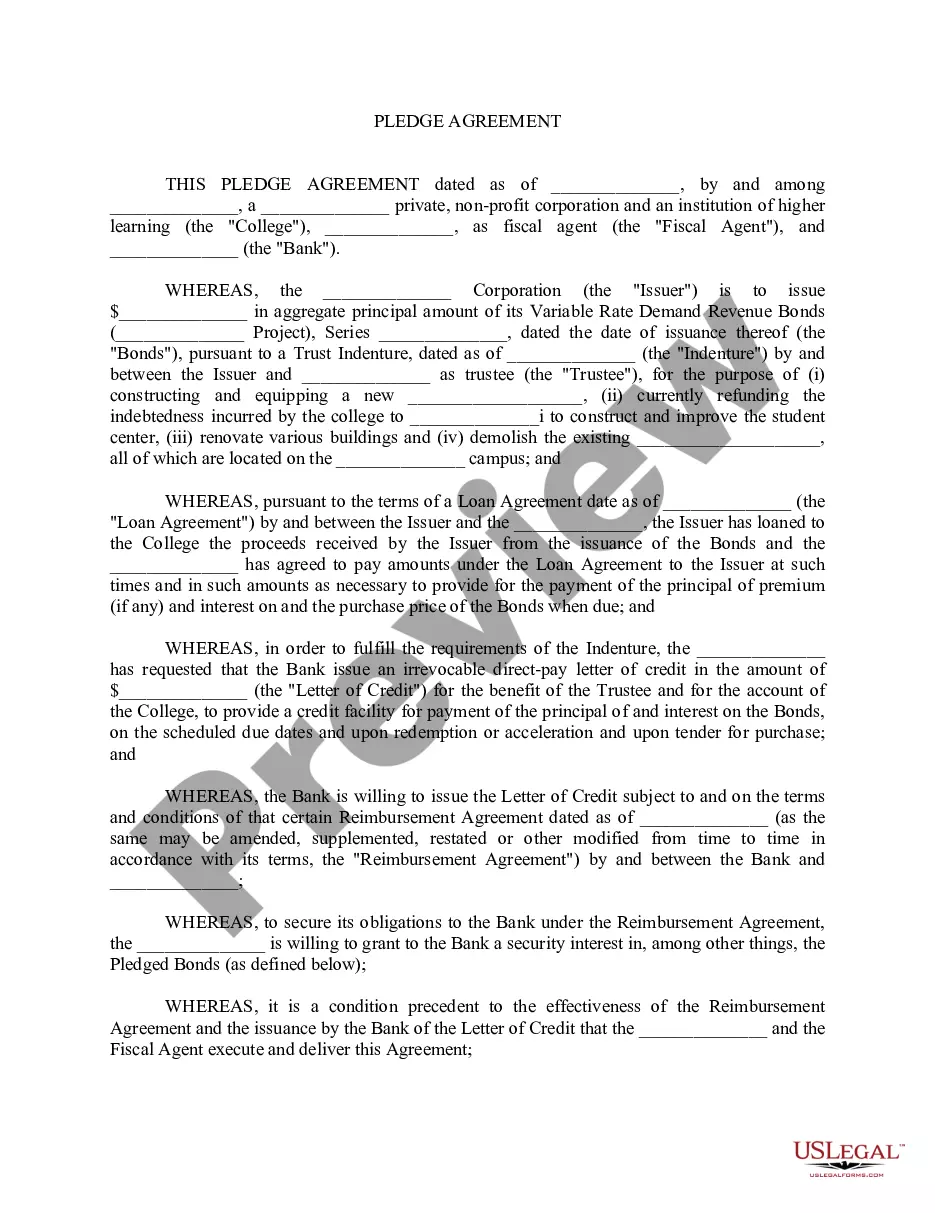
A bond placement is the process of selling a new bond issue often to an intitutional investor. For a company in need of financing, this a typical transaction arranged through an investment banker.
Tennessee Bond placement agreement
Instant download
Description
Free preview
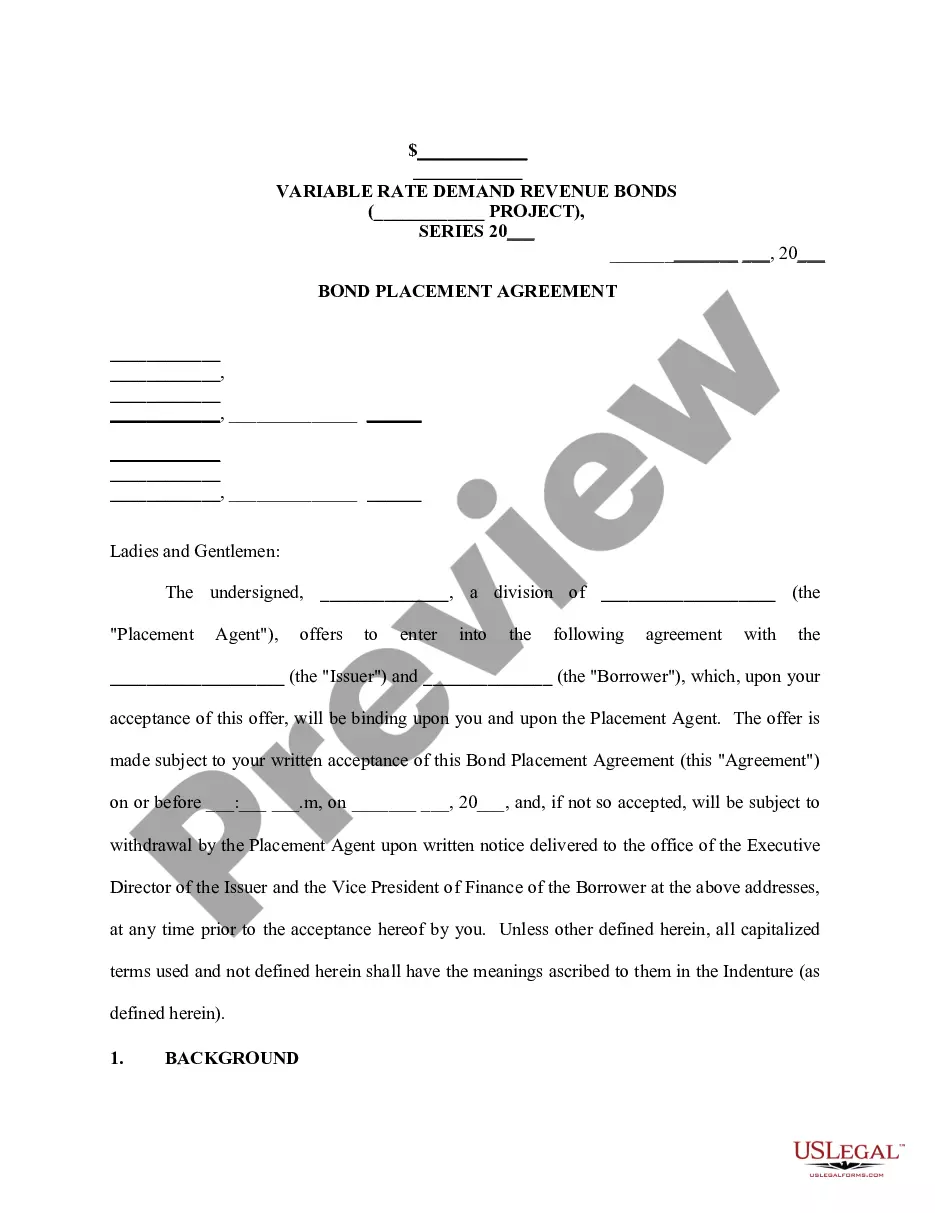
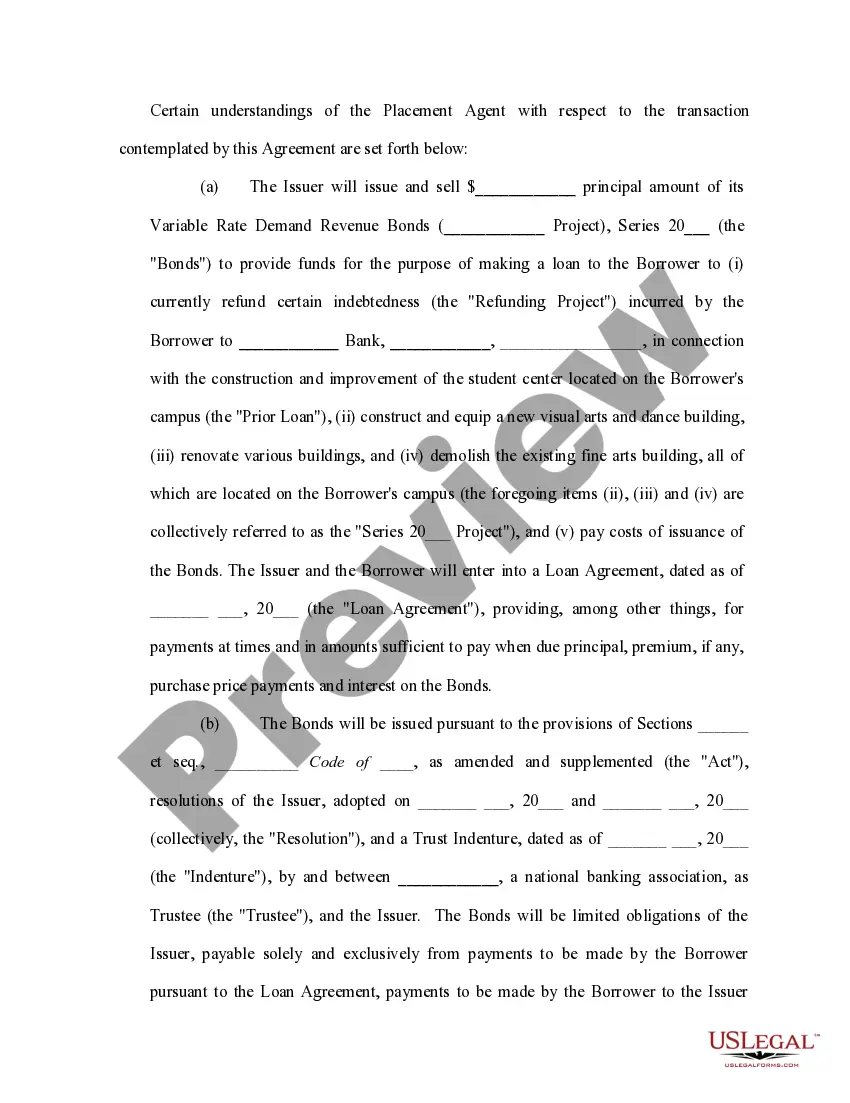
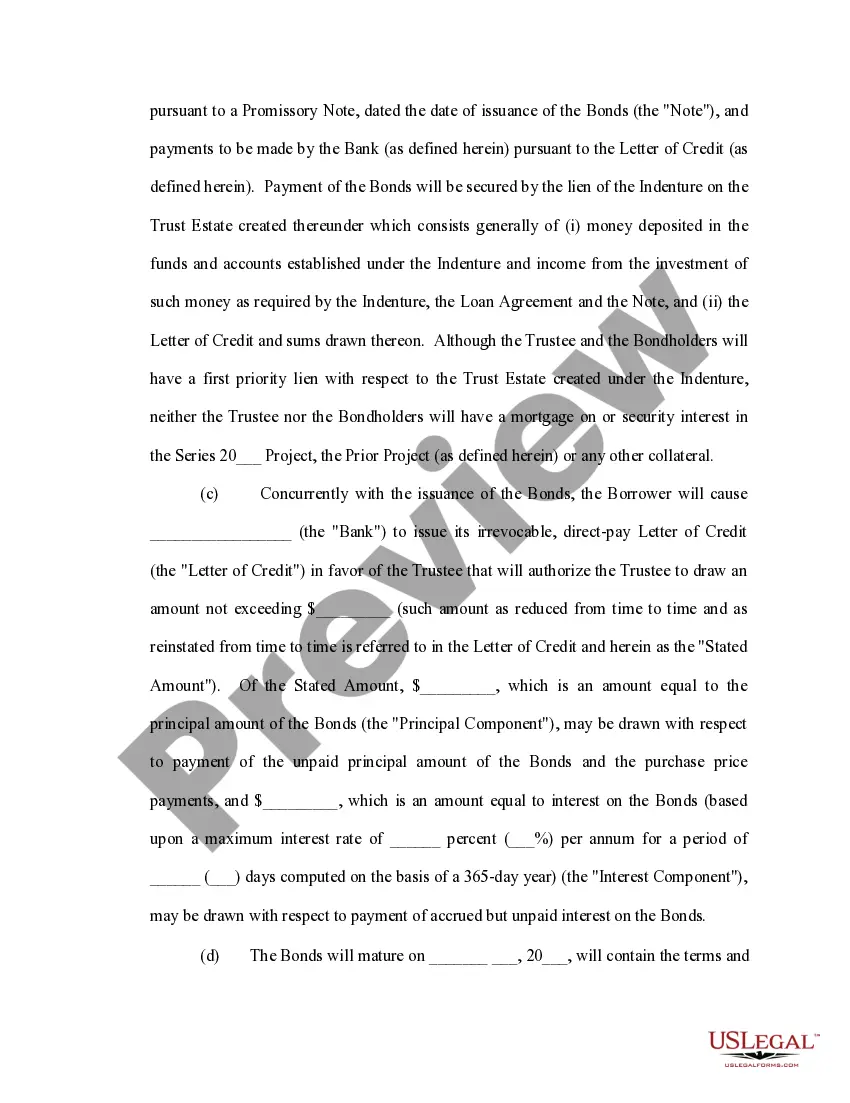
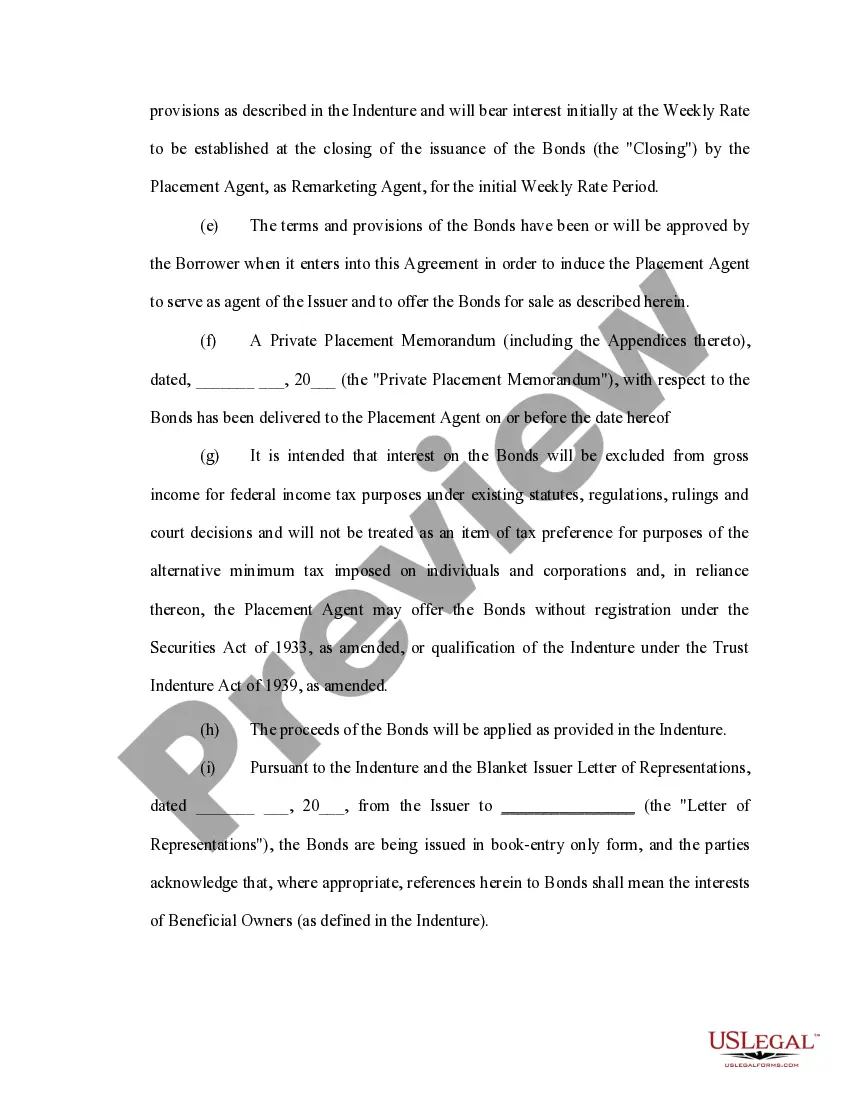
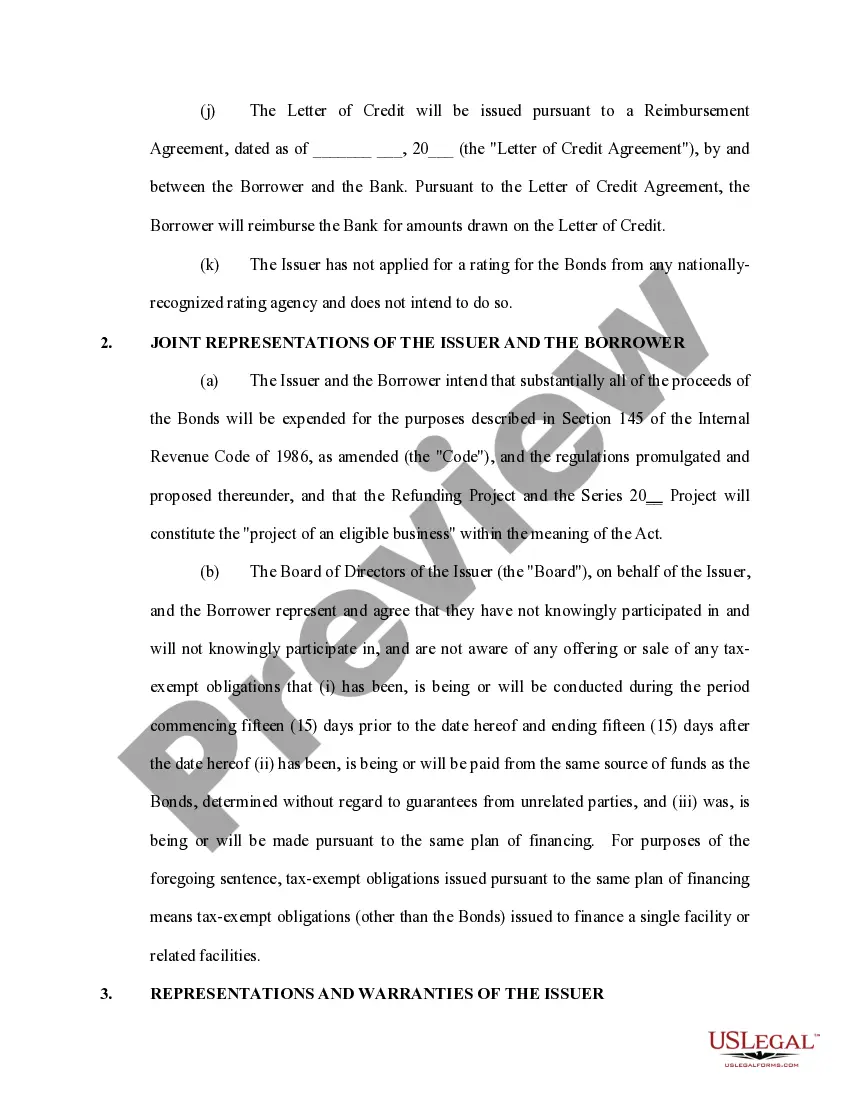
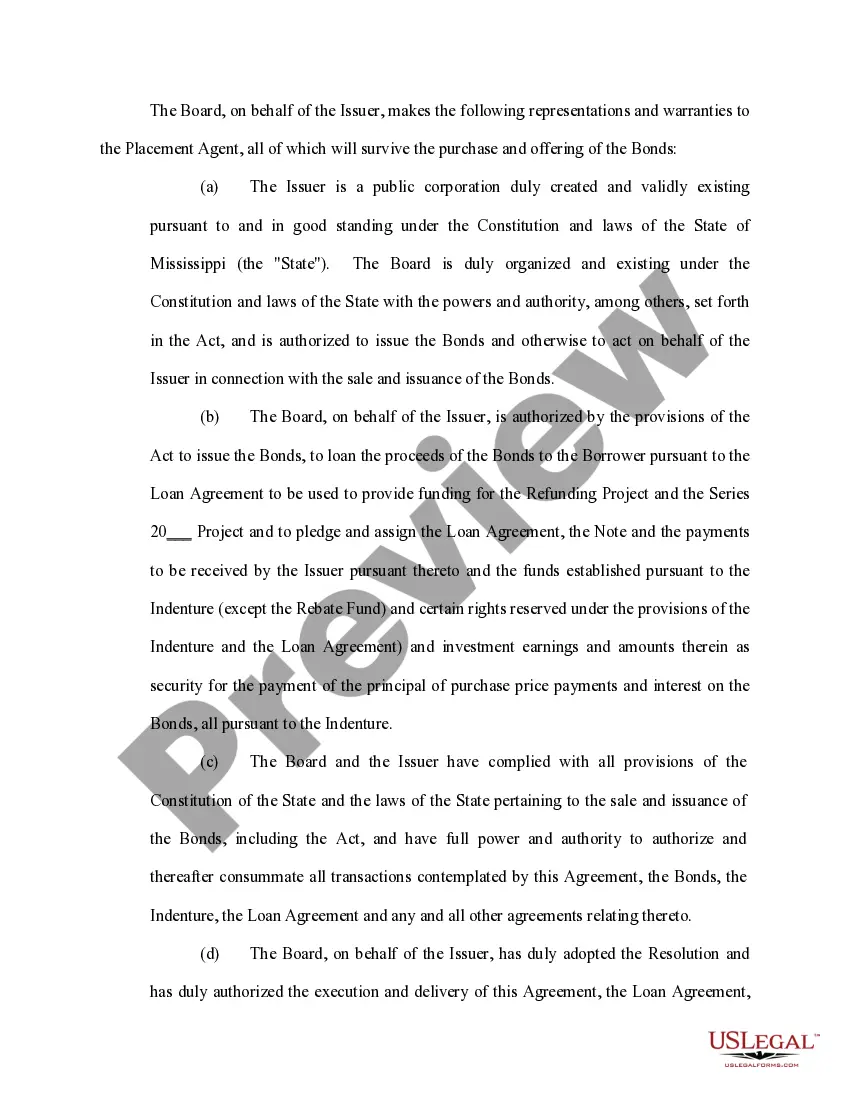
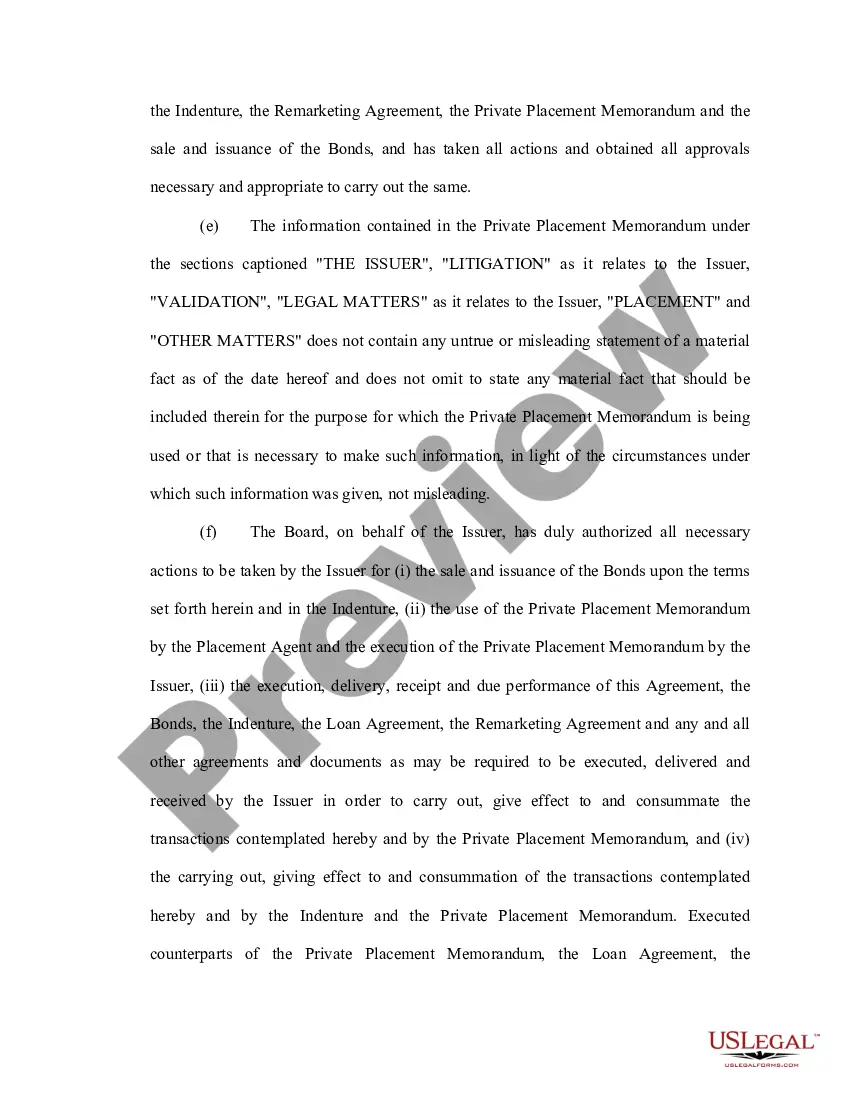


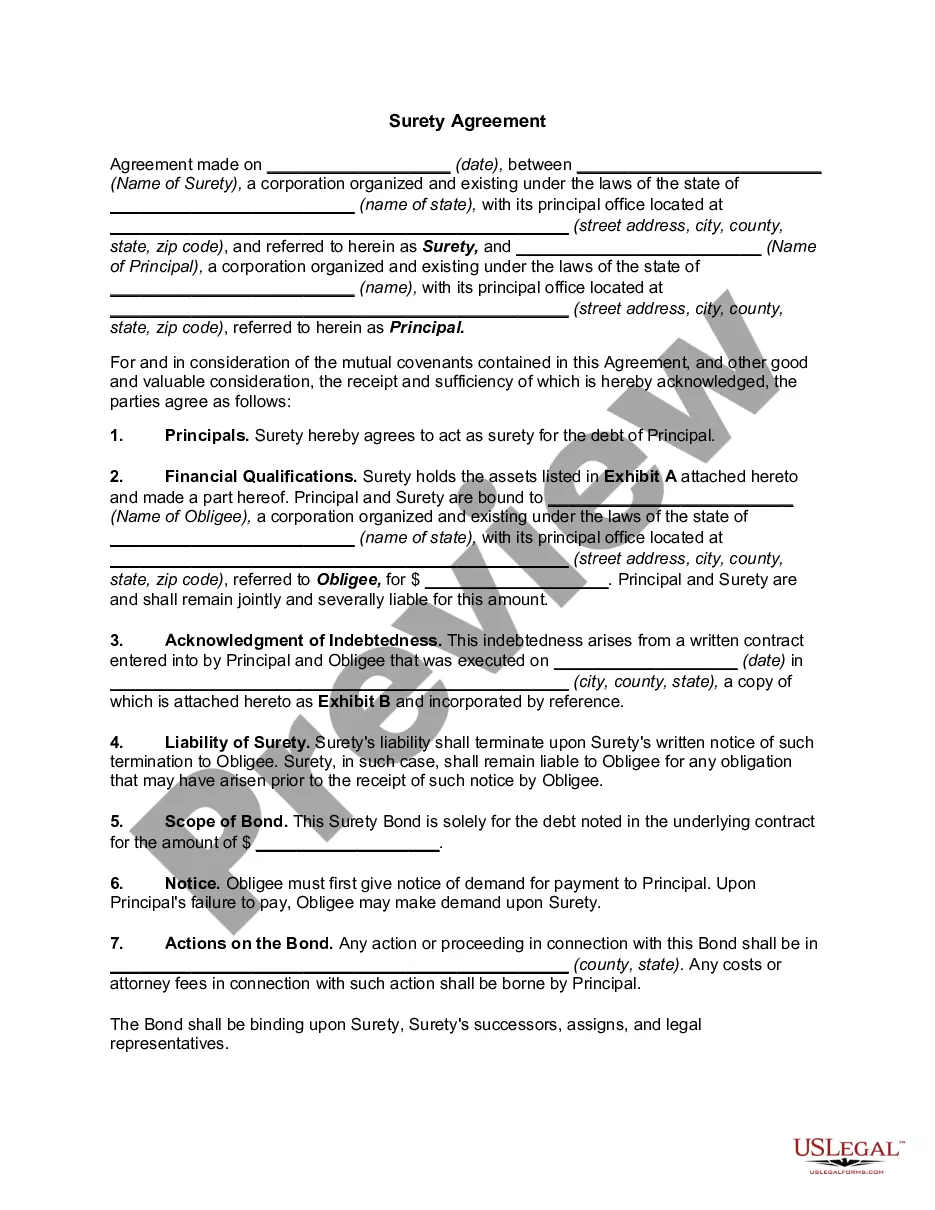
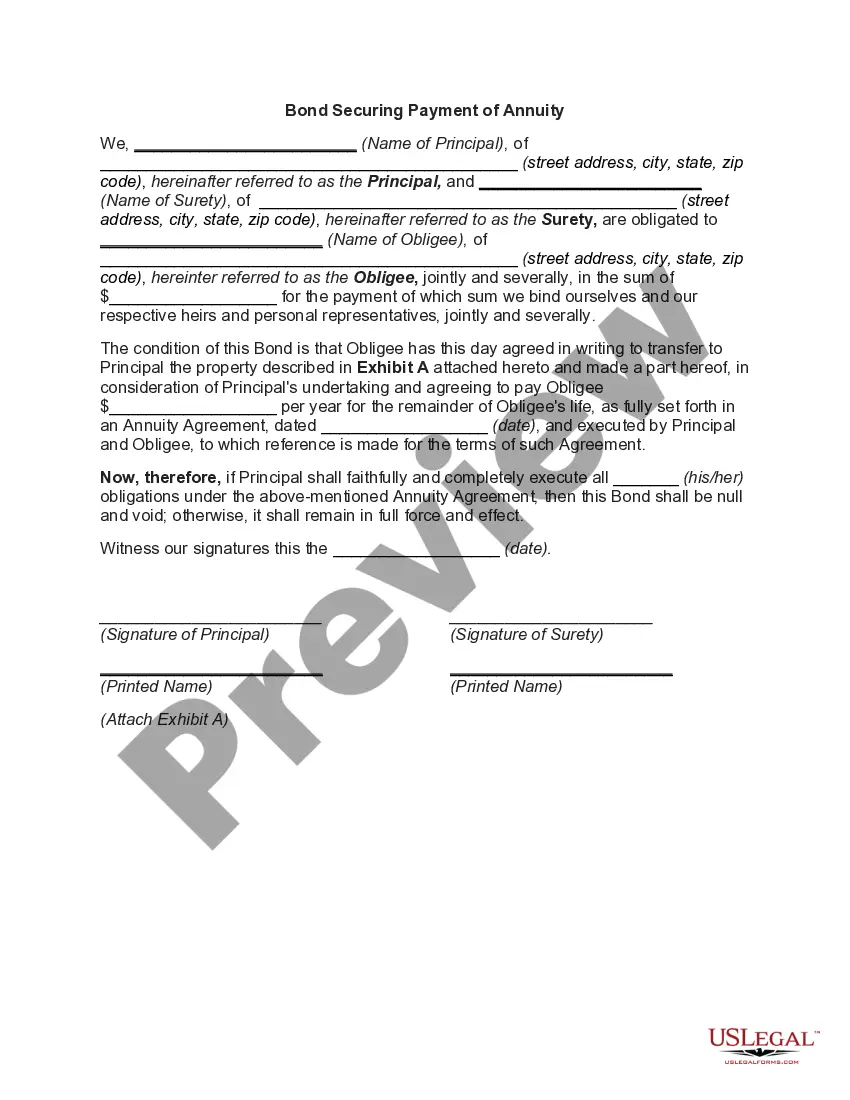

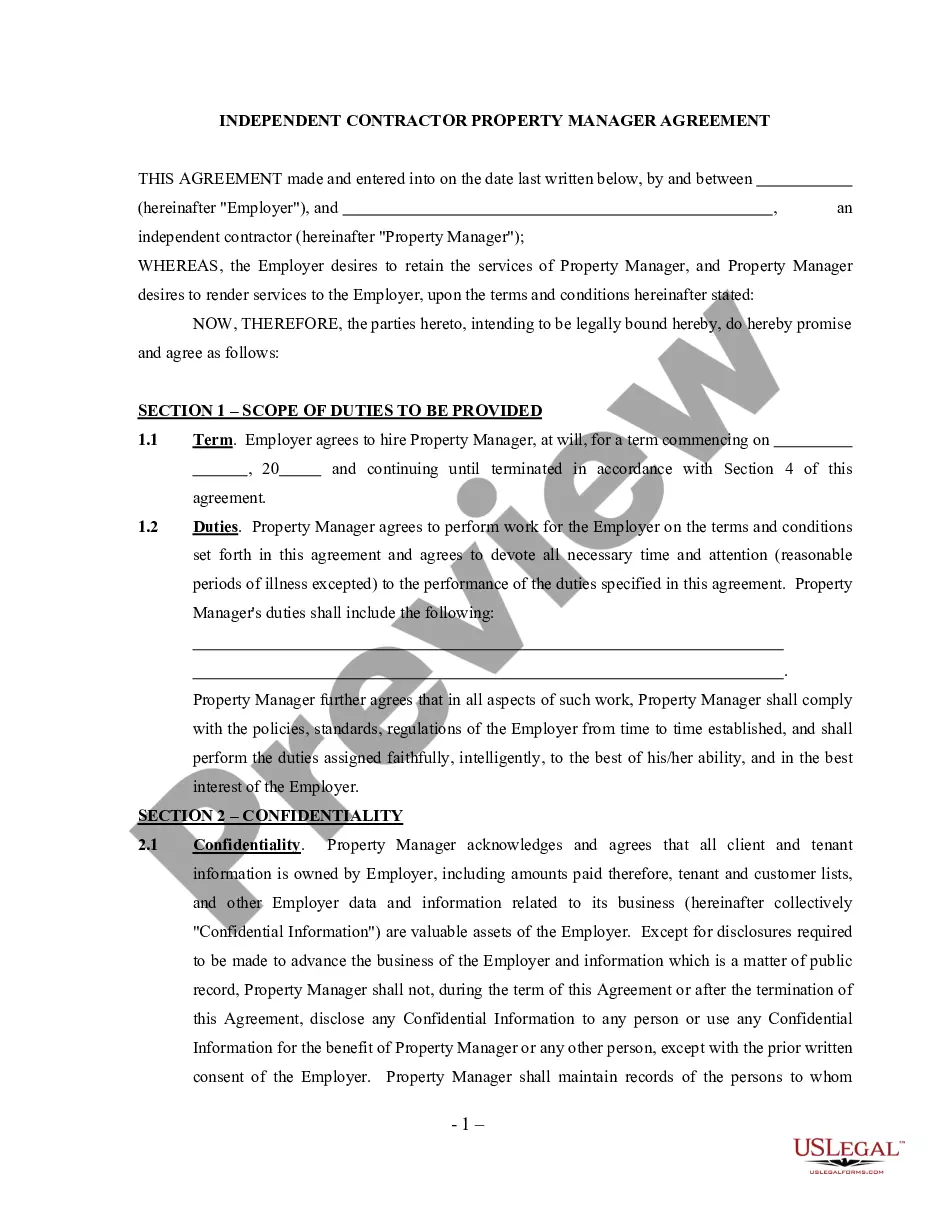


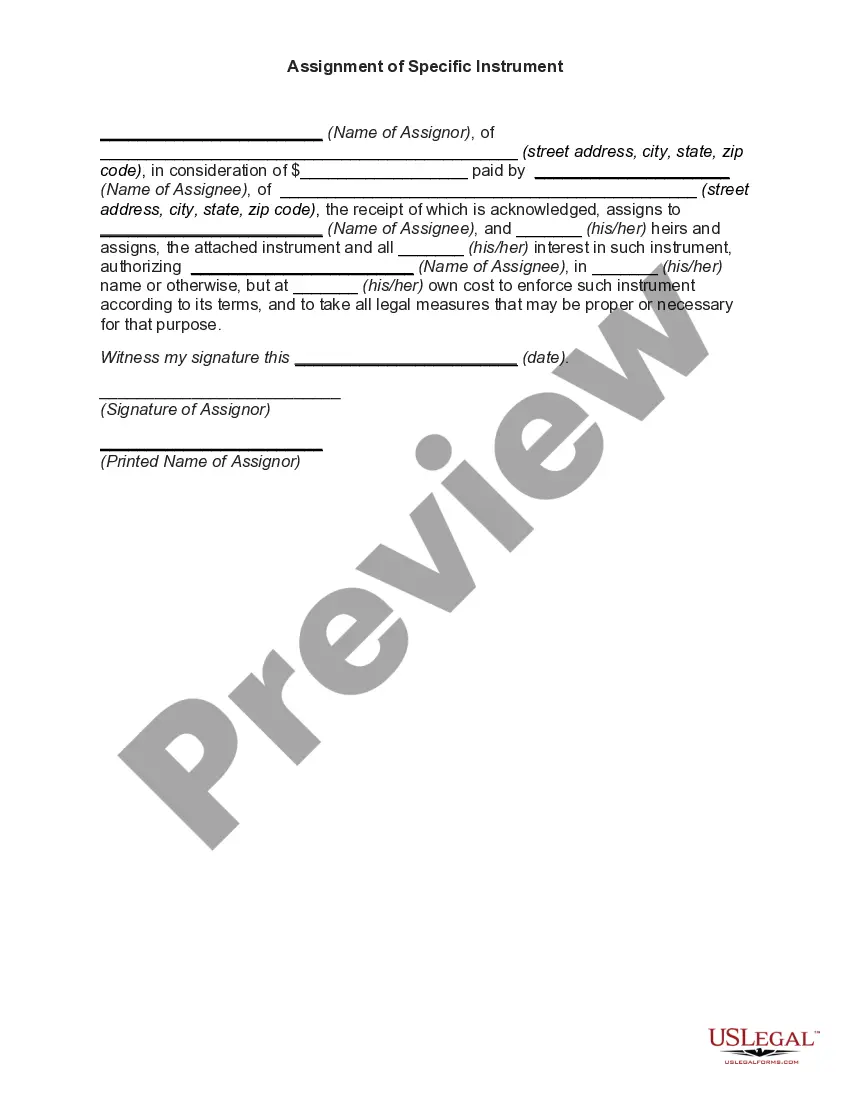
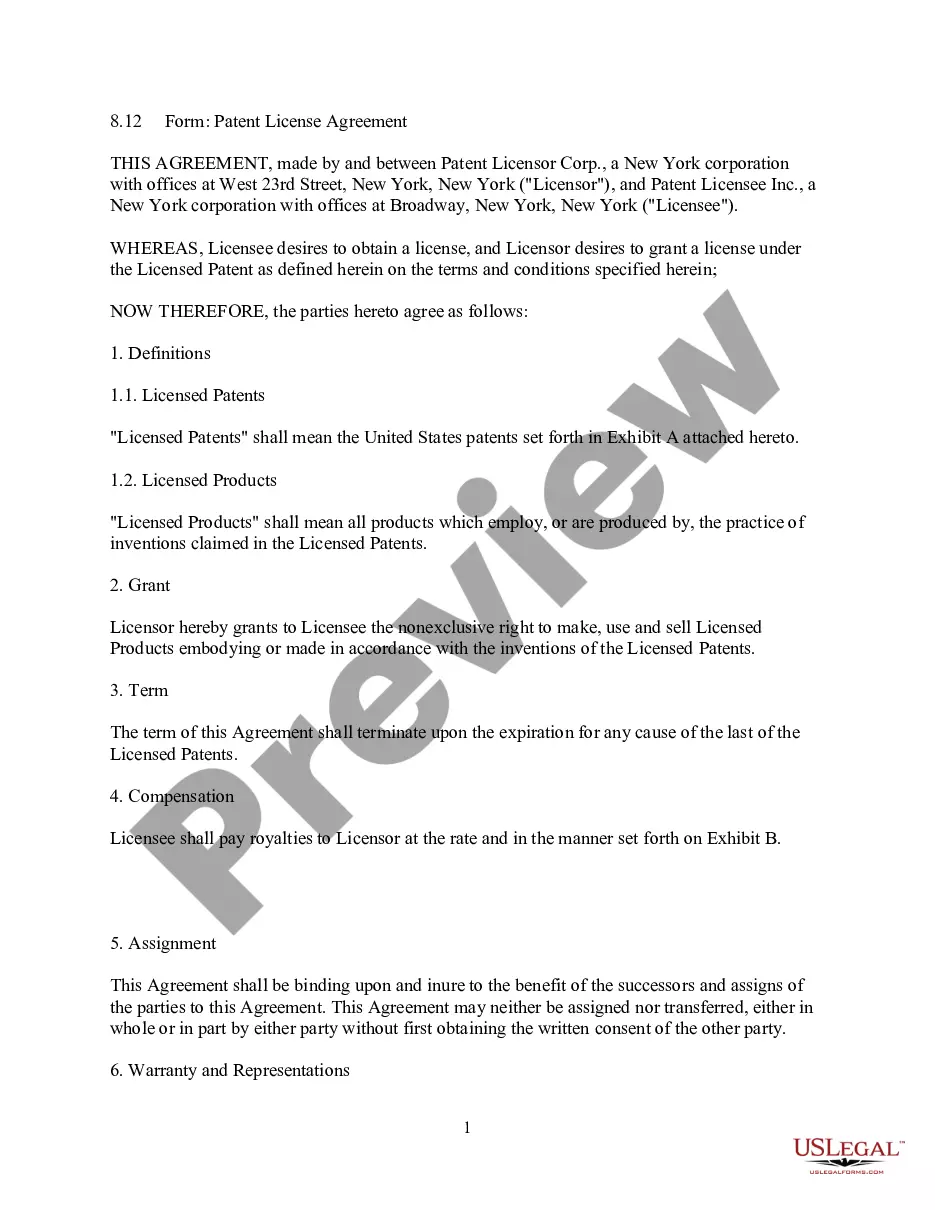
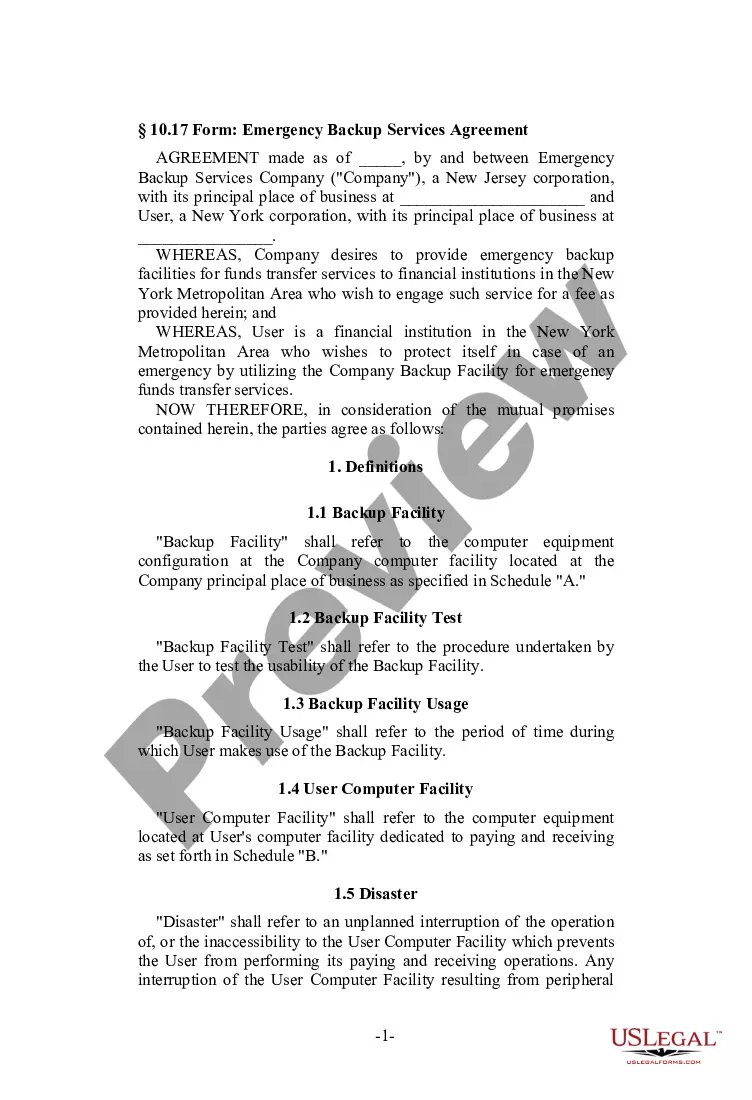

How to fill out Bond Placement Agreement?
If you need to thoroughly, download, or print official document templates, utilize US Legal Forms, the largest collection of legal forms available online. Use the site's simple and convenient search to find the documents you need. A range of templates for business and personal uses are organized by categories and states, or keywords. Use US Legal Forms to access the Tennessee Bond placement agreement with just a few clicks.
If you are currently a US Legal Forms user, Log In to your account and click on the Acquire button to get the Tennessee Bond placement agreement. You can also access forms you have previously downloaded in the My documents section of your account.
If you are using US Legal Forms for the first time, follow the steps below: Step 1. Make sure you have chosen the form for the correct state/region. Step 2. Use the Preview option to review the form’s details. Don’t forget to read the summary. Step 3. If you are not satisfied with the form, use the Search field at the top of the screen to find other forms in the legal form template. Step 4. After you have found the form you need, click the Get now button. Choose the pricing plan you prefer and enter your details to create an account. Step 5. Process the payment. You can use your credit card or PayPal account to complete the transaction. Step 6. Select the format of the legal form and download it to your device. Step 7. Complete, edit, and print or sign the Tennessee Bond placement agreement.
- Every legal document template you purchase is yours to keep indefinitely.
- You can access every form you downloaded in your account.
- Select the My documents section and choose a form to print or download again.
- Be proactive and download, and print the Tennessee Bond placement agreement with US Legal Forms.
- There are millions of professional and state-specific forms you can use for your business or personal needs.
Form popularity
FAQ
General obligation bonds are sold by competitive bid (T.C.A. § 9-21-203). Bonds may be issued for up to 40 years, but the length of the issue may not "exceed the reasonably expected economic life of the project being financed".
In other words, although GO bonds tend to have higher credit ratings and default less, when they do default, the damage is far greater than that of revenue bonds. Revenue bonds are not without their risks as they make up the larger percent of defaults.
Their interest payments are usually exempt from federal income taxes and may be exempt from state income taxes if the bond issuer is located in the investor's home state.
A guaranty agreement, in the realm of commercial insurance, refers to a legally binding contract where one party, known as the guarantor, promises to be responsible for the obligations or debts of another party, known as the debtor, if they fail to fulfill their financial commitments.
How Do Contractors Apply for a License in Tennessee? Step 1 ? Designate a Qualifying Agent. ... Step 2 ? Pass the Exams. ... Step 3 ? Prepare a Financial Statement. ... Step 4 ? Purchase a Surety Bond. ... Step 5 ? Obtain a Letter of Reference. ... Step 6 ? Purchase Insurance. ... Step 7 ? Register with the Secretary of State.
Although general obligation bonds are backed by the full faith and credit of the issuer, there is still a risk that the issuer may default on its obligation to pay interest and principal.
General obligation bonds are government-issued bonds that are repaid from state or local general funds or a dedicated tax. The issuing entity (e.g., the city, county, or state) places its full faith and credit in paying back the purchasers of the bond.