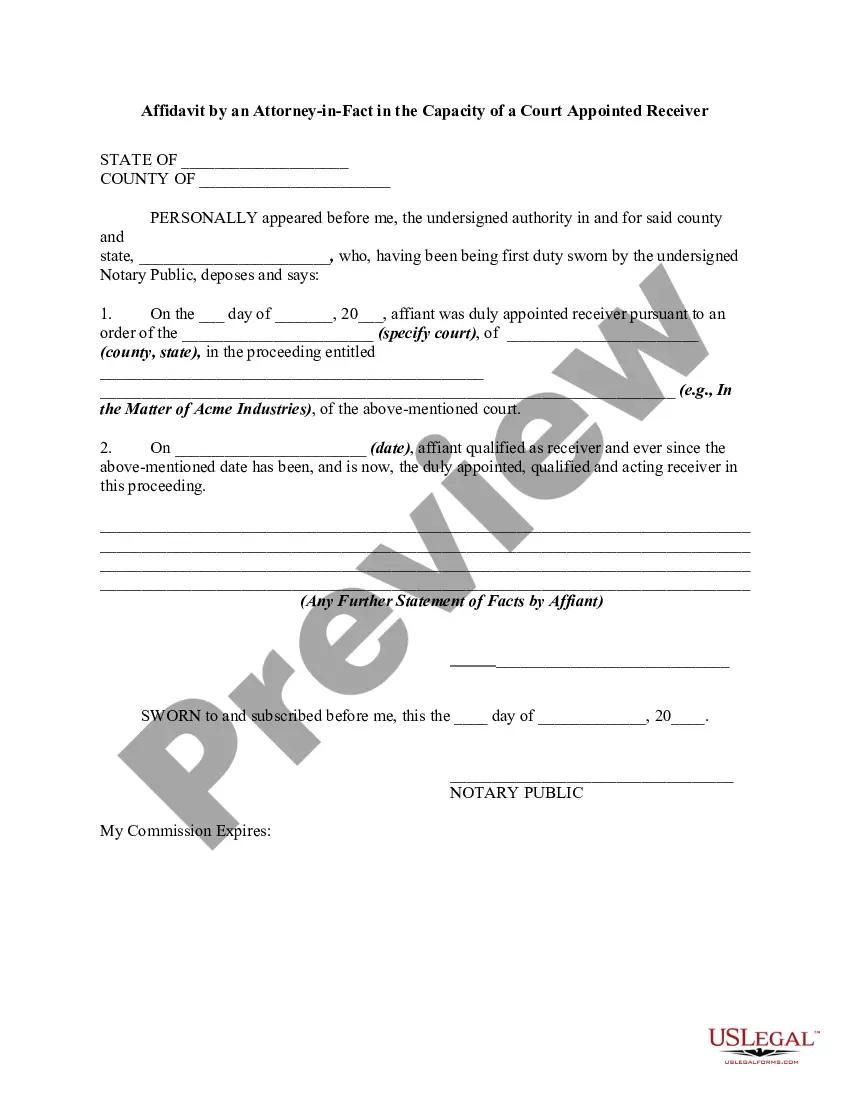
Tennessee Affidavit by an Attorney-in-Fact in the Capacity of an Executor of an Estate
Description



How to fill out Affidavit By An Attorney-in-Fact In The Capacity Of An Executor Of An Estate?
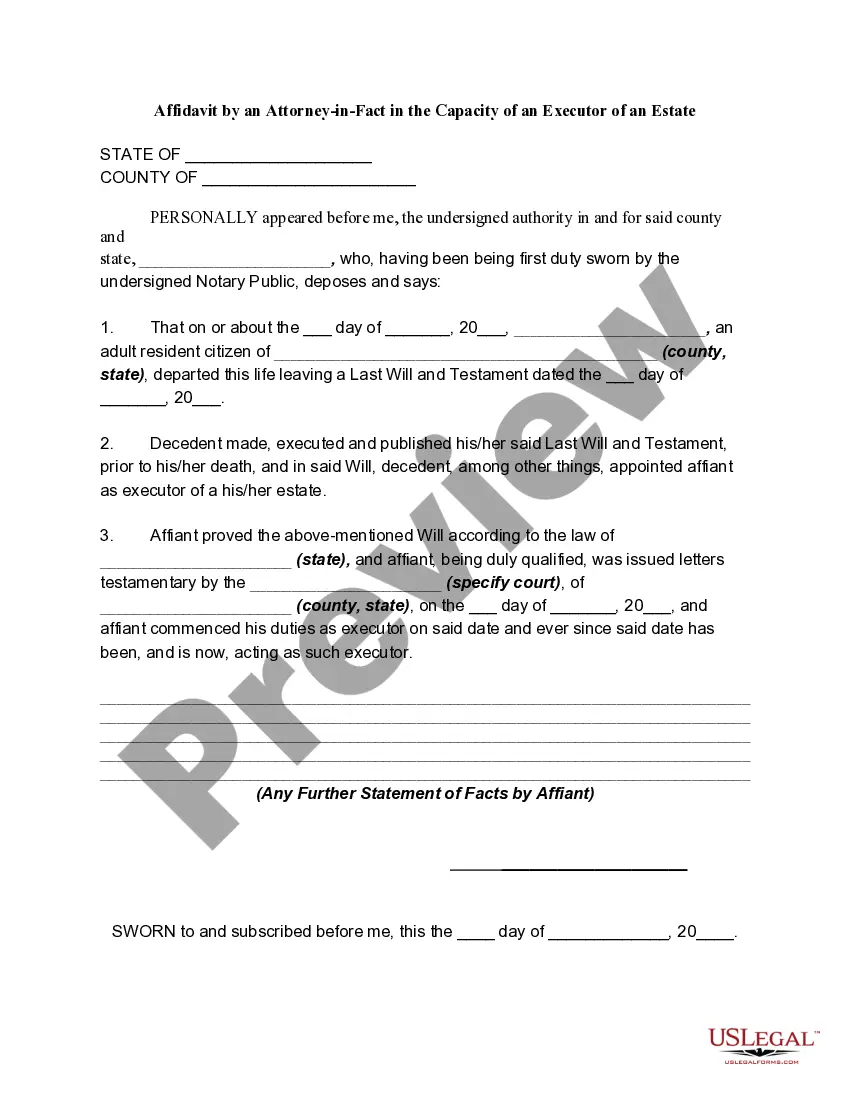
Finding the appropriate legitimate document template can be a challenge. Certainly, there are numerous designs available online, but how will you locate the legitimate form you need? Utilize the US Legal Forms website. The service offers a multitude of templates, such as the Tennessee Affidavit by an Attorney-in-Fact in the Role of an Executor of an Estate, which can be utilized for both business and personal purposes. All of the forms are verified by experts and comply with state and federal regulations.
If you are already registered, Log In to your account and click the Acquire button to obtain the Tennessee Affidavit by an Attorney-in-Fact in the Role of an Executor of an Estate. Use your account to search for the legitimate forms you have previously obtained. Go to the My documents section of your account and download another copy of the document you need.
If you are a new user of US Legal Forms, here are simple instructions you can follow: First, ensure you have selected the correct form for your locality/state. You can view the form using the Preview button and read the form description to confirm it is suitable for you. If the form does not meet your needs, use the Search field to find the appropriate form. Once you are confident the form is right, select the Purchase now button to acquire the form. Choose the pricing plan you prefer and enter the necessary information. Create your account and place an order using your PayPal account or credit card. Select the file format and download the legitimate document template to your device. Complete, edit, print, and sign the acquired Tennessee Affidavit by an Attorney-in-Fact in the Role of an Executor of an Estate.
Take advantage of US Legal Forms to simplify your document acquisition process and ensure legal compliance.
- US Legal Forms is the largest repository of legitimate forms that you can find numerous document templates.
- Utilize the service to obtain professionally-created documents that comply with state requirements.
- Ensure the forms are validated by experts.
- Access a wide variety of templates for personal and business use.
- Easily navigate through your account to find previously acquired forms.
- Receive your documents in the desired format.
Form popularity
FAQ
Tennessee law states that the amount of bond will be the total value of the property subject to the small estate affidavit. The purpose of this bond is to prevent the person that will gain access to the assets from disappearing and taking the money with them.
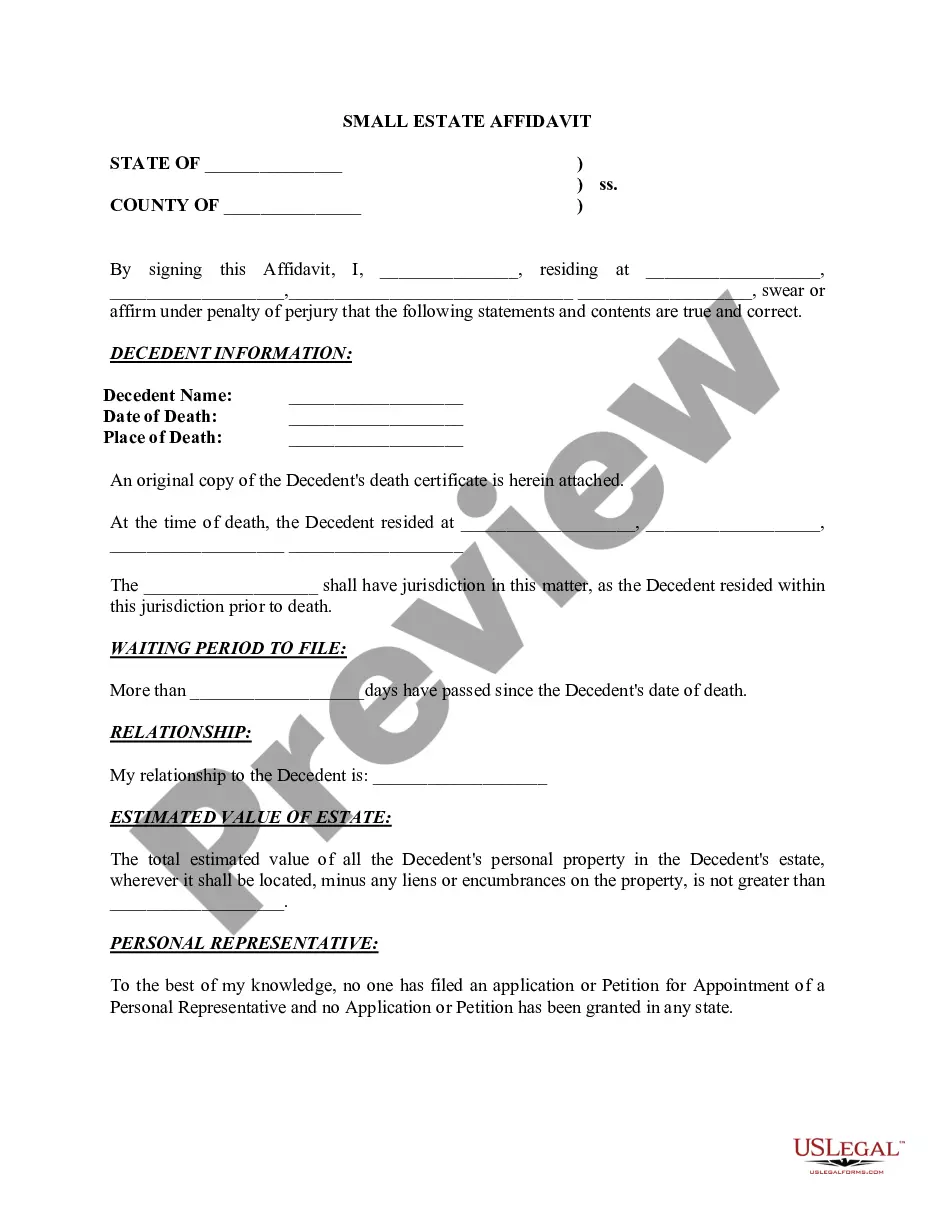
How Do You File a Small Estate Affidavit? The name of the county of the circuit court. Docket number. Estate name. Tennessee affiant name. Tennessee decedent age. Decedent date and place of death. Residential address of decedent. Whether a will was left.
An Affidavit of Heirship in Tennessee serves the purpose of establishing ownership of a deceased individual's property in cases where they did not create a will or did not distribute all of their property through a Last Will and Testament.
Under Tennessee statute, where as estate is valued at less than $50,000, an interested party may, forty-five (45) days after the death of the decedent, file with the clerk of court a small estate affidavit, and proceed to use said affidavit to collect any debts owed to the decedent.
The primary responsibility of the estate executor in Tennessee is to settle the estate and distribute the inheritance ing to the will. If there is no will, then the executor must act in ance with Tennessee laws. If you're in this position, you must put the interests of the estate first.
To file a small estate affidavit, you must first wait for 45 days after the decedent's death. You're welcome to fill out the paperwork and try to get it started before that but you'll find that no probate court clerk will accept a small estate affidavit until after 45 days have passed so it's better to just wait.
Once the executor receives authority to manage the estate, they have 60 days to file an inventory of the estate with the probate court. Creditors then have up to 12 months to enter their claims on the record. An interested party may object to the creditor's claim and request a jury trial or hearing within 30 days.
?Estate? means the belongings of a person who has died. Under Tennessee law, there are simplified rules for handling a small estate. A ?small estate? is one in which the total value of the personal property of the estate is $50,000 or less. Many county probate courts have forms online to help you handle a small estate.