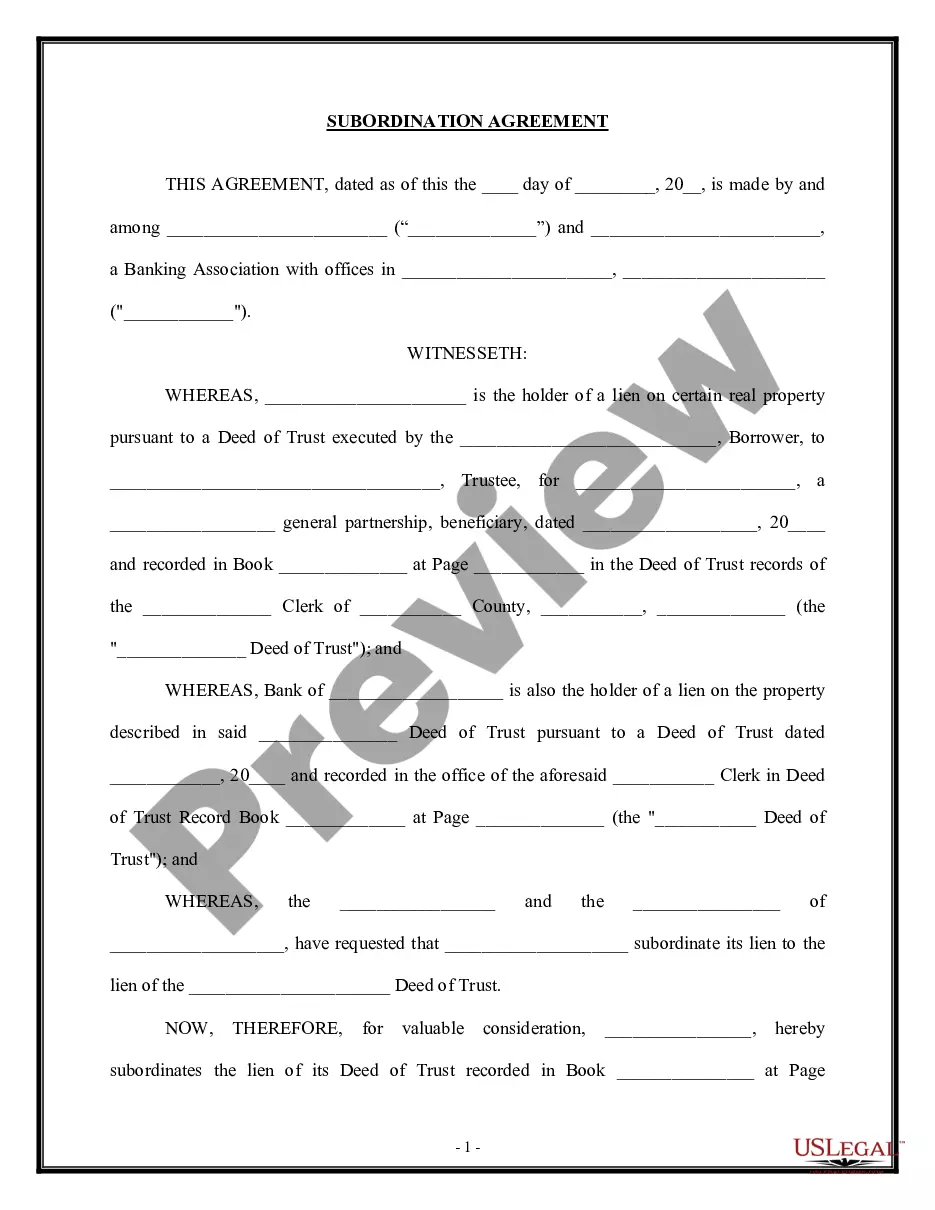
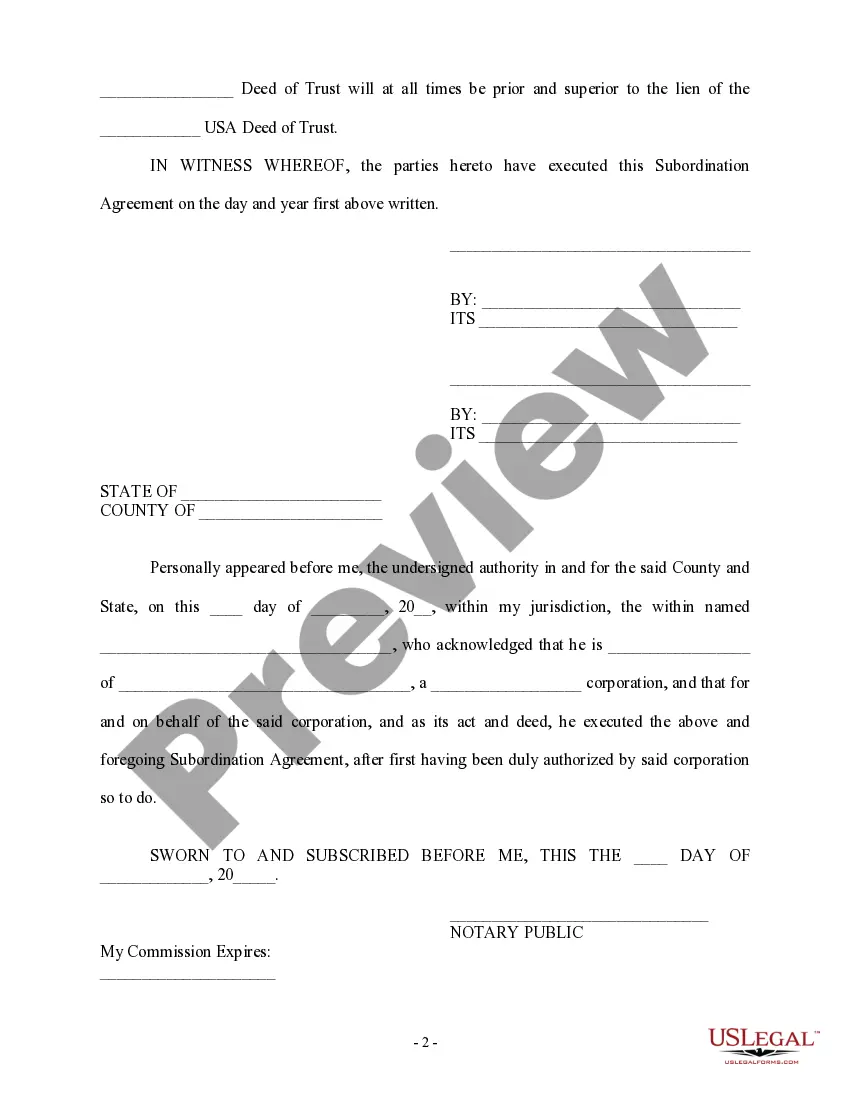
This agreement allows one lien holder to subordinate its deed of trust to the lien of another lien holder. For valuable consideration, a particular deed of trust will at all times be prior and superior to the subordinate lien.
Tennessee Subordination Agreement of Deed of Trust
State:
Multi-State
Control #:
US-00185
Format:
Word;
Rich Text
Instant download
Description
Free preview
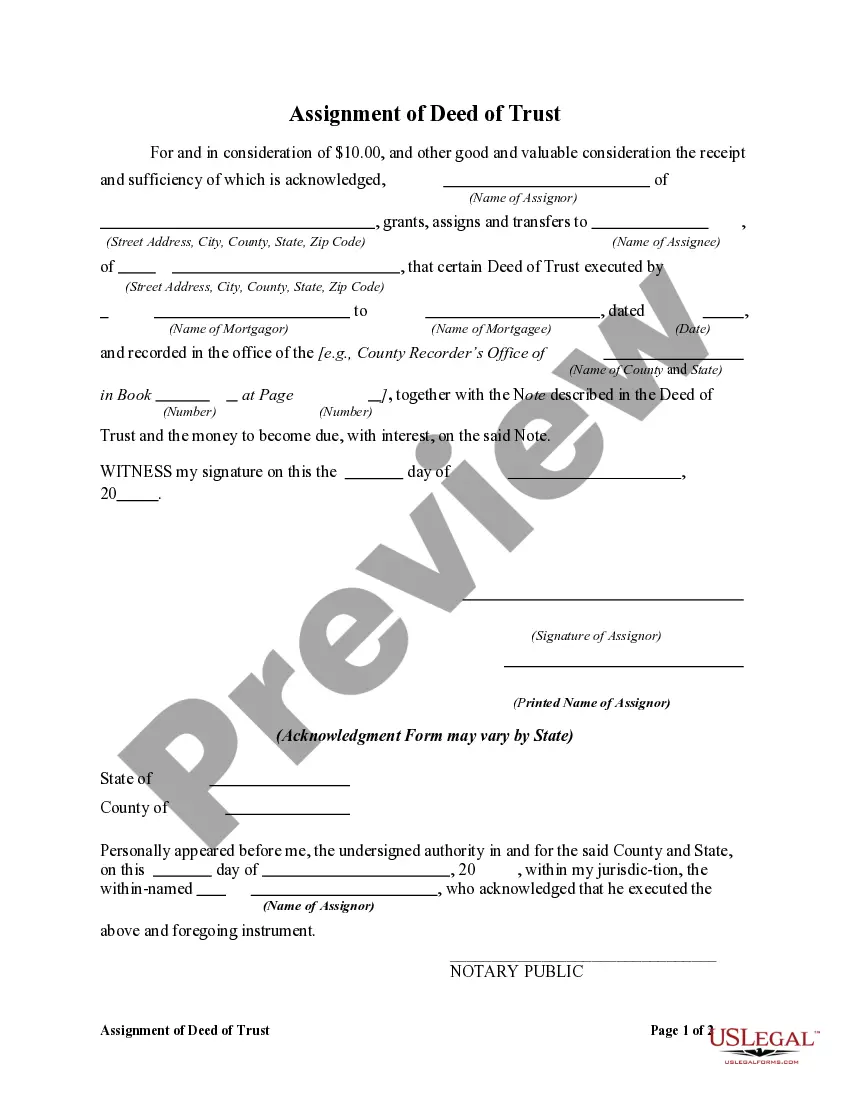
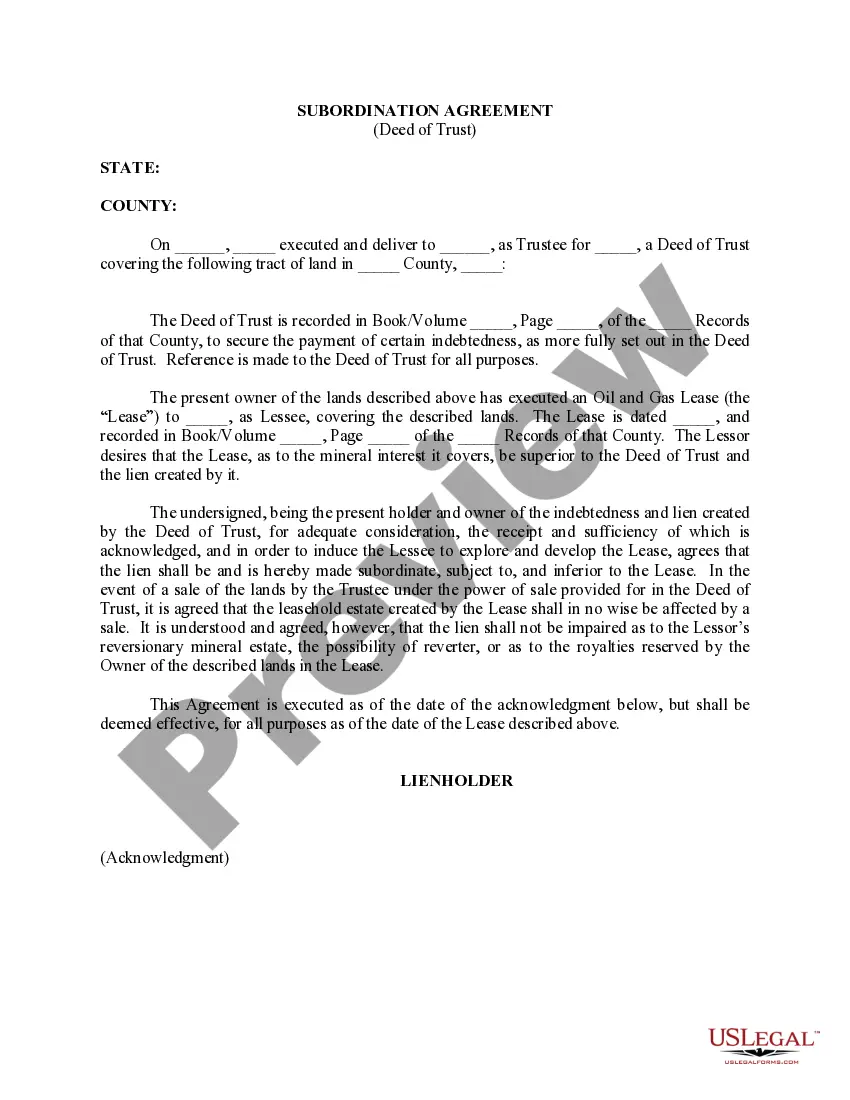
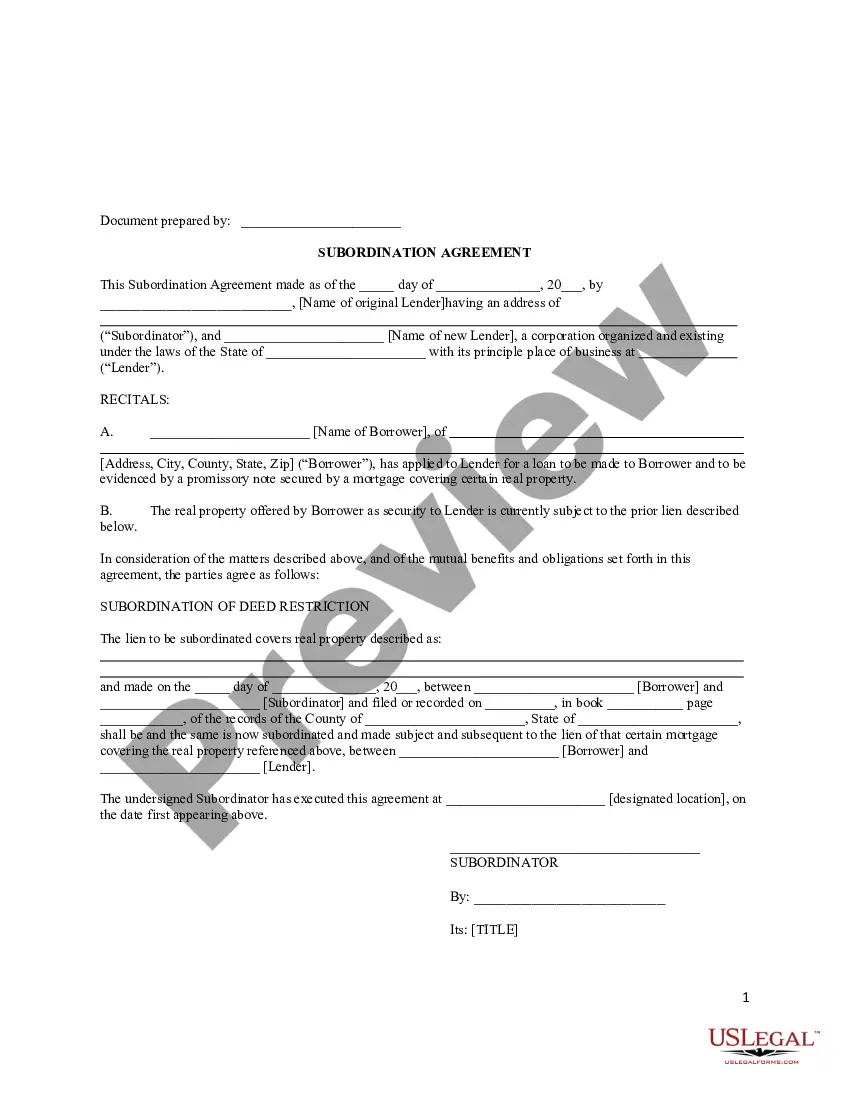
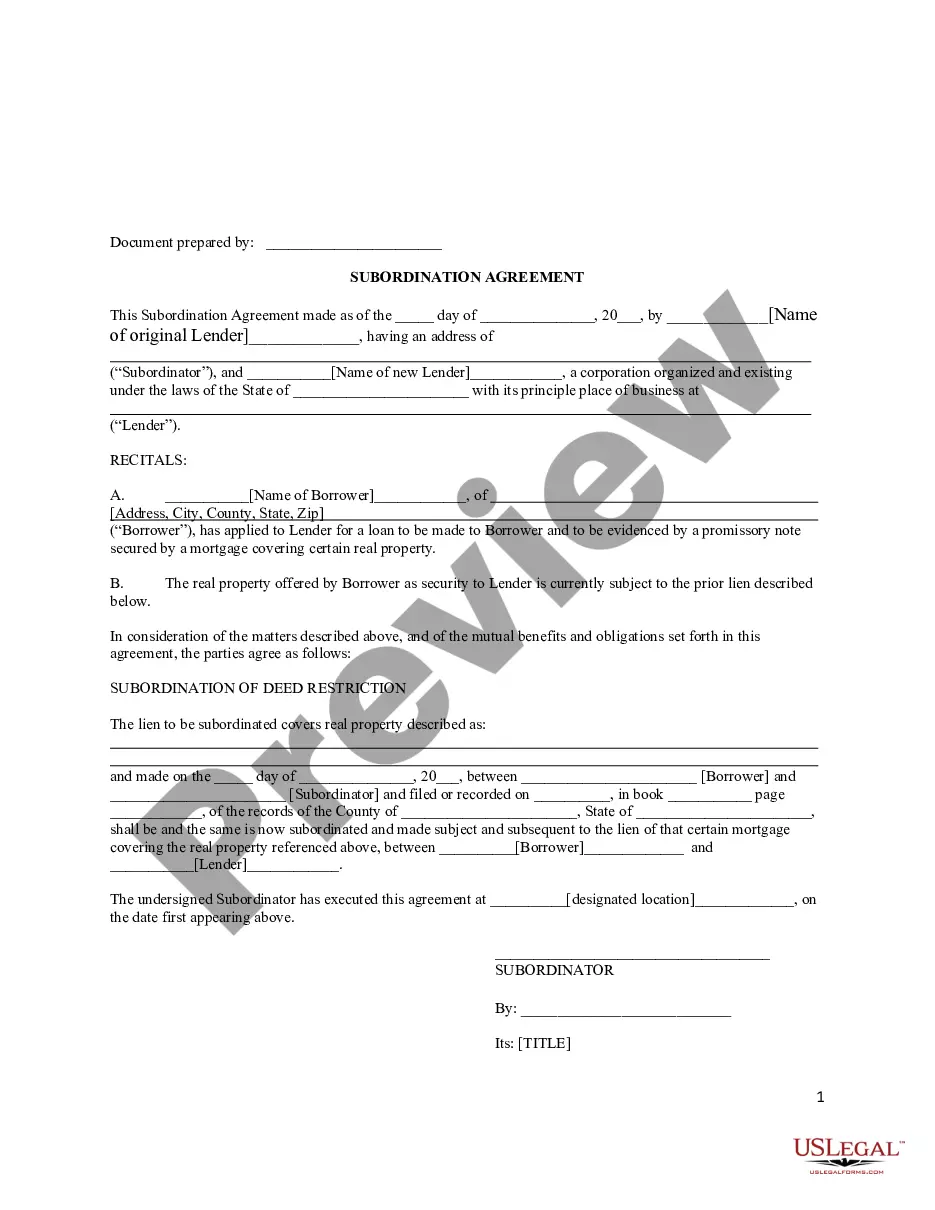




How to fill out Subordination Agreement Of Deed Of Trust?
Are you presently in a situation where you will require documents for potentially business or personal purposes almost all the time.
There is a range of legal document templates available online, but finding ones you can rely on is not easy.
US Legal Forms offers thousands of template documents, including the Tennessee Subordination Agreement of Deed of Trust, that are drafted to comply with state and federal requirements.
If you find the appropriate form, just click Buy now.
Choose the payment plan you prefer, fill in the necessary information to create your account, and complete your purchase using your PayPal or credit card.
- If you are currently familiar with the US Legal Forms website and have an account, just Log In.
- Then, you can download the Tennessee Subordination Agreement of Deed of Trust template.
- If you do not have an account and wish to start using US Legal Forms, follow these steps.
- Obtain the form you need and ensure it is for the correct city/region.
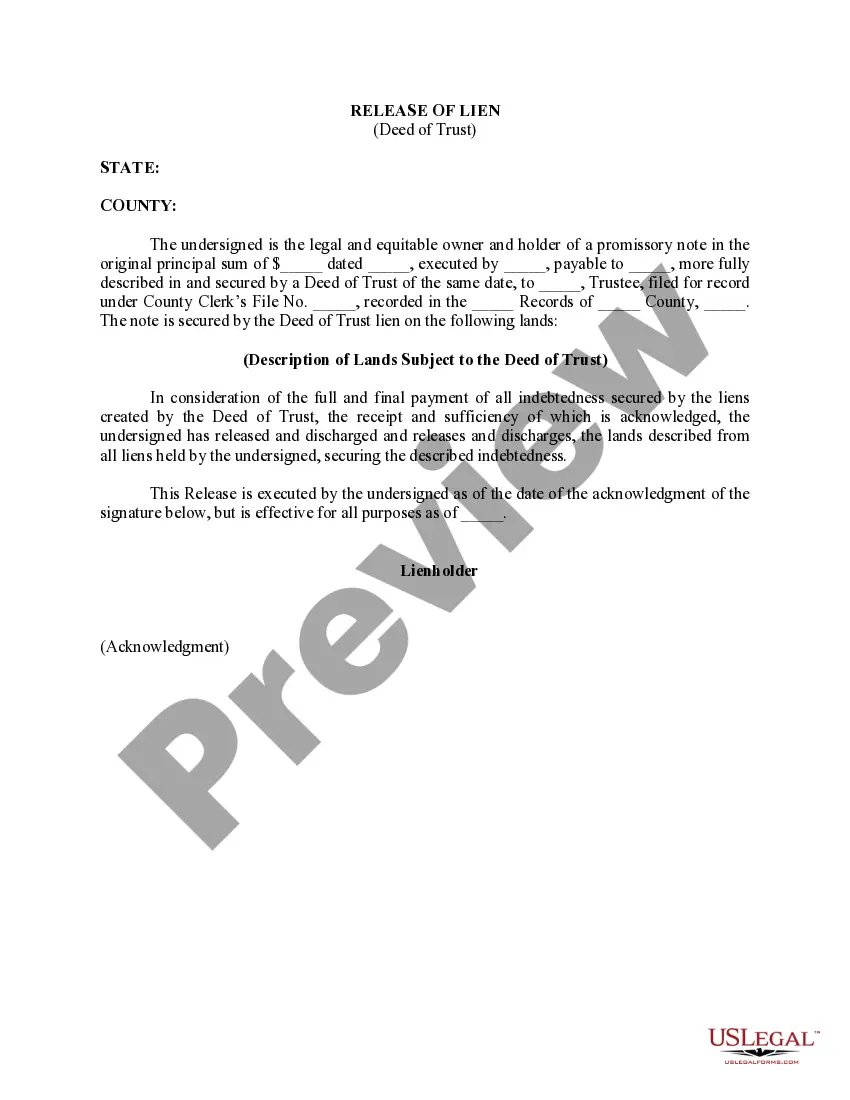
- Use the Preview button to review the document.
- Check the details to make sure you have selected the right form.
- If the form is not what you are looking for, use the Search box to find the form that meets your requirements.
Form popularity
FAQ
Yes, Tennessee does use a deed of trust as a common method for securing loans. In fact, many property transactions in the state involve a Tennessee Subordination Agreement of Deed of Trust. This legal instrument provides a clear framework for lenders and borrowers, ensuring that terms are understood and obligations are met. For those navigating this process, platforms like uslegalforms can provide valuable resources to streamline the documentation.
The primary beneficiaries of a subordination clause in a trust deed are the new lenders and the property owners. In a Tennessee Subordination Agreement of Deed of Trust, new lenders can offer loans that may not have been possible otherwise. This clause allows property owners to access additional funds while maintaining their existing loans. Overall, it creates opportunities for financial growth and flexibility.
A subordinated deed of trust is a legal document that establishes a lien on property while prioritizing another lien. In the context of a Tennessee Subordination Agreement of Deed of Trust, this means that the rights of a new lender take precedence over existing loans. This arrangement can facilitate additional financing for borrowers without jeopardizing current obligations. Understanding this concept is crucial for property owners seeking to manage their debts effectively.
To create a valid deed of trust, you need a legal property description, the names of the borrower and lender, and signatures from all parties involved. Additionally, you must include the necessary terms and conditions that outline the agreement. In Tennessee, a Tennessee Subordination Agreement of Deed of Trust may also be required if there are existing liens on the property. Using the USLegalForms platform can help you understand and create the proper documents to meet these requirements efficiently.
The new lender prepares the subordination agreement in conjunction with the subordinating lienholder. Then the parties typically sign the agreement. But in some cases, just the subordinating lender will need to sign the paperwork.
What is subordination? Subordination is the process of ranking home loans (mortgage, HELOC or home equity loan) by order of importance. When you have a home equity line of credit, for example, you actually have two loans ? your mortgage and HELOC. Both are secured by the collateral in your home at the same time.
Subordination. This Security Instrument is and shall be automatically subordinate to a loan made to Borrower evidenced by a purchase money promissory note and secured by a first deed of trust (the ?First Deed of Trust?) recorded concurrently herewith on the Property.
What Is a Deed of Trust in Tennessee? A deed of trust is a way for a third party (the trustee) to hold an interest in the property while another person (a borrower) performs a promise they have made to someone else (the lender).
Subordination agreements are used to legally establish the order in which debts are to be repaid in the event of a foreclosure or bankruptcy. In return for the agreement, the lender with the subordinated debt will be compensated in some manner for the additional risk.
Subordinate Deed of Trust means the deeds of trust granted by Borrower to secure the obligation of Borrower to repay the Subordinate Loan.