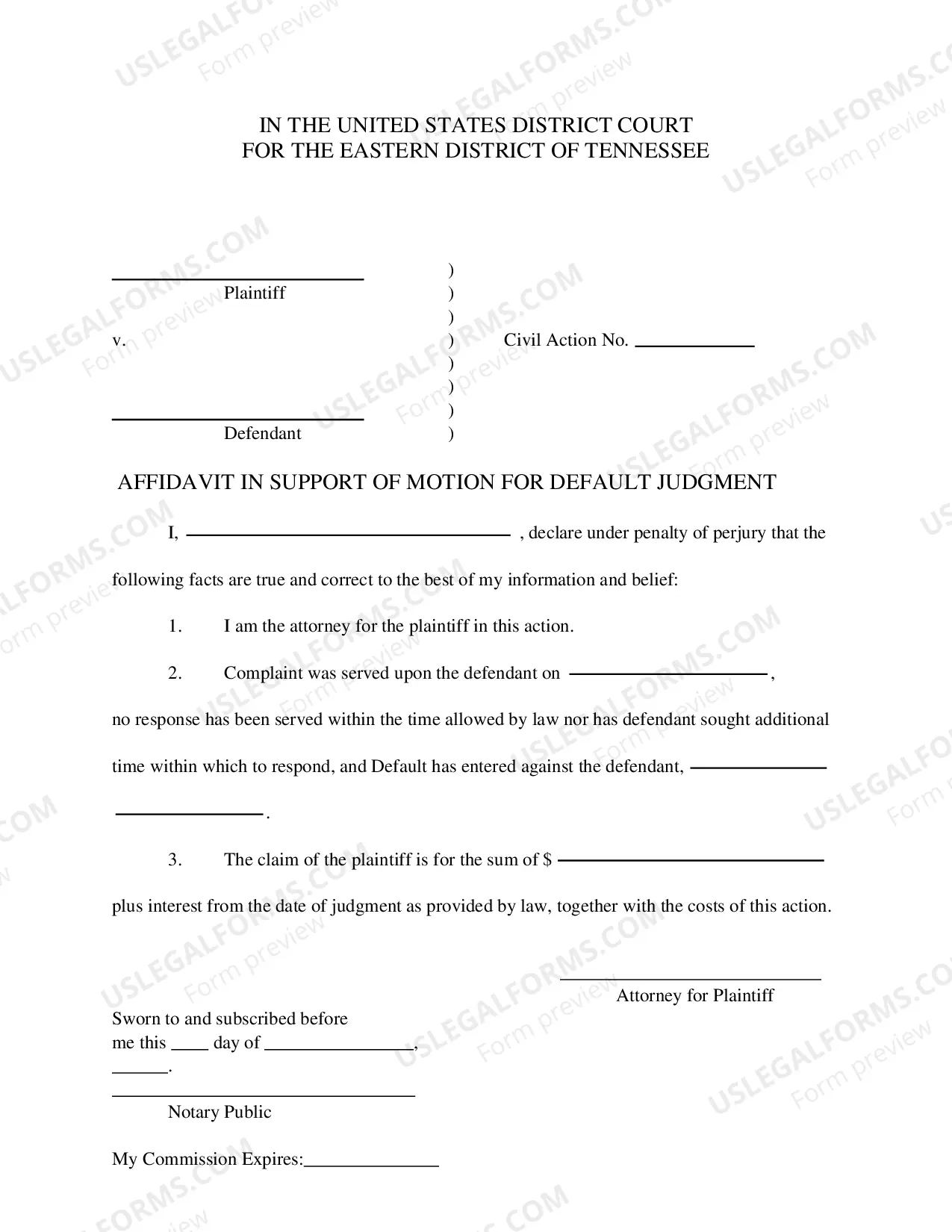
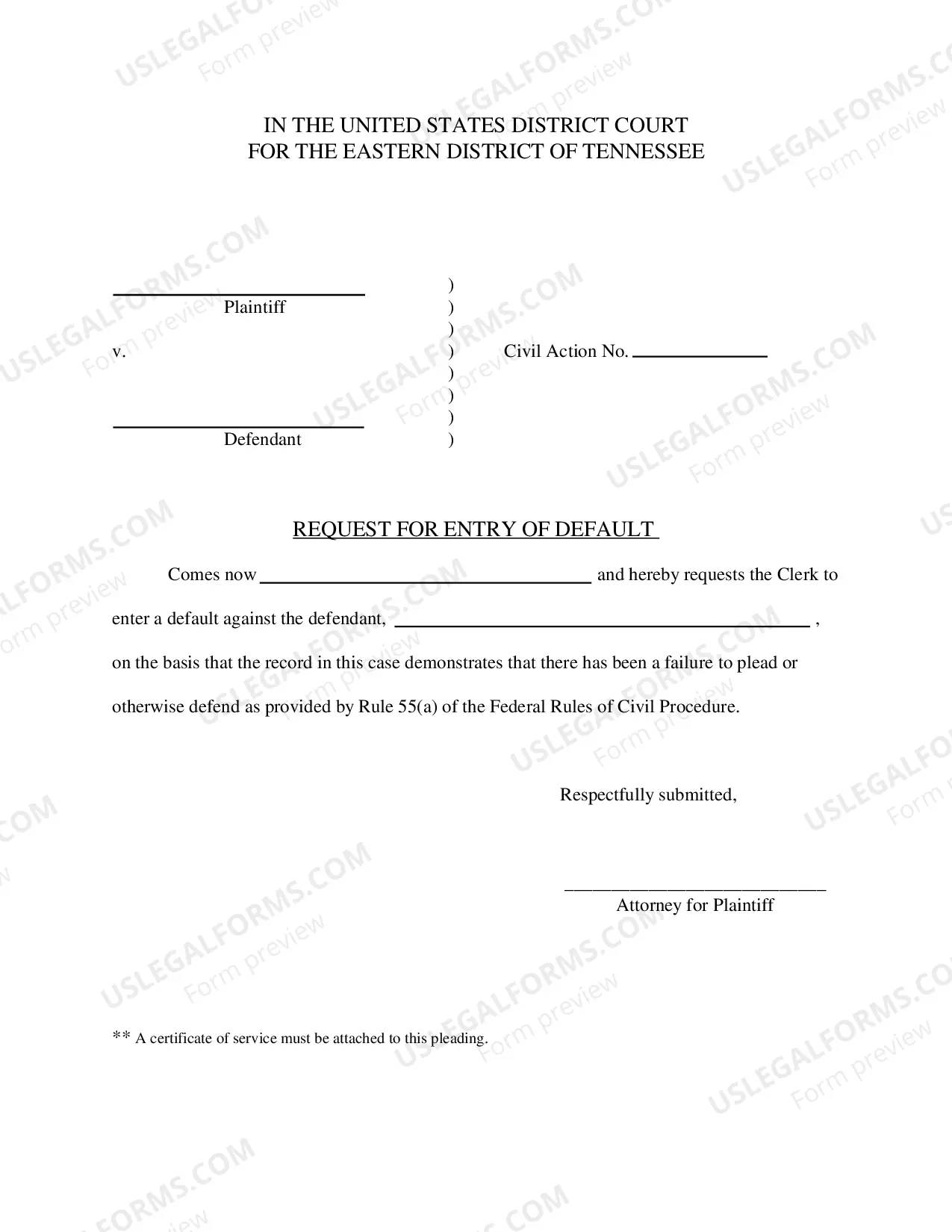
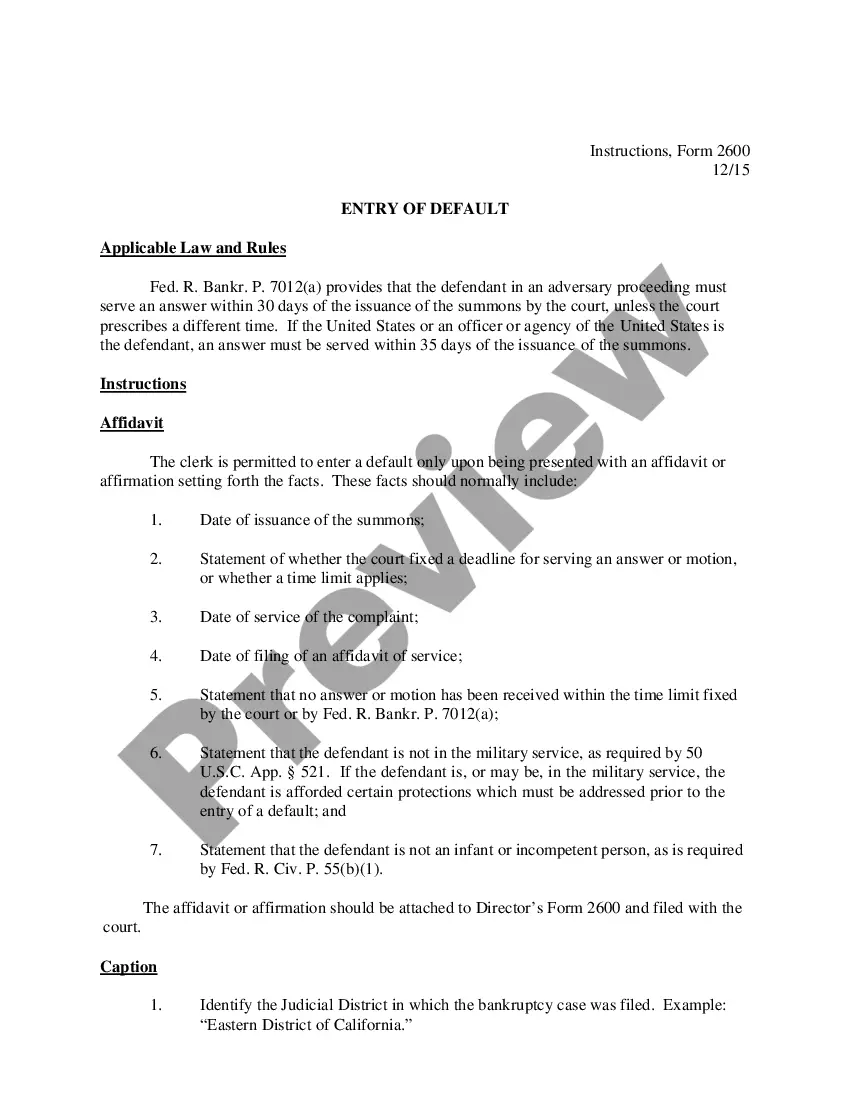
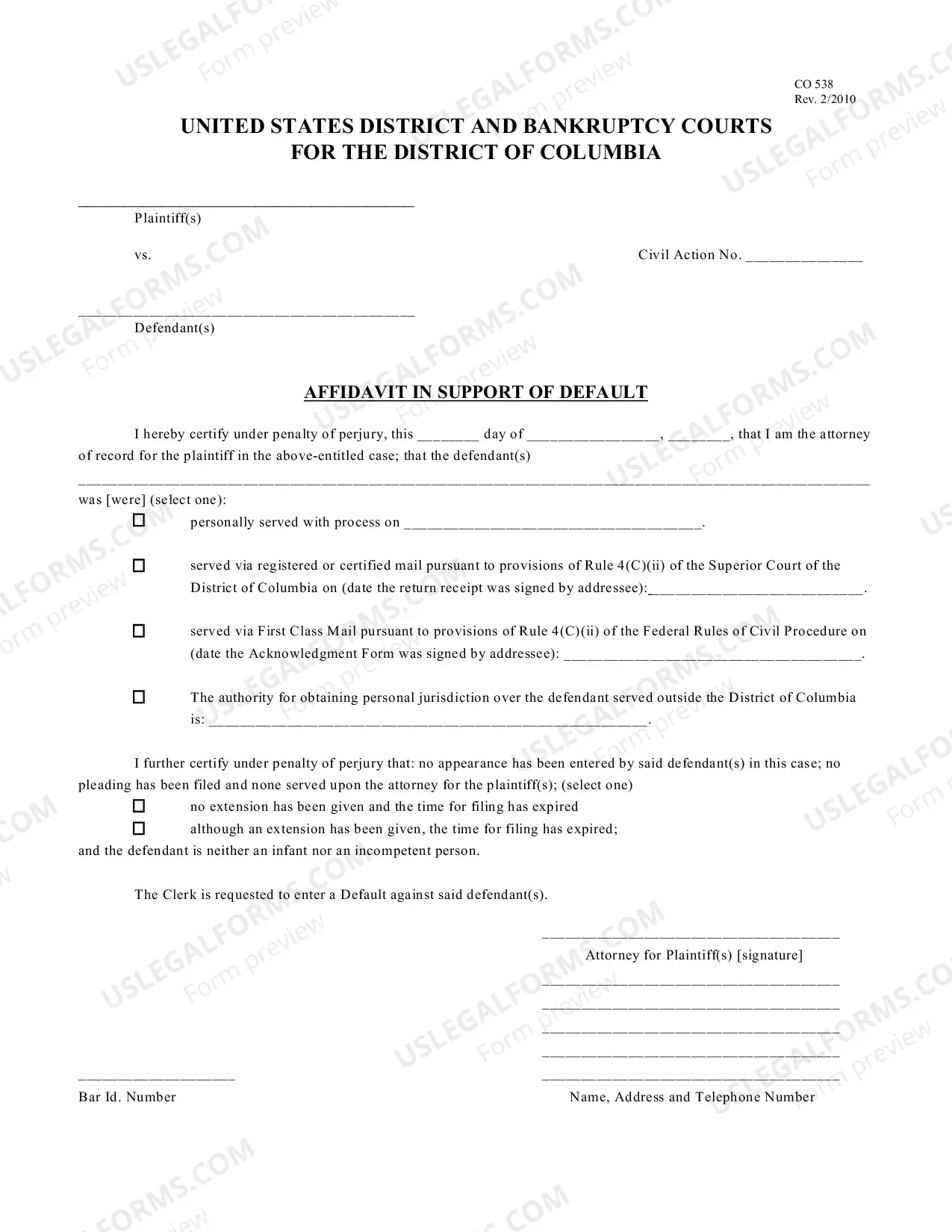
Tennessee Affidavit In Support of Request For Entry Of Default
Description
Get your form ready online
Our built-in tools help you complete, sign, share, and store your documents in one place.
Make edits, fill in missing information, and update formatting in US Legal Forms—just like you would in MS Word.
Download a copy, print it, send it by email, or mail it via USPS—whatever works best for your next step.
Sign and collect signatures with our SignNow integration. Send to multiple recipients, set reminders, and more. Go Premium to unlock E-Sign.
If this form requires notarization, complete it online through a secure video call—no need to meet a notary in person or wait for an appointment.
We protect your documents and personal data by following strict security and privacy standards.

Make edits, fill in missing information, and update formatting in US Legal Forms—just like you would in MS Word.

Download a copy, print it, send it by email, or mail it via USPS—whatever works best for your next step.

Sign and collect signatures with our SignNow integration. Send to multiple recipients, set reminders, and more. Go Premium to unlock E-Sign.

If this form requires notarization, complete it online through a secure video call—no need to meet a notary in person or wait for an appointment.

We protect your documents and personal data by following strict security and privacy standards.
Looking for another form?
How to fill out Tennessee Affidavit In Support Of Request For Entry Of Default?
How much time and resources do you usually spend on composing official paperwork? There’s a greater opportunity to get such forms than hiring legal experts or spending hours searching the web for an appropriate template. US Legal Forms is the leading online library that provides professionally designed and verified state-specific legal documents for any purpose, including the Tennessee Affidavit In Support of Request For Entry Of Default.
To acquire and prepare an appropriate Tennessee Affidavit In Support of Request For Entry Of Default template, follow these simple instructions:
- Examine the form content to ensure it meets your state requirements. To do so, check the form description or utilize the Preview option.
- In case your legal template doesn’t meet your requirements, find a different one using the search bar at the top of the page.
- If you are already registered with our service, log in and download the Tennessee Affidavit In Support of Request For Entry Of Default. Otherwise, proceed to the next steps.
- Click Buy now once you find the right blank. Opt for the subscription plan that suits you best to access our library’s full opportunities.
- Register for an account and pay for your subscription. You can make a transaction with your credit card or through PayPal - our service is absolutely safe for that.
- Download your Tennessee Affidavit In Support of Request For Entry Of Default on your device and complete it on a printed-out hard copy or electronically.
Another benefit of our library is that you can access previously purchased documents that you securely keep in your profile in the My Forms tab. Pick them up at any moment and re-complete your paperwork as often as you need.
Save time and effort completing legal paperwork with US Legal Forms, one of the most reliable web services. Join us today!
Form popularity
FAQ
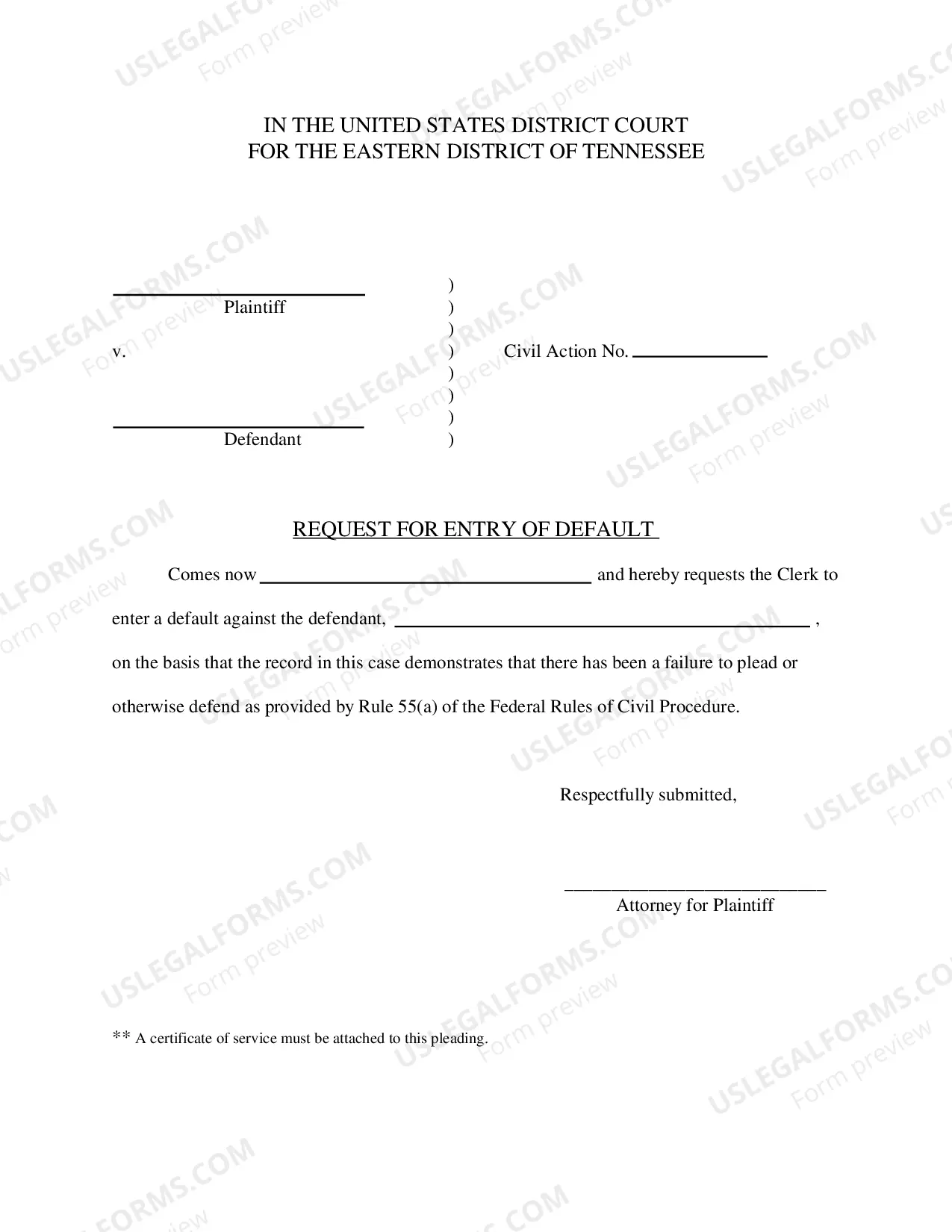
Request for Entry of Default (Application to Enter Default) (CIV-100) Asks the court to enter a "default" against the defendant or cross-defendant because they failed to file an Answer or other responsive document in the case. Can be used to ask for a default alone, or also a default judgment.
Judgement by default, also known as default judgment, is a judgment entered upon the failure of a defendant to appear before a court or answer a complaint. A default is a failure to perform a duty in legal proceedings.
The default divorce name comes from a term named ?default judgment.? This means a judgment or ruling is made by the court in favor of one of the parties due to a lack of response from the other party.
When a default is entered, the party who requested the entry of default must obtain a default judgment against the defaulting party within 45 days after the default was entered, unless the court has granted an extension of time.
RULE 55. DEFAULT. No judgment by default shall be entered against the state of Tennessee or any officer or agency thereof unless the claimant establishes his claim or right to relief by evidence satisfactory to the court.
How to submit forms and envelopes Prepare envelopes. Envelope for your Request to Enter Default.Make copies. Make 3 copies of your papers.Submit forms and envelopes. Turn in the original and two copies of your forms to the court clerk along with the envelopes.Get judgment forms back.
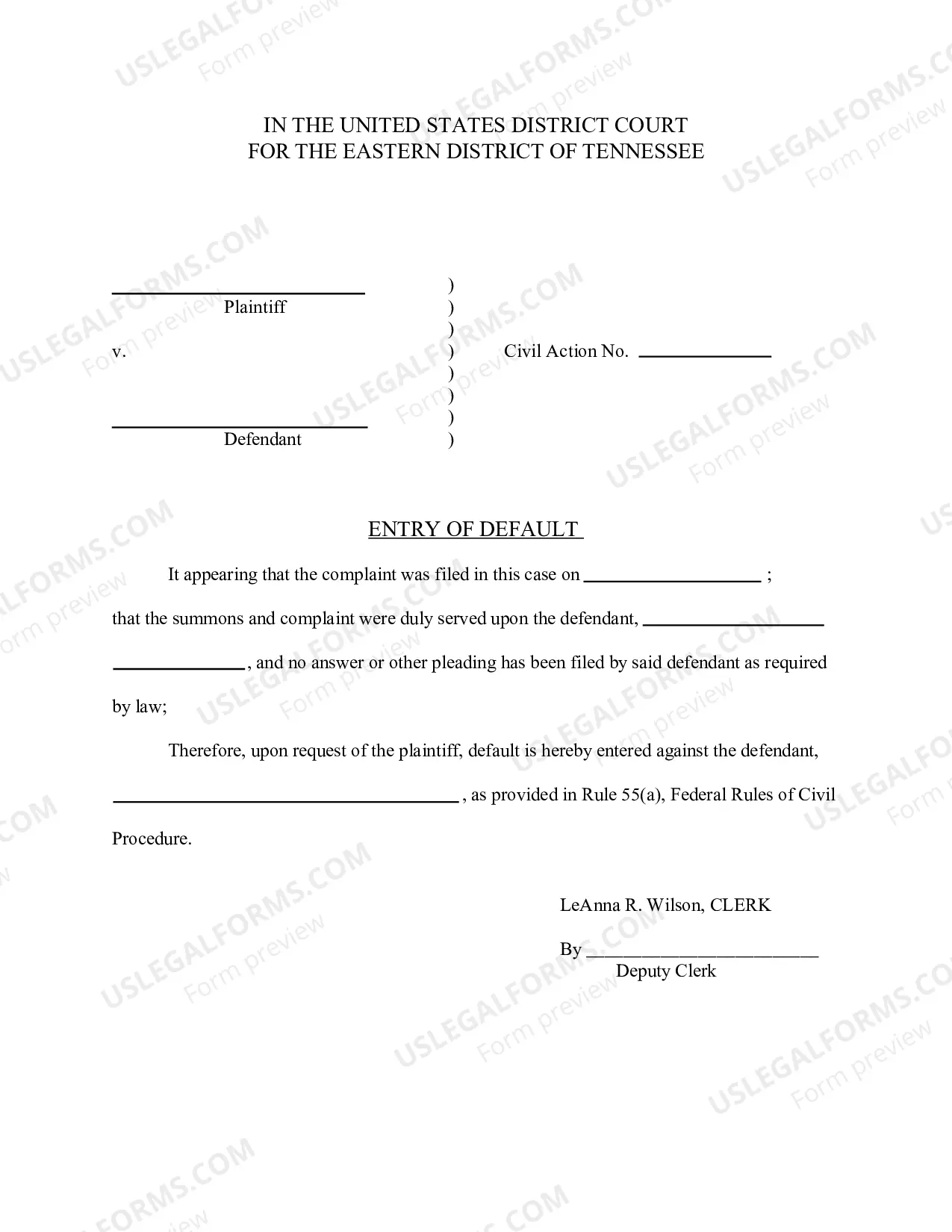
An entry of default is the first step to obtaining a default judgment against a party, and allows you to proceed in the action without further notice or input from the opposing party. An entry of default can come in two forms, an entry by the clerk or an entry by the judge.
To set aside a default judgment for mistake, inadvertence, surprise, or excusable neglect, three things must be proven. First, the moving party must show that the default was not the result of willfulness. Second, the party must show that it has a meritorious defense.