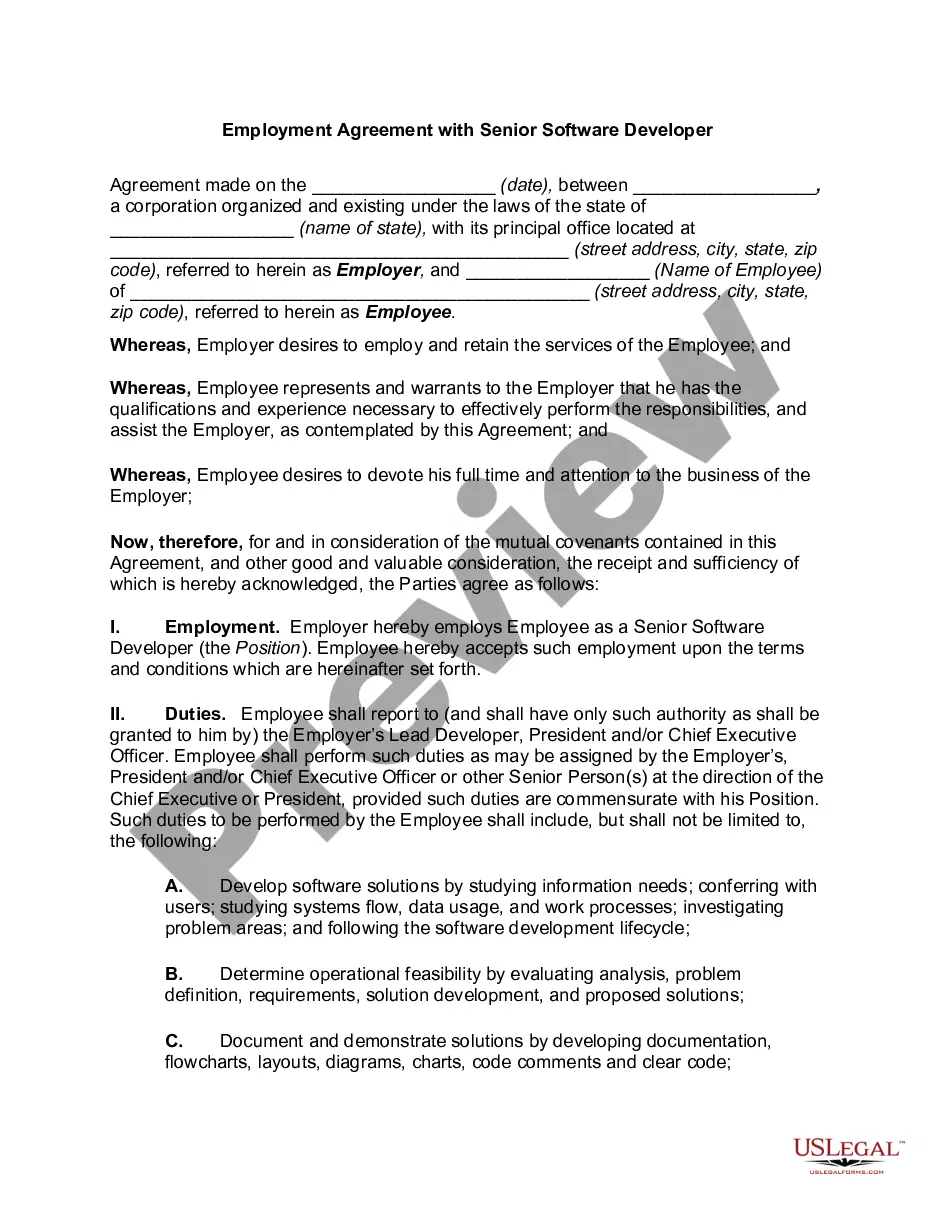
South Dakota Trust Agreement for Pension Plan with Corporate Trustee
Description
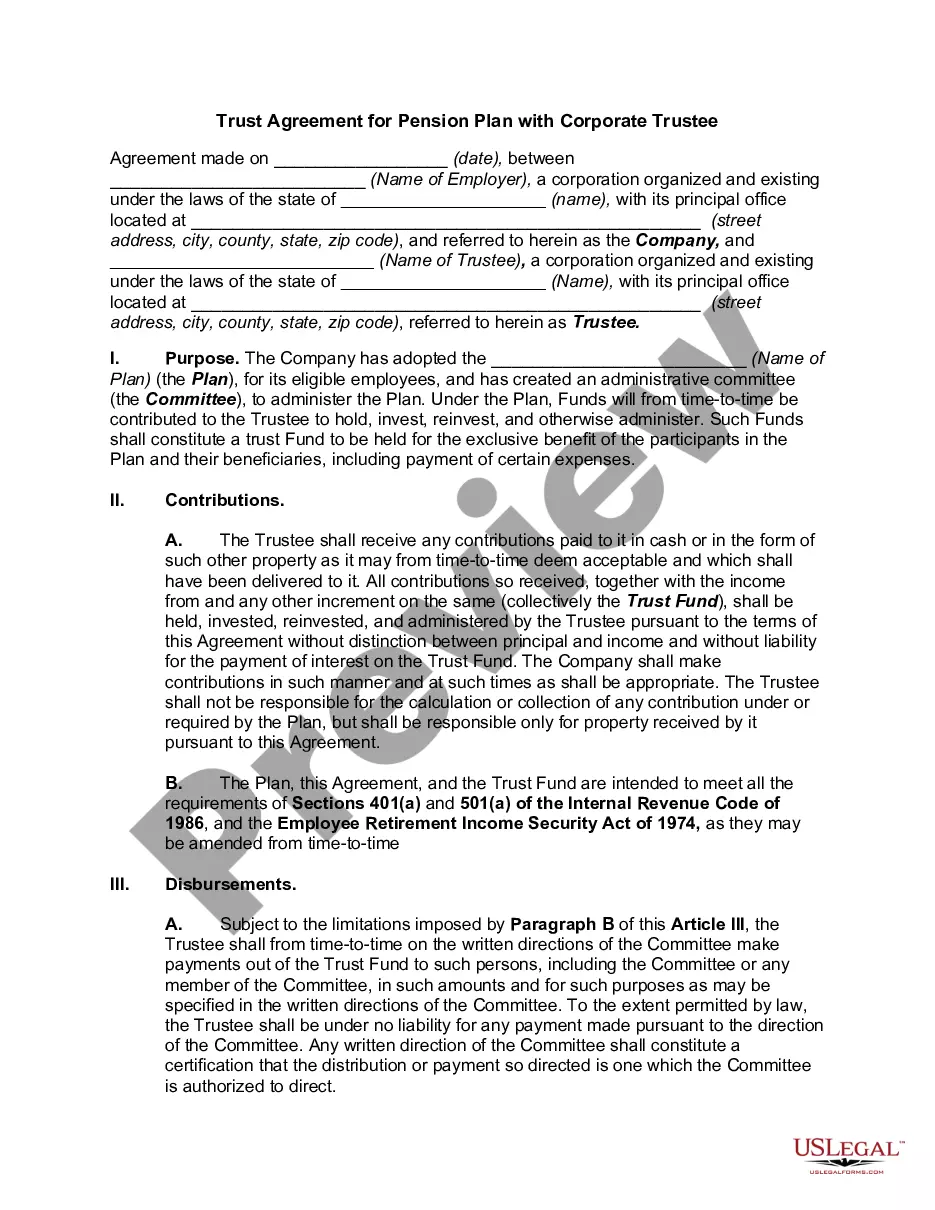
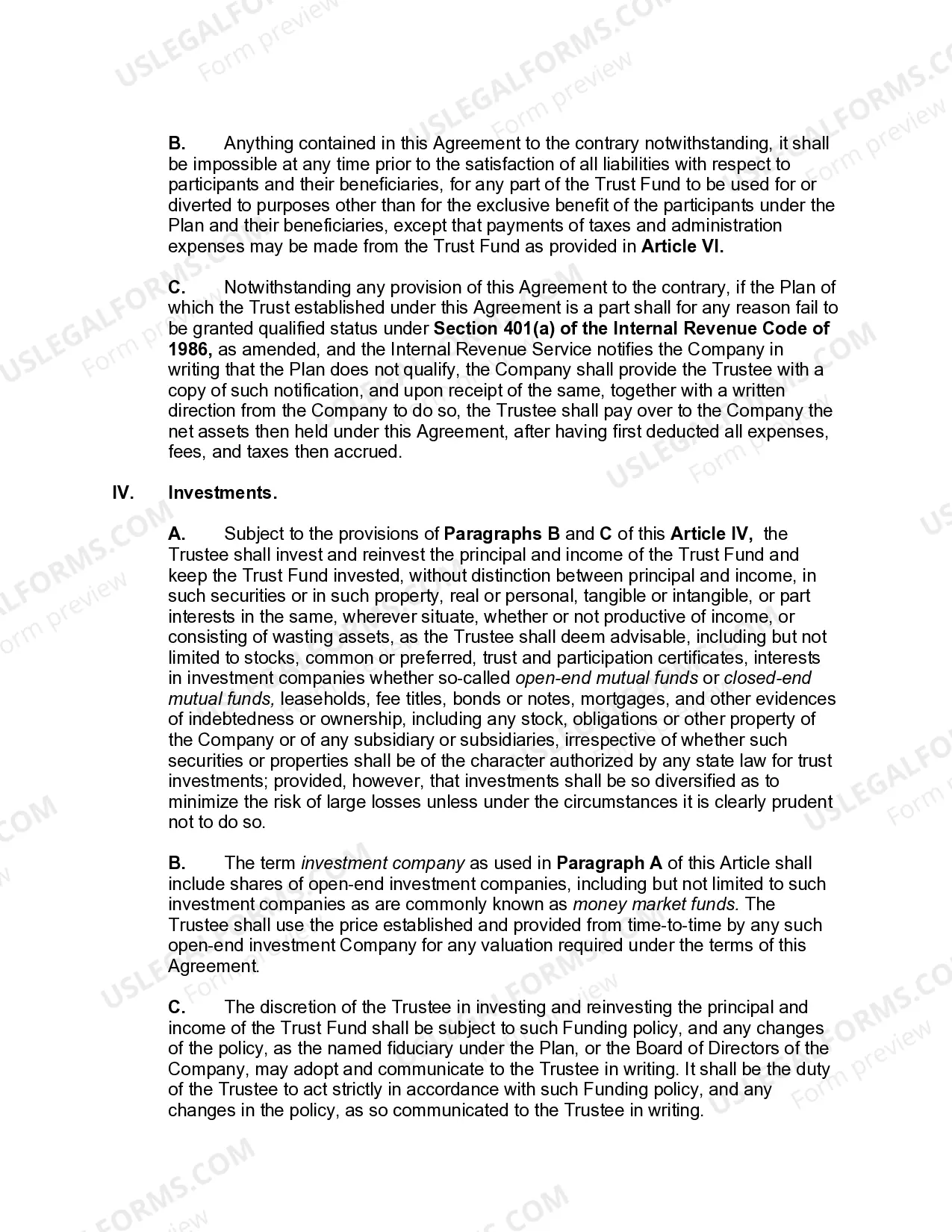
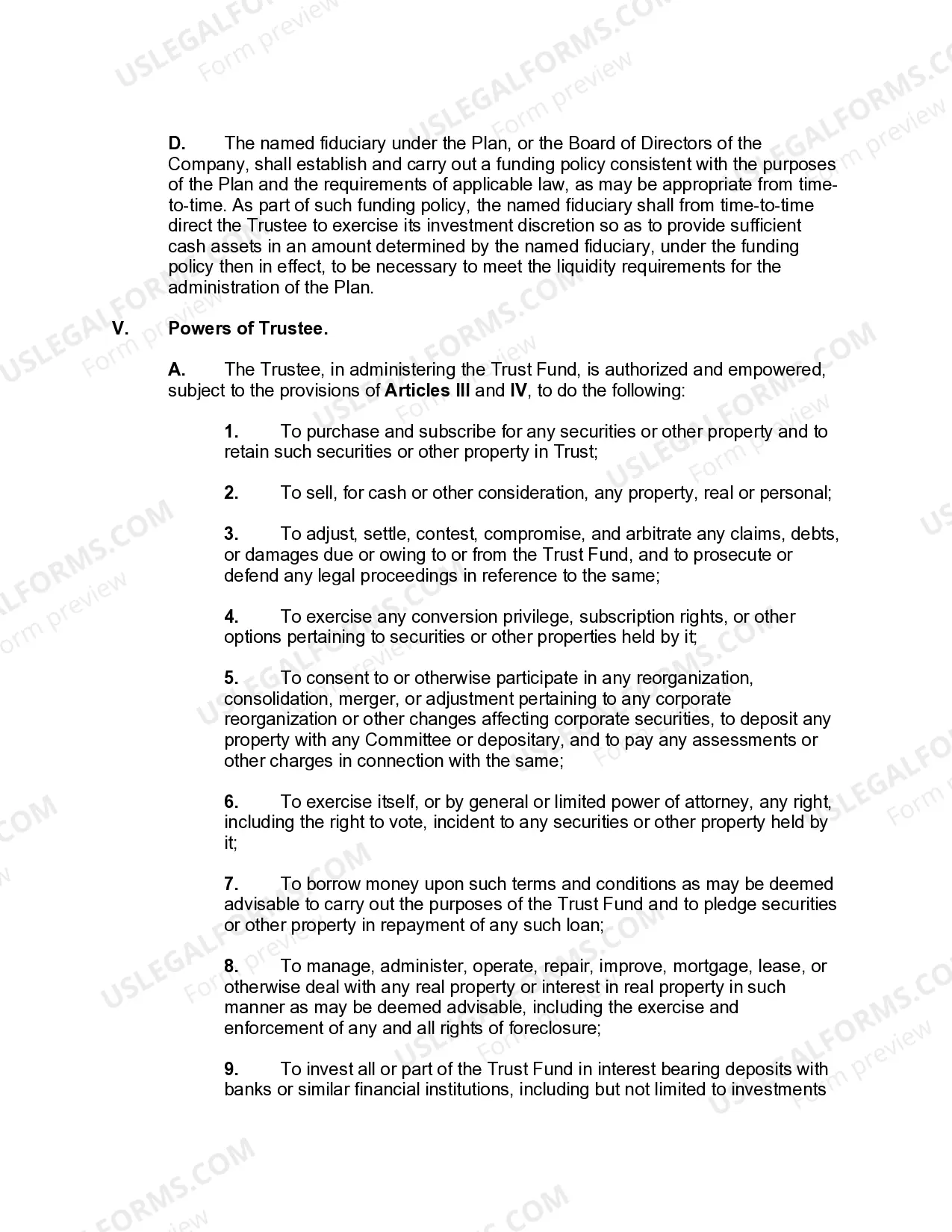
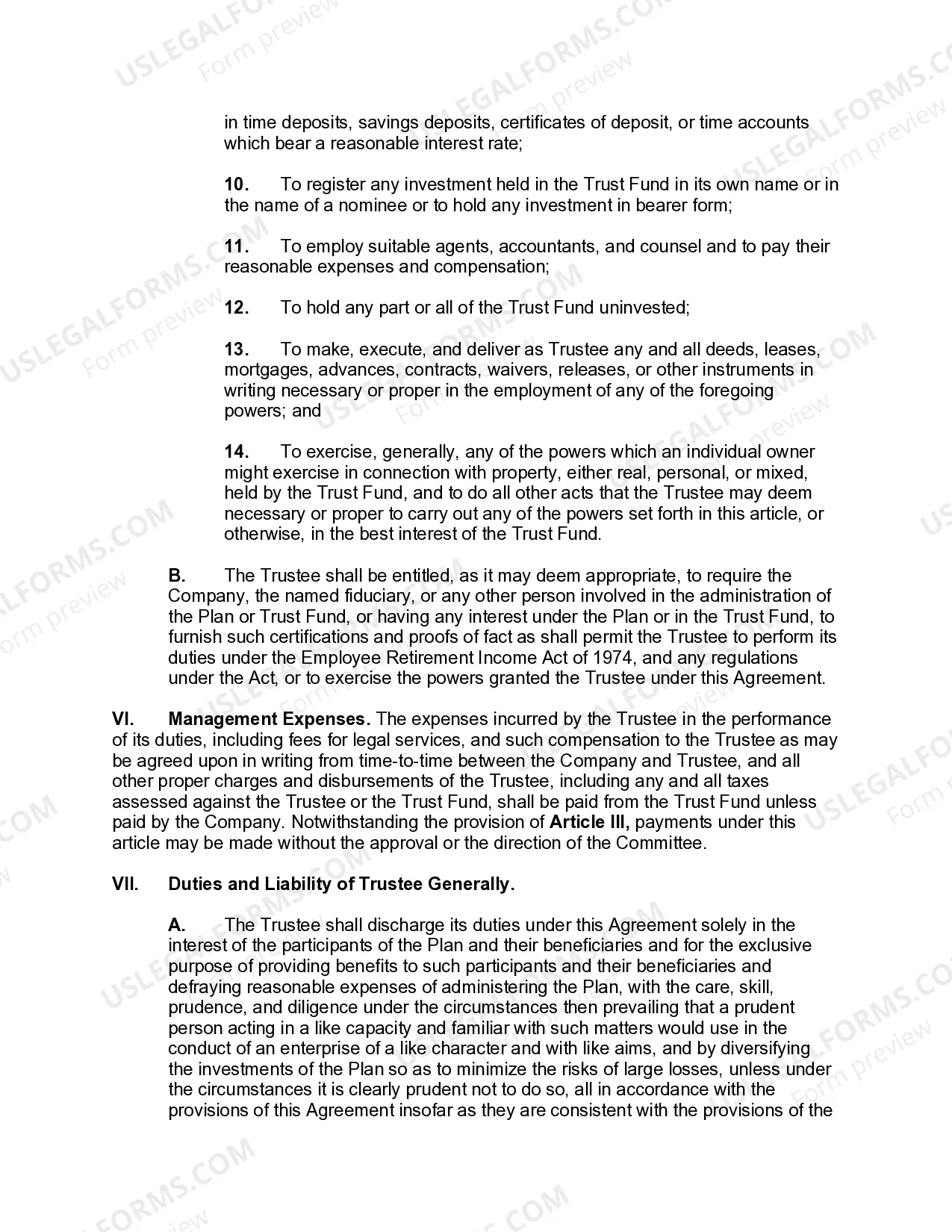
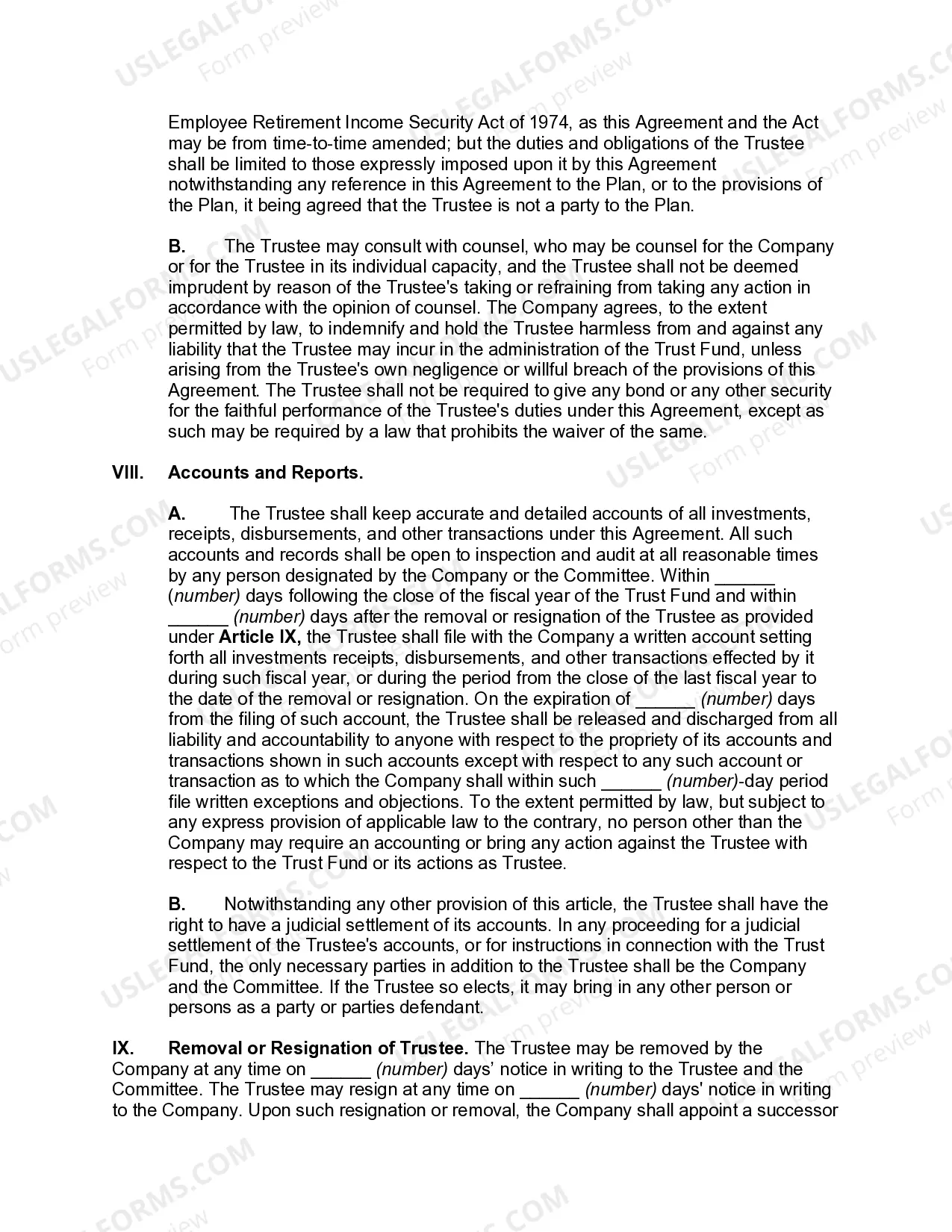
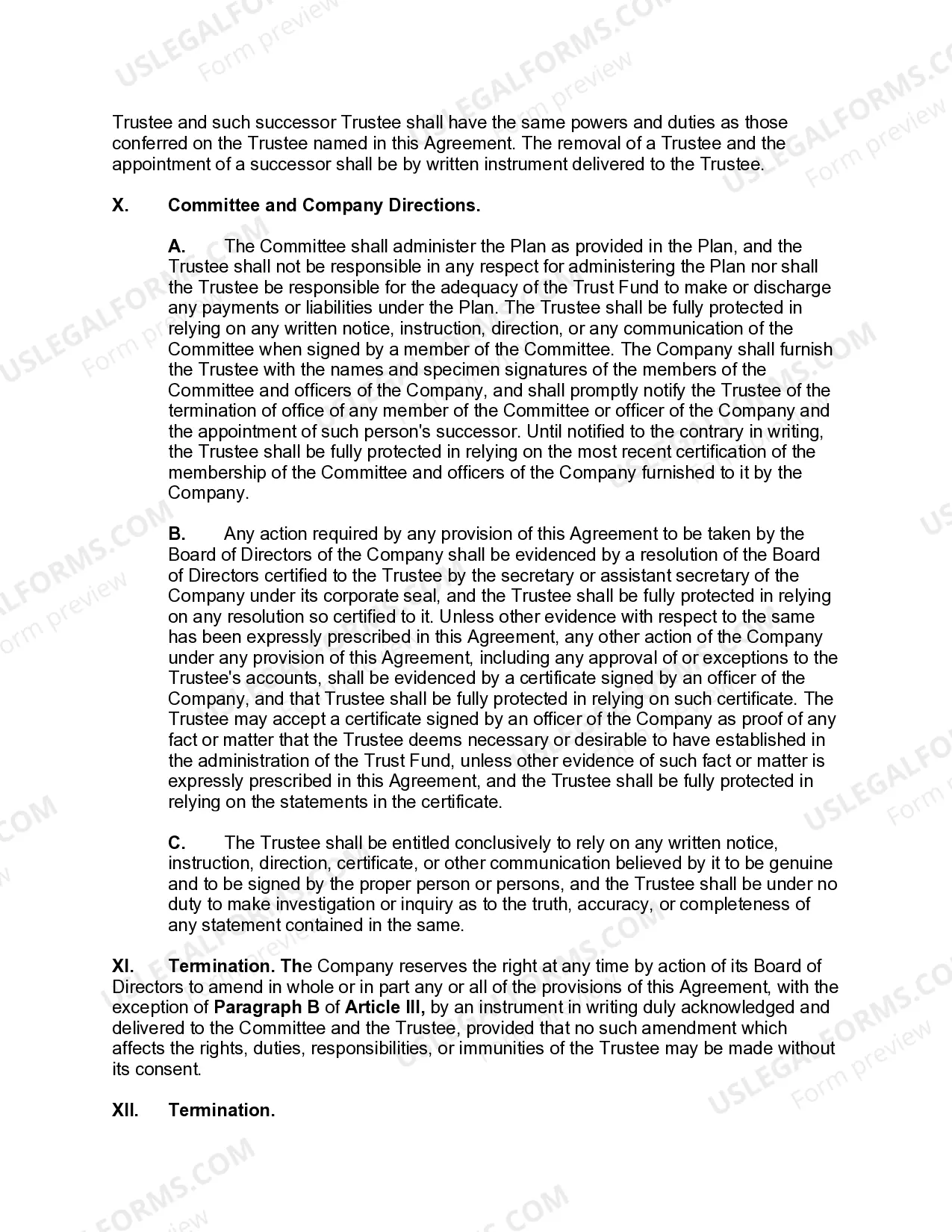
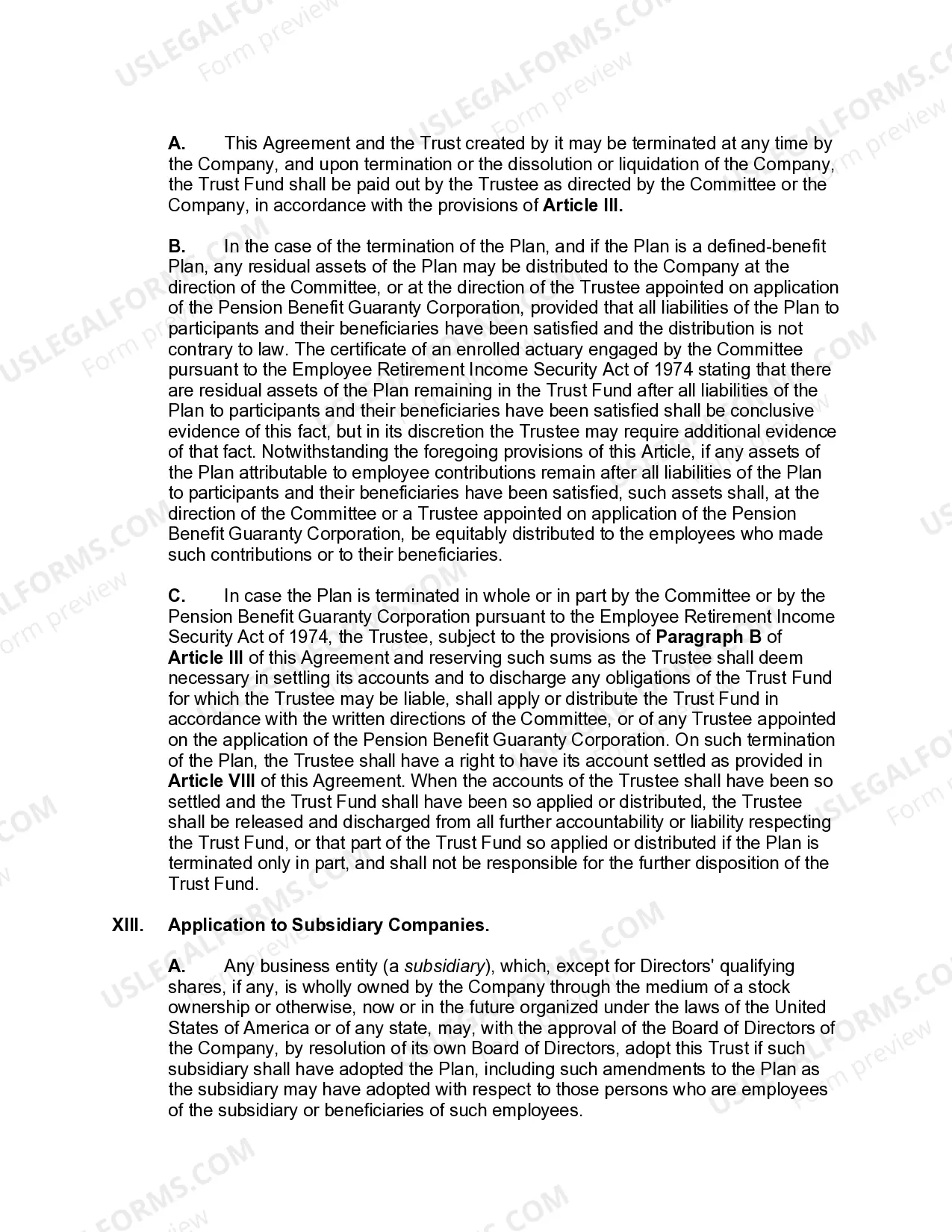
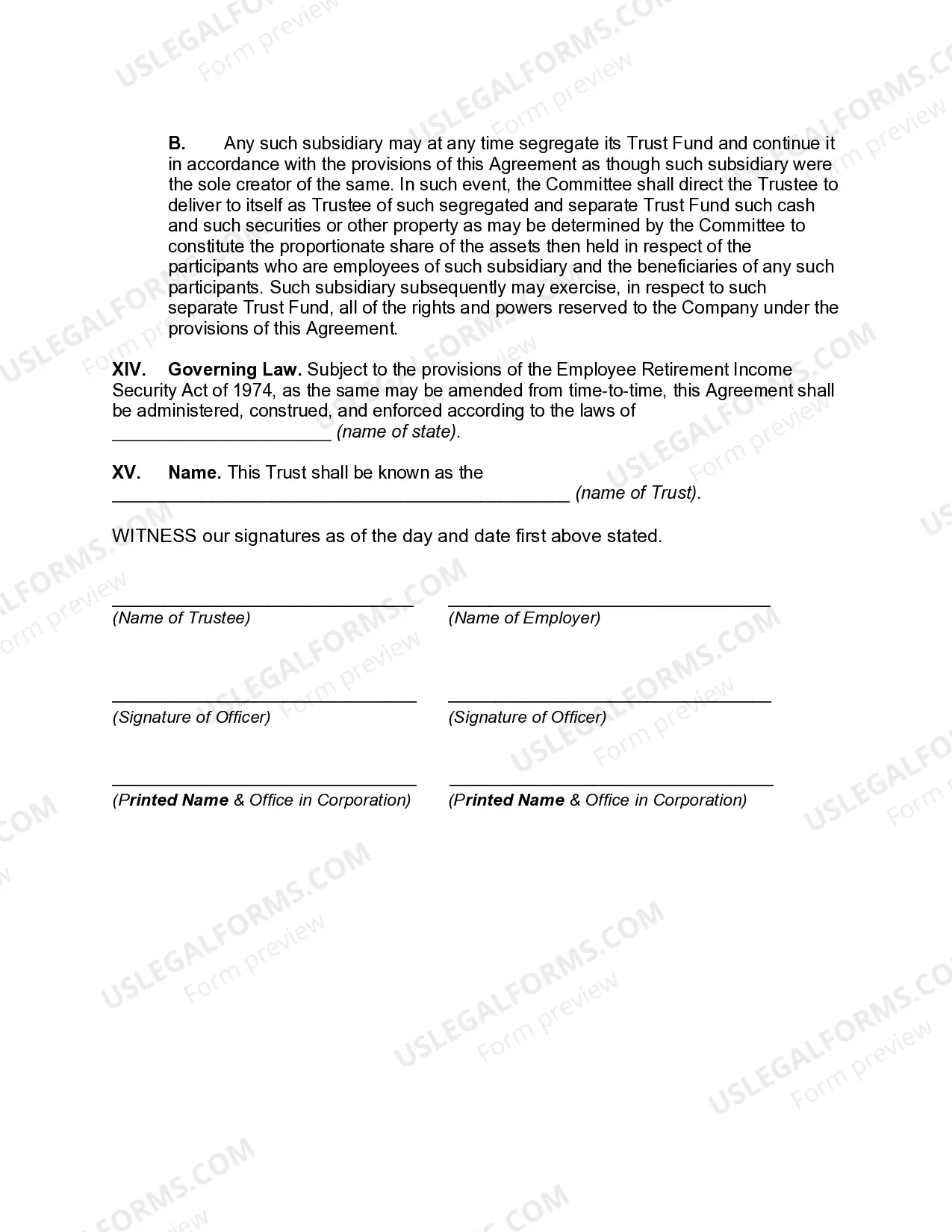
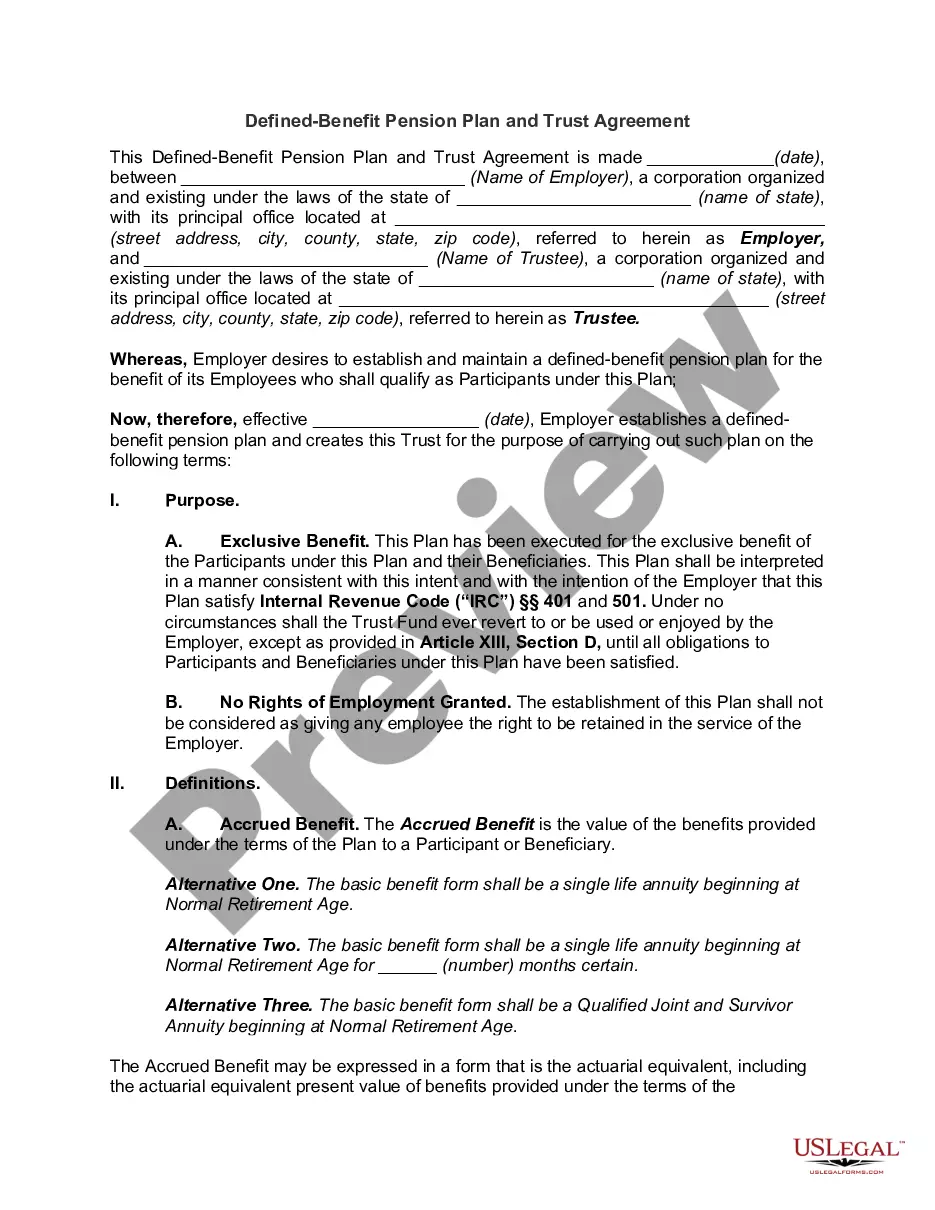

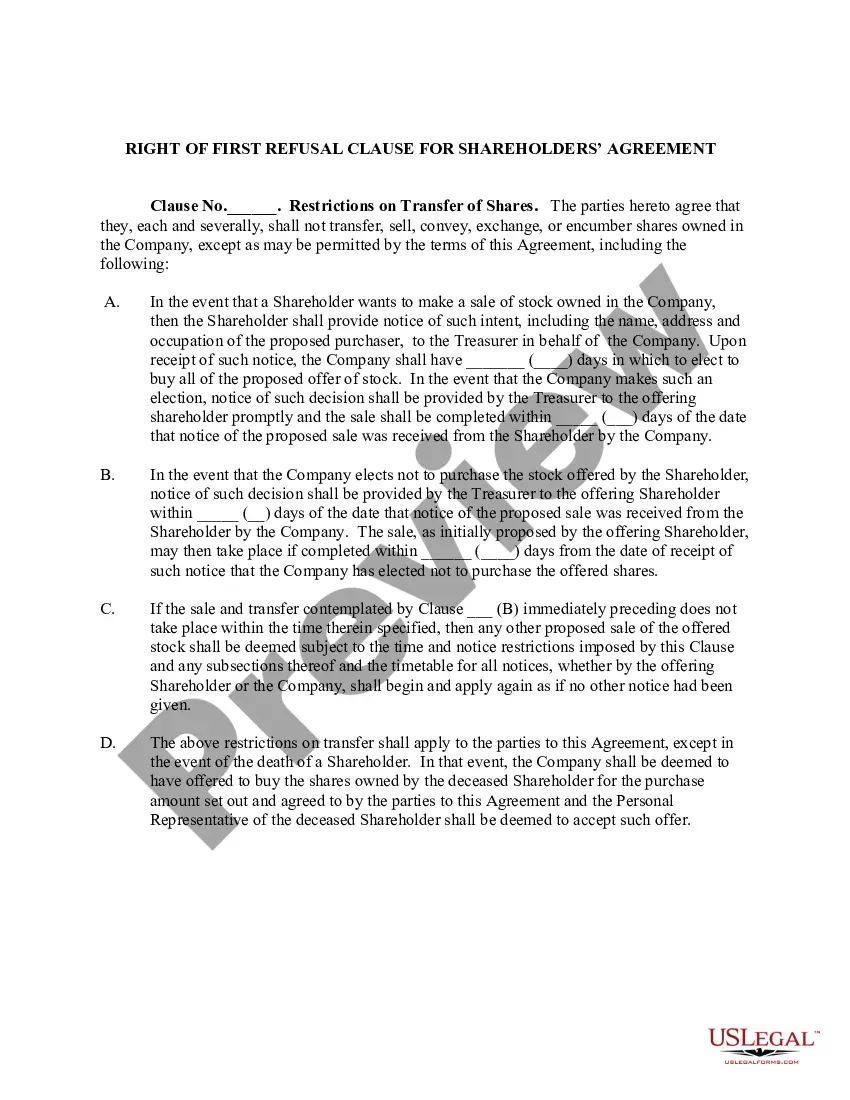
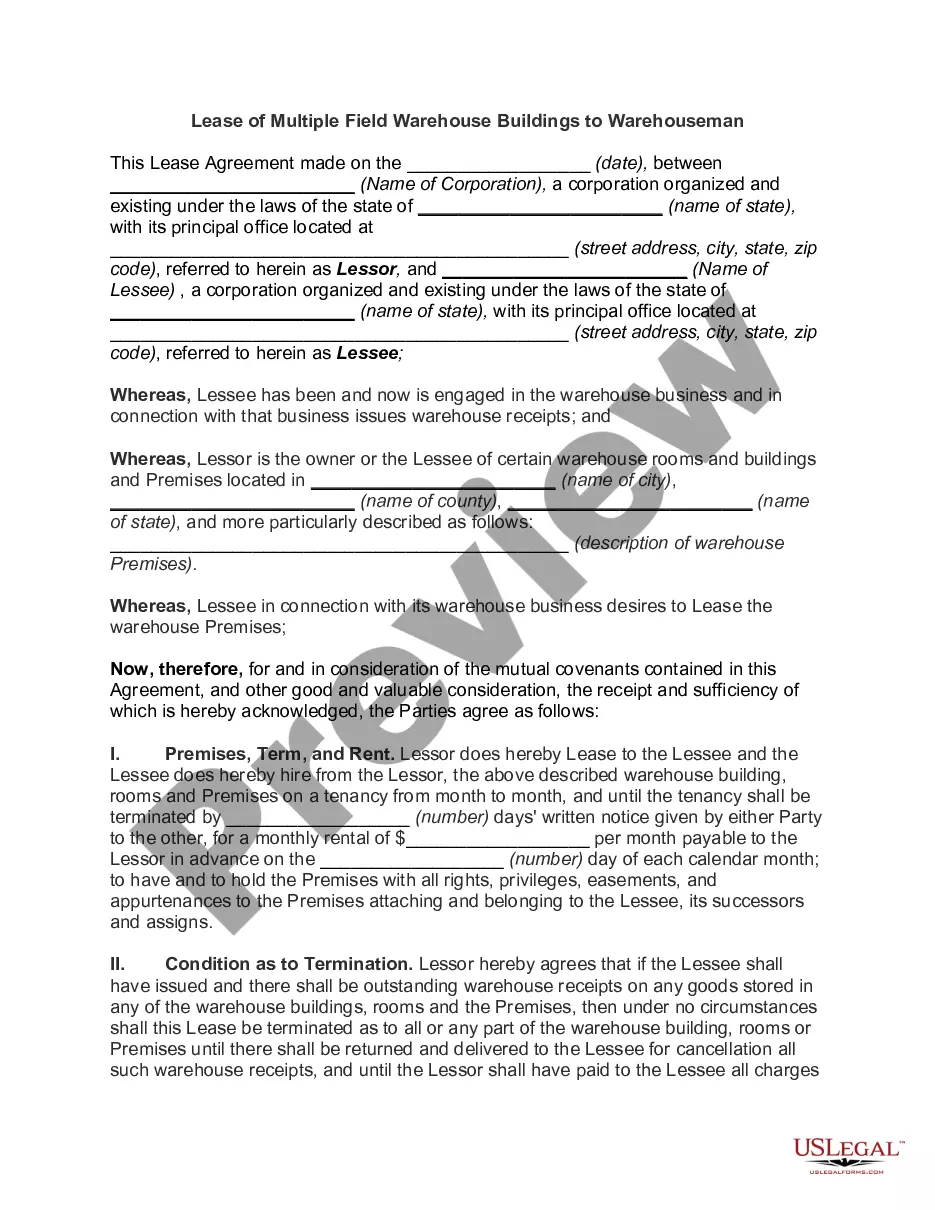
How to fill out Trust Agreement For Pension Plan With Corporate Trustee?
Have you ever been in a situation where you require documents for either business or specific reasons nearly every workday? There are numerous authentic document templates accessible online, but finding those you can trust isn't easy.
US Legal Forms provides thousands of template options, including the South Dakota Trust Agreement for Pension Plan with Corporate Trustee, which can be tailored to comply with federal and state regulations.
If you are already familiar with the US Legal Forms website and possess an account, simply Log In. After that, you can download the South Dakota Trust Agreement for Pension Plan with Corporate Trustee template.
- Obtain the form you need and ensure it is suitable for your specific jurisdiction.
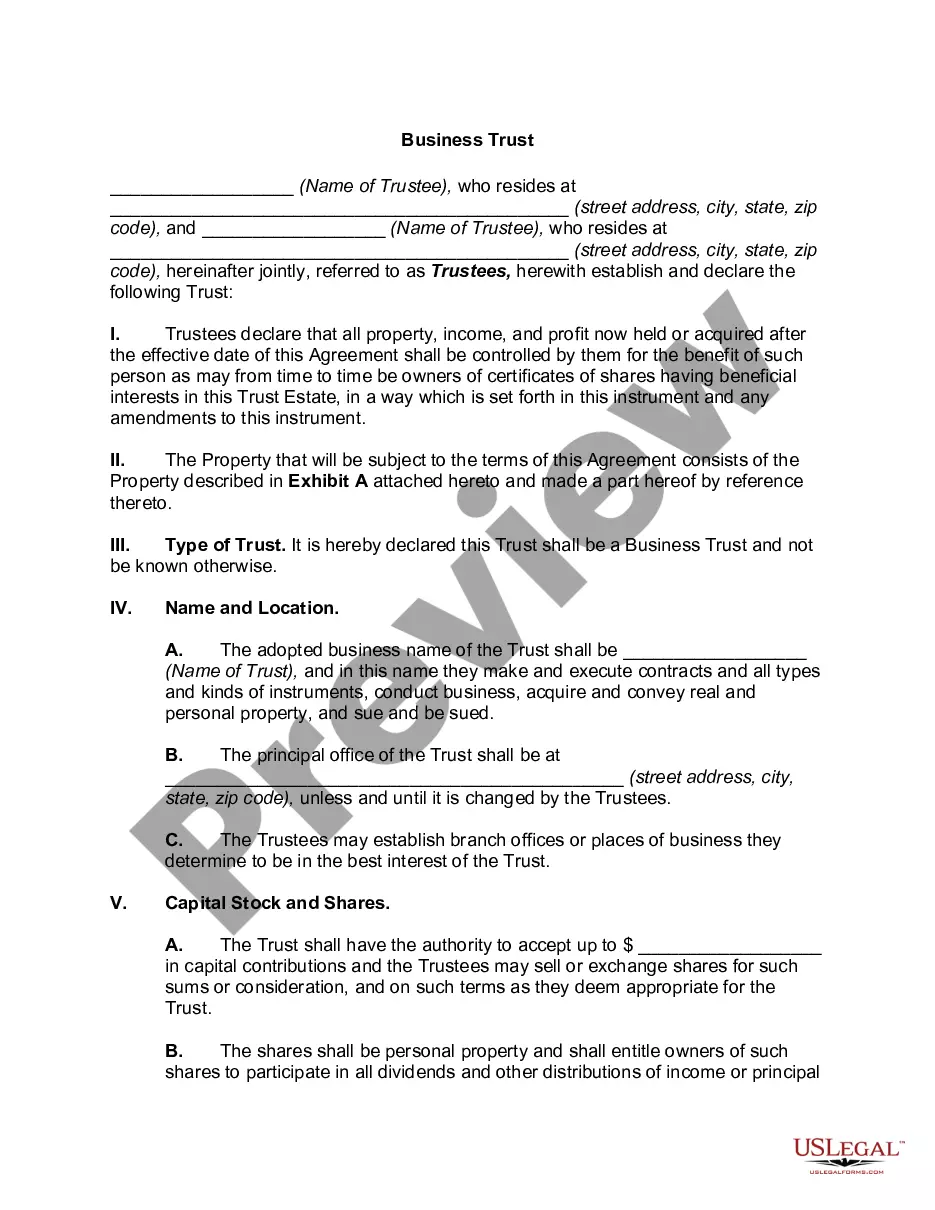
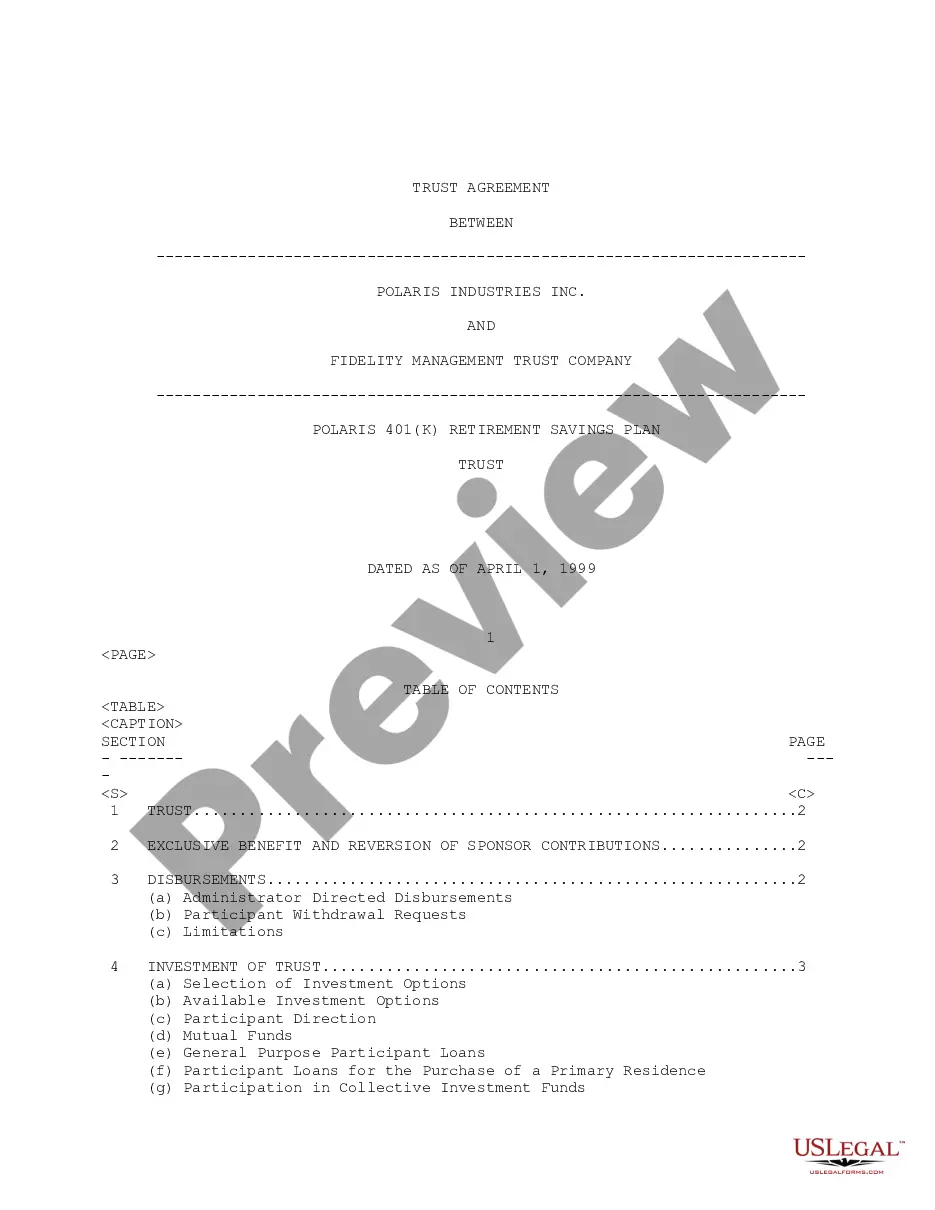
- Use the Preview button to review the document.
- Check the description to ensure you have selected the appropriate form.
- If the form isn't what you need, utilize the Lookup field to find the document that fits your needs and preferences.
- Once you find the correct form, click Acquire now.
- Select the pricing plan you prefer, complete the required information to create your account, and pay for your order using PayPal or credit card.
- Choose a convenient document format and download your copy.
Form popularity
FAQ
What Is a 401(k) Trustee? The trustee (or trustees) of a plan is the individual that has the primary fiduciary responsibility to ensure the plan assets are being managed in the best interest of the participants and in line with the plan document. The trustee can be held personally liable for the misuse of plan asset.
Assets That Can And Cannot Go Into Revocable TrustsReal estate.Financial accounts.Retirement accounts.Medical savings accounts.Life insurance.Questionable assets.
There are a variety of assets that you cannot or should not place in a living trust. These include: Retirement Accounts: Accounts such as a 401(k), IRA, 403(b) and certain qualified annuities should not be transferred into your living trust. Doing so would require a withdrawal and likely trigger income tax.
Retirement plans themselves cannot be transferred into a trust; those assets must be distributed from the plan first, which triggers income tax on the distribution. If you are older than 72 when you die, money generally must come out of your retirement plan according to the schedule that was required before your death.
Retirement accounts definitely do not belong in your revocable trust for example your IRA, Roth IRA, 401K, 403b, 457 and the like. Placing any of these assets in your trust would mean that you are taking them out of your name to retitle them in the name of your trust. The tax ramifications can be disastrous.
A trustee is the person or entity entrusted to make investment decisions in the best interests of plan participants. A trustee is assigned by another fiduciary, such as the employer who sponsors the qualified retirement plan, and should be named in the plan documents. Additional restrictions apply for a trustee.
Cons of Naming a Trust as Beneficiary of a Retirement Account. The primary disadvantage of naming a trust as beneficiary is that the retirement plan's assets will be subjected to required minimum distribution payouts, which are calculated based on the life expectancy of the oldest beneficiary.
South Dakota Trust Company (SDTC) can assist a family or a family office with the setup, operation and administration of a cost-effective South Dakota regulated trust company by serving as Corporate Agent.
The minimum annual fee is $3,750 and the maximum annual fee is $20,000 for private trust companies, while the minimum annual fee is $4,500 and the maximum annual fee is $30,000 for public trust companies.
The trustee's role is to administer and distribute the assets in the trust according to your wishes, as expressed in the trust document. Trustees have the fiduciary duty, legal authority, and responsibility to manage your assets held in trust and handle day-to-day financial matters on your behalf.