South Dakota Bond on Temporary Restraining Order
Description
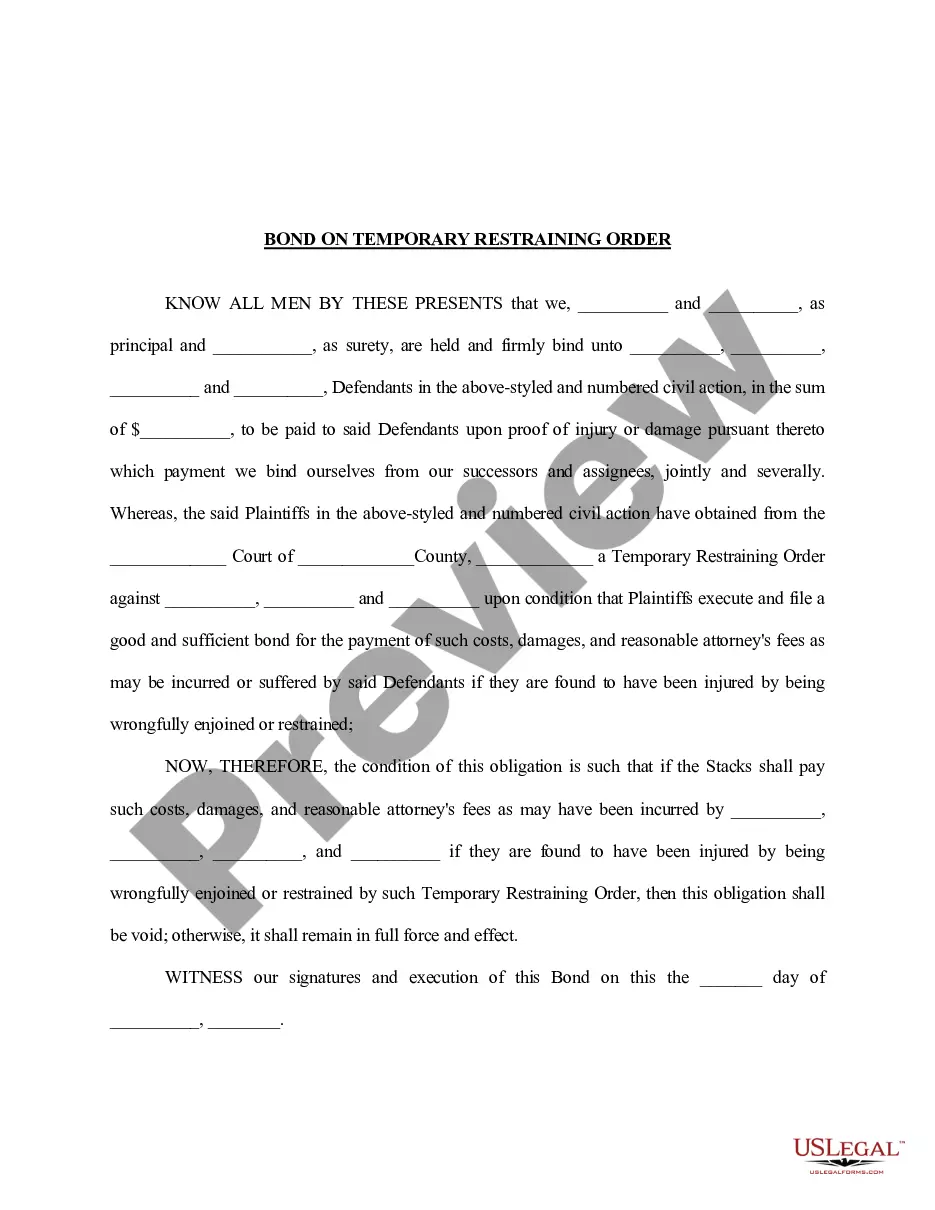
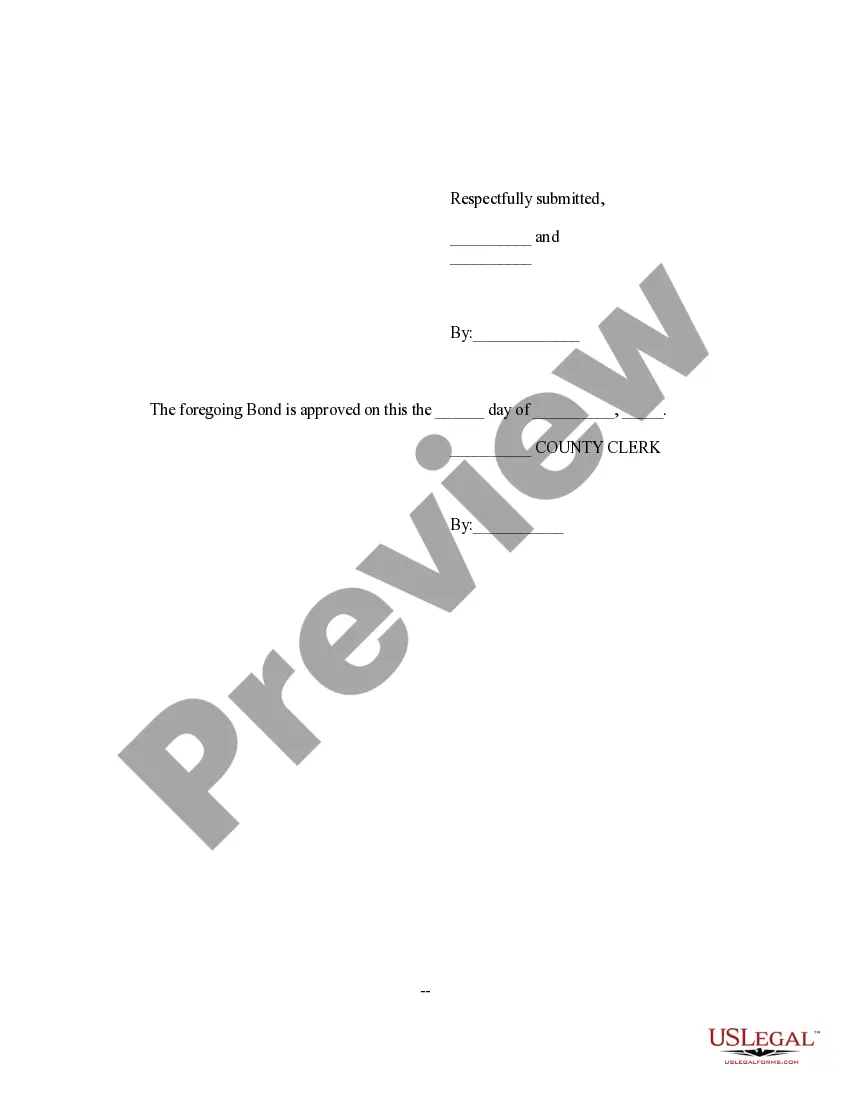
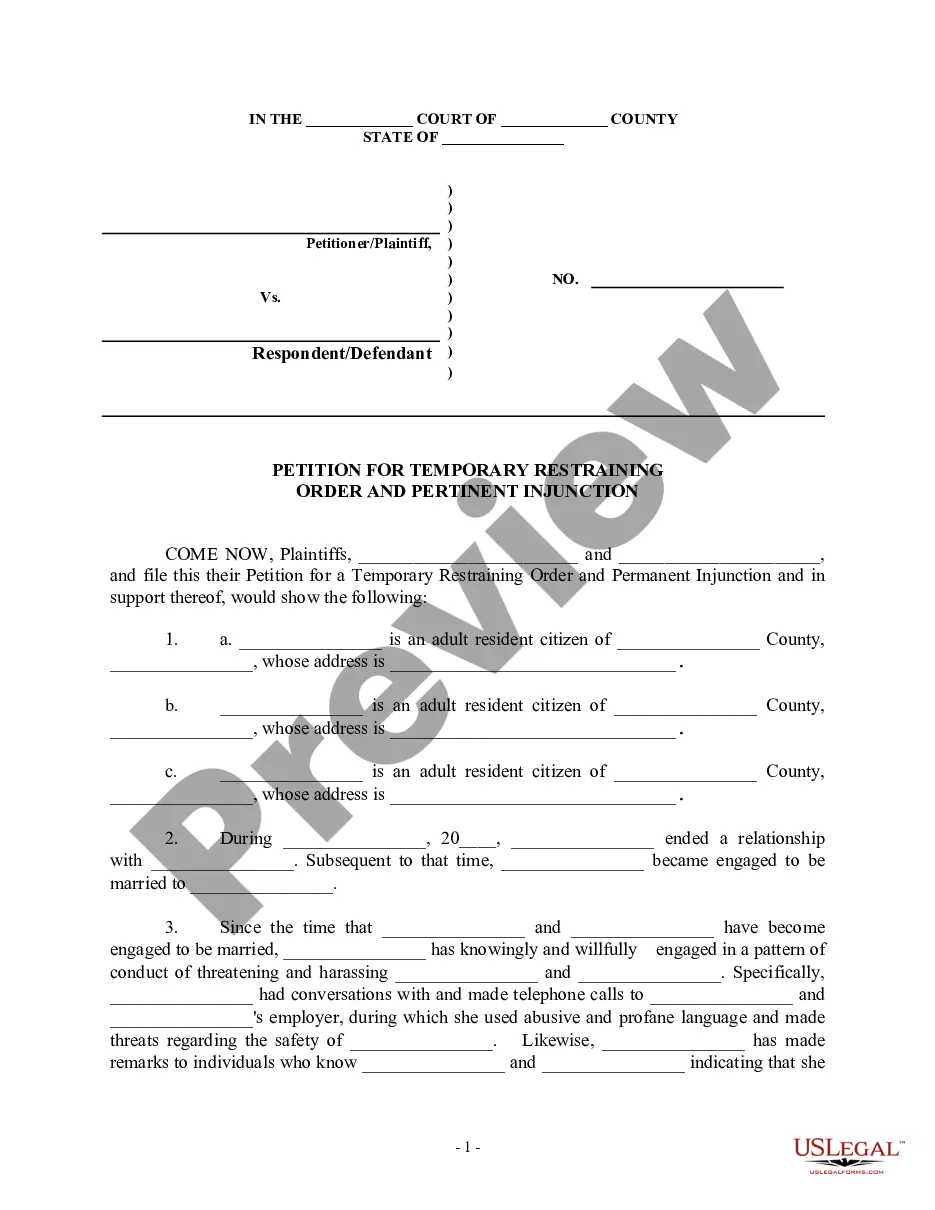


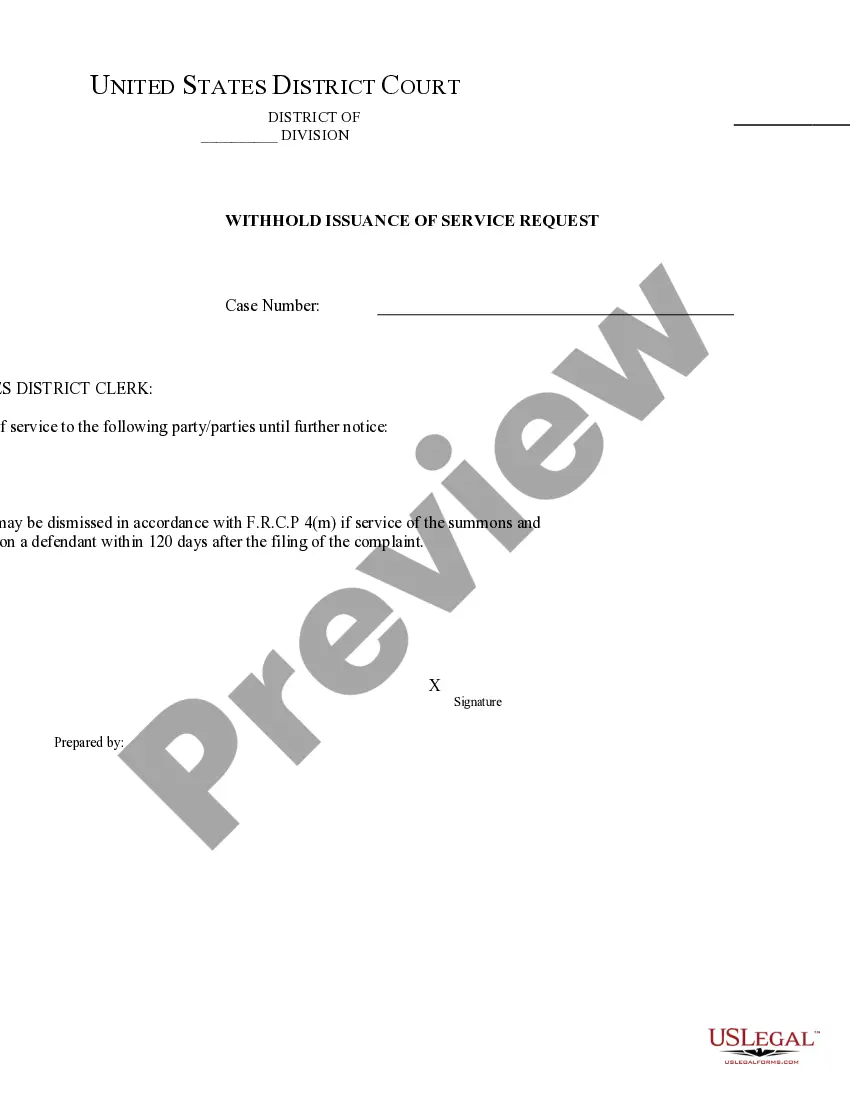
Get your form ready online
Our built-in tools help you complete, sign, share, and store your documents in one place.
Make edits, fill in missing information, and update formatting in US Legal Forms—just like you would in MS Word.
Download a copy, print it, send it by email, or mail it via USPS—whatever works best for your next step.
Sign and collect signatures with our SignNow integration. Send to multiple recipients, set reminders, and more. Go Premium to unlock E-Sign.
If this form requires notarization, complete it online through a secure video call—no need to meet a notary in person or wait for an appointment.
We protect your documents and personal data by following strict security and privacy standards.

Make edits, fill in missing information, and update formatting in US Legal Forms—just like you would in MS Word.

Download a copy, print it, send it by email, or mail it via USPS—whatever works best for your next step.

Sign and collect signatures with our SignNow integration. Send to multiple recipients, set reminders, and more. Go Premium to unlock E-Sign.

If this form requires notarization, complete it online through a secure video call—no need to meet a notary in person or wait for an appointment.

We protect your documents and personal data by following strict security and privacy standards.
Looking for another form?
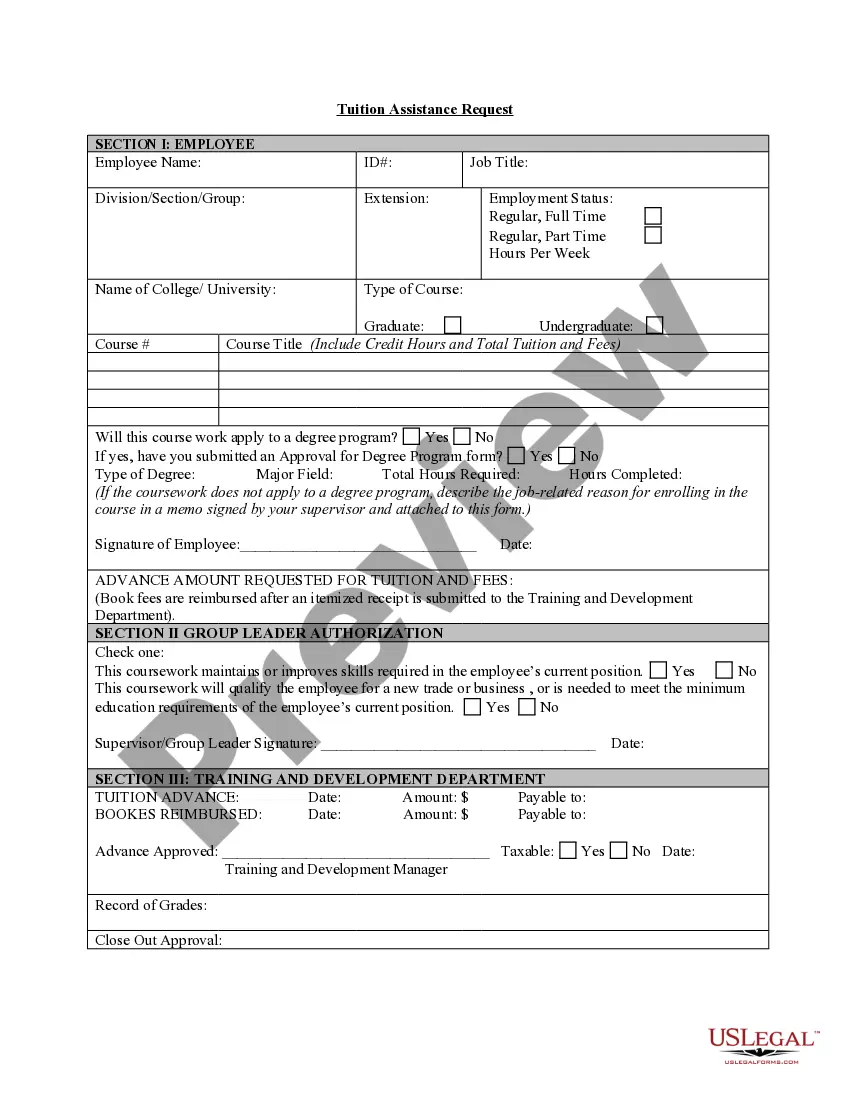



How to fill out Bond On Temporary Restraining Order?
If you aim to be thorough, obtain, or print legal document templates, utilize US Legal Forms, the largest collection of legal forms available online.
Employ the site's straightforward and user-friendly search feature to find the documents you require.
A variety of templates for business and personal applications are organized by categories and states, or keywords. Use US Legal Forms to locate the South Dakota Bond on Temporary Restraining Order with just a few clicks.
Step 5. Complete the payment process. You can use your credit card or PayPal account to finalize the transaction.
Step 6. Select the format of the legal form and download it to your device. Step 7. Fill out, modify, and print or sign the South Dakota Bond on Temporary Restraining Order. Every legal document template you purchase belongs to you indefinitely. You have access to every form you obtained within your account. Go to the My documents section and select a form to print or download again. Stay proactive and obtain, and print the South Dakota Bond on Temporary Restraining Order with US Legal Forms. There are countless professional and state-specific forms you can use for your business or personal requirements.
- If you are already a US Legal Forms user, sign in to your account and click the Download button to retrieve the South Dakota Bond on Temporary Restraining Order.
- You can also access forms you have previously obtained in the My documents section of your account.
- If you are using US Legal Forms for the first time, follow the steps outlined below.
- Step 1. Ensure you have chosen the form for the correct city/state.
- Step 2. Use the Preview feature to review the form's details. Be sure to check the summary.
- Step 3. If you are not satisfied with the form, utilize the Search field at the top of the screen to find alternative types of the legal form template.
- Step 4. Once you have located the form you need, click the Buy now button. Choose the payment plan you prefer and provide your information to register for an account.
Form popularity
FAQ
Overview of Penal Code 1382 PC A formal charge (aka, an "information) must be filed against the defendant within 15 days of arrest; For infractions and misdemeanors, a trial must be held within 30-45 days of arraignment; For felonies, a trial must be held within 60 days of arraignment.
(in determining whether an appellant has been denied his right to a speedy trial under the Sixth Amendment, an appellate court considers the following factors: (1) the length of the delay; (2) the reasons for the delay; (3) whether the appellant made a demand for a speedy trial; and (4) prejudice to the appellant).
23A-16-3. (Rule 18) Right to speedy trial by impartial jury--Venue in county where offense committed. The accused has the right to a speedy public trial by an impartial jury of the county in which the offense is alleged to have been committed.
After the Hearing The judge will determine if the protection order will be granted and for how long. The maximum time for a protection order is 5 years. The judge may also determine outcomes relating to children.
1. SDCL 23A-44-5.1, the so called "180-day rule," requires trial of a criminal case within 180 days of a defendant's first appearance before a judicial officer on an indictment, information or complaint. The rule also specifies certain periods of time that are to be excluded from calculation of the 180 days. 2.
Source: SL 1997, ch 131, § 8. 22-19A-16. Protection order--Violation--Penalty. If a temporary protection order or a protection order is granted pursuant to §§ 22-19A-8 to 22-19A-16, inclusive, and the respondent or person restrained knows of the order, a violation of the order is a Class 1 misdemeanor.
South Dakota was the first state in the nation to abolish the Rule Against Perpetuities ? which prohibited unlimited-duration trusts ? in 1983, clearing the way for the creation of the Dynasty Trust.
In South Dakota, all misdemeanors carry a lengthy seven-year statute of limitations. Most felonies also have a seven-year statute of limitations. Class A, B, and C felonies do not have any statute of limitations.