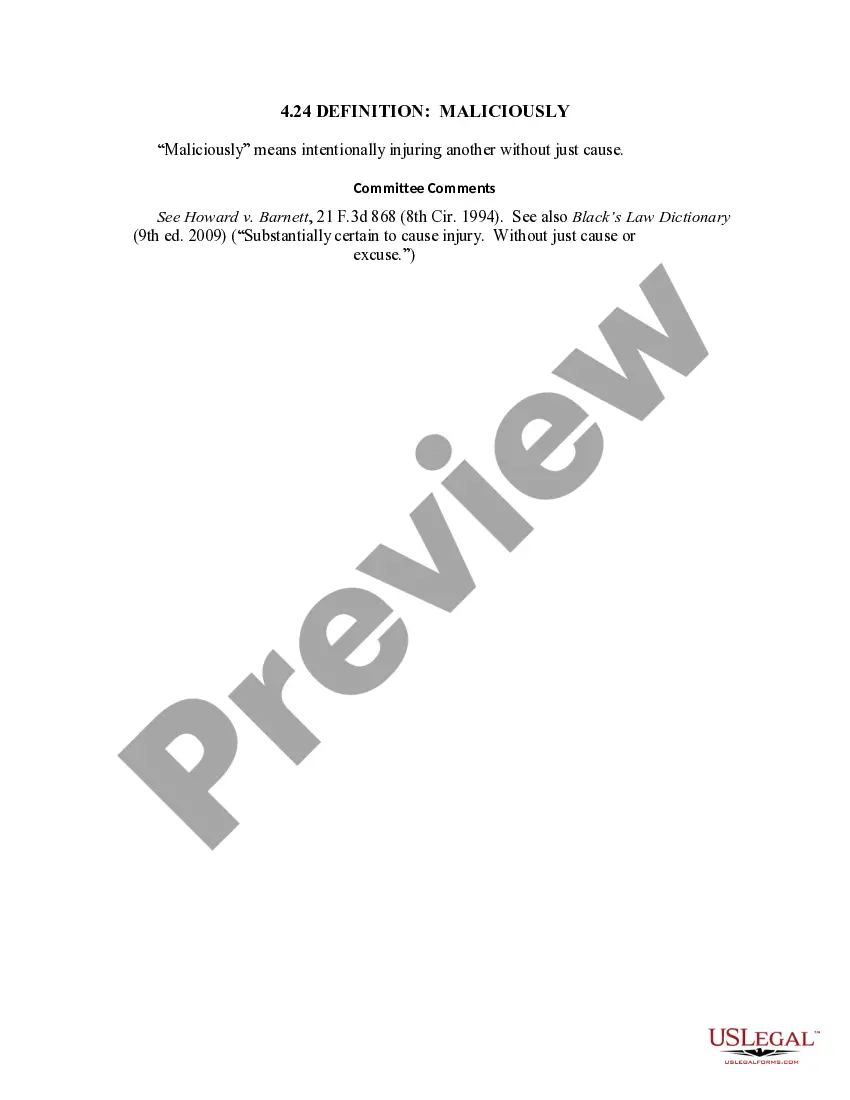
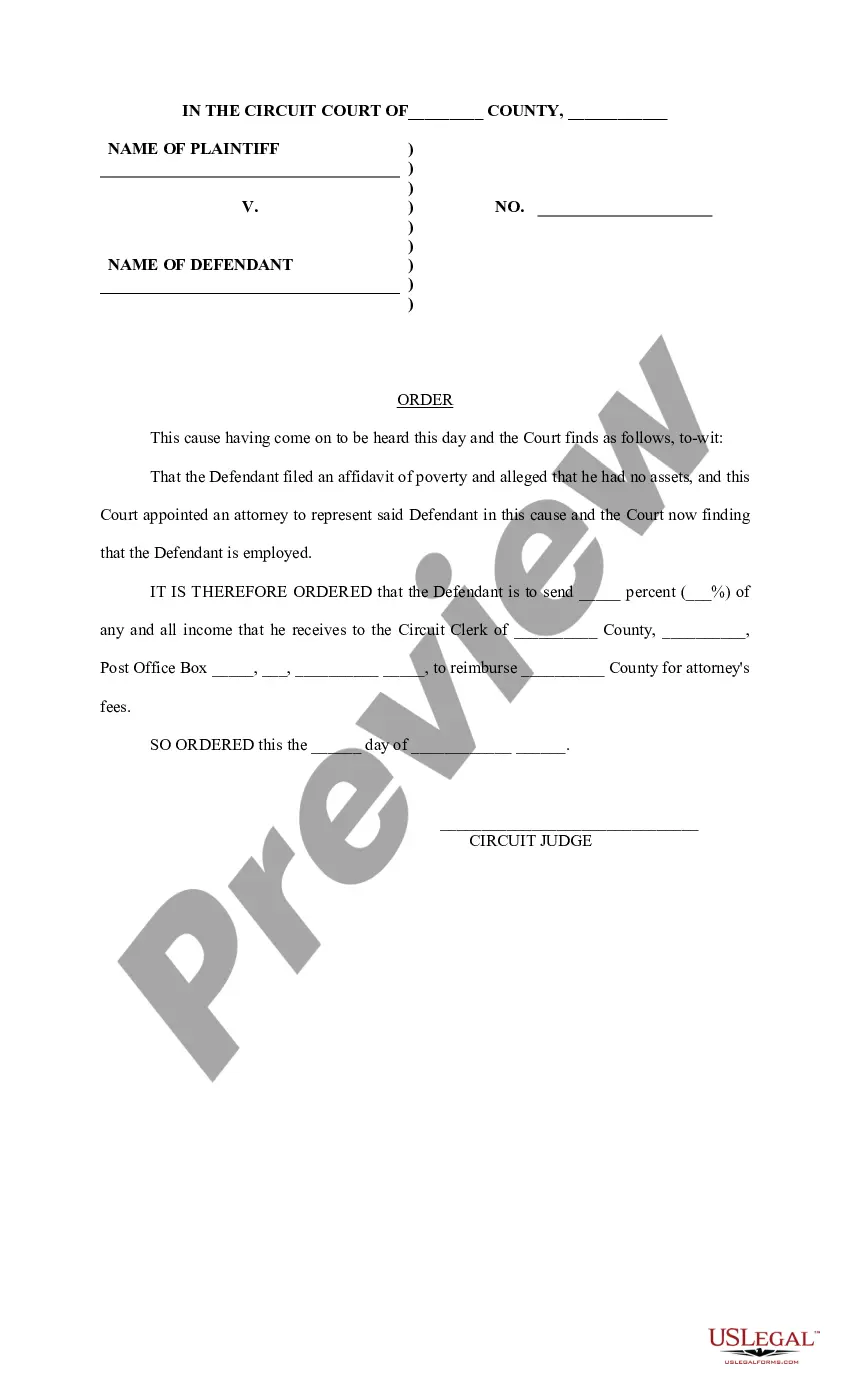
South Dakota Order
Description
Get your form ready online
Our built-in tools help you complete, sign, share, and store your documents in one place.
Make edits, fill in missing information, and update formatting in US Legal Forms—just like you would in MS Word.
Download a copy, print it, send it by email, or mail it via USPS—whatever works best for your next step.
Sign and collect signatures with our SignNow integration. Send to multiple recipients, set reminders, and more. Go Premium to unlock E-Sign.
If this form requires notarization, complete it online through a secure video call—no need to meet a notary in person or wait for an appointment.
We protect your documents and personal data by following strict security and privacy standards.

Make edits, fill in missing information, and update formatting in US Legal Forms—just like you would in MS Word.

Download a copy, print it, send it by email, or mail it via USPS—whatever works best for your next step.

Sign and collect signatures with our SignNow integration. Send to multiple recipients, set reminders, and more. Go Premium to unlock E-Sign.

If this form requires notarization, complete it online through a secure video call—no need to meet a notary in person or wait for an appointment.

We protect your documents and personal data by following strict security and privacy standards.
Looking for another form?
How to fill out Order?
If you wish to obtain, download, or print authentic document templates, utilize US Legal Forms, the largest repository of legal forms available online.
Take advantage of the site’s straightforward and user-friendly search to locate the documents you require.
Various templates for business and personal purposes are organized by categories and states, or keywords. Utilize US Legal Forms to acquire the South Dakota Order in just a few clicks.
Every legal document template you purchase is yours indefinitely. You have access to every form you acquired in your account. Click on the My documents section and select a form to print or download again.
Complete and download, and print the South Dakota Order with US Legal Forms. There are thousands of professional and state-specific forms you can utilize for your business or personal needs.
- If you are already a US Legal Forms user, sign in to your account and click on the Download button to acquire the South Dakota Order.
- You can also access forms you previously obtained within the My documents tab of your account.
- If you are using US Legal Forms for the first time, follow the instructions below.
- Step 1. Ensure you have chosen the form for the correct city/state.
- Step 2. Utilize the Review feature to examine the form’s details. Remember to read the summary.
- Step 3. If you are not satisfied with the form, use the Search field at the top of the screen to find alternative versions of the legal form template.
- Step 4. Once you have found the form you need, select the Buy now button. Choose the pricing plan you prefer and provide your credentials to register for an account.
- Step 5. Complete the transaction. You can use your credit card or PayPal account to finalize the payment.
- Step 6. Choose the format of the legal document and download it to your device.
- Step 7. Fill out, modify, and print or sign the South Dakota Order.
Form popularity
FAQ
Under SDCL 25-10-23 a person charged with an assault involving domestic violence and a bond is authorized, a condition of No Contact with the victim SHALL be stated and incorporated into the terms of the bond. A violation of the No Contact Order is a class 1 misdemeanor.
If you, the victim, were to contact the defendant, through any of the means mentioned, while the No Contact Order is in place, you would be violating the Order and may be held in contempt of court. If the defendant was living with the victim, he or she must move out of the residence.
Source: SL 1997, ch 131, § 8. 22-19A-16. Protection order--Violation--Penalty. If a temporary protection order or a protection order is granted pursuant to §§ 22-19A-8 to 22-19A-16, inclusive, and the respondent or person restrained knows of the order, a violation of the order is a Class 1 misdemeanor.
Protection order--Violation--Penalty. If a temporary protection order or a protection order is granted pursuant to §§ 22-19A-8 to 22-19A-16, inclusive, and the respondent or person restrained knows of the order, a violation of the order is a Class 1 misdemeanor.
If bond for the defendant in any domestic abuse action is authorized, a condition of no contact with the victim shall be stated and incorporated into the terms of the bond. Willful violation of any such no contact provision is a Class 1 misdemeanor.
Per Indiana Code 35-46-1-15.1, a defendant found to be in violation of the no contact order commits the offense of invasion of privacy, which is a Class A Misdemeanor in Indiana. Furthermore, this charge can be elevated to a Level 6 Felony if the defendant has a previous, but unrelated conviction under this statute.
A no contact order, or order prohibiting contact, prohibits the abuser from having contact with the victim. It may be issued if the abuser is charged with a crime involving domestic violence and is released from jail on bond before arraignment or trial. The no contact order is not a protection order.
Ing to the North Dakota Century Code 12.1-31.2-02, an individual who violates a court order issued under this section is guilty of a class A misdemeanor.