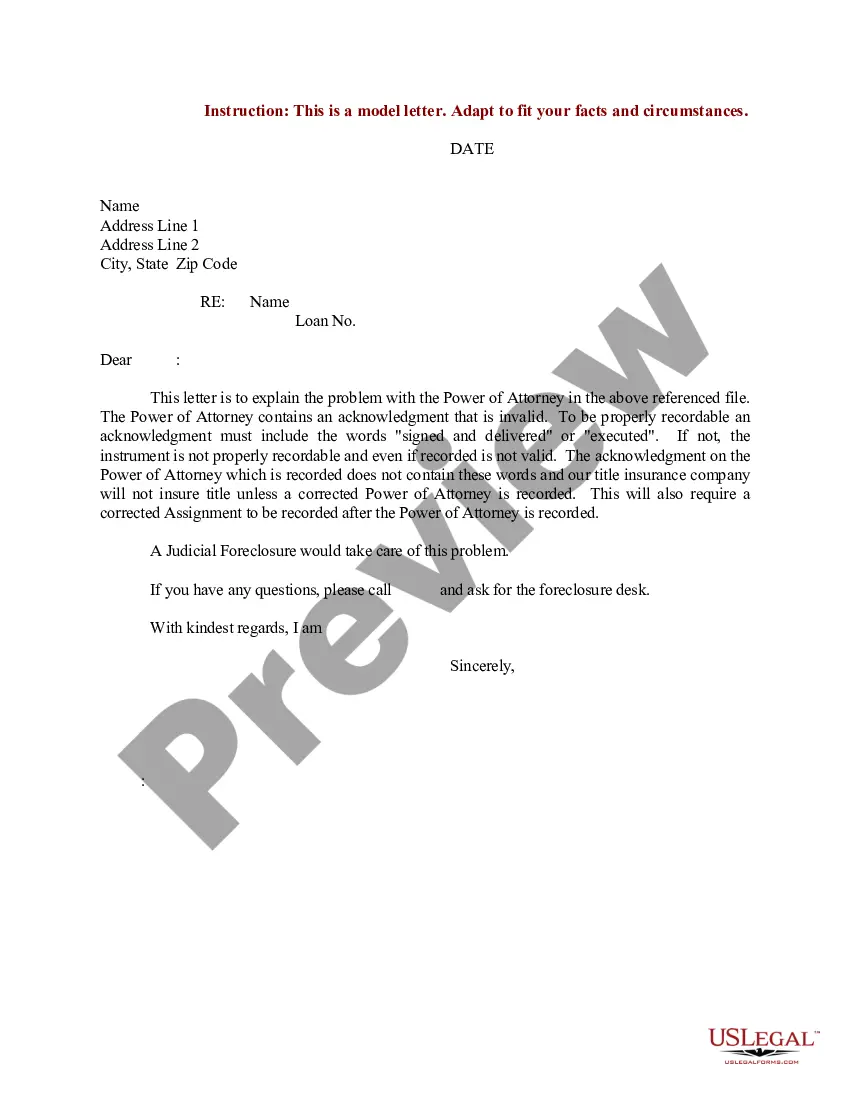
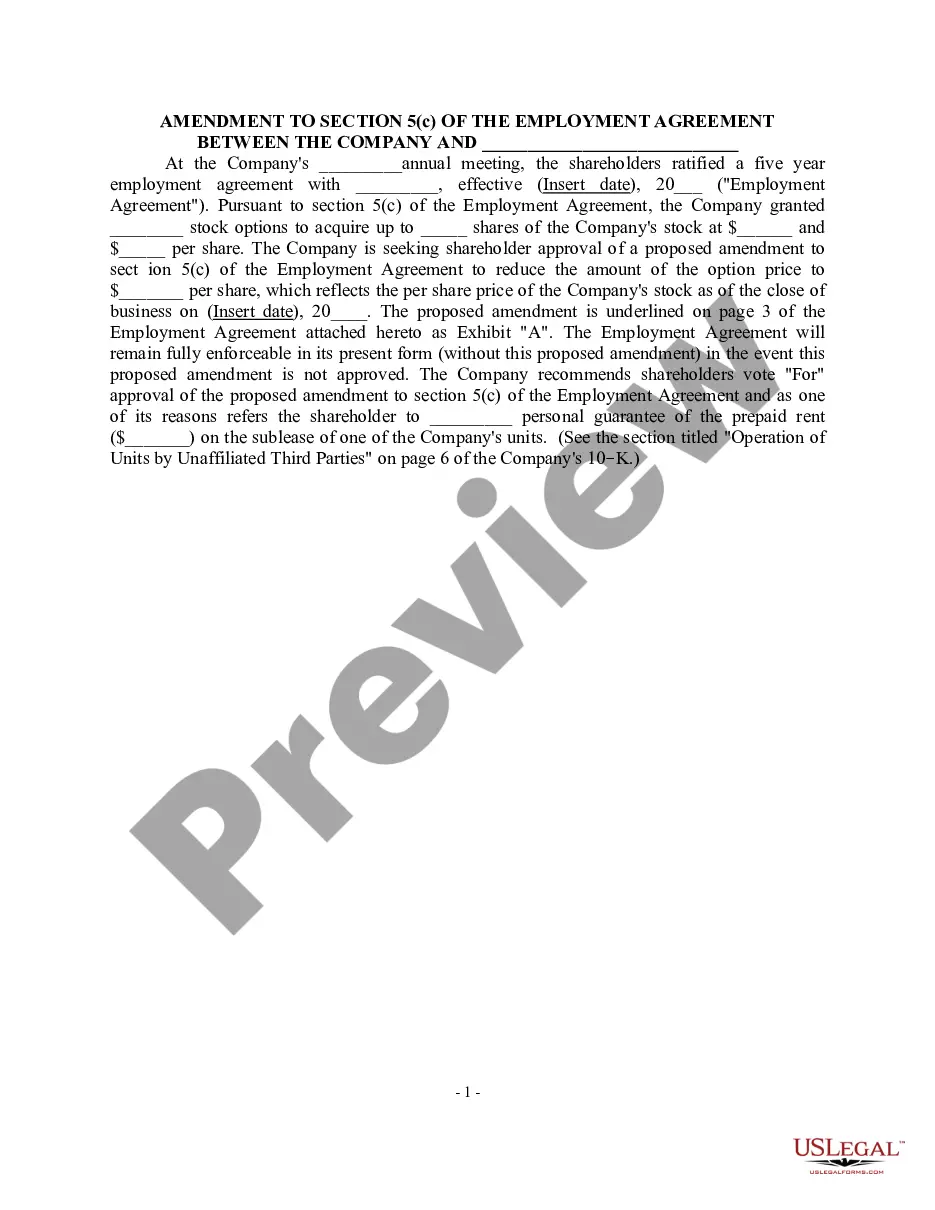
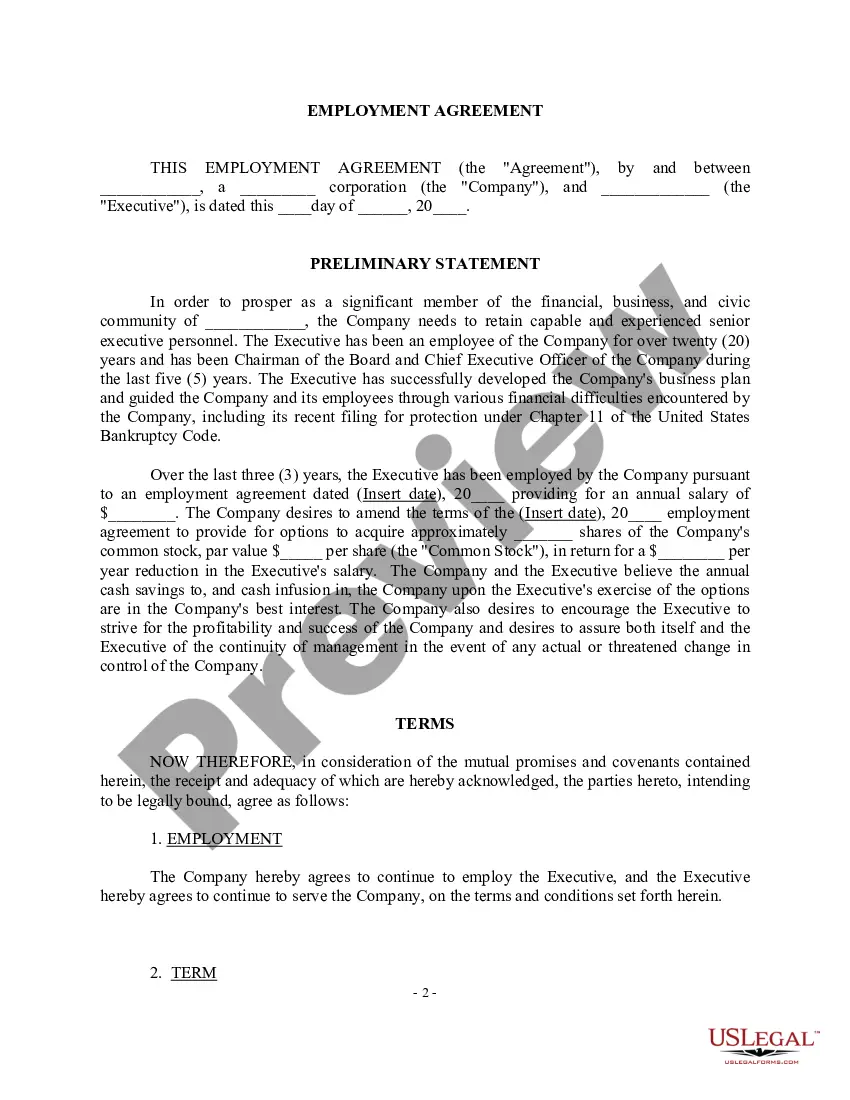
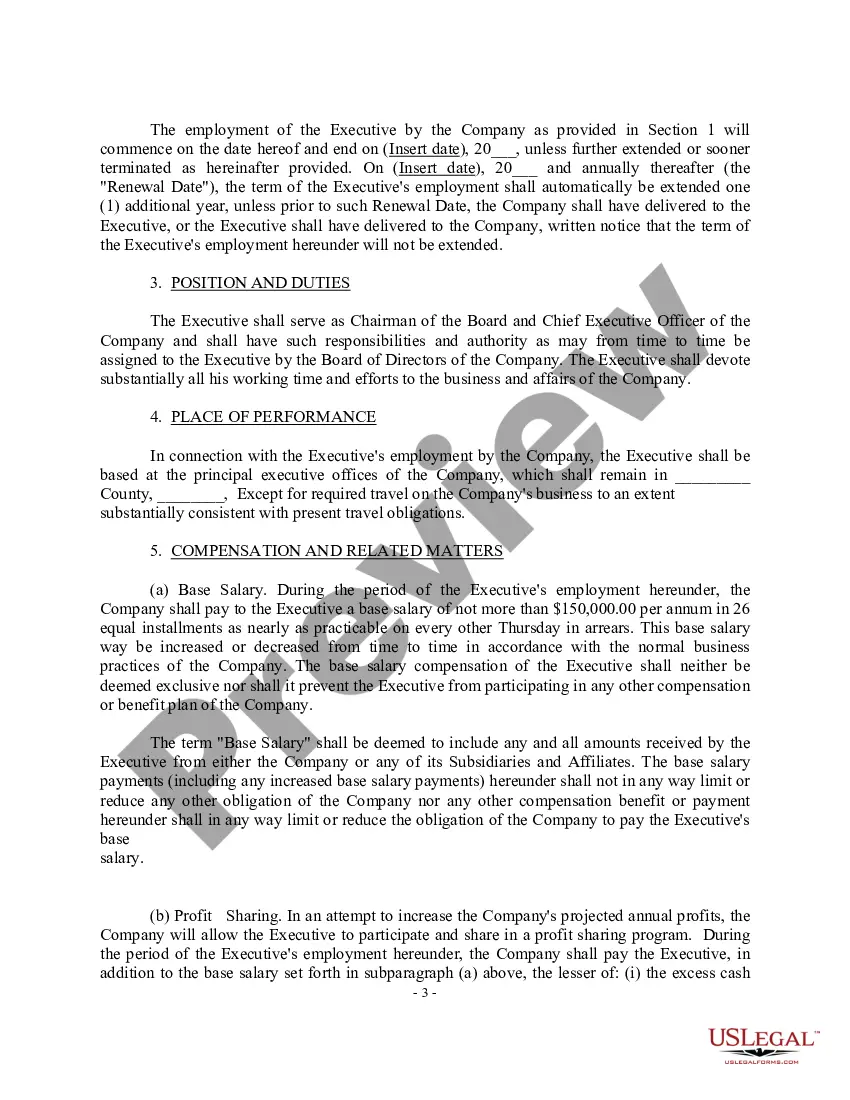
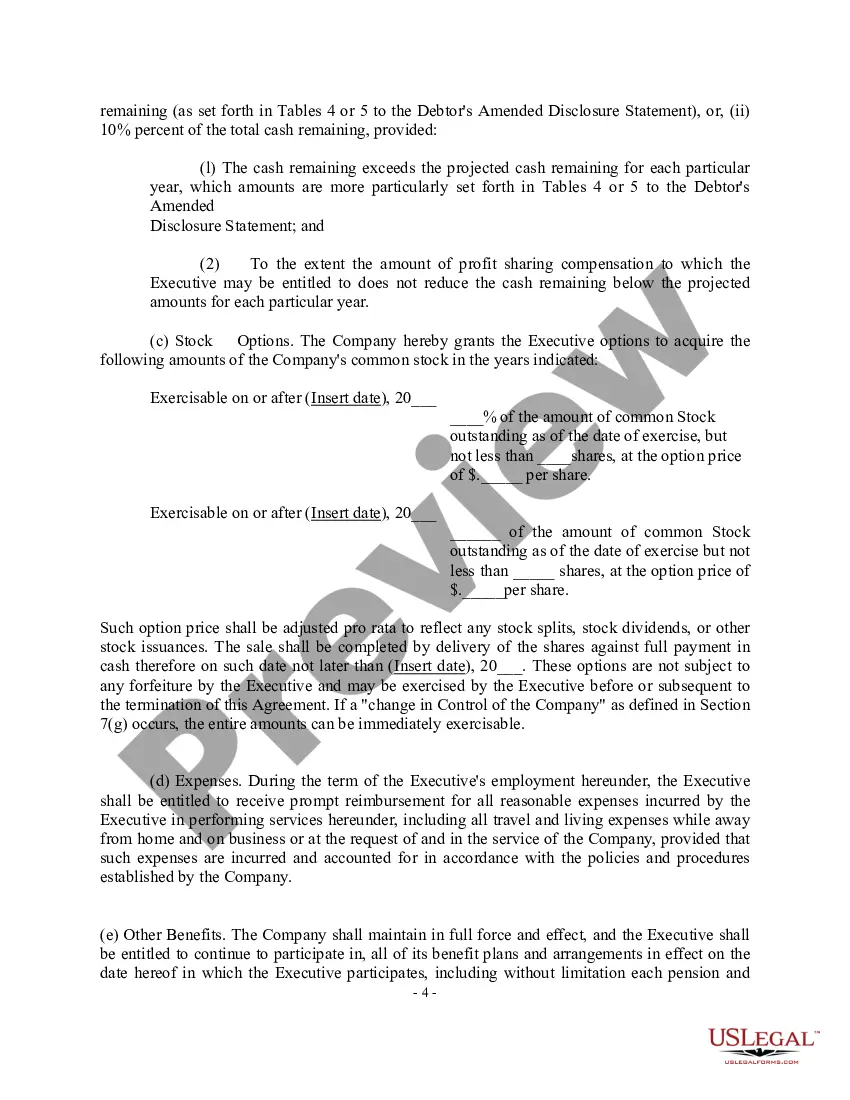
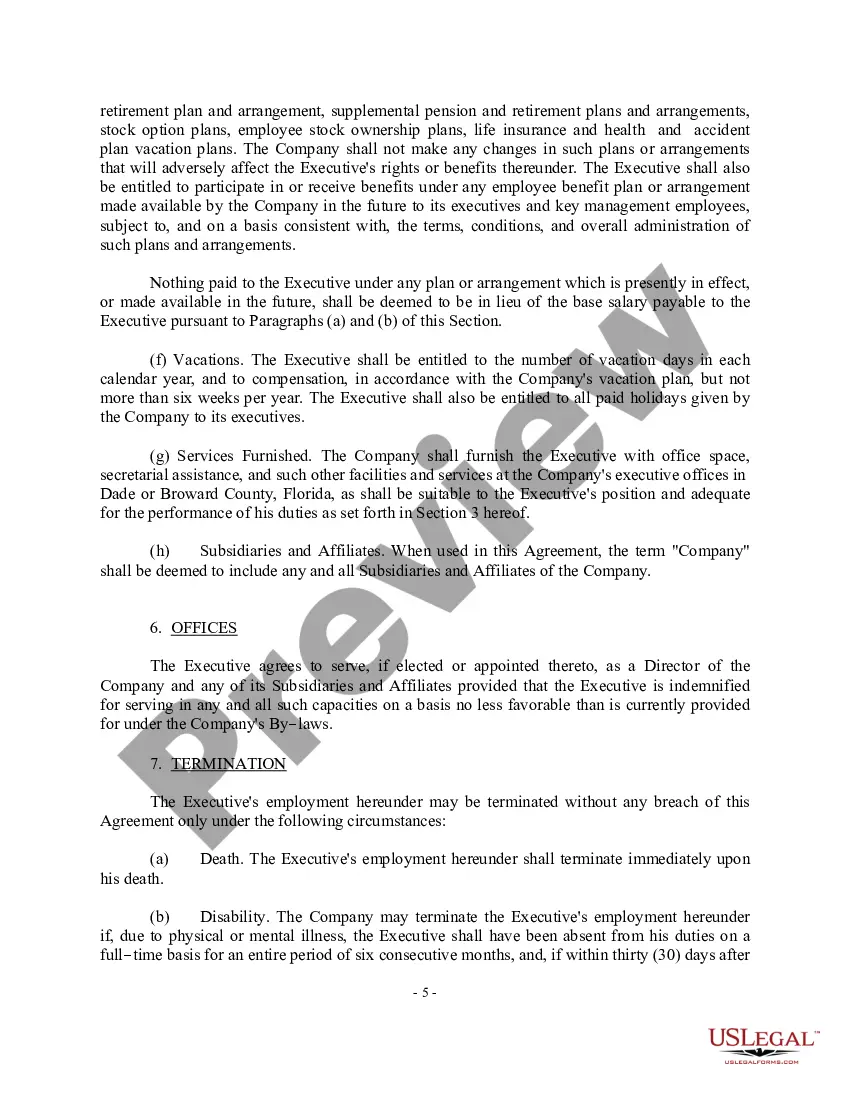
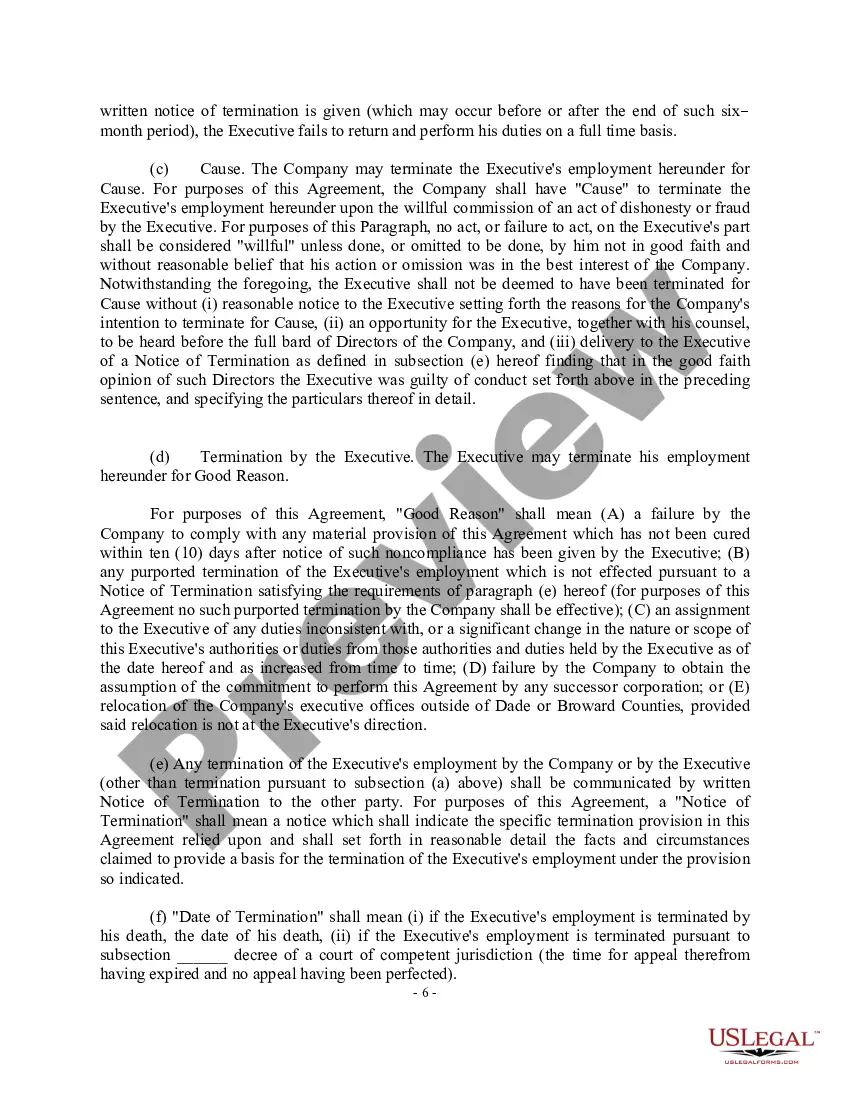
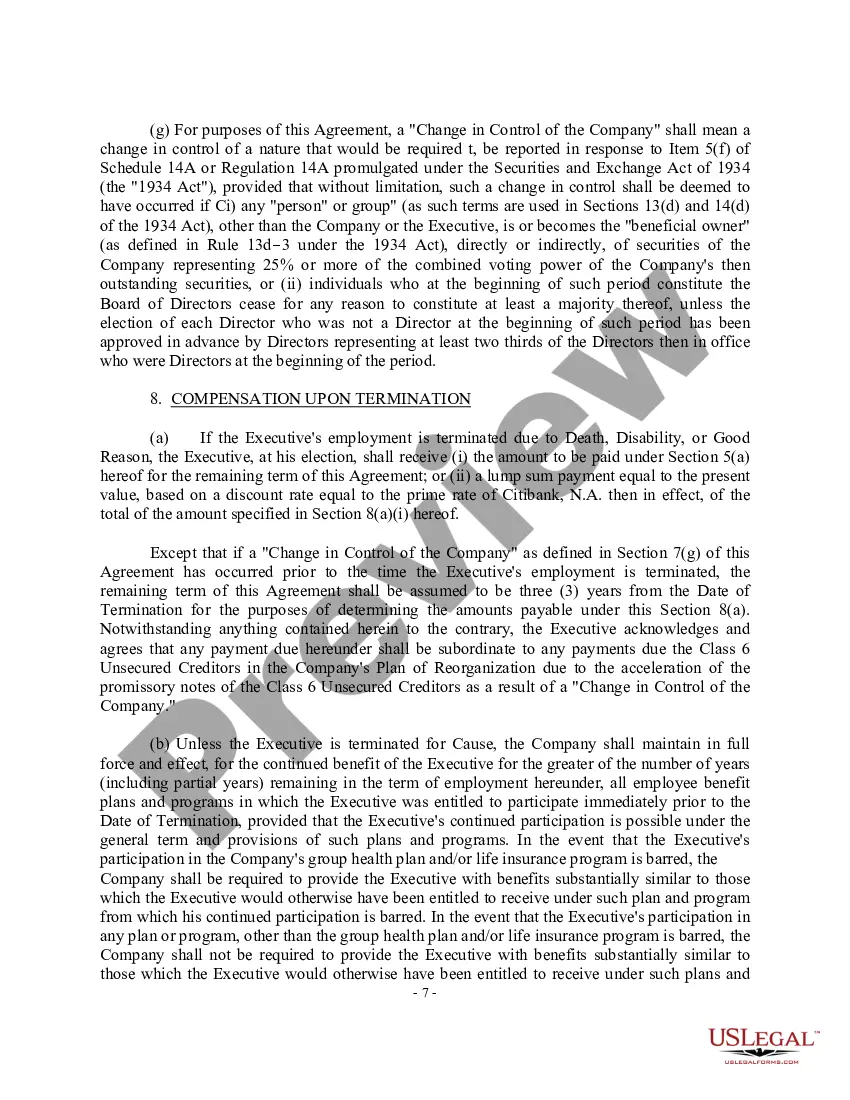
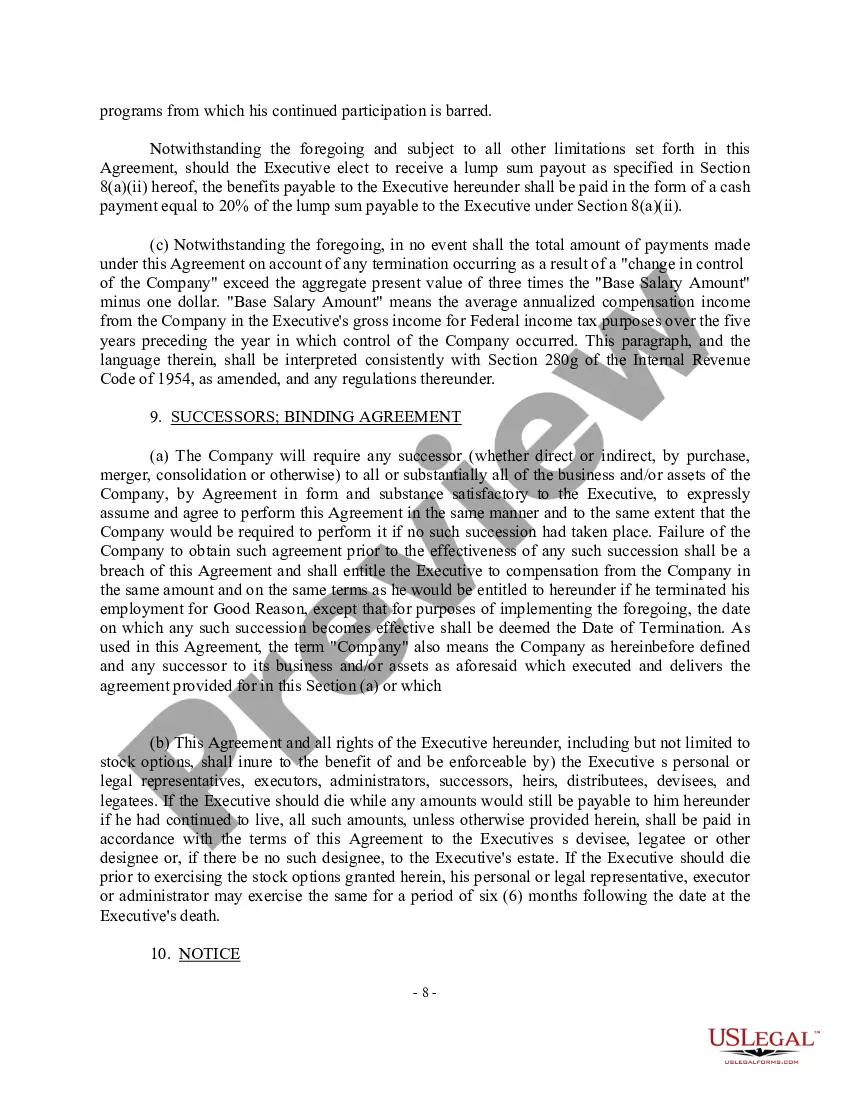
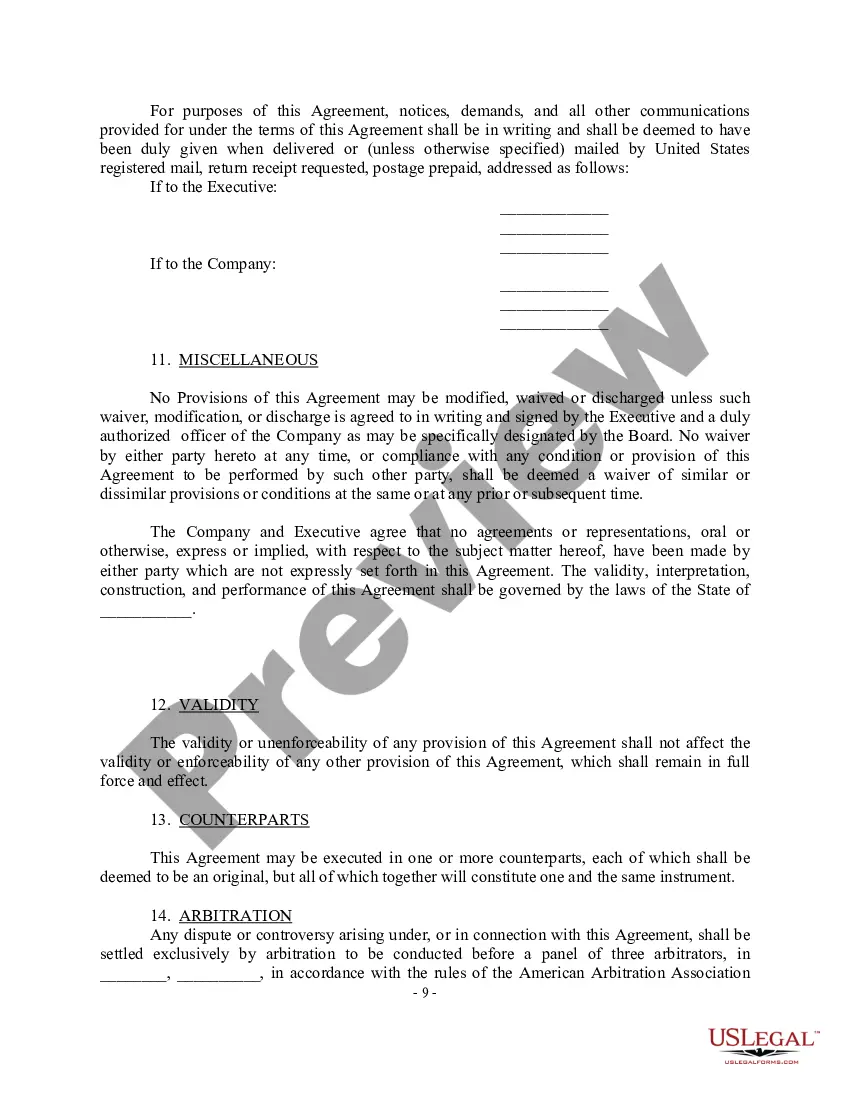
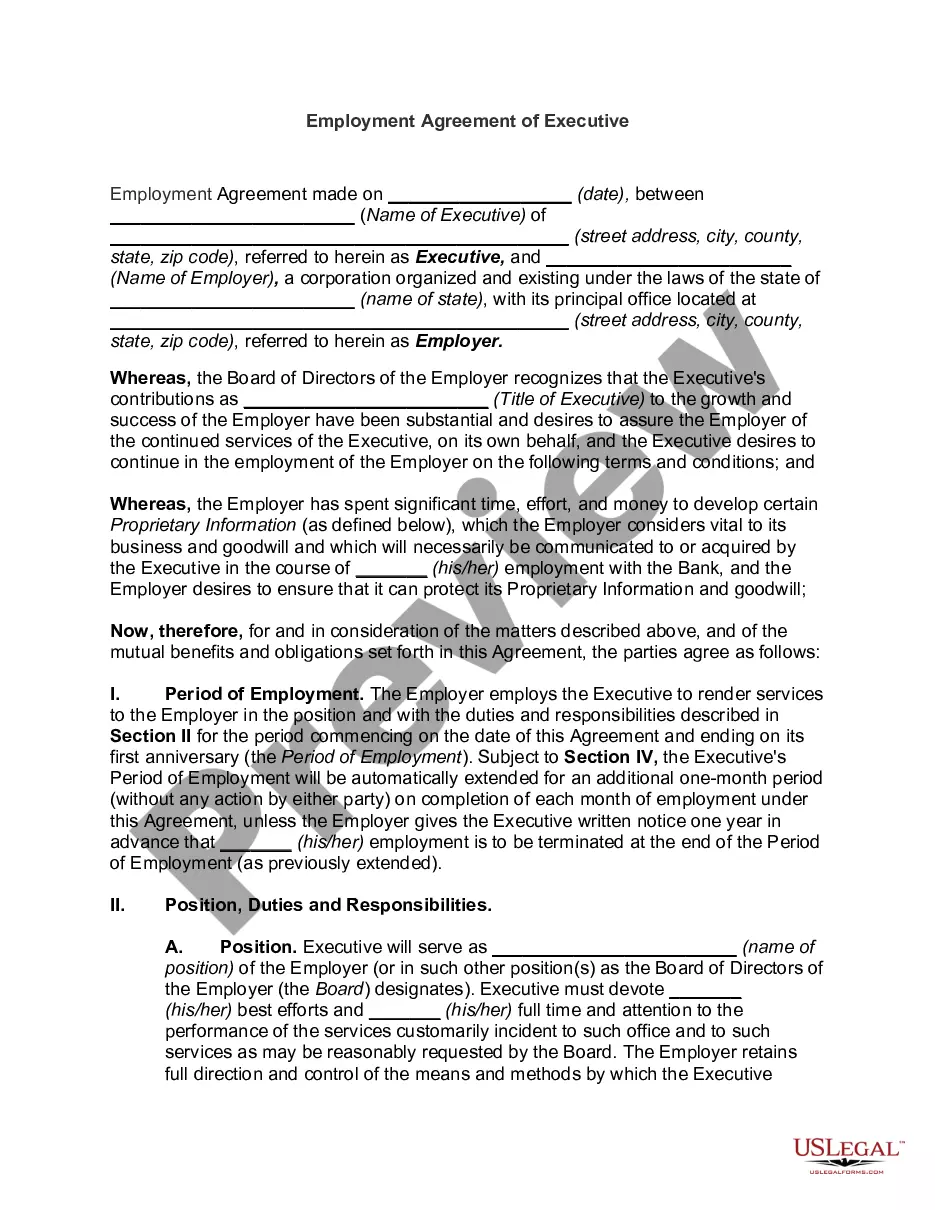
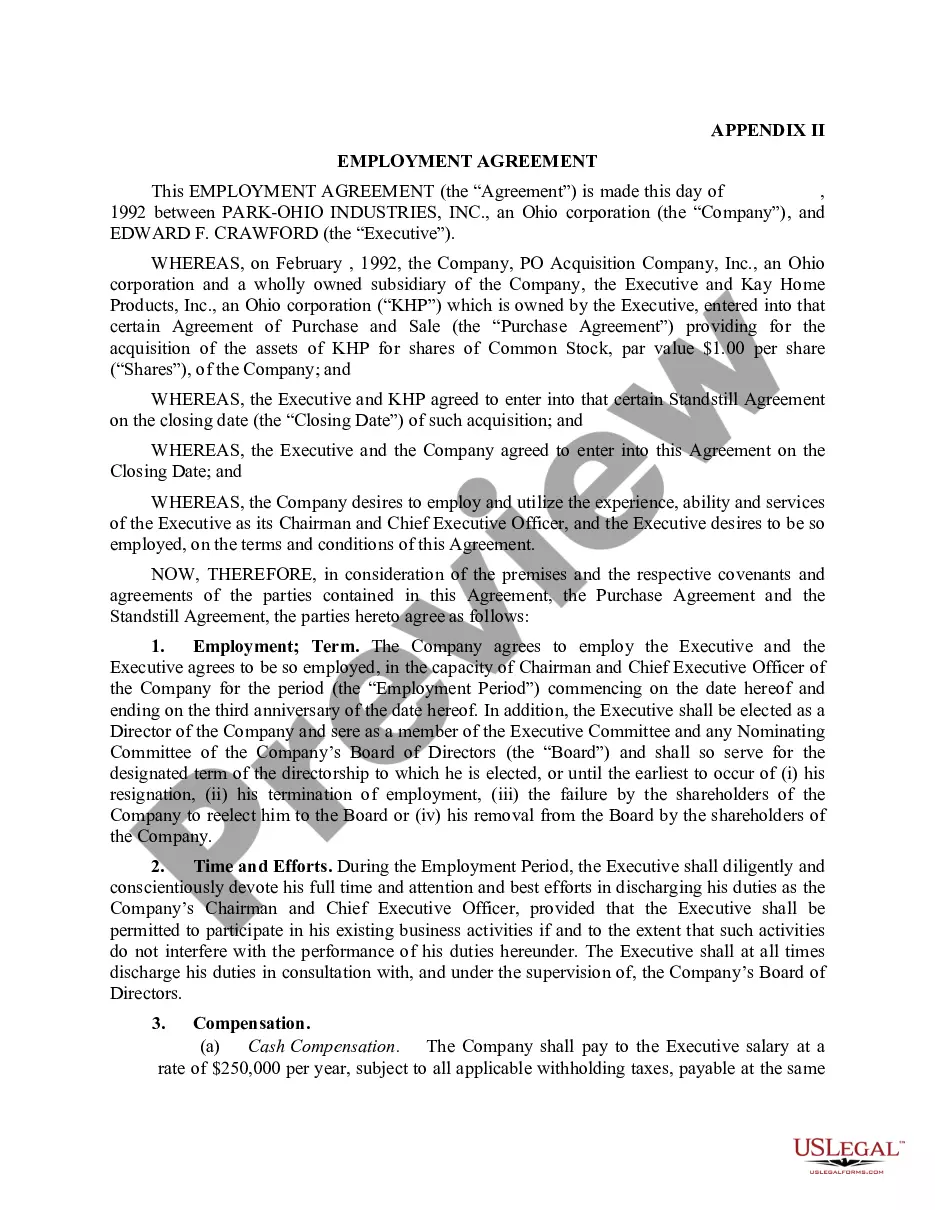
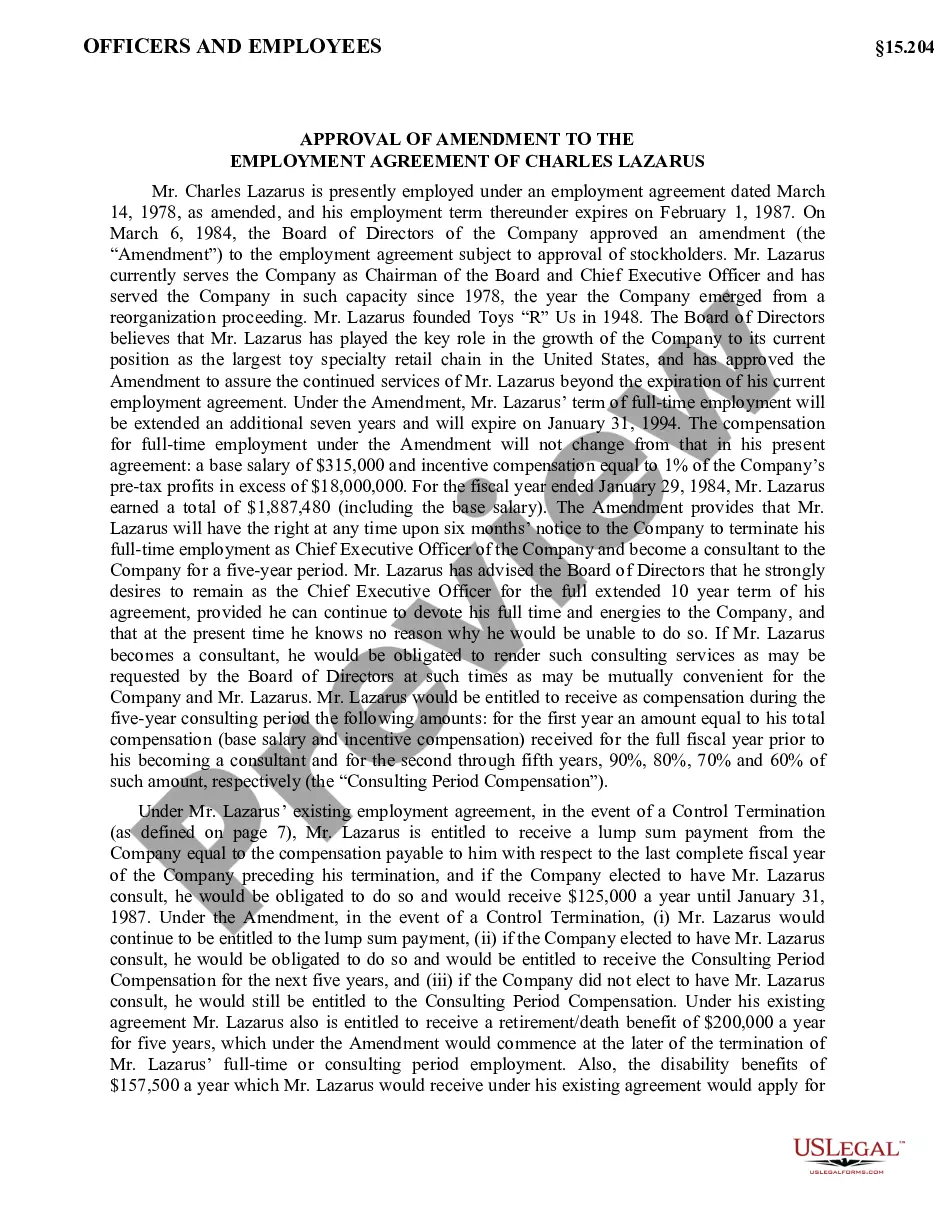
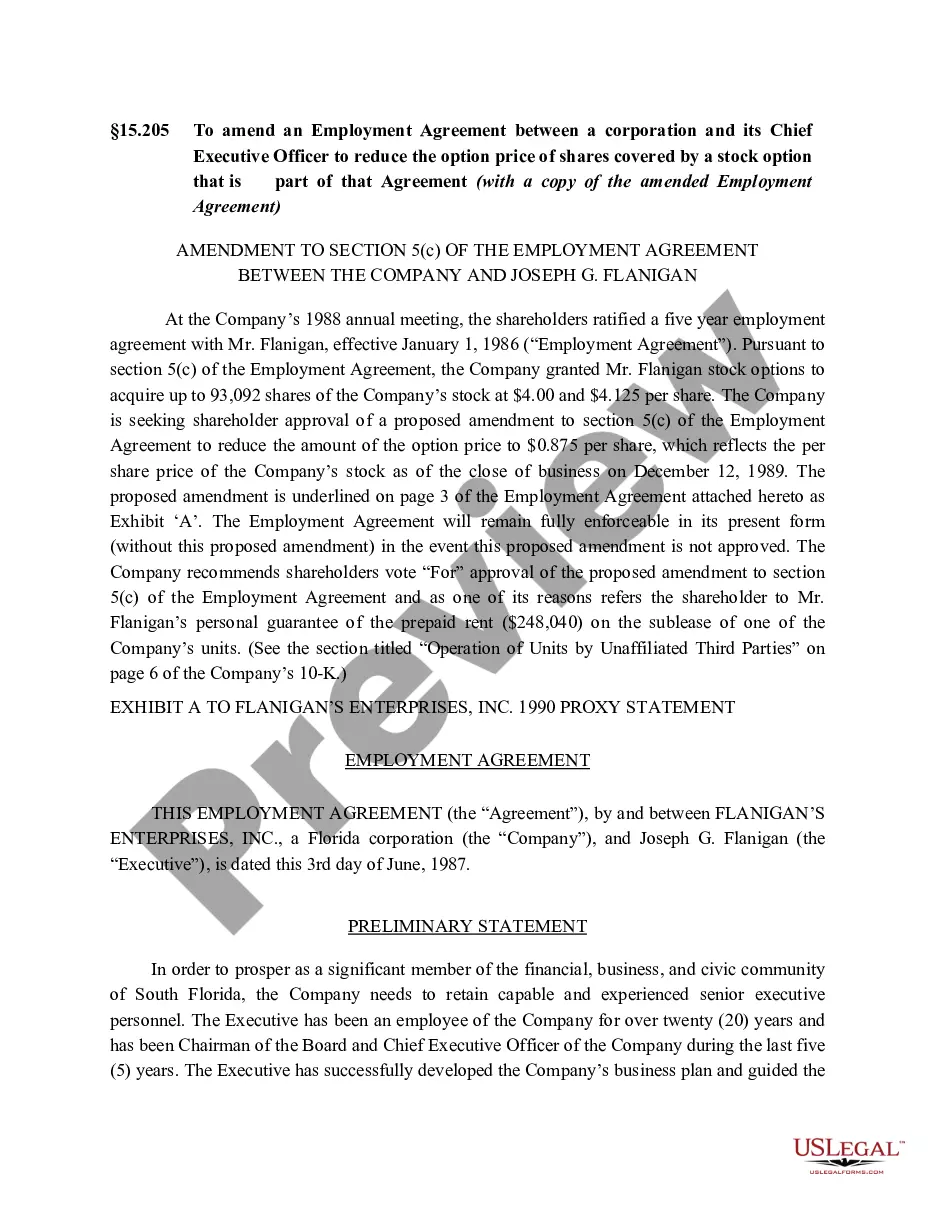
This form provides for an amendment to an existing executive employment agreement. The company desires to amend the agreement to provide for an increase in certain stock options in return for a reduction in the executives salary. The company also desires to encourage the executive to strive for the profitability and success of the company and desires to assure both itself and the executive of the continuity of management in the event of any actual or threatened change in control of the company.
South Carolina Amendment to Section 5(c) of Employment Agreement with copy of Agreement - Blank
Category:
State:
Multi-State
Control #:
US-C-15-157E
Format:
Word;
Rich Text
Instant download
Description
Free preview


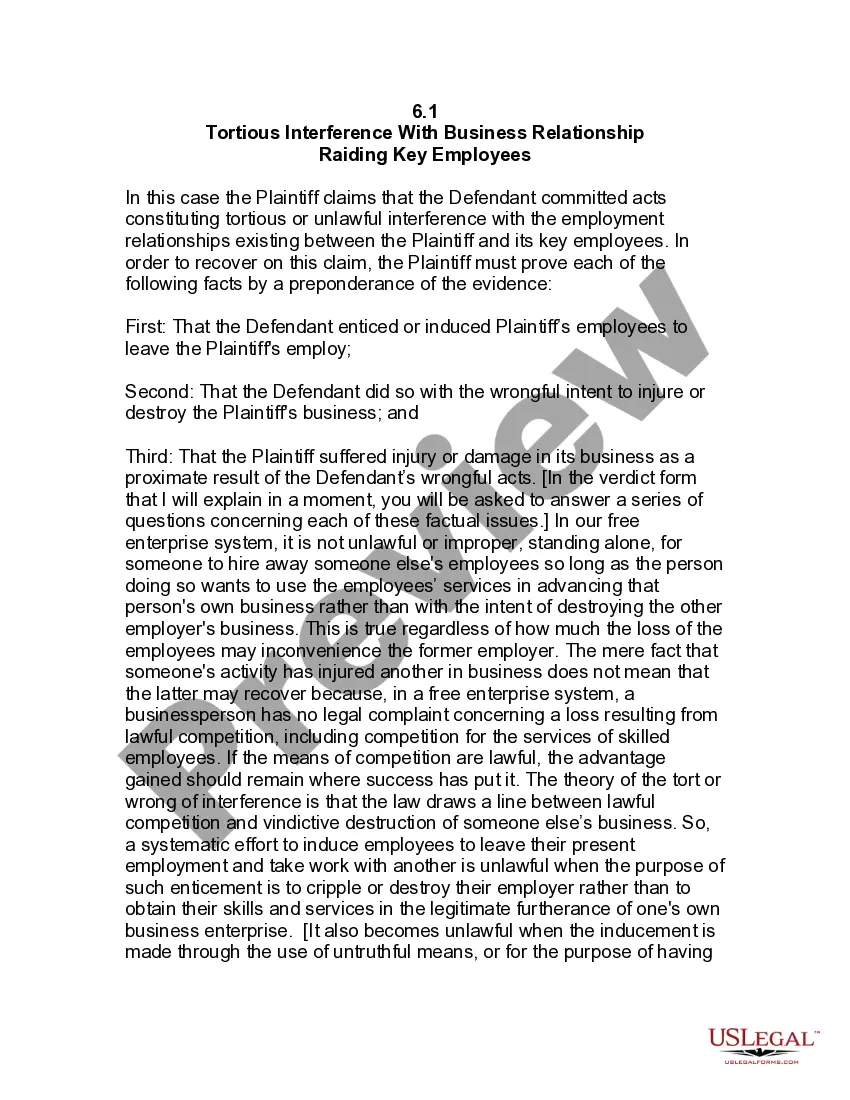
How to fill out Amendment To Section 5(c) Of Employment Agreement With Copy Of Agreement - Blank?
Selecting the appropriate legal document template can be quite a challenge.
Undoubtedly, there are a multitude of templates accessible online, but how do you locate the legal document you require.
Make use of the US Legal Forms website.
If you are a new user of US Legal Forms, here are some simple steps to follow: First, ensure you have chosen the correct form for your city/county. You can explore the form using the Preview option and read the form details to ensure it aligns with your needs. If the form doesn't meet your expectations, take advantage of the Search feature to find the correct document. Once you are confident that the form is appropriate, select the Purchase now option to acquire the document. Choose the pricing plan you prefer and provide the necessary information. Create your account and pay for the order using your PayPal account or credit card. Choose the document format and download the legal document template to your device. Complete, modify, and print, then sign the obtained South Carolina Amendment to Section 5(c) of Employment Agreement with a copy of Agreement - Blank. US Legal Forms is the largest repository of legal forms where you can find a diverse array of document templates. Utilize the platform to download professionally crafted documents that adhere to state requirements.
- The service offers thousands of templates, including the South Carolina Amendment to Section 5(c) of Employment Agreement with a copy of Agreement - Blank, suitable for both business and personal purposes.
- All forms are reviewed by experts and comply with federal and state regulations.
- If you are already a registered user, sign in to your account and click on the Download button to retrieve the South Carolina Amendment to Section 5(c) of Employment Agreement with a copy of Agreement - Blank.
- Utilize your account to check the legal forms you have previously purchased.
- Visit the My documents tab in your account to download an additional copy of the documents you require.
Form popularity
FAQ
Once a contract has been signed, you typically cannot change it unless all parties to the contract agree to the modifications. There are many reasons why you might want to modify a contract. Those would include: Extending it (for instance, lengthen a one-year contract by another six months);
Contract modifications require both your consent and that of your employer. Therefore, any changes made without you agreeing to them are null and void. Depending on the magnitude of changes made, the court might nullify the employment contract entirely.
A contract between an employer and an employee or worker is a legally binding agreement. A contract can be agreed verbally or in writing. Any changes to the contract must be agreed by both the employer and employee or worker, or in some circumstances with a trade union or other employee representatives.
As a business owner or manager, the only way to amend an employment contract is with the permission of the employee herself.Look at the employment contract.Think of a new term you can add to the contract.Propose the change to the employee.Make amends to the original contract.More items...
As a business owner or manager, the only way to amend an employment contract is with the permission of the employee herself.Look at the employment contract.Think of a new term you can add to the contract.Propose the change to the employee.Make amends to the original contract.More items...
An employment contract can be void when there are changes in laws that affect the contract, and the company did not update the contract before it was signed and agreed upon by both parties. Meanwhile, a voidable employment contract is a formal contract that starts off as valid but becomes unenforceable later on.
A contract amendment allows the parties to make a mutually agreed-upon change to an existing contract. An amendment can add to an existing contract, delete from it, or change parts of it. The original contract remains in place, only with some terms altered by way of the amendment.
As we mentioned above, a typo in the dollar value of the contract might mean you lose out on potential income or you have to pay out more than you had planned. A typo that leads to damages can cost thousands in legal fees and, if the other party prevails, you may have to pay their damages.
Employment contracts usually have a certain period to renegotiate the terms, and the time to do this is usually at the ending of the current contract or when the employer wants to take on a new employee full-time rather than only temporary.
South Carolina employers can protect their information and intellectual property by drafting an employment agreement, such as non-compete, non-disclosure and severance agreements. Employment agreements must meet legal requirements to become enforceable in South Carolina courts.