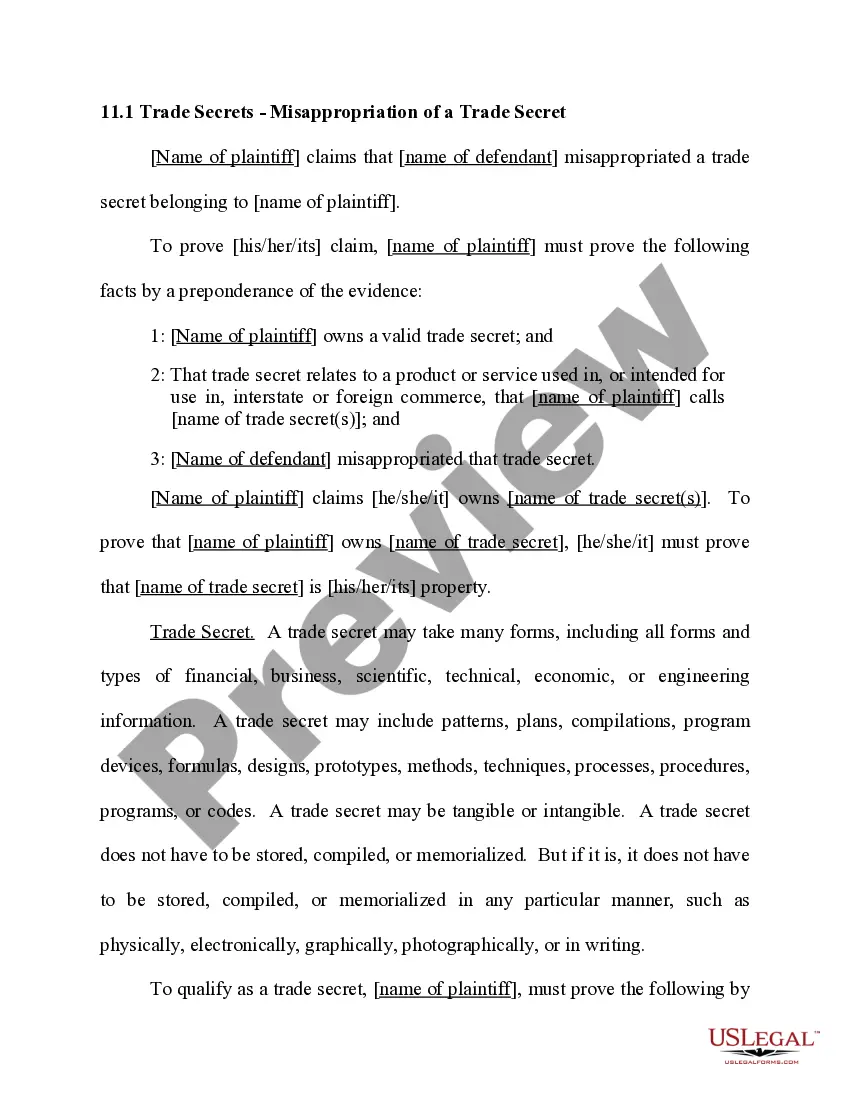
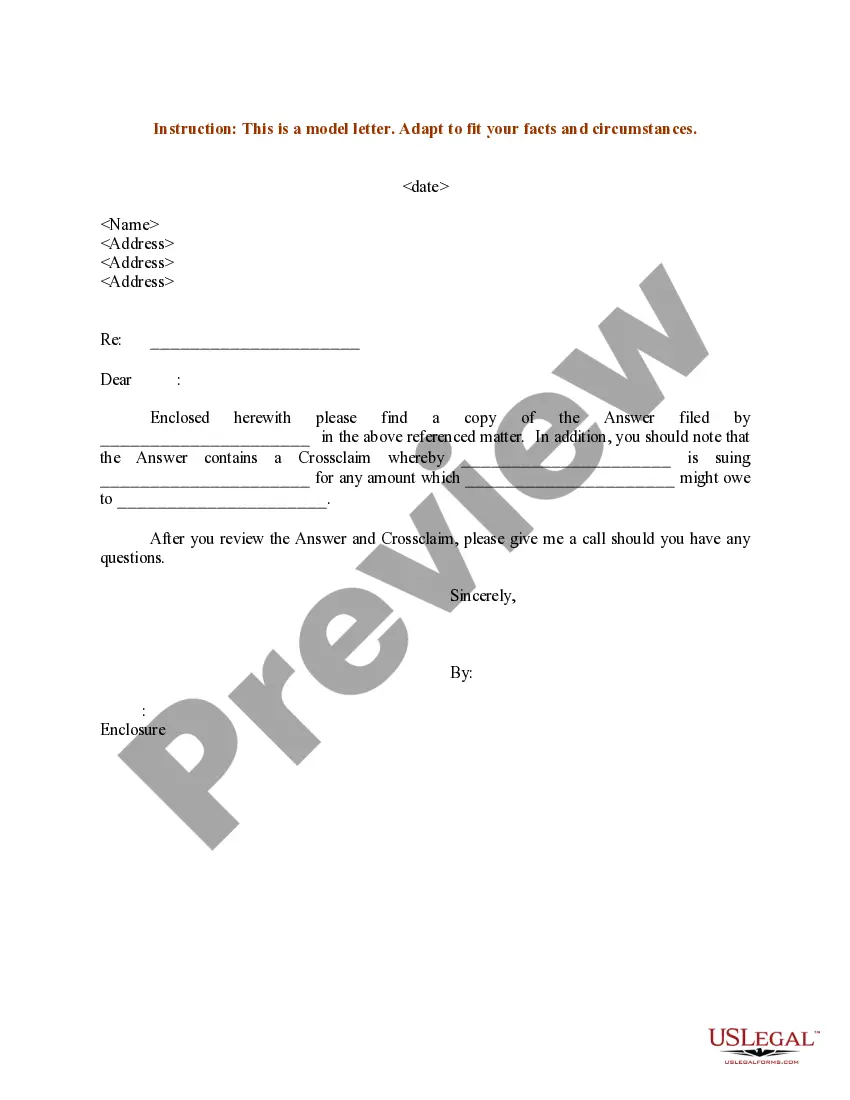
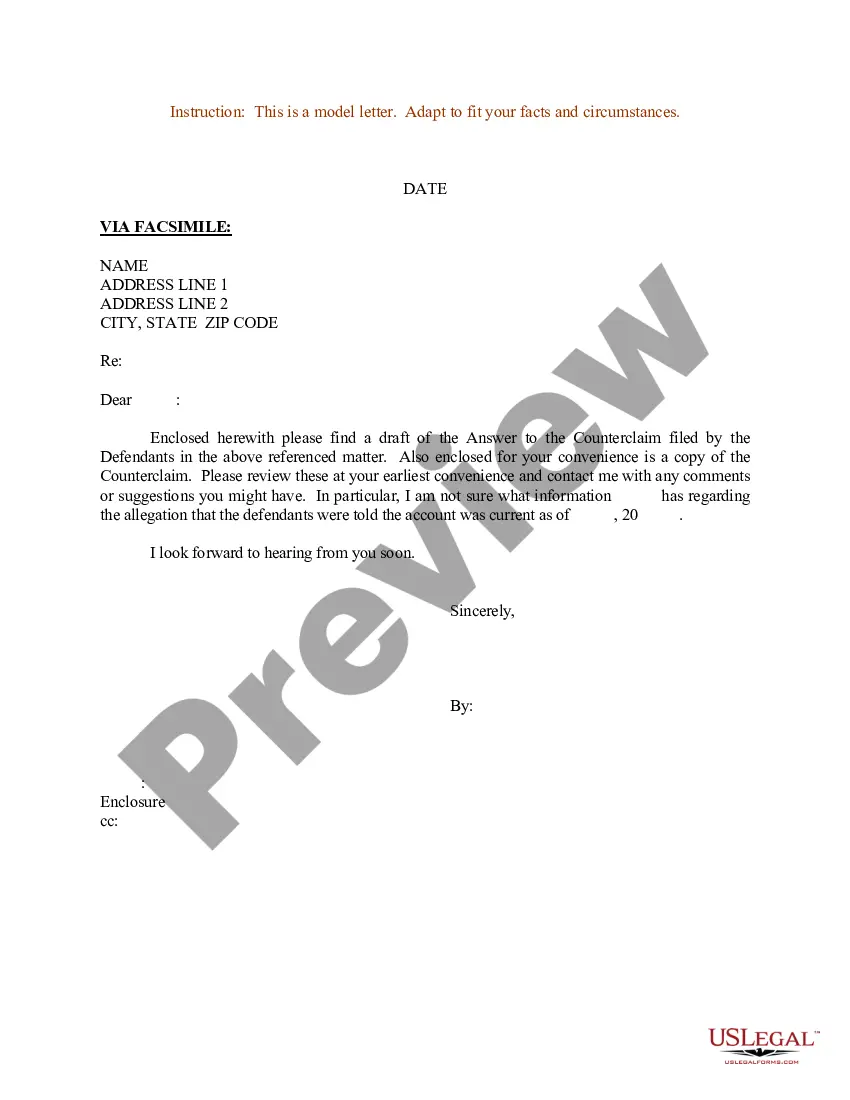
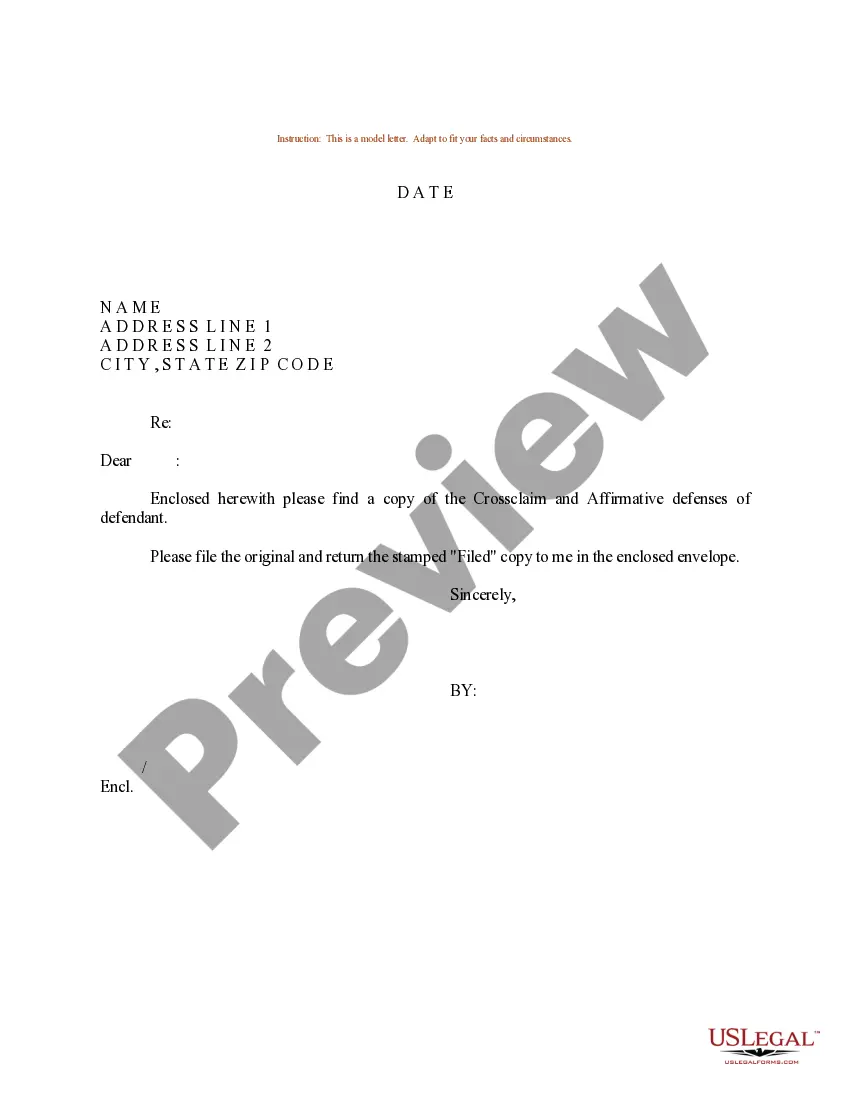
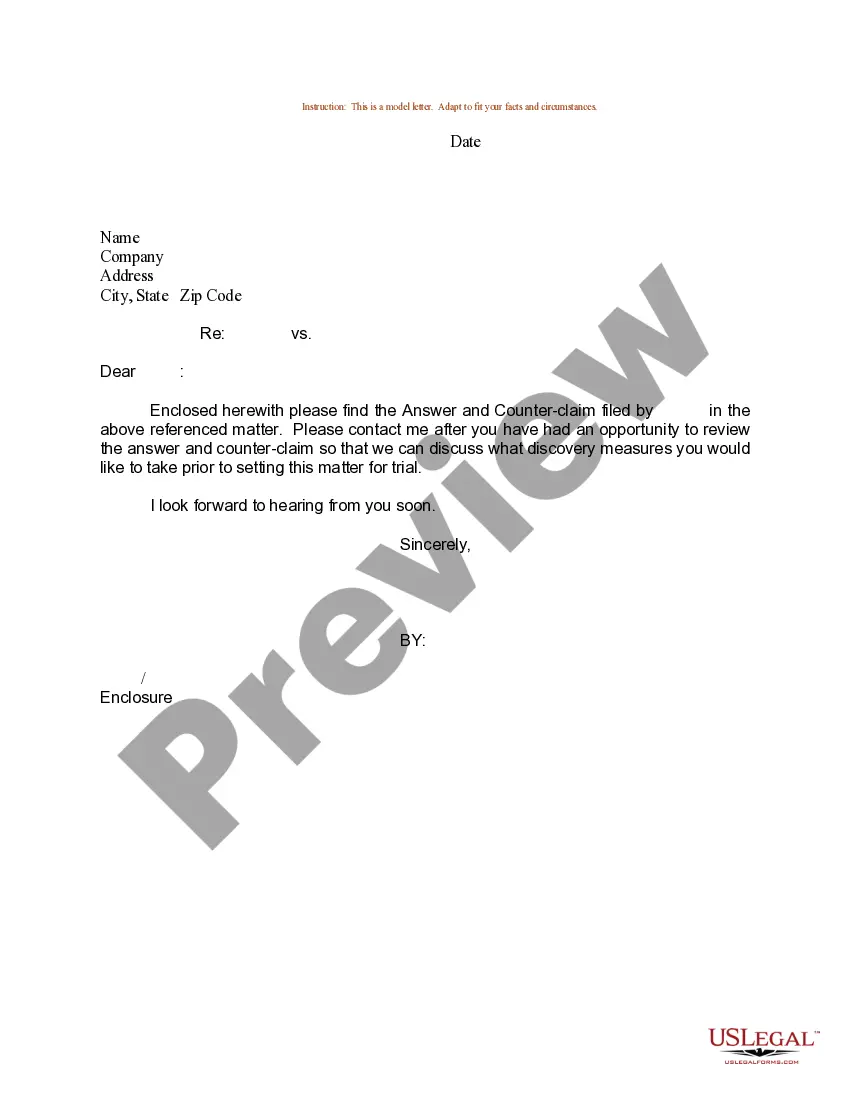
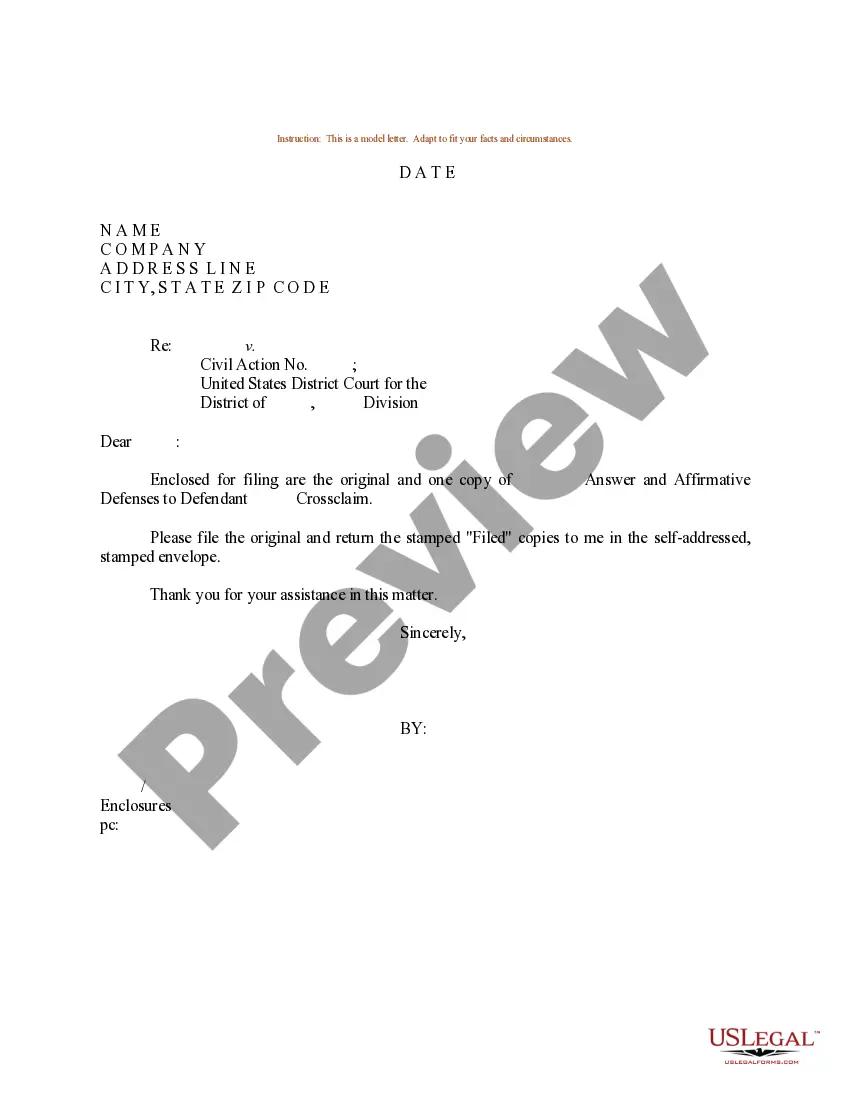
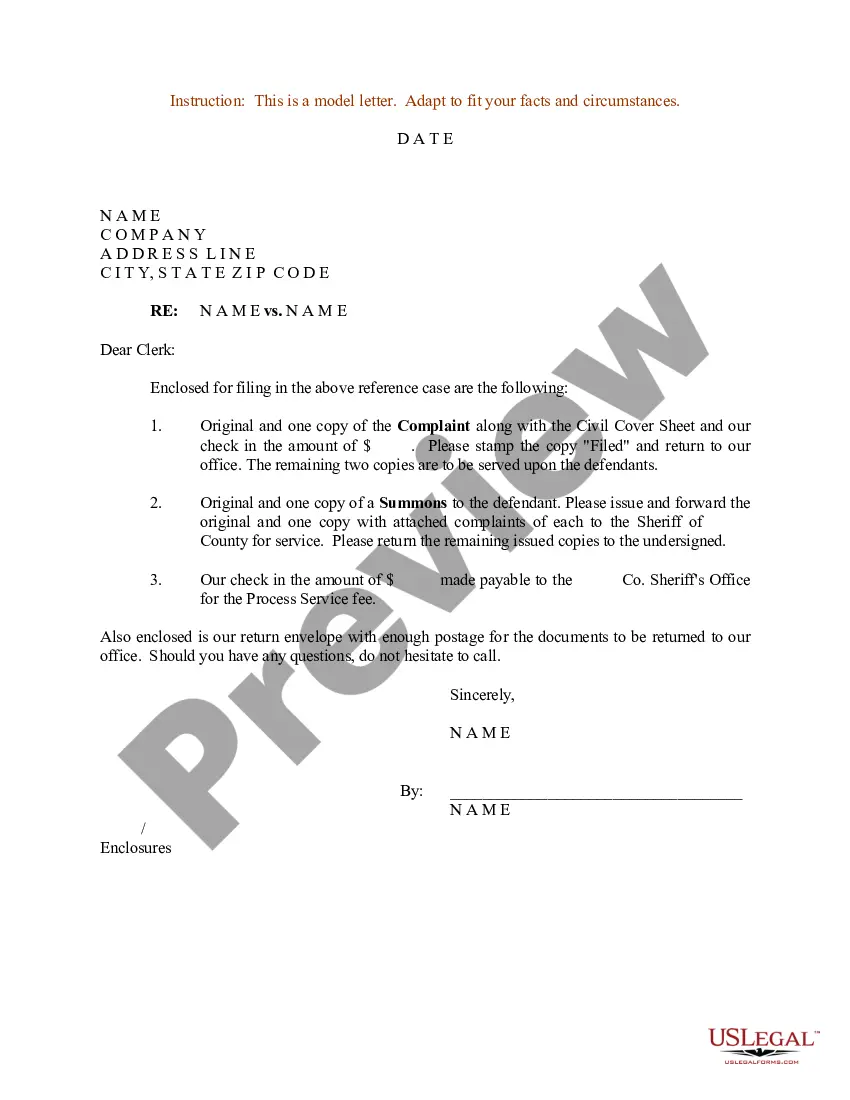
South Carolina Sample Letter conveying Crossclaim and Answer
Description
Get your form ready online
Our built-in tools help you complete, sign, share, and store your documents in one place.
Make edits, fill in missing information, and update formatting in US Legal Forms—just like you would in MS Word.
Download a copy, print it, send it by email, or mail it via USPS—whatever works best for your next step.
Sign and collect signatures with our SignNow integration. Send to multiple recipients, set reminders, and more. Go Premium to unlock E-Sign.
If this form requires notarization, complete it online through a secure video call—no need to meet a notary in person or wait for an appointment.
We protect your documents and personal data by following strict security and privacy standards.

Make edits, fill in missing information, and update formatting in US Legal Forms—just like you would in MS Word.

Download a copy, print it, send it by email, or mail it via USPS—whatever works best for your next step.

Sign and collect signatures with our SignNow integration. Send to multiple recipients, set reminders, and more. Go Premium to unlock E-Sign.

If this form requires notarization, complete it online through a secure video call—no need to meet a notary in person or wait for an appointment.

We protect your documents and personal data by following strict security and privacy standards.
Looking for another form?
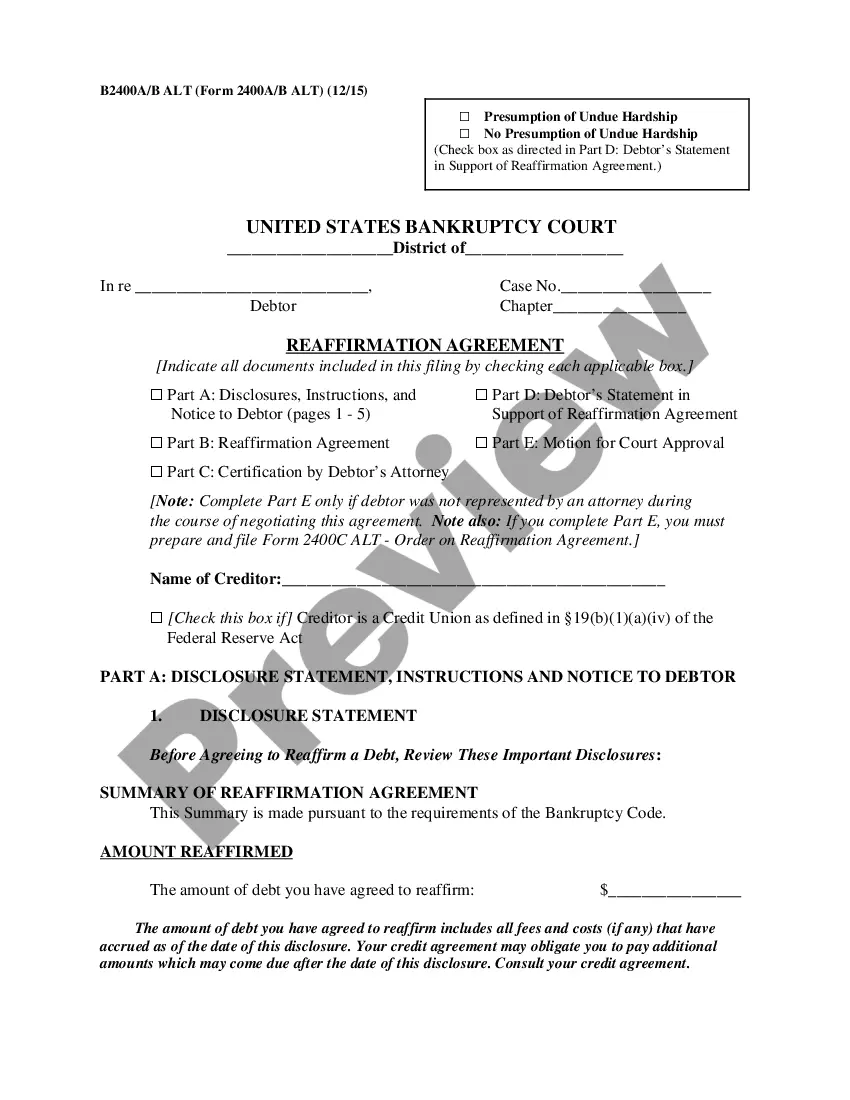

How to fill out Sample Letter Conveying Crossclaim And Answer?
If you need to completely, retrieve, or print sanctioned document templates, utilize US Legal Forms, the largest assortment of legal forms, which are accessible online.
Take advantage of the website's straightforward and convenient search feature to find the documents you need. Various templates for business and personal purposes are organized by categories and states, or keywords.
Use US Legal Forms to find the South Carolina Sample Letter conveying Crossclaim and Response with just a few clicks.
Step 5. Complete the transaction. You can use your Visa or MasterCard or PayPal account to finalize the transaction.
Step 6. Select the format of the legal form and download it to your device. Step 7. Fill out, edit, and print or sign the South Carolina Sample Letter conveying Crossclaim and Response. Every legal document template you purchase is your property for years. You have access to each form you saved in your account. Explore the My documents section and choose a form to print or download again. Compete and download, and print the South Carolina Sample Letter conveying Crossclaim and Response with US Legal Forms. There are thousands of professional and state-specific forms you can use for your business or personal needs.
- If you are already a US Legal Forms user, Log In to your account and click the Download button to obtain the South Carolina Sample Letter conveying Crossclaim and Response.
- You can also access forms you previously saved in the My documents section of your account.
- If you are using US Legal Forms for the first time, follow the steps outlined below.
- Step 1. Ensure you have selected the form for the correct city/state.
- Step 2. Use the Review feature to browse through the form's details. Don't forget to read the description.
- Step 3. If you are not satisfied with the form, utilize the Search field at the top of the screen to find other versions of the legal form template.
- Step 4. Once you have found the form you need, click the Get now button. Choose the pricing plan you prefer and enter your information to register for an account.
Form popularity
FAQ
Example 1: Claim: Some people say that cell phones should be banned from schools, because they distract from learning. Counterclaim: Others say that students should be allowed to carry cell phones for emergency purposes. Rebuttal: There are plenty of other, less-disruptive ways for parents and students to communicate.
A response to a cross-complaint generally must be filed within 30 days of being served with the cross-complaint. Code of Civil Procedure 432.10. If you learn later that you need to file a cross-complaint you can make a motion to ask for an order allowing you to file a cross-complaint.
claim is a claim brought by a plaintiff against a coplaintiff, or by a defendant against a codefendant.
Write a short and plain statement of the crossclaim(s). Do not make legal arguments. State as briefly as possible the facts showing that you, the defendant / crossclaim plaintiff, are entitled to the damages or other relief sought.
The rule differentiates counterclaims and crossclaims: While they are both independent actions, a counterclaim is only brought by the defendant against the plaintiff. Crossclaims can be brought by the defendant against a co-party or by a plaintiff against a co-party. There is no compulsory crossclaim in the FRCP.
The claim is the author's central argument that they are trying to persuade the audience to believe. Counterclaims are arguments of the opposing side which the author will address. Reasoning is the author's logic used to support and prove their claims.
For example, if Trucker John hired some loaders to load the furniture, and they were the ones that damaged the furniture, then Trucker John could crossclaim the loaders for all or part of the damage to the furniture.