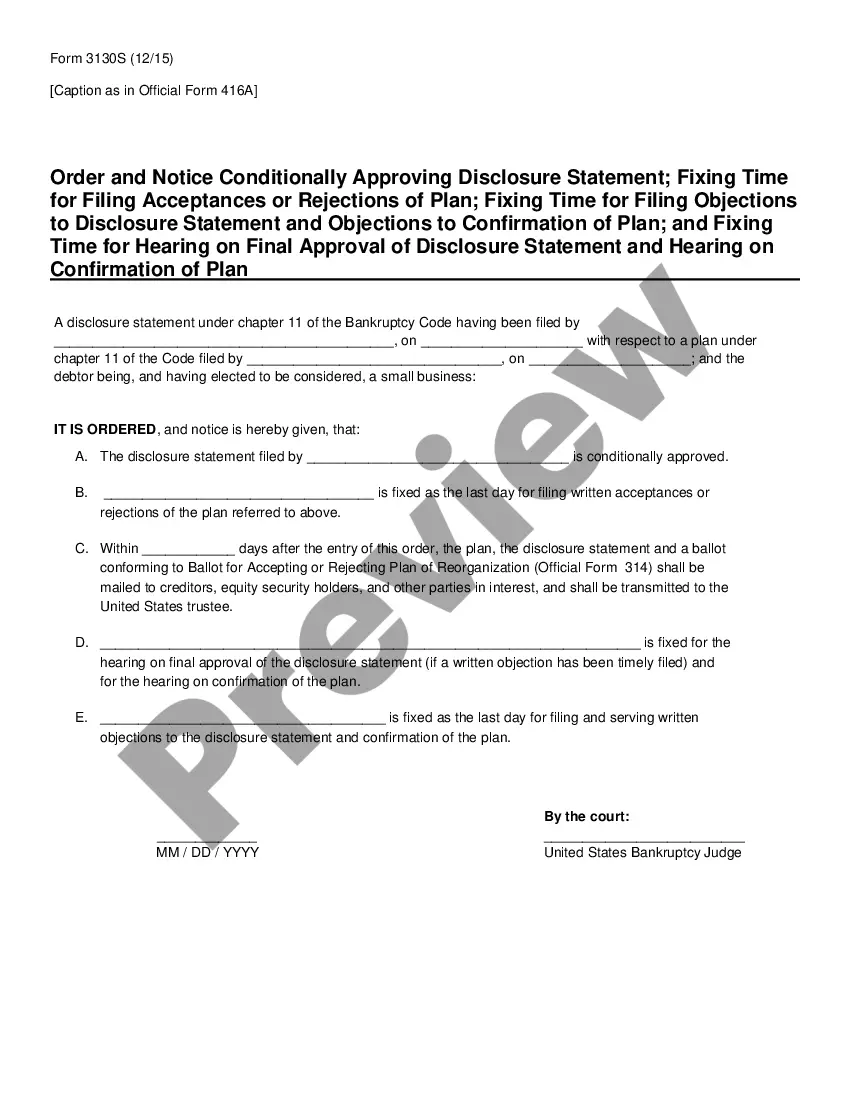
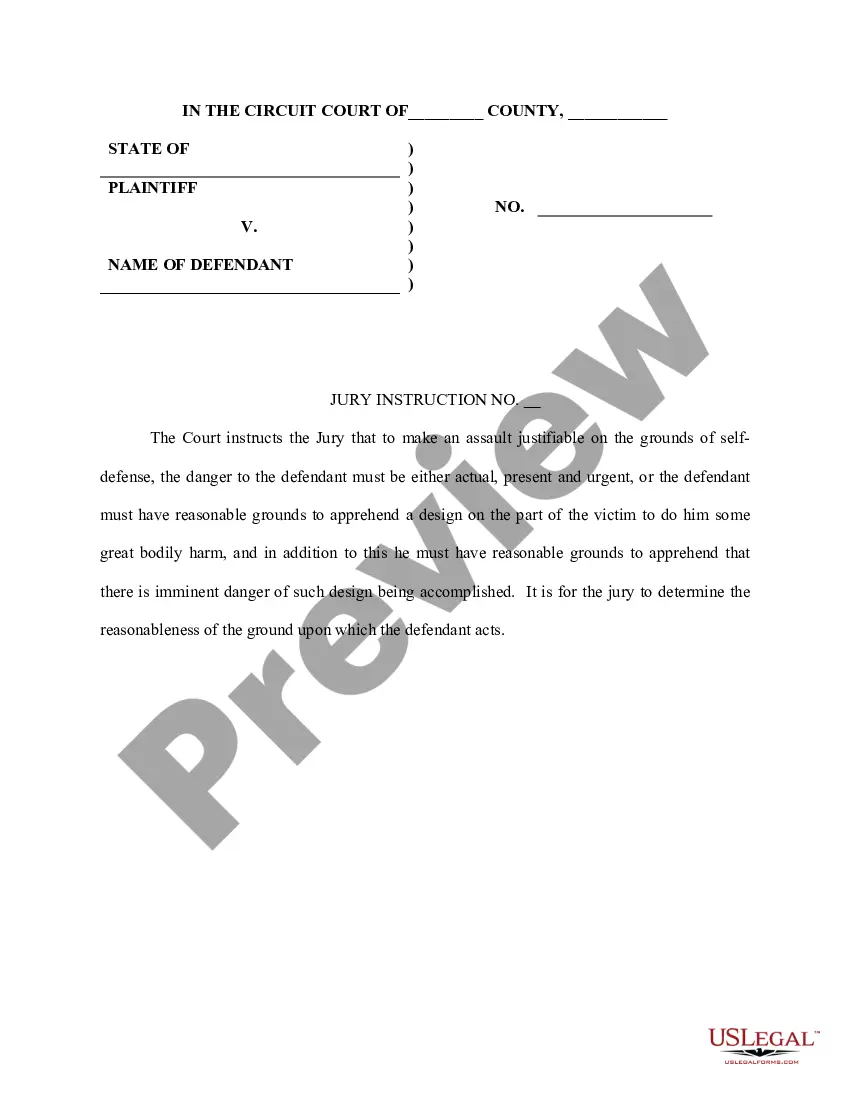
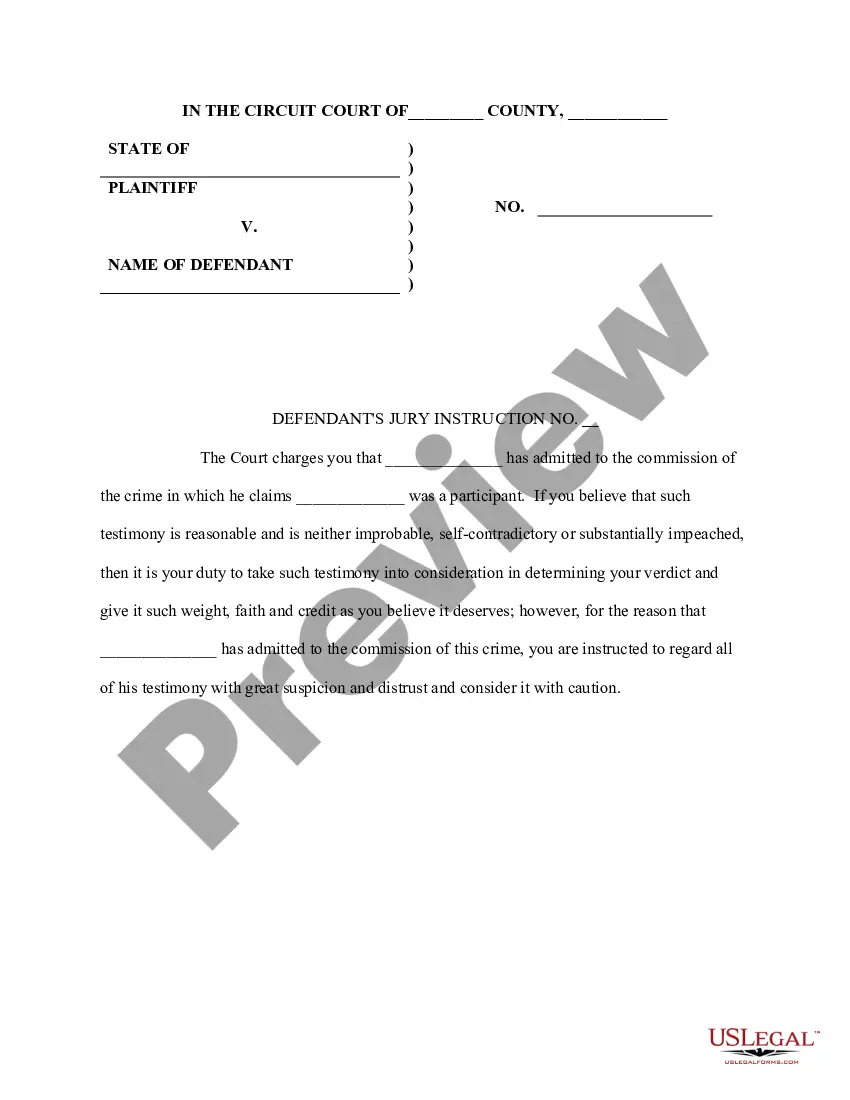
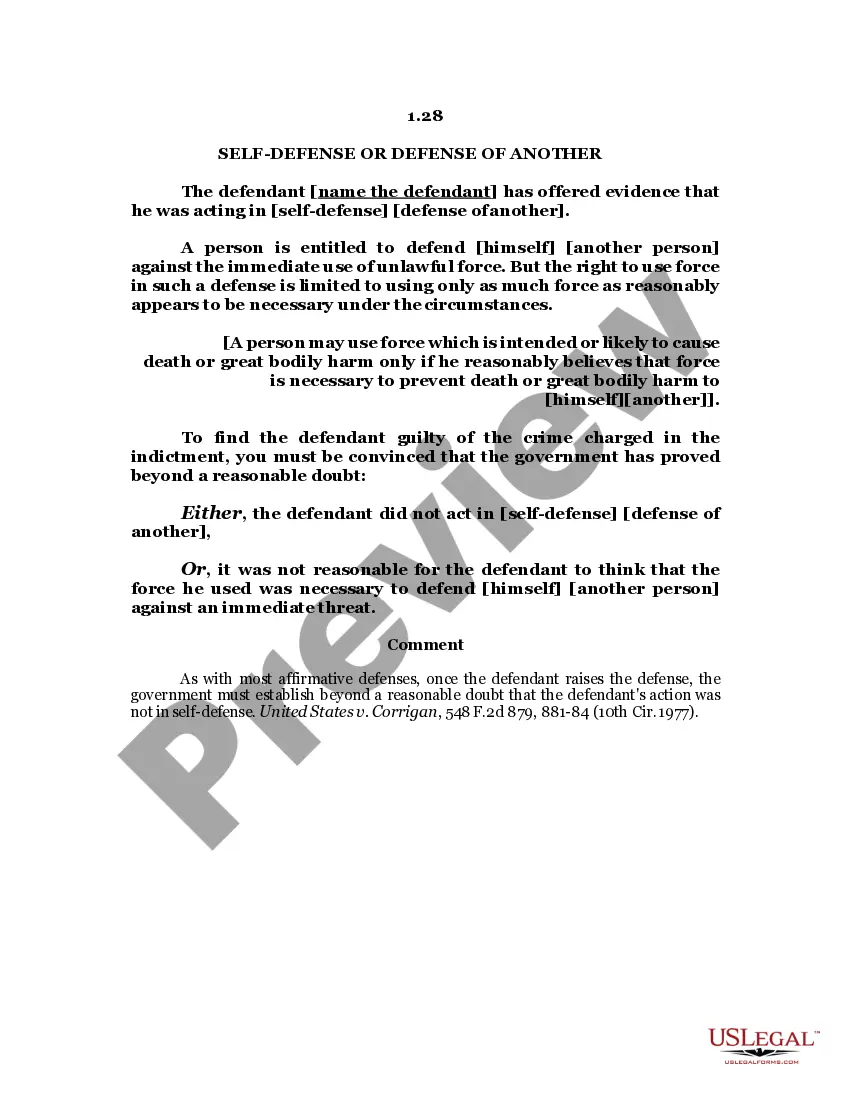
South Carolina Self-Defense - Assault
Description
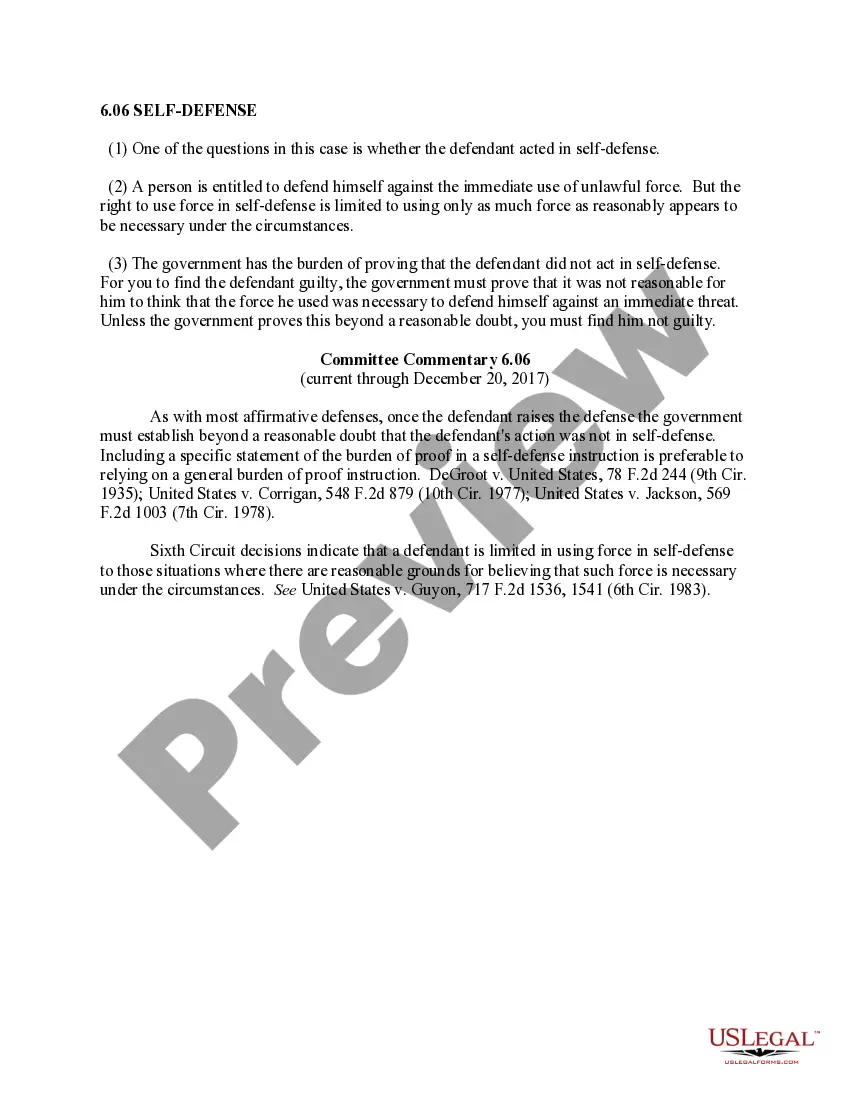
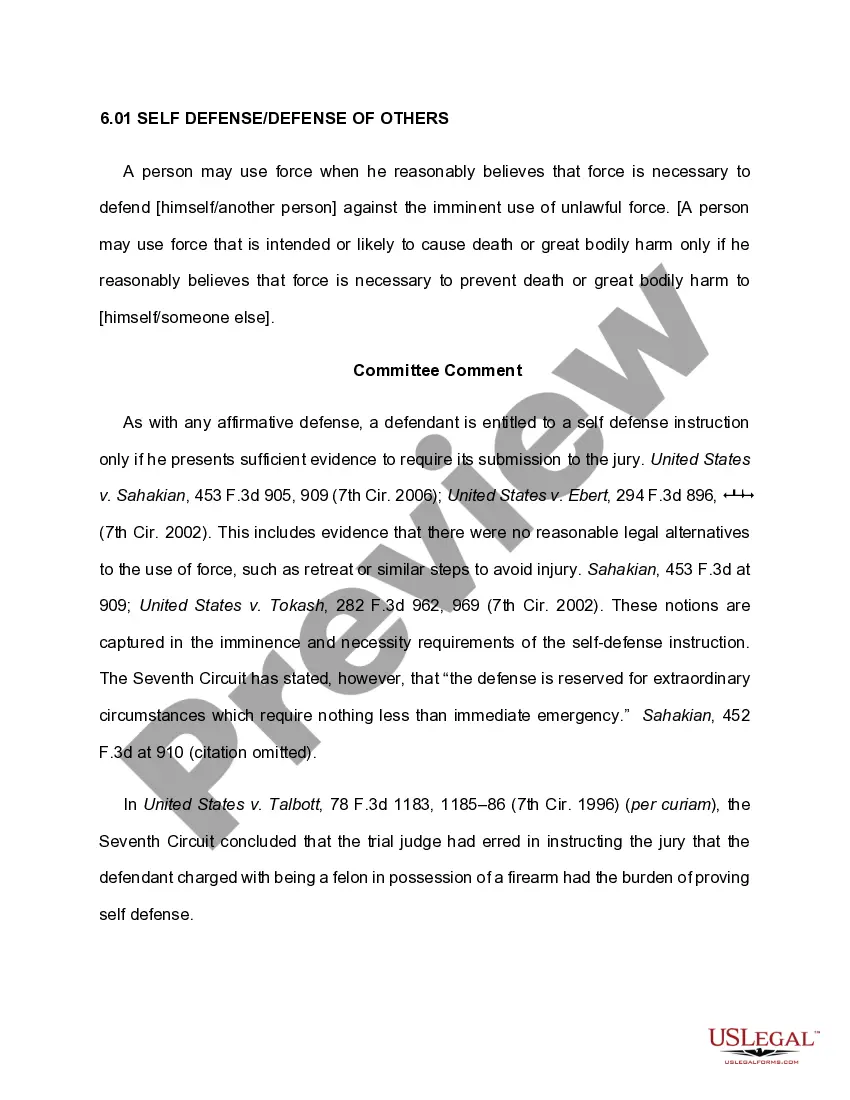
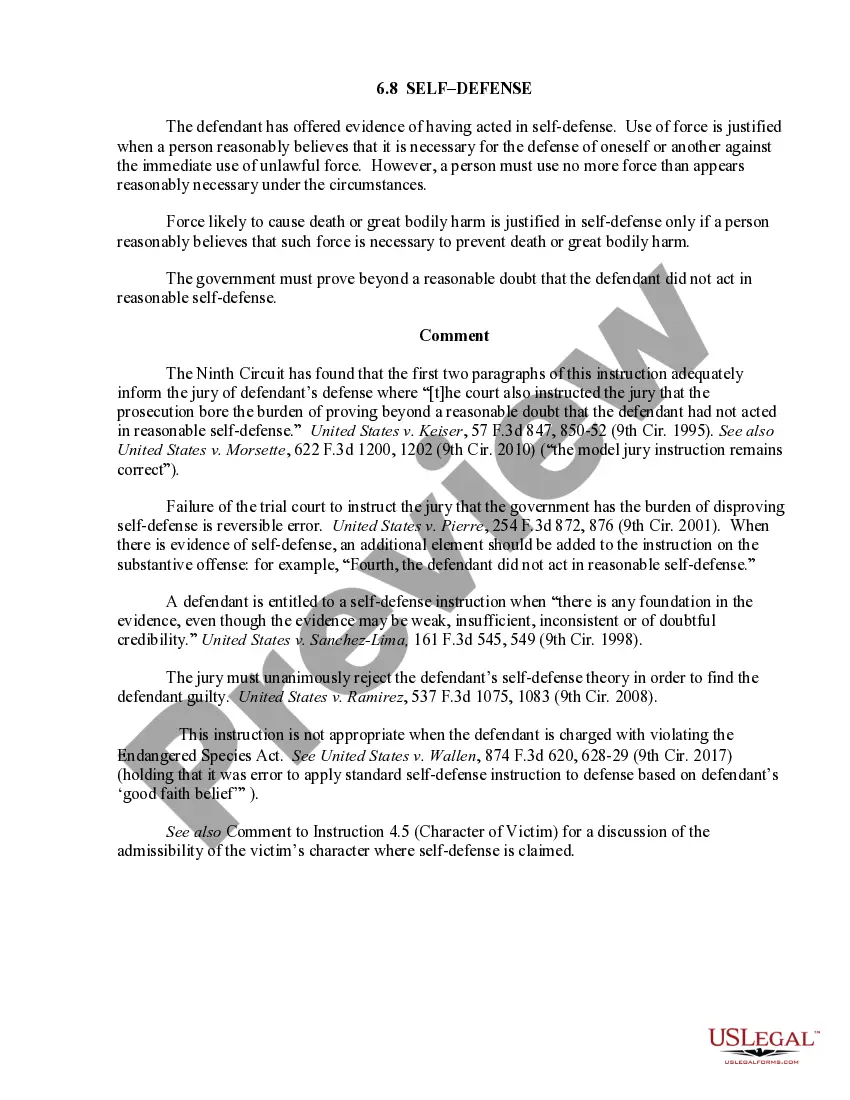
Get your form ready online
Our built-in tools help you complete, sign, share, and store your documents in one place.
Make edits, fill in missing information, and update formatting in US Legal Forms—just like you would in MS Word.
Download a copy, print it, send it by email, or mail it via USPS—whatever works best for your next step.
Sign and collect signatures with our SignNow integration. Send to multiple recipients, set reminders, and more. Go Premium to unlock E-Sign.
If this form requires notarization, complete it online through a secure video call—no need to meet a notary in person or wait for an appointment.
We protect your documents and personal data by following strict security and privacy standards.

Make edits, fill in missing information, and update formatting in US Legal Forms—just like you would in MS Word.

Download a copy, print it, send it by email, or mail it via USPS—whatever works best for your next step.

Sign and collect signatures with our SignNow integration. Send to multiple recipients, set reminders, and more. Go Premium to unlock E-Sign.

If this form requires notarization, complete it online through a secure video call—no need to meet a notary in person or wait for an appointment.

We protect your documents and personal data by following strict security and privacy standards.
Looking for another form?




How to fill out Self-Defense - Assault?
It is feasible to spend hours online attempting to locate the valid document template that meets the federal and state requirements you need.
US Legal Forms provides a vast array of authentic forms that have been reviewed by professionals.
You can easily download or print the South Carolina Self-Defense - Assault from this service.
If you wish to find another version of your form, use the Lookup field to find the template that suits your needs and requirements.
- If you already have a US Legal Forms account, you can Log In and click the Obtain button.
- After that, you can complete, modify, print, or sign the South Carolina Self-Defense - Assault.
- Every legitimate document template you acquire is yours indefinitely.
- To get another copy of any obtained form, go to the My documents tab and click the relevant button.
- If you are visiting the US Legal Forms website for the first time, follow the simple instructions below.
- First, ensure you have selected the correct document template for the state/town of your choice.
- Read the form description to confirm you have chosen the correct form.
- If available, use the Preview button to view the document template as well.
Form popularity
FAQ
(A) A person who uses deadly force as permitted by the provisions of this article or another applicable provision of law is justified in using deadly force and is immune from criminal prosecution and civil action for the use of deadly force, unless the person against whom deadly force was used is a law enforcement ...
16-11-580 Cutting, removing, or transporting timber, logs, or lumber without permission; 54-13-30 Trespassing on privately owned docks unlawful, posting of notice.
South Carolina has a stand your ground law which removes the duty to retreat before using deadly force in self-defense when a person is not engaged in unlawful activity and is in a place where he or she has a right to be.
(C) A person who is not engaged in an unlawful activity and who is attacked in another place where he has a right to be, including, but not limited to, his place of business, has no duty to retreat and has the right to stand his ground and meet force with force, including deadly force, if he reasonably believes it is ...
Section 16-11-520 - Malicious injury to tree, house, outside fence, or fixture; trespass upon real property (A) It is unlawful for a person to wilfully and maliciously cut, mutilate, deface, or otherwise injure a tree, house, outside fence, or fixture of another or commit any other trespass upon real property of ...
It is unlawful for a person to challenge another to fight with a sword, pistol, rapier, or any other deadly weapon or to accept a challenge. A person who violates the provisions of this section is guilty of a misdemeanor and, upon conviction, must be imprisoned not more than two years.
Under the Stand Your Ground Laws in North Carolina, the use of force is authorized in the defense of self or others if reasonable. Furthermore, the victim of aggression in certain circumstances is not required to ?retreat.? You may, quite literally, ?Stand Your Ground.?
(C) A person who is not engaged in an unlawful activity and who is attacked in another place where he has a right to be, including, but not limited to, his place of business, has no duty to retreat and has the right to stand his ground and meet force with force, including deadly force, if he reasonably believes it is ...