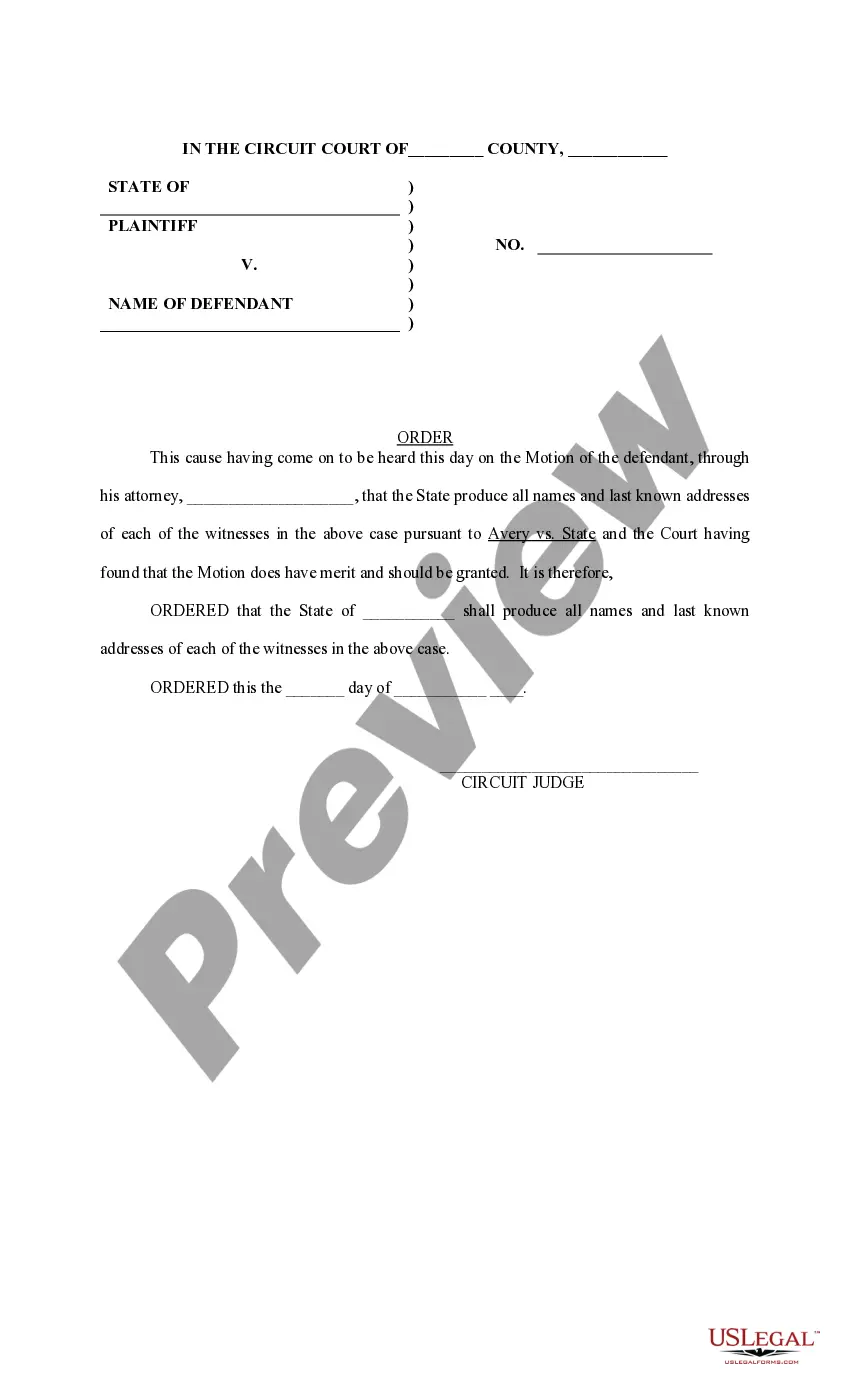
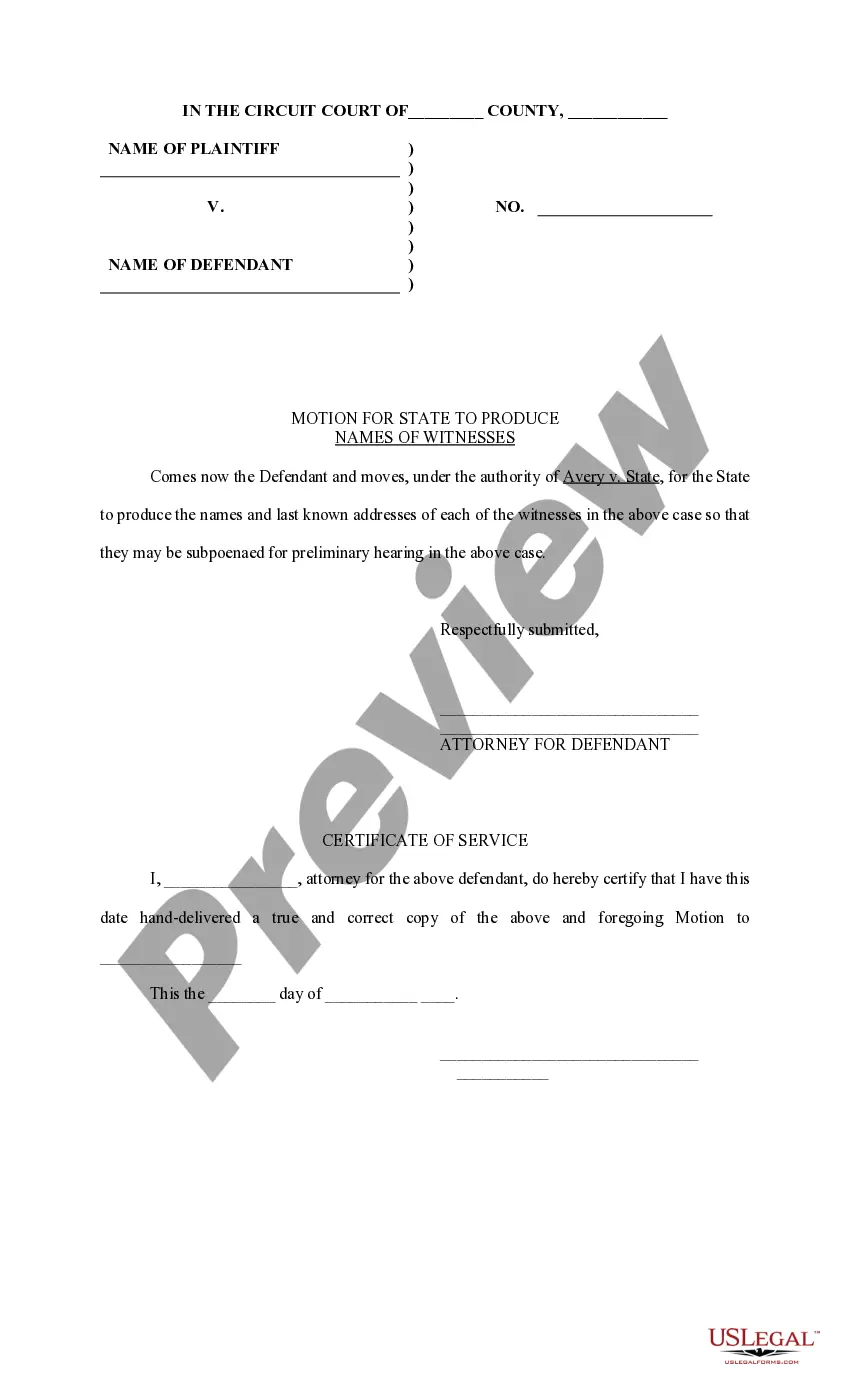
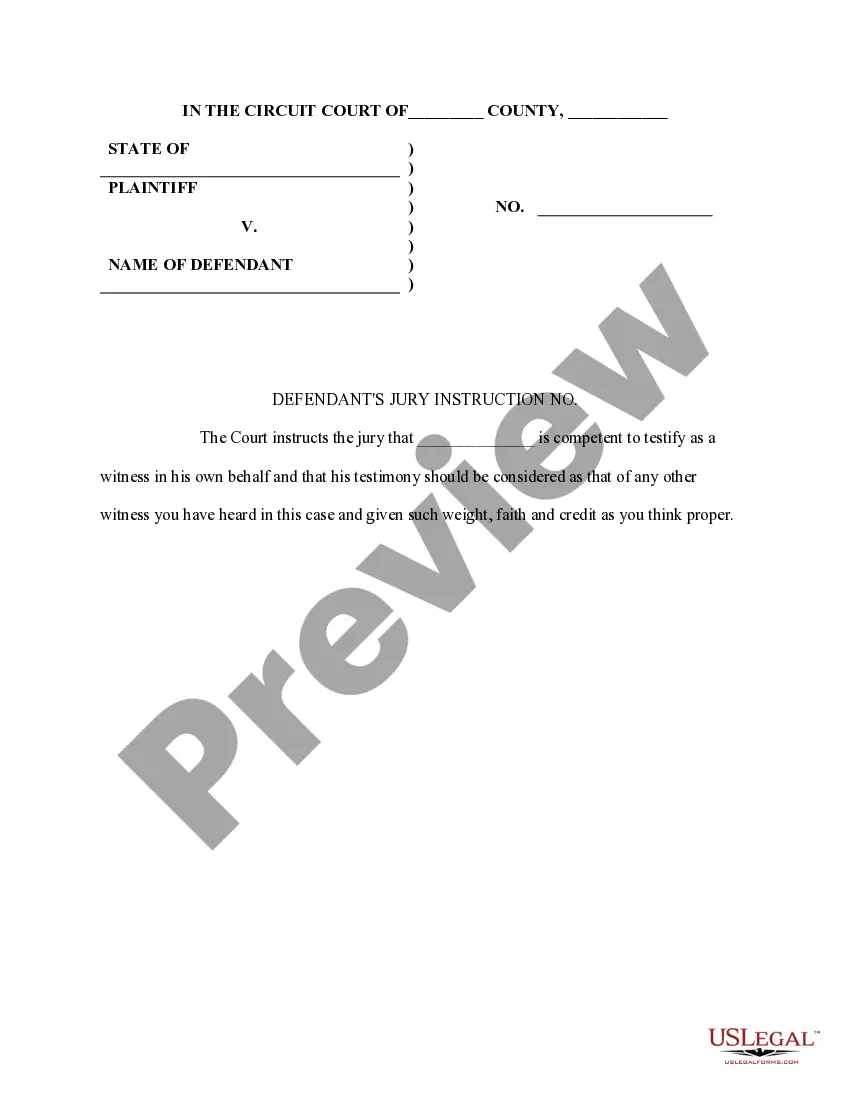
South Carolina Order to Disclose Witnesses
Description
Get your form ready online
Our built-in tools help you complete, sign, share, and store your documents in one place.
Make edits, fill in missing information, and update formatting in US Legal Forms—just like you would in MS Word.
Download a copy, print it, send it by email, or mail it via USPS—whatever works best for your next step.
Sign and collect signatures with our SignNow integration. Send to multiple recipients, set reminders, and more. Go Premium to unlock E-Sign.
If this form requires notarization, complete it online through a secure video call—no need to meet a notary in person or wait for an appointment.
We protect your documents and personal data by following strict security and privacy standards.

Make edits, fill in missing information, and update formatting in US Legal Forms—just like you would in MS Word.

Download a copy, print it, send it by email, or mail it via USPS—whatever works best for your next step.

Sign and collect signatures with our SignNow integration. Send to multiple recipients, set reminders, and more. Go Premium to unlock E-Sign.

If this form requires notarization, complete it online through a secure video call—no need to meet a notary in person or wait for an appointment.

We protect your documents and personal data by following strict security and privacy standards.
Looking for another form?
How to fill out Order To Disclose Witnesses?
Are you currently in a situation where you frequently require documents for business or specific purposes.
There are numerous legal document templates available online, but locating reliable ones can be challenging.
US Legal Forms offers thousands of document templates, including the South Carolina Order to Disclose Witnesses, which are designed to comply with state and federal regulations.
Utilize US Legal Forms, the most extensive collection of legal documents, to save time and avoid errors.
The service provides properly crafted legal document templates that can be used for various purposes. Create an account on US Legal Forms and start making your life easier.
- If you are already acquainted with the US Legal Forms website and have an account, simply Log In.
- Then, you can download the South Carolina Order to Disclose Witnesses template.
- If you do not have an account and wish to start using US Legal Forms, follow these steps.
- Find the document you need and ensure it is for the correct city/state.
- Use the Preview button to review the document.
- Check the description to ensure you have selected the right document.
- If the document is not what you are looking for, use the Search field to find the document that meets your needs.
- Once you find the correct document, click Buy now.
- Choose the payment plan you prefer, fill in the required information to create your account, and pay for your order using your PayPal or credit card.
- Select a convenient document format and download your copy.
- Access all the document templates you have purchased in the My documents section. You can obtain an additional copy of the South Carolina Order to Disclose Witnesses anytime if needed. Just click on the desired document to download or print the template.
Form popularity
FAQ
Each interrogatory shall be answered separately and fully in writing under oath, unless it is objected to, in which event the reasons for objection shall be stated in lieu of an answer. The answers are to be signed by the person making them, and the objections signed by the attorney making them.
Any party may serve on any other party a request (1) to produce and permit the party making the request, or someone acting on his behalf, to inspect and copy, any designated documents, or electronically stored information (including writings, drawings, graphs, charts, photographs, phonorecords, and other data ...
RULE 702 If scientific, technical, or other specialized knowledge will assist the trier of fact to understand the evidence or to determine a fact in issue, a witness qualified as an expert by knowledge, skill, experience, training, or education, may testify thereto in the form of an opinion or otherwise.
Specifically, Rule 5 of the South Carolina Rules of Criminal Procedure provides that, upon request by you, the prosecution has to provide you with or let you inspect any statements you've made, your prior criminal history, any books, papers, documents, photographs, tangible objects, buildings or places, which are under ...
Discovery Rule specifics in South Carolina As noted, the discovery rule provides that any statute of limitations does not begin to run until the victim learns of his or her injury/injuries OR until he or she reasonably should have learned of the injury.
This Rule 33(a) is the language of current Federal Rule except the first line. This language permits interrogatories to any party, not just an adverse party, and increases the time within which a party may object or respond to 30 days. (b) Standard Interrogatories.
Interrogatories to Parties (a) In General. (1) Availability. Unless otherwise stipulated or ordered by the court, a party may serve on any other party no more than 25 written interrogatories, including all discrete subparts.
Extrinsic evidence of a prior inconsistent statement by a witness is not admissible unless the witness is advised of the substance of the statement, the time and place it was allegedly made, and the person to whom it was made, and is given the opportunity to explain or deny the statement.