South Carolina Rule 5a Petition for Permission to Appeal Order Denying Motion to Bar Reprosecution Under Double Jeopardy Clause
Description
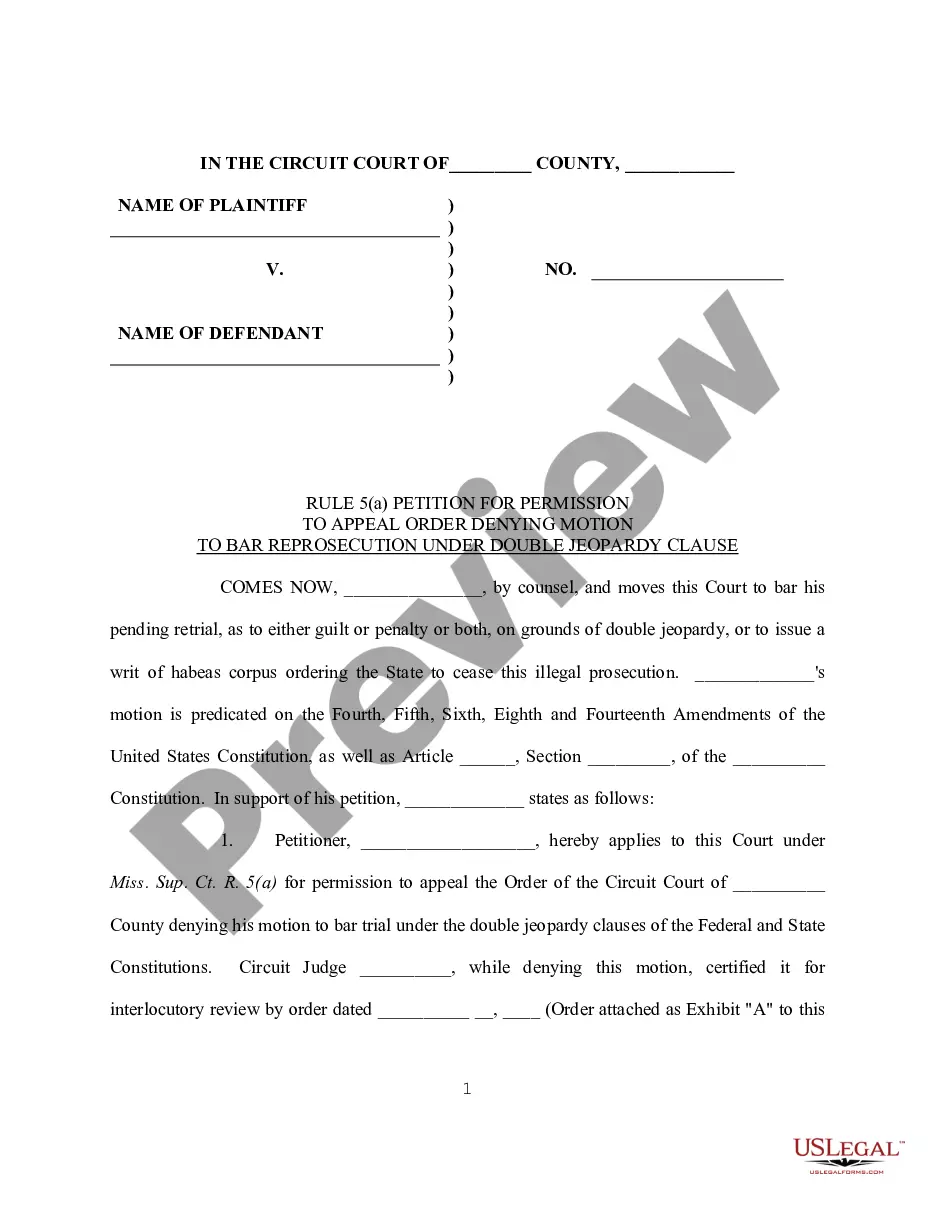
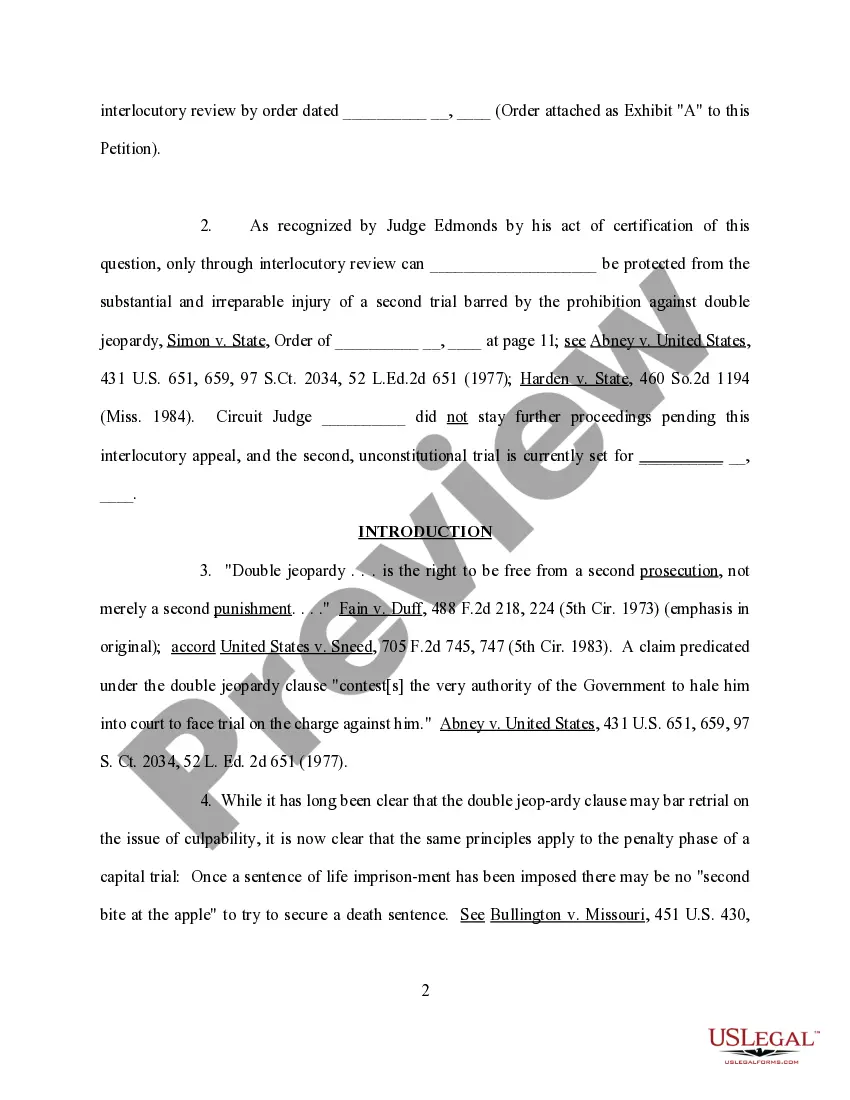
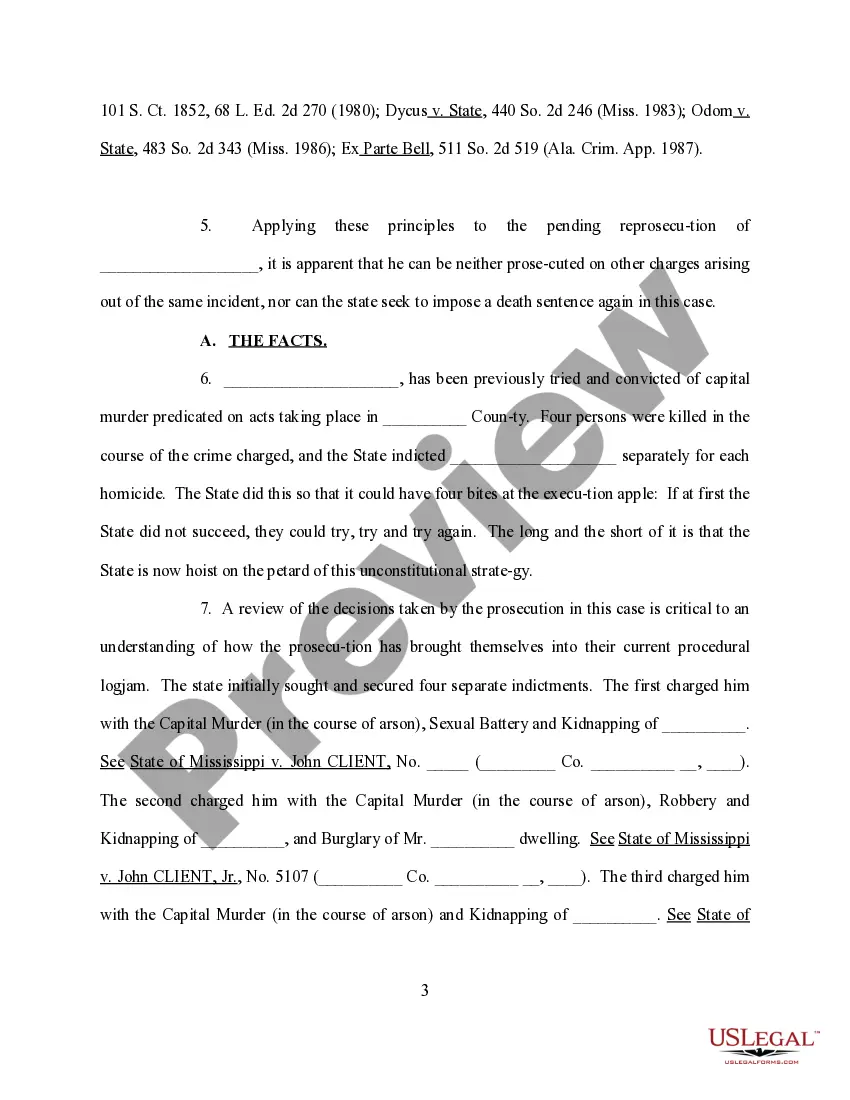
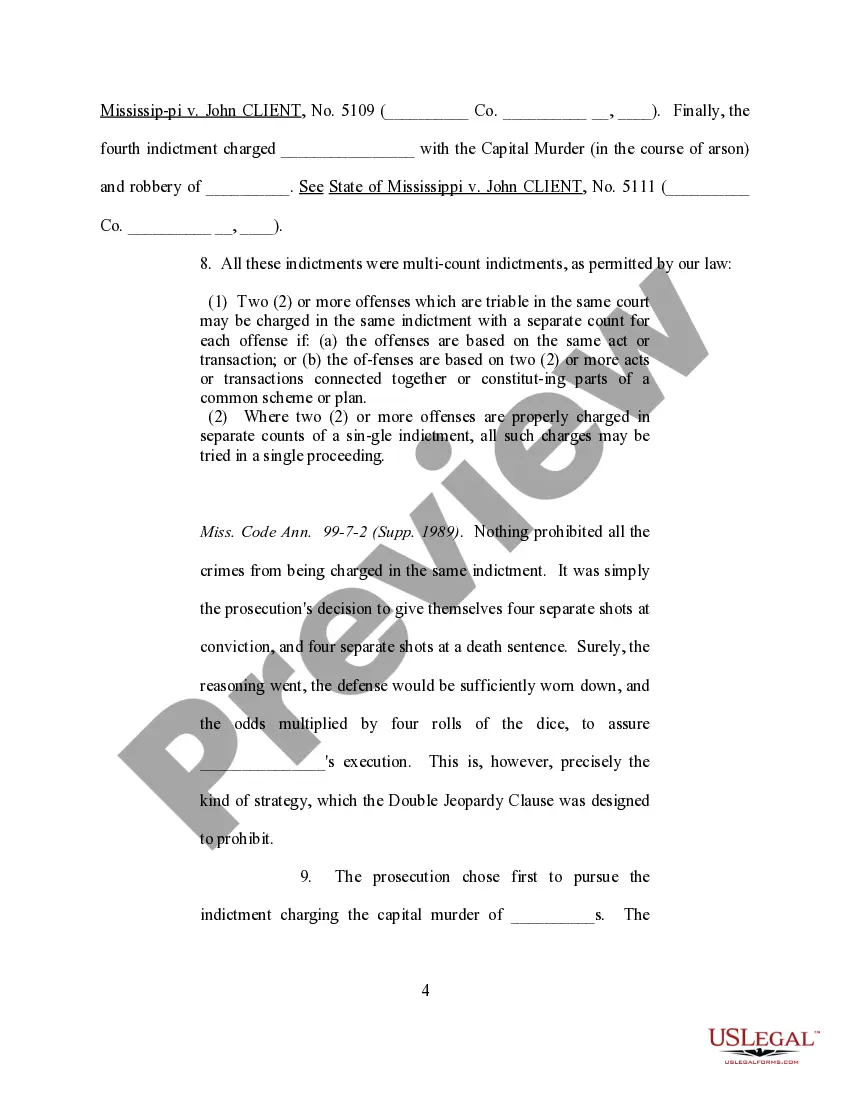
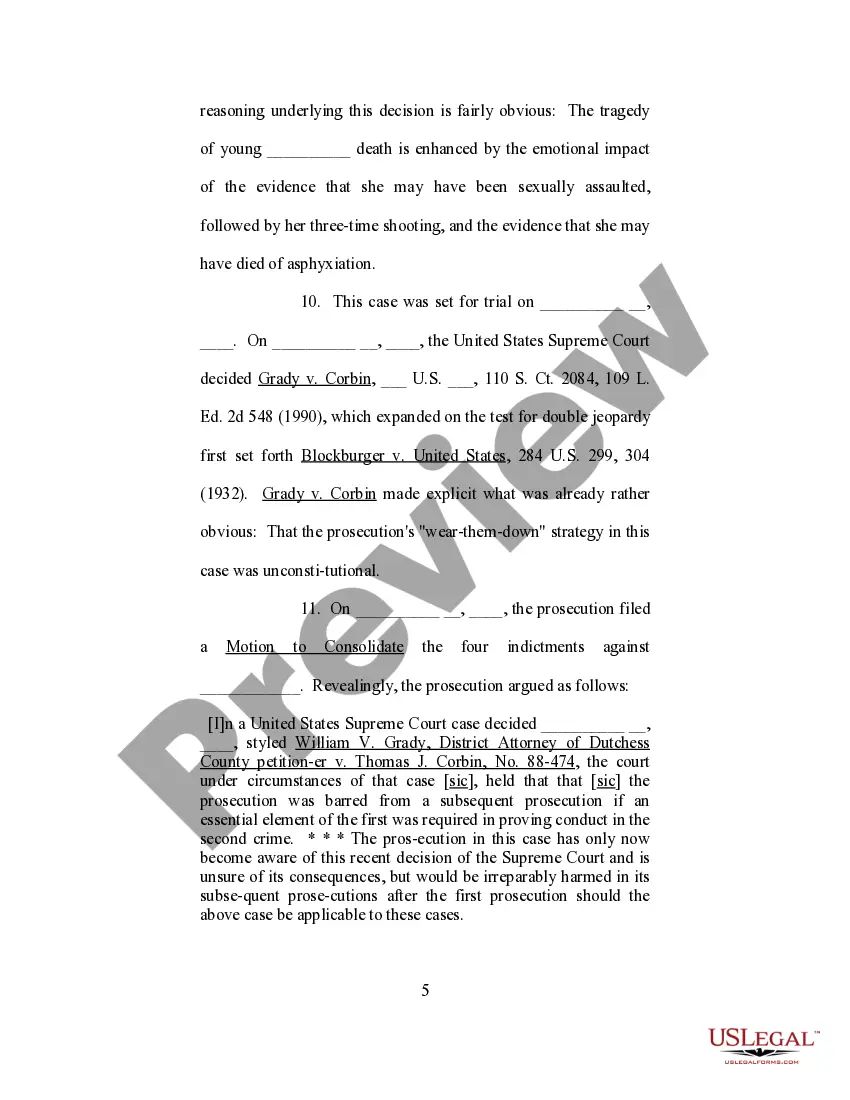
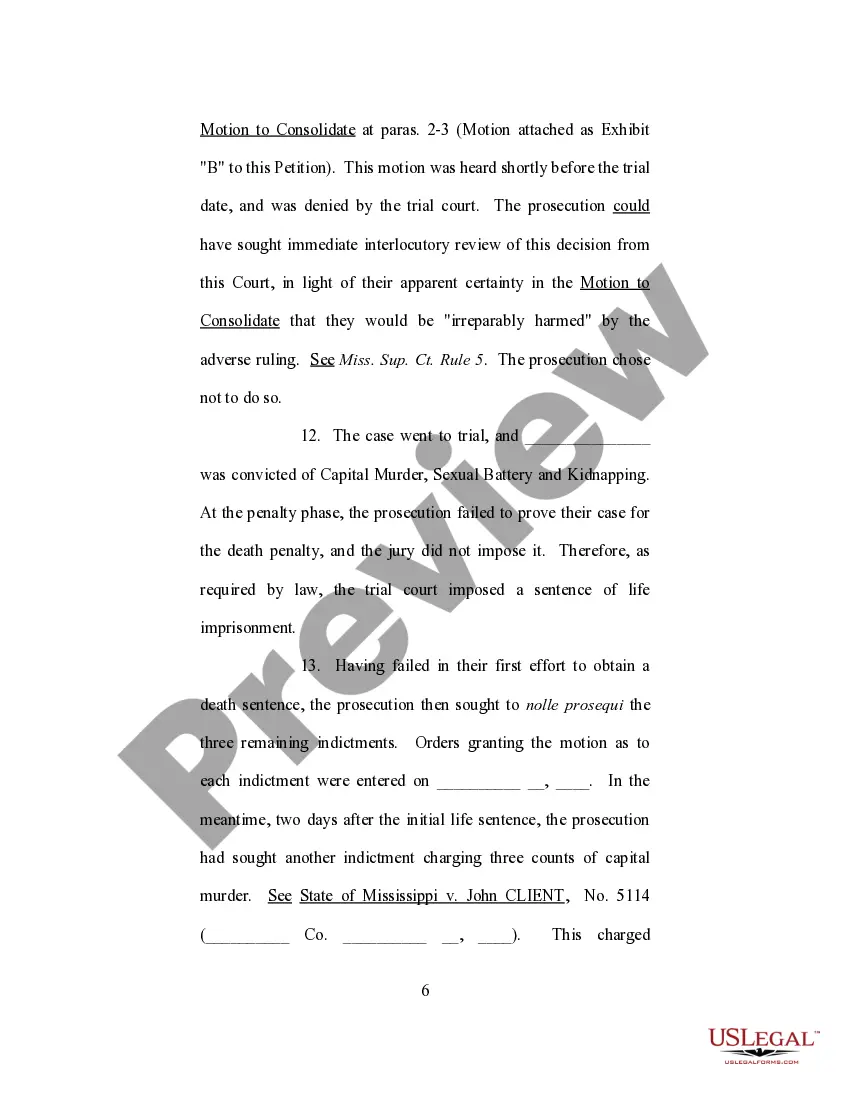
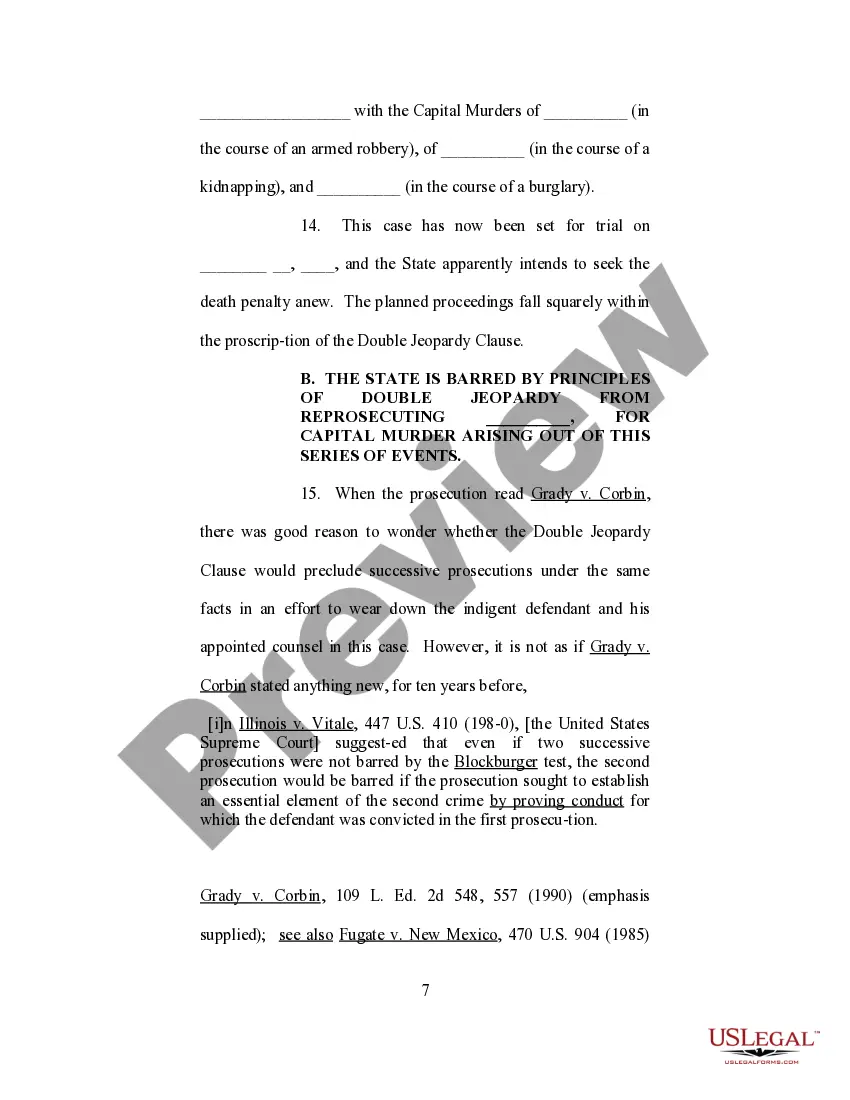
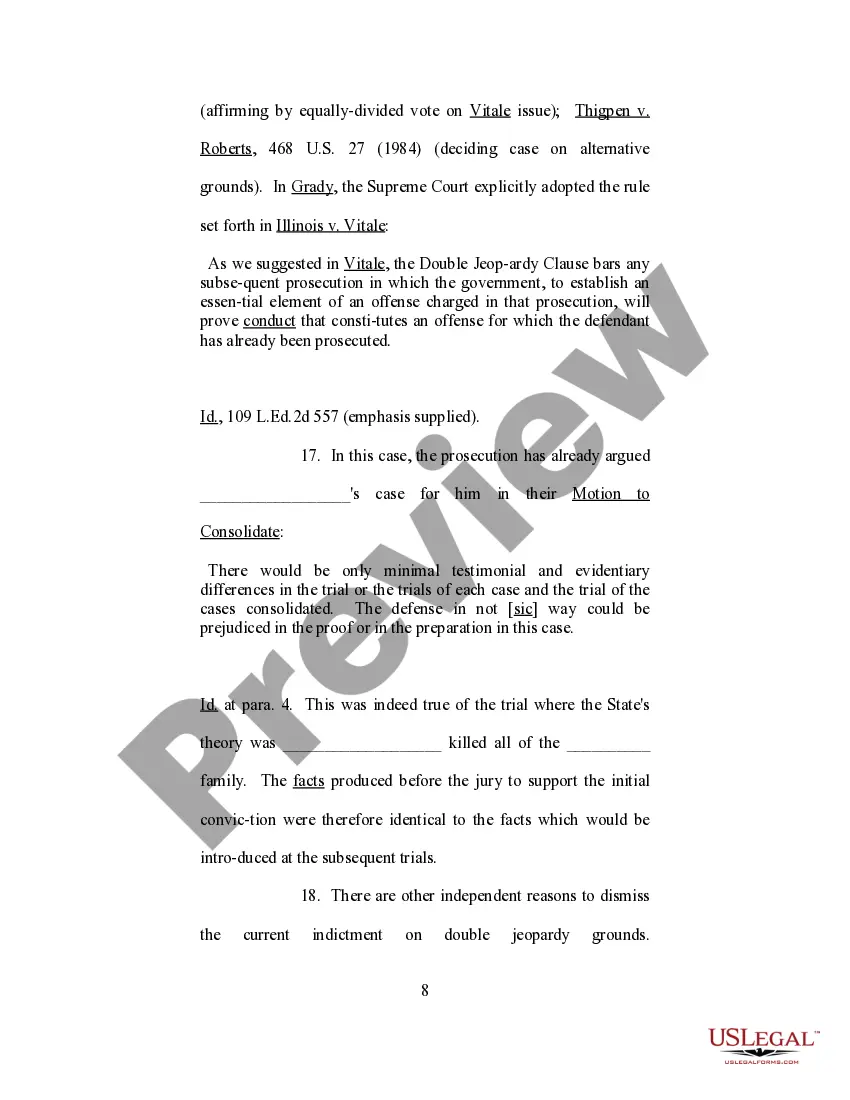

How to fill out Rule 5a Petition For Permission To Appeal Order Denying Motion To Bar Reprosecution Under Double Jeopardy Clause?
You might spend time online looking for the legal document template that meets the federal and state requirements you desire.
US Legal Forms offers a vast array of legal documents reviewed by experts.
You can easily obtain or create the South Carolina Rule 5a Petition for Permission to Appeal Order Denying Motion to Bar Reprosecution Under Double Jeopardy Clause through my services.
If available, use the Preview button to view the document template as well. To get another version of the document, use the Search section to find the template that fits your needs and requirements.
- If you already have a US Legal Forms account, you can sign in and click the Download button.
- After that, you can complete, modify, create, or sign the South Carolina Rule 5a Petition for Permission to Appeal Order Denying Motion to Bar Reprosecution Under Double Jeopardy Clause.
- Every legal document template you purchase is yours permanently.
- To obtain another copy of any purchased document, visit the My documents section and click the appropriate button.
- If you are using the US Legal Forms website for the first time, follow the simple instructions below.
- First, ensure you have selected the correct document template for the state/city of your choice.
- Review the document description to make sure you have chosen the right form.
Form popularity
FAQ
?Duty to retreat? refers to a requirement to retreat from the threatening situation if you can do so with complete safety. South Carolina is considered a ?Stand Your Ground? state, meaning it is not required that people remove themselves from the situation before they are attacked.
The concept of double jeopardy is one of the oldest in Western civilization. While double jeopardy principles existed in ancient cultures, their exact origins are unclear. A state court decision, Stout v. State (1913), stated the doctrine was present in English common law.
The Fifth Amendment breaks down into five rights or protections: the right to a jury trial when you're charged with a crime, protection against double jeopardy, protection against self-incrimination, the right to a fair trial, and protection against the taking of property by the government without compensation.
The Double Jeopardy Clauses of the United States and South Carolina Constitutions protect citizens from being twice placed in jeopardy of life or liberty.
Pursuant to Chapter 9 of Title 17 in the South Carolina Code of Laws, the Governor of South Carolina is authorized to extradite a person in South Carolina who is charged with committing a criminal act in another state upon the demand of that state's executive authority.
In the 1969 decision Benton v. Maryland, the U.S. Supreme Court held that double jeopardy applies to state and federal prosecutions under the 14th Amendment doctrine of incorporation of rights. Perhaps the most significant exception to the application of the double jeopardy rule is the concept of dual sovereignty.
Cases - Double jeopardy Abbate v. United States. ... Abney v. United States. ... Alabama v. Smith. ... Albernaz v. United States. ... Almendarez-Torres v. United States. ... Arizona v. Rumsey. ... Arizona v. Washington. ... Ashe v. Swenson.
