South Carolina Covenants and Restrictions for Developer
Understanding this form
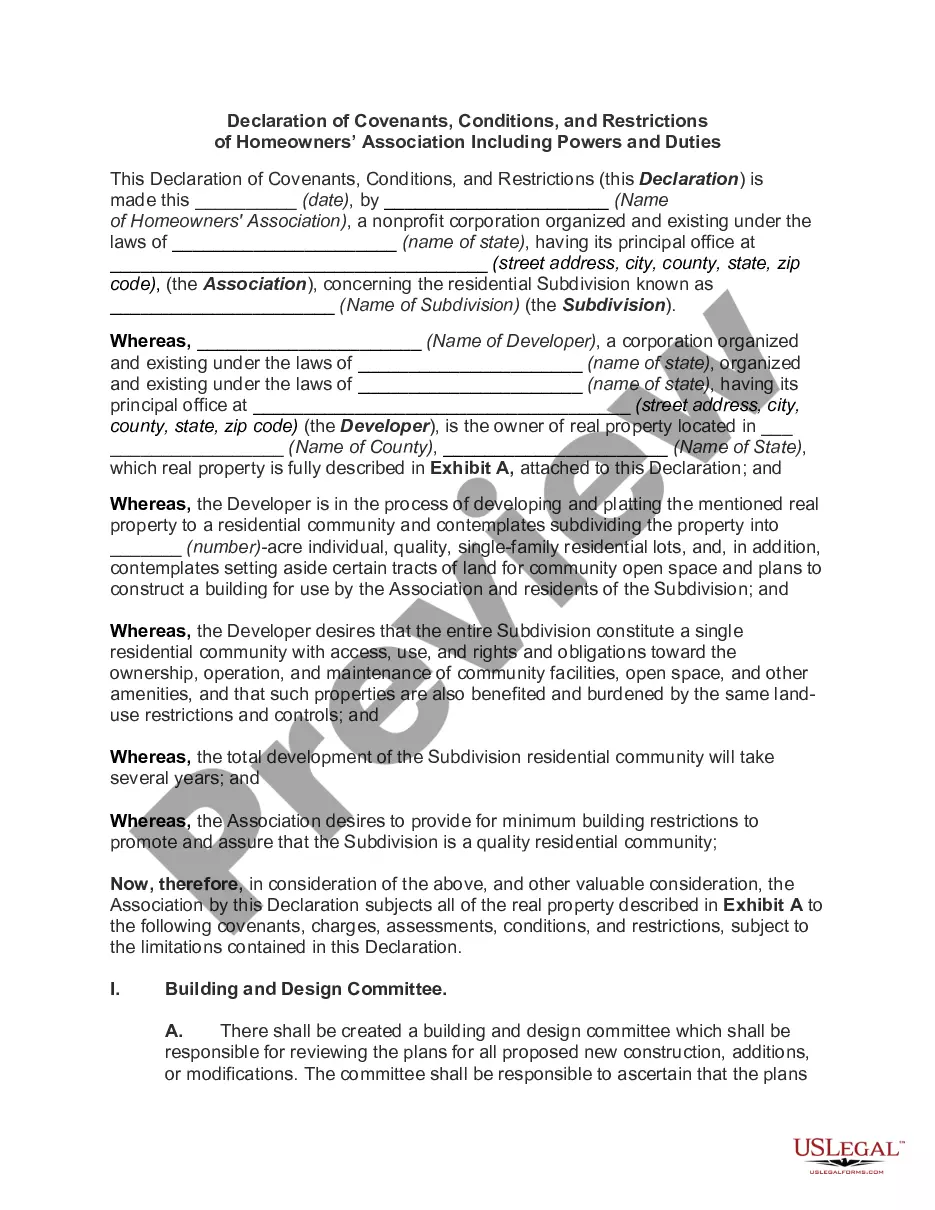
The Covenants and Restrictions for Developer is a legal document that outlines the rules and agreements governing the use of real property in a development. This form serves to create and enforce specific restrictions that lot owners must adhere to, establishing a framework for community living. Designed for developers and lot owners, this agreement differentiates itself by ensuring that both parties agree to the terms that promote consistent use and maintenance of the residential areas involved.
What’s included in this form
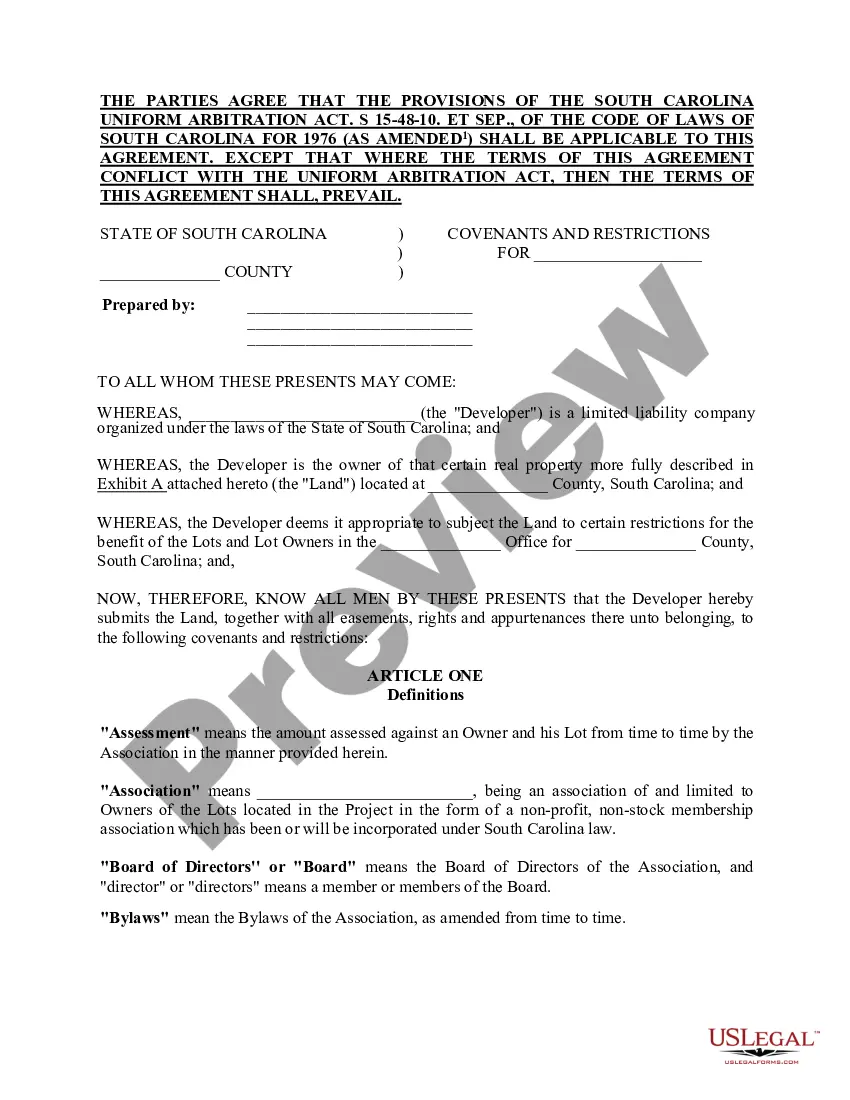
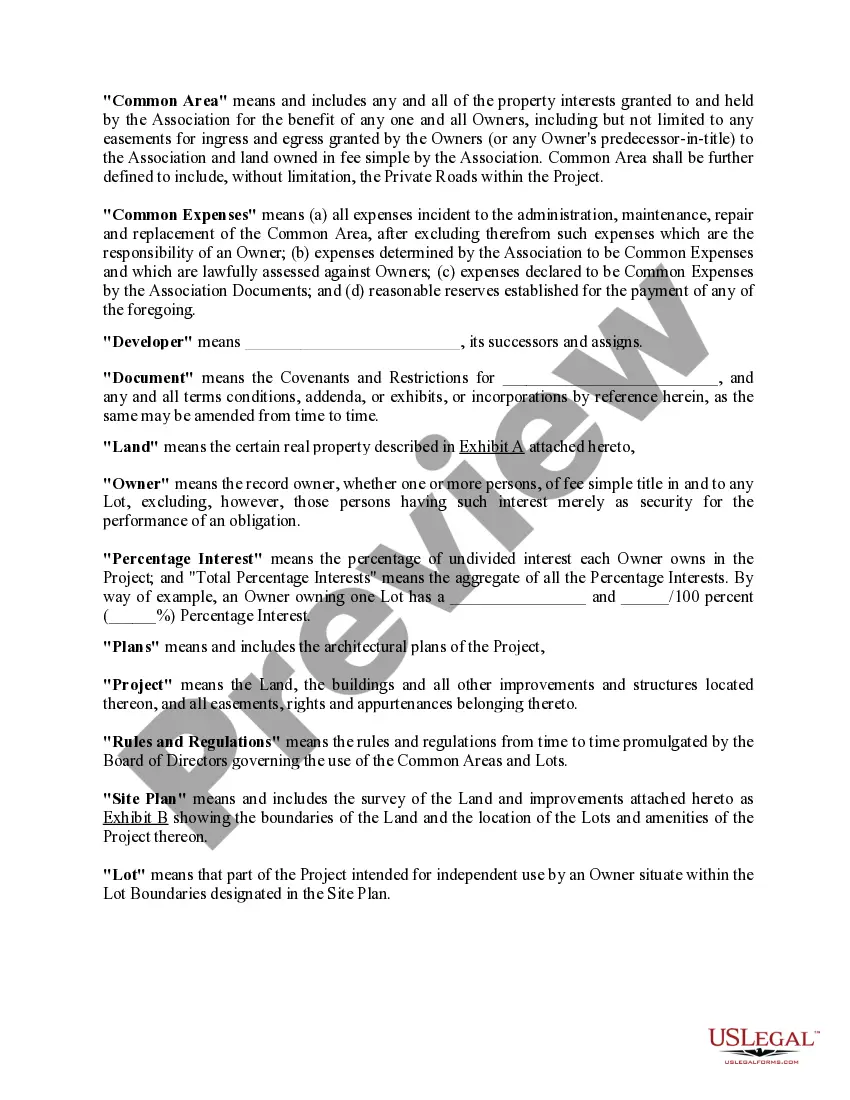
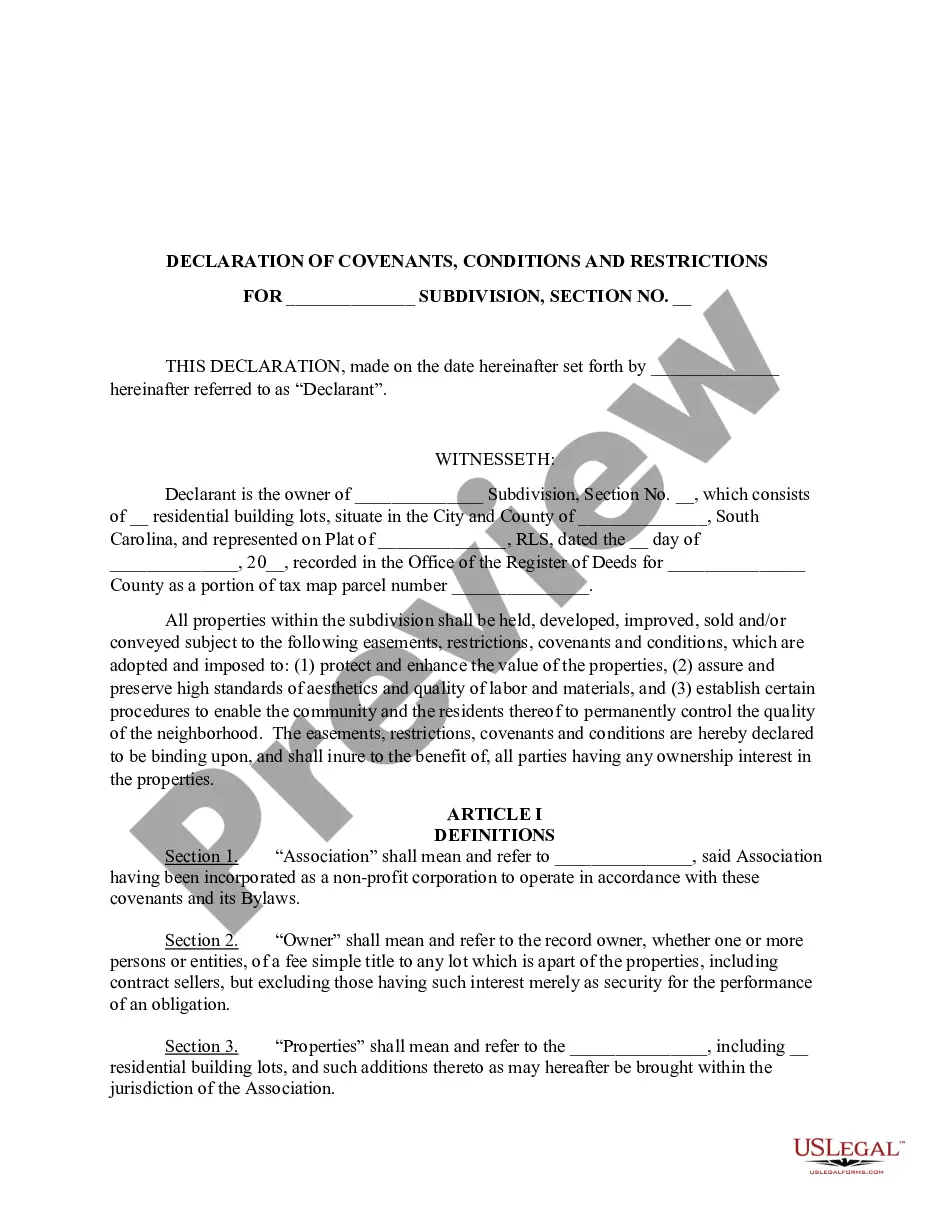
- Definitions: Clarifies key terms essential for understanding the agreement.
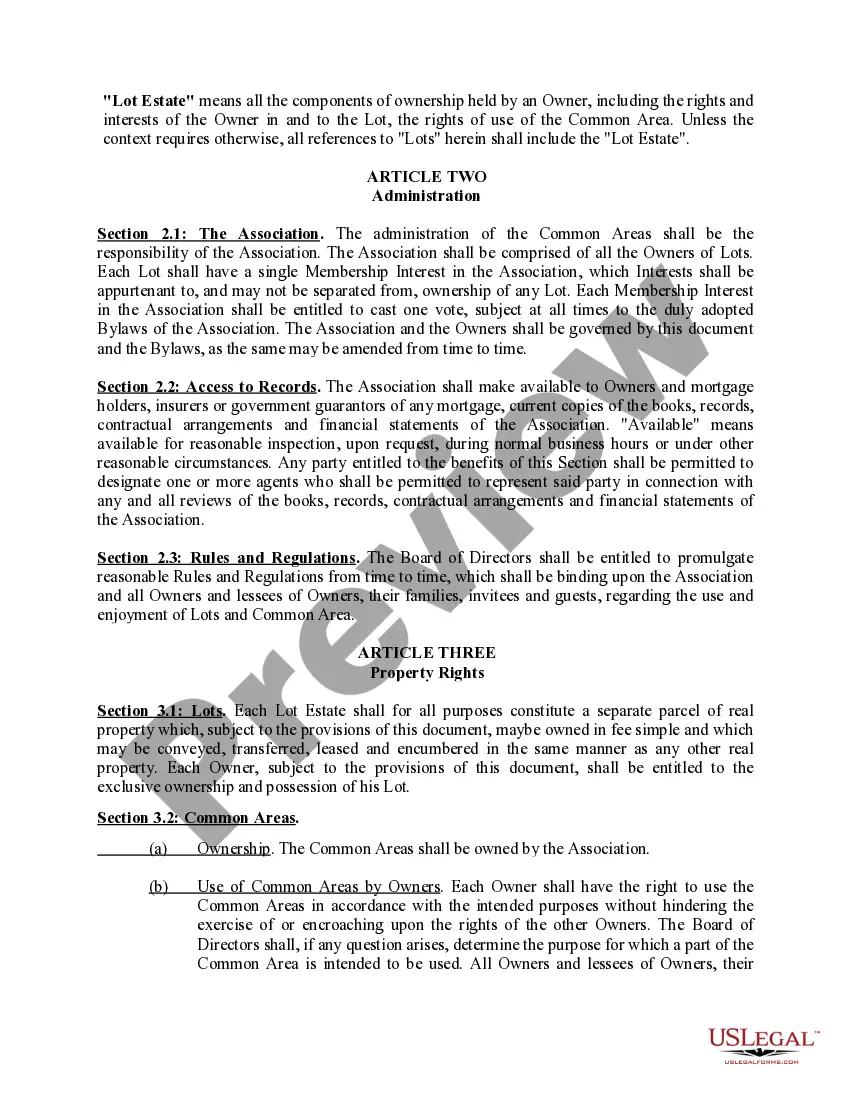
- Administration: Details the role and responsibilities of the Association that manages the common areas.
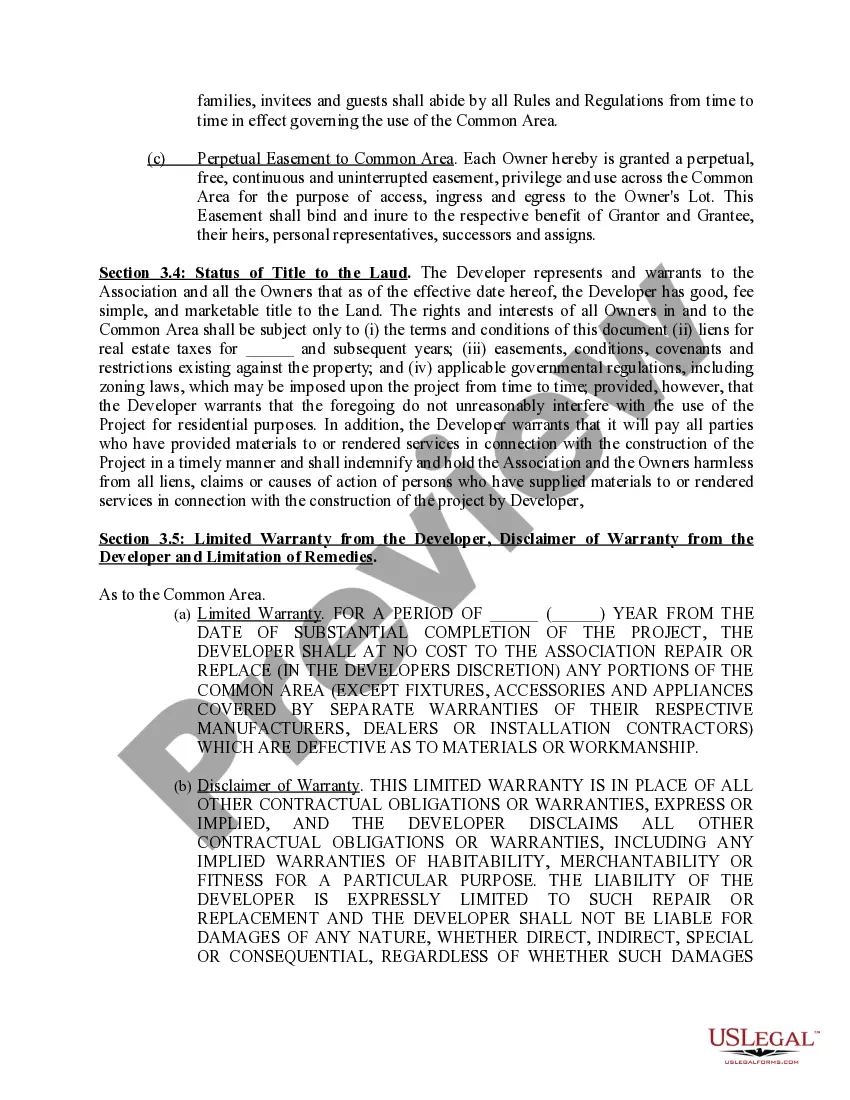
- Property Rights: Outlines the ownership structure and rights associated with lots and common areas.
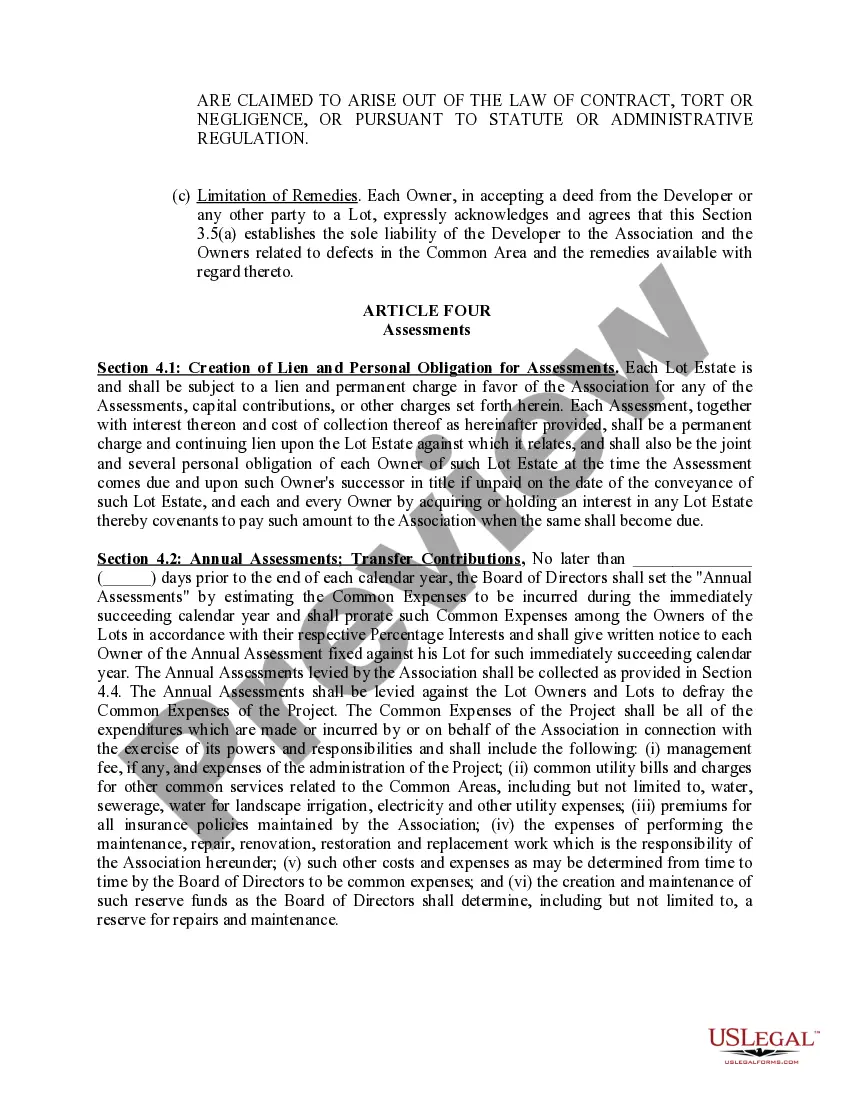
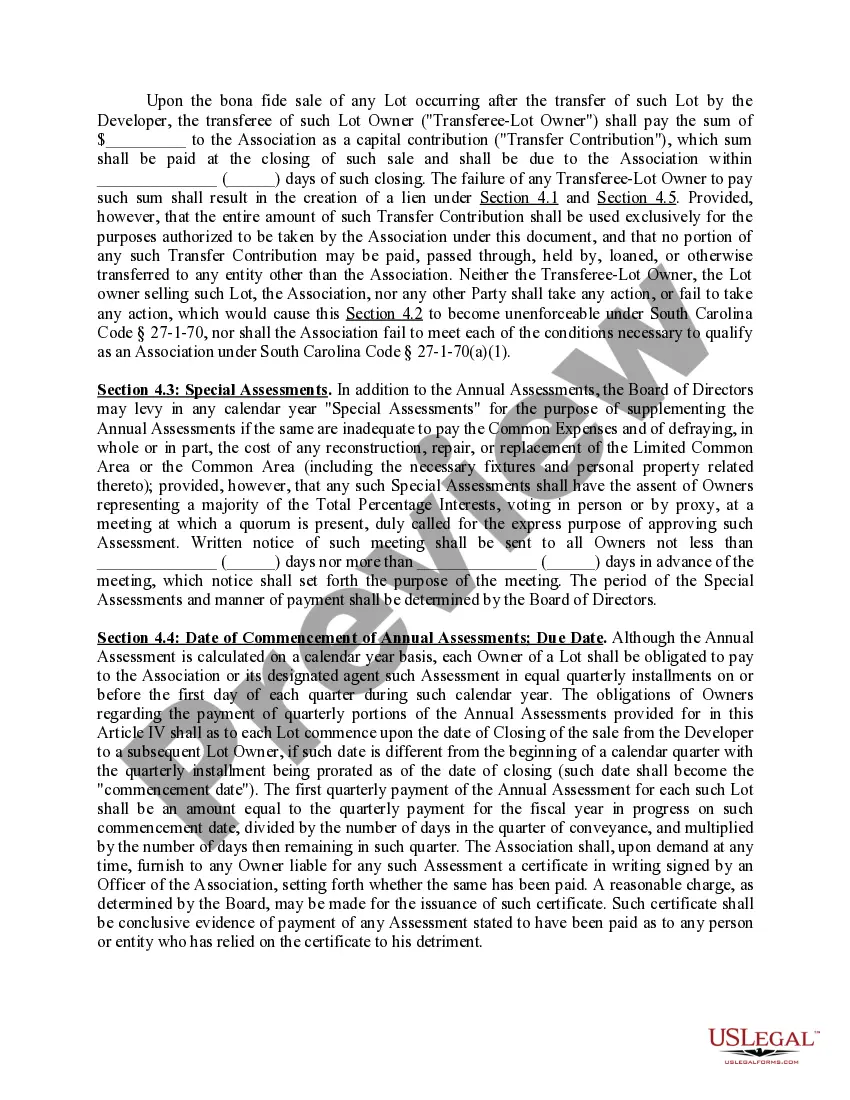
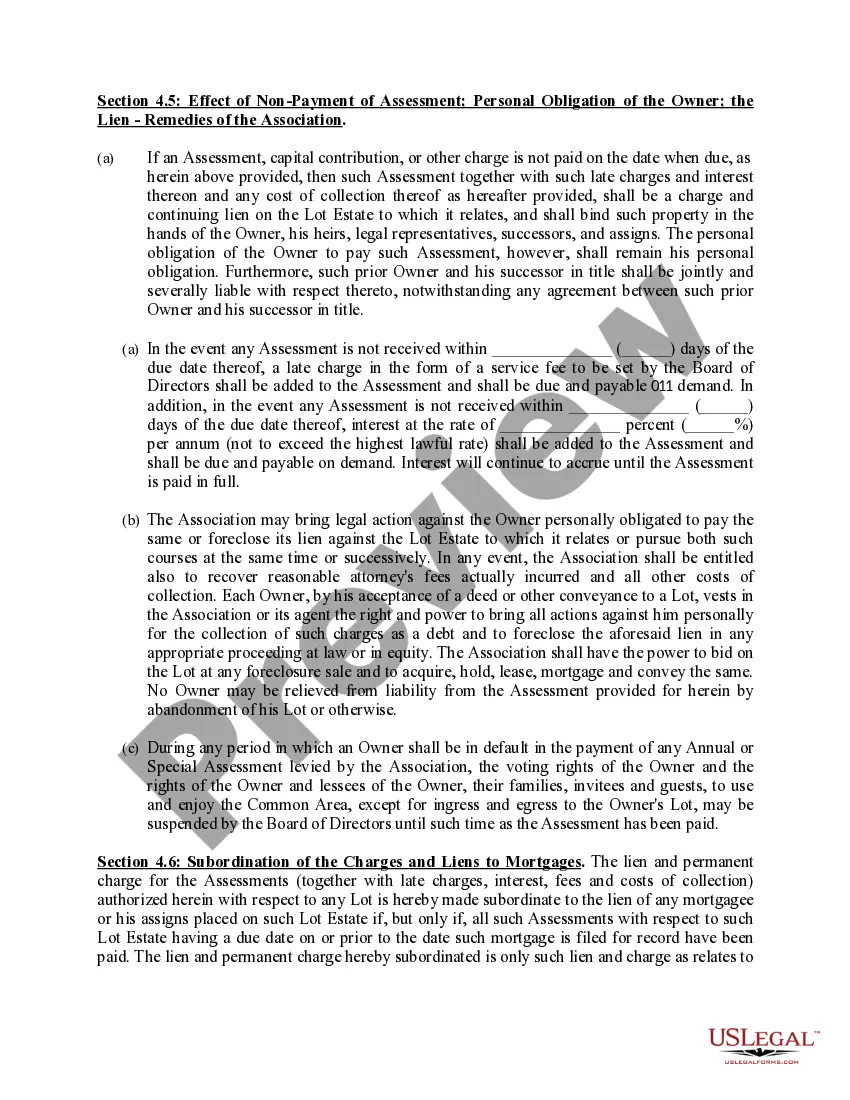
- Assessments: Explains the financial responsibilities of lot owners, including annual and special assessments.
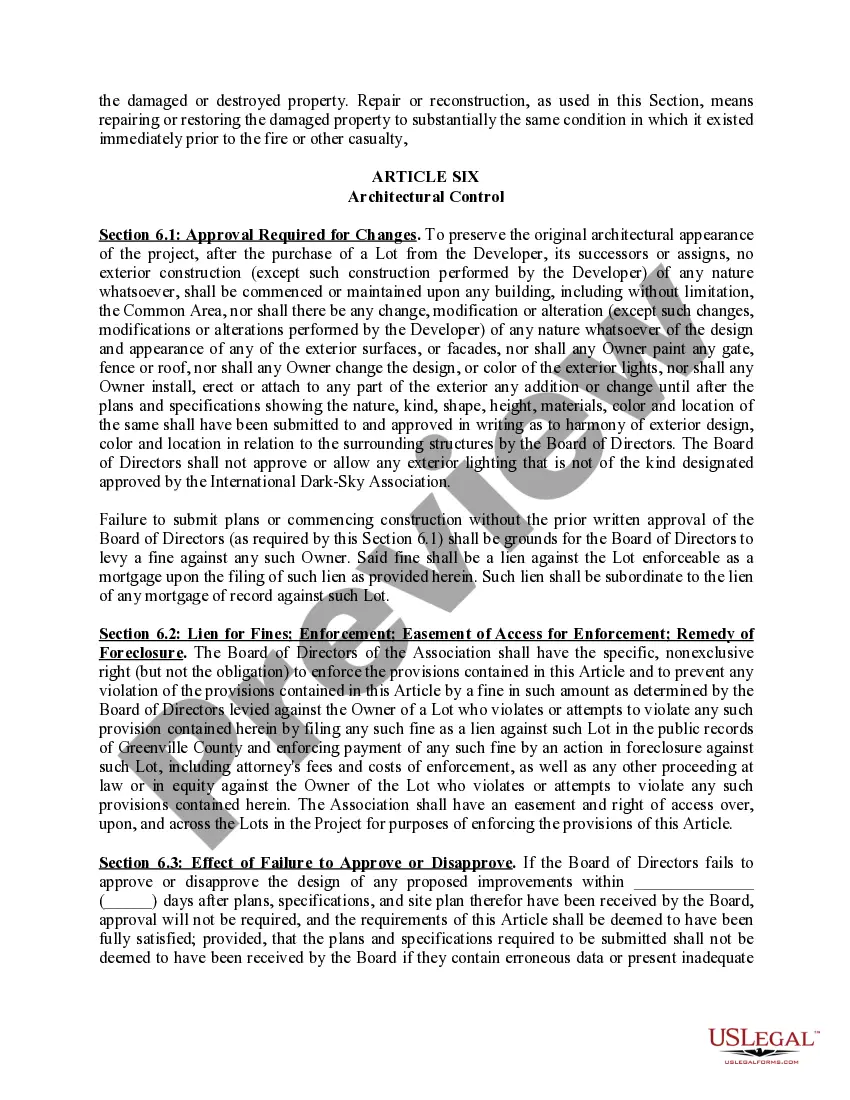
- Architectural Control: Establishes procedures for requesting changes to property exteriors to maintain aesthetic standards.
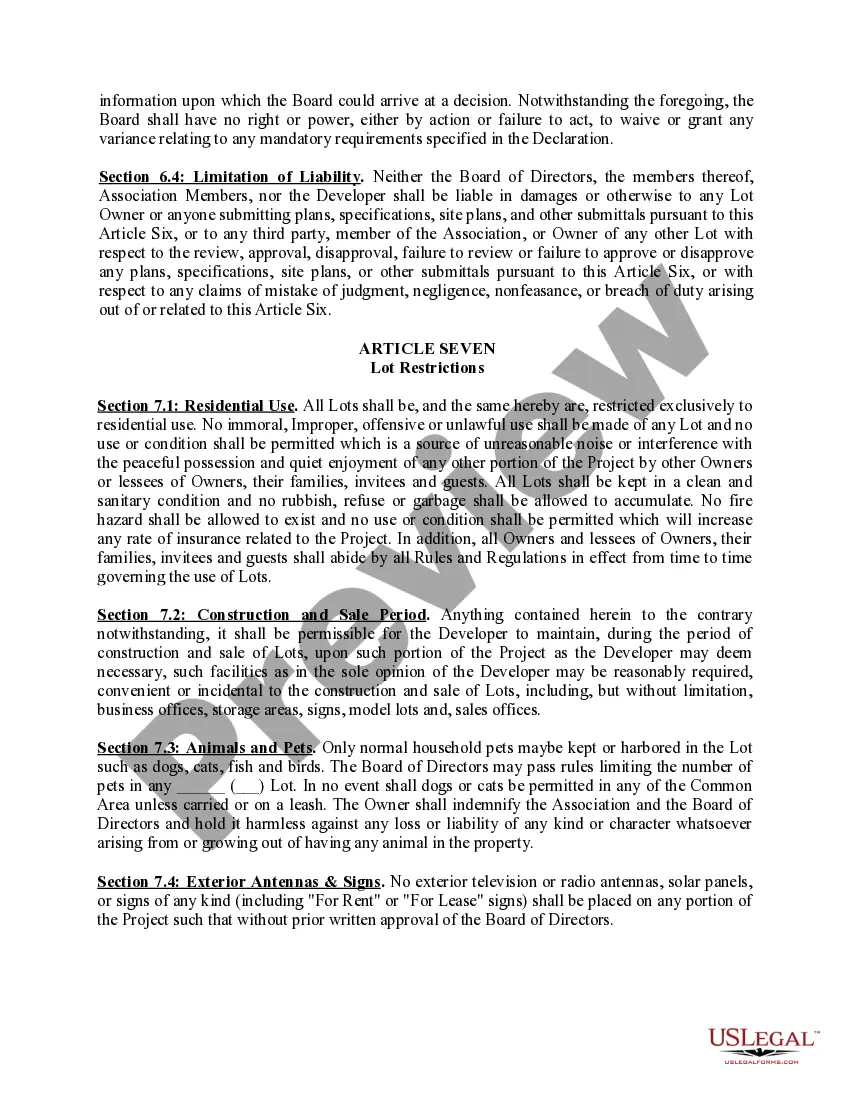
- Lot Restrictions: Specifies permissible and impermissible uses of each lot to prevent disturbances within the community.

When to use this document
This form should be used during the development phase of real estate projects when establishing a community or residential area. It is essential for developers looking to lay out clear guidelines for lot owners regarding property use, maintenance, and governance. Additionally, it is used when new owners acquire lots and need to be informed about their obligations and rights within the community.
Who should use this form
- Developers of residential properties who need to establish regulations for the community.
- Lot owners in a development who want to understand their rights and responsibilities.
- Real estate attorneys assisting clients in drafting or interpreting covenants and restrictions.
How to prepare this document
- Identify the parties involved, including the Developer and the Lot Owners.
- Specify the property being governed by the covenants, including its legal description.
- Outline the definitions of terms used throughout the document for clarity.
- Detail the rights and responsibilities of the Association in managing common areas.
- Include provisions regarding assessments and financial obligations of the lot owners.
- Ensure all signatures are obtained for the agreement to be legally binding.
Is notarization required?
This form does not typically require notarization unless specified by local law. However, having the document notarized may provide additional legal validation and security for all parties involved.
Get your form ready online
Our built-in tools help you complete, sign, share, and store your documents in one place.
Make edits, fill in missing information, and update formatting in US Legal Forms—just like you would in MS Word.
Download a copy, print it, send it by email, or mail it via USPS—whatever works best for your next step.
Sign and collect signatures with our SignNow integration. Send to multiple recipients, set reminders, and more. Go Premium to unlock E-Sign.
If this form requires notarization, complete it online through a secure video call—no need to meet a notary in person or wait for an appointment.
We protect your documents and personal data by following strict security and privacy standards.

Make edits, fill in missing information, and update formatting in US Legal Forms—just like you would in MS Word.

Download a copy, print it, send it by email, or mail it via USPS—whatever works best for your next step.

Sign and collect signatures with our SignNow integration. Send to multiple recipients, set reminders, and more. Go Premium to unlock E-Sign.

If this form requires notarization, complete it online through a secure video call—no need to meet a notary in person or wait for an appointment.

We protect your documents and personal data by following strict security and privacy standards.
Typical mistakes to avoid
- Failure to clearly define key terms, leading to misunderstandings between parties.
- Neglecting to specify property boundaries, which can cause disputes among lot owners.
- Ignoring local legal requirements and regulations that may affect the enforceability of the document.
- Omitting signatures of all necessary parties, which may invalidate the agreement.
Benefits of completing this form online
- Convenient access to professionally drafted legal templates from licensed attorneys.
- Ability to edit and customize the form to meet specific development needs.
- Fast and secure downloading for immediate implementation.
Looking for another form?


Form popularity
FAQ
Are neighborhood covenants enforceable? Generally speaking, yes. Both HOA covenants and rules are legally binding and enforceable.
In respect of covenants, for them to be enforceable, both the benefit and burden must run in common law or both must run in equity. So if the benefit runs in common law but the burden only runs in equity (or vice versa) the covenant will not be enforceable.
Restrictive covenant indemnity insurance can only be obtained when a covenant has been breached for at least 12 months without complaint, but once procured the policy will last in perpetuity and can usually be passed on to future owners of the property.
While bylaws are generally mutually agreed upon governing rules for an organization or business, covenants are usually long-term promises to do something or refrain from action that may last for several generations.
If a neighbour threatens to breach a restrictive covenant binding on them you will probably want to obtain an injunction to prevent breach rather than simply claim monetary compensation.Generally only the owner of land which was, or was part of, the land intended to be benefited by the covenant, can enforce it.
The CC&Rs set out the rules of the HOA community. They describe the requirements and limitations of what you can do with your property. The goal of the CC&Rs is to protect, preserve, and enhance property values in the community. The bylaws, on the other hand, govern how the HOA operates.
Generally speaking, yes. Both HOA covenants and rules are legally binding and enforceable. There are some exceptions to this statement, though. Some rules can be unenforceable.
Federal and State Laws and Statutes The laws of the land take precedence over all other HOA documents. State laws come before local laws, while federal laws outweigh everything else. Whether you're drafting your governing documents or deciding which one to follow, it's important to always check the law first.
Civil Code often allows homeowners the right to enforce their community's CC&Rs against their neighbors, even in the absence of a functioning HOA. In many states, it is possible for individual homeowners to enforce CC&Rs if the HOA is unable or unwilling to do so.