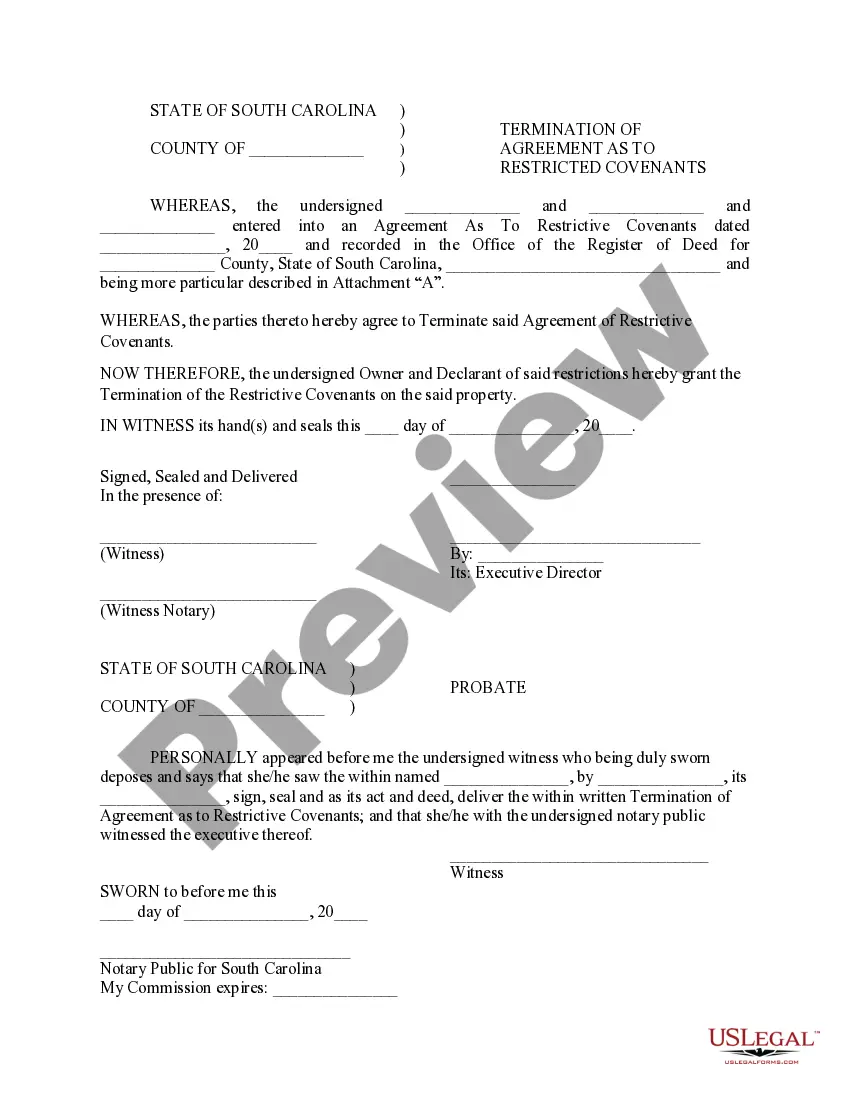
South Carolina Termination of Agreement as to Restricted Covenants
Understanding this form
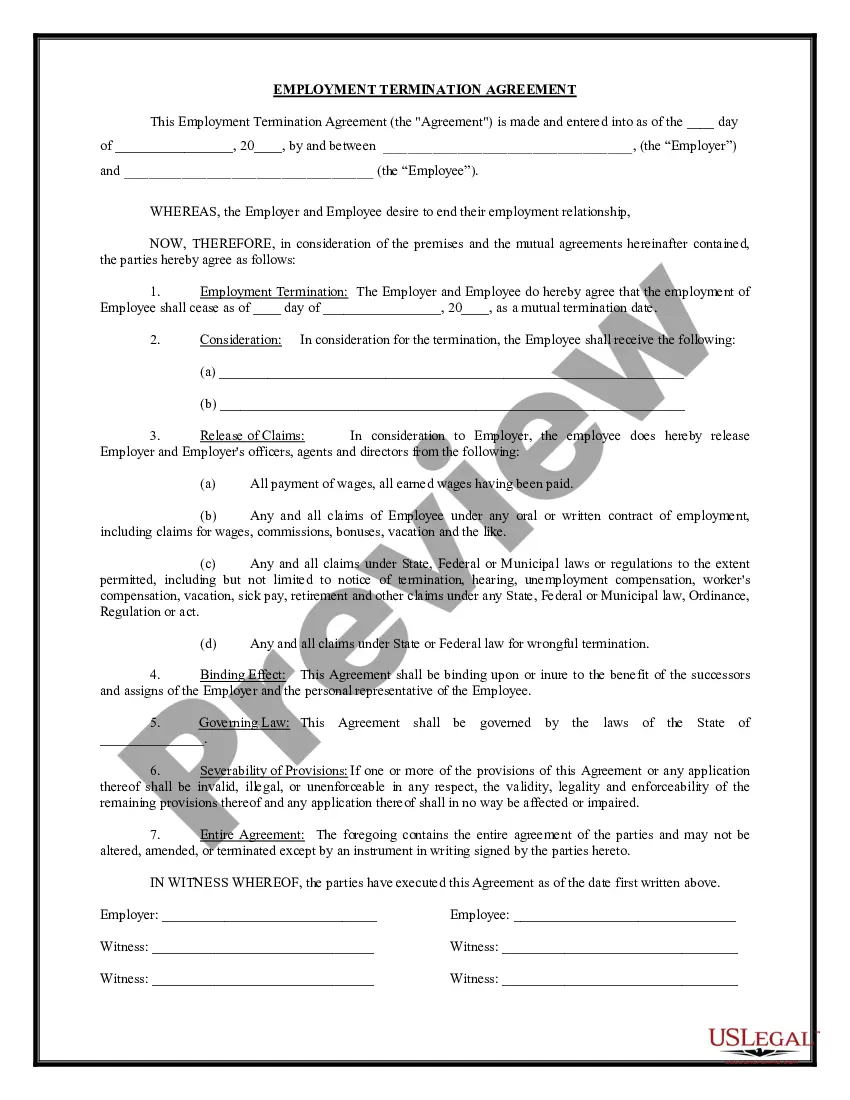
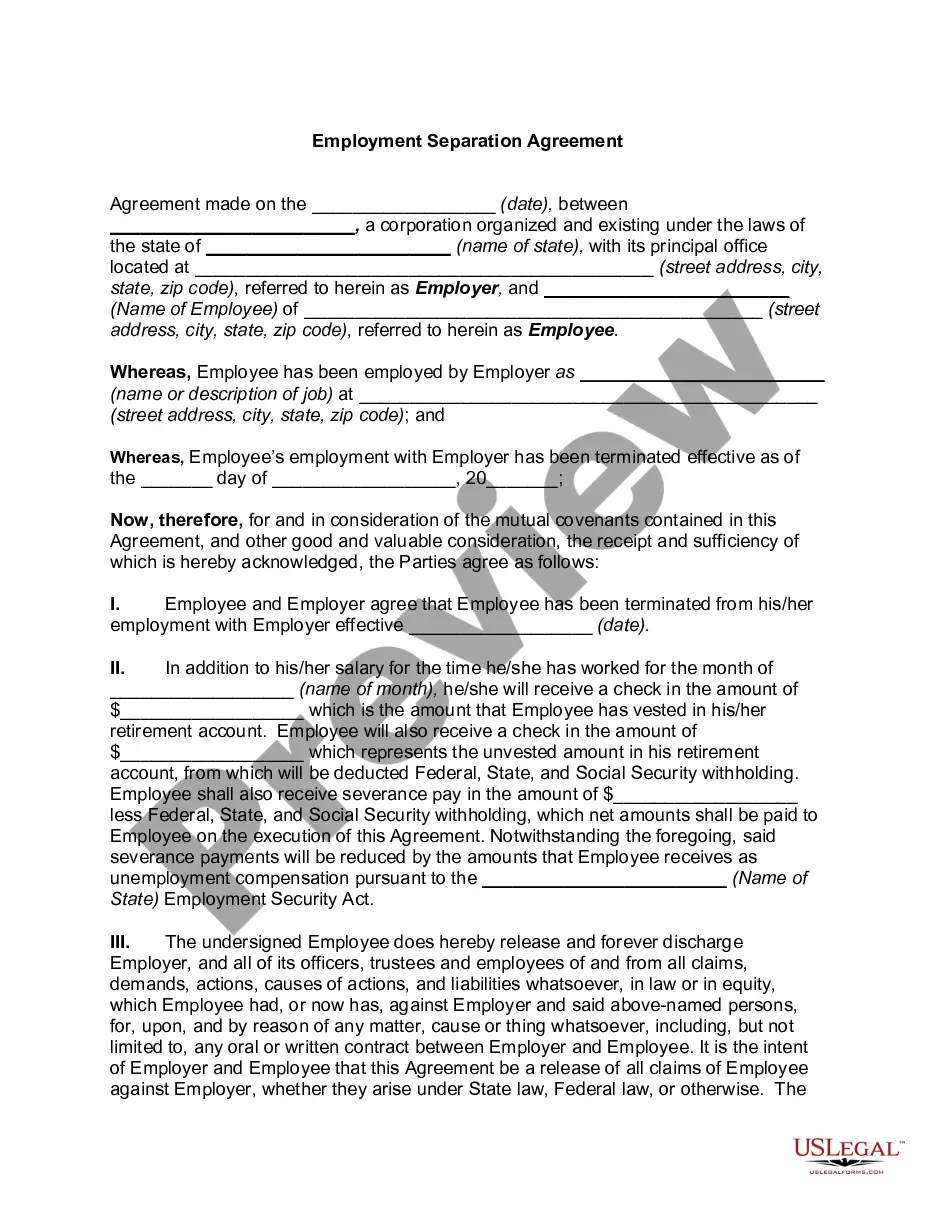
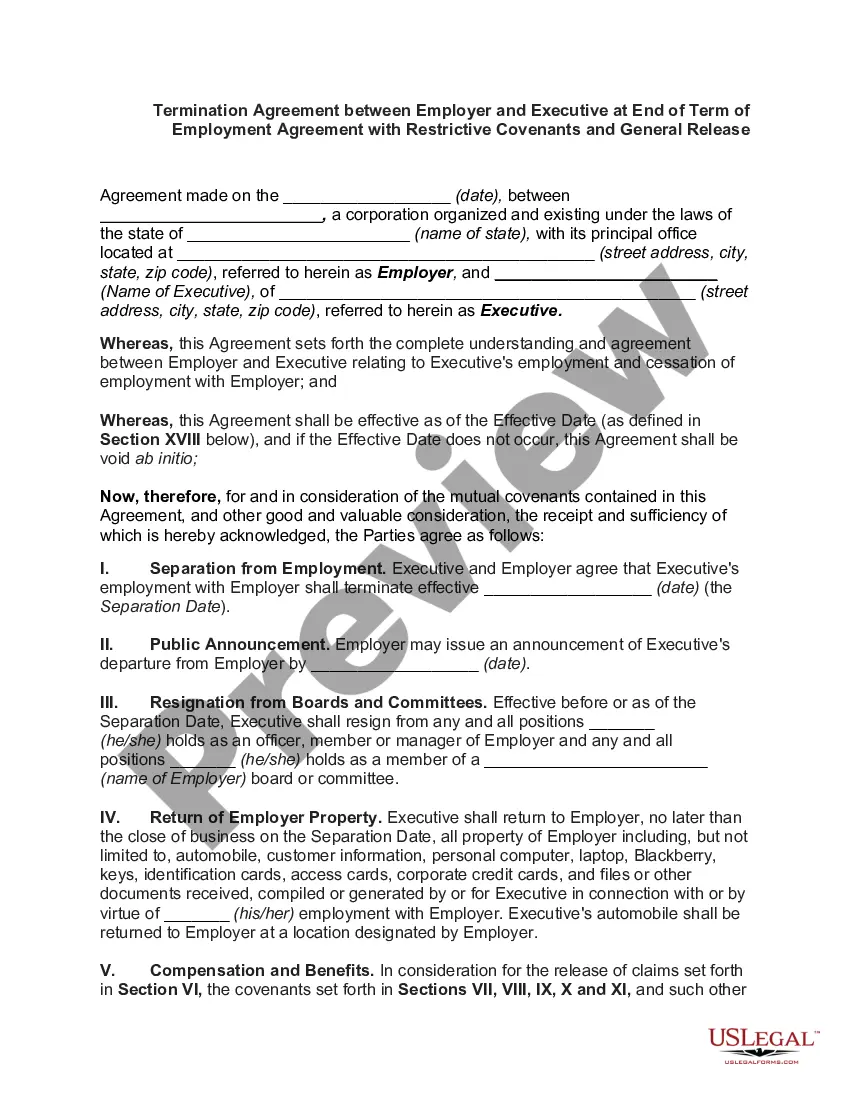
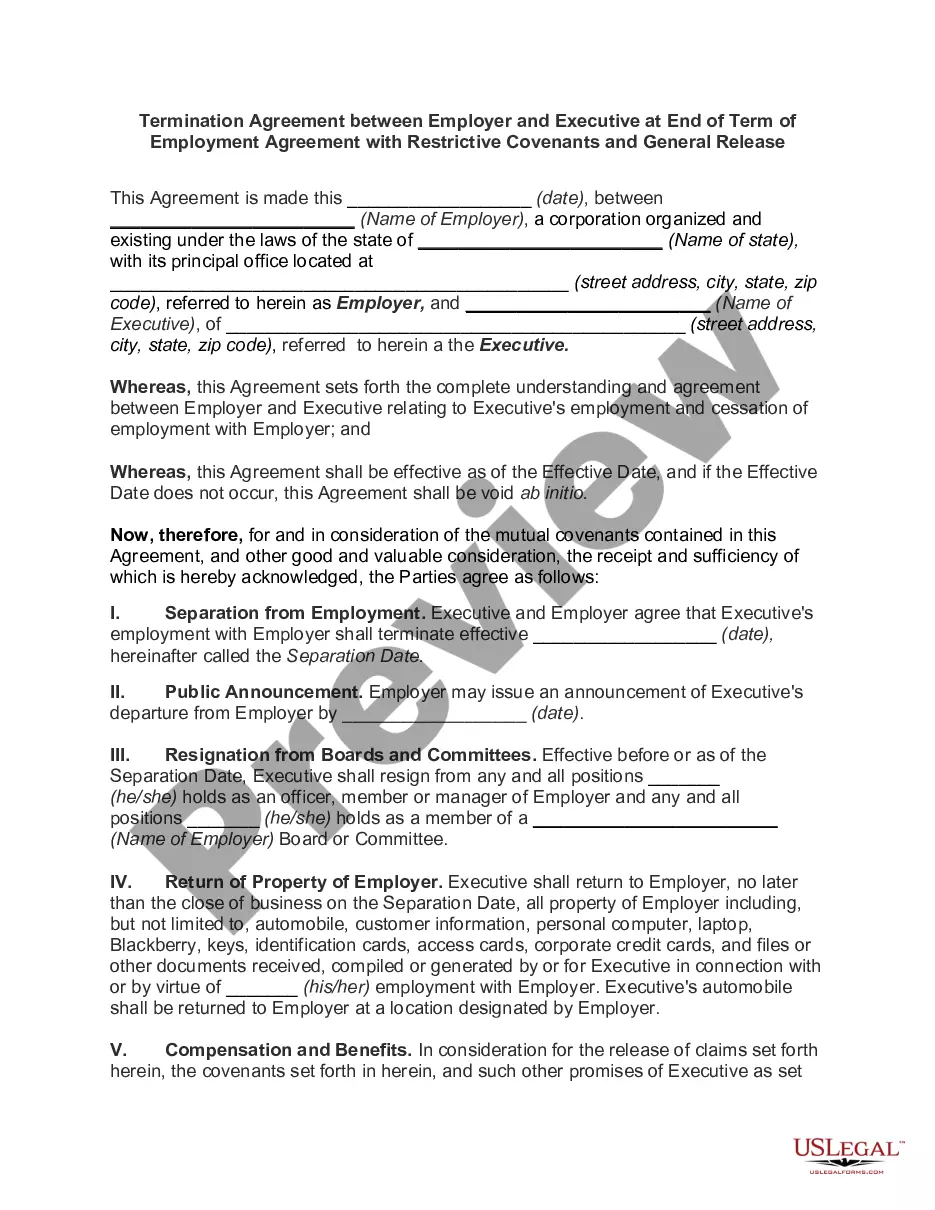
The Termination of Agreement as to Restricted Covenants form is a legal document used to formally end a restrictive covenant between an employer and an employee. A restrictive covenant limits an employee's ability to compete after leaving a job or disclosing proprietary information. This specific form ensures that the original agreement is terminated, providing clarity and legal backing to both parties that the restrictions no longer apply.
Main sections of this form
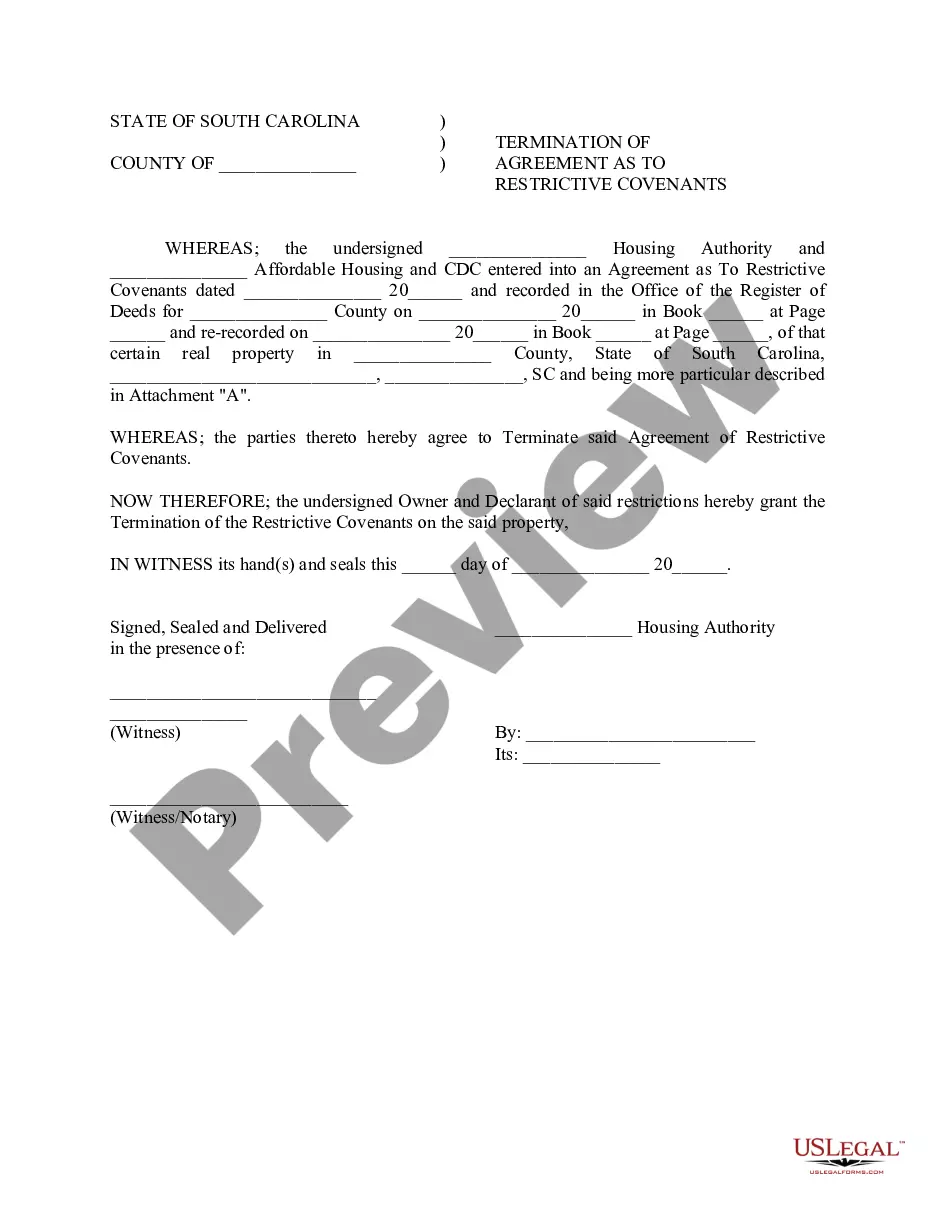
- Identification of the parties involved in the agreement.
- Details of the original Agreement As To Restrictive Covenants.
- Statement of termination of the restrictive covenant.
- Signatures of the parties involved, along with witnesses.
- Notarization section to validate the signature.
When this form is needed
This form is essential when an employer and an employee agree to terminate an existing restrictive covenant. Typical scenarios include when an employee moves to a different company, retires, or negotiates the end of their employment. It clarifies that the employee is no longer bound by the competitive restrictions, which may be crucial for future employment opportunities.
Intended users of this form
- Employers seeking to legally dissolve restrictive covenants with former employees.
- Employees who wish to have a formal termination of restrictions imposed by previous employers.
- Legal representatives managing employment agreements.
Completing this form step by step
- Identify all parties involved by entering their names and roles in the agreement.
- Provide details of the original agreement, including the date and recording information.
- Clearly state the intention to terminate the restrictive covenant.
- Each party should sign the form, ensuring that witnesses are present to validate the signatures.
- If required, have the document notarized for legal acceptance.
Notarization requirements for this form
This form must be notarized to be legally valid. Notarization adds an additional layer of authenticity, confirming that the signatures were done in the presence of a notary public. US Legal Forms offers integrated online notarization services, allowing for secure and efficient notarization via a video call at any time.
Get your form ready online
Our built-in tools help you complete, sign, share, and store your documents in one place.
Make edits, fill in missing information, and update formatting in US Legal Forms—just like you would in MS Word.
Download a copy, print it, send it by email, or mail it via USPS—whatever works best for your next step.
Sign and collect signatures with our SignNow integration. Send to multiple recipients, set reminders, and more. Go Premium to unlock E-Sign.
If this form requires notarization, complete it online through a secure video call—no need to meet a notary in person or wait for an appointment.
We protect your documents and personal data by following strict security and privacy standards.

Make edits, fill in missing information, and update formatting in US Legal Forms—just like you would in MS Word.

Download a copy, print it, send it by email, or mail it via USPS—whatever works best for your next step.

Sign and collect signatures with our SignNow integration. Send to multiple recipients, set reminders, and more. Go Premium to unlock E-Sign.

If this form requires notarization, complete it online through a secure video call—no need to meet a notary in person or wait for an appointment.

We protect your documents and personal data by following strict security and privacy standards.
Typical mistakes to avoid
- Failing to include all necessary parties, which could lead to disputes.
- Not providing accurate details about the original agreement.
- Forgetting to secure witness signatures or notarization, if applicable.
What to keep in mind
- The Termination of Agreement as to Restricted Covenants is essential for ending competitive restrictions imposed on employees.
- Proper completion and notarization are critical for ensuring legal validity.
- It is specifically tailored for use in South Carolina, adhering to its legal requirements.
Looking for another form?

Form popularity
FAQ
Restrictive covenants can be utilised in employment contracts; however it is vital that any employer looking to protect their business by these measures ensure such restrictions are reasonable in order for them to be enforceable through the Courts.
Post termination restrictions are often found in employment contracts to seek to protect the employer if and when that employee leaves.If a clause seeking to restrict a former employee is too wide and restrictive there is a risk it will not be deemed reasonable and may not be enforceable.
Certain covenants under declaration may also expire after a certain period of time, if so provided in the document itself.Covenants can also be terminated by courts, upon a showing of illegality, abandonment, or even changed circumstances (i.e., inequitable to continue enforcing said covenant).
The general position is that post-termination restrictive covenants are void on public policy grounds as being in restraint of trade, unless they are being used by the employer to protect a legitimate business interest.
A post-employment restraint will only be enforceable by a court if it is considered reasonable in its scope and for the protection of the employer's legitimate business interests.whether the restraint is unduly injurious to the interests of the employee and the public.