South Carolina Notice to Consignor of responsibility for Debt
Understanding this form
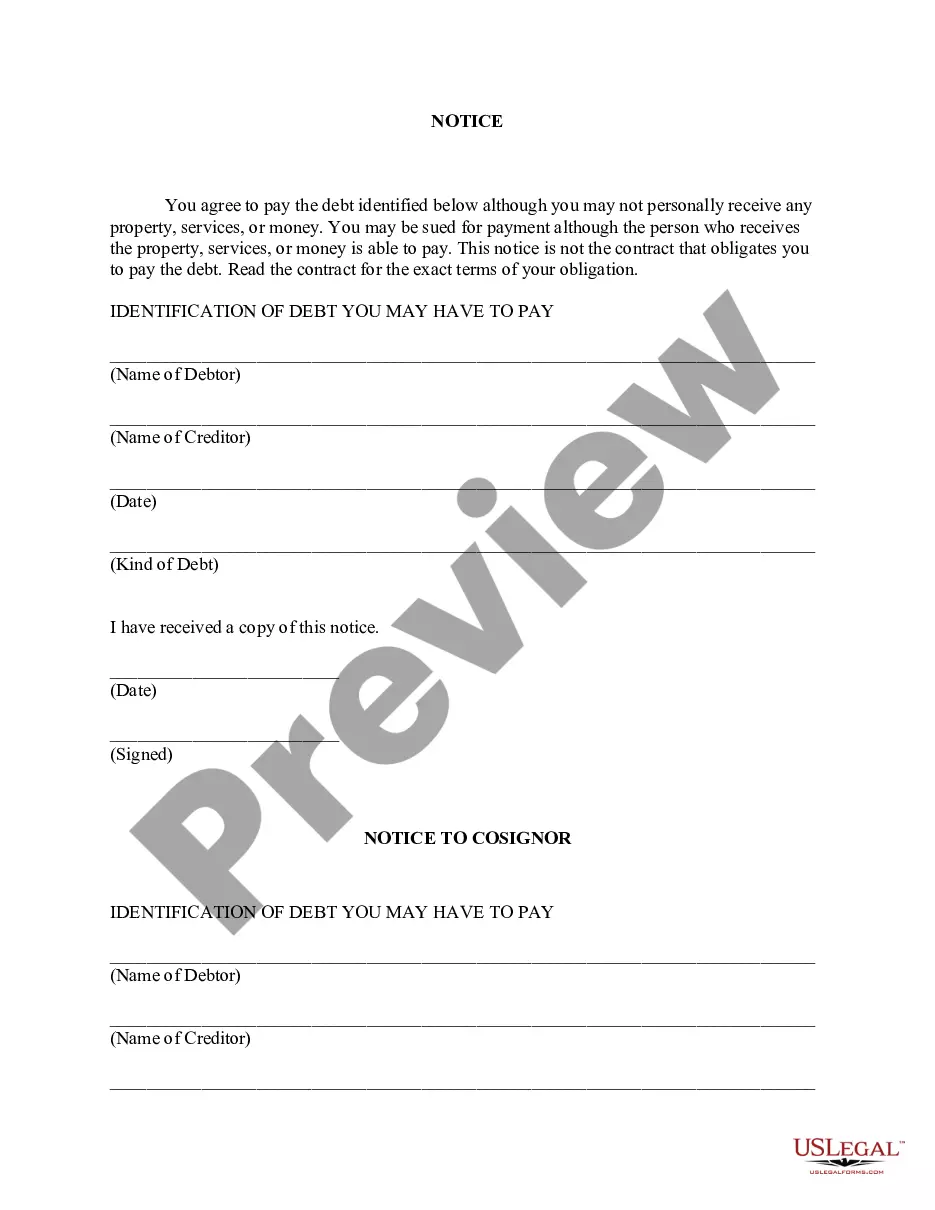
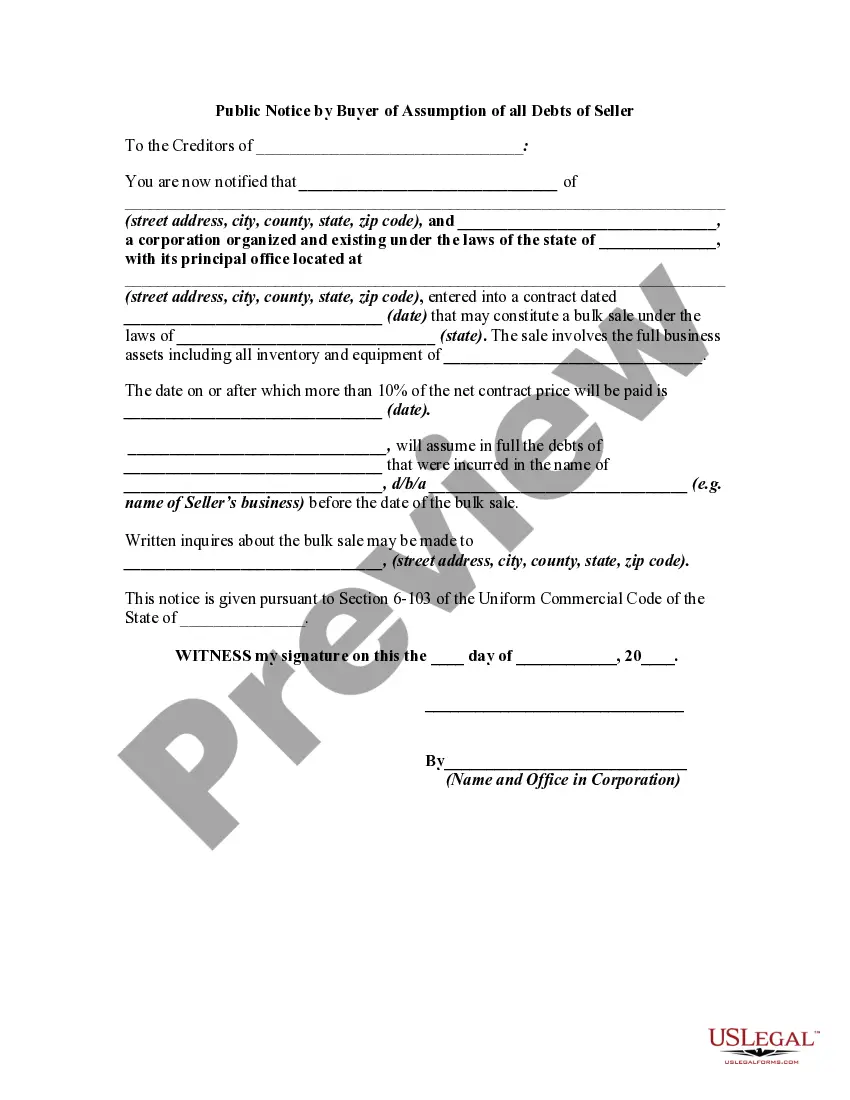
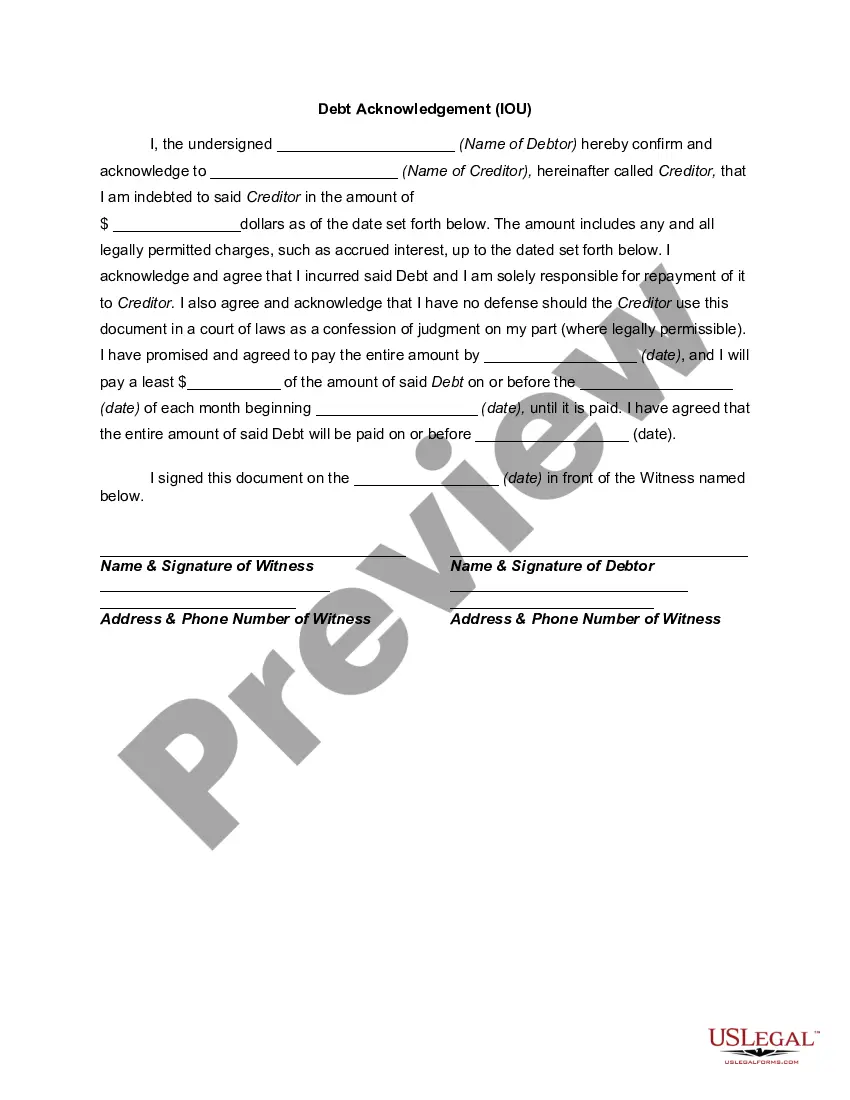
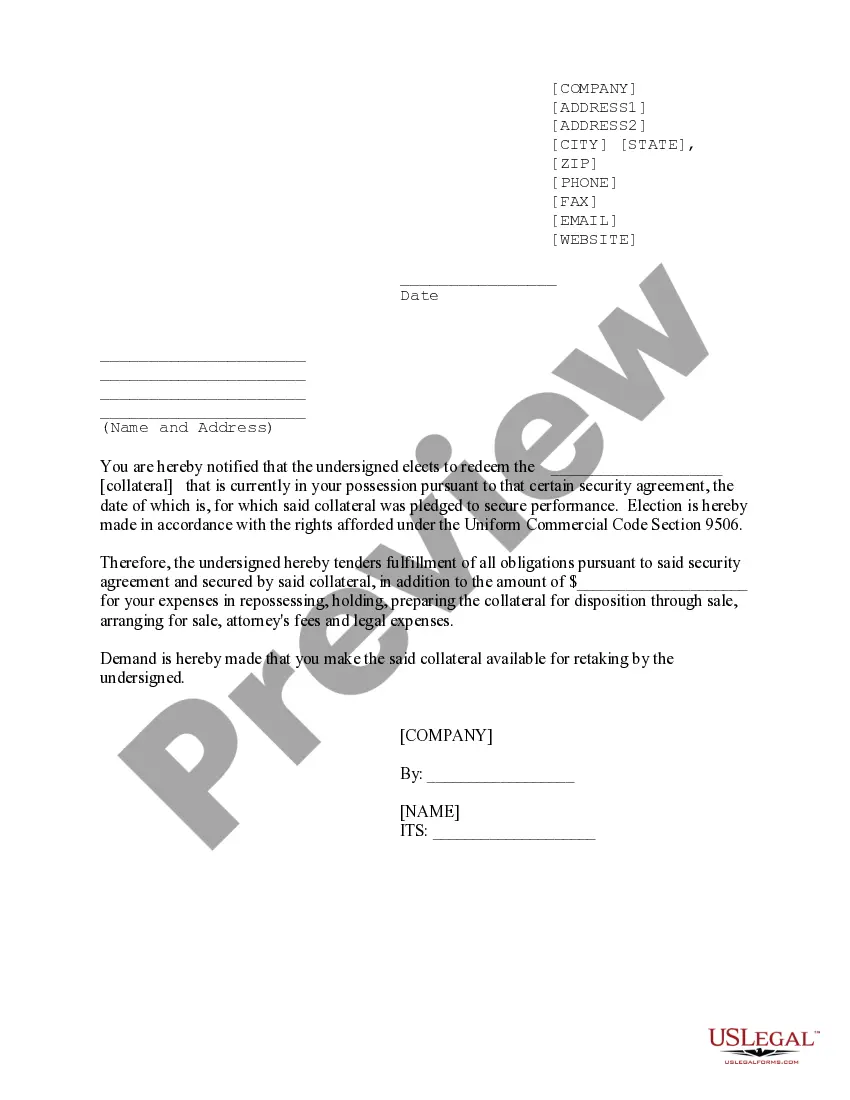
The Notice to Consignor of Responsibility for Debt is a legal document that notifies an individual (the consignor) of their obligation to pay a debt, even if they do not directly receive any items or services related to that debt. This form serves as a crucial legal notification, helping to prevent delays in legal proceedings that could arise from a failure to provide proper notice. It is important to note that this notice is not the contract itself, but rather an acknowledgment of the obligation to pay as outlined in the specific contract.
Form components explained
- Identification of the debtor: Entry includes the name of the person who incurred the debt.
- Identification of the creditor: Includes the name of the party to whom the debt is owed.
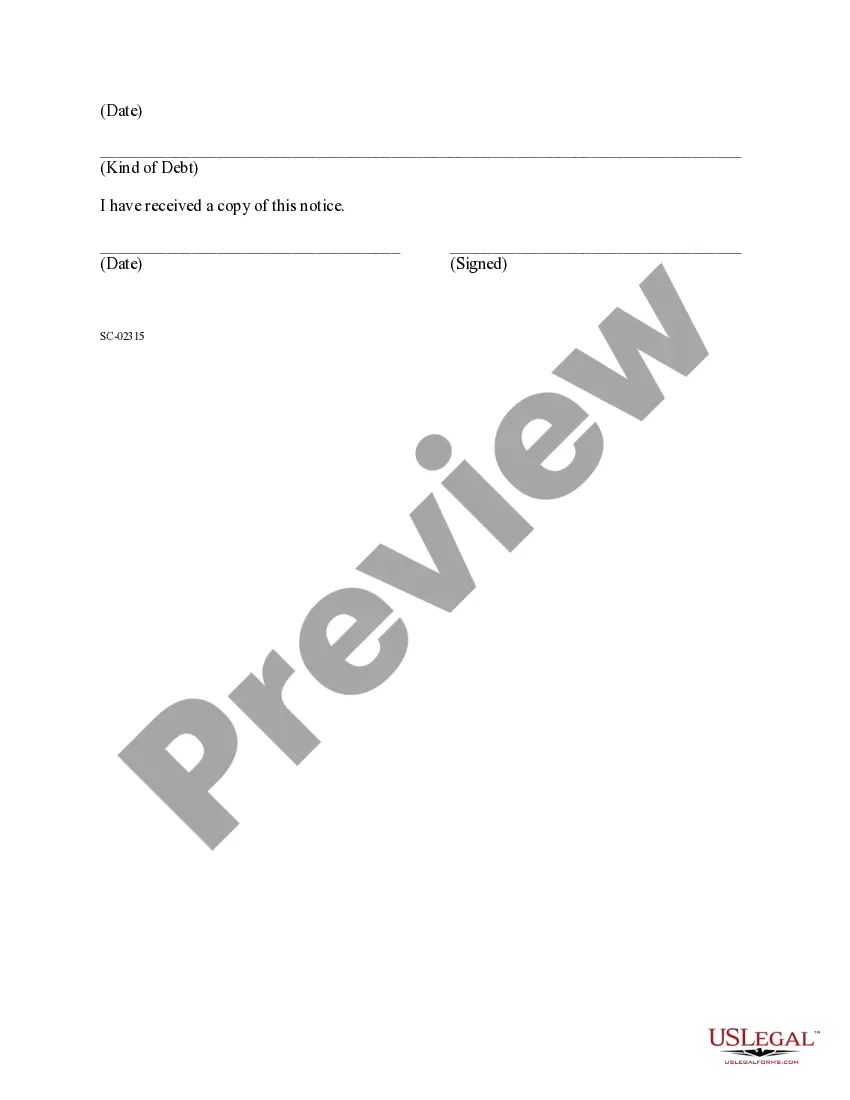
- Date of notice: Specifies the date the notice is issued, which is essential for legal timelines.
- Kind of debt: Describes the nature of the obligation, providing clarity on what the debt pertains to.
- Signature acknowledgment: Requires the consignor to sign, confirming receipt of the notice.
Common use cases
This form should be used in situations where an individual has co-signed a loan or agreed to be responsible for a debt of another party. It effectively informs the consignor of their obligation to pay the debt, potentially avoiding misunderstandings or disputes regarding responsibility. Additionally, this form is applicable in contexts such as personal loans, leases, or agreements where multiple parties are involved in a financial obligation.
Who this form is for
- Individuals who have co-signed a loan or financial agreement.
- Creditors who need to inform a consignor of their debt obligation.
- Debtors who wish to ensure all parties are aware of their responsibilities in terms of debt repayment.
Instructions for completing this form
- Identify the debtor by filling in their name where indicated.
- List the creditor's name to clarify who is owed the debt.
- Enter the date the notice is being issued.
- Specify the kind of debt to give context to the obligation.
- Have the consignor sign and date the notice to confirm their acknowledgment of receipt.
Notarization requirements for this form
This form does not typically require notarization to be legally valid. However, some jurisdictions or document types may still require it. US Legal Forms provides secure online notarization powered by Notarize, available 24/7 for added convenience.
Get your form ready online
Our built-in tools help you complete, sign, share, and store your documents in one place.
Make edits, fill in missing information, and update formatting in US Legal Forms—just like you would in MS Word.
Download a copy, print it, send it by email, or mail it via USPS—whatever works best for your next step.
Sign and collect signatures with our SignNow integration. Send to multiple recipients, set reminders, and more. Go Premium to unlock E-Sign.
If this form requires notarization, complete it online through a secure video call—no need to meet a notary in person or wait for an appointment.
We protect your documents and personal data by following strict security and privacy standards.

Make edits, fill in missing information, and update formatting in US Legal Forms—just like you would in MS Word.

Download a copy, print it, send it by email, or mail it via USPS—whatever works best for your next step.

Sign and collect signatures with our SignNow integration. Send to multiple recipients, set reminders, and more. Go Premium to unlock E-Sign.

If this form requires notarization, complete it online through a secure video call—no need to meet a notary in person or wait for an appointment.

We protect your documents and personal data by following strict security and privacy standards.
Common mistakes to avoid
- Failing to fill out all required fields, which can lead to misunderstandings.
- Not having the consignor sign the notice, which may invalidate the notification.
- Using outdated versions of the form that may not comply with current laws.
Advantages of online completion
- Convenience of downloading and completing the form from home or the office.
- Ease of making edits as needed to tailor the form to your specific situation.
- Access to a legally validated template drafted by licensed attorneys.
Main things to remember
- The Notice to Consignor of Responsibility for Debt is important for informing individuals of their debt obligations.
- Ensure all sections are filled out accurately to avoid legal delays.
- Confirmation of receipt by the consignor is crucial for the validity of the notice.
Looking for another form?
Form popularity
FAQ
South Carolina is known for its beaches, golf courses, and historic districts. It ranks 40th in size and the 23rd in population. Its most influential cities are Charleston, Myrtle Beach, Columbia, Greenville, Spartanburg and Florence.
Tenant Rights to Withhold Rent in South CarolinaTenants may withhold rent or exercise the right to repair and deduct if a landlord fails to take care of important repairs, such as a broken heater.
A landlord cannot evict a tenant without an adequately obtained eviction notice and sufficient time. A landlord cannot retaliate against a tenant for a complaint. A landlord cannot forego completing necessary repairs or force a tenant to do their own repairs.A landlord cannot remove a tenant's personal belongings.
Tenant Rights to Withhold Rent in South CarolinaTenants may withhold rent or exercise the right to repair and deduct if a landlord fails to take care of important repairs, such as a broken heater. For specifics, see South Carolina Tenant Rights to Withhold Rent or Repair and Deduct.
The big take-away is that in most circumstances a landlord cannot enter a property without agreement from the tenant. And If the landlord ignores the law and enters the property without permission, the tenant may be able to claim damages or gain an injunction to prevent the landlord doing it again.
Although renters must abide by the Homeowners' Association rules, they still have rights under the law. The property owner must also follow their home state's Landlord-Tenant Laws that include the Fair Housing Act and Fair Credit Reporting Act.
South Carolina landlords cannot enter an apartment unless they give at least 24-hour notice to the tenant, and may only enter at reasonable times.
State laws establish the rights consumers have when their default on their vehicle loans.In South Carolina, before a lender can repossess or reclaim its property, it must provide the borrower with advance notice and a right to cure her deficiency before it can proceed with repossession.