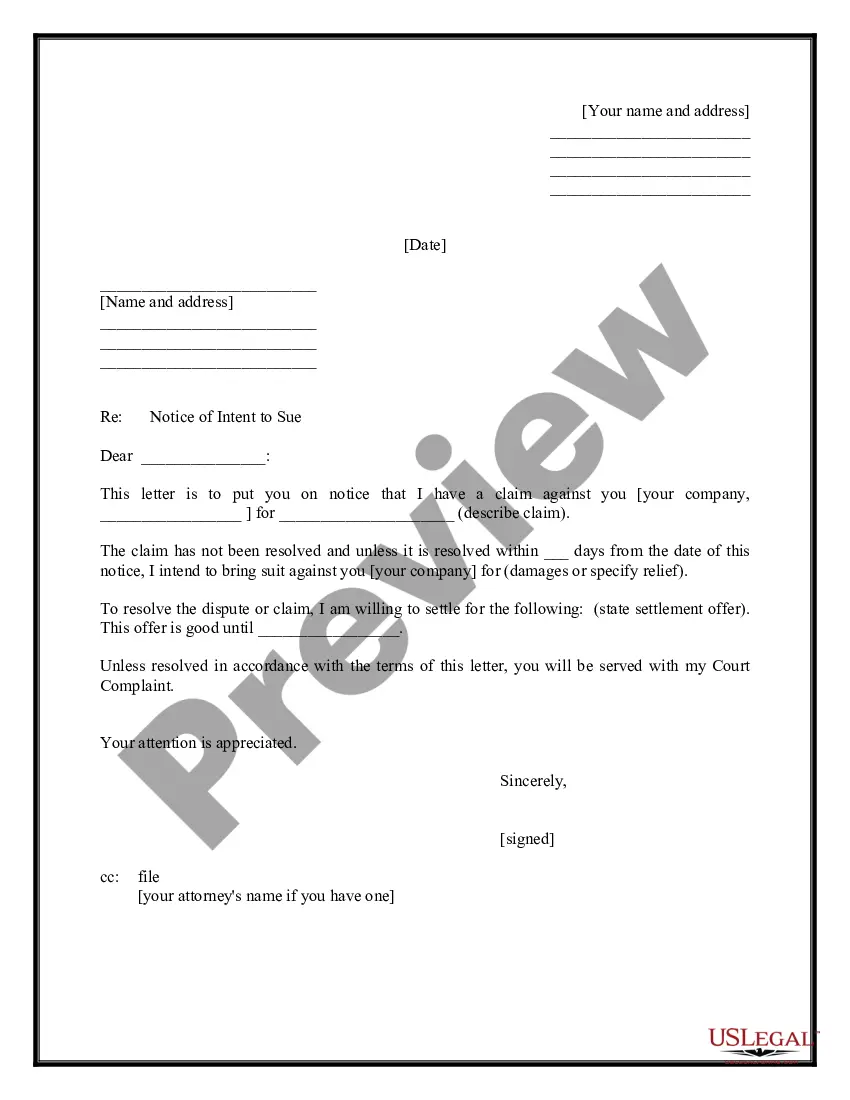
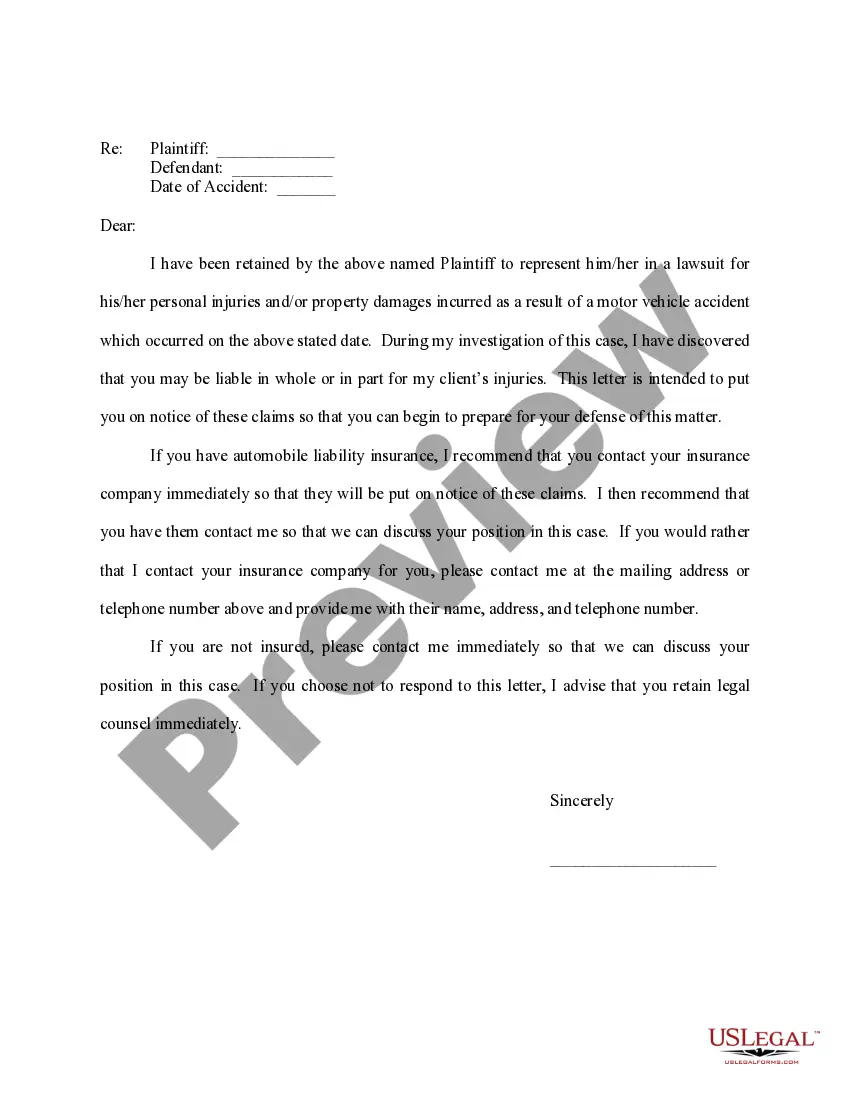
Rhode Island Letter of Intent to Sue
Description
Get your form ready online
Our built-in tools help you complete, sign, share, and store your documents in one place.
Make edits, fill in missing information, and update formatting in US Legal Forms—just like you would in MS Word.
Download a copy, print it, send it by email, or mail it via USPS—whatever works best for your next step.
Sign and collect signatures with our SignNow integration. Send to multiple recipients, set reminders, and more. Go Premium to unlock E-Sign.
If this form requires notarization, complete it online through a secure video call—no need to meet a notary in person or wait for an appointment.
We protect your documents and personal data by following strict security and privacy standards.

Make edits, fill in missing information, and update formatting in US Legal Forms—just like you would in MS Word.

Download a copy, print it, send it by email, or mail it via USPS—whatever works best for your next step.

Sign and collect signatures with our SignNow integration. Send to multiple recipients, set reminders, and more. Go Premium to unlock E-Sign.

If this form requires notarization, complete it online through a secure video call—no need to meet a notary in person or wait for an appointment.

We protect your documents and personal data by following strict security and privacy standards.
Looking for another form?

How to fill out Letter Of Intent To Sue?
US Legal Forms - one of the largest collections of legal documents in the United States - offers a variety of legal document templates that you can download or print. By using the website, you can access thousands of forms for business and personal use, organized by categories, states, or keywords.
You can obtain the latest versions of documents such as the Rhode Island Letter of Intent to Sue in just a few minutes. If you already have an account, Log In and download the Rhode Island Letter of Intent to Sue from the US Legal Forms library. The Download button will be visible on each form you view. You can access all previously downloaded forms in the My documents section of your account.
To use US Legal Forms for the first time, here are some simple instructions to get you started: Make sure you have chosen the correct form for your city/county. Click the Preview button to review the form's content. Read the form description to ensure you have selected the appropriate form. If the form does not fulfill your needs, utilize the Search field at the top of the screen to find one that does. If you are satisfied with the form, confirm your choice by clicking the Purchase now button. Then, select your preferred payment plan and provide your information to register for an account.
Utilize thousands of professional and state-specific templates that cater to your business or personal needs and requirements.
- Process the payment. Use your credit card or PayPal account to complete the transaction.
- Choose the format and download the form to your device.
- Make adjustments. Fill out, modify, print, and sign the downloaded Rhode Island Letter of Intent to Sue.
- Every document you added to your account does not expire and is yours permanently.
- So, if you wish to download or print another copy, simply go to the My documents section and click on the form you desire.
- Access the Rhode Island Letter of Intent to Sue with US Legal Forms, the most comprehensive library of legal document templates.
Form popularity
FAQ
If you are thinking about a lawsuit then you have a dispute. The best, most efficient, most effective and cheapest way to resolve a dispute is to negotiate a settlement. The best, most efficient and quickest way to derail a negotiation is to make threats. People don't like being threatened.
If you don't have enough tangible assets to satisfy a judgment, you might be forced to turn over a portion of your wages to the person or business who sued you until they've recouped what a court has determined you owe them. Other expected (future) assets besides wages can also be seized.
Once you file your lawsuit, you must formally let the defendant know you're suing them. You do this by having someone deliver a copy of the filed forms to them. This is called service.
Filing Fees Claims for $1,500.00 or less$30.00Claims from $1,500.01 to $5,000.00$50.00Claims from $5,000.01 to $10,000.00$75.00Persons or Business who have filed more than 12 claims in CA in the previous 12 mos.$100.00Service of Documents by Certified Mail$15.00 (per defendant) [Fee waiver does not cover]6 more rows
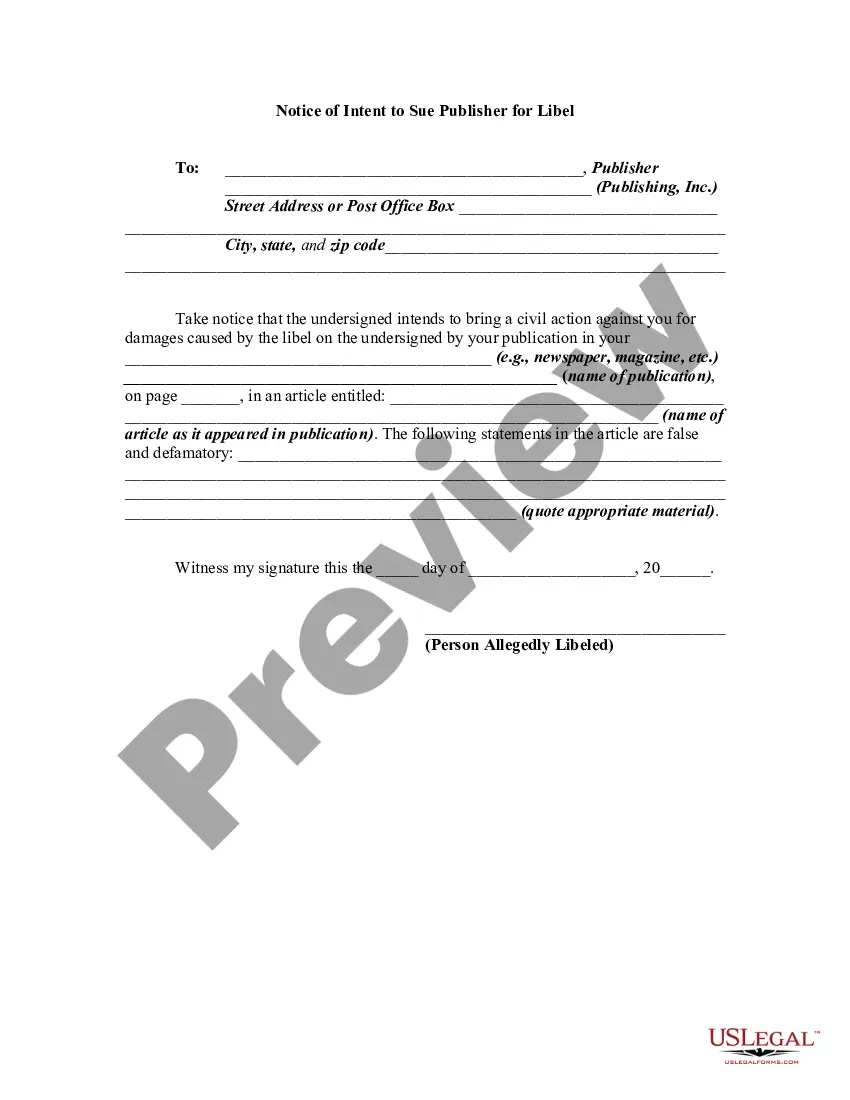
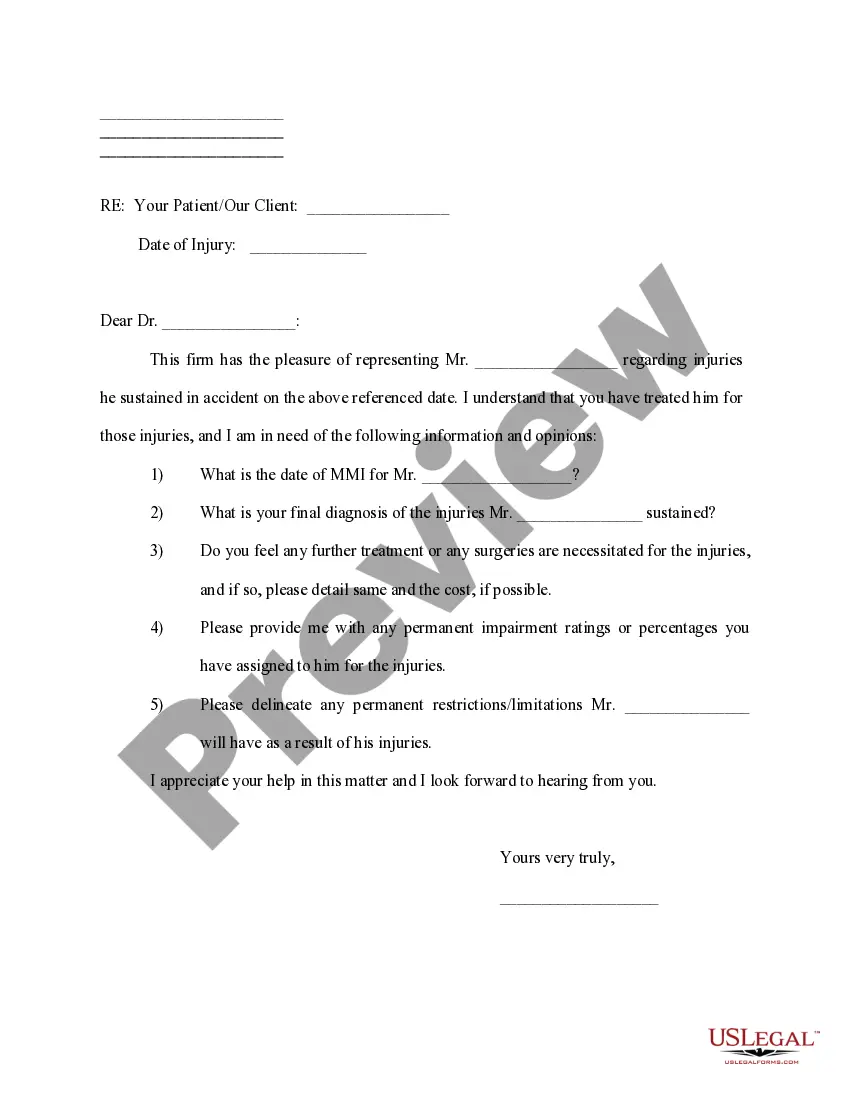
An intent to sue letter should have the addresses of both parties, a detailed description of the dispute, the settlement demand (e.g., payment amount, cease and desist, repair damages, etc.), the sender's contact information, and the deadline for the proposed settlement.
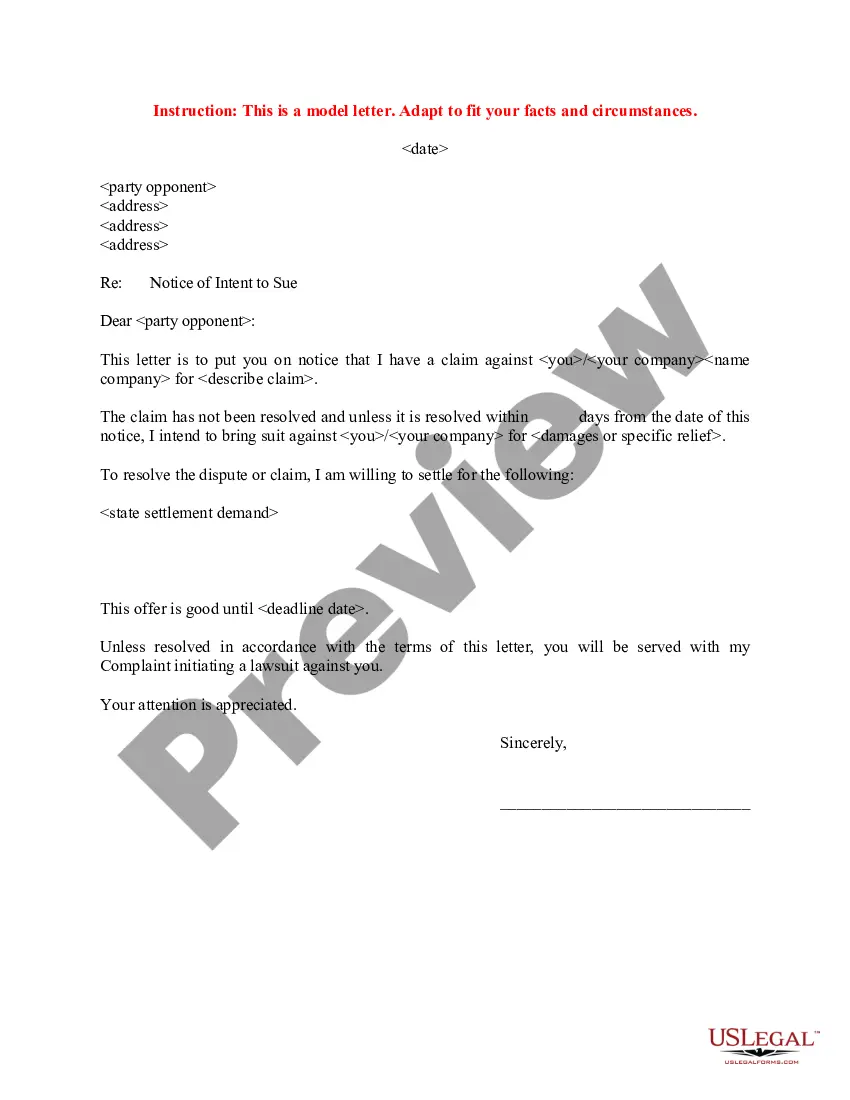
A letter of intent to sue notifies a defendant that a lawsuit may be filed against them in court if demands are not met. The letter will summarize the alleged unlawful act and indicate a time frame in which the defendant may settle the matter to avoid legal proceedings.
A letter of intent to sue is used to notify an individual or business that legal action may be taken against them if the demands included in the letter are not met. By sending an intent to sue letter, you may be able to resolve the dispute without having to initiate a costly lawsuit.
A letter of intent to sue is used to notify an individual or business that legal action may be taken against them if the demands included in the letter are not met. By sending an intent to sue letter, you may be able to resolve the dispute without having to initiate a costly lawsuit.