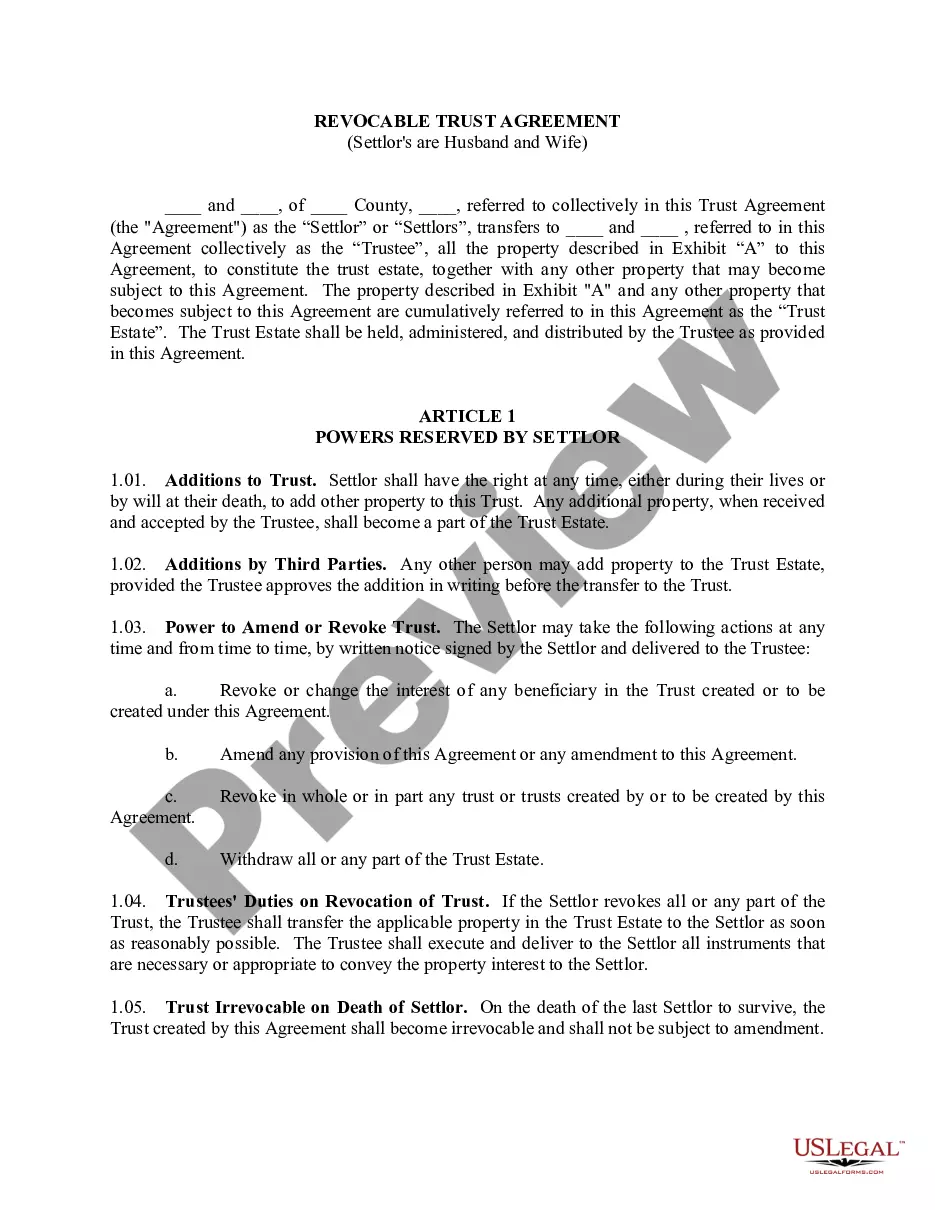
Rhode Island Revocable Living Trust for Married Couple
Description
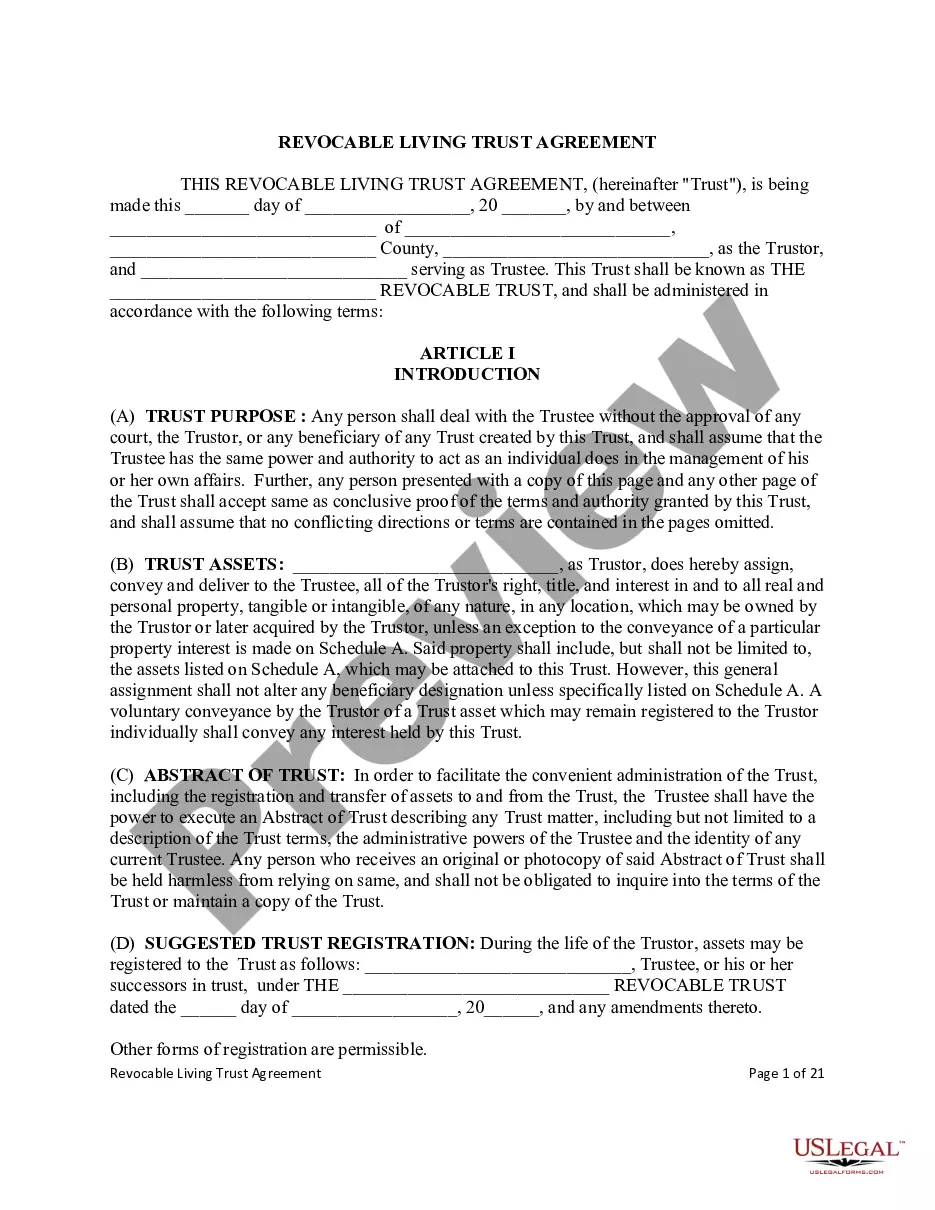
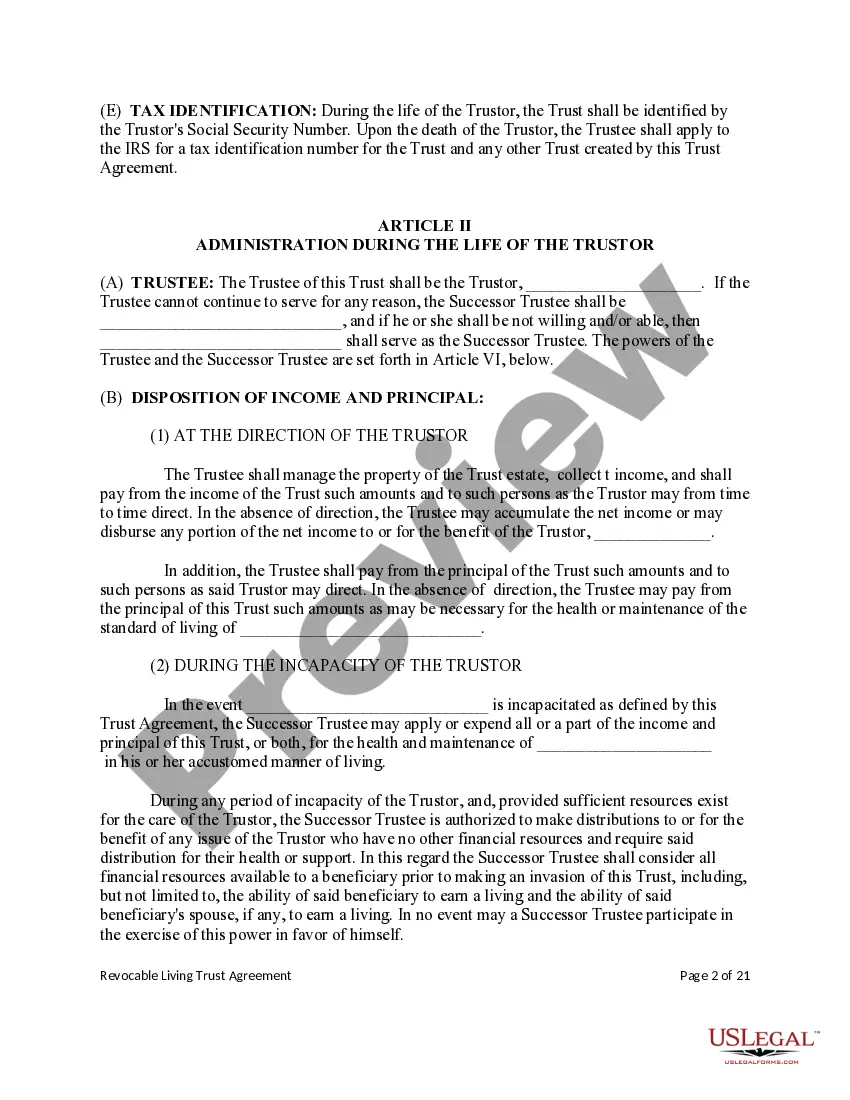
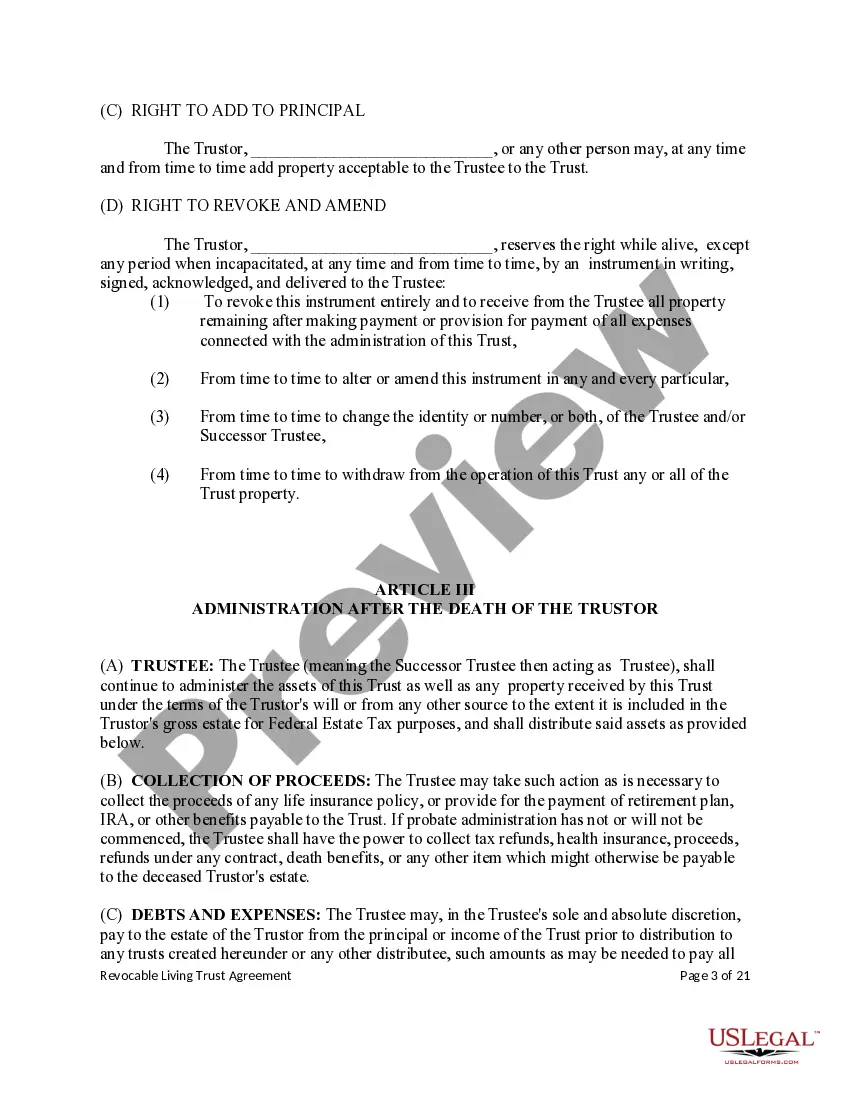
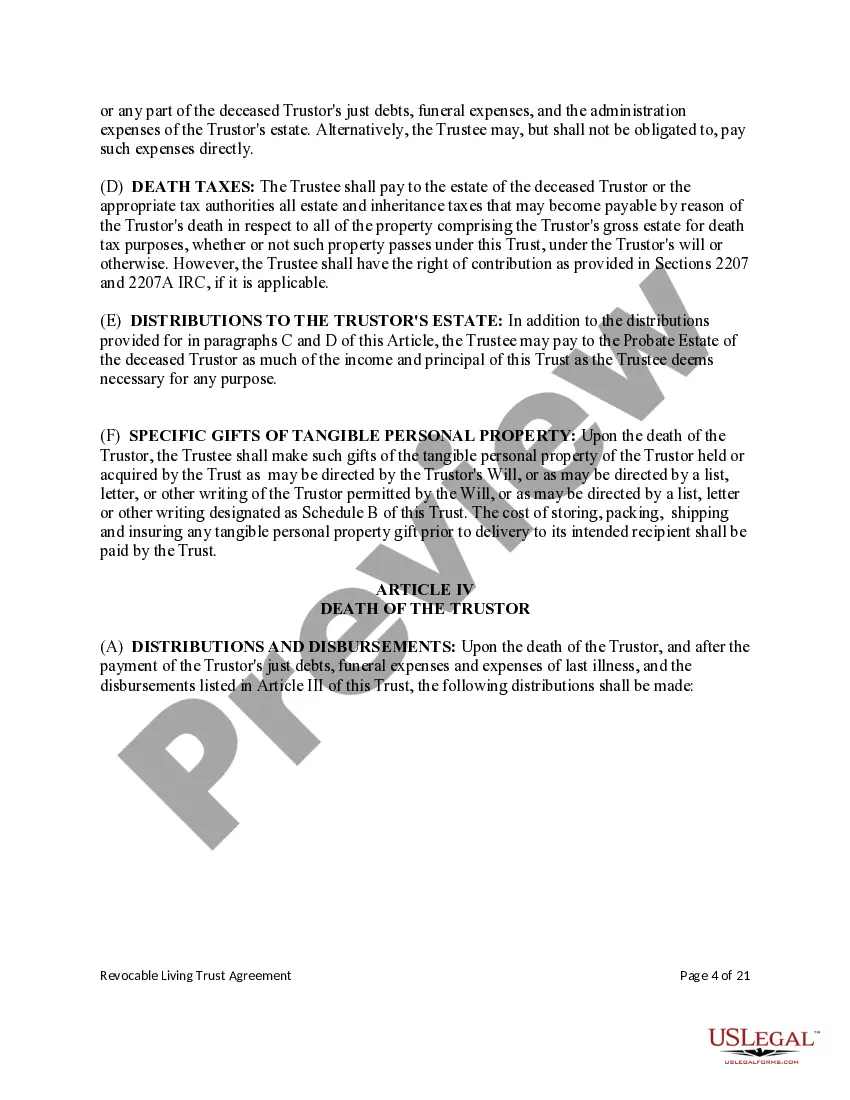
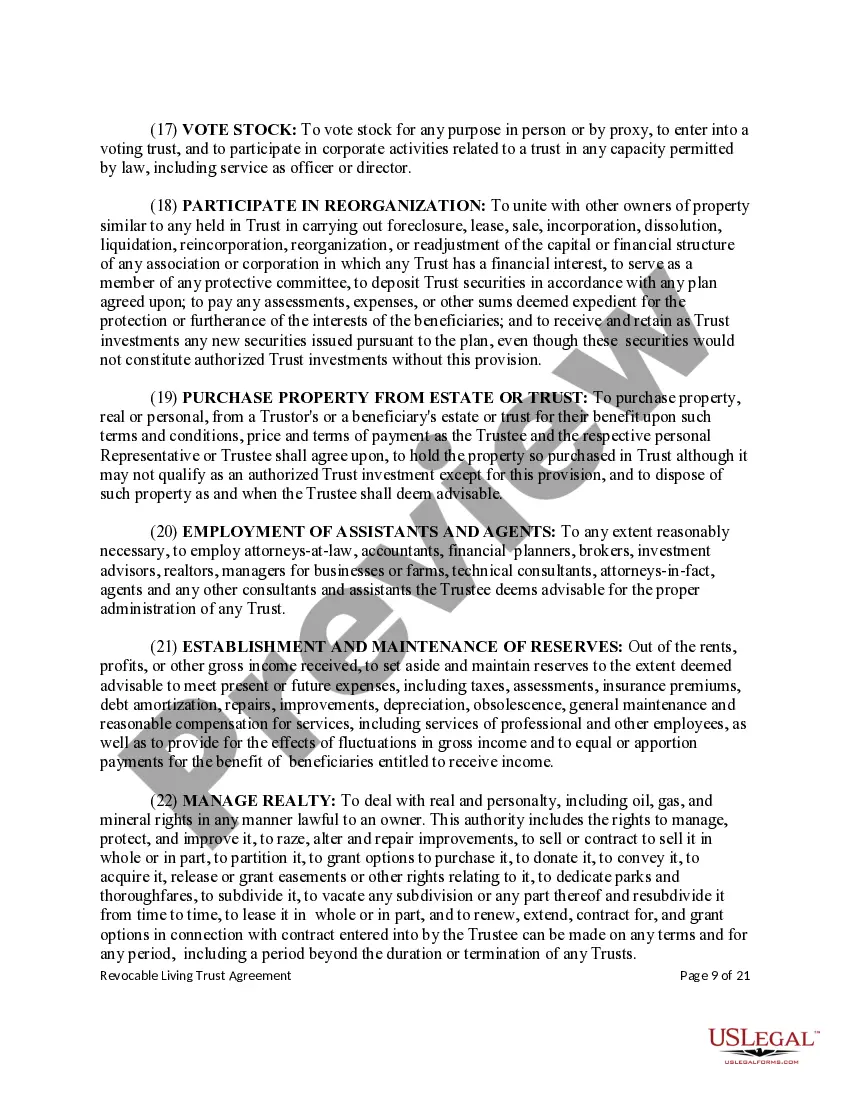
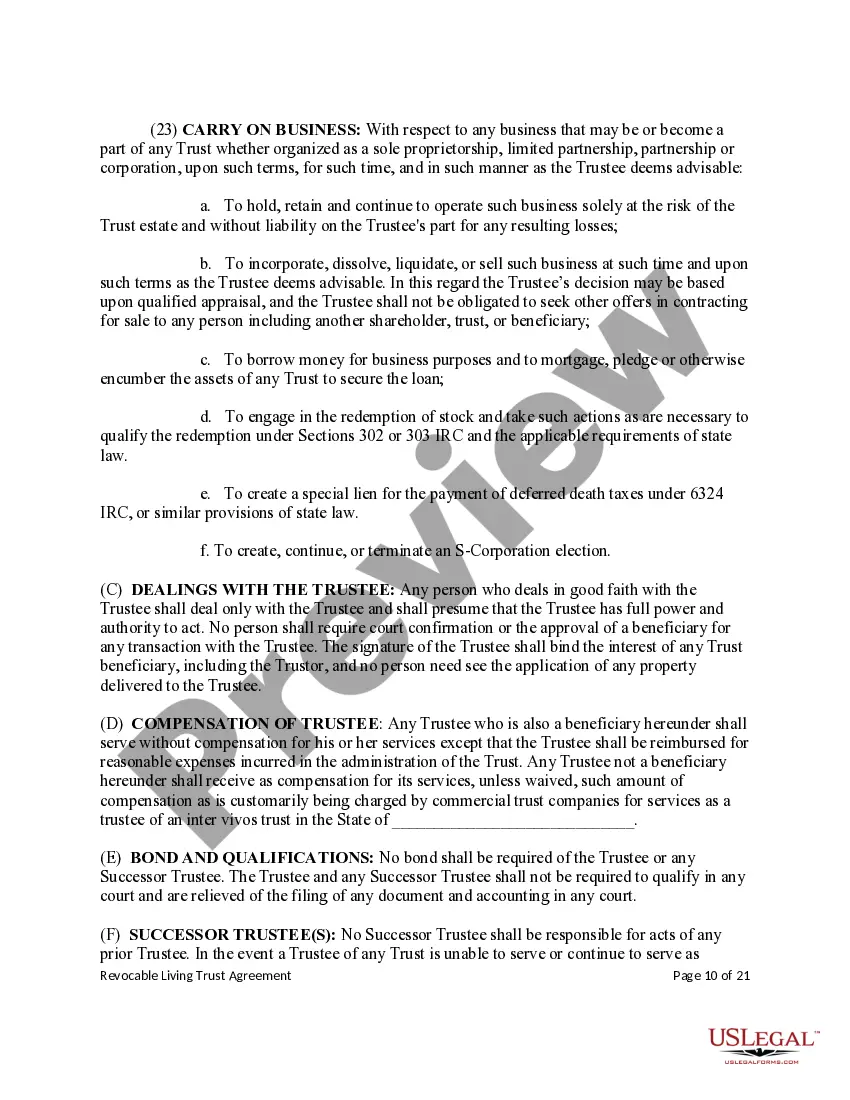

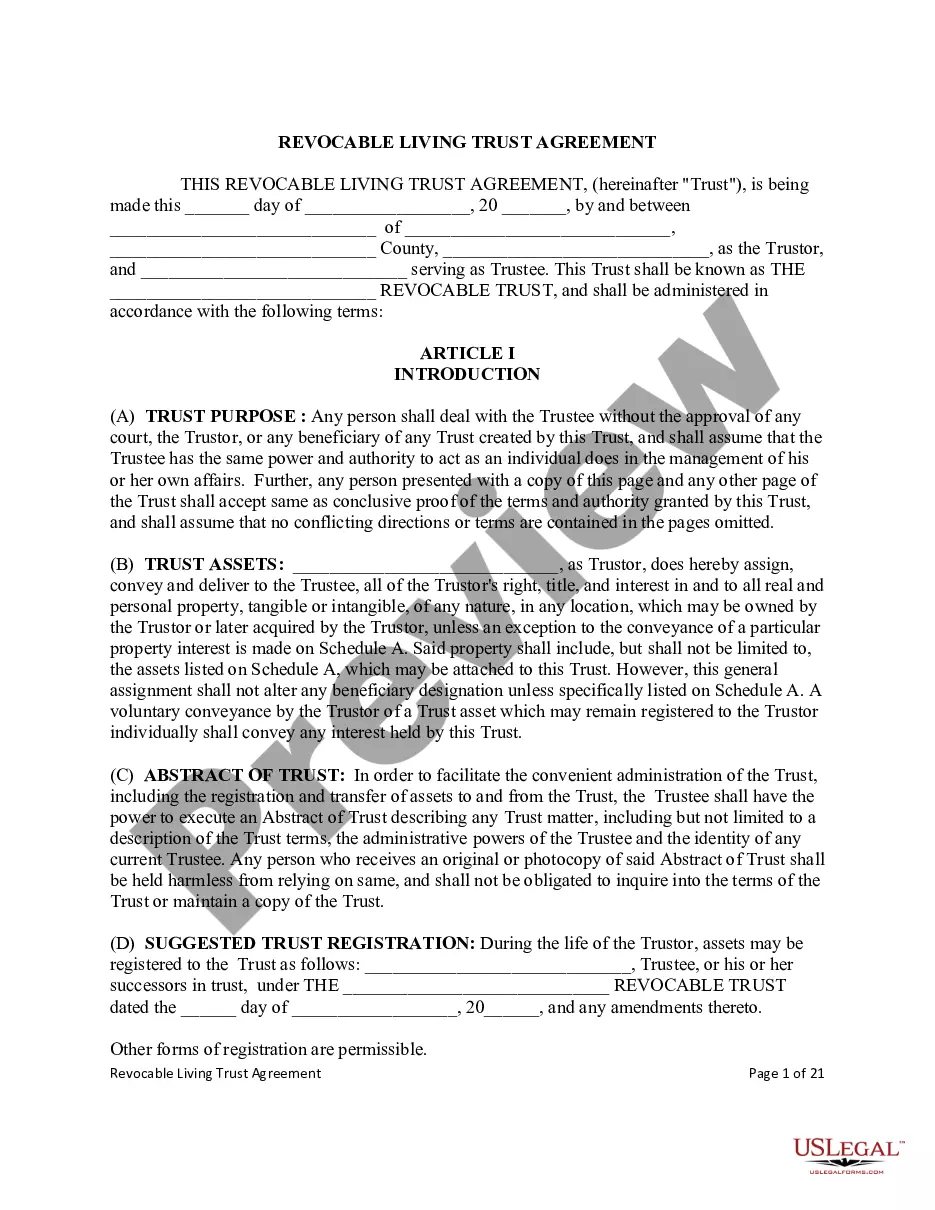
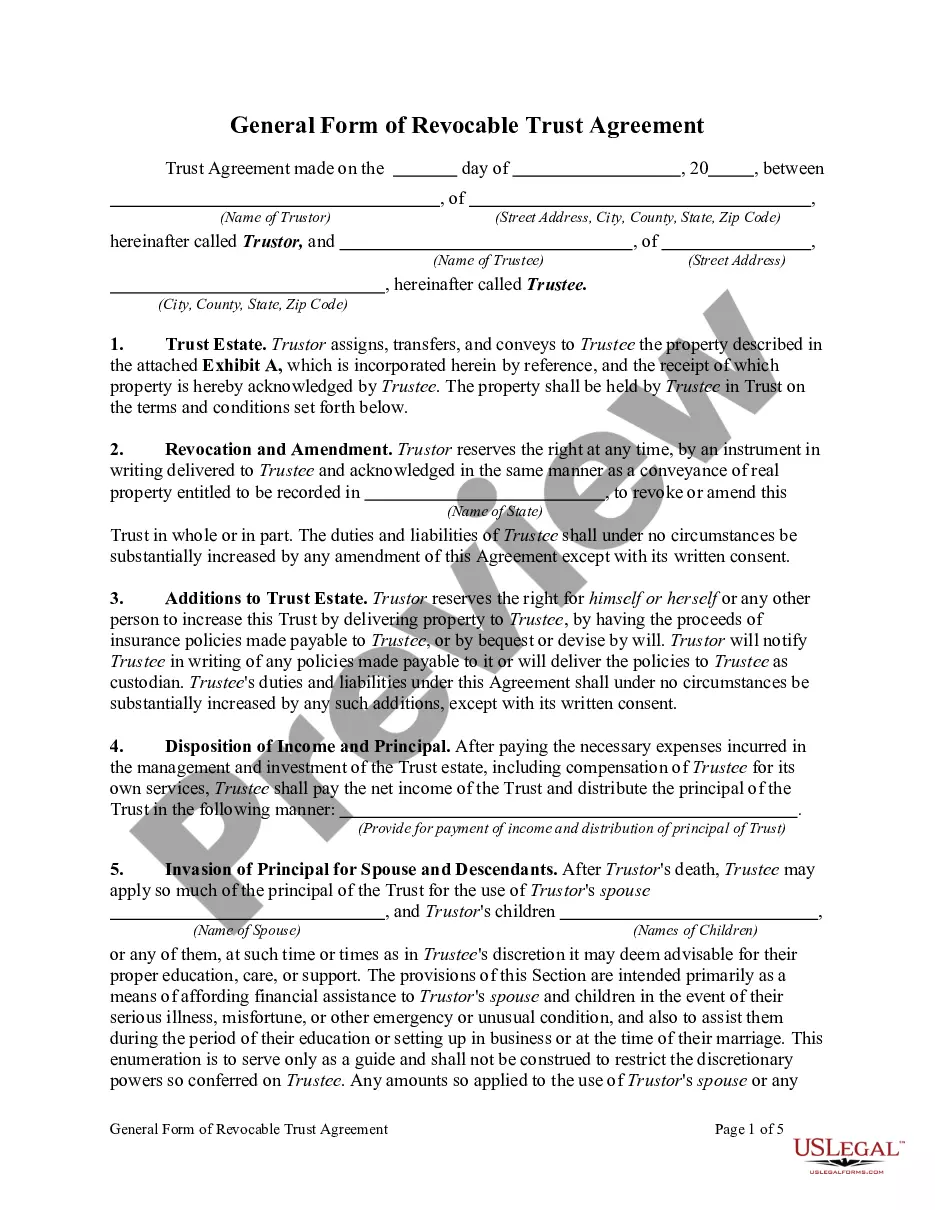

Get your form ready online
Our built-in tools help you complete, sign, share, and store your documents in one place.
Make edits, fill in missing information, and update formatting in US Legal Forms—just like you would in MS Word.
Download a copy, print it, send it by email, or mail it via USPS—whatever works best for your next step.
Sign and collect signatures with our SignNow integration. Send to multiple recipients, set reminders, and more. Go Premium to unlock E-Sign.
If this form requires notarization, complete it online through a secure video call—no need to meet a notary in person or wait for an appointment.
We protect your documents and personal data by following strict security and privacy standards.

Make edits, fill in missing information, and update formatting in US Legal Forms—just like you would in MS Word.

Download a copy, print it, send it by email, or mail it via USPS—whatever works best for your next step.

Sign and collect signatures with our SignNow integration. Send to multiple recipients, set reminders, and more. Go Premium to unlock E-Sign.

If this form requires notarization, complete it online through a secure video call—no need to meet a notary in person or wait for an appointment.

We protect your documents and personal data by following strict security and privacy standards.
Looking for another form?

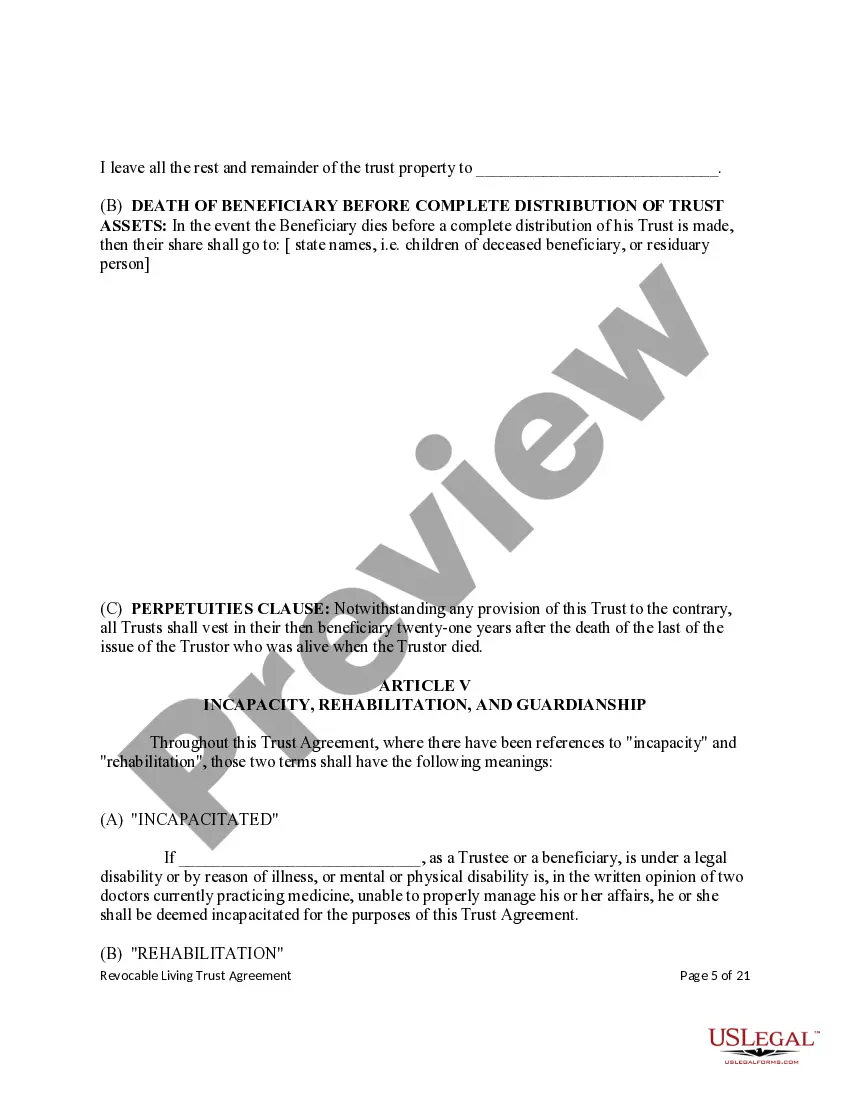
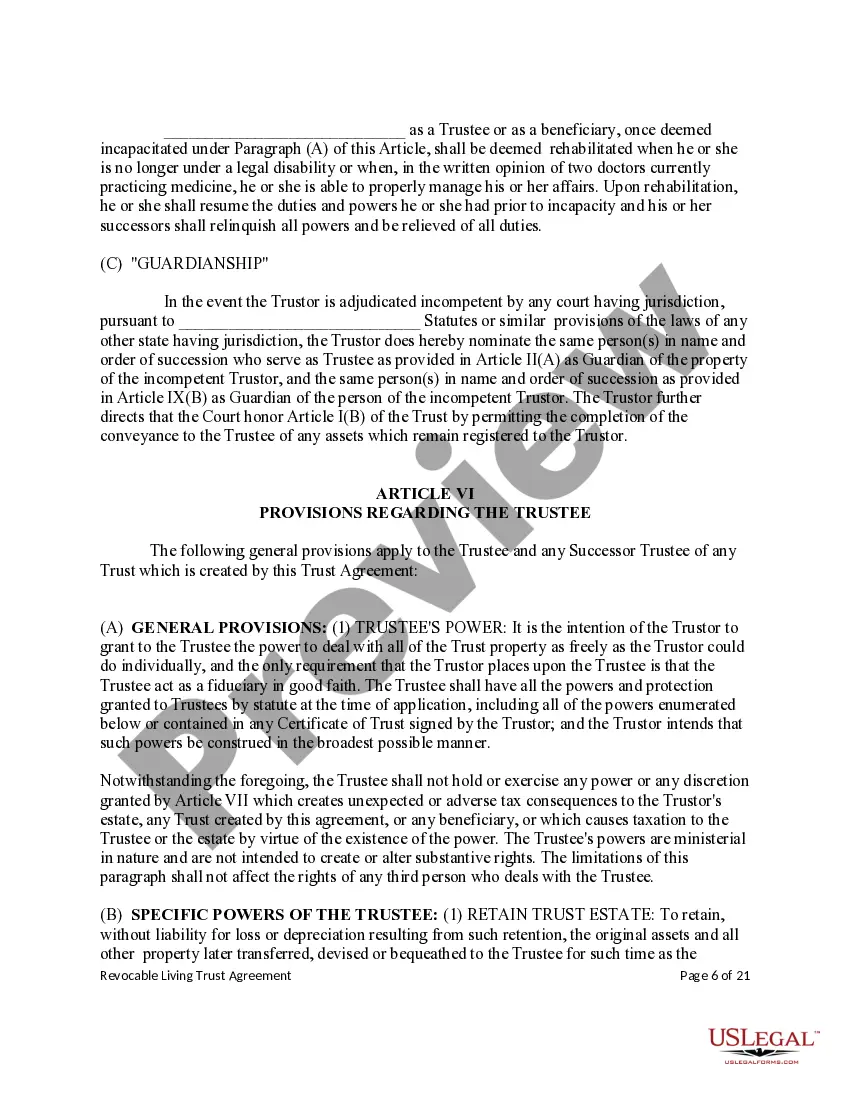
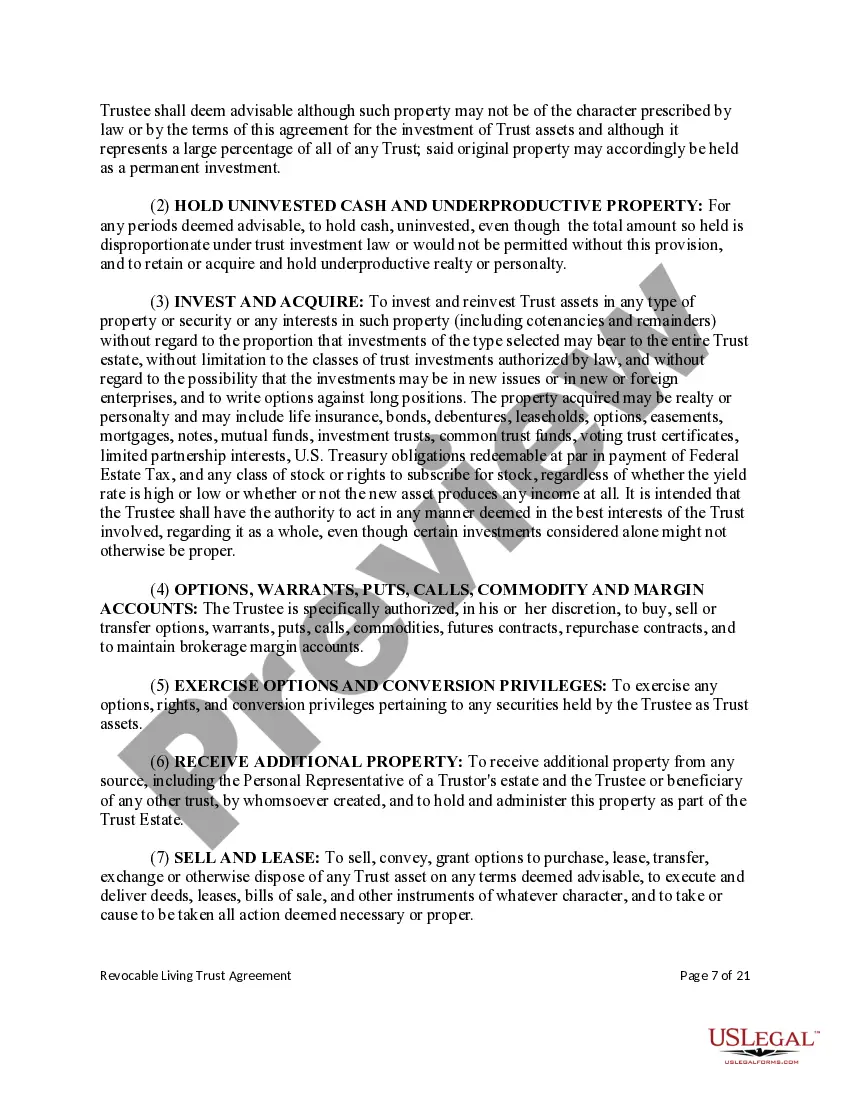
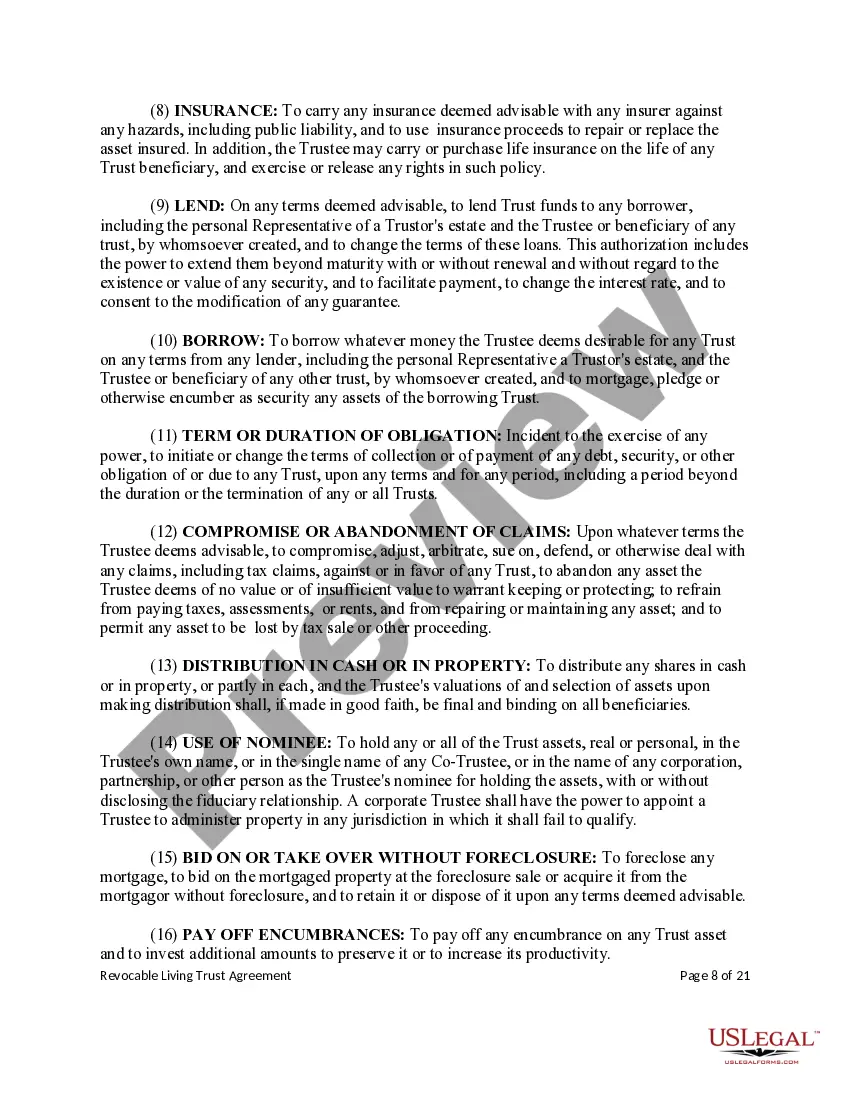
How to fill out Revocable Living Trust For Married Couple?
Are you presently in a circumstance where you frequently require documents for either organization or particular needs almost every workday.
There are numerous legal document templates accessible online, but finding reliable ones can be challenging.
US Legal Forms offers thousands of template options, such as the Rhode Island Revocable Living Trust for Married Couple, which are designed to comply with state and federal regulations.
Utilize US Legal Forms, the most extensive collection of legal documents, to save time and minimize errors.
The service offers professionally crafted legal document templates that can be used for various purposes. Create an account on US Legal Forms and start simplifying your life.
- If you are already familiar with the US Legal Forms website and possess an account, simply Log In.
- After that, you can download the Rhode Island Revocable Living Trust for Married Couple template.
- If you do not have an account and wish to begin using US Legal Forms, follow these steps.
- Obtain the form you need and ensure it corresponds to the correct city/region.
- Utilize the Preview option to review the document.
- Examine the description to confirm that you have selected the appropriate form.
- If the form isn’t what you’re looking for, use the Lookup field to find the form that meets your needs and requirements.
- Once you identify the correct form, click Get now.
- Select the pricing plan you prefer, enter the required details to create your account, and complete your purchase using PayPal or credit card.
- Choose a suitable file format and download your copy.
- Locate all the document templates you have acquired in the My documents section. You can retrieve another copy of the Rhode Island Revocable Living Trust for Married Couple any time, if needed. Just click on the desired form to download or print the document template.
Form popularity
FAQ
Yes, a married couple can certainly create a Rhode Island Revocable Living Trust for Married Couple. This type of trust provides great flexibility and can be altered or revoked as personal circumstances change. It allows both partners to dictate how their assets will be managed during their lifetimes and distributed after death. Additionally, it can streamline the estate planning process, making things easier for your loved ones.
Whether to have one trust or two really depends on your specific circumstances as a married couple. A single Rhode Island Revocable Living Trust for Married Couple can simplify management and litigation for the family. However, separate trusts may offer more protection, especially in cases of significant asset disparity or different financial goals. Evaluating both options with a legal professional can help you make the best choice for your needs.
For a married couple, a Rhode Island Revocable Living Trust for Married Couple is often an excellent choice. This type of trust allows couples to maintain control over their assets while providing flexibility for changes as circumstances evolve. It also helps avoid the probate process, saving time and legal costs. Couples should consult with a legal expert to determine if this is the right fit for their unique financial and family situation.
Yes, both husband and wife can serve as co-trustees of a Rhode Island Revocable Living Trust for Married Couple. This arrangement allows both partners to manage the trust's assets together, ensuring transparency and cooperation. It simplifies the decision-making process and can enhance the trust's overall effectiveness. Plus, having both spouses as trustees can provide peace of mind for both partners.
A Rhode Island Revocable Living Trust for Married Couple is a suitable option for couples looking to manage their assets effectively. This type of trust allows you to retain control over your property while avoiding the often lengthy probate process. By establishing this trust, both spouses can ensure that their wishes are honored, even if one of them passes away. Additionally, it offers flexibility, as you can modify or revoke the trust at any time.
Yes, a married couple can certainly create a joint revocable trust, often referred to as a Rhode Island Revocable Living Trust for Married Couple. This arrangement allows both spouses to contribute assets and manage them together. It simplifies estate planning, as it consolidates management of shared assets. Joint trusts can also streamline the transition of assets to beneficiaries upon either spouse's passing.
Filing taxes for a Rhode Island Revocable Living Trust for Married Couple is generally straightforward. Since it is revocable, the IRS typically treats the trust assets as belonging to the individuals. This means that you'll report any income generated by the trust assets on your personal tax return. Be sure to keep detailed records and consider consulting a tax advisor to ensure accurate filings.
The best option for many couples is a Rhode Island Revocable Living Trust for Married Couple, as it allows both spouses to maintain control over the assets. This type of trust can be easily modified or revoked during your lifetime, providing flexibility. It enables efficient management of assets during your life and seamless distribution after death, preventing probate delays. Choosing the right trust ultimately depends on your individual circumstances.
While a Rhode Island Revocable Living Trust for Married Couple offers many benefits, there are disadvantages to consider. First, creating the trust and transferring your property can incur initial costs, including legal fees. Additionally, you may face complications if the trust does not have sufficient funds to cover potential costs or taxes in the future. It is essential to weigh these factors against the advantages.
To place your house in a Rhode Island Revocable Living Trust for Married Couple, start by creating the trust document. This document should outline your intentions and specify the properties included. Next, transfer the title of your property from your name to the name of the trust, which typically involves completing a new deed and filing it with the local recorder's office. Always consider consulting with a legal professional to ensure you follow the proper procedures.