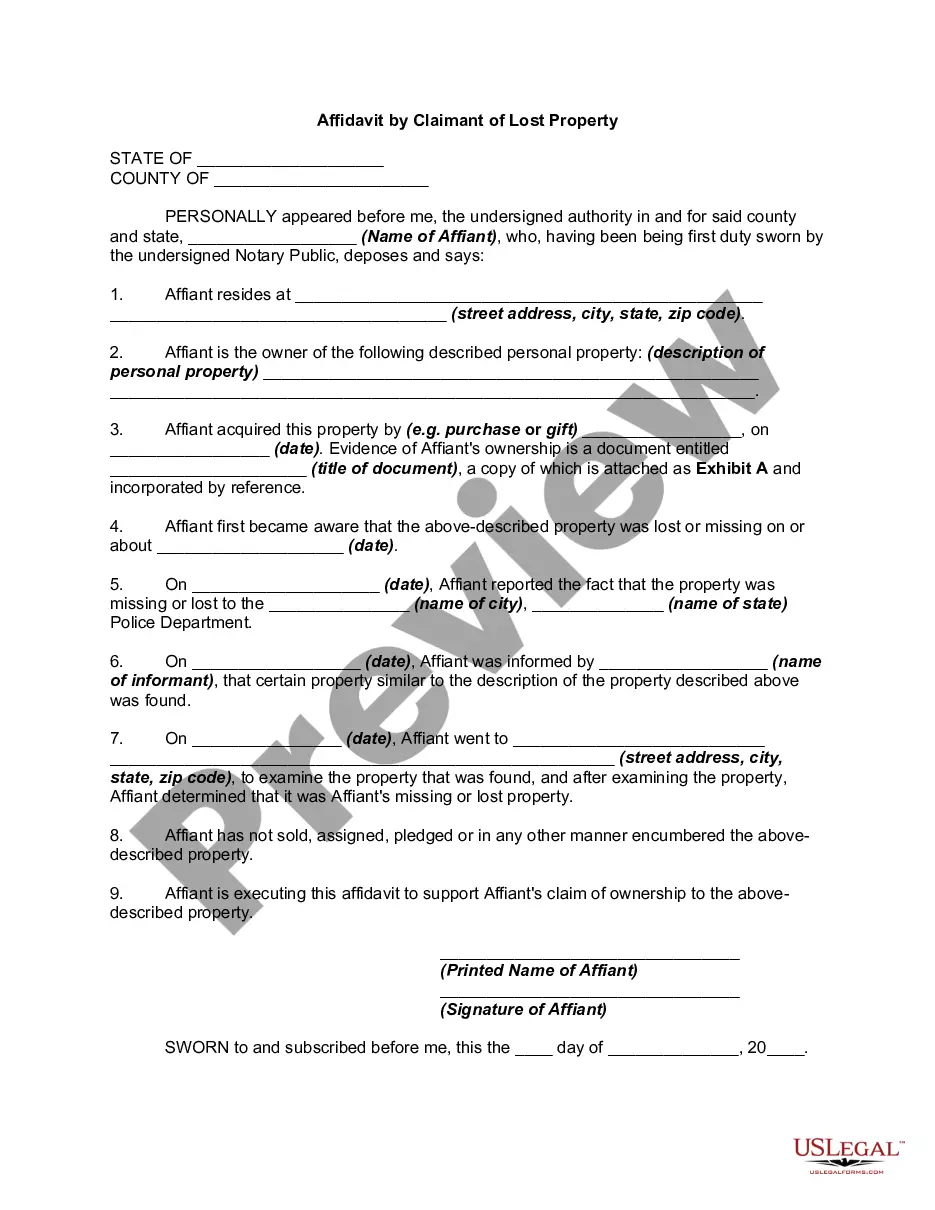
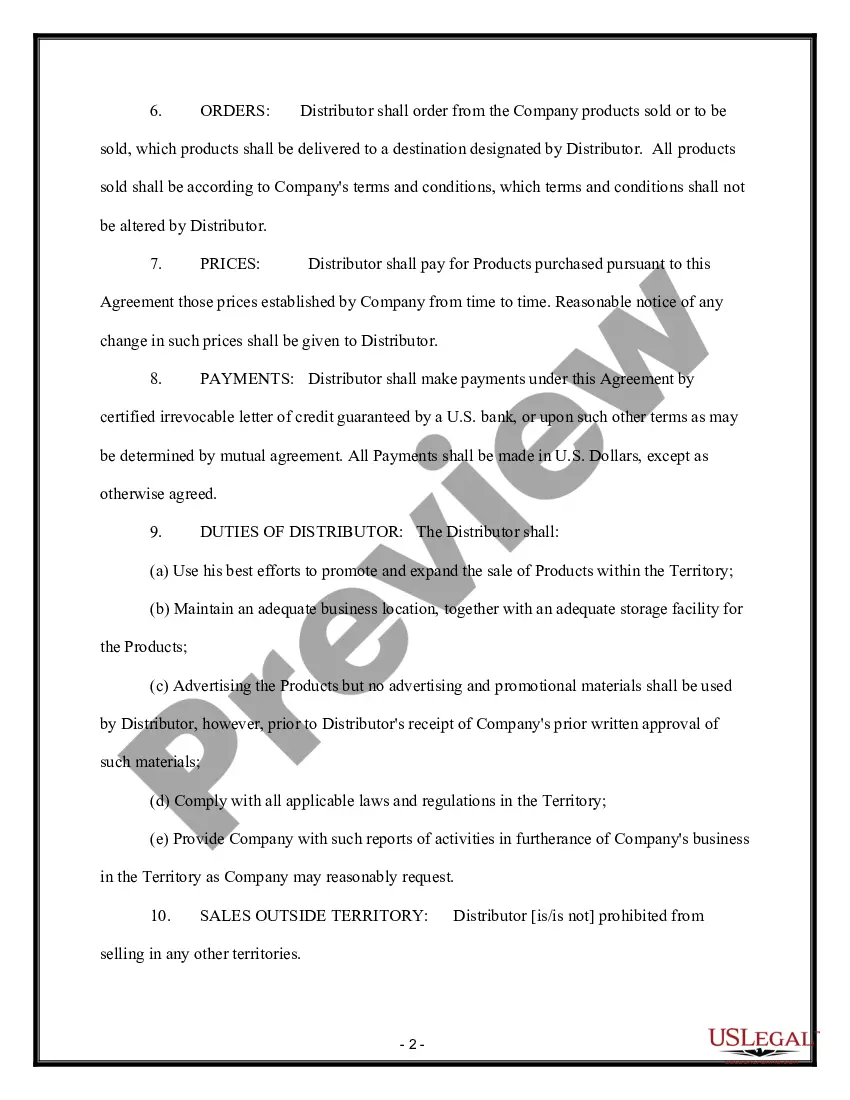
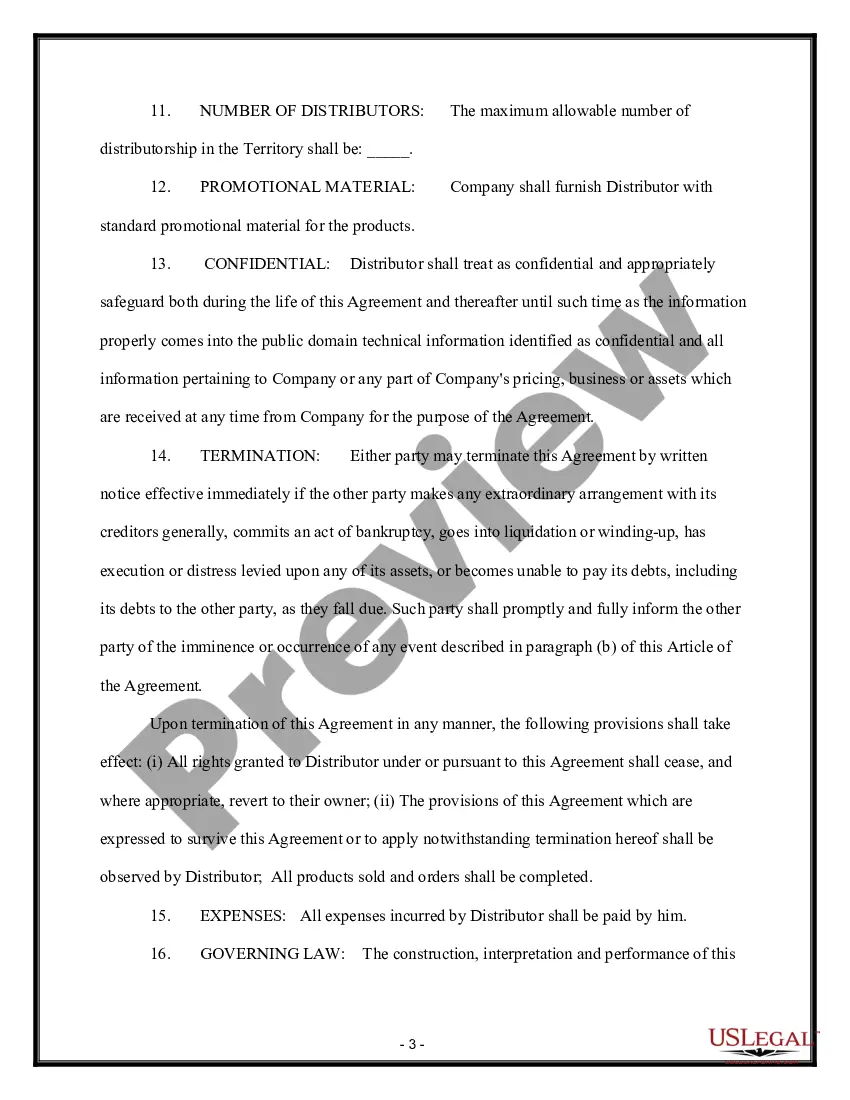
Rhode Island Distributorship Agreement
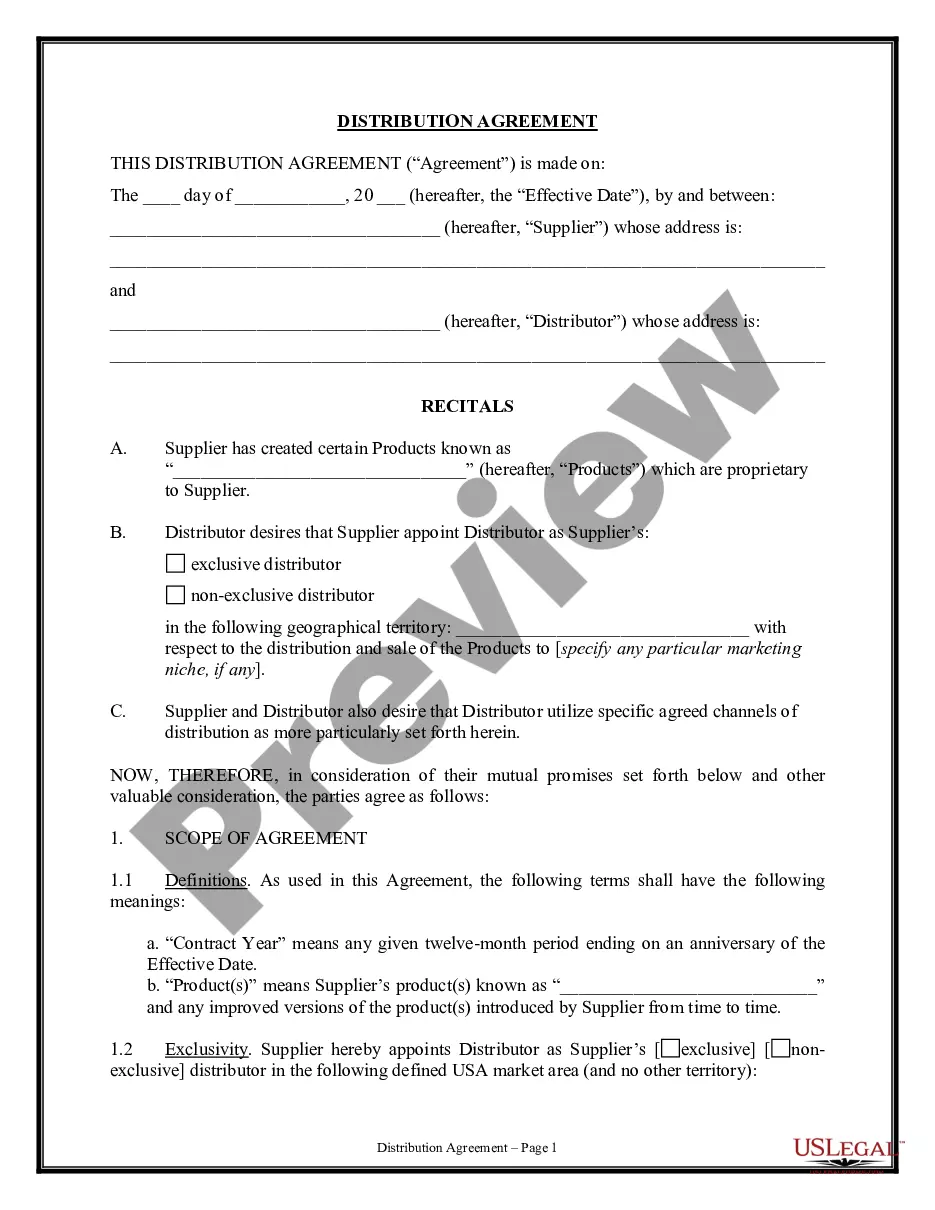
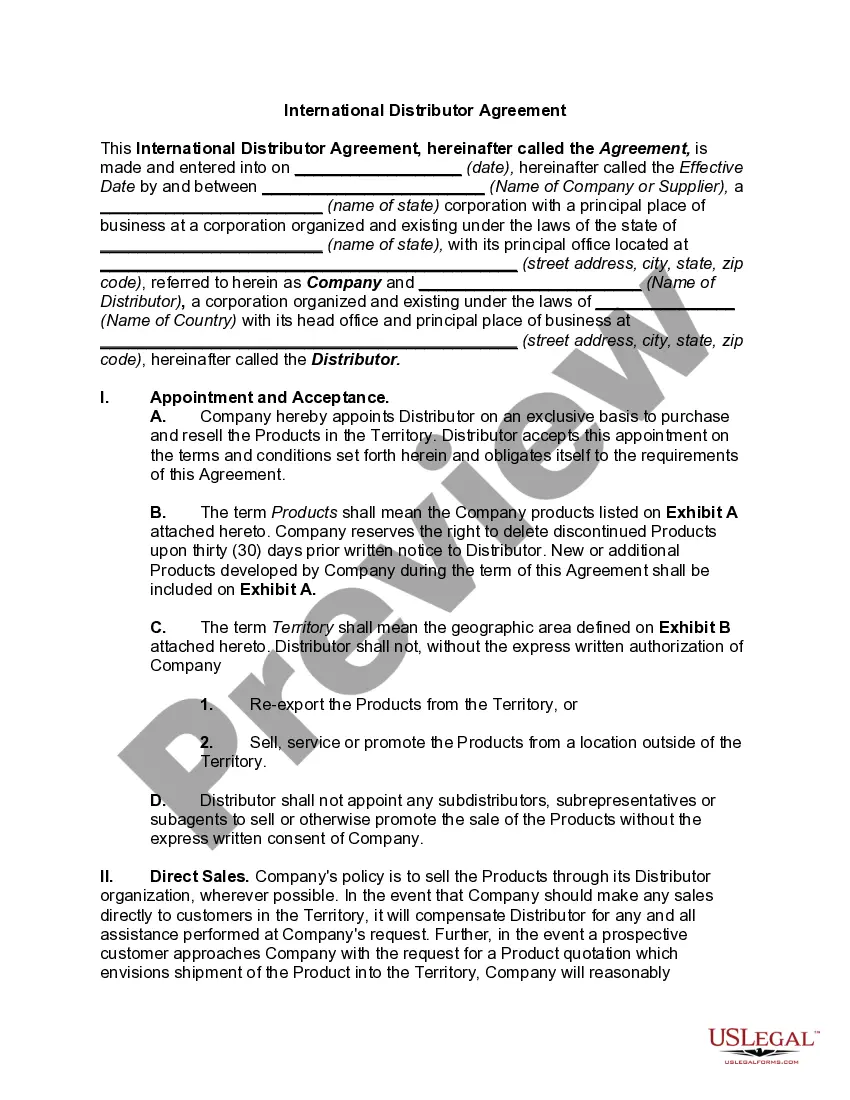
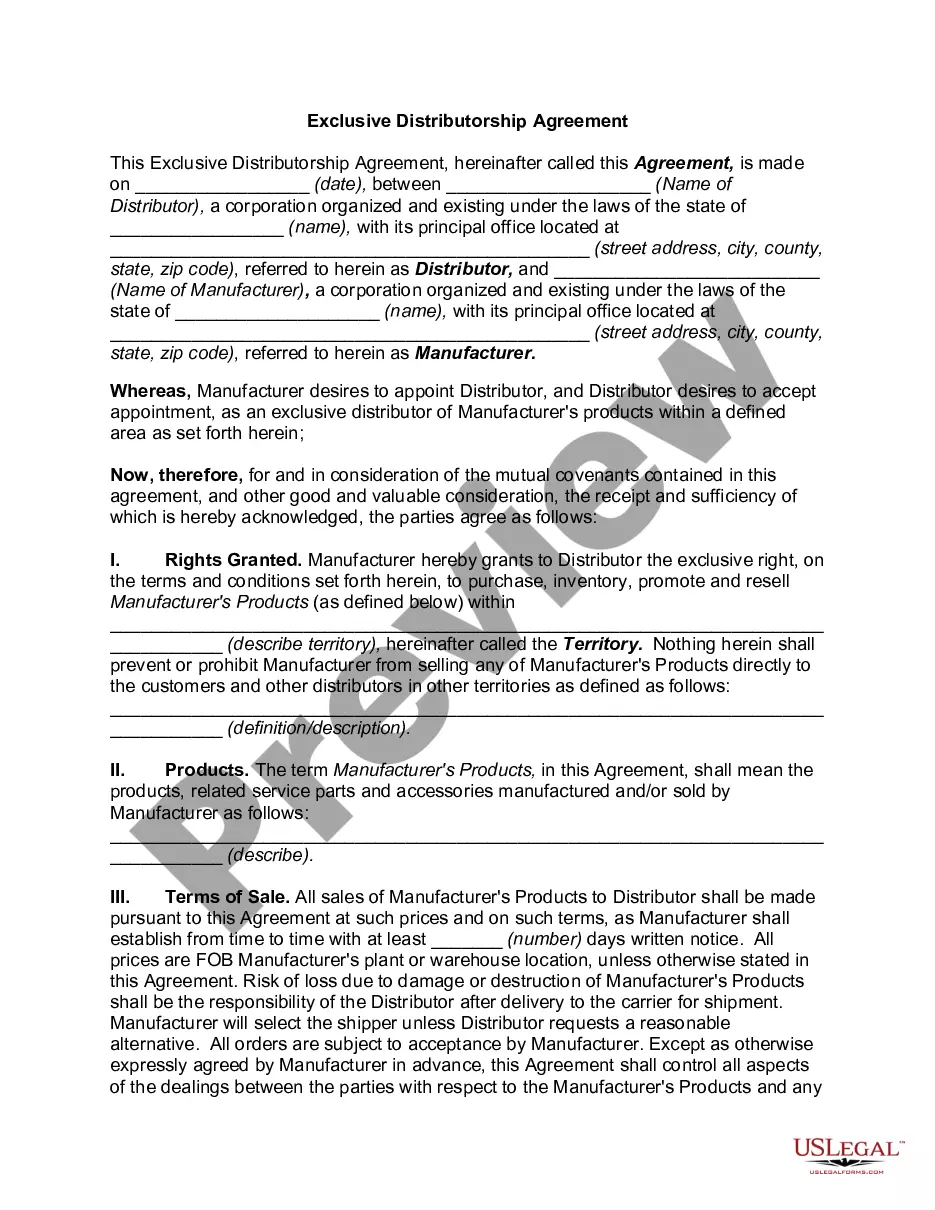
Description
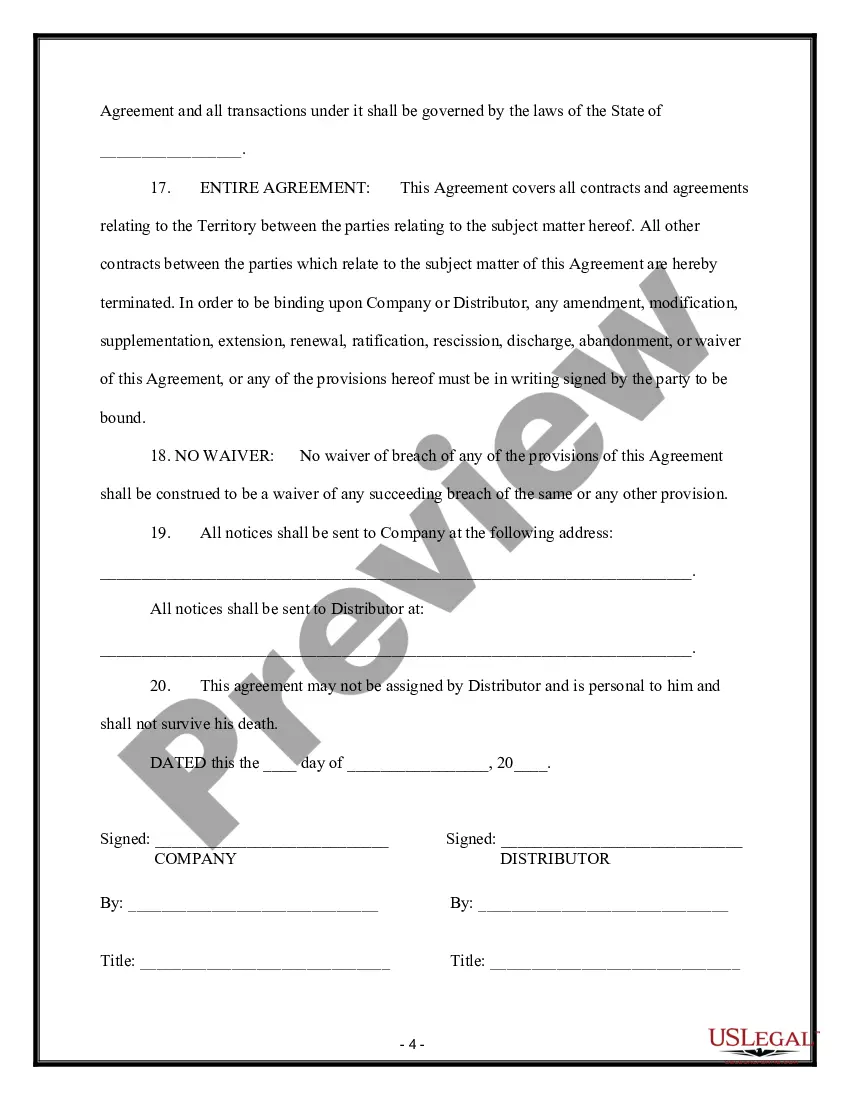
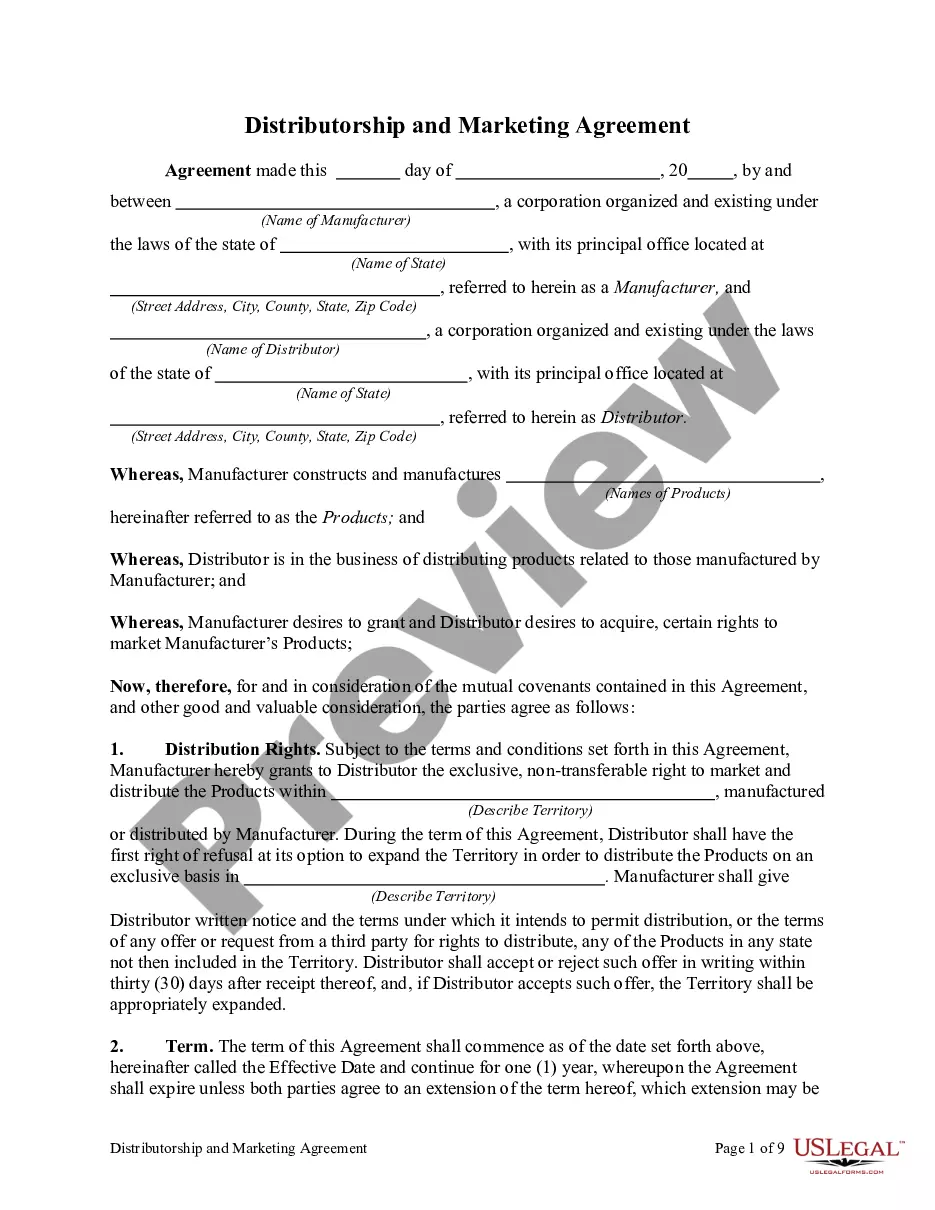
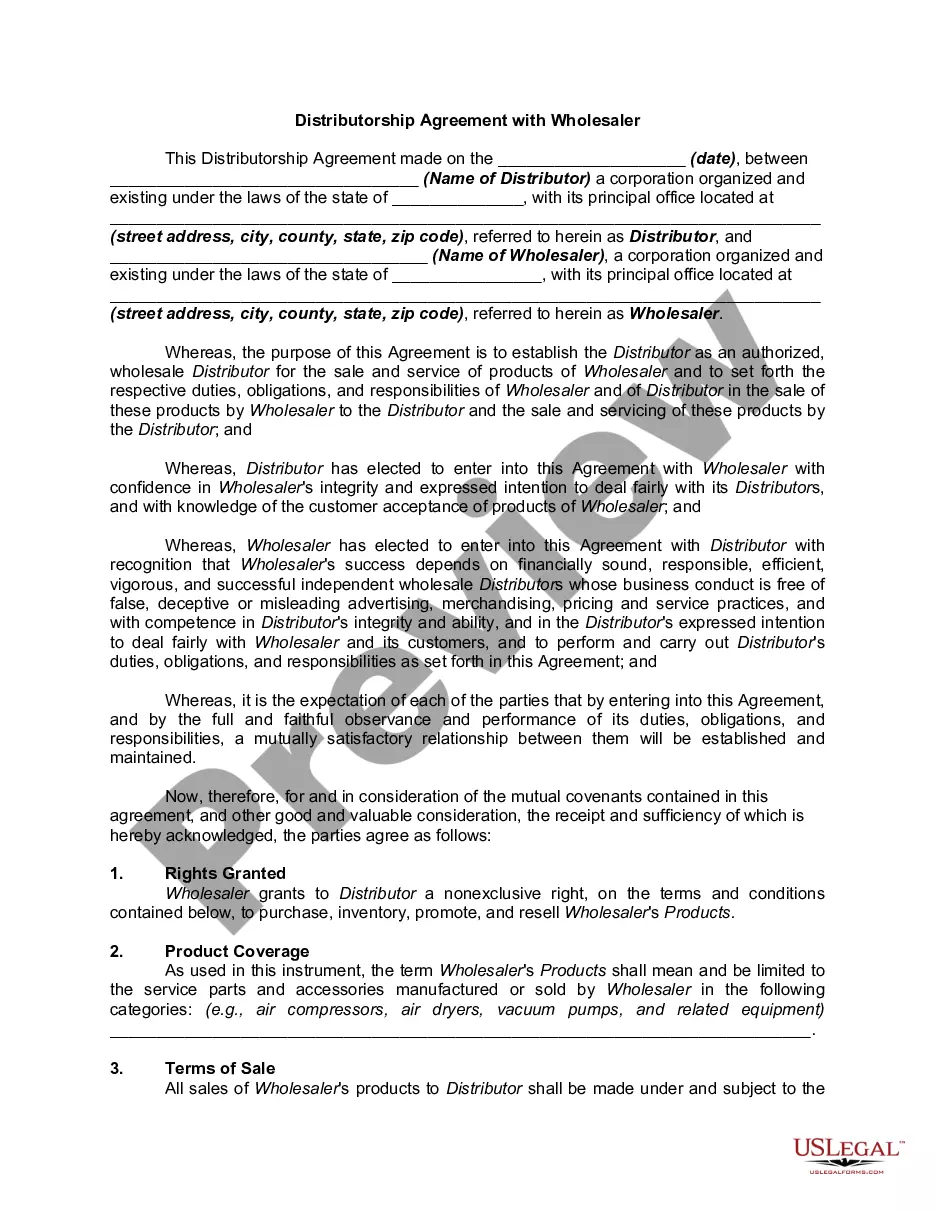
Get your form ready online
Our built-in tools help you complete, sign, share, and store your documents in one place.
Make edits, fill in missing information, and update formatting in US Legal Forms—just like you would in MS Word.
Download a copy, print it, send it by email, or mail it via USPS—whatever works best for your next step.
Sign and collect signatures with our SignNow integration. Send to multiple recipients, set reminders, and more. Go Premium to unlock E-Sign.
If this form requires notarization, complete it online through a secure video call—no need to meet a notary in person or wait for an appointment.
We protect your documents and personal data by following strict security and privacy standards.

Make edits, fill in missing information, and update formatting in US Legal Forms—just like you would in MS Word.

Download a copy, print it, send it by email, or mail it via USPS—whatever works best for your next step.

Sign and collect signatures with our SignNow integration. Send to multiple recipients, set reminders, and more. Go Premium to unlock E-Sign.

If this form requires notarization, complete it online through a secure video call—no need to meet a notary in person or wait for an appointment.

We protect your documents and personal data by following strict security and privacy standards.
Looking for another form?





How to fill out Distributorship Agreement?
You can spend time online looking for the legal document format that meets the state and federal requirements you will need.
US Legal Forms offers thousands of legal documents that can be checked by experts.
It is easy to download or print the Rhode Island Distributorship Agreement from your service.
If available, use the Review button to browse through the document format as well.
- If you already have a US Legal Forms account, you can Log In and then click the Download button.
- Then, you can complete, modify, print, or sign the Rhode Island Distributorship Agreement.
- Every legal document you purchase belongs to you indefinitely.
- To obtain another copy of any purchased document, go to the My documents tab and click the corresponding button.
- If you are using the US Legal Forms website for the first time, follow the simple instructions below.
- First, ensure you have selected the correct document format for the region/area you choose.
- Review the document details to confirm you have selected the correct document.
Form popularity
FAQ
The difficulty of the Rhode Island permit test can vary based on your preparation. Many applicants find that studying the Rhode Island Driver's Manual and taking practice tests can significantly improve their chances of passing. The test focuses on road rules and safety, and it's smart to take your time to understand these concepts. Being well-prepared not only helps you pass but also plays a crucial role in establishing a solid foundation for your business in a Rhode Island Distributorship Agreement.
To obtain a dealer license in Rhode Island, you must complete the application process through the Department of Business Regulation. First, gather all necessary documents, including proof of a physical location and any required insurance. After submitting your application, you may need to pass a background check. By understanding the legal aspects involved, including the implications of a Rhode Island Distributorship Agreement, you can ensure a smoother licensing experience.
In Rhode Island, a single-member LLC is typically treated as a disregarded entity for tax purposes. This means that you do not need to file a Form 1065, as your LLC income will be reported on your personal tax return. However, having a Rhode Island distributorship agreement is beneficial as it legitimizes your business, providing clarity to any tax obligations you might have. It's always wise to consult a tax professional to ensure you meet all necessary filing requirements.
Similar to obtaining a dealer license in RI, the process requires you to provide essential documentation to the Rhode Island DMV. You need to submit an application along with required fees, background checks, and other specifics related to your dealership. Having a Rhode Island distributorship agreement can help in elevating your application, showing that you are serious about entering the automotive business. Always check for any updates or changes in the laws to ensure compliance.
Acquiring a seller's permit in Rhode Island involves submitting an application to the Rhode Island Division of Taxation. You will need to provide necessary business information, including your Federal Employer Identification Number. A Rhode Island distributorship agreement may also help establish your business's legitimacy, making it easier to secure your seller's permit. Make sure to stay informed about any local regulations that may apply.
To obtain a dealer license in Rhode Island, you must complete several steps. First, gather the necessary documents, such as proof of identification and your business plan. Then, apply through the Rhode Island DMV, paying careful attention to the requirements outlined for your specific license type. A Rhode Island distributorship agreement can greatly enhance your credibility and streamline this process.
In Rhode Island, the number of cars you can sell depends on your dealer license type. If you hold a Rhode Island distributorship agreement, you may have the ability to sell a larger inventory compared to a private seller. Therefore, it is essential to understand the guidelines set by the Rhode Island DMV. For precise limits and regulations, consider consulting a legal expert familiar with the Rhode Island distributorship agreement.
In Rhode Island, the statute of limitations for breach of contract is ten years. This timeline applies to traditional contracts, including a Rhode Island Distributorship Agreement. Prompt legal action can prevent complications and help you secure your rights effectively.
Yes, Rhode Island is considered a franchise state as it regulates franchise agreements. However, the laws surrounding franchises can be intricate and often require legal insights. If you're entering a Rhode Island Distributorship Agreement that may have elements of franchising, consulting with a legal expert can clarify your obligations.
Rhode Island contract law is based on common law principles, which means that contracts must involve an offer, acceptance, and consideration. When dealing with a Rhode Island Distributorship Agreement, understanding these elements can help avoid issues. For complex contracts, legal guidance can enhance your business dealings.