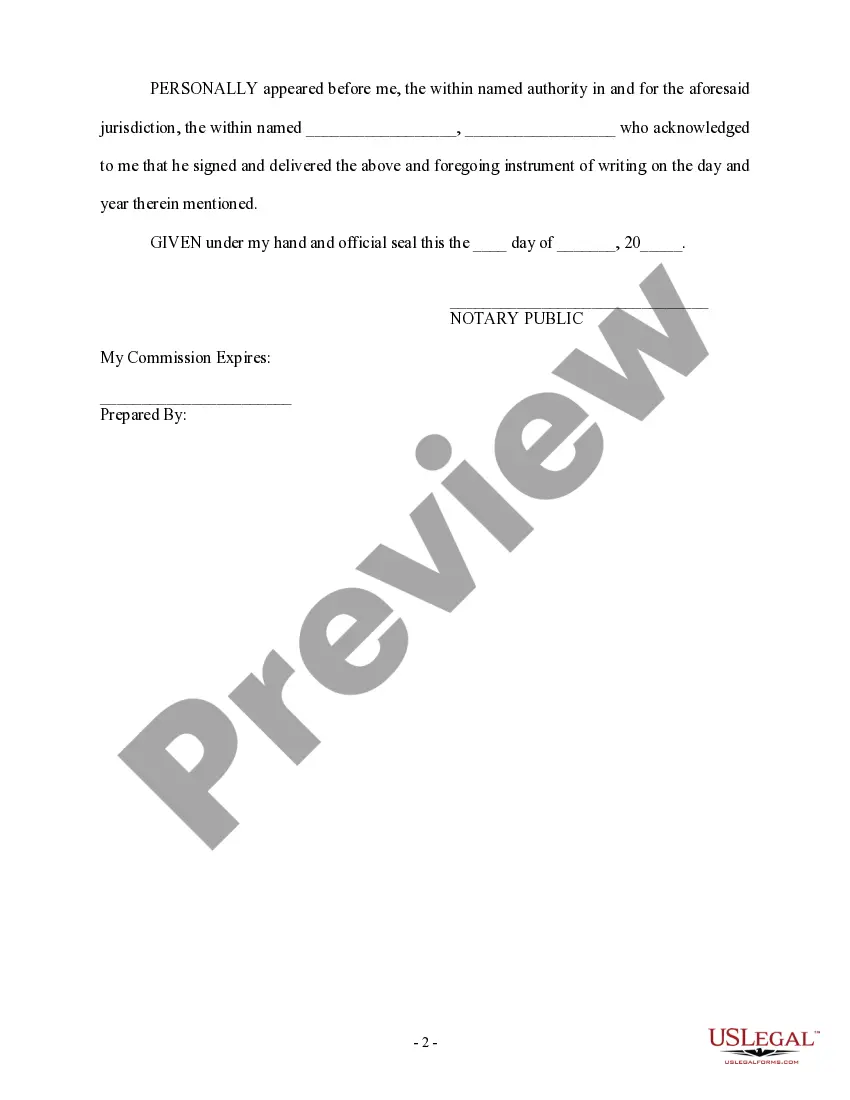
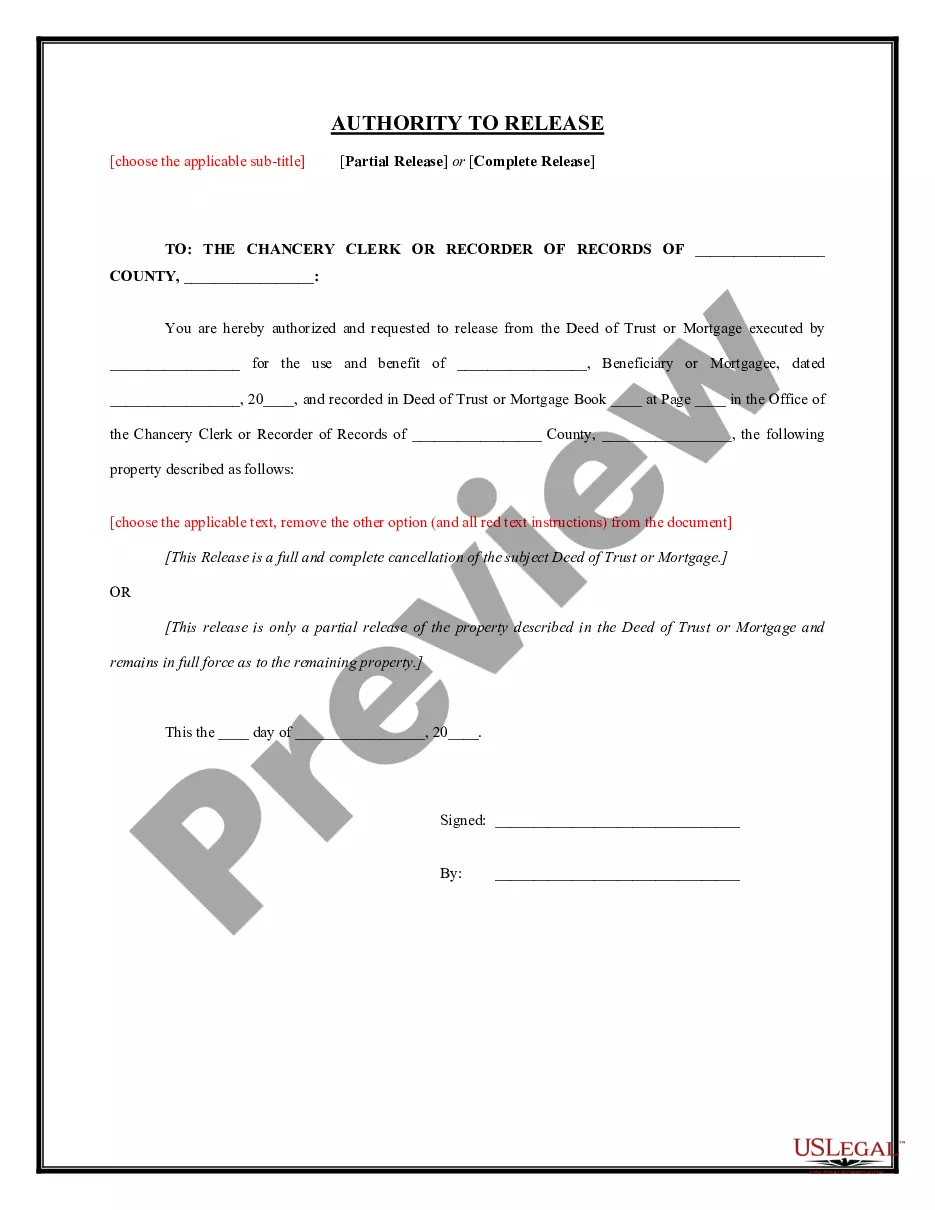
This form is an Authority to Release. The county clerk is authorized and requested to release from a deed of trust a parcel of land to the executor of the estate. The form must be signed in the presence of a notary public.
Rhode Island Authority to Release of Deed of Trust
State:
Multi-State
Control #:
US-00186
Format:
Word;
Rich Text
Instant download
Description
Free preview

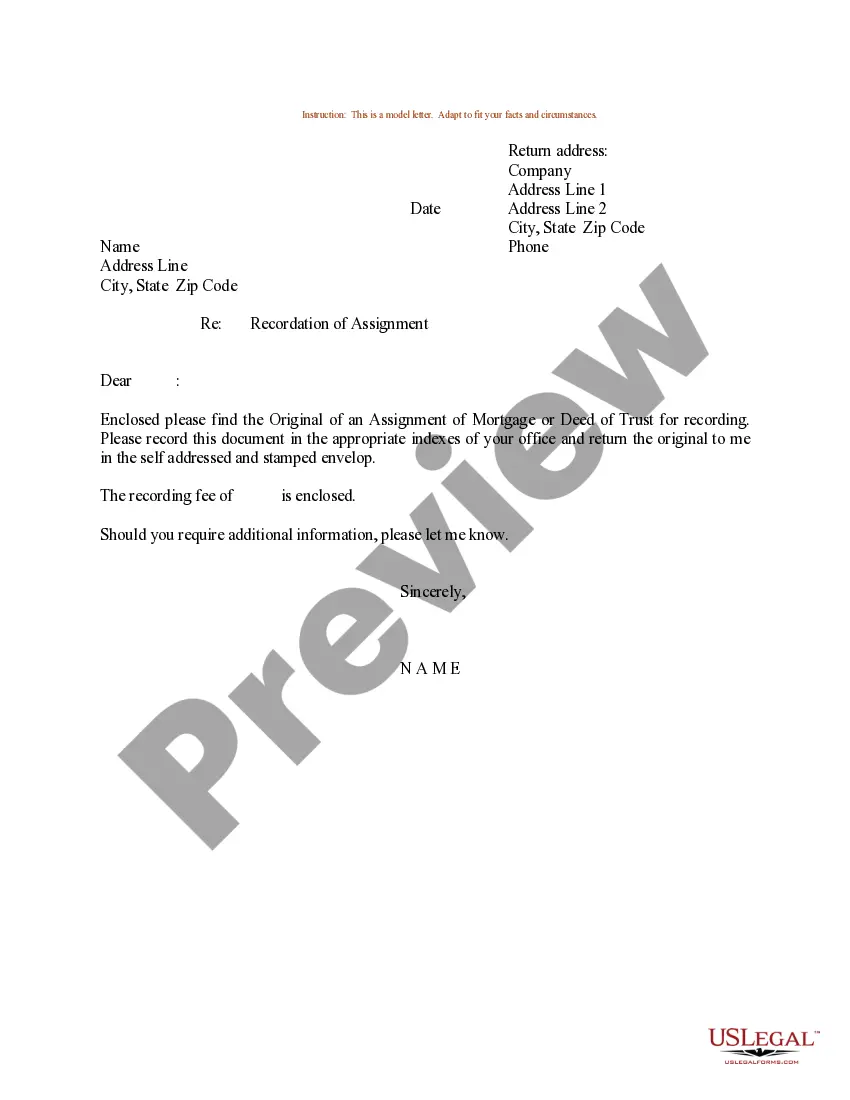

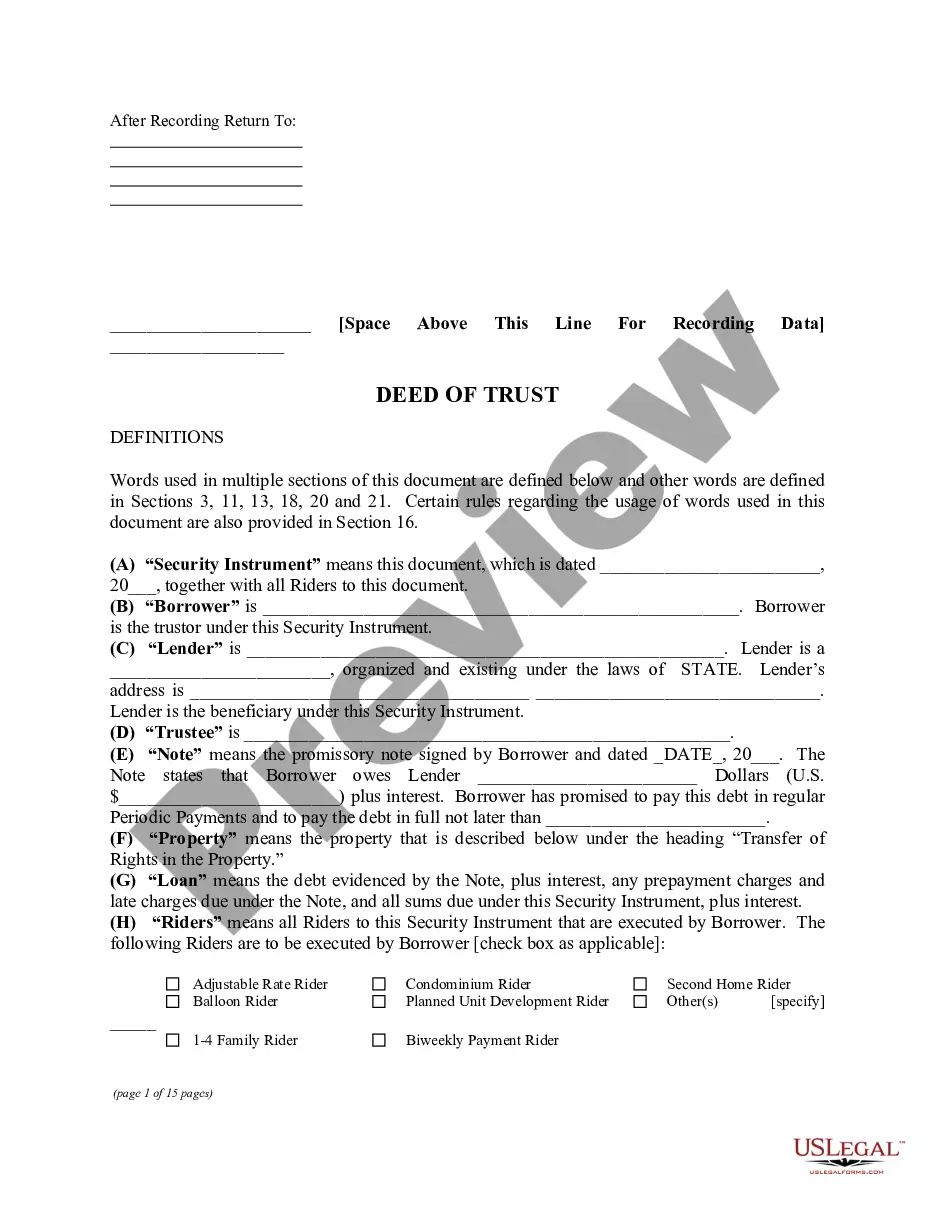

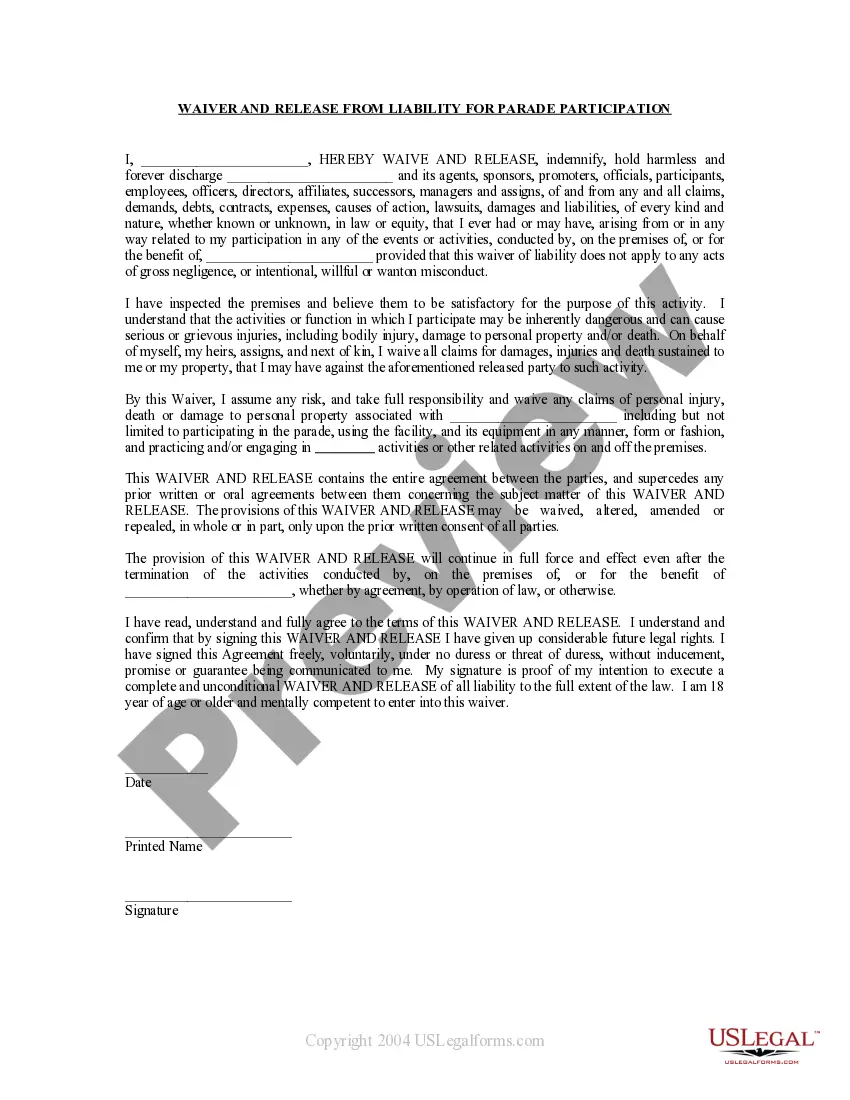
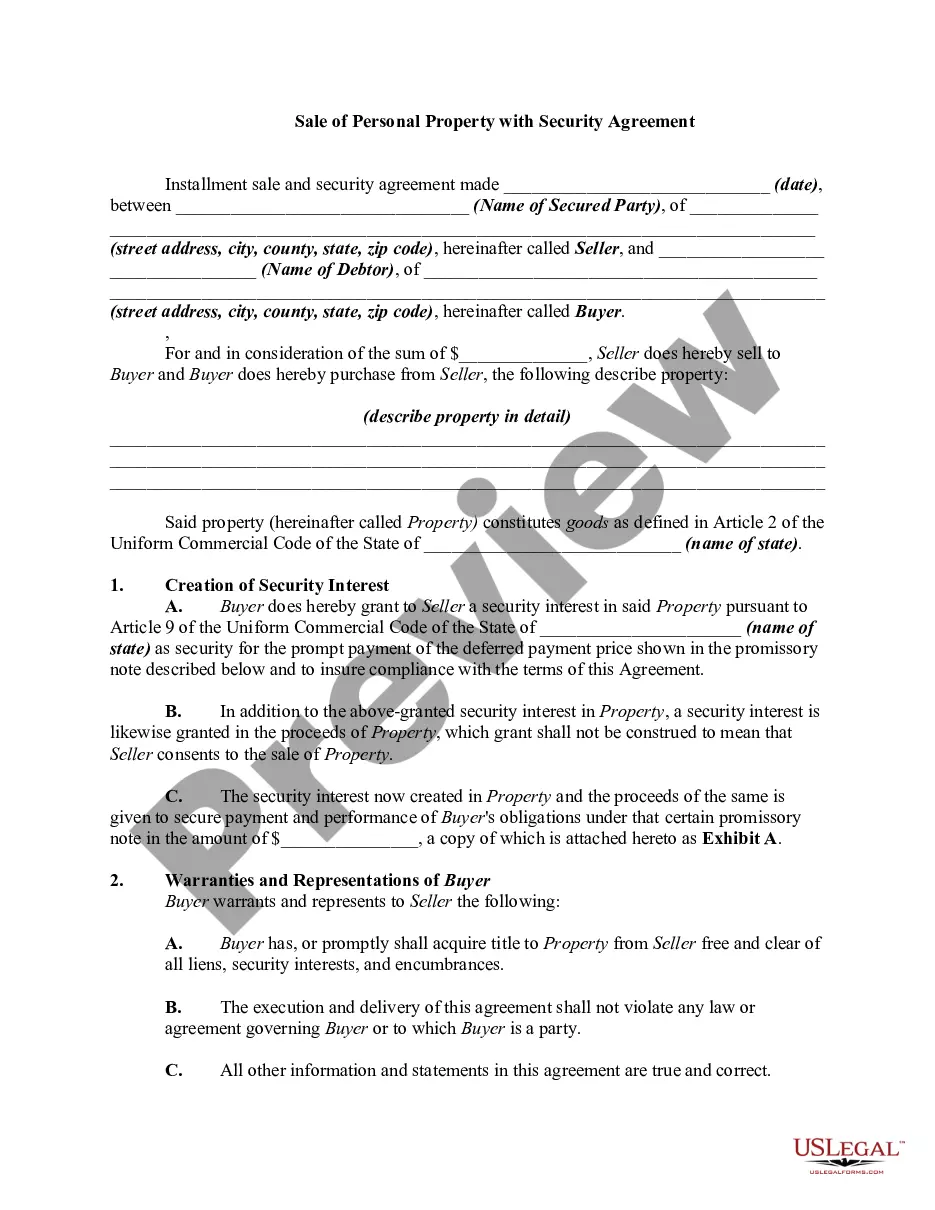
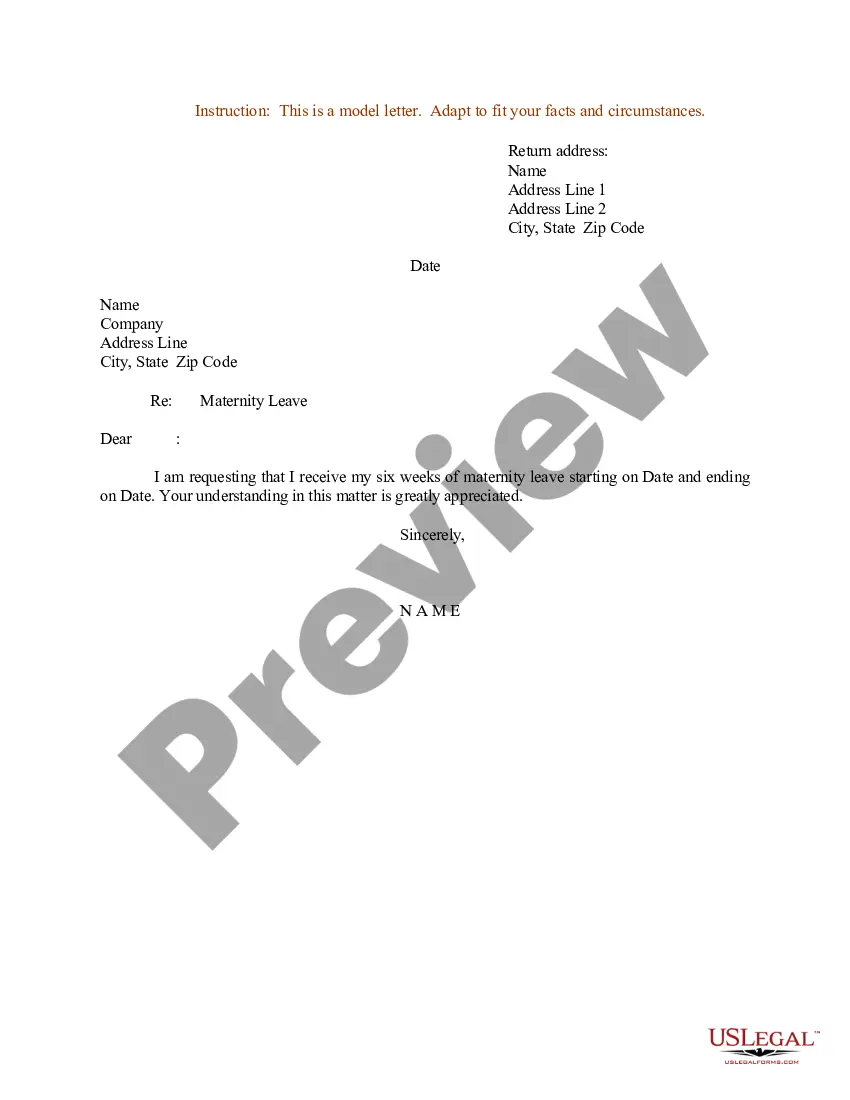

How to fill out Authority To Release Of Deed Of Trust?
Selecting the optimal legal document template can be challenging.
Of course, there are numerous templates accessible online, but how do you locate the specific legal type you need.
Utilize the US Legal Forms website.
First, ensure you have chosen the correct type for your city/state. You can review the form using the Review option and read the form description to confirm it is the right one for you. If the form does not meet your requirements, utilize the Search field to find the correct type. Once you are certain the form is suitable, click the Get now option to acquire the form. Select the pricing plan you desire and enter the necessary information. Create your account and pay for the transaction using your PayPal account or credit card. Choose the file format and download the legal document template to your system. Complete, modify, print, and sign the acquired Rhode Island Authority to Release of Deed of Trust. US Legal Forms is indeed the largest repository of legal documents where you can find countless file templates. Utilize the service to download professionally crafted papers that adhere to state requirements.
- The service offers a vast array of templates, including the Rhode Island Authority to Release of Deed of Trust, which can be utilized for both business and personal purposes.
- All documents are verified by experts and comply with federal and state regulations.
- If you are already registered, Log In to your account and click the Acquire option to download the Rhode Island Authority to Release of Deed of Trust.
- Use your account to browse the legal documents you have previously purchased.
- Visit the My documents tab in your account to obtain another copy of the file you need.
- If you are a new user of US Legal Forms, here are simple steps for you to follow.
Form popularity
FAQ
To add someone to a deed in Rhode Island, you must execute a new deed that includes the new party's name. This process typically requires a grant deed or quitclaim deed, which must be signed and notarized. After that, you need to file the new deed with the local land records office. For assistance with the Rhode Island Authority to Release of Deed of Trust, US Legal Forms provides templates and guidance to streamline the process.
In Rhode Island, an estate typically must be valued at over $15,000 to require probate proceedings. This threshold includes the total value of all assets that the deceased owned at the time of their passing. If the estate value is below this amount, it may qualify for a simpler process. Utilizing platforms like uslegalforms can help you navigate the complexities surrounding the Rhode Island Authority to Release of Deed of Trust and ensure that all legal requirements are met efficiently.
Once you receive a release deed for a Deed of Trust in Rhode Island, it is crucial to take immediate action. Start by filing the release deed with your local recorder's office to update public records. This step is essential, as it signifies that you are no longer bound by the deed. Additionally, consider keeping a copy of the release deed for your records, ensuring that you have proof of your clear title in case any future questions arise regarding the Rhode Island Authority to Release of Deed of Trust.
When there is no will in Rhode Island, the state's intestacy laws dictate who inherits your assets. Typically, the closest relatives, such as spouses, children, or parents, will receive your property. Understanding these laws can help you prepare for estate planning and ensure that your wishes are honored, especially if you are dealing with a deed of trust.
The three essential requirements for a trust in Rhode Island include a clear intent to create a trust, a definite subject matter, and a competent trustee. Each of these elements ensures that the trust operates as intended and protects the interests of the beneficiaries. Understanding these requirements can help you establish a solid foundation for your trust.
To remove someone from a deed of trust, you typically need their consent, which can be documented through a formal agreement. In Rhode Island, this process may also involve the lender, especially if the deed is still active. It is advisable to consult with a legal professional to ensure all steps comply with local regulations and to utilize platforms like uslegalforms for necessary documentation.
In Rhode Island, changing an irrevocable trust is generally not permitted without court approval. However, there are certain circumstances under which modifications may be allowed, such as changes in the law or unforeseen situations that affect the trust's purpose. Consulting with a legal expert on trusts can help you understand your options and the Rhode Island Authority to Release of Deed of Trust may also provide guidance.
Discharging a trust involves fulfilling the obligations outlined in the trust agreement, thereby releasing the trustee from their duties. Once all terms are met, a formal discharge document should be prepared and filed. Understanding the Rhode Island Authority to Release of Deed of Trust is essential to navigate this process correctly.
Section 19 9 6 of the Rhode Island General Laws pertains to the provisions for releasing a deed of trust. It outlines the procedures that lenders and borrowers must follow to ensure compliance. Familiarizing yourself with this section aids in understanding the Rhode Island Authority to Release of Deed of Trust.