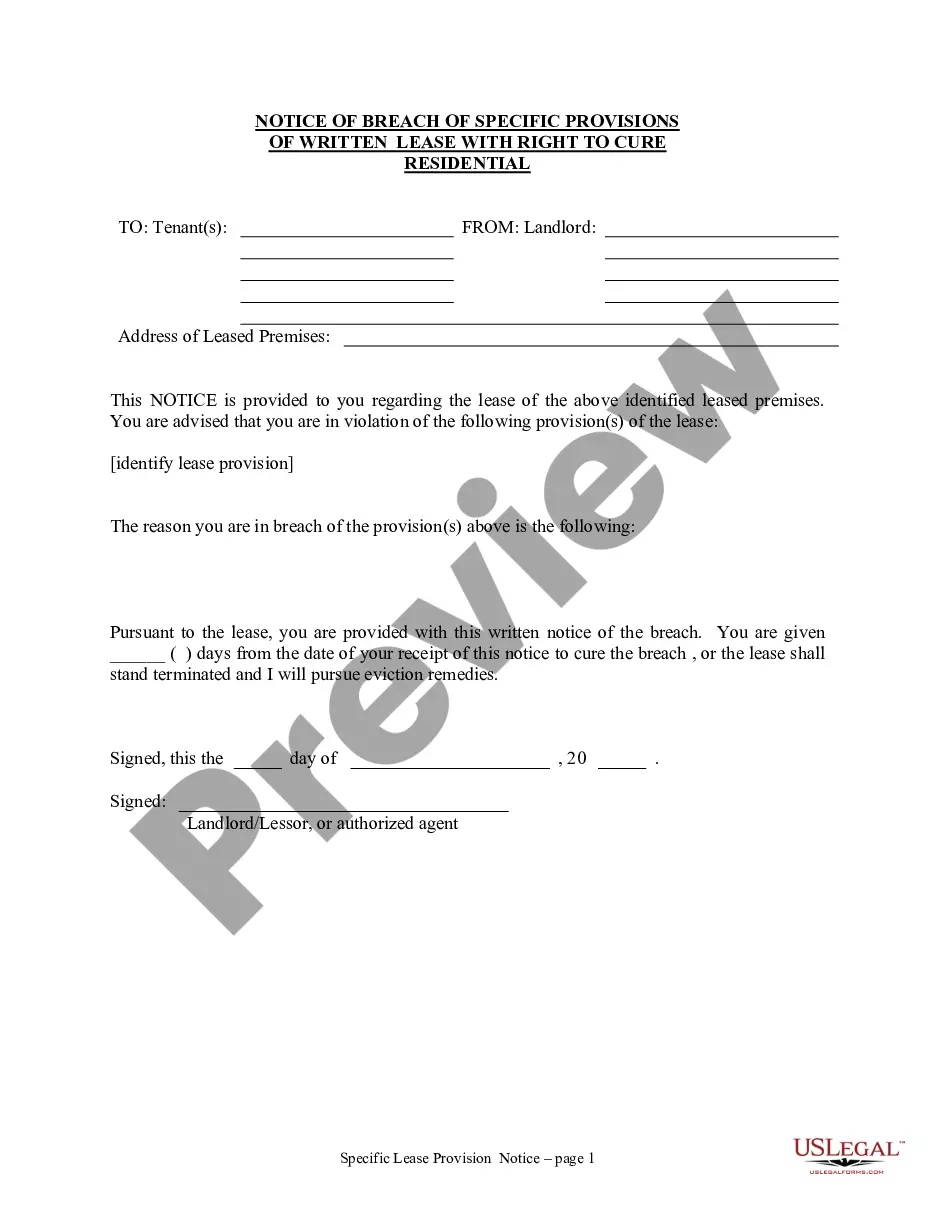
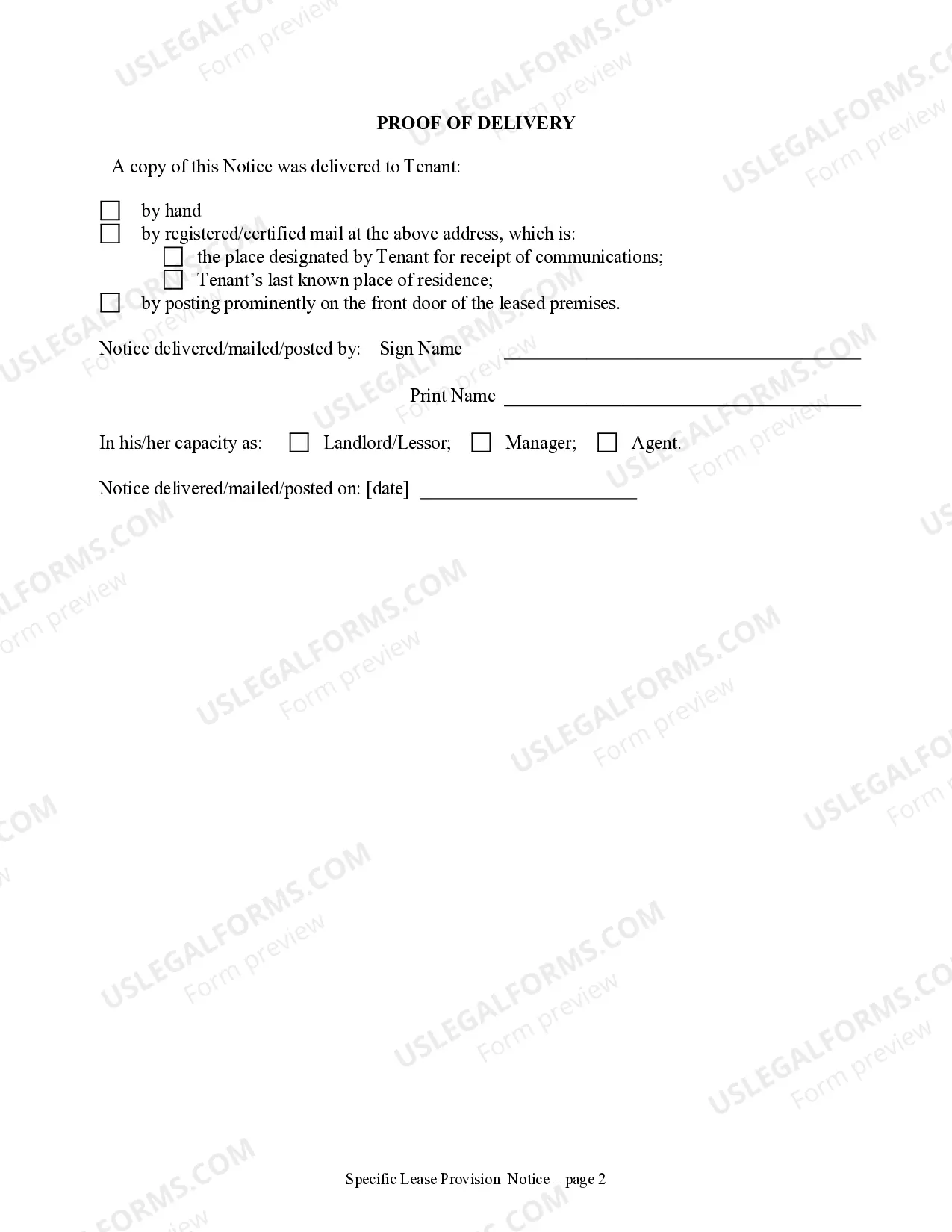
Rhode Island Notice of Breach of Written Lease for Violating Specific Provisions of Lease with Right to Cure for Residential Property from Landlord to Tenant
Description


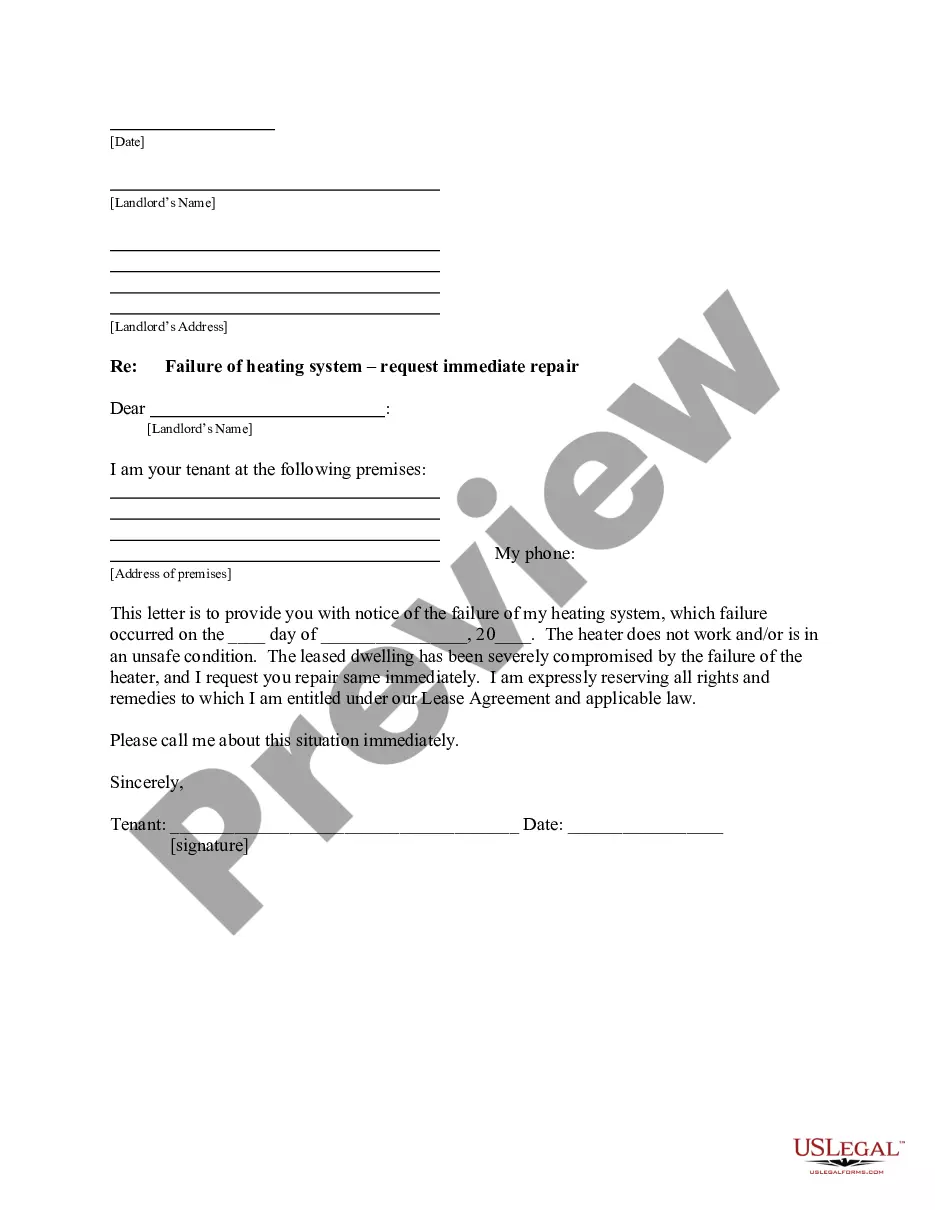
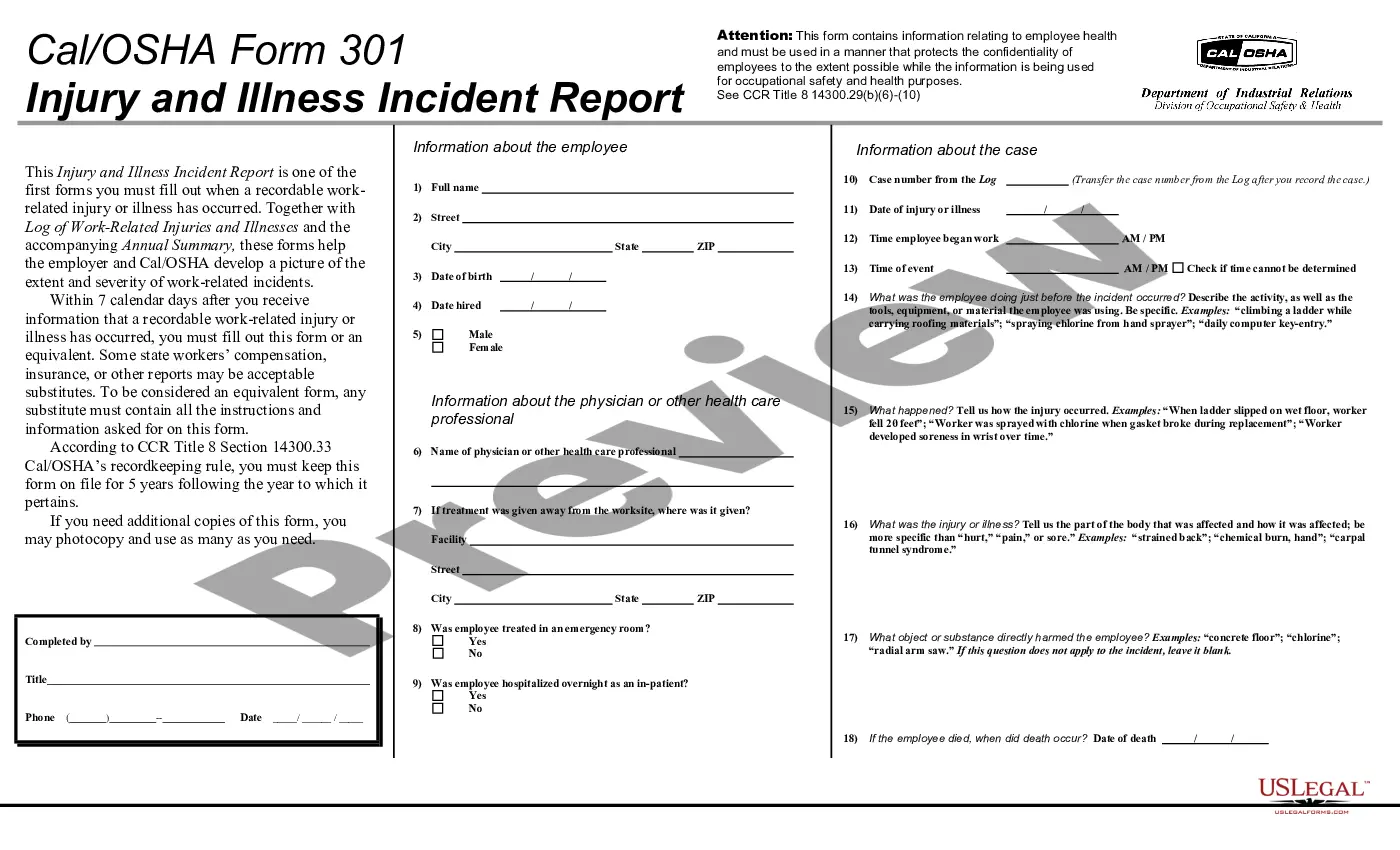
How to fill out Rhode Island Notice Of Breach Of Written Lease For Violating Specific Provisions Of Lease With Right To Cure For Residential Property From Landlord To Tenant?
The work with papers isn't the most simple job, especially for those who rarely deal with legal paperwork. That's why we advise using correct Rhode Island Notice of Breach of Written Lease for Violating Specific Provisions of Lease with Right to Cure for Residential Property from Landlord to Tenant samples created by professional lawyers. It allows you to avoid problems when in court or handling official institutions. Find the templates you need on our website for high-quality forms and correct information.
If you’re a user having a US Legal Forms subscription, simply log in your account. When you’re in, the Download button will automatically appear on the file webpage. After downloading the sample, it will be stored in the My Forms menu.
Customers with no a subscription can easily create an account. Look at this simple step-by-step help guide to get the Rhode Island Notice of Breach of Written Lease for Violating Specific Provisions of Lease with Right to Cure for Residential Property from Landlord to Tenant:
- Make sure that the document you found is eligible for use in the state it is required in.
- Confirm the document. Use the Preview option or read its description (if readily available).
- Click Buy Now if this template is the thing you need or return to the Search field to find another one.
- Choose a convenient subscription and create your account.
- Make use of your PayPal or credit card to pay for the service.
- Download your document in a wanted format.
After doing these easy actions, you can complete the form in a preferred editor. Recheck completed data and consider asking a legal professional to examine your Rhode Island Notice of Breach of Written Lease for Violating Specific Provisions of Lease with Right to Cure for Residential Property from Landlord to Tenant for correctness. With US Legal Forms, everything gets easier. Try it out now!
Form popularity
FAQ
Writing the Letter It should include your name and address as well as the property in question's address and the tenant's name. Just in case there are others residing in or using the property that you are not aware of, include and all other occupants in that salutation. Keep it short and to the point.
A lease is automatically void when it is against the law, such as a lease for an illegal purpose. In other circumstances, like fraud or duress, a lease can be declared void at the request of one party but not the other.
The date that the tenant warning letter was written. The name and the basic personal information of the tenant. The name of the landlord or the owner of the property. The reason why a tenant warning letter has been written.
The rental property address, including unit number (if applicable) The names of all tenants on the lease agreement. The date the lease violation notice was written. The specific reason for the notice. The time and date the violation occurred (if applicable)
When one person leaves a rental unit midway through the lease, it can put the other people on the lease in a bind. Because a lease is a written contract, the landlord can enforce it in court to get the remaining balance owed on the rental unit.
Under California law, a lease does have to be in writing to be enforceable, but only when the lease is for a period of more than a year.
Your name, and the landlord's name and address. The date you're writing the letter. Informing the landlord you're breaking your lease early. The reason why you're breaking your lease. The building and apartment you're vacating. The date by which you're vacating.
A breach of the tenancy agreement by a tenant can result in the landlord receiving a Possession Order from the court that allows them to evict the tenant.A tenant can breach a tenancy agreement in a number of ways under property law. The first and most common is the failure to pay the rent.