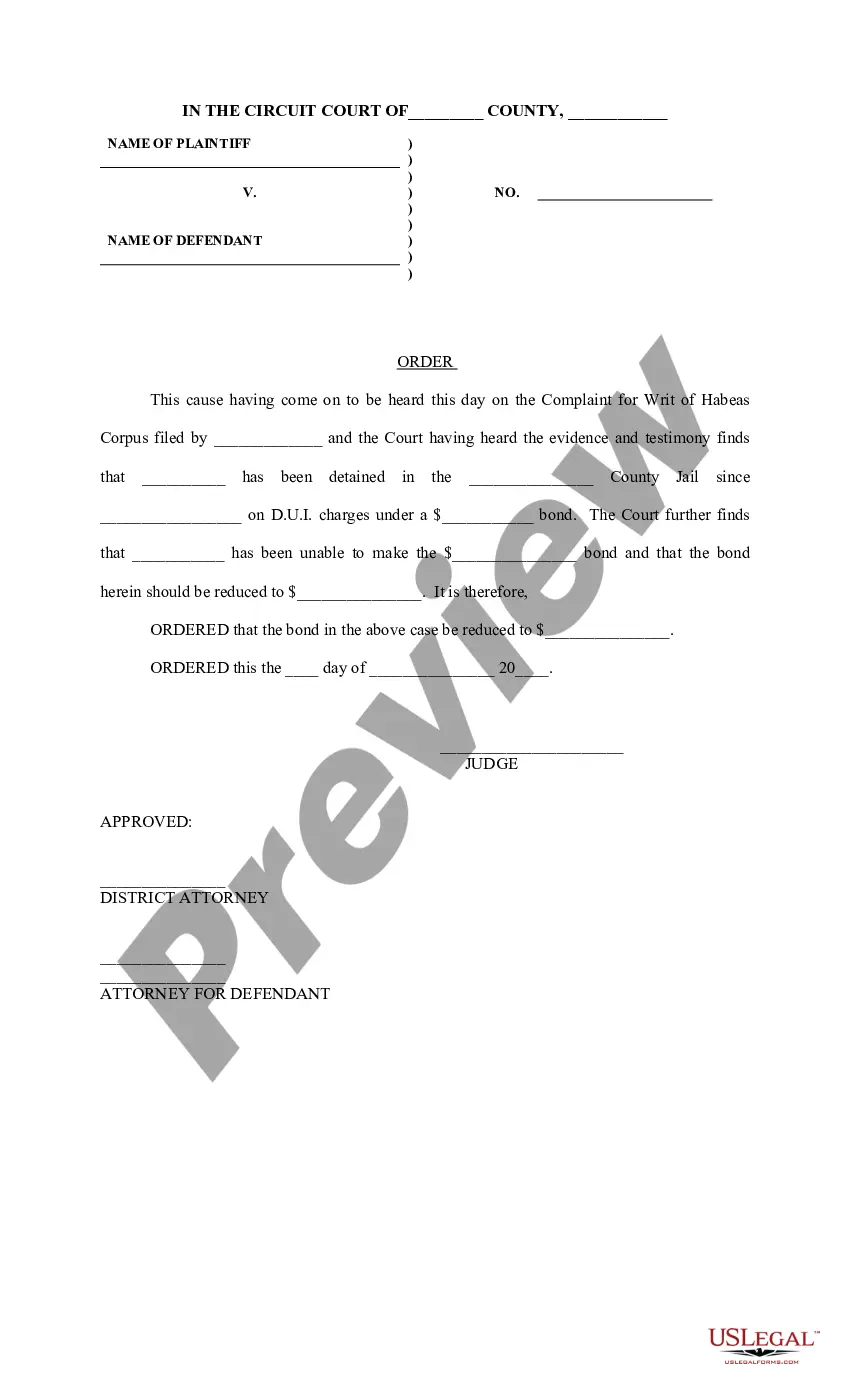
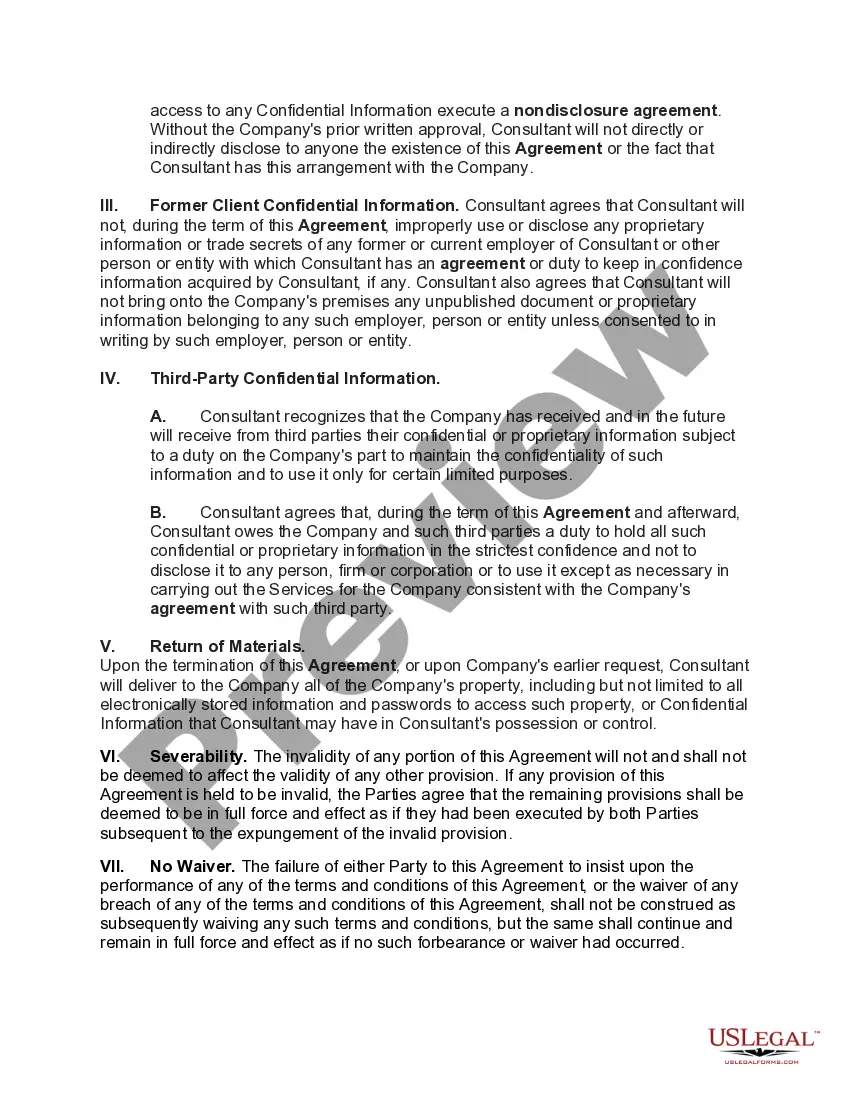
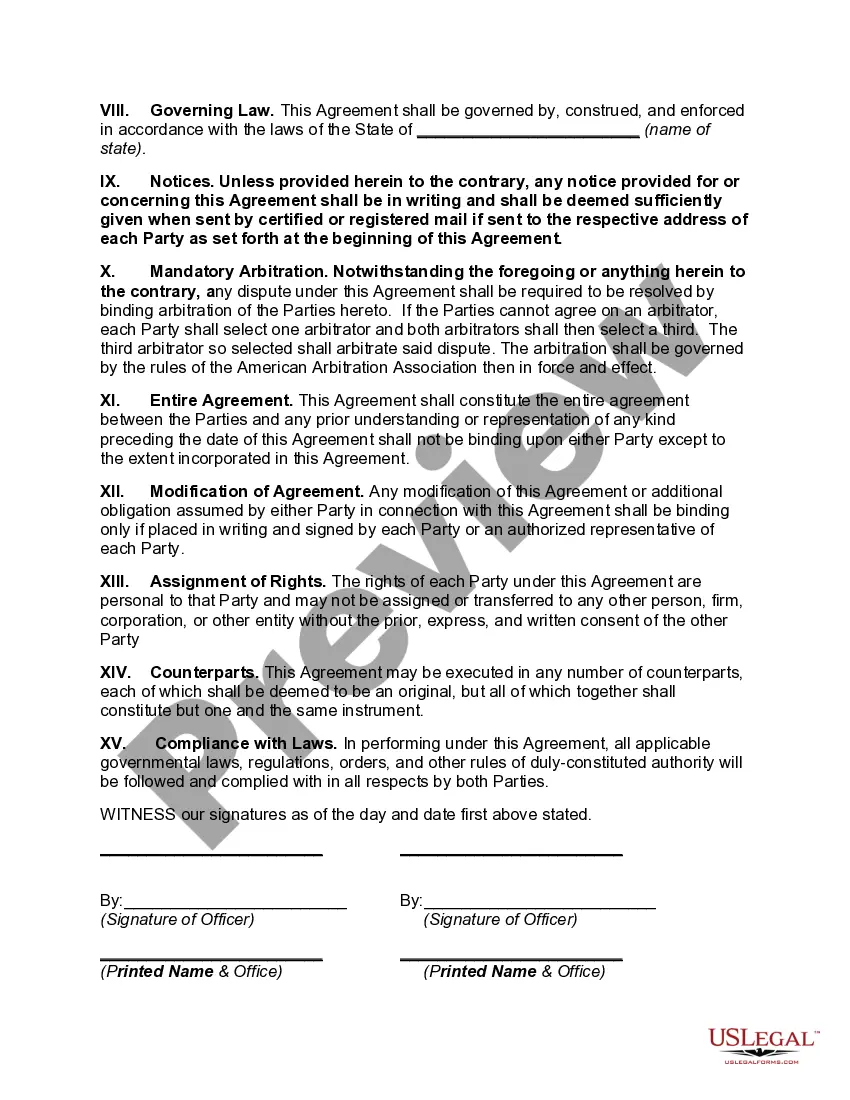
Puerto Rico Confidentiality and Nonuse Agreement Including Protection of Confidential Information of Former Clients and Third Parties
Description
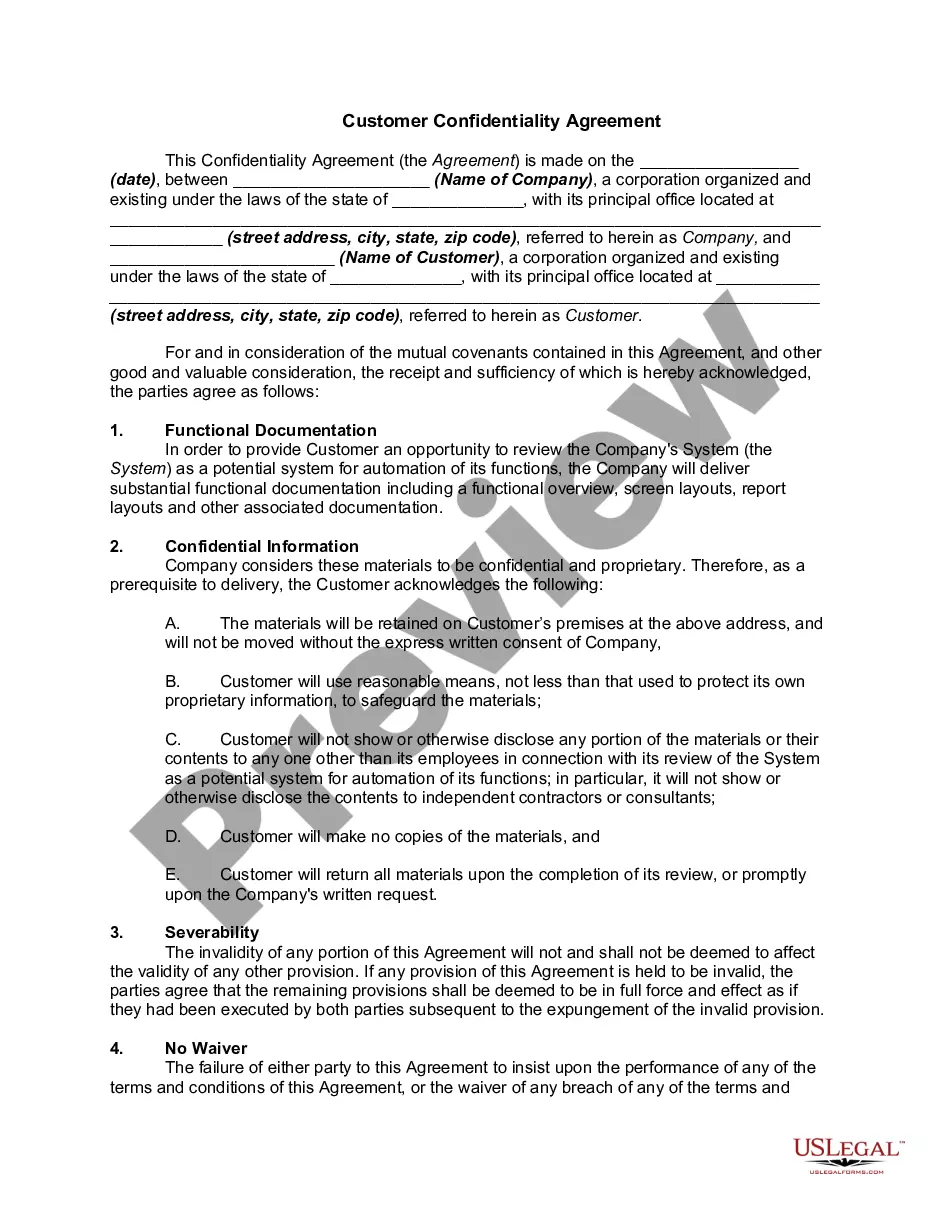
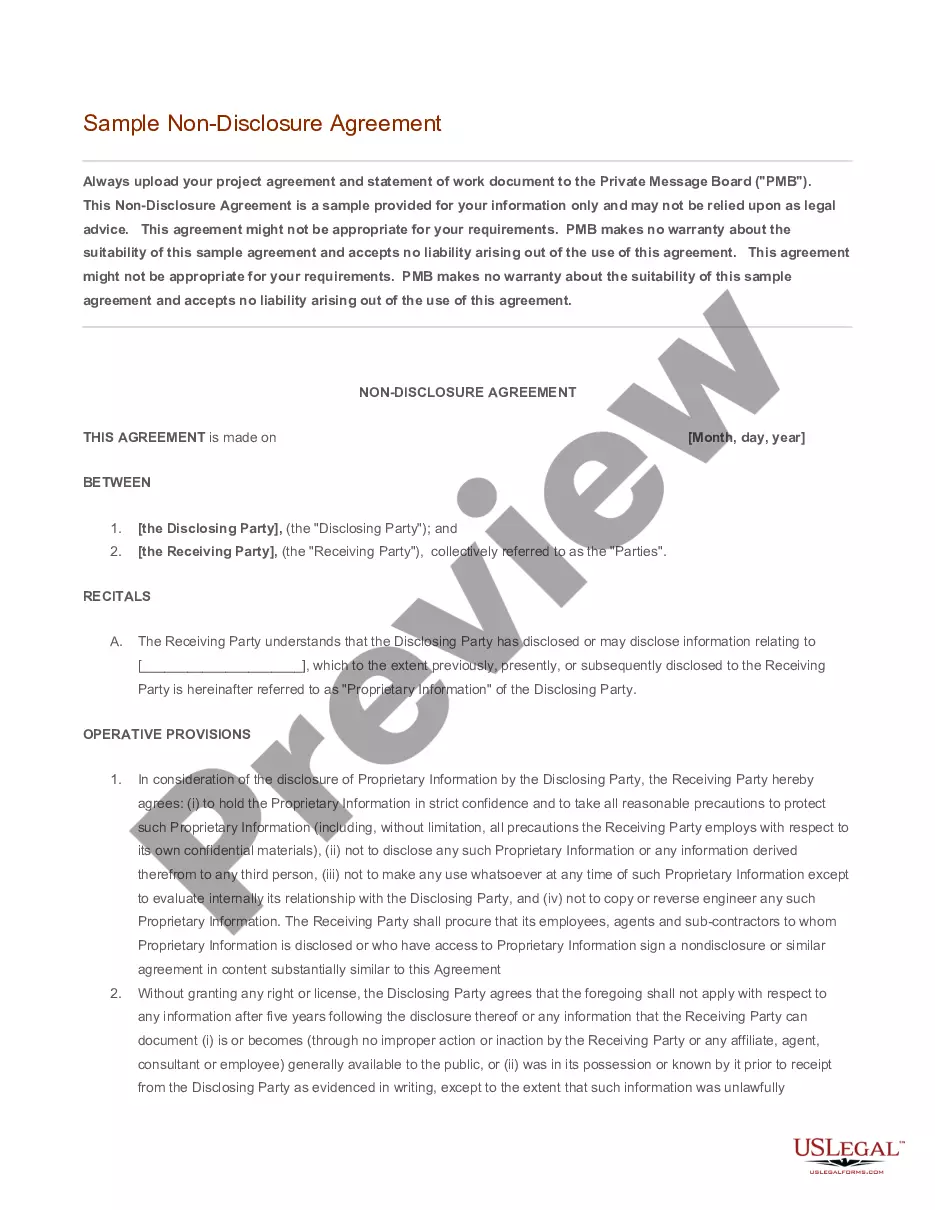
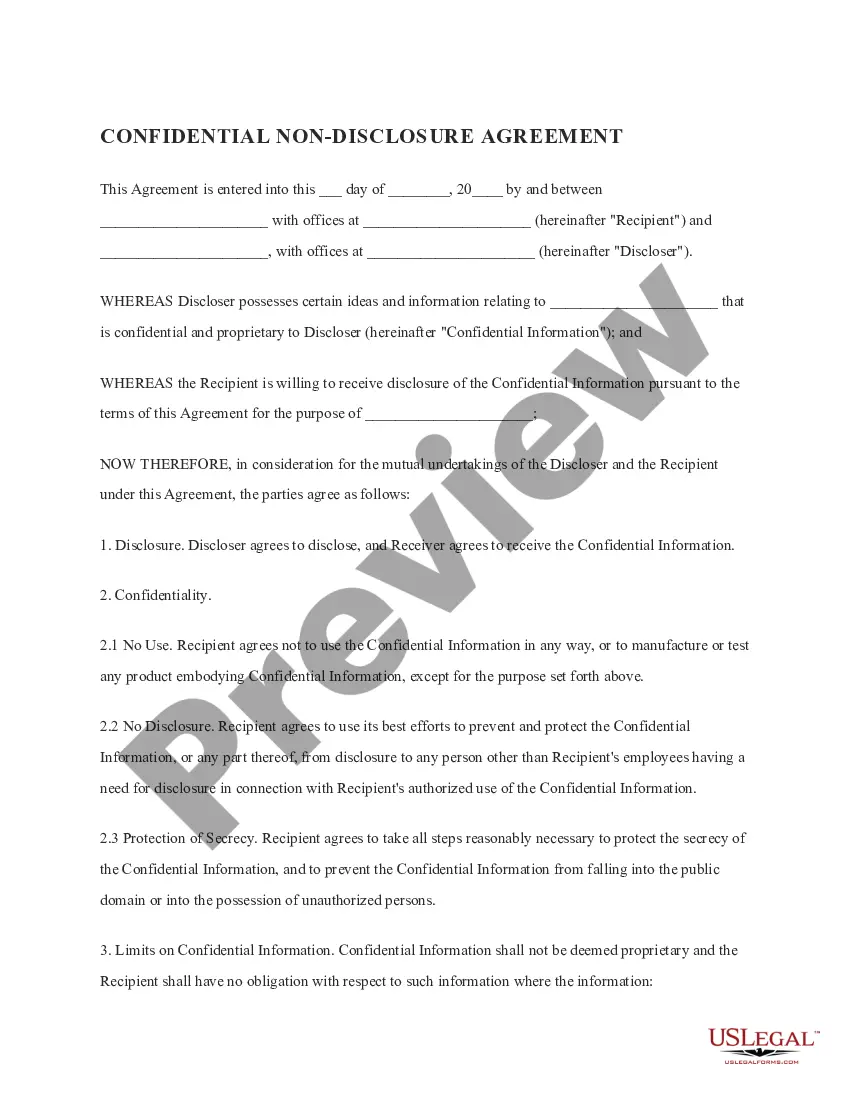
Get your form ready online
Our built-in tools help you complete, sign, share, and store your documents in one place.
Make edits, fill in missing information, and update formatting in US Legal Forms—just like you would in MS Word.
Download a copy, print it, send it by email, or mail it via USPS—whatever works best for your next step.
Sign and collect signatures with our SignNow integration. Send to multiple recipients, set reminders, and more. Go Premium to unlock E-Sign.
If this form requires notarization, complete it online through a secure video call—no need to meet a notary in person or wait for an appointment.
We protect your documents and personal data by following strict security and privacy standards.

Make edits, fill in missing information, and update formatting in US Legal Forms—just like you would in MS Word.

Download a copy, print it, send it by email, or mail it via USPS—whatever works best for your next step.

Sign and collect signatures with our SignNow integration. Send to multiple recipients, set reminders, and more. Go Premium to unlock E-Sign.

If this form requires notarization, complete it online through a secure video call—no need to meet a notary in person or wait for an appointment.

We protect your documents and personal data by following strict security and privacy standards.
Looking for another form?
How to fill out Confidentiality And Nonuse Agreement Including Protection Of Confidential Information Of Former Clients And Third Parties?
Are you presently in a position where you require documents for potential business or specific purposes almost every day.
There are numerous legal document templates available online, but finding reliable versions can be challenging.
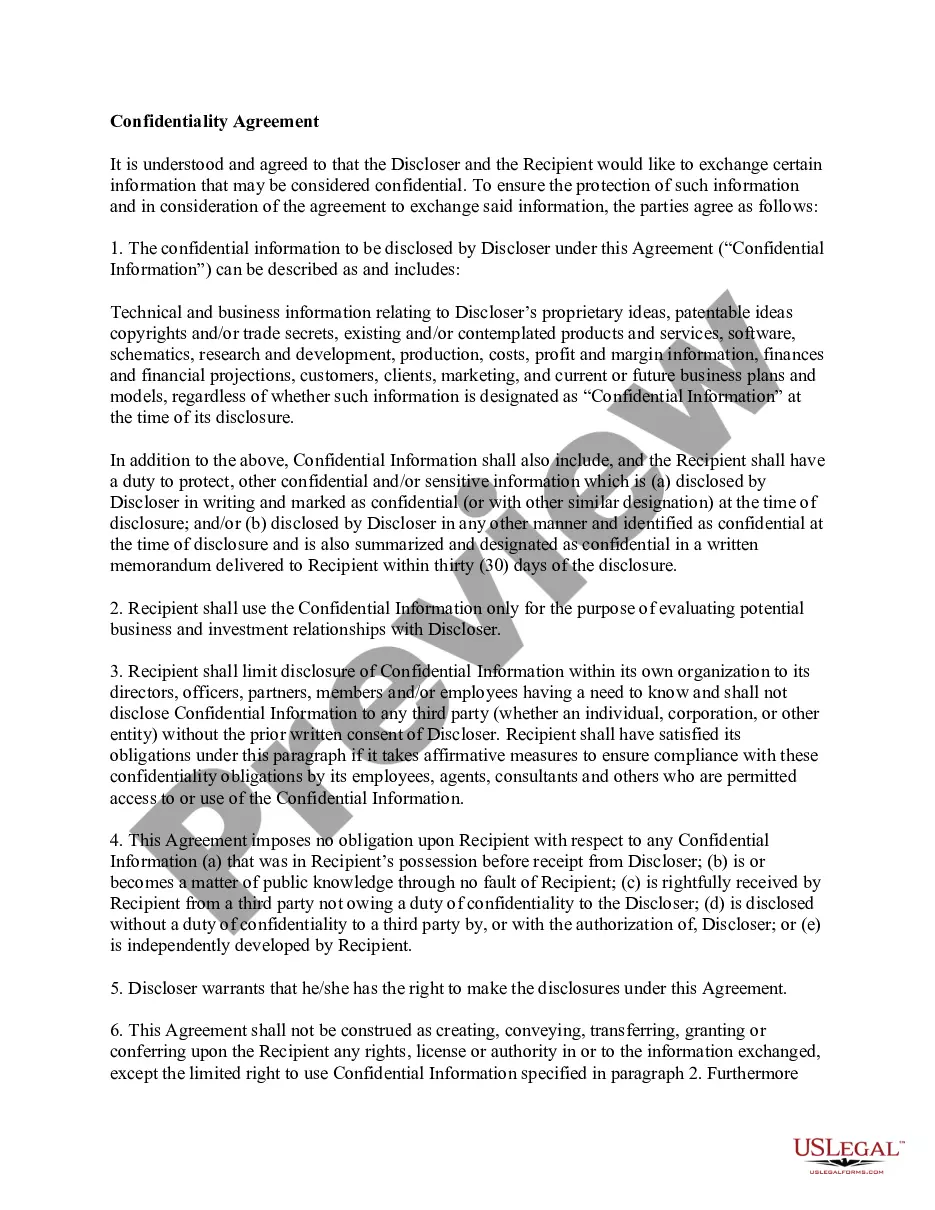
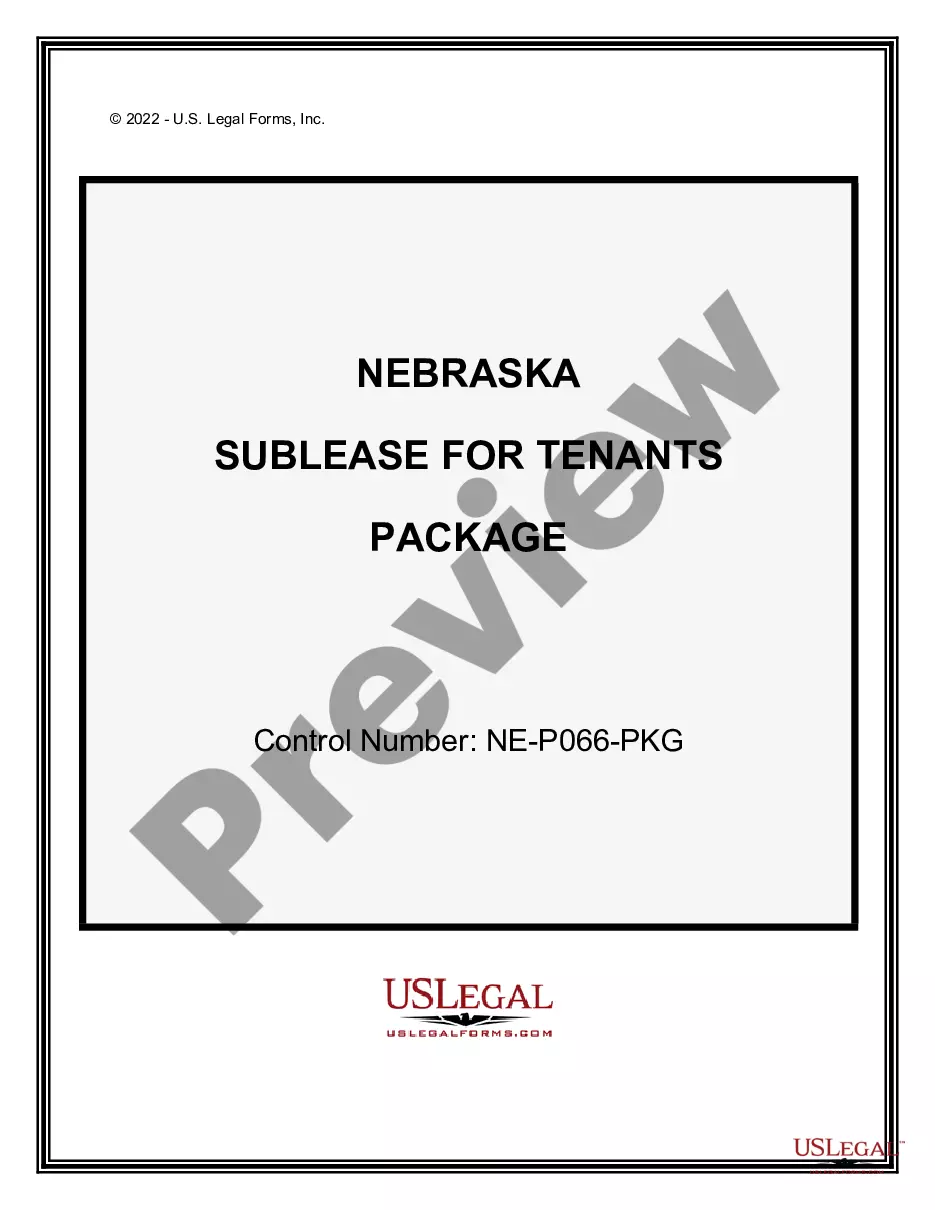
US Legal Forms offers a vast selection of form templates, including the Puerto Rico Confidentiality and Nonuse Agreement, which provides protection for confidential information from former clients and third parties, and can be printed to comply with federal and state regulations.
Select your preferred pricing plan, fill in the necessary information to create your account, and complete your purchase using your PayPal or credit card.
Choose a convenient file format and download your document.
You can find all the document templates you have purchased in the My documents section. You can access another copy of the Puerto Rico Confidentiality and Nonuse Agreement whenever necessary, just click on the desired form to download or print the template.
Utilize US Legal Forms, the most extensive collection of legal forms, to save time and avoid errors. The service offers professionally crafted legal document templates suited for a variety of purposes. Create an account with US Legal Forms and begin simplifying your life.
- If you are already familiar with the US Legal Forms website and possess an account, simply Log In.
- Then, you can download the Puerto Rico Confidentiality and Nonuse Agreement template.
- If you do not have an account and wish to start using US Legal Forms, follow these instructions.
- Find the form you need and ensure it is suitable for your specific city or area.
- Utilize the Preview button to review the document.
- Read the description to confirm that you have selected the correct form.
- If the form does not meet your requirements, use the Search bar to find a form that suits your needs more closely.
- Once you have acquired the correct form, click Get now.
Form popularity
FAQ
To ensure the confidentiality of contracts and agreements, it is essential to implement robust security measures and enforce privacy policies. Relying on legally binding documents, such as the Puerto Rico Confidentiality and Nonuse Agreement Including Protection of Confidential Information of Former Clients and Third Parties, protects against unauthorized disclosures. Additionally, regularly training your team on confidentiality practices can further enhance the security of sensitive information.
A confidentiality or non-disclosure agreement is a legally binding contract that outlines the information that must remain private and the obligations of the parties involved. These agreements are vital for ensuring that sensitive data, such as trade secrets or proprietary information, is not shared without consent. In the framework of a Puerto Rico Confidentiality and Nonuse Agreement Including Protection of Confidential Information of Former Clients and Third Parties, these agreements serve to protect your sensitive information from potential leaks.
The primary purpose of signing non-disclosure and confidentiality agreements is to safeguard sensitive information from being disclosed to unauthorized individuals. These agreements foster trust between parties by establishing clear expectations for handling confidential data. For those considering the Puerto Rico Confidentiality and Nonuse Agreement Including Protection of Confidential Information of Former Clients and Third Parties, understanding these agreements helps protect your interests and maintain professional relationships.
A confidentiality agreement and a non-disclosure agreement are closely related but serve slightly different purposes. A confidentiality agreement generally focuses on protecting sensitive information between parties, whereas a non-disclosure agreement specifically prevents one party from sharing that confidential information. In the context of a Puerto Rico Confidentiality and Nonuse Agreement Including Protection of Confidential Information of Former Clients and Third Parties, both types of agreements are crucial for maintaining trust and security.
A confidentiality statement could read, 'The undersigned agrees to keep confidential all information disclosed during this agreement and not use it for any purpose other than that specified herein.' Such a statement is fundamental in establishing trust and security in the Puerto Rico Confidentiality and Nonuse Agreement Including Protection of Confidential Information of Former Clients and Third Parties, highlighting how information should be handled.
An example of an NDA statement might include a provision like, 'The receiving party agrees to maintain the confidentiality of proprietary information and not disclose it to any third party without prior written consent.' This type of statement is crucial in a Puerto Rico Confidentiality and Nonuse Agreement Including Protection of Confidential Information of Former Clients and Third Parties, as it emphasizes the importance of protecting sensitive information.
Filling out a confidentiality and non-disclosure agreement requires careful attention to detail. First, clarify the parties' identities and relevant information categories. Next, outline the terms for data protection, ensuring the agreement aligns with the principles of the Puerto Rico Confidentiality and Nonuse Agreement Including Protection of Confidential Information of Former Clients and Third Parties, to safeguard all sensitive information effectively.
Completing a confidentiality agreement involves providing the necessary details about the parties and the nature of the information being protected. Ensure you include sections that detail the confidentiality obligations and the duration of the agreement. For assistance, consider using platforms like USLegalForms, which offer templates for the Puerto Rico Confidentiality and Nonuse Agreement Including Protection of Confidential Information of Former Clients and Third Parties.
When writing a confidentiality clause in a contract, ensure that you clearly define the scope of confidentiality. Use straightforward language to specify the obligations of both parties regarding the handling and protection of confidential information. A strong confidentiality clause can enhance the effectiveness of the Puerto Rico Confidentiality and Nonuse Agreement Including Protection of Confidential Information of Former Clients and Third Parties, making it essential for businesses.
The confidentiality clause for a third party ensures that any shared sensitive information with outsiders remains protected. It stipulates that third parties have the same obligations regarding confidentiality as the primary parties involved in the agreement. This aspect is crucial in the Puerto Rico Confidentiality and Nonuse Agreement Including Protection of Confidential Information of Former Clients and Third Parties, as it secures the interests of former clients and related entities.