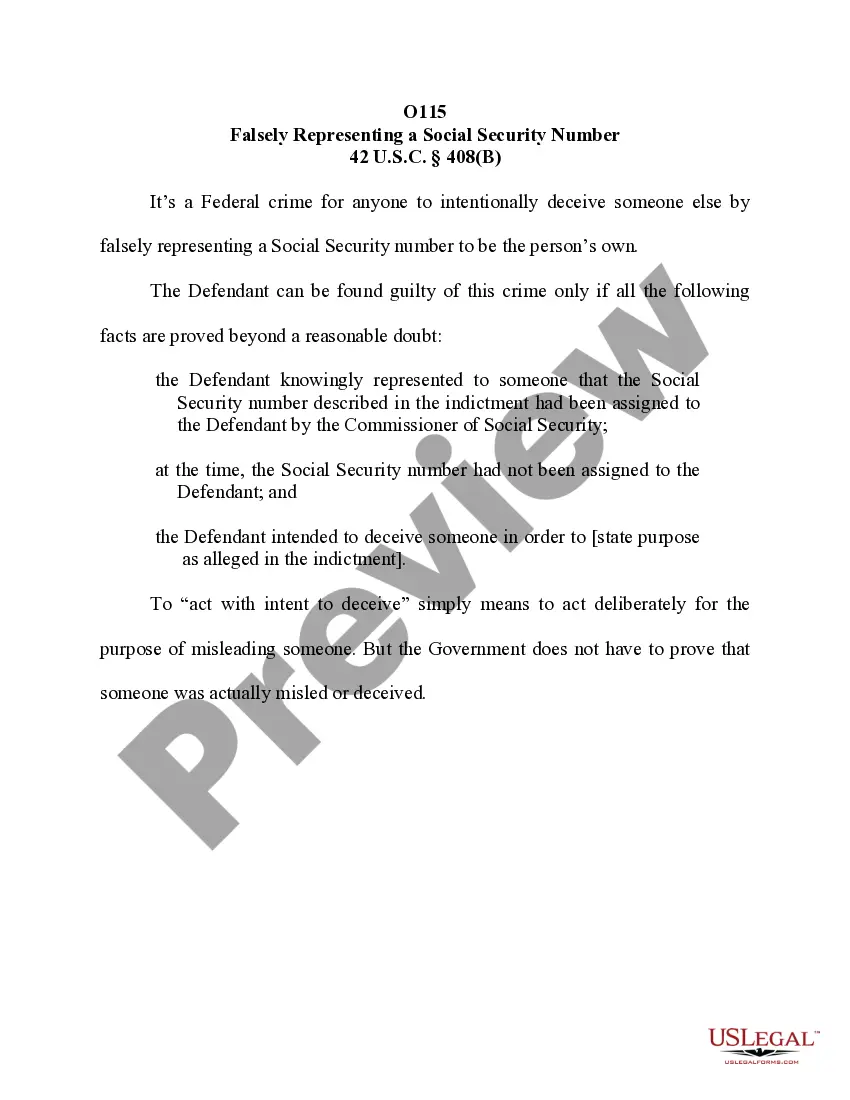
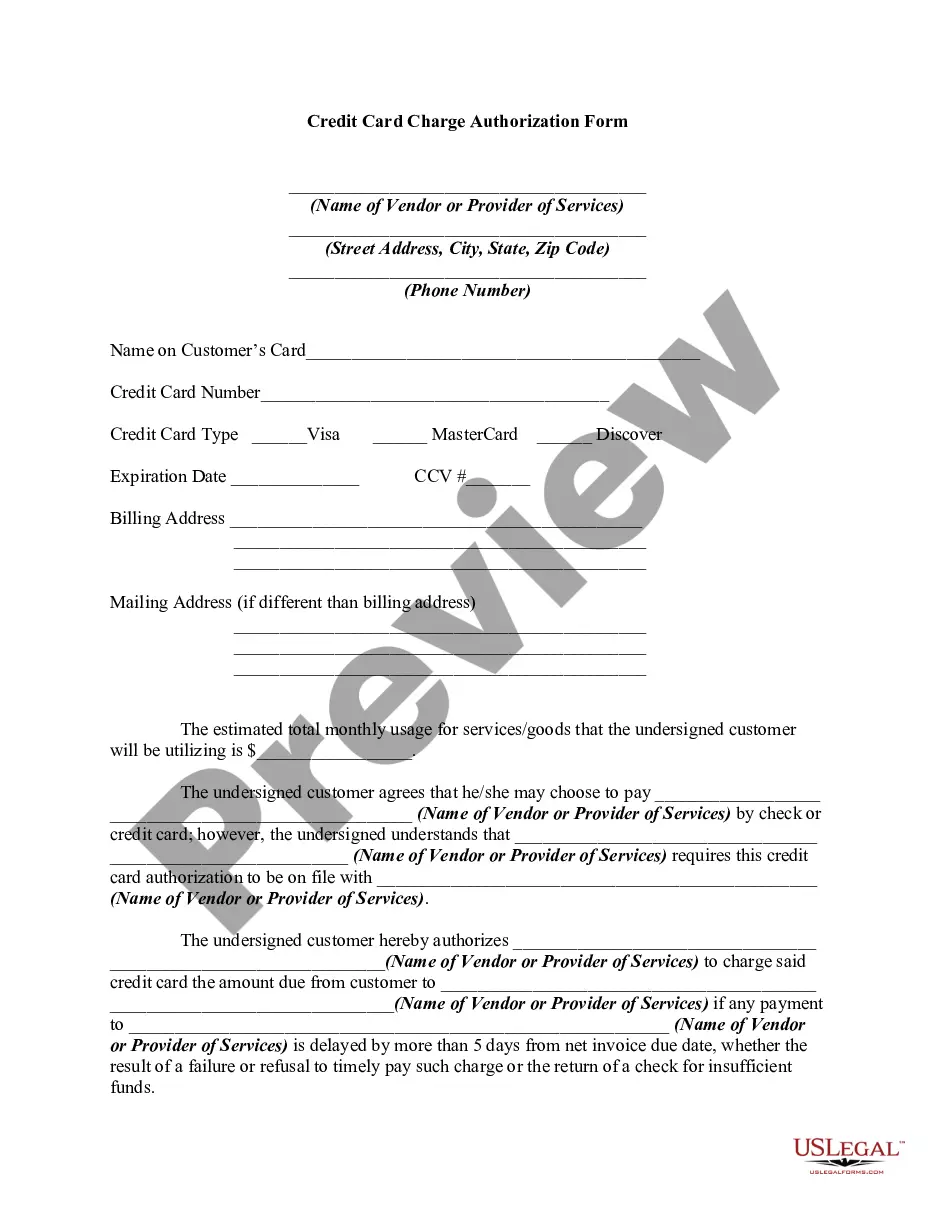
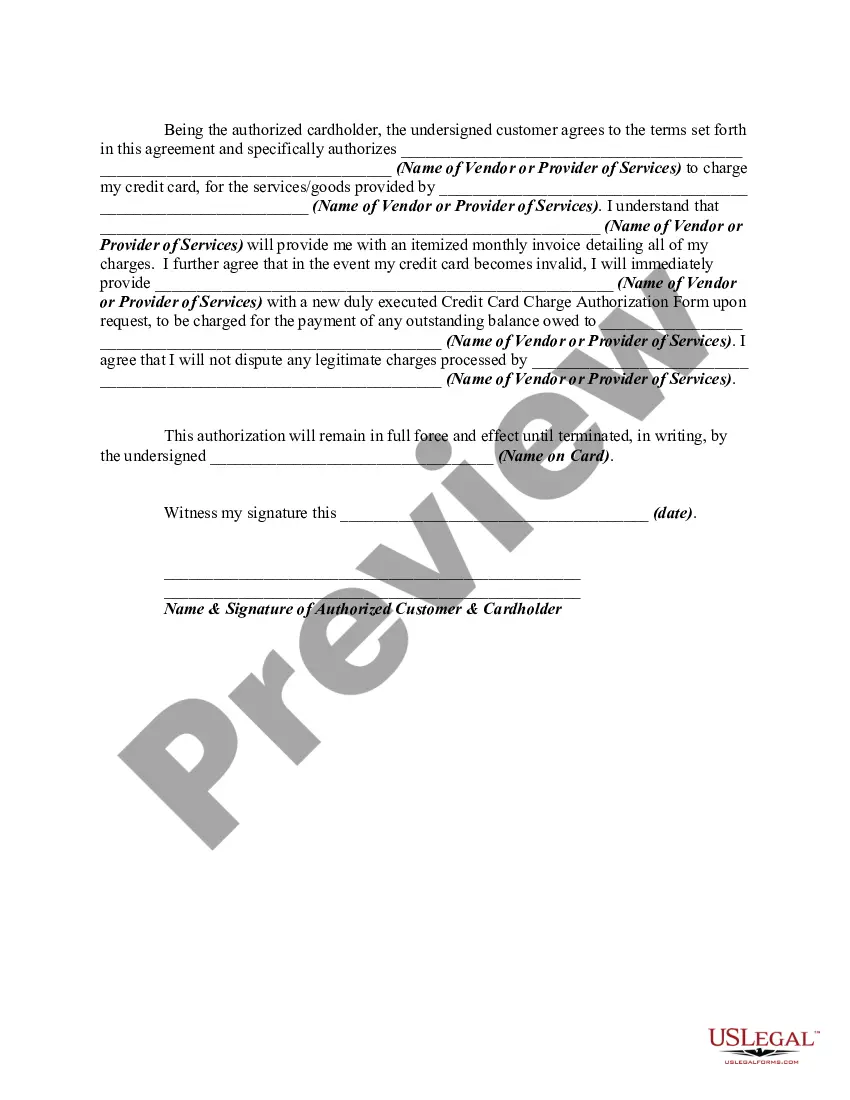
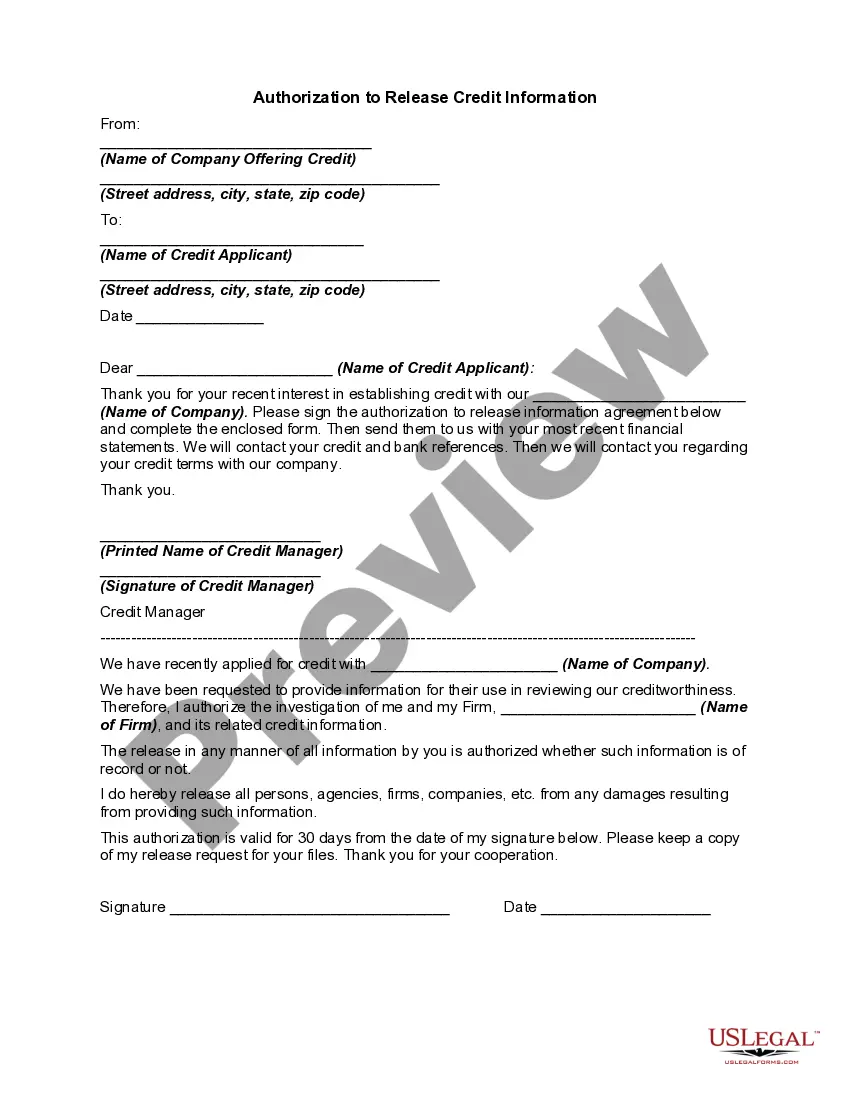
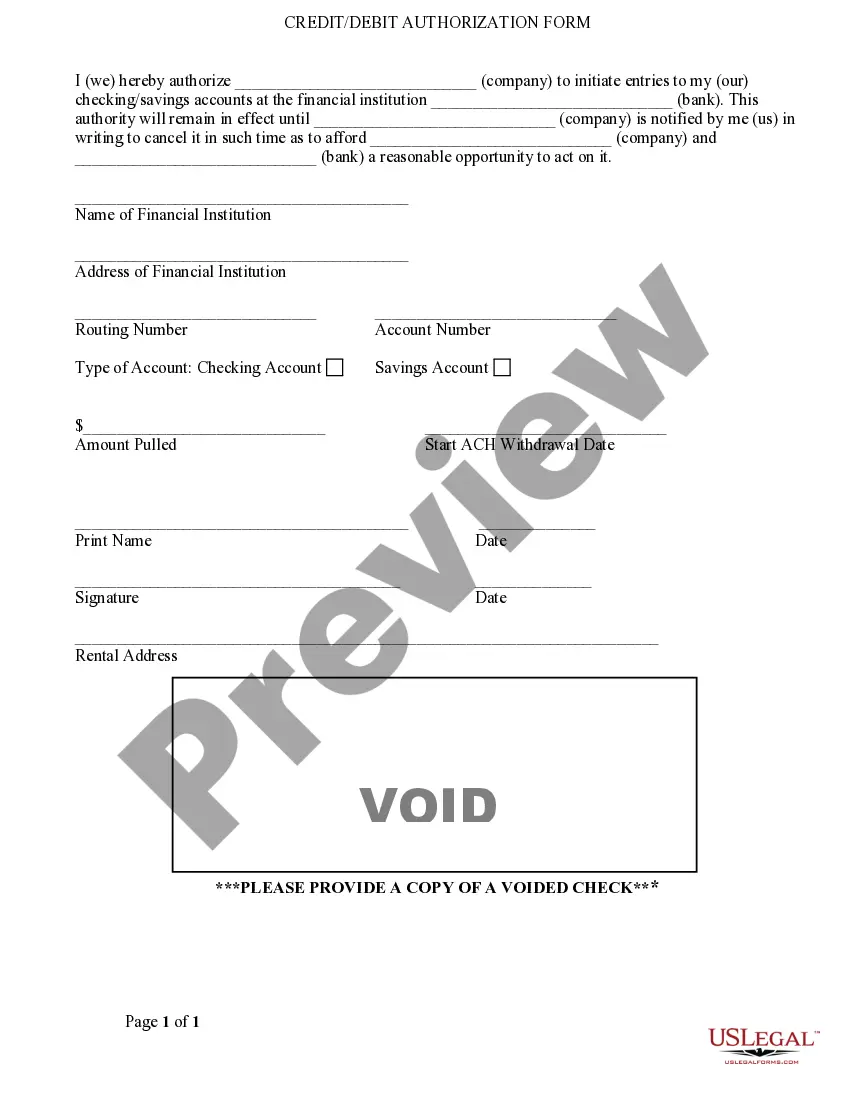
This form represents an agreement to allow a regular vendor or service provider the right to charge a customer's credit card as payment for the service.
Puerto Rico Credit Card Charge Authorization Form
Category:
State:
Multi-State
Control #:
US-01636BG
Format:
Word;
Rich Text
Instant download
Description
Free preview
Get your form ready online
Our built-in tools help you complete, sign, share, and store your documents in one place.
Built-in online Word editor
Make edits, fill in missing information, and update formatting in US Legal Forms—just like you would in MS Word.
Export easily
Download a copy, print it, send it by email, or mail it via USPS—whatever works best for your next step.
E-sign your document
Sign and collect signatures with our SignNow integration. Send to multiple recipients, set reminders, and more. Go Premium to unlock E-Sign.
Notarize online 24/7
If this form requires notarization, complete it online through a secure video call—no need to meet a notary in person or wait for an appointment.
Store your document securely
We protect your documents and personal data by following strict security and privacy standards.

Make edits, fill in missing information, and update formatting in US Legal Forms—just like you would in MS Word.

Download a copy, print it, send it by email, or mail it via USPS—whatever works best for your next step.

Sign and collect signatures with our SignNow integration. Send to multiple recipients, set reminders, and more. Go Premium to unlock E-Sign.

If this form requires notarization, complete it online through a secure video call—no need to meet a notary in person or wait for an appointment.

We protect your documents and personal data by following strict security and privacy standards.
Looking for another form?


How to fill out Credit Card Charge Authorization Form?
Selecting the optimal legal document format can be quite a challenge. Of course, there are numerous templates available on the web, but how can you acquire the legal document you require? Utilize the US Legal Forms platform. This service offers thousands of templates, including the Puerto Rico Credit Card Charge Authorization Form, which can be utilized for business and personal purposes. All of the documents are reviewed by experts and comply with federal and state regulations.
If you are already registered, Log In to your account and click the Download button to obtain the Puerto Rico Credit Card Charge Authorization Form. Use your account to browse through the legal documents you have previously purchased. Visit the My documents section of your account and retrieve another copy of the document you need.
If you are a new user of US Legal Forms, here are simple steps for you to follow: First, ensure you have chosen the correct form for your city/region. You can review the form using the Preview option and read the form description to confirm it is suitable for your needs. If the form does not meet your criteria, utilize the Search field to find the appropriate document. Once you are confident that the form is correct, click the Buy now button to acquire the document. Choose the pricing plan you wish and enter the necessary information. Create your account and complete your purchase using your PayPal account or credit card. Select the file format and download the legal document to your device. Complete, modify, print, and sign the obtained Puerto Rico Credit Card Charge Authorization Form. US Legal Forms is undoubtedly the largest collection of legal documents where you can find various file templates. Leverage the service to download professionally crafted documents that adhere to state regulations.
This service offers thousands of templates, including the Puerto Rico Credit Card Charge Authorization Form, which can be utilized for business and personal purposes.
- Choosing.
- optimal.
- legal.
- document.
- format.
- challenge.
Form popularity
FAQ
Authorizations result in a hold, which reduces your available balance. A hold remains in effect until the completed purchase transaction is received from the merchant. A completed purchase transaction is what the merchant has sent through for posting to your card.
Charge Credit card method is used to authorize and capture a credit card payment whereas authorize credit card is used to authorize a credit card payment. To actually charge the funds you will need to follow up with a capture transaction.
The acquirer will take the request and send it over to the issuer, via the card network, requesting approval. The issuing bank reviews the cardholder's account to check for two things: To make sure the card itself is valid. To make sure there are sufficient funds or credit available to cover the cost of the purchase.
Authorization holds may also be referred to as preauthorizations. The amount of the hold is made unavailable to the cardholder, but it isn't transferred to the merchant's account. When the transaction is finalized, the hold will be lifted and the cardholder is charged the actual, final purchase amount.
Authorizing doesn't actually charge the customer; it simply verifies the customer is able to pay the total cost based on funds available or the customer's credit limit. Authorizing a charge is usually valid for a period of 10 days, but this varies depending on several factors, such as which type of card is used.
Definition: Credit card authorization is an approval from a card issuer, usually through a credit card processor, that the customer has sufficient funds to cover the cost of the transaction. It can also refer to the procedure of acquiring that authorization from the issuer.
Credit card authorization forms are a document/agreement that formally allows a merchant to charge your credit card at a later date, either for single-use or recurring transactions.
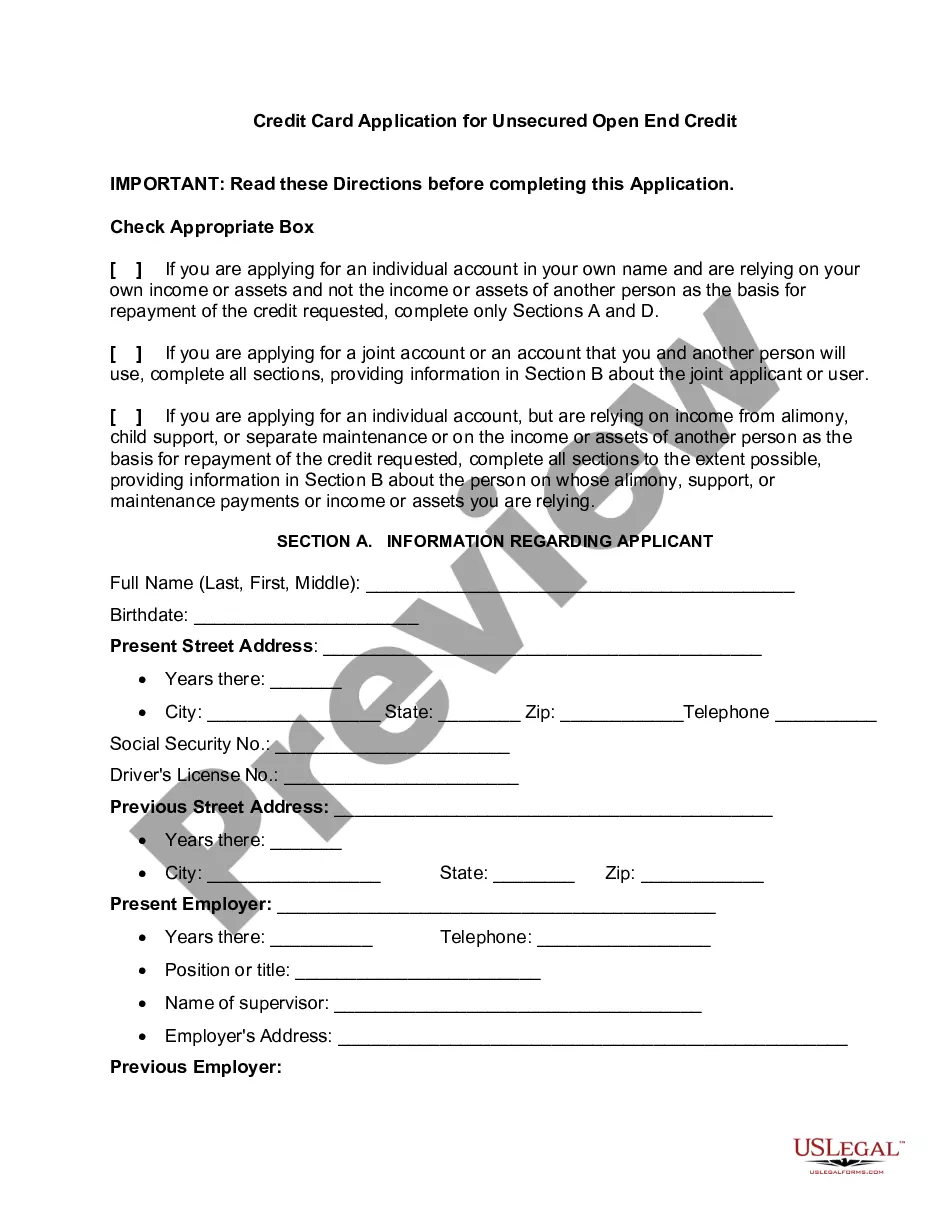
Typically it contains: The cardholder's credit card information: Card type, Name on card, Card number, Expiration date. The merchant's business information. Cardholder's billing address. Language authorizing the merchant to charge the customer's card on file. Name and signature of the cardholder. Date.