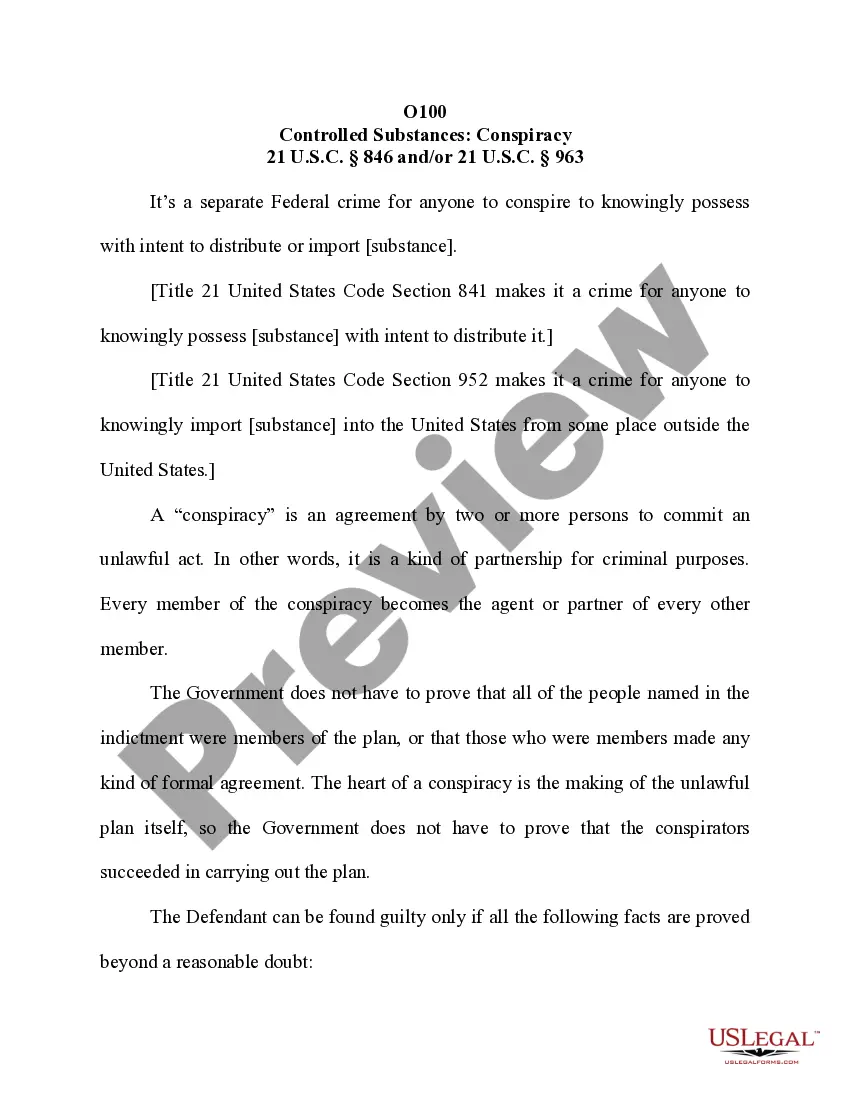
Puerto Rico Complaint for Malicious Prosecution, False Imprisonment, Abuse of Process
Description



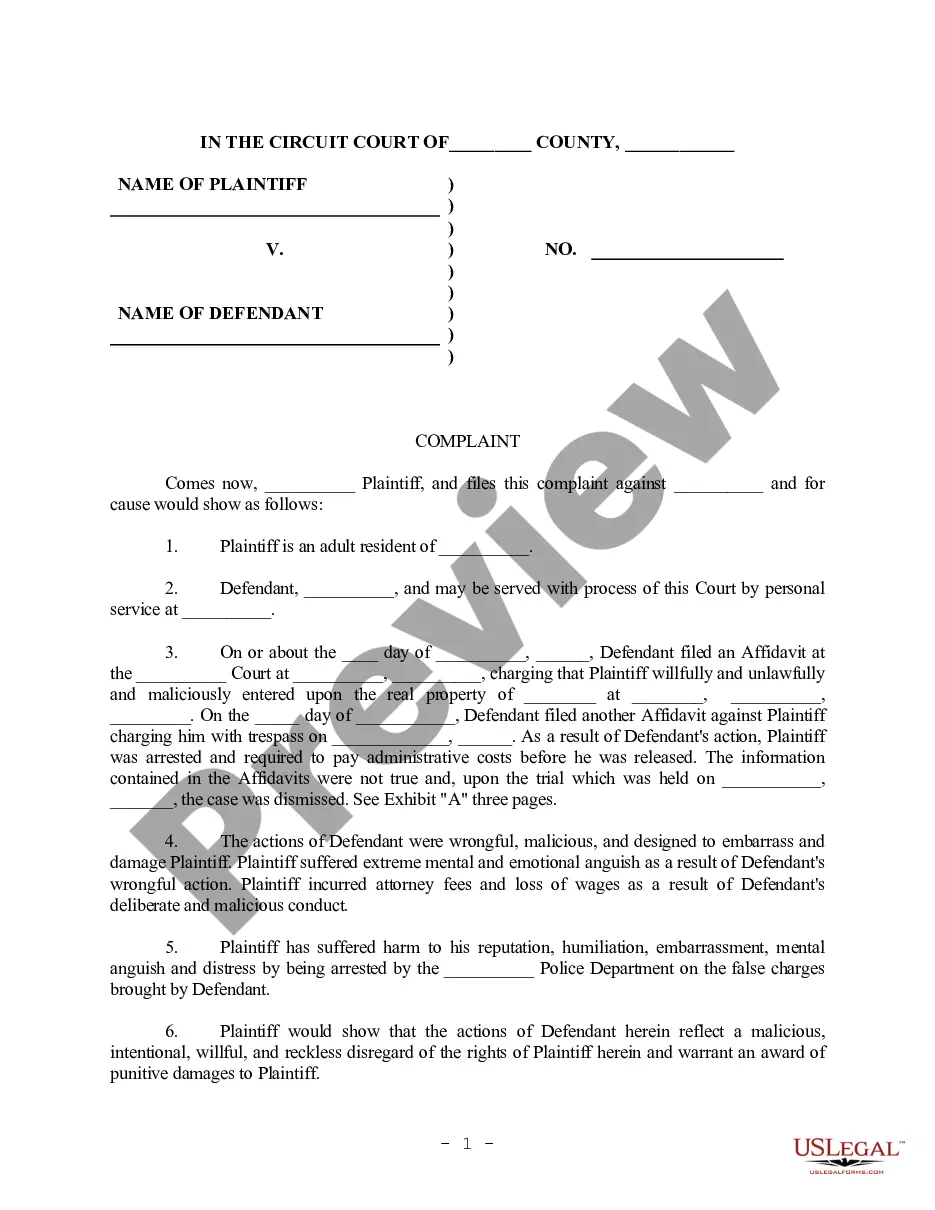
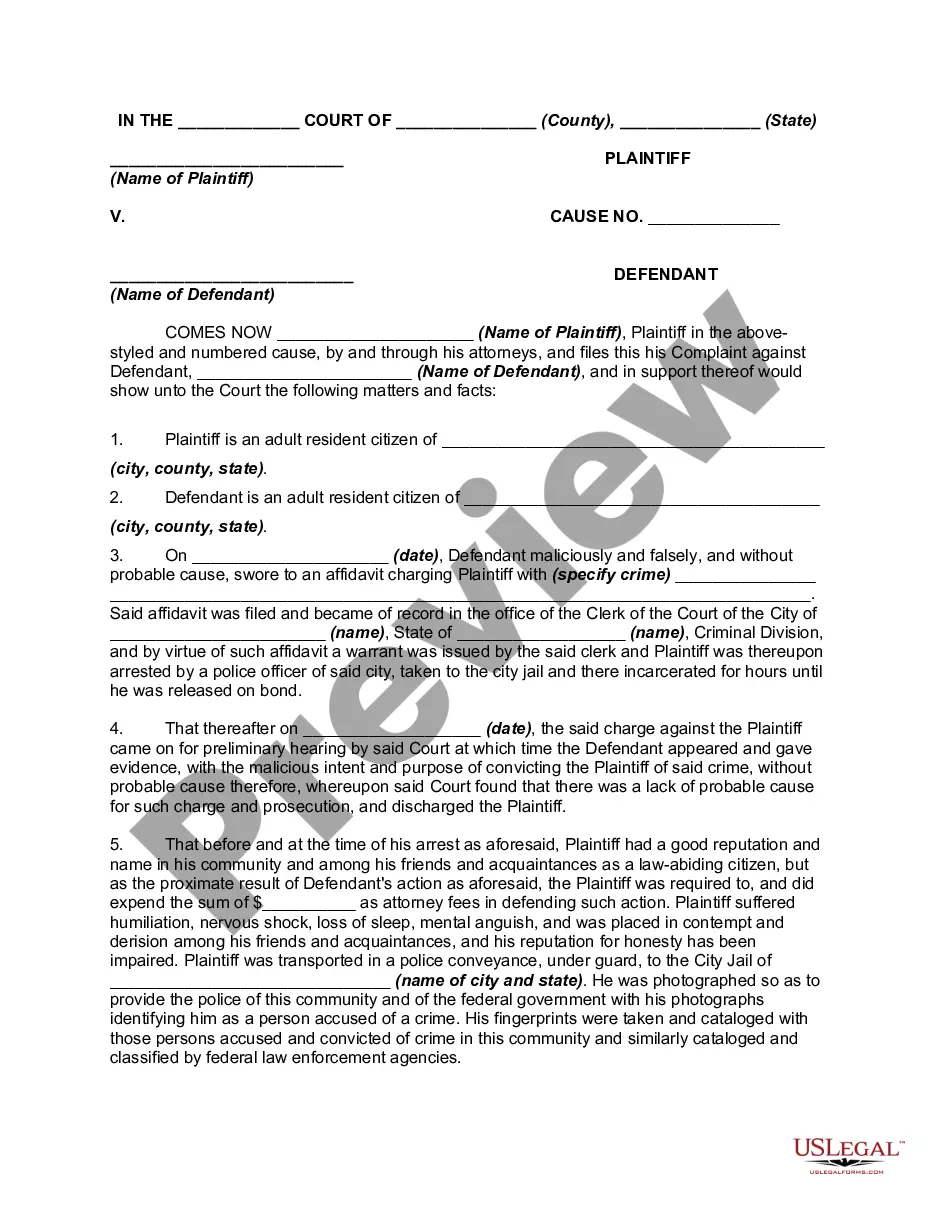
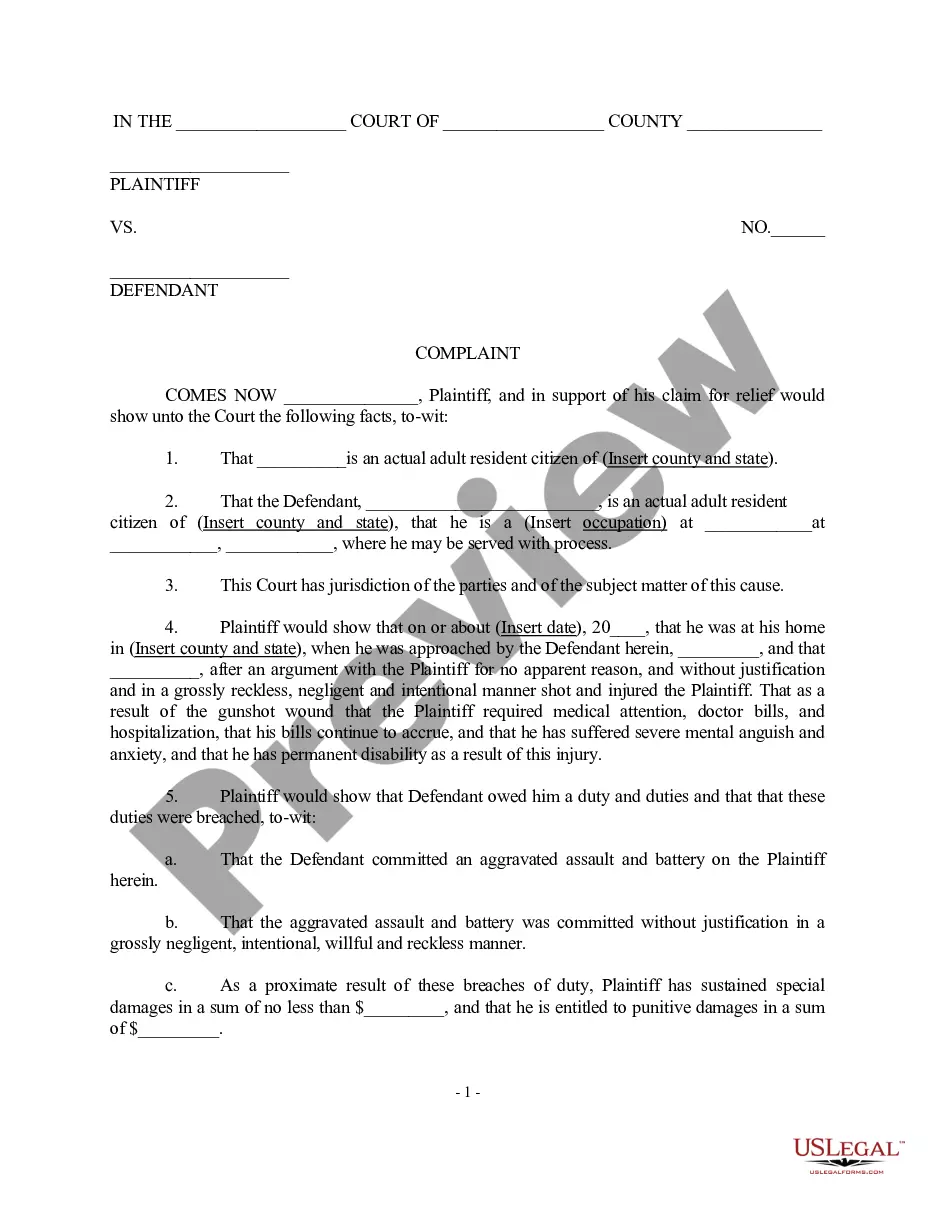
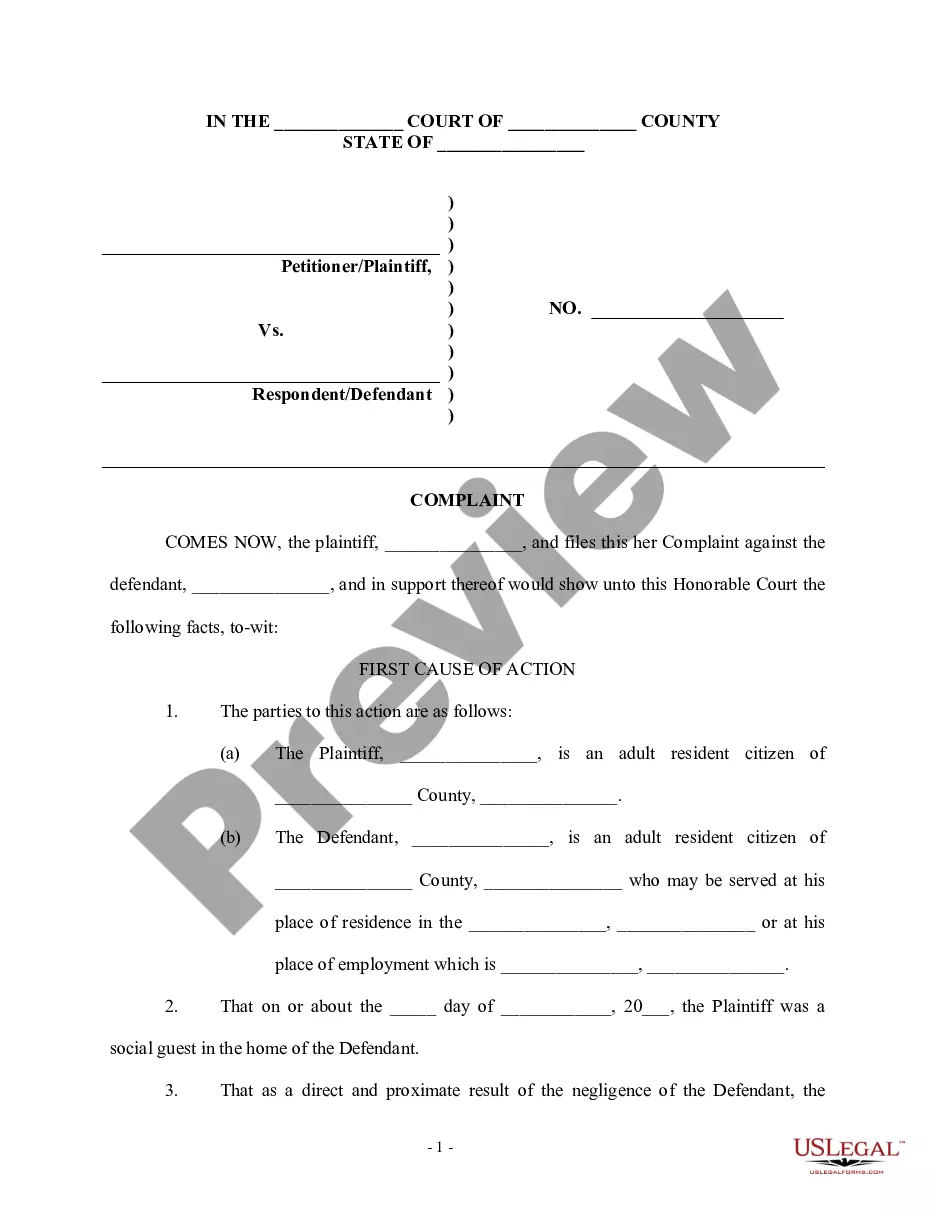

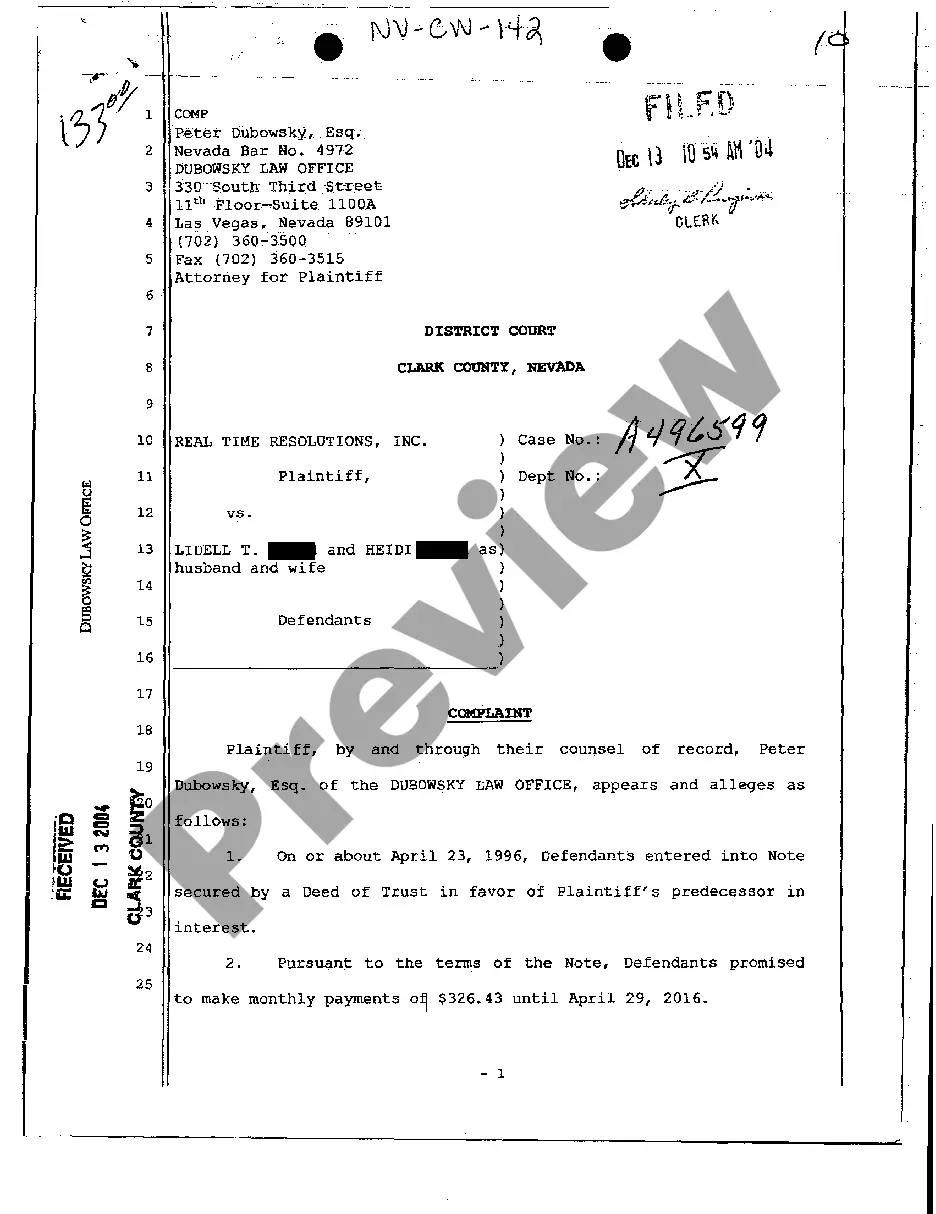



How to fill out Complaint For Malicious Prosecution, False Imprisonment, Abuse Of Process?
US Legal Forms - one of the largest collections of legal documents in the United States - offers a diverse selection of legal form templates that you can download or print. By using the website, you can access thousands of forms for corporate and personal purposes, categorized by types, states, or keywords. You can find the most recent forms such as the Puerto Rico Complaint for Malicious Prosecution, False Imprisonment, Abuse of Process in just a few seconds.
If you have an account, Log In and obtain the Puerto Rico Complaint for Malicious Prosecution, False Imprisonment, Abuse of Process from the US Legal Forms library. The Download button will appear on every form you view. You can access all previously downloaded forms from the My documents section of your account.
To use US Legal Forms for the first time, here are straightforward instructions to help you get started: Ensure you have selected the correct form for your city/county. Click the Preview button to check the content of the form. Review the form description to confirm you have chosen the appropriate form. If the form doesn't meet your needs, use the Search field at the top of the page to find one that does. If you are satisfied with the form, confirm your selection by clicking the Buy now button. Then, choose the pricing plan you prefer and provide your credentials to register for the account.
Avoid altering or deleting any HTML tags. Only synonymize plain text outside of the HTML tags.
- Process the payment. Use your credit card or PayPal account to complete the transaction.
- Select the format and download the form to your device.
- Make edits. Fill out, modify, and print and sign the downloaded Puerto Rico Complaint for Malicious Prosecution, False Imprisonment, Abuse of Process.
- Each template you added to your account has no expiration date and is yours permanently. So, if you wish to download or print another copy, simply go to the My documents section and click on the form you need.
- Access the Puerto Rico Complaint for Malicious Prosecution, False Imprisonment, Abuse of Process with US Legal Forms, the most extensive collection of legal document templates.
- Utilize a multitude of professional and state-specific templates that meet your business or personal needs and requirements.
Form popularity
FAQ
Since a malicious prosecution case is a type of civil lawsuit, the burden of proof is a preponderance of the evidence. Under California law, this means the evidence of the defendant being guilty of malicious prosecution is more than the evidence arguing the other side.
Although each jurisdiction may define the cause of action for malicious prosecution differently, the elements of the common law tort are generally (1) the institution or continuation of a legal proceeding, either civil or criminal, or an administrative or disciplinary proceeding, against the plaintiff; (2) by, at the ...
A malicious prosecution case can be difficult to prove, but with a few key elements it can be won in court. First, it must be clear that the defendant did not have probable cause to bring the action.
The essential elements of false imprisonment are: Willful detention; Without consent; and. Without authority of law.
Consent to restraint is a defense to a charge of false imprisonment. If a person gives express or implied consent to the violation of their liberty, no false imprisonment occurs. To consent, a person must assent freely and voluntarily and know the nature of the act they are or will be experiencing.
Proving actual malice is extremely difficult. That's why many libel cases brought by public figure plaintiffs end up failing at some stage of the court process, even when the public figure plaintiff has an experienced attorney arguing their case.
A claim for malicious prosecution requires that the plaintiff demonstrate (1) the defendant brought (or continued to pursue) a claim in the underlying action without objective probable cause, (2) the claim was pursued by the defendant with subjective malice, and (3) the underlying action was ultimately resolved in the ...