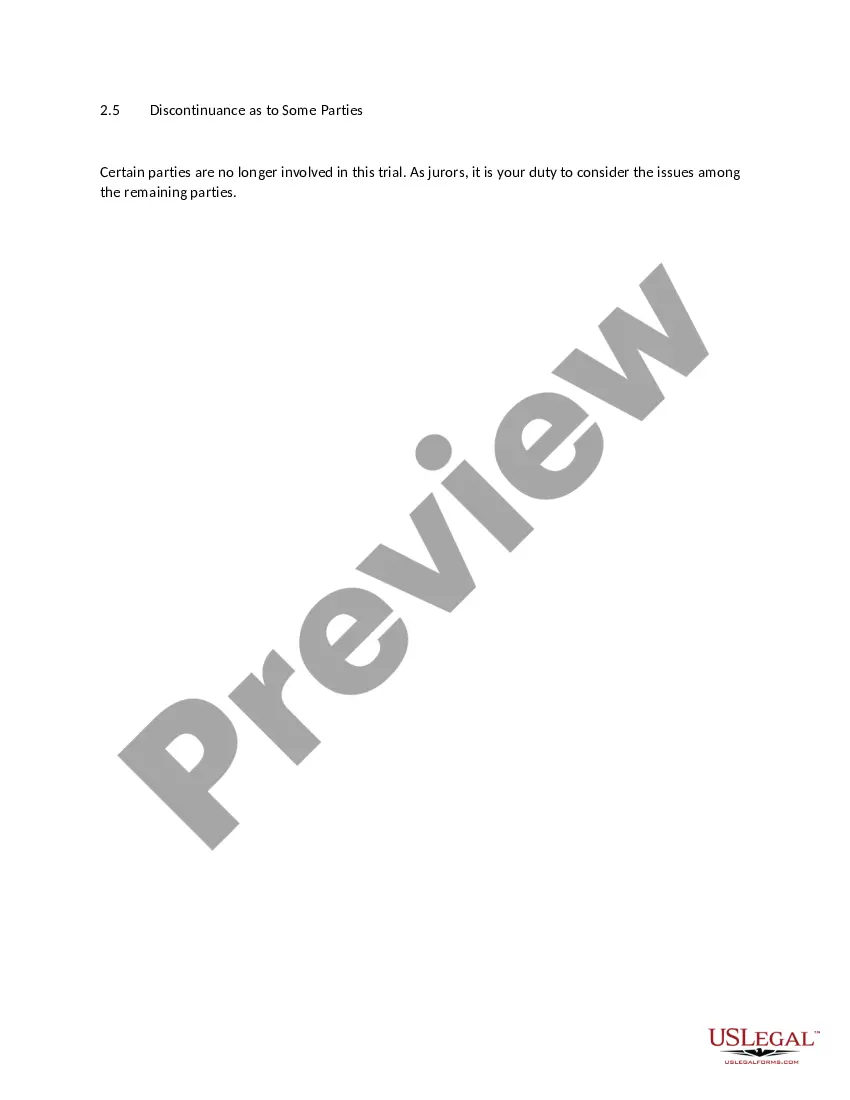
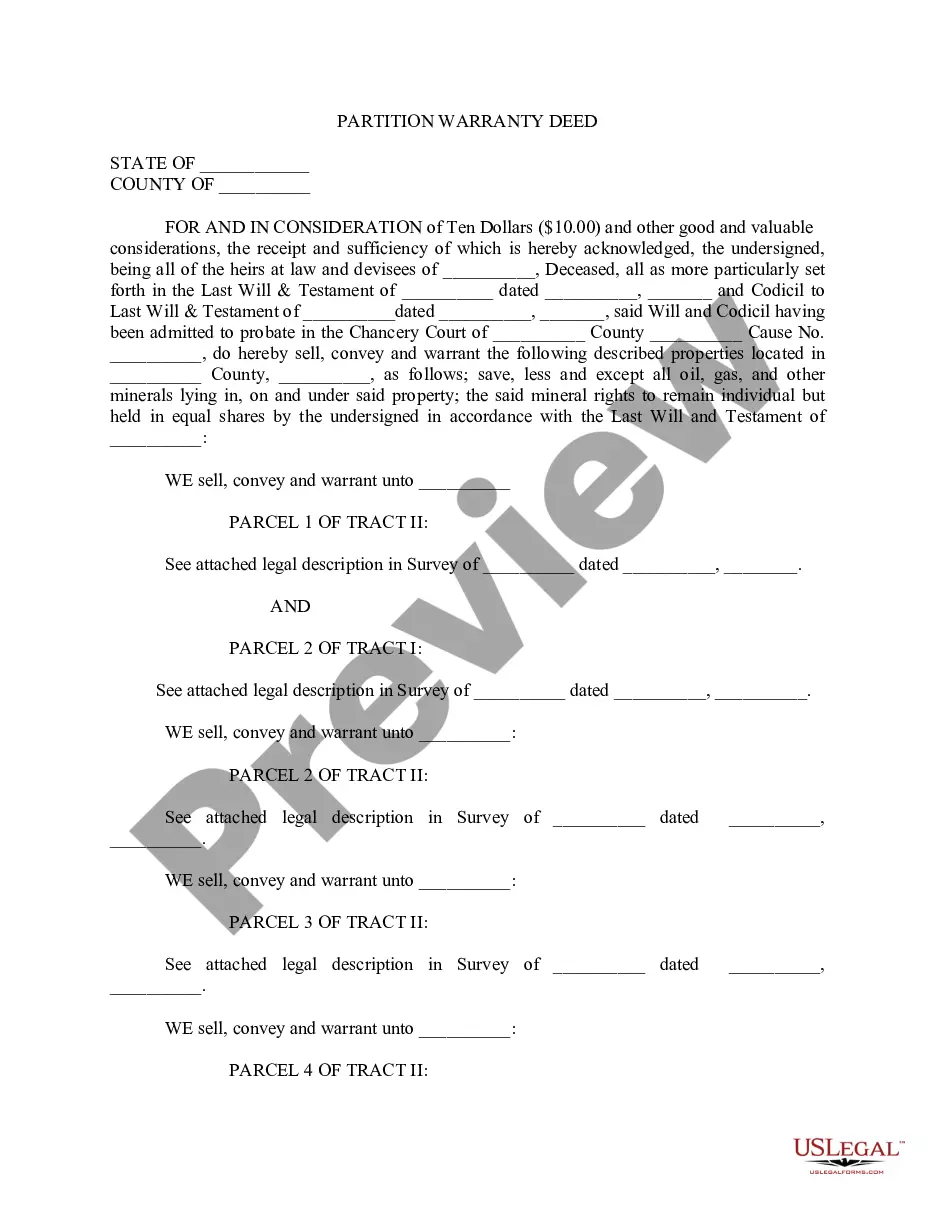
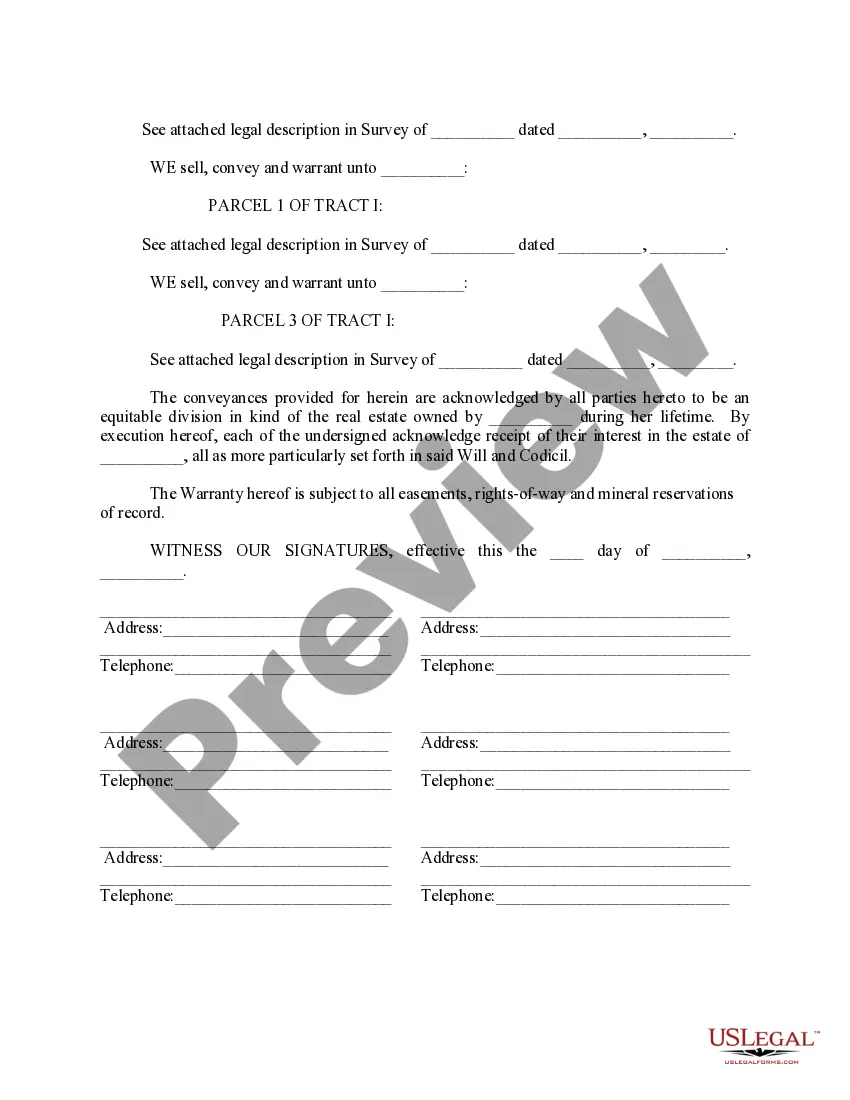
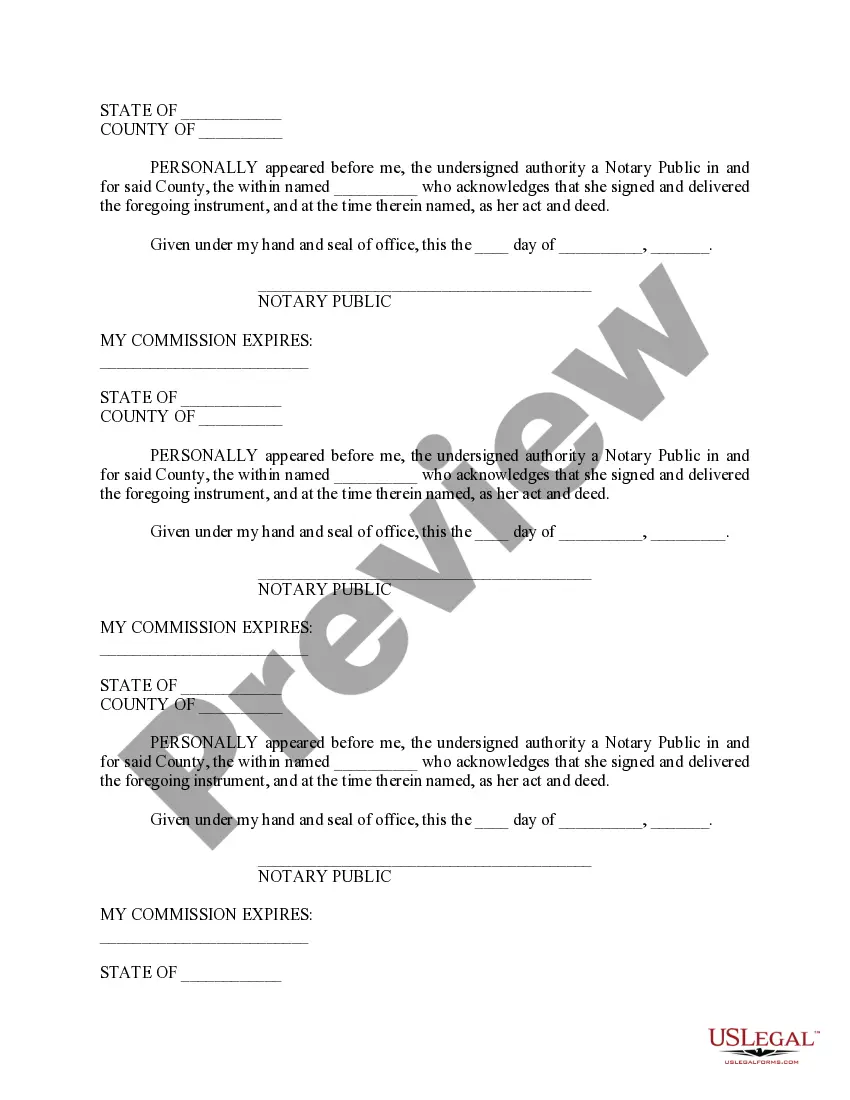
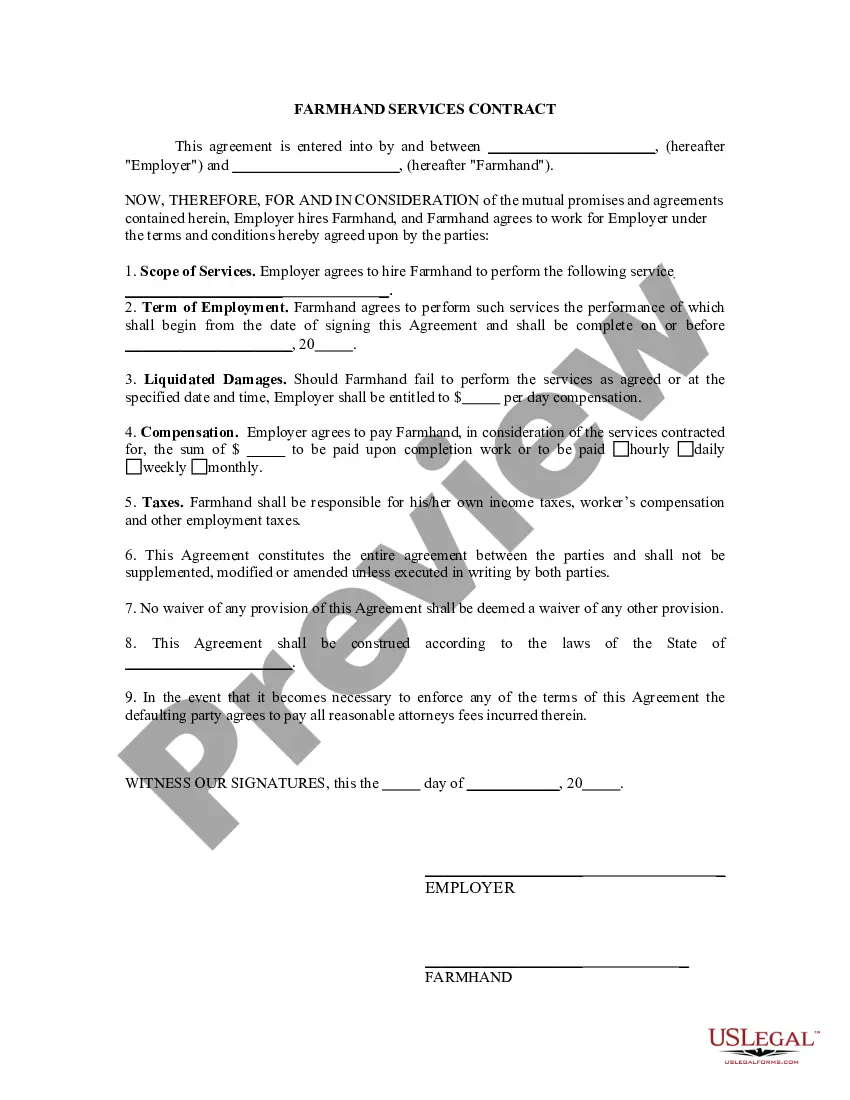
Puerto Rico Partition Warranty Deed
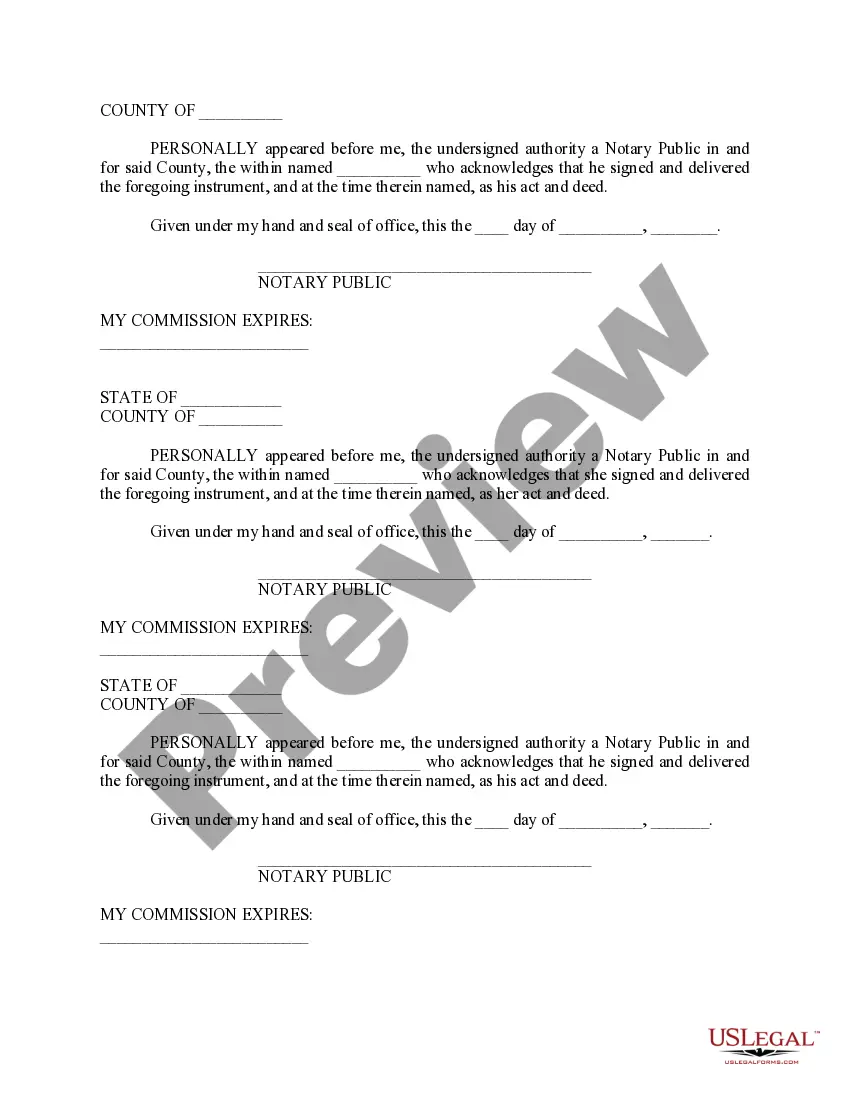
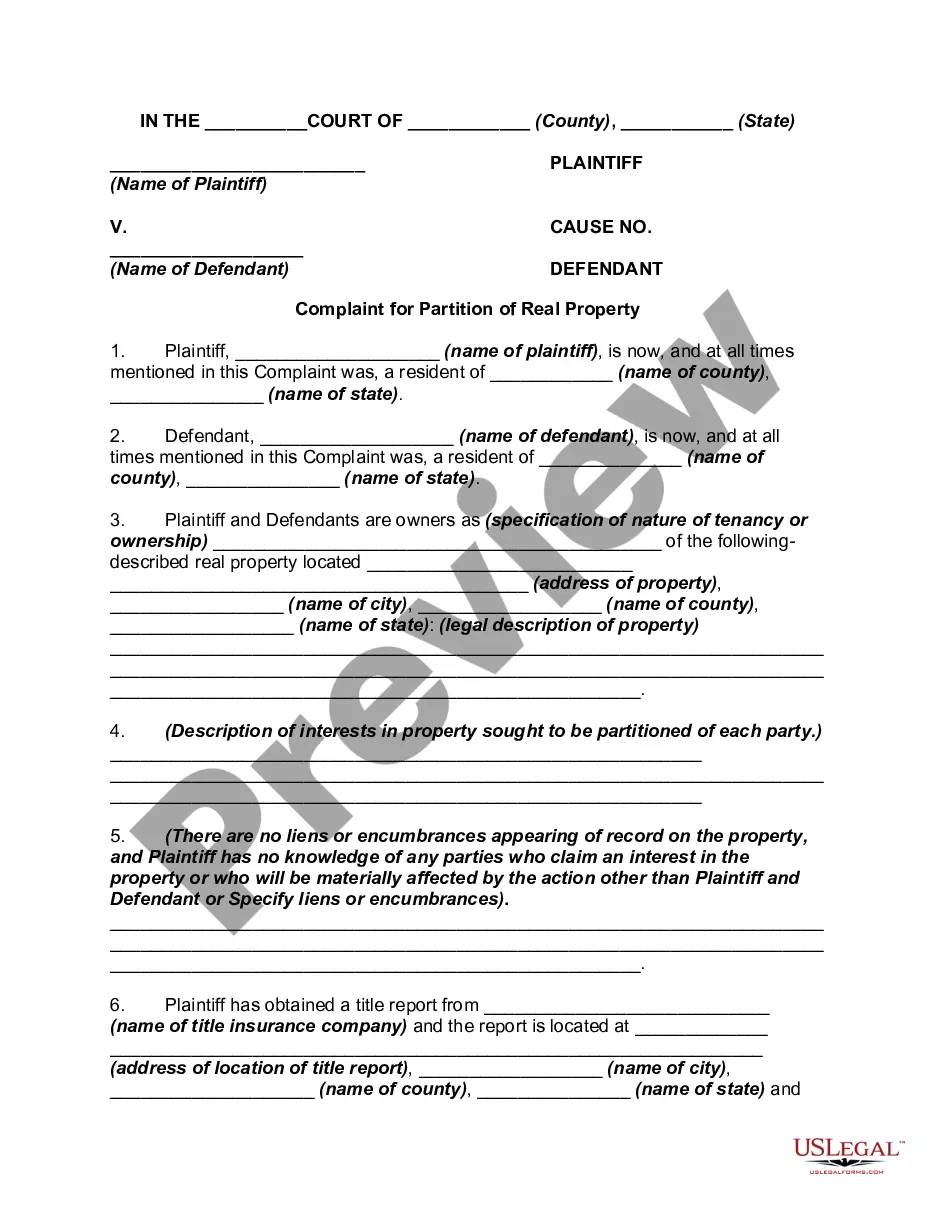
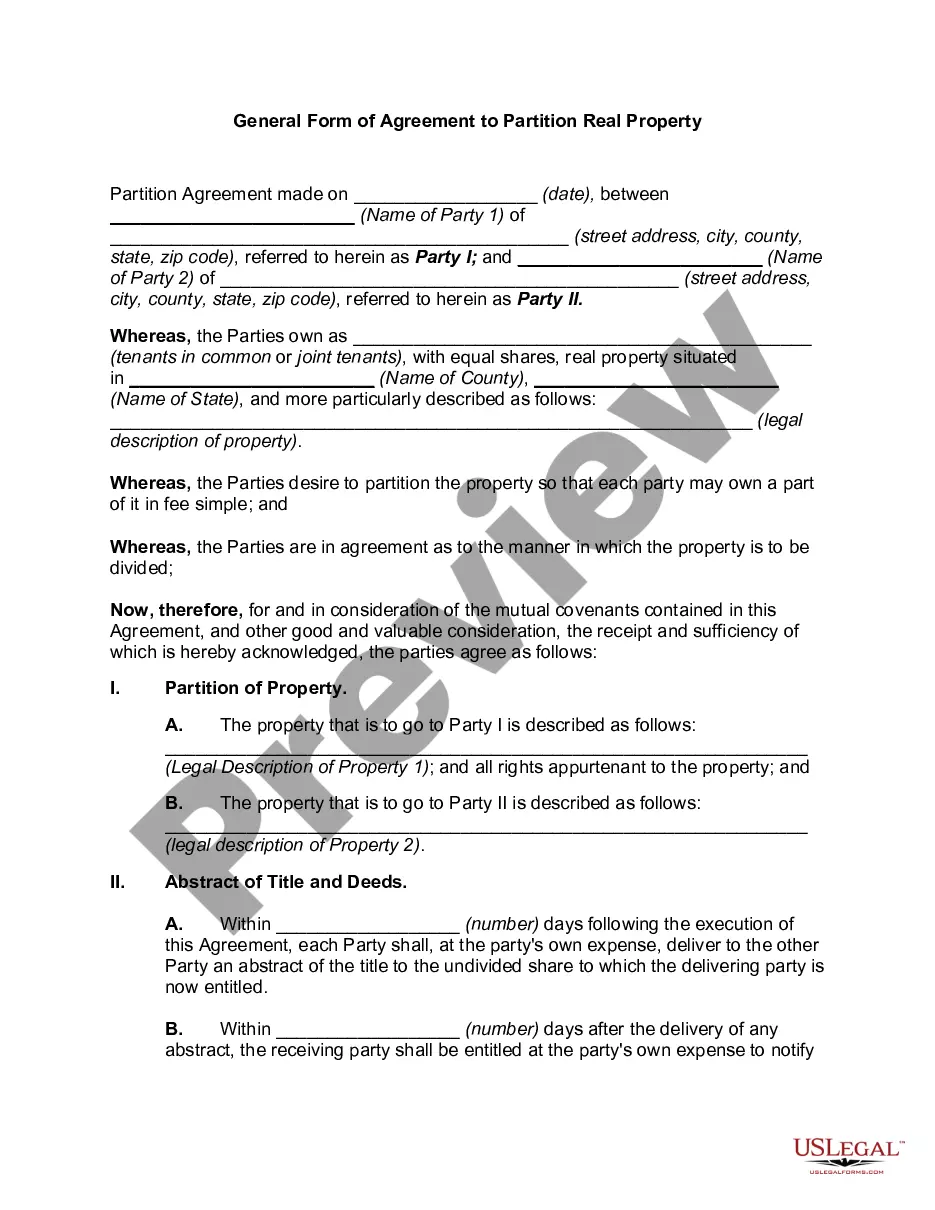
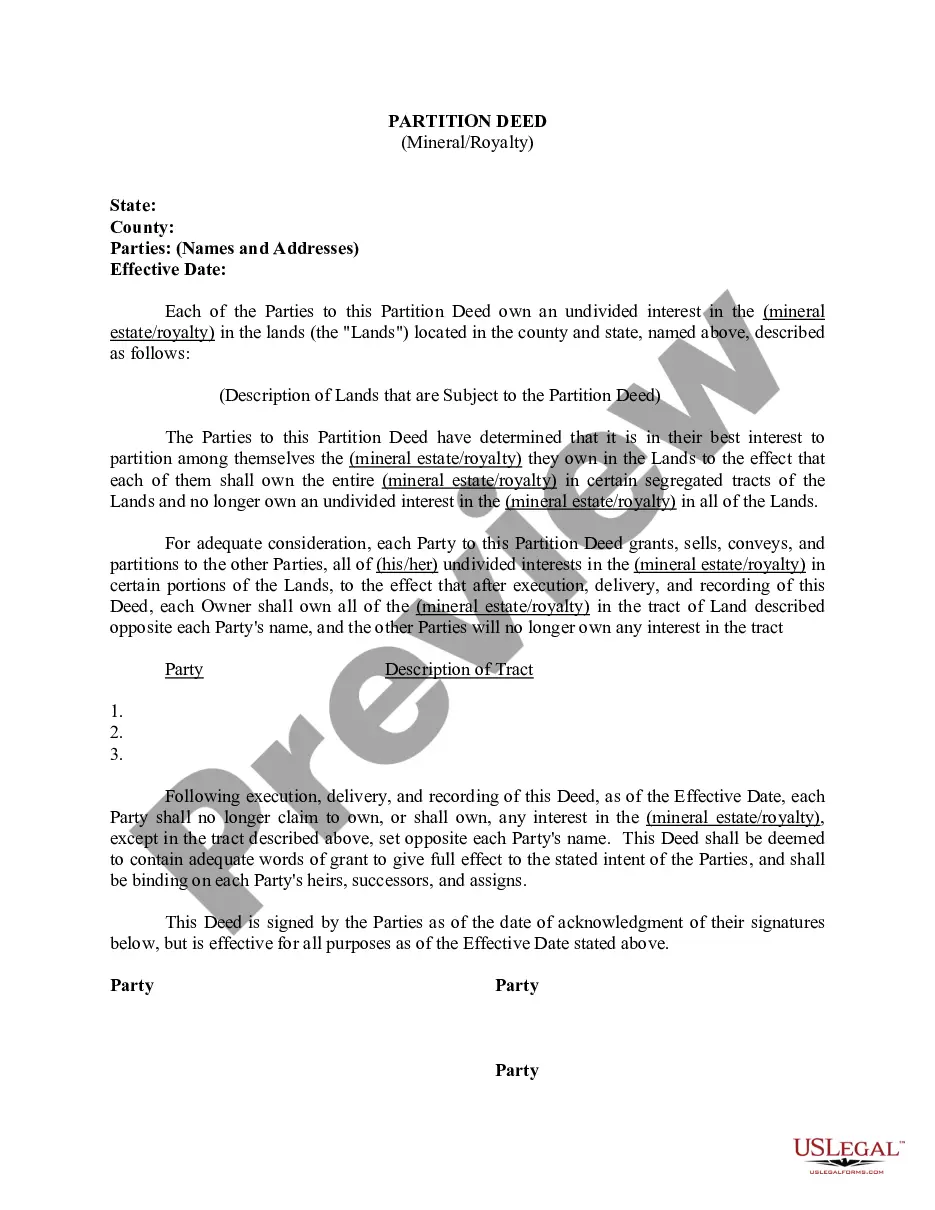
Description

Get your form ready online
Our built-in tools help you complete, sign, share, and store your documents in one place.
Make edits, fill in missing information, and update formatting in US Legal Forms—just like you would in MS Word.
Download a copy, print it, send it by email, or mail it via USPS—whatever works best for your next step.
Sign and collect signatures with our SignNow integration. Send to multiple recipients, set reminders, and more. Go Premium to unlock E-Sign.
If this form requires notarization, complete it online through a secure video call—no need to meet a notary in person or wait for an appointment.
We protect your documents and personal data by following strict security and privacy standards.

Make edits, fill in missing information, and update formatting in US Legal Forms—just like you would in MS Word.

Download a copy, print it, send it by email, or mail it via USPS—whatever works best for your next step.

Sign and collect signatures with our SignNow integration. Send to multiple recipients, set reminders, and more. Go Premium to unlock E-Sign.

If this form requires notarization, complete it online through a secure video call—no need to meet a notary in person or wait for an appointment.

We protect your documents and personal data by following strict security and privacy standards.
Looking for another form?





How to fill out Partition Warranty Deed?
US Legal Forms - one of the largest repositories of legal documents in the United States - provides a variety of legal document templates that you can download or print. Through the website, you can access thousands of forms for both business and personal purposes, categorized by types, states, or keywords. You can find the latest versions of forms such as the Puerto Rico Partition Warranty Deed in just minutes.
If you already have a membership, Log In and download the Puerto Rico Partition Warranty Deed from the US Legal Forms library. The Download button will appear on every form you view. You can access all previously downloaded forms in the My documents section of your account.
If you want to use US Legal Forms for the first time, here are some simple steps to get started: Ensure you have selected the correct form for your state/region. Click on the Preview button to review the form's content. Read the form description to confirm you have chosen the right one. If the form does not meet your needs, use the Search field at the top of the screen to find the one that does. If you are satisfied with the form, confirm your choice by clicking the Get now button. Then, select your preferred pricing plan and provide your details to register for an account. Process the payment. Use a credit card or PayPal account to complete the transaction. Choose the format and download the form to your device. Make edits. Fill out, modify, and print and sign the downloaded Puerto Rico Partition Warranty Deed. Each template you add to your account has no expiration date and is yours indefinitely. So, if you wish to download or print another copy, simply go to the My documents section and click on the form you need.
- Gain access to the Puerto Rico Partition Warranty Deed with US Legal Forms, one of the most extensive collections of legal document templates.
- Utilize thousands of professional and state-specific templates that meet your business or personal requirements and specifications.
Form popularity
FAQ
In PR, only a notary attorney (unique position for PR attorney) who originally recorded the document(s) will have the originals and can provide copies to interested parties at an additional fee. The attorney typically charges anywhere from $25.00 to $50.00.
Partition is the division of real or personal property between or among two or more co-owners, such as joint tenants or tenants-in-common. Partition is not a remedy available to owners who hold title as community property or quasi-community property.
To sell your home in Puerto Rico you will need a real estate attorney to help you draft all the documents needed to close. Then it is extremely important that your attorney continues the process to register the transaction with the Registry of Property in Puerto Rico. Puerto Rico Real Estate Law zspalaw.com ? puerto-rico-real-estate-law zspalaw.com ? puerto-rico-real-estate-law
As of November 28, 2020, inheritances are distributed in two parts. 50% is of free disposition and the other half (legitimate) is divided equally among the forced heirs, which are the children and now include the widow or widower. New Civil Code grants benefits to spouses in inheritances abogadonotarioonline.com ? herencias ? el-nuevo... abogadonotarioonline.com ? herencias ? el-nuevo...
Notary Law is very important because unlike many places in the U.S., Puerto Rico uses notary attorneys to execute all deeds that transfer property. All public documents, affidavit, and sworn statements must be drafted by and signed by a notary attorney.
In PR, only a notary attorney (unique position for PR attorney) who originally recorded the document(s) will have the originals and can provide copies to interested parties at an additional fee. The attorney typically charges anywhere from $25.00 to $50.00. Puerto Rico Title Search Details | Property Deeds in Puerto Rico protitleusa.com ? PuertoRico protitleusa.com ? PuertoRico
All real estate in Puerto Rico is subject to the probate system. This system is based on a "forced heir" policy, that states that all children need to receive from the decedent (the person that died). Probate in Puerto Rico - Law Offices of Zorrilla & Silvestrini, PA zspalaw.com ? probate-in-puerto-rico zspalaw.com ? probate-in-puerto-rico
Adverse possession: Articles 786 and 788 reduced the period of time necessary to acquire personal and real property through adverse possession. The acquisition of personal property through adverse possession now requires at least 2 years of possession in good faith or at least 4 years of possession without good faith.