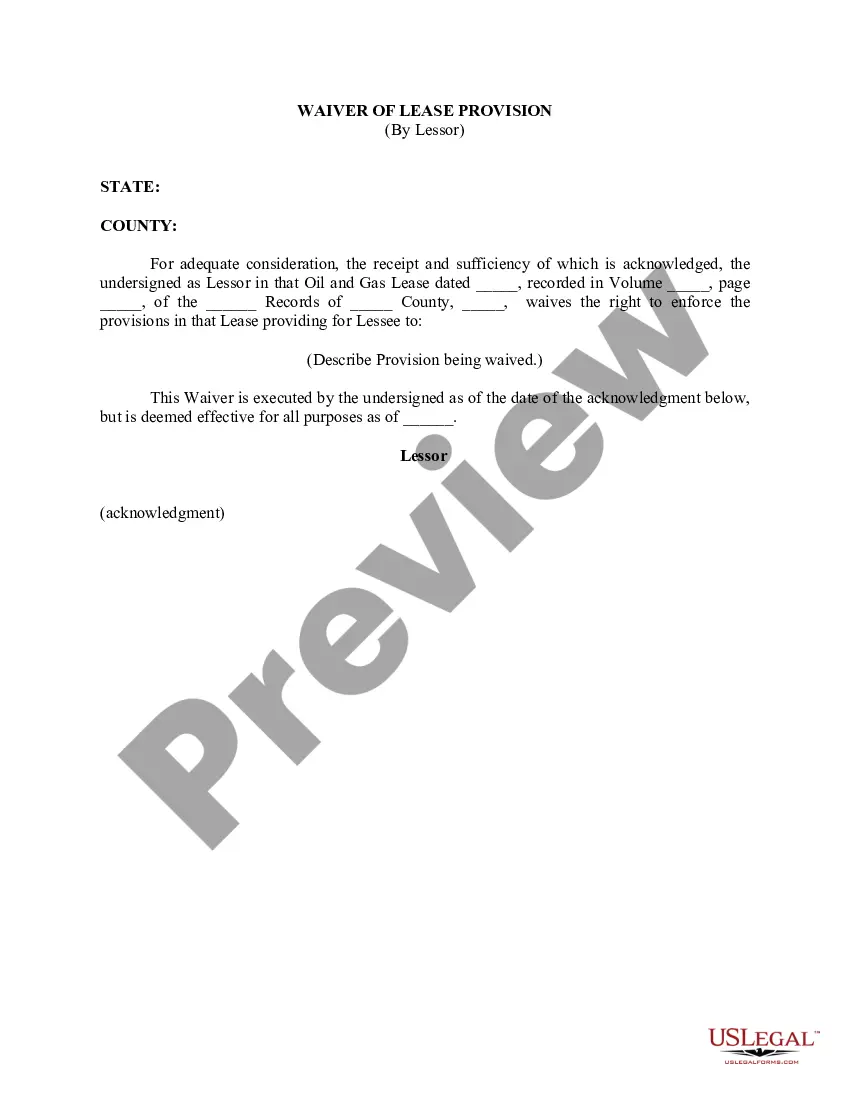
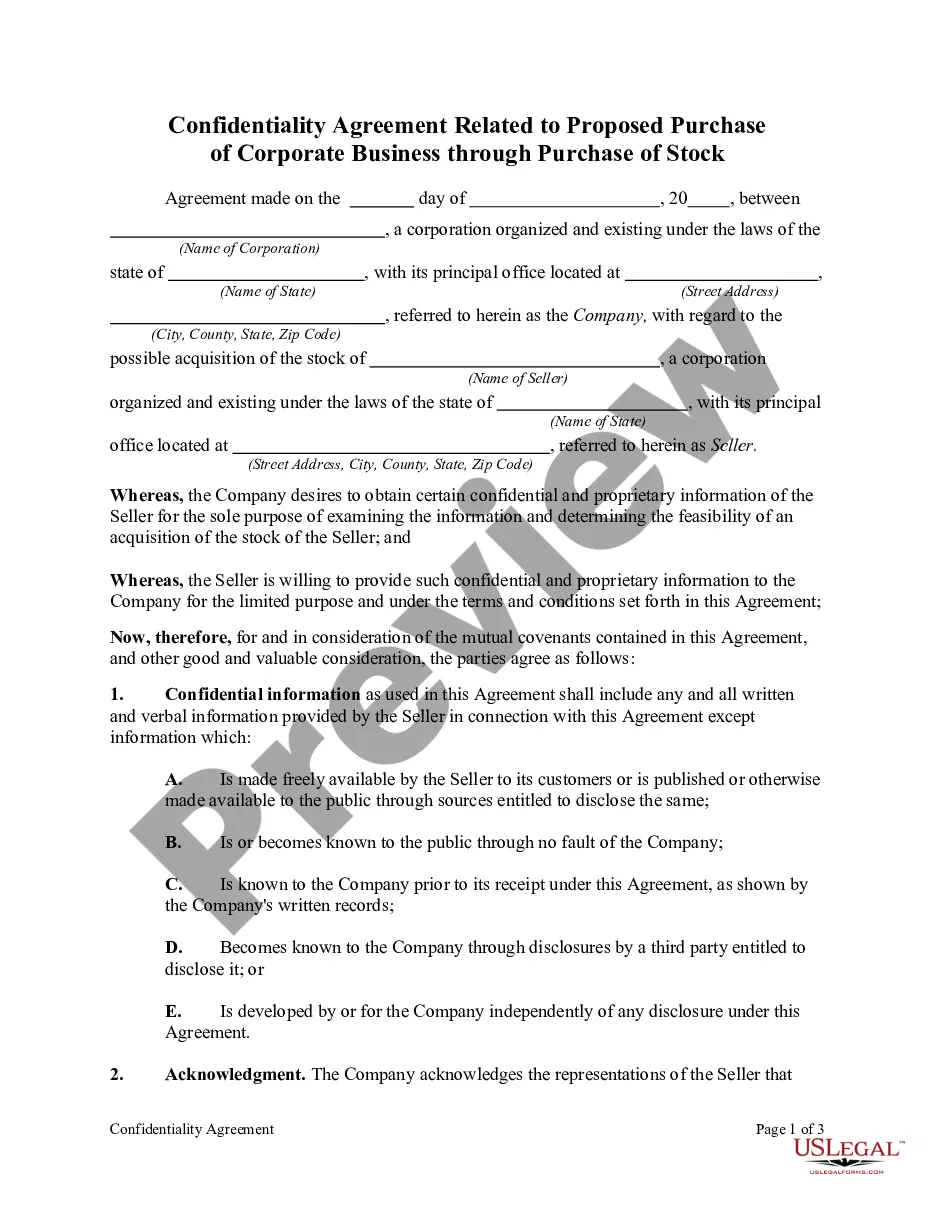
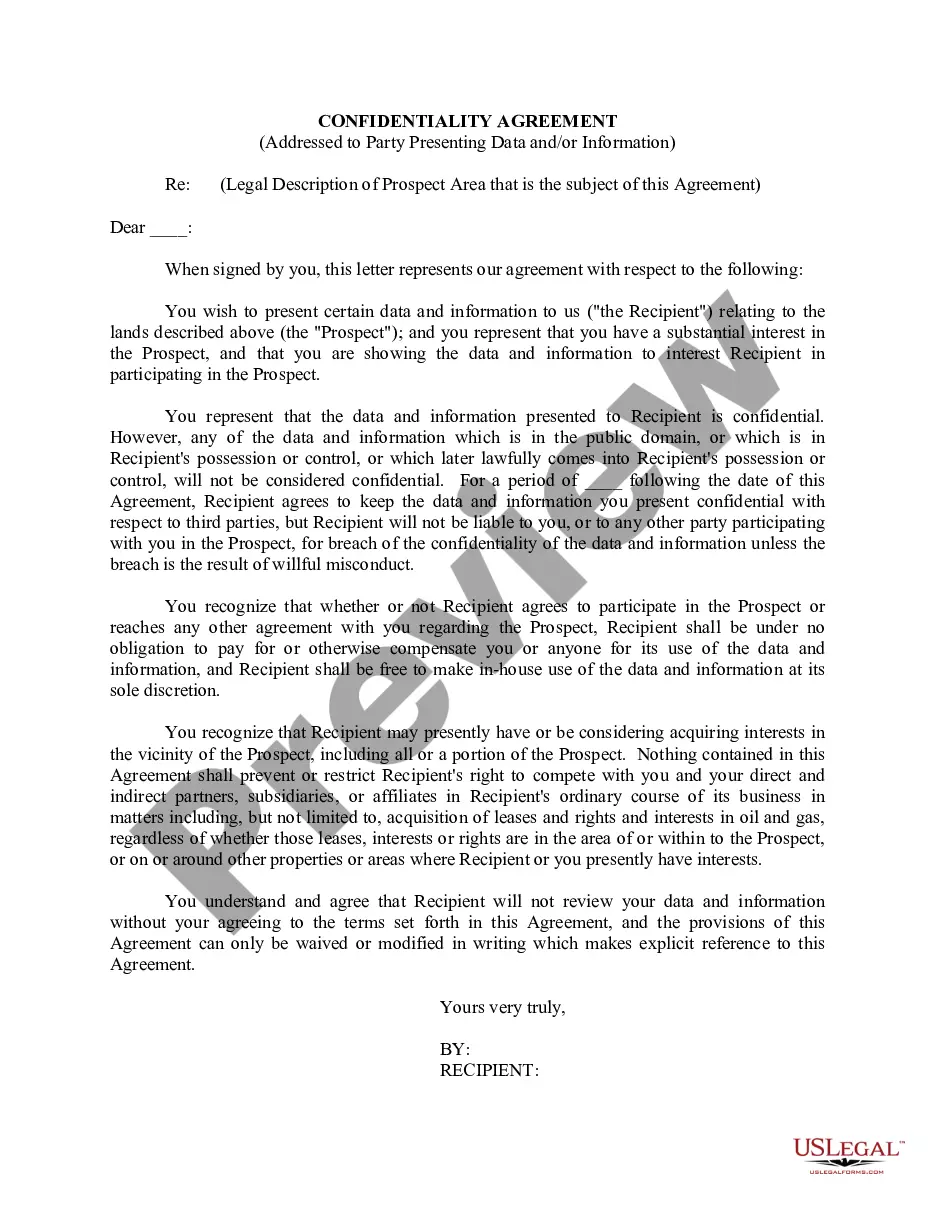
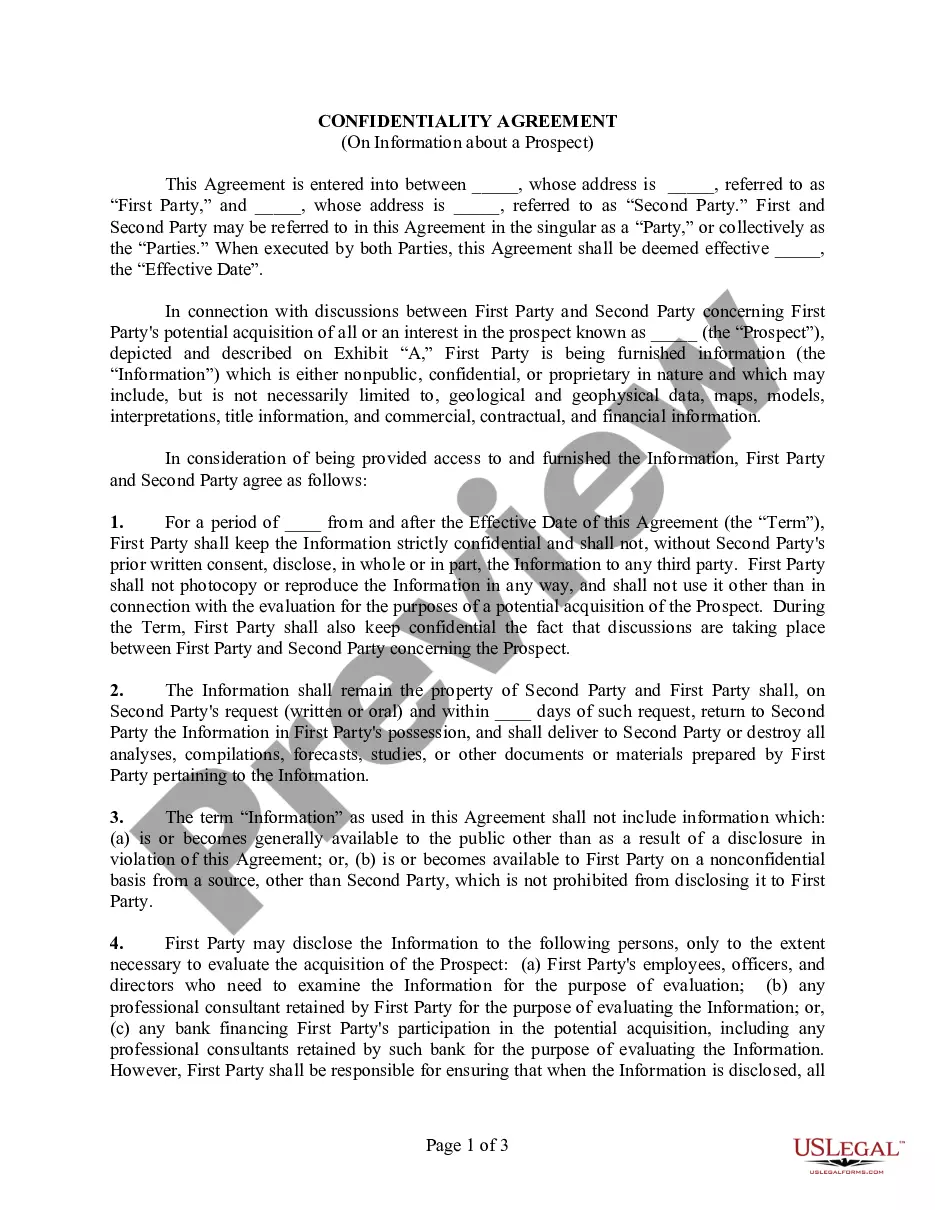
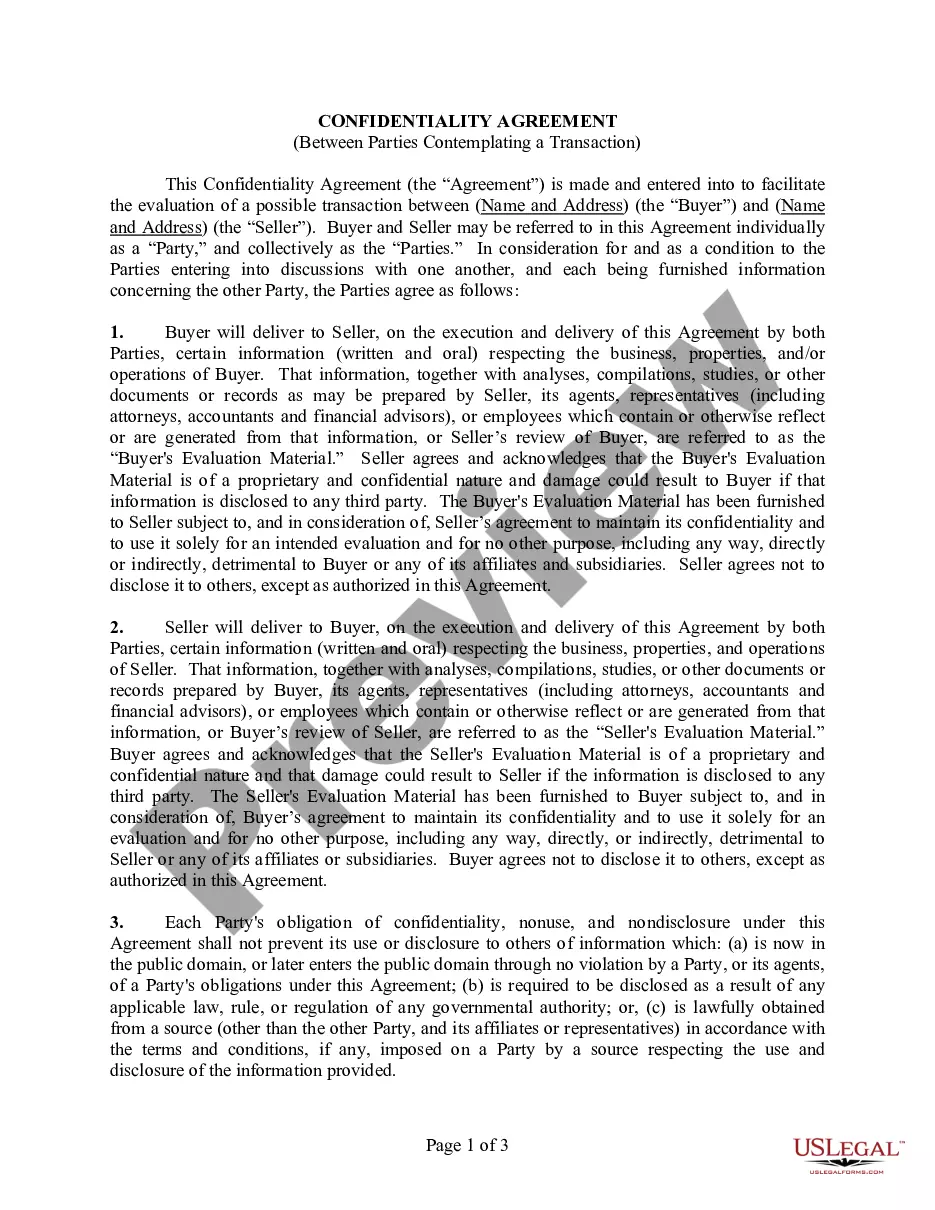
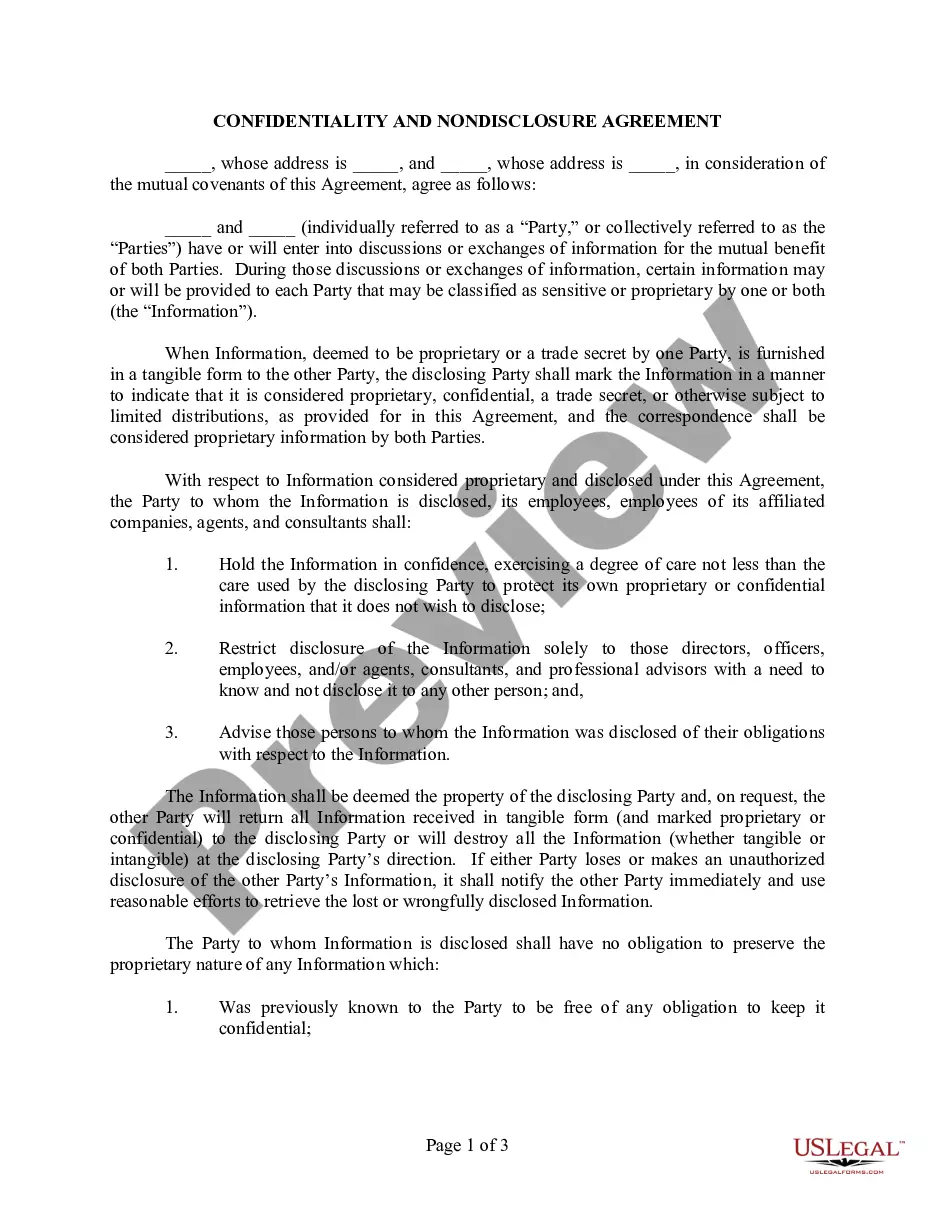
This confidentiality agreement is entered into to facilitate the evaluation of a possible business transaction involving the "Buyer" and the "Seller". Buyer will deliver to Seller, on the execution and delivery of this Agreement by both Parties, certain information (written and oral) respecting the business, properties, and operations of Buyer that Seller is required to keep confidential.
Pennsylvania Confidentiality Agreement Between Parties Contemplating A Transaction
Category:
State:
Multi-State
Control #:
US-OG-196
Format:
Word;
Rich Text
Instant download
Description
Free preview
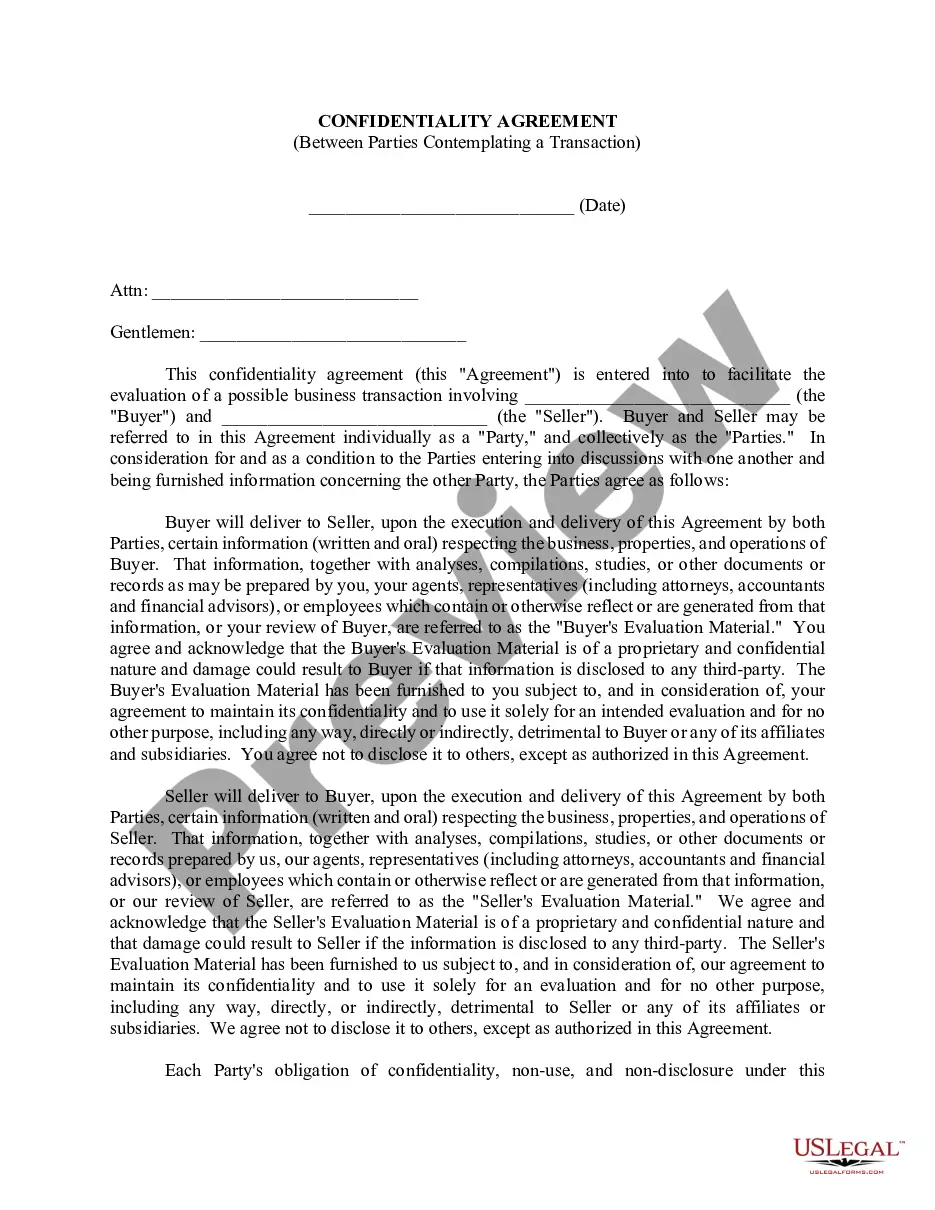
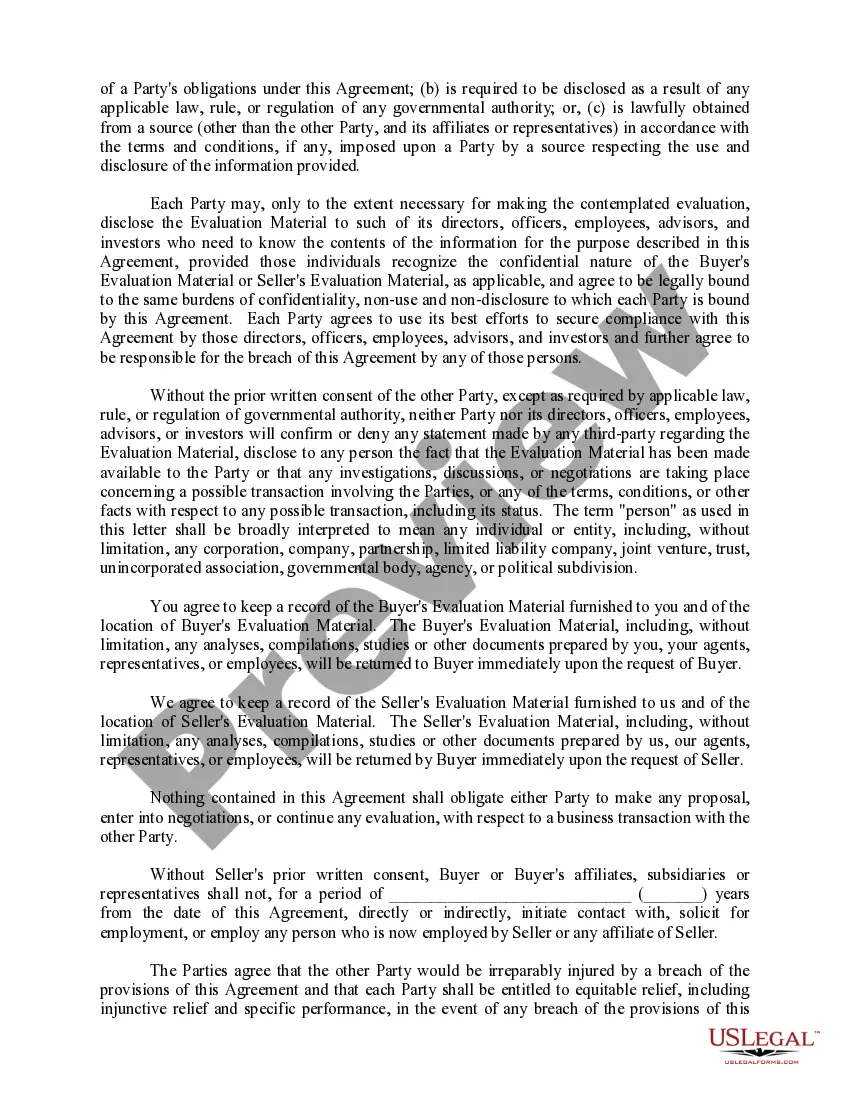
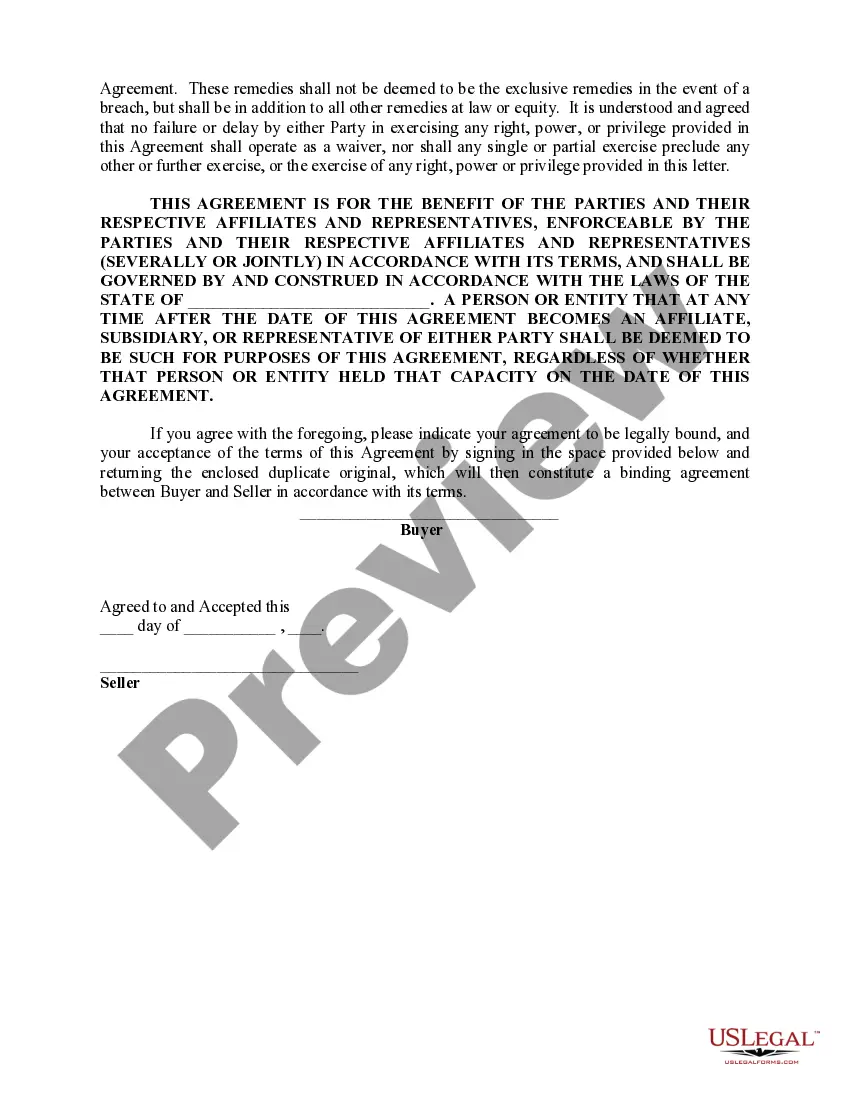
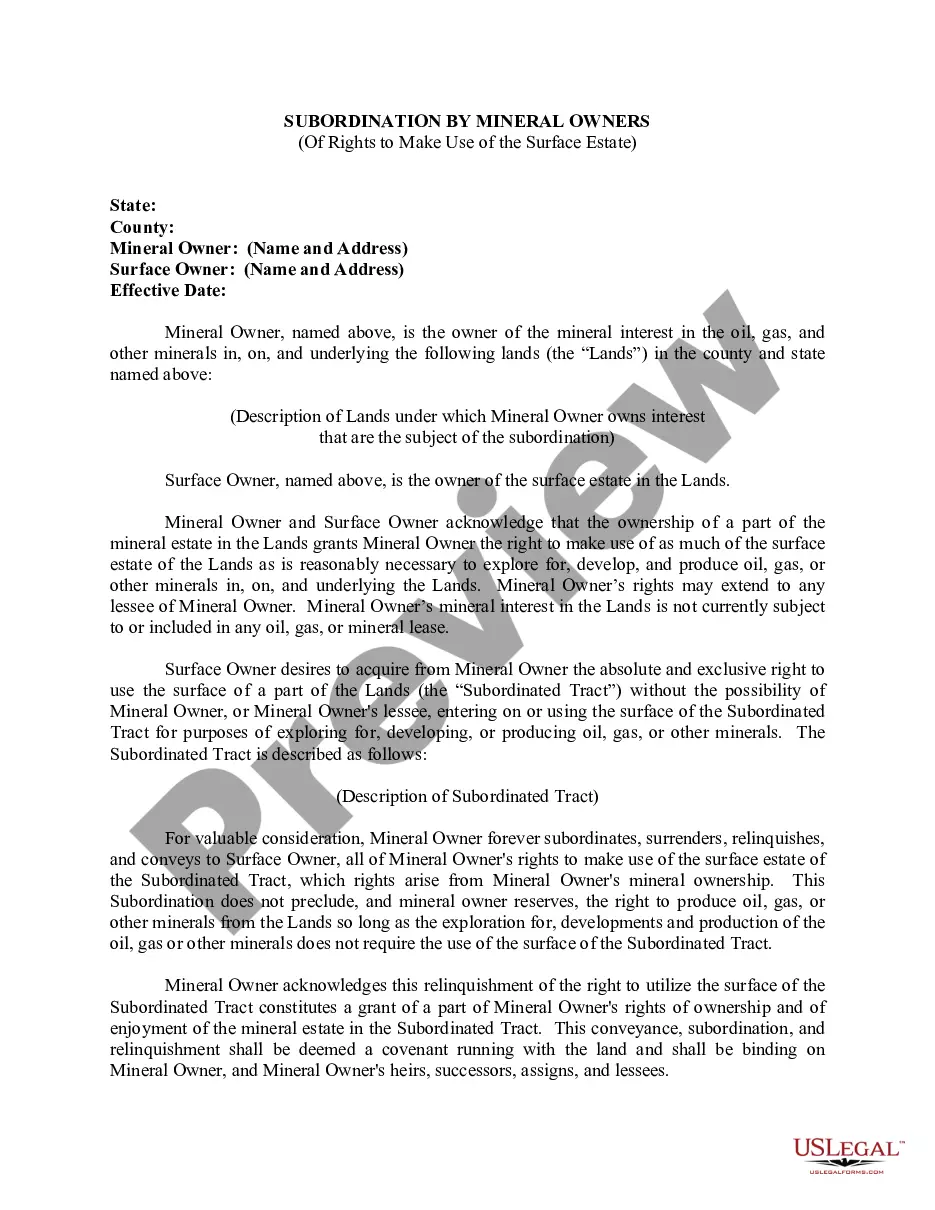
How to fill out Confidentiality Agreement Between Parties Contemplating A Transaction?
Are you presently in a location where you frequently require documents for certain organizations or particular purposes almost daily.
There are numerous valid form templates accessible online, but finding ones you can rely on is not straightforward.
US Legal Forms provides a vast array of form templates, such as the Pennsylvania Confidentiality Agreement Between Parties Considering A Transaction, which are designed to comply with state and federal regulations.
Once you find the right form, click Acquire now.
Choose the pricing plan you prefer, submit the required information to create your account, and complete the purchase using your PayPal or credit card.
- If you are already familiar with the US Legal Forms website and have an account, simply Log In.
- Then, you can download the Pennsylvania Confidentiality Agreement Between Parties Considering A Transaction template.
- If you do not have an account and wish to start using US Legal Forms, follow these steps.
- Locate the form you need and ensure it corresponds to the correct area/county.
- Utilize the Review option to examine the form.
- Read the description to confirm that you have chosen the correct form.
- If the form is not what you are looking for, use the Research section to find the form that meets your needs.
Form popularity
FAQ
PA Code 255.5 confidentiality refers to specific regulations concerning the confidentiality of certain information in Pennsylvania. This code outlines the legal obligations of parties regarding the protection of sensitive information, particularly in business transactions. Understanding these regulations is crucial when drafting a Pennsylvania Confidentiality Agreement Between Parties Contemplating A Transaction. It ensures compliance and protects the interests of all parties involved.
Yes, you can create your own Pennsylvania Confidentiality Agreement Between Parties Contemplating A Transaction. However, it is essential to ensure the agreement includes all necessary components to protect your interests effectively. Consider using resources like USLegalForms, which offer customizable templates that can guide you in drafting a comprehensive agreement. Tailoring the agreement to your specific situation can enhance its effectiveness.
To draw up a Pennsylvania Confidentiality Agreement Between Parties Contemplating A Transaction, start by identifying the parties involved and clearly outlining the information that needs protection. Include terms regarding the duration of confidentiality, permissible disclosures, and consequences for breaches. You can utilize templates available on platforms like USLegalForms to streamline the process, ensuring all legal aspects are covered. Consulting with a legal professional can also provide additional peace of mind.
Yes, a Pennsylvania Confidentiality Agreement Between Parties Contemplating A Transaction should be signed by both parties involved. This mutual agreement ensures that both sides are legally bound to keep the shared information confidential. It fosters trust and clarity, allowing for open communication during negotiations. Signing the agreement solidifies the commitment to confidentiality.
To write a simple Pennsylvania Confidentiality Agreement Between Parties Contemplating A Transaction, begin with a title that clearly identifies the agreement. Include sections that cover the parties involved, the scope of the confidential information, and the terms of confidentiality. Keep the language straightforward and avoid complex legal jargon. You can also utilize the uslegalforms platform for customizable templates that simplify this process.
An example of a Pennsylvania Confidentiality Agreement Between Parties Contemplating A Transaction may include clauses that outline the purpose of sharing information, the definition of confidential information, and the obligations of each party. It might also detail the consequences of breaching the agreement. This example serves as a useful template, which you can modify based on your specific transaction needs.
To fill out a Pennsylvania Confidentiality Agreement Between Parties Contemplating A Transaction, start by entering the names of all parties involved. Clearly define the confidential information that will be shared during discussions. Next, specify the duration of the agreement and any exclusions to the confidentiality obligations. Finally, ensure that all parties sign and date the document to make it legally binding.
Yes, an NDA can technically be signed by only one party, but it may not provide comprehensive protection for both sides. In the context of the Pennsylvania Confidentiality Agreement Between Parties Contemplating A Transaction, having both parties sign ensures mutual confidentiality obligations. Without mutual signing, the non-signing party may not be legally bound to protect shared information. To avoid confusion, consider using platforms like US Legal Forms to draft a clear agreement for both parties.
A CDA, or Confidential Disclosure Agreement, and an NDA, or Non-Disclosure Agreement, serve similar purposes but can differ slightly in focus. The Pennsylvania Confidentiality Agreement Between Parties Contemplating A Transaction is often more specific to initial discussions about potential transactions. In contrast, an NDA generally covers a broader range of confidential information, not limited to transactional contexts. Understanding these differences can help you choose the right agreement; resources like US Legal Forms can assist in finding the best fit.
Typically, both parties involved in the Pennsylvania Confidentiality Agreement Between Parties Contemplating A Transaction should sign the document. This includes individuals or representatives from organizations who are sharing confidential information. By having both parties sign, the agreement creates a legal obligation to protect sensitive information. US Legal Forms offers easy-to-use templates that guide you through who should sign and how.