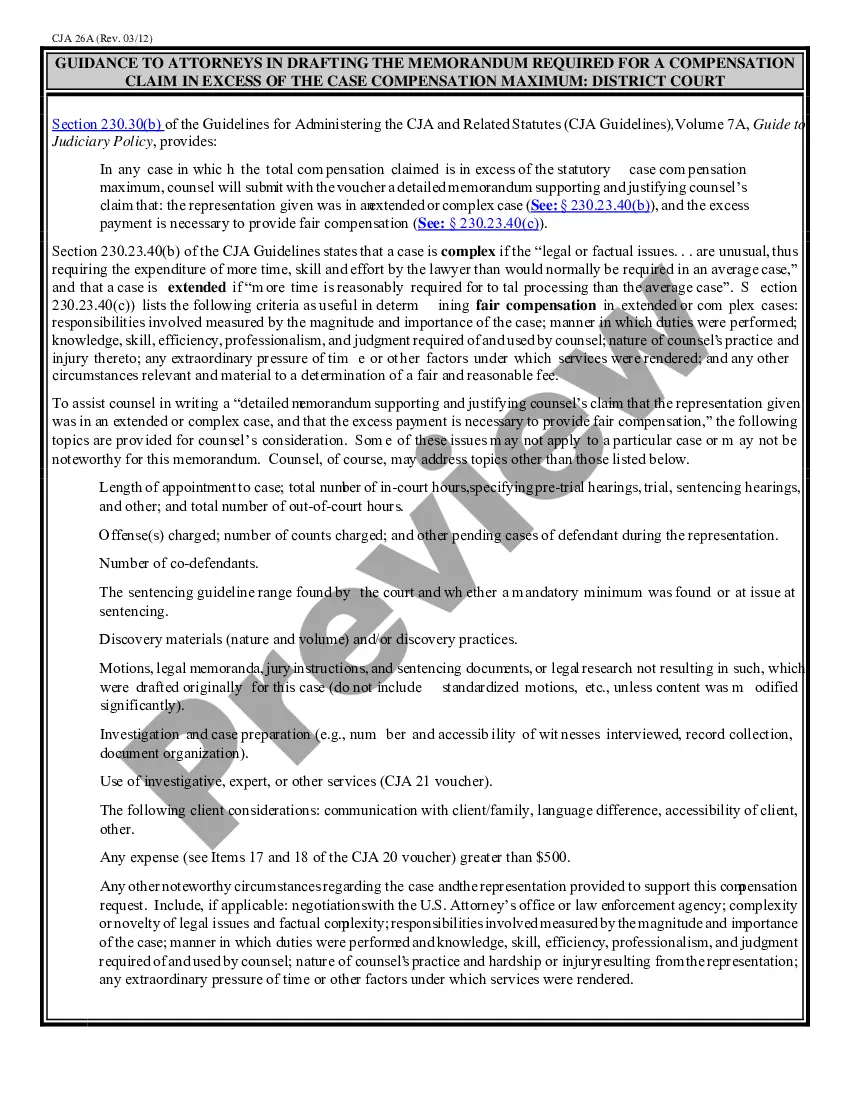
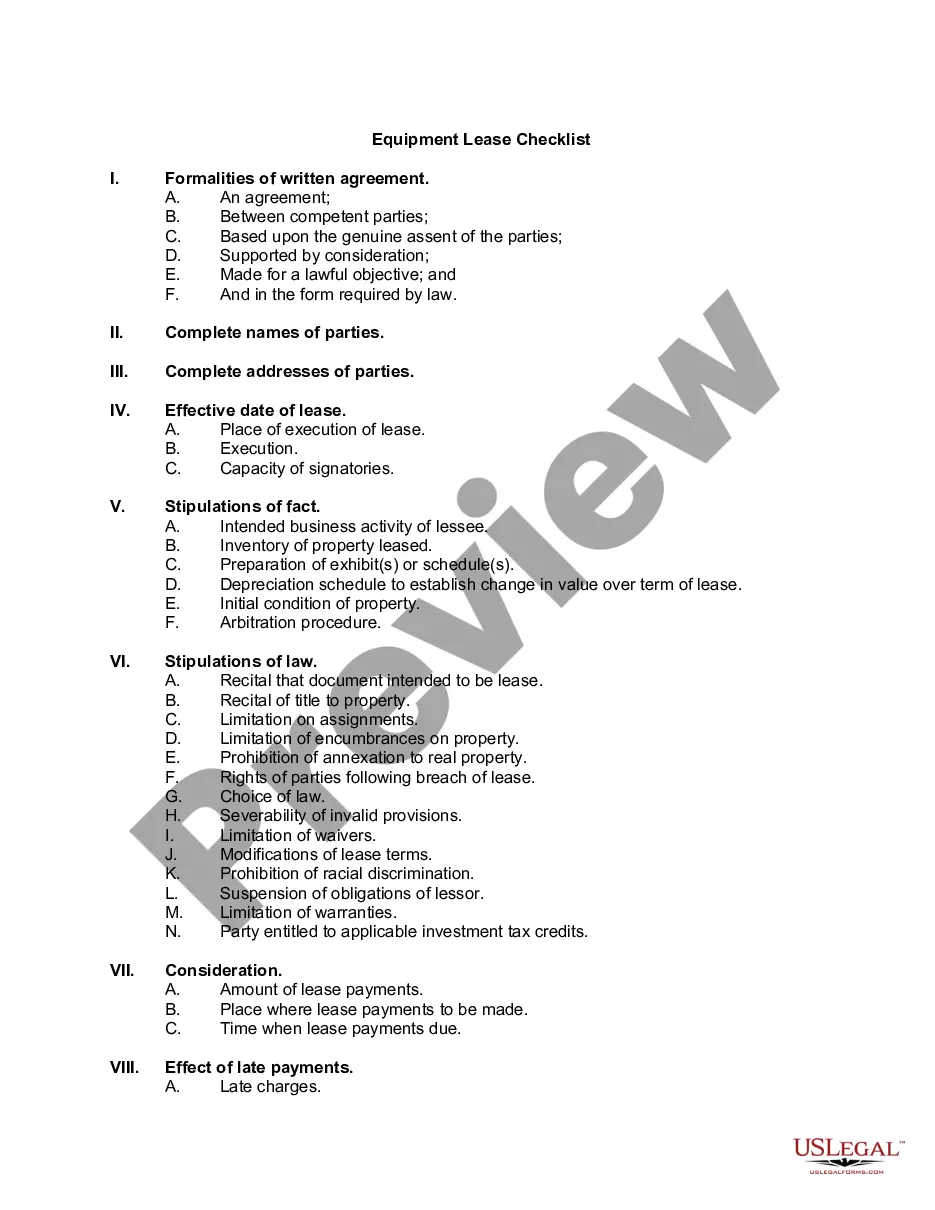
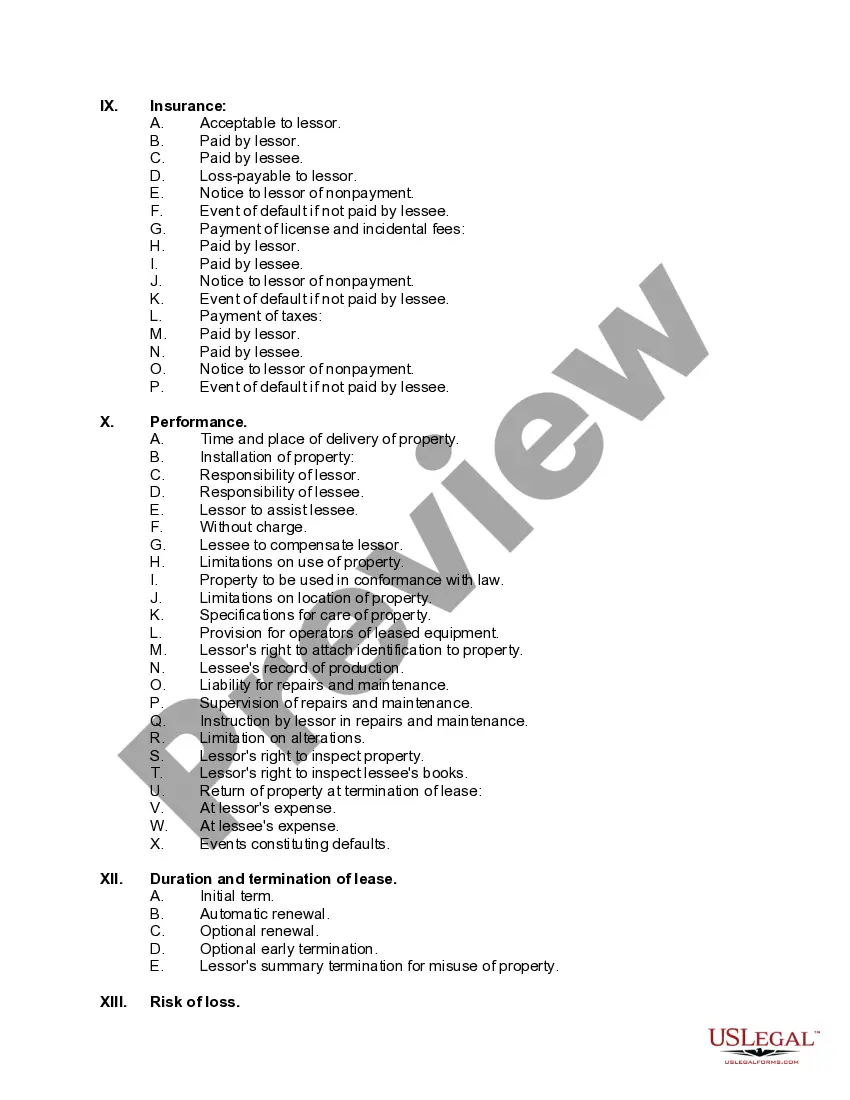
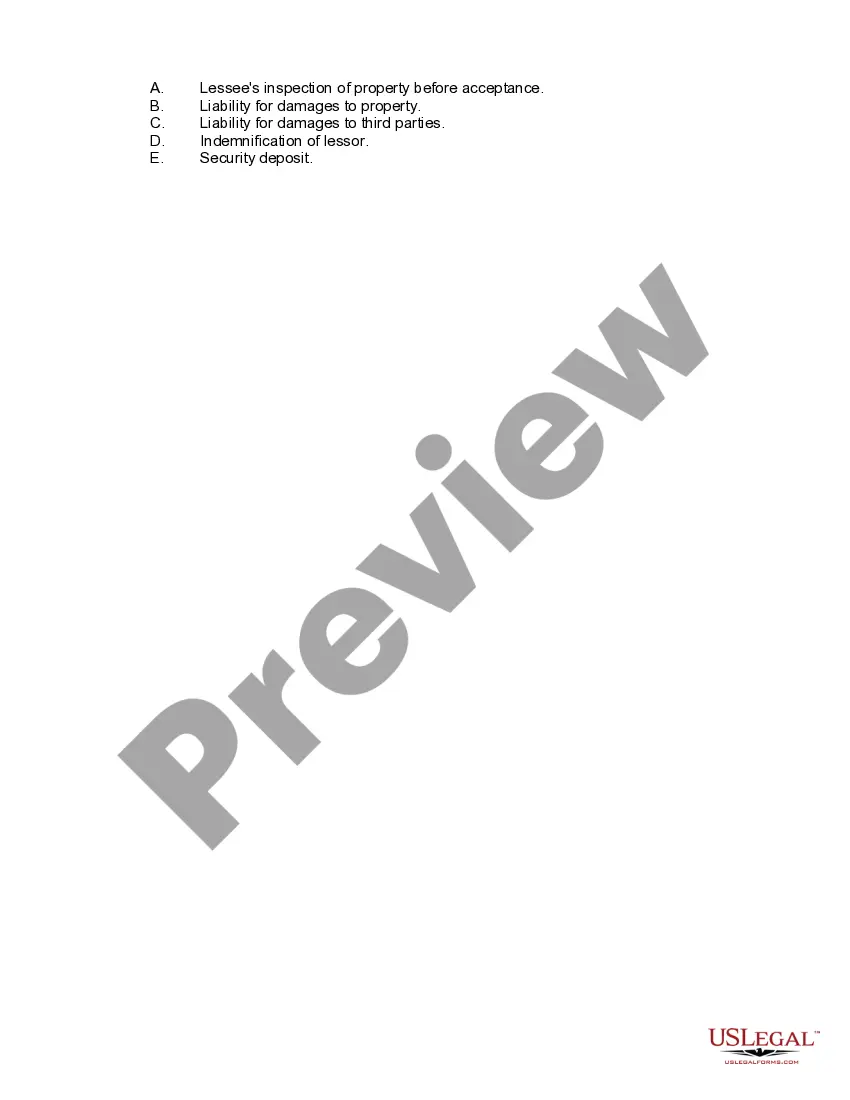
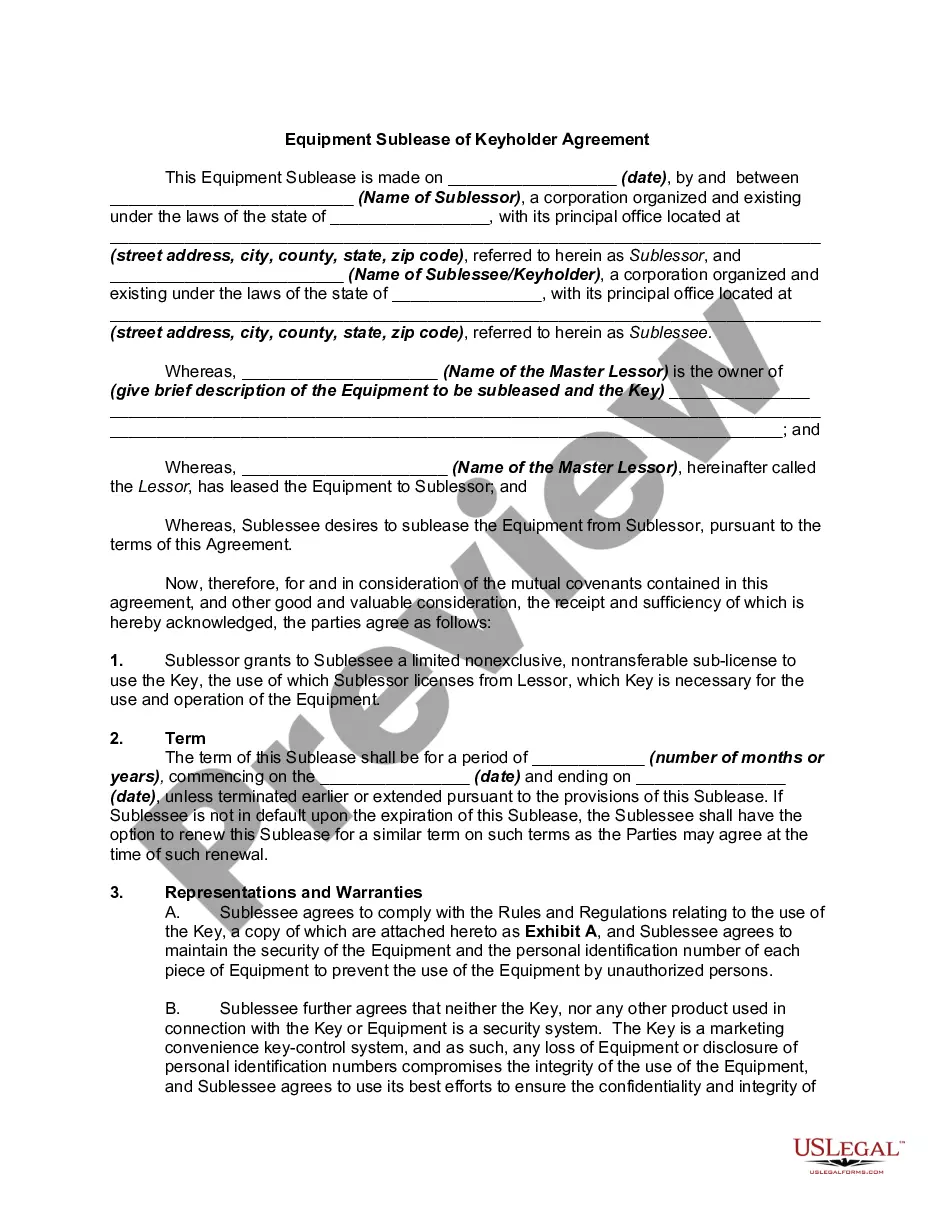
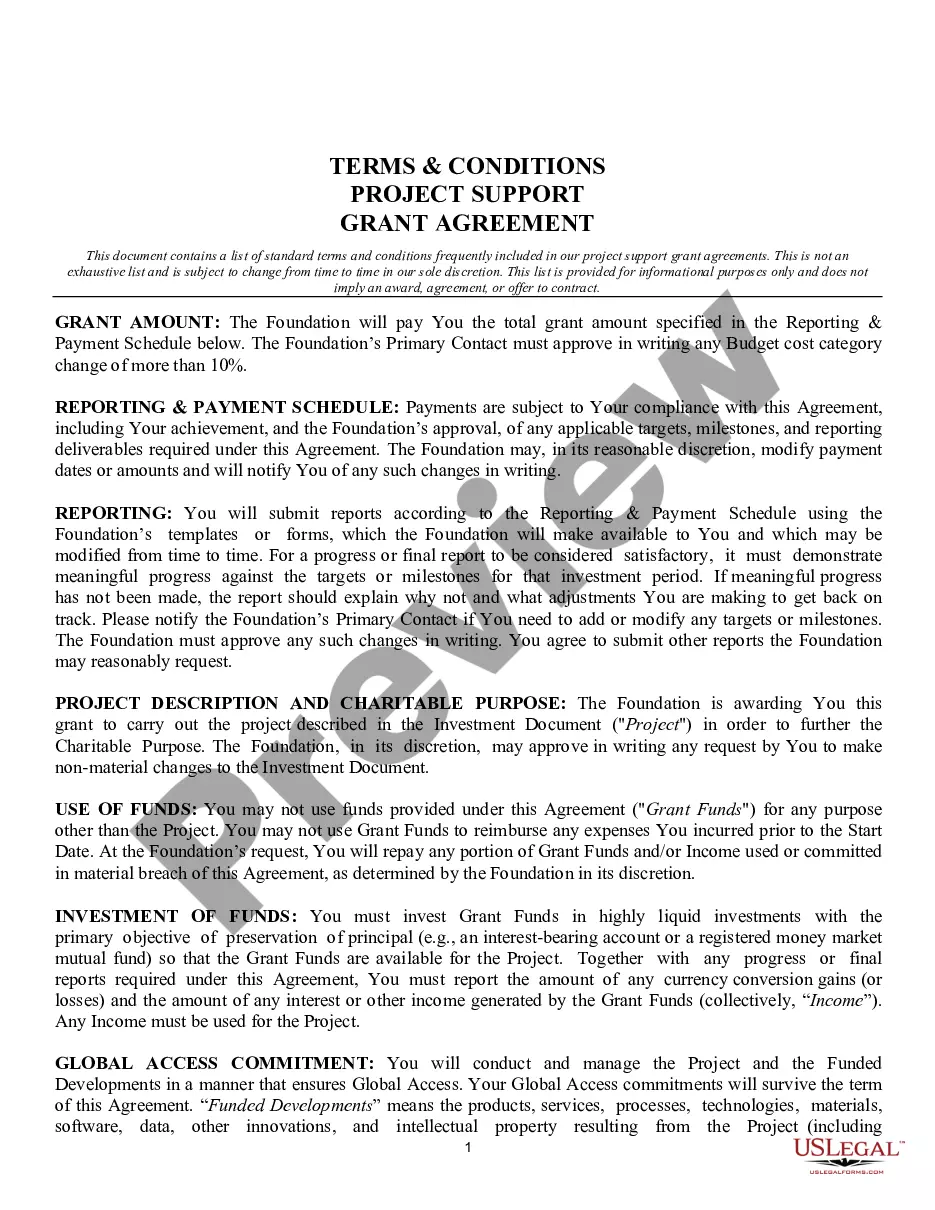
Pennsylvania Equipment Lease Checklist
Description
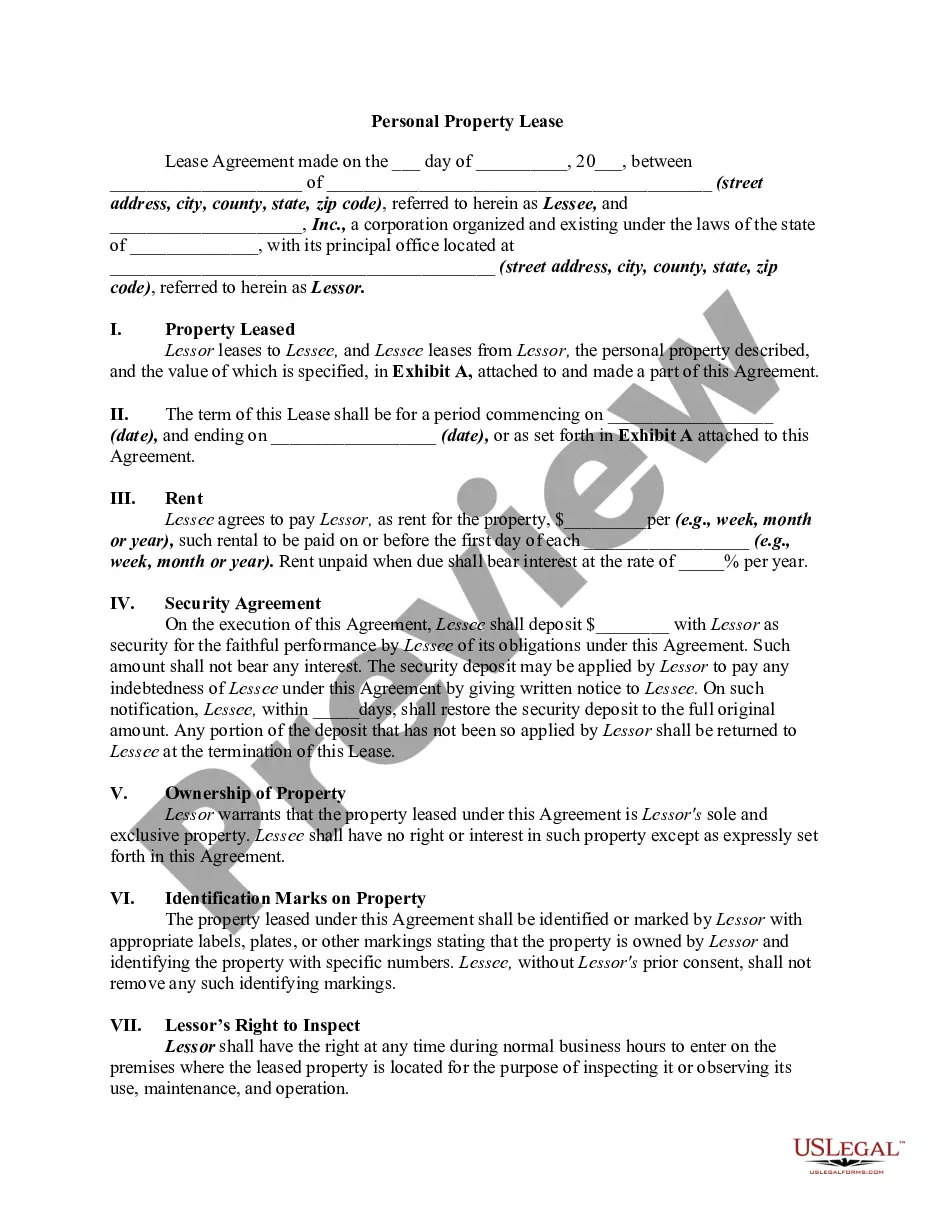
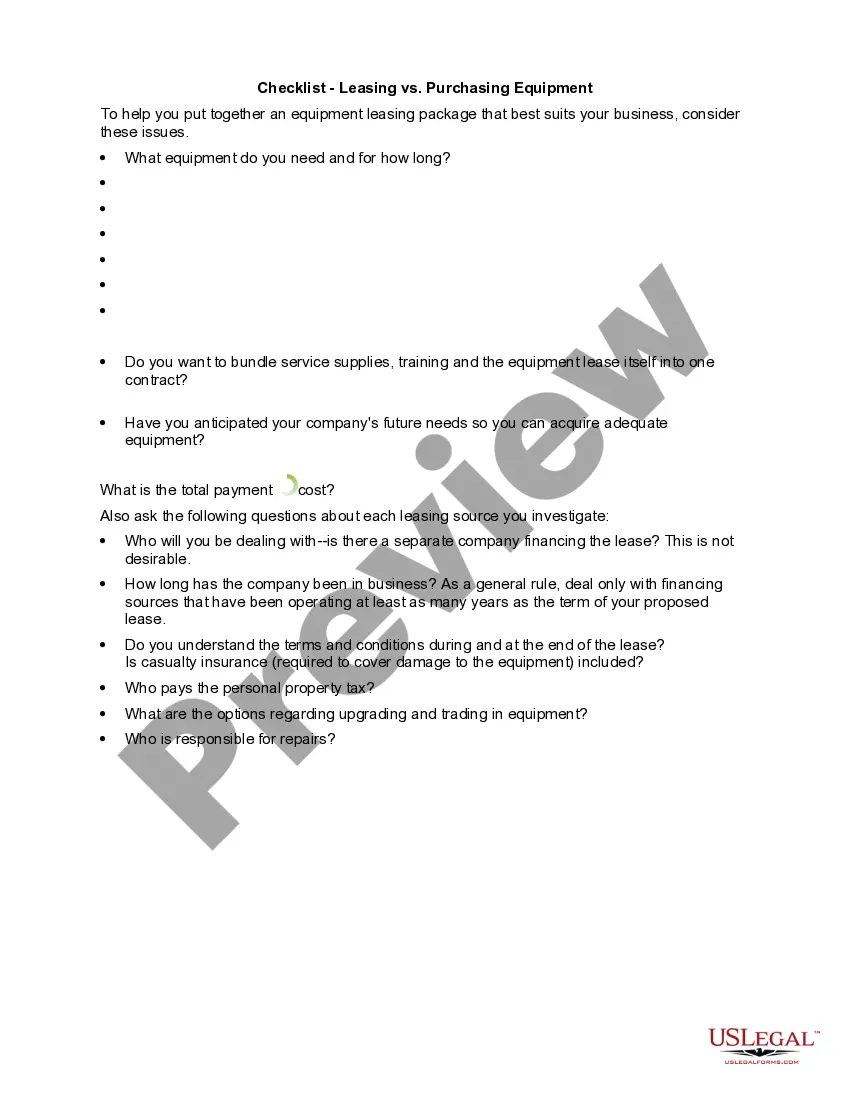
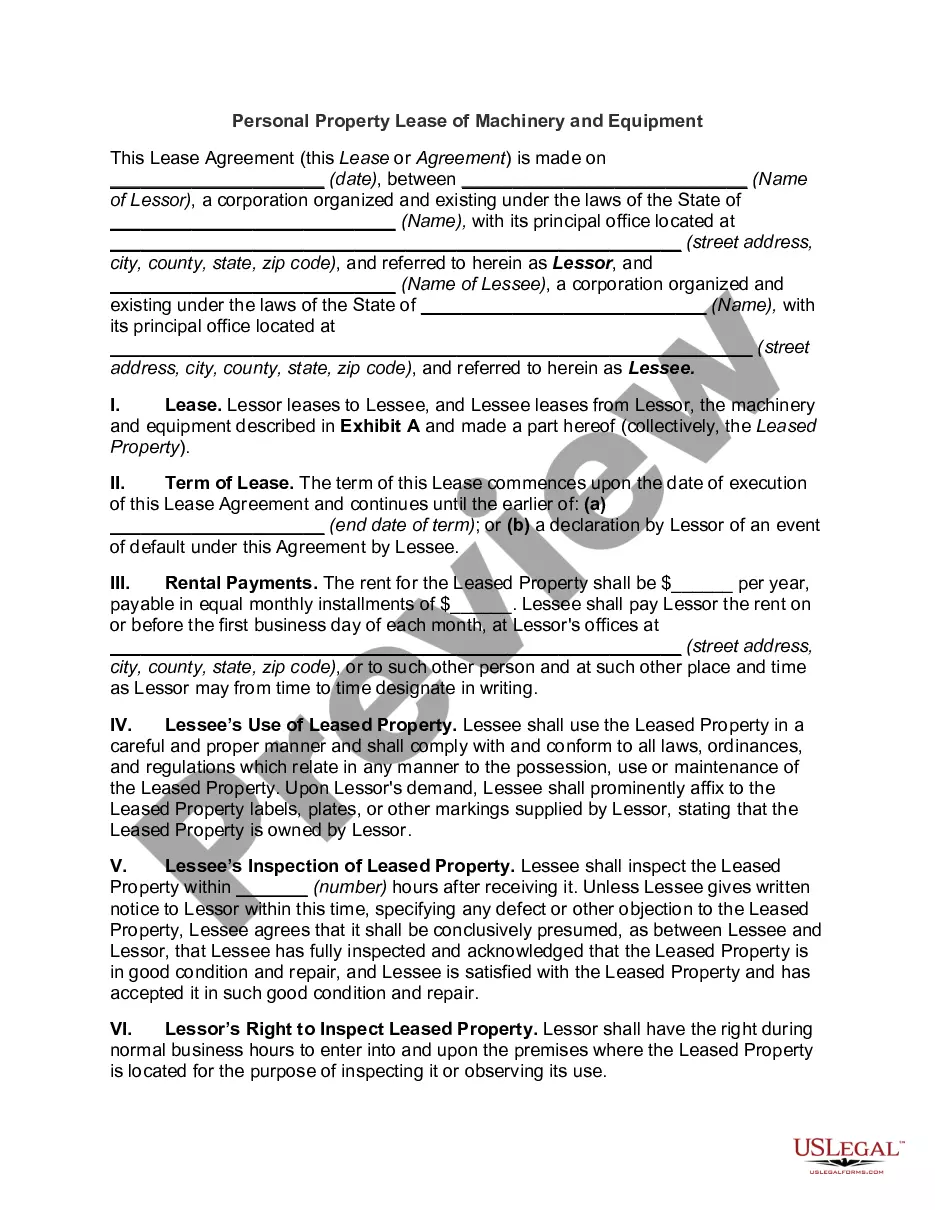
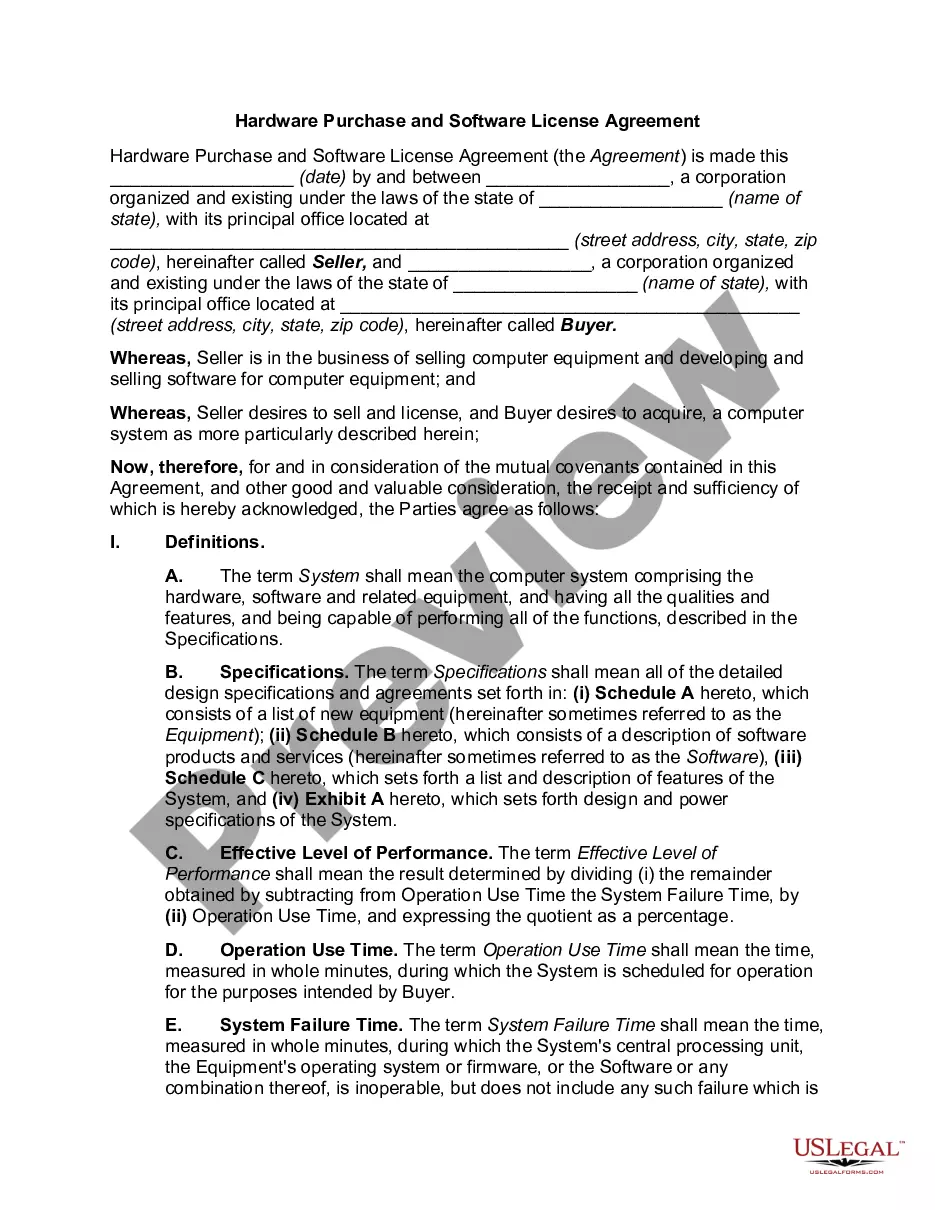
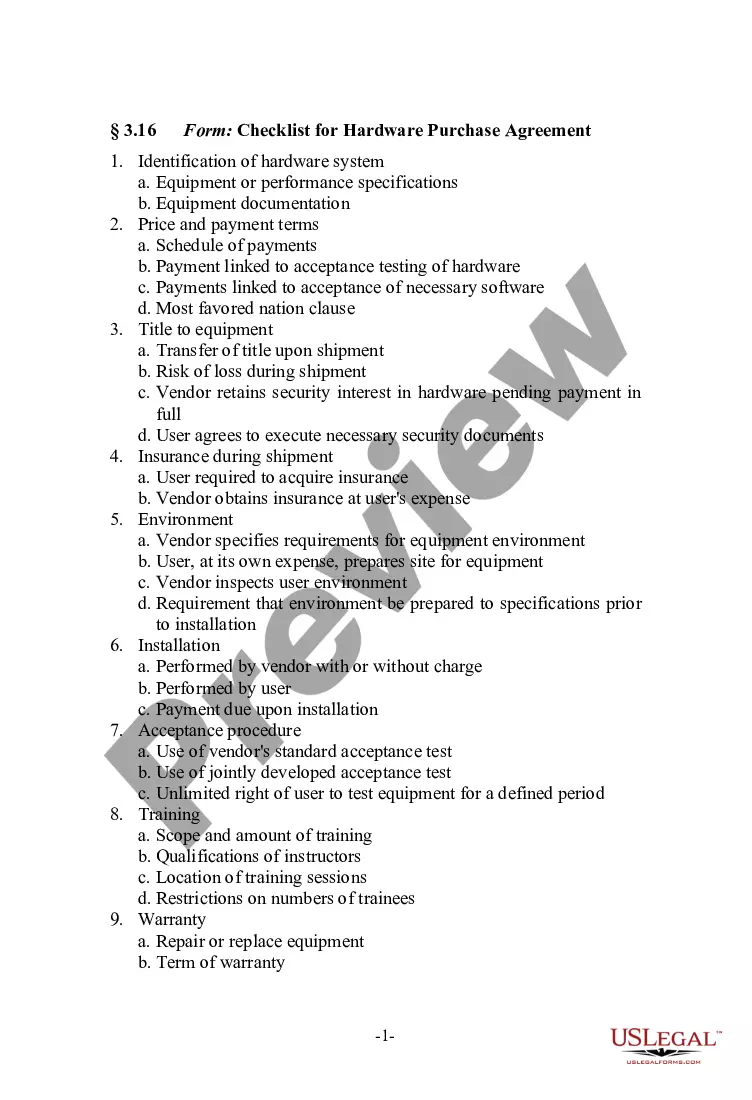
Get your form ready online
Our built-in tools help you complete, sign, share, and store your documents in one place.
Make edits, fill in missing information, and update formatting in US Legal Forms—just like you would in MS Word.
Download a copy, print it, send it by email, or mail it via USPS—whatever works best for your next step.
Sign and collect signatures with our SignNow integration. Send to multiple recipients, set reminders, and more. Go Premium to unlock E-Sign.
If this form requires notarization, complete it online through a secure video call—no need to meet a notary in person or wait for an appointment.
We protect your documents and personal data by following strict security and privacy standards.

Make edits, fill in missing information, and update formatting in US Legal Forms—just like you would in MS Word.

Download a copy, print it, send it by email, or mail it via USPS—whatever works best for your next step.

Sign and collect signatures with our SignNow integration. Send to multiple recipients, set reminders, and more. Go Premium to unlock E-Sign.

If this form requires notarization, complete it online through a secure video call—no need to meet a notary in person or wait for an appointment.

We protect your documents and personal data by following strict security and privacy standards.
Looking for another form?

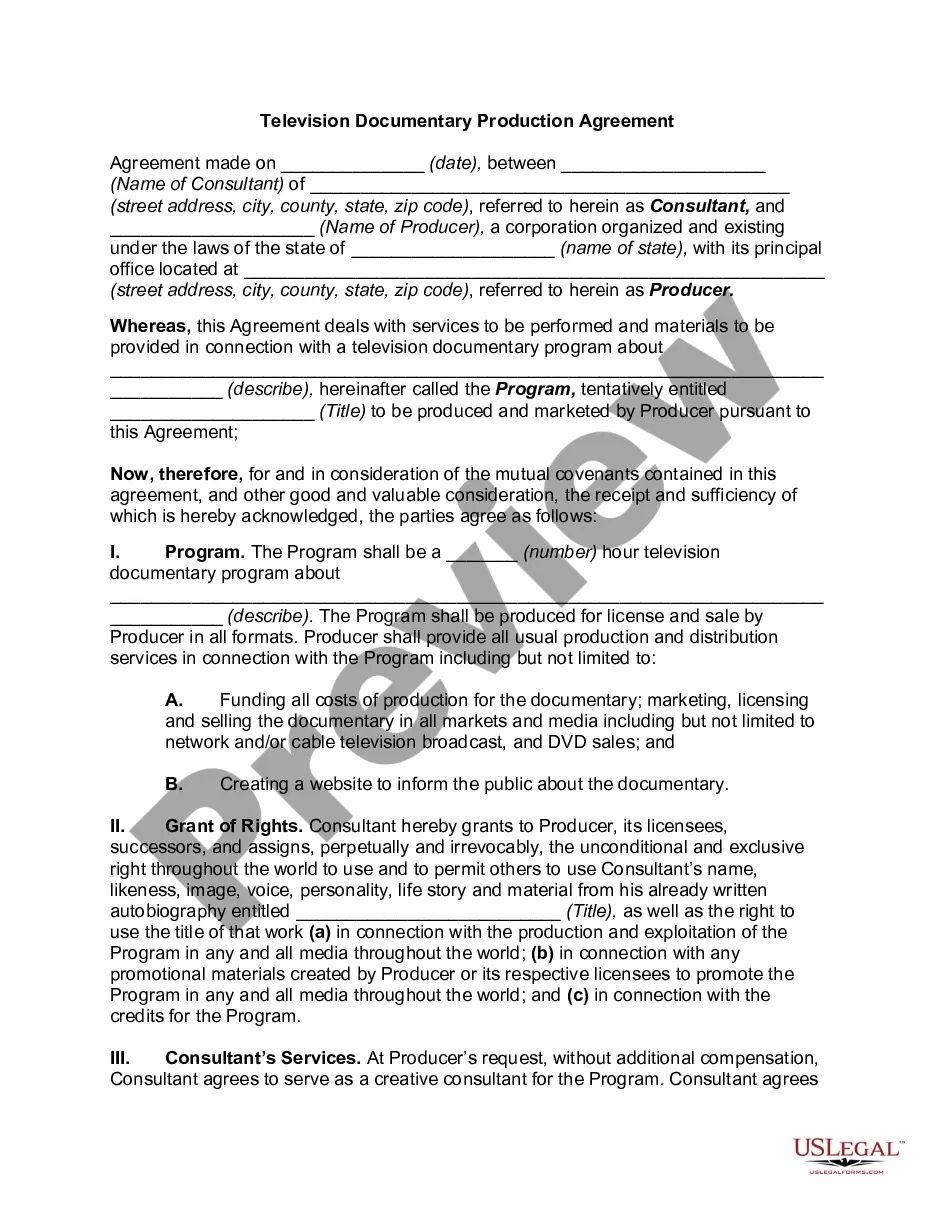




How to fill out Equipment Lease Checklist?
Selecting the appropriate legal document template can be challenging. Indeed, there are many templates accessible online, but how do you find the legal document you require? Utilize the US Legal Forms website.
The platform offers thousands of templates, including the Pennsylvania Equipment Lease Checklist, suitable for both business and personal needs. All forms are reviewed by experts and comply with state and federal regulations.
If you are already a member, Log In to your account and click the Download button to obtain the Pennsylvania Equipment Lease Checklist. Use your account to review the legal documents you have previously purchased. Proceed to the My documents section of your account to download another copy of the document you require.
Select the file format and download the legal document template to your device. Complete, modify, print, and sign the Pennsylvania Equipment Lease Checklist. US Legal Forms is the largest repository of legal forms, where you can discover numerous document templates. Utilize the service to access professionally crafted papers that comply with state requirements.
- Firstly, ensure you have selected the correct form for your city or county.
- You may examine the form with the Review button and read the form description to ensure it is suitable for your needs.
- If the form does not meet your requirements, utilize the Search section to find the right form.
- When you are confident that the form is appropriate, click the Acquire now button to obtain the document.
- Choose the pricing plan you wish and enter the necessary information.
- Create your account and finalize your purchase using your PayPal account or credit card.
Form popularity
FAQ
While a written agreement is not a strict requirement for month-to-month leases in Pennsylvania, having one is highly recommended. A written lease provides clarity on terms and helps prevent disputes. It also serves as a formal record of the agreement. Consider using the Pennsylvania Equipment Lease Checklist to create a comprehensive document that outlines all necessary terms.
In Pennsylvania, a landlord must provide a written notice of at least 30 days for a tenant to vacate a month-to-month lease. This timeframe allows the tenant to secure a new living arrangement and ensures a smoother transition. It’s essential for both parties to understand their rights and responsibilities. Utilize the Pennsylvania Equipment Lease Checklist to gain insights on proper procedures and requirements.
In Pennsylvania, either the landlord or tenant must provide a written notice of 30 days to terminate a month-to-month lease. This period gives both parties time to prepare for the end of the lease agreement. It's important to document this notice appropriately to avoid misunderstandings. For specific lease agreements, refer to the Pennsylvania Equipment Lease Checklist for clearer guidance.
To create an equipment rental agreement, start by outlining key details such as the equipment description, rental period, and fees. Include terms regarding maintenance responsibilities, liability coverage, and conditions for returning the equipment. By using the Pennsylvania Equipment Lease Checklist, you can make certain that your rental agreement captures all necessary elements, making it legally sound and clear for both parties involved. This approach can help avoid misunderstandings and foster a positive rental experience.
Yes, ASC 842 does apply to equipment leases, impacting how businesses report these leases on their financial statements. Under this standard, lessees must recognize lease liabilities and right-of-use assets for leases longer than 12 months. Following the Pennsylvania Equipment Lease Checklist can help ensure compliance with ASC 842 by detailing the essential elements required for reporting. This checklist serves as a guide to facilitate transparency and accuracy in lease accounting.
Leased equipment should be recorded in your accounting system as either an asset or a liability, depending on the lease type. For operating leases, you may only need to record payments as expenses. With finance leases, you would capitalize the asset and liability. A Pennsylvania Equipment Lease Checklist can provide clarity on recording practices and help keep your records accurate.
In Pennsylvania, month-to-month leases provide flexibility as either party can usually terminate the lease with proper notice, typically 30 days. Rent can change each month if specified in the agreement. Referencing a Pennsylvania Equipment Lease Checklist is helpful to ensure that you include all necessary terms and comply with local regulations.
To set up an equipment lease in QuickBooks, begin by adding the equipment as an asset. Then, create a lease liability account to track your obligations. Next, record your lease payments in the expense account. Using a Pennsylvania Equipment Lease Checklist can help ensure you accurately log these transactions without overlooking key details.
Equipment leases are calculated based on the equipment's value, the length of the lease, and applicable interest rates. Additional costs such as taxes and insurance may also apply. To help simplify this process, consider using a Pennsylvania Equipment Lease Checklist, which can guide you through calculations and help avoid common mistakes.
An operating lease is typically shorter and allows you to use equipment without long-term ownership, while an equipment lease often leads to ownership after the leasing period. For businesses focusing on flexibility, operating leases can be beneficial. However, if you're investing in a specific piece of equipment, consider the insights from a Pennsylvania Equipment Lease Checklist for a comprehensive understanding.