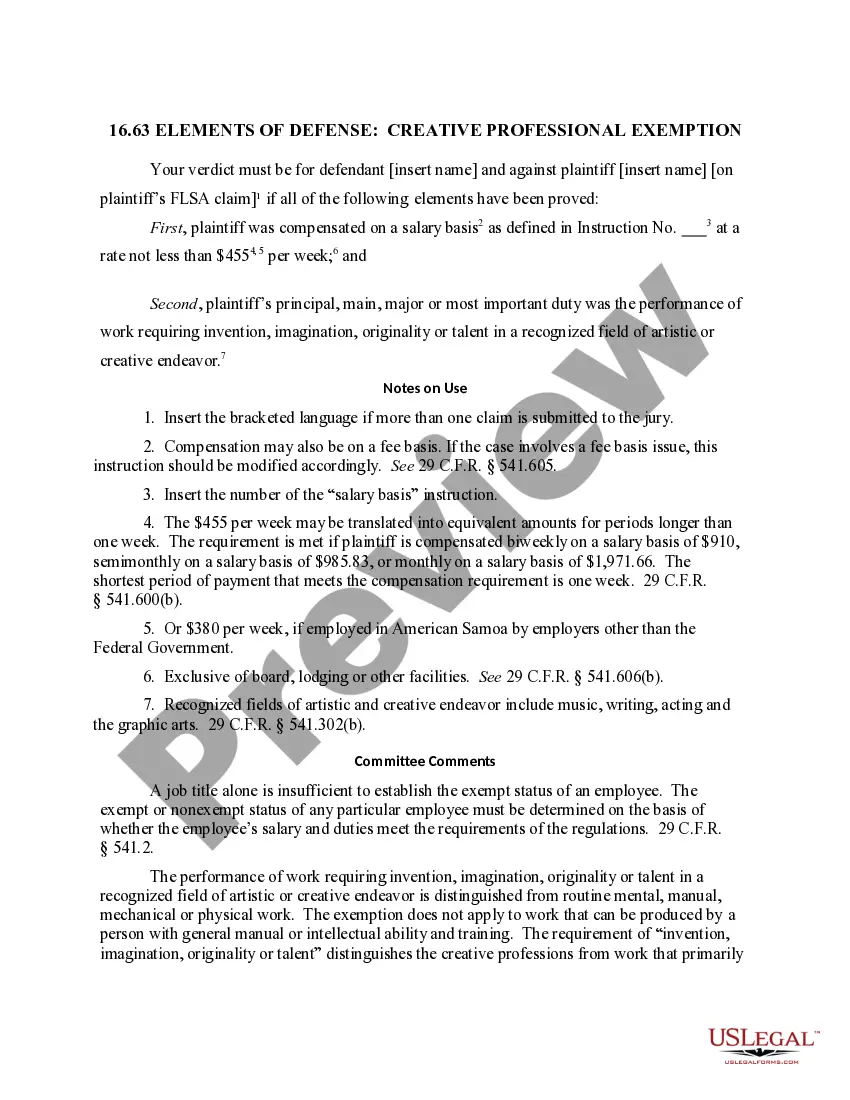
Pennsylvania Motion for Process Instructions
Description
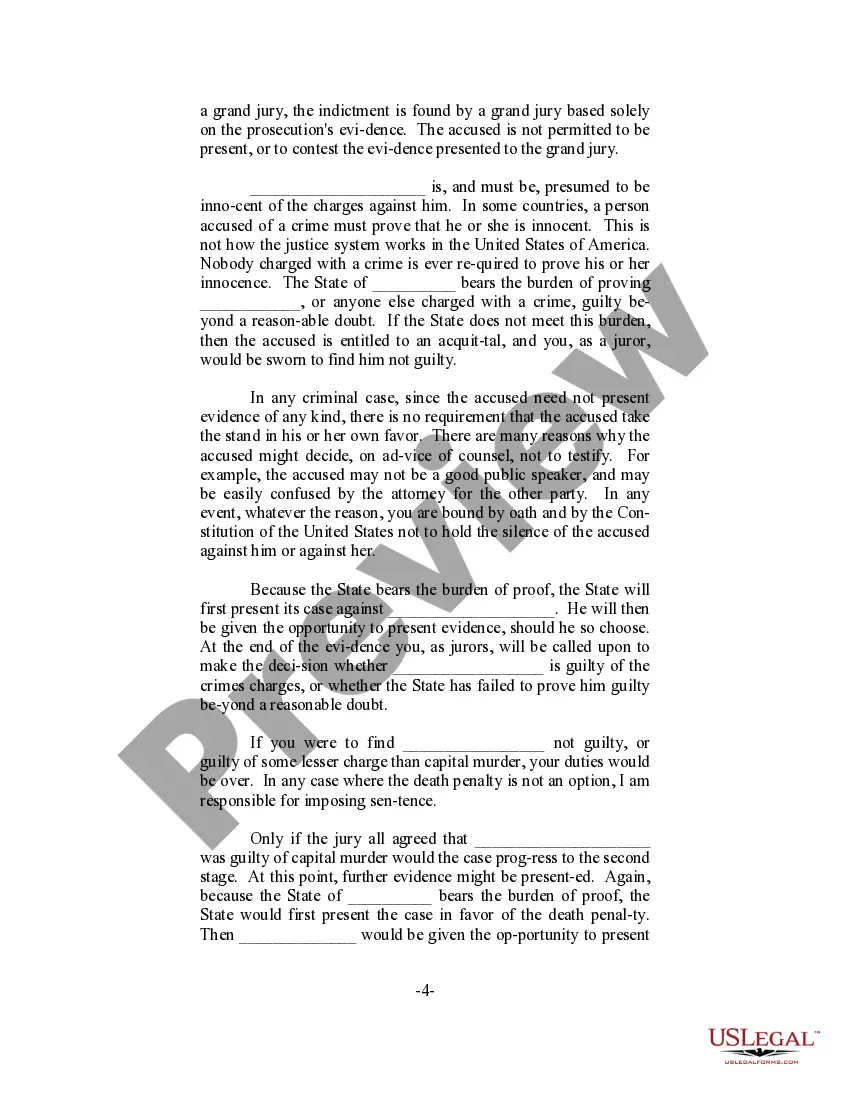
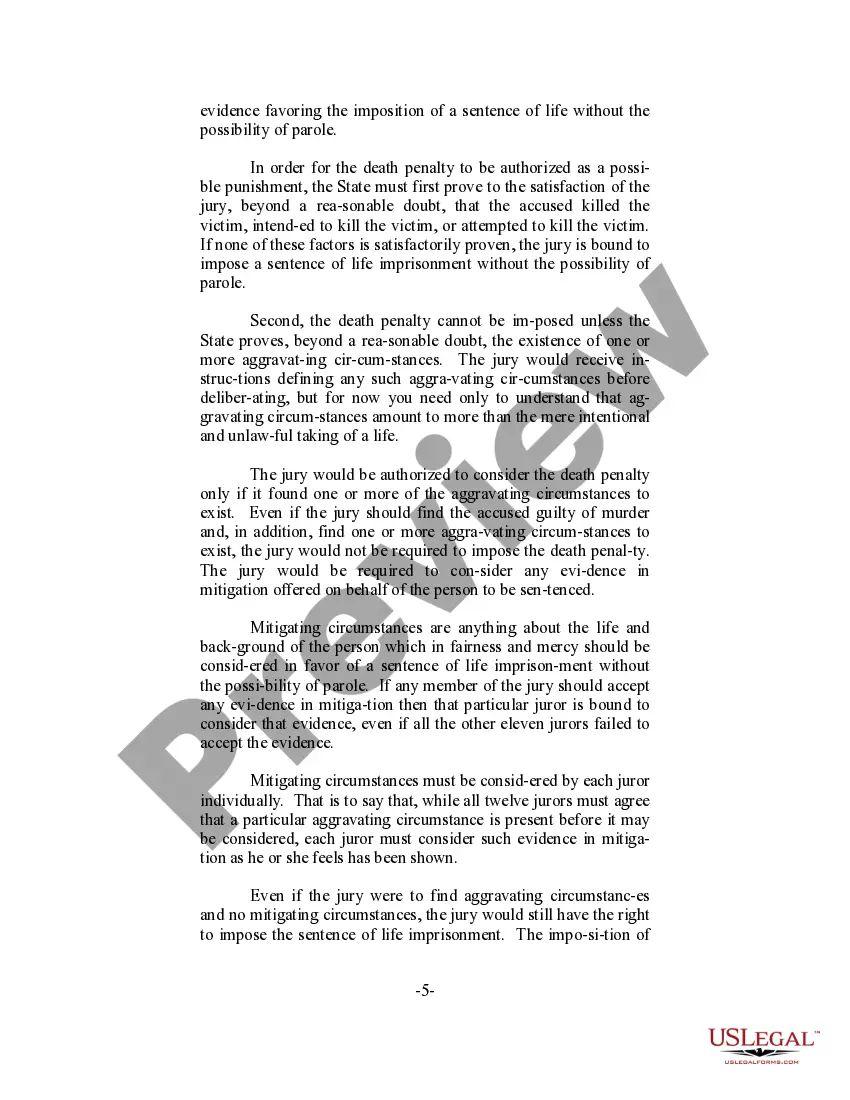
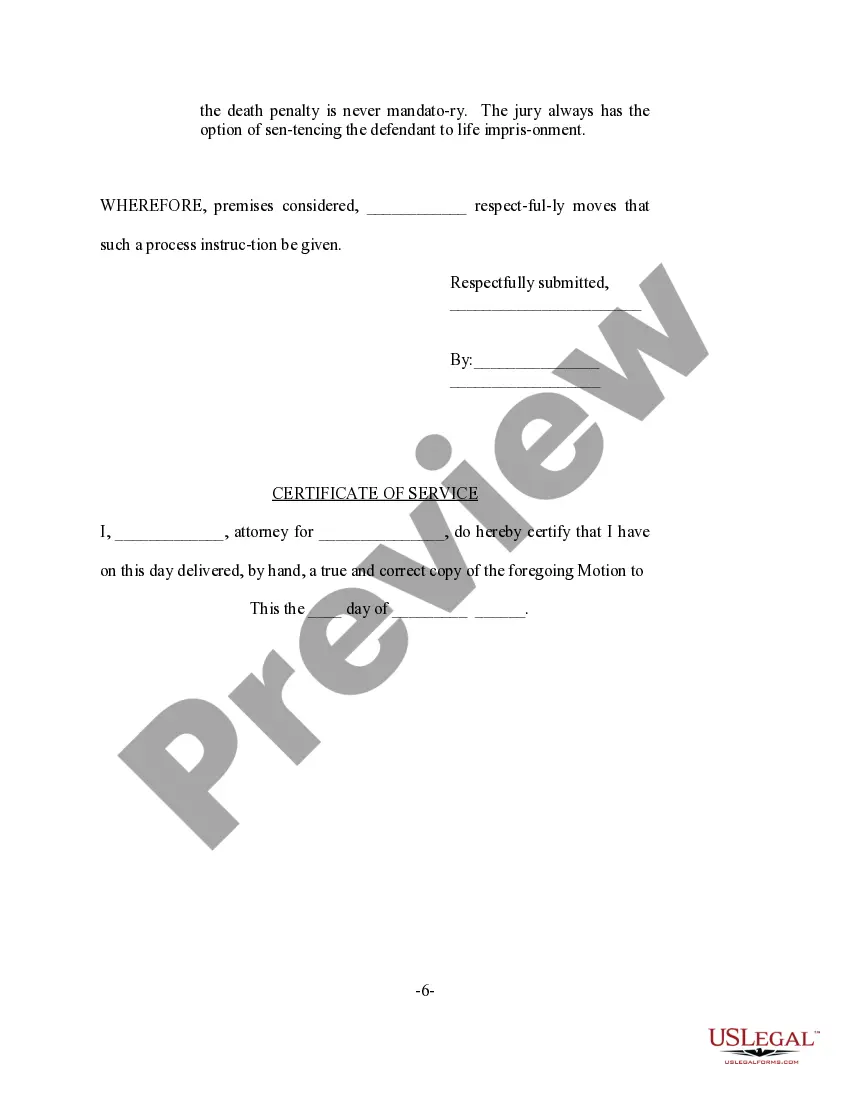
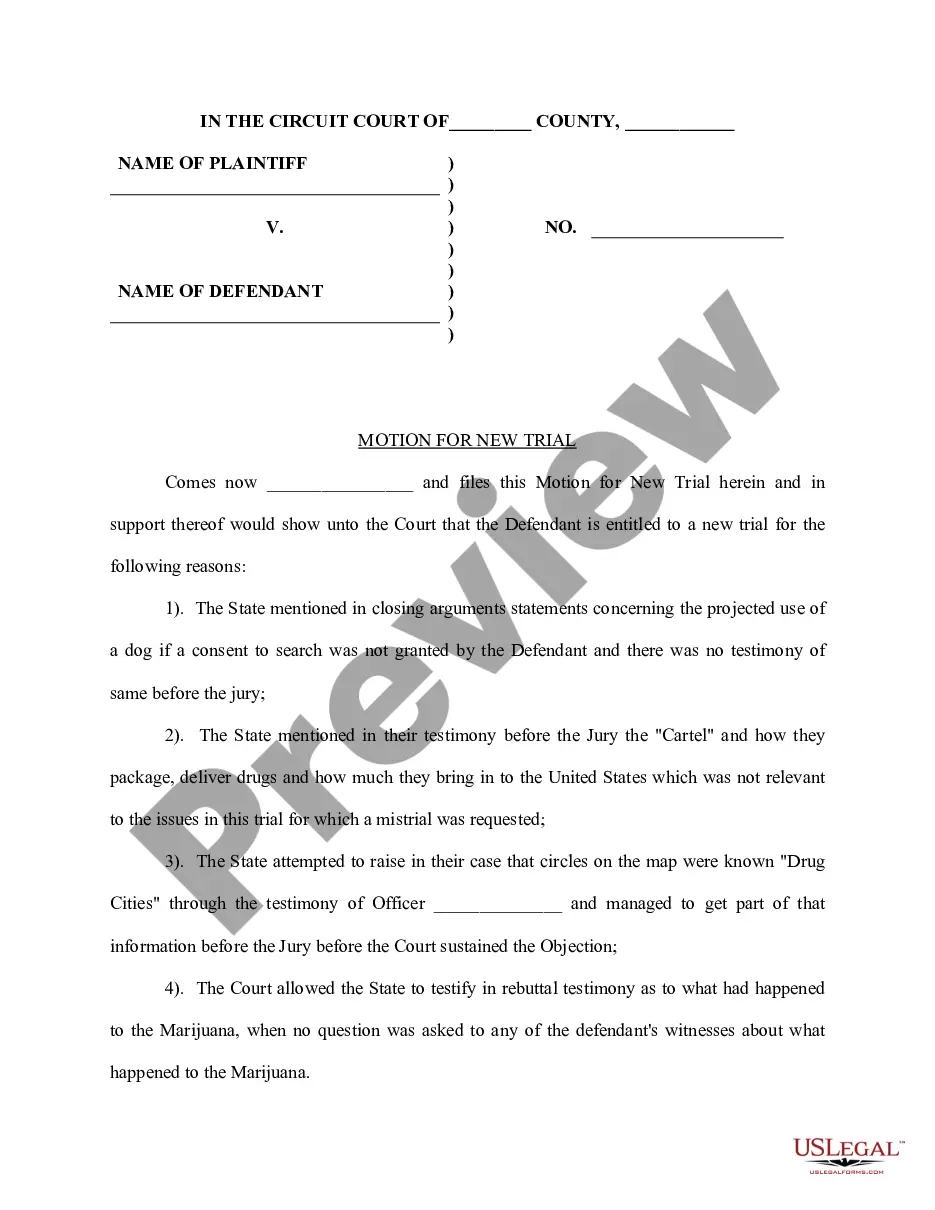
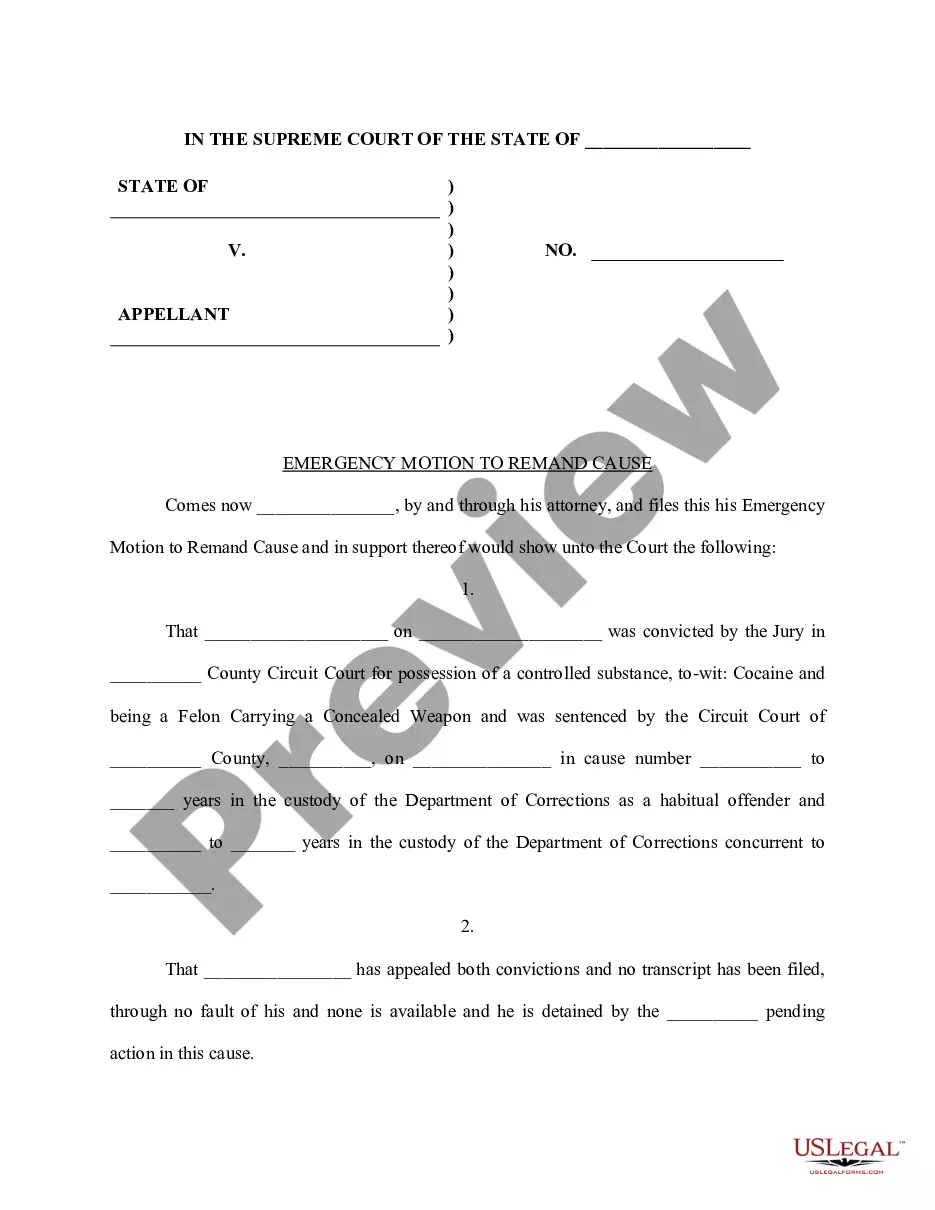
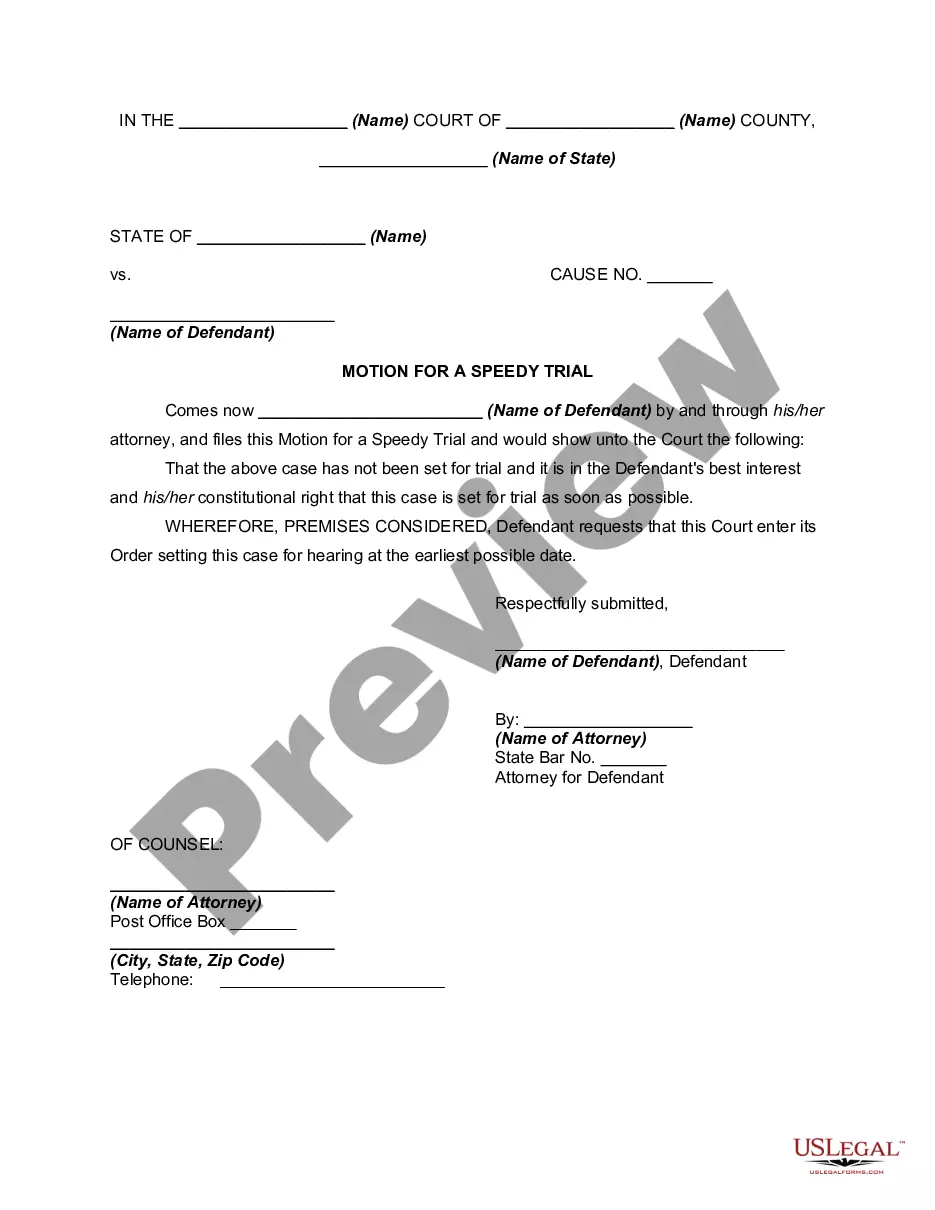
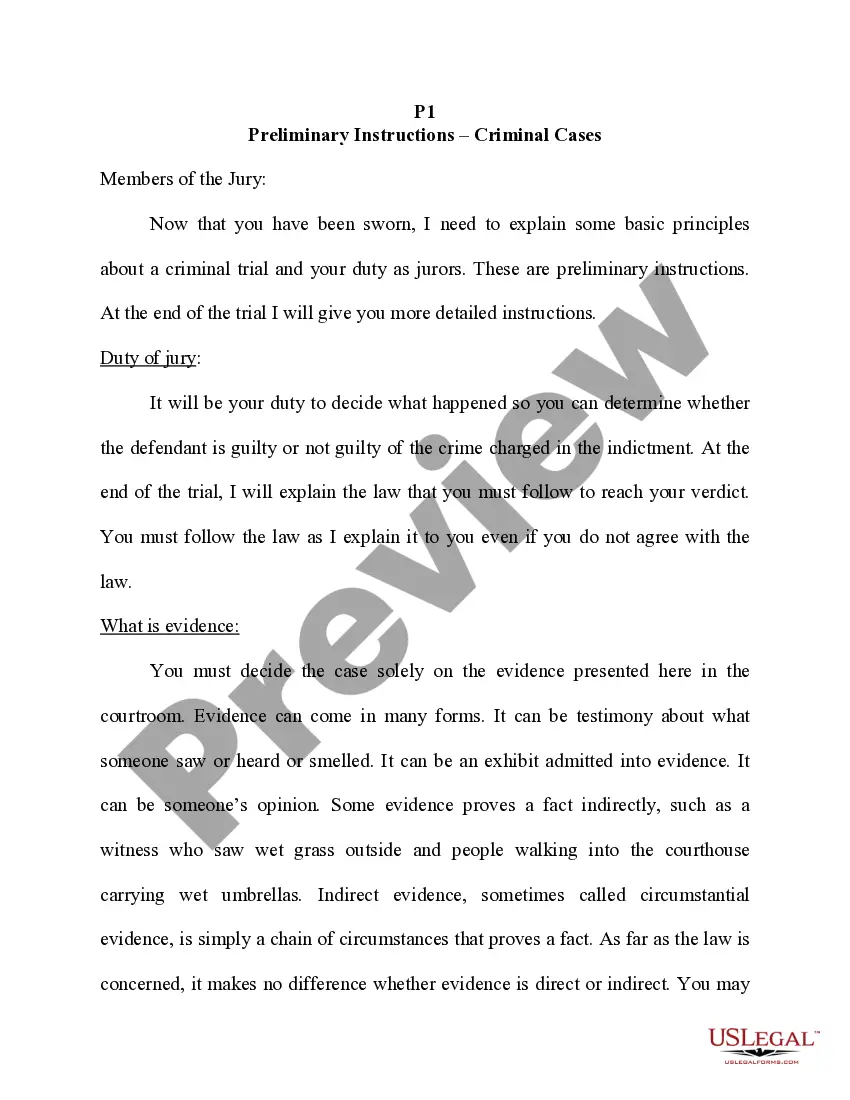
Get your form ready online
Our built-in tools help you complete, sign, share, and store your documents in one place.
Make edits, fill in missing information, and update formatting in US Legal Forms—just like you would in MS Word.
Download a copy, print it, send it by email, or mail it via USPS—whatever works best for your next step.
Sign and collect signatures with our SignNow integration. Send to multiple recipients, set reminders, and more. Go Premium to unlock E-Sign.
If this form requires notarization, complete it online through a secure video call—no need to meet a notary in person or wait for an appointment.
We protect your documents and personal data by following strict security and privacy standards.

Make edits, fill in missing information, and update formatting in US Legal Forms—just like you would in MS Word.

Download a copy, print it, send it by email, or mail it via USPS—whatever works best for your next step.

Sign and collect signatures with our SignNow integration. Send to multiple recipients, set reminders, and more. Go Premium to unlock E-Sign.

If this form requires notarization, complete it online through a secure video call—no need to meet a notary in person or wait for an appointment.

We protect your documents and personal data by following strict security and privacy standards.
Looking for another form?



How to fill out Motion For Process Instructions?
US Legal Forms - one of the largest collections of legal documents in the United States - provides a variety of legal form templates that you can obtain or print. Through the website, you can access thousands of forms for business and personal use, categorized by type, state, or keywords. You can find the latest editions of forms such as the Pennsylvania Motion for Process Instructions in just a few minutes.
If you have a subscription, Log In and obtain the Pennsylvania Motion for Process Instructions from the US Legal Forms library. The Obtain button will appear on every form you view. You can view all previously downloaded forms in the My documents section of your account.
If you are using US Legal Forms for the first time, here are simple steps to get started: Ensure you have selected the correct form for your city/state. Click the Preview button to examine the form's content. Review the form details to confirm that you have selected the right document. If the form does not meet your requirements, use the Search box at the top of the screen to find one that does. When you are satisfied with the form, confirm your choice by clicking the Acquire now button. Then, select the pricing plan you prefer and enter your credentials to register for an account.
By using US Legal Forms, you gain access to a wide array of expertly crafted templates that cater to various legal needs, making it easier to find what you require for your specific situation.
Take advantage of this comprehensive resource to simplify your legal document preparation and ensure you have the correct forms for your circumstances.
- Process the payment. Use your credit card or PayPal account to complete the payment.
- Choose the format and acquire the form on your device.
- Make modifications. Fill out, edit, and print or sign the downloaded Pennsylvania Motion for Process Instructions.
- Every template you add to your account has no expiration date and is yours indefinitely. Therefore, if you wish to obtain or print another version, simply visit the My documents section and click on the form you need.
- Access the Pennsylvania Motion for Process Instructions with US Legal Forms, the most extensive collection of legal document templates.
- Utilize numerous professional and state-specific templates that meet your business or personal needs and requirements.
Form popularity
FAQ
Rule 4003.4 resolves a problem not covered in the prior practice, and which has troubled the courts. It provides that any party may, upon request, obtain from his opponent a copy of the party's own statement or the statement of any witness in the possession of the opponent.
The test in new Rule 4007.4 is whether the party or the expert witness knows that the response was incorrect or is no longer correct in the light of intervening events of which he has knowledge. If he knows this, he must correct the response. If he does not know it, he need do nothing.
(e) A party may in the notice and in a subpoena, if issued, name as the deponent a public or private corporation or a partnership or association or governmental agency and describe with reasonable particularity the matters to be inquired into and the materials to be produced.
Any motion relating to discovery must include a certification by counsel for the moving party that counsel has conferred or attempted to confer with all interested parties in order to resolve the matter without court action.
Rule 4007.2 - When Leave of Court Required (a) Except as provided by Rules 1042.5 and 4003.5(a)(2) and by subdivisions (b) and (d) of this rule, a deposition may be taken without leave of court.
Unless the court upon motion, for the convenience of parties and witnesses and in the interests of justice, orders otherwise, methods of discovery may be used in any sequence and the fact that a party is conducting discovery, whether by deposition or otherwise, shall not operate to delay any other party's discovery.
Rule 1034 - Motion for Judgment on the Pleadings (a) After the relevant pleadings are closed, but within such time as not to unreasonably delay the trial, any party may move for judgment on the pleadings.
The test in new Rule 4007.4 is whether the party or the expert witness knows that the response was incorrect or is no longer correct in the light of intervening events of which he has knowledge. If he knows this, he must correct the response. If he does not know it, he need do nothing.