Pennsylvania Grant of Sidewalk Easement For 2 Lots
Overview of this form
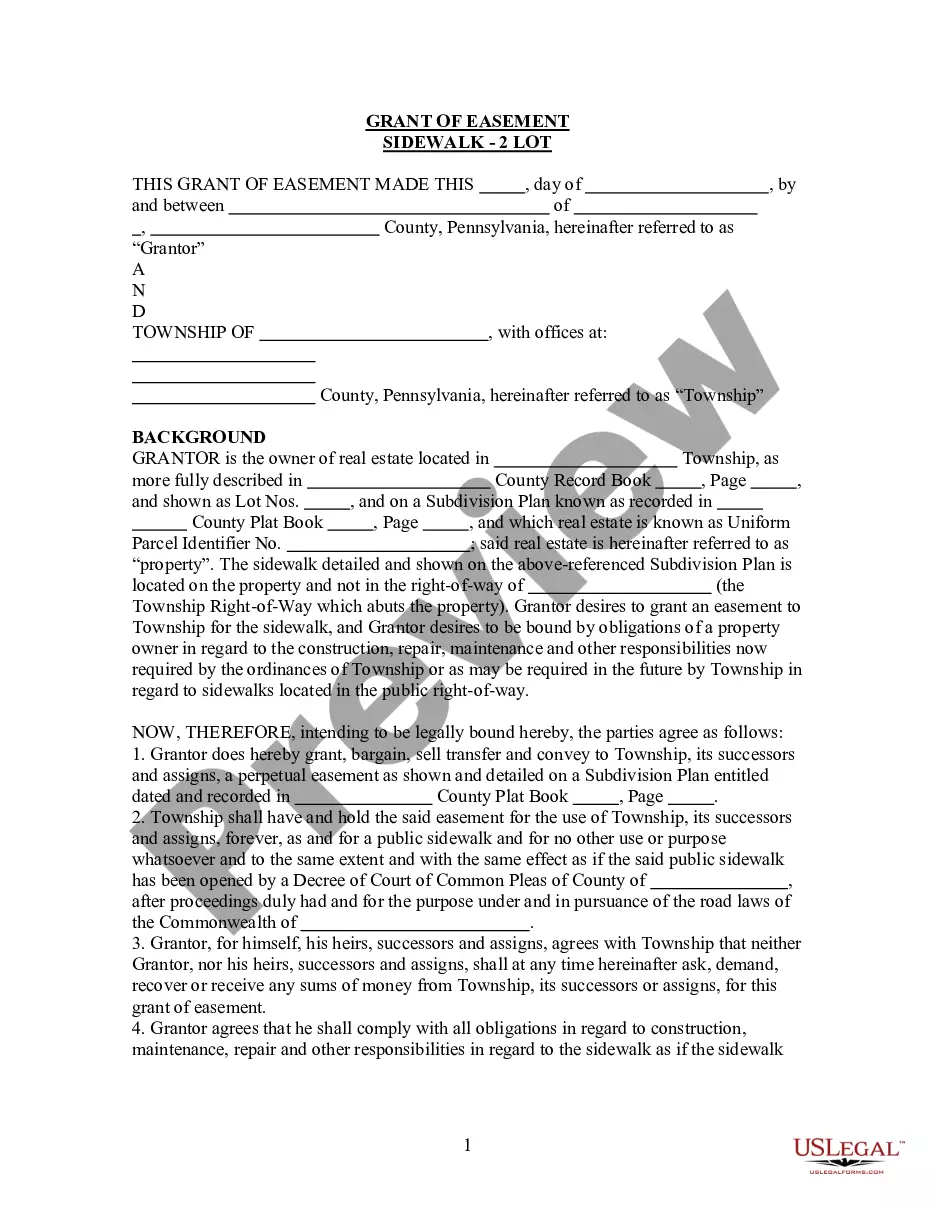
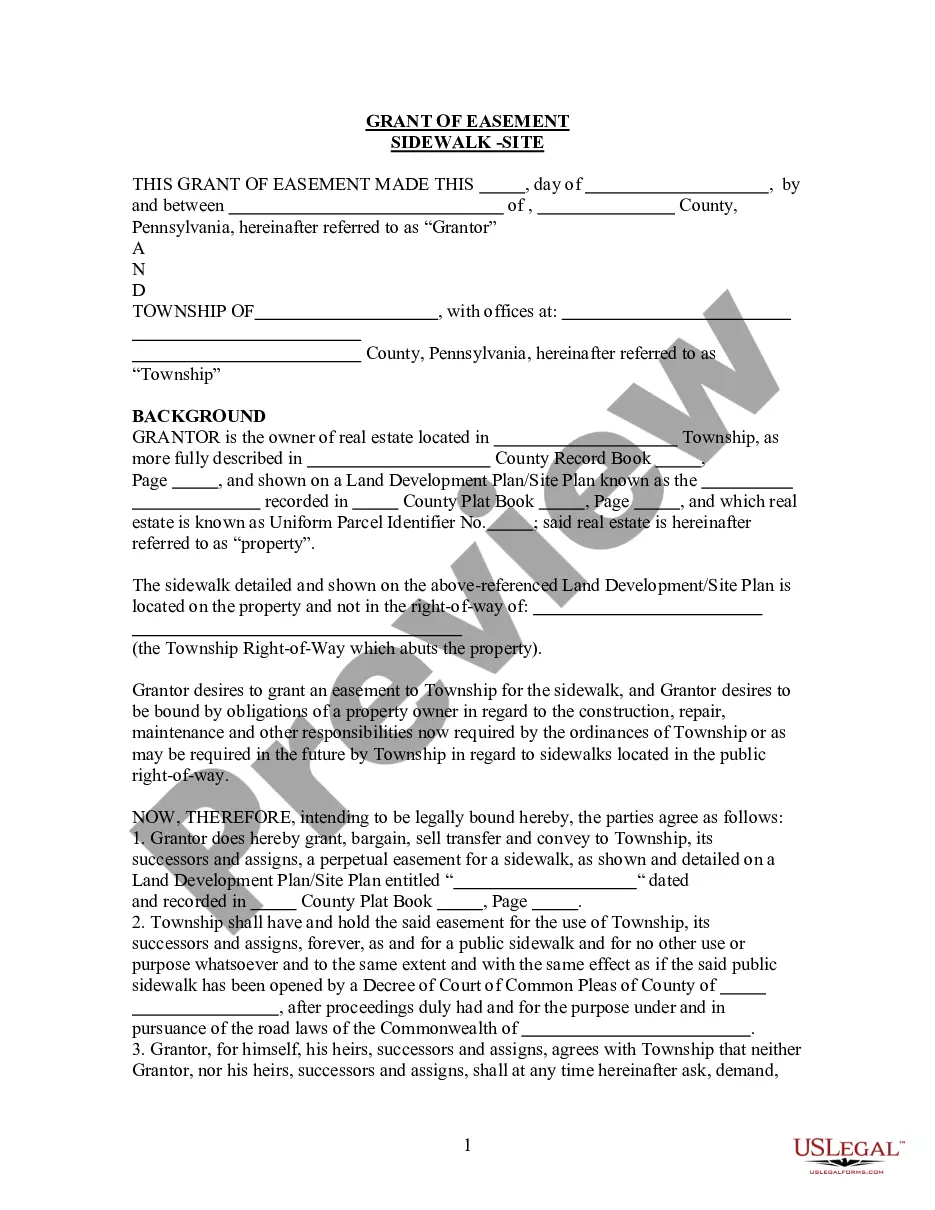
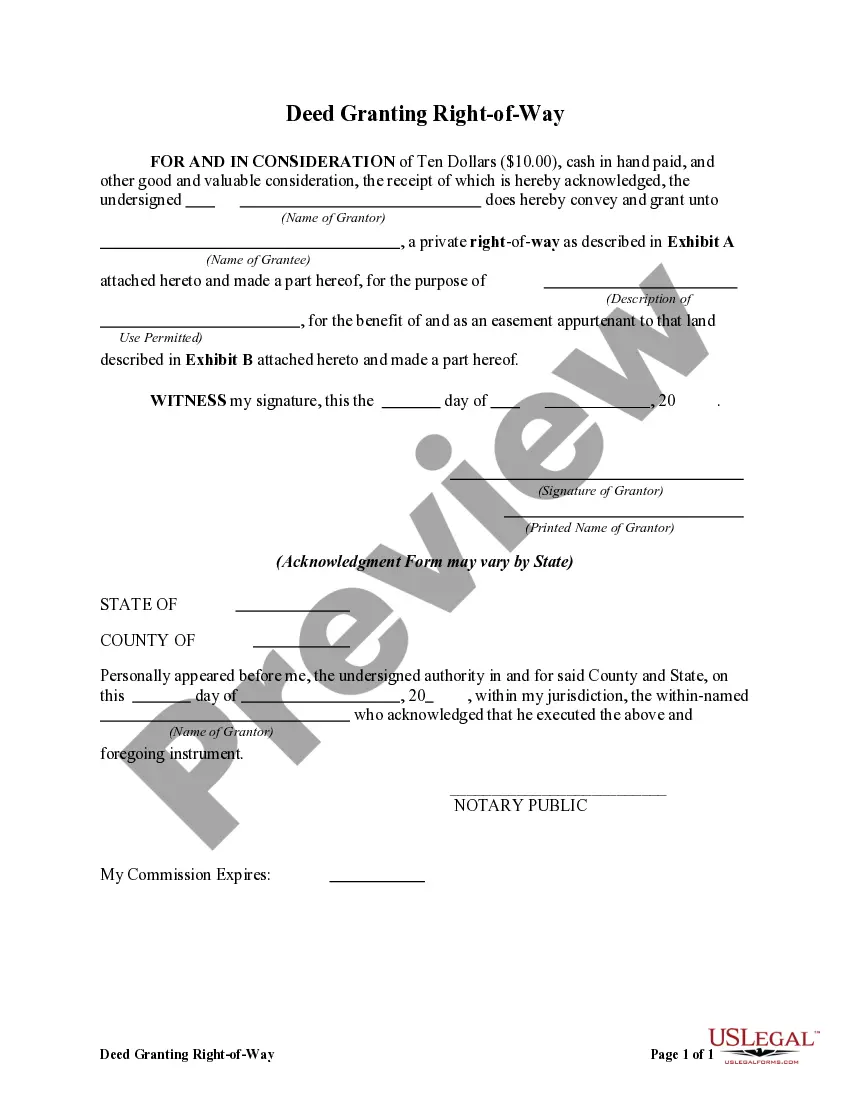
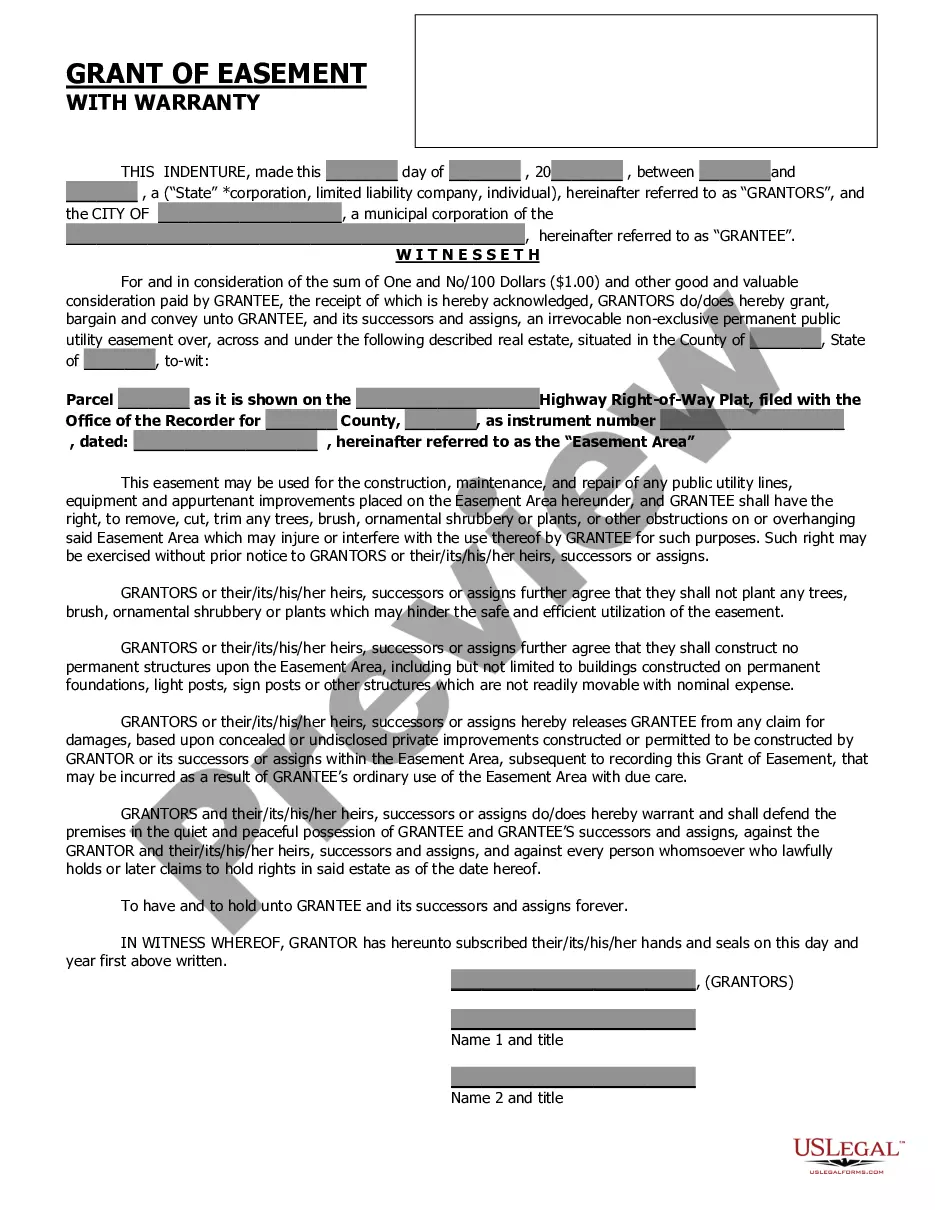
The Grant of Sidewalk Easement For 2 Lots is a legal document that allows one property owner to grant another party the right to construct, repair, and maintain sidewalks on two designated lots. This form ensures compliance with local ordinances and establishes responsibilities related to the sidewalk within the public right-of-way. Unlike other easement forms, this document specifically pertains to sidewalk access and maintenance for public use adjacent to private properties.
Key components of this form
- Identification of the Grantor and Grantee: Names of the parties involved in the easement agreement.
- Property Description: Details of the two lots where the sidewalk easement applies.
- Maintenance Obligations: Clearly outlines responsibilities for the construction and upkeep of the sidewalks.
- Compliance Clause: Ensures adherence to Township ordinances regarding sidewalk maintenance.
- Perpetual Covenant: Establishes that the easement runs with the land for the benefit of the Township and its successors.
When to use this document
This form is necessary when a property owner wants to grant a sidewalk easement for public use on two adjacent lots. It is particularly relevant in situations where local ordinances require specific maintenance and repair commitments for sidewalks located within public right-of-way areas. If your property is involved in community planning or development and you need to facilitate pedestrian access or comply with municipal regulations, this form is essential.
Intended users of this form
- Property owners wishing to grant access for a sidewalk on their lots.
- Local government entities managing public infrastructure and sidewalk regulations.
- Developers who are planning new construction or renovation projects involving public sidewalks.
- Legal representatives assisting clients with property agreements related to easements.
Completing this form step by step
- Identify the parties: Enter the names and addresses of the Grantor and Grantee.
- Describe the property: Provide a detailed description of the two lots involved in the easement.
- Specify maintenance obligations: Clearly outline who is responsible for the construction, repair, and maintenance of the sidewalks.
- Include compliance details: State any necessary compliance with local Township ordinances regarding sidewalks.
- Sign and date: Both parties should sign and date the document to finalize the agreement.
Does this document require notarization?
To make this form legally binding, it must be notarized. Our online notarization service, powered by Notarize, lets you verify and sign documents remotely through an encrypted video session.
Get your form ready online
Our built-in tools help you complete, sign, share, and store your documents in one place.
Make edits, fill in missing information, and update formatting in US Legal Forms—just like you would in MS Word.
Download a copy, print it, send it by email, or mail it via USPS—whatever works best for your next step.
Sign and collect signatures with our SignNow integration. Send to multiple recipients, set reminders, and more. Go Premium to unlock E-Sign.
If this form requires notarization, complete it online through a secure video call—no need to meet a notary in person or wait for an appointment.
We protect your documents and personal data by following strict security and privacy standards.

Make edits, fill in missing information, and update formatting in US Legal Forms—just like you would in MS Word.

Download a copy, print it, send it by email, or mail it via USPS—whatever works best for your next step.

Sign and collect signatures with our SignNow integration. Send to multiple recipients, set reminders, and more. Go Premium to unlock E-Sign.

If this form requires notarization, complete it online through a secure video call—no need to meet a notary in person or wait for an appointment.

We protect your documents and personal data by following strict security and privacy standards.
Common mistakes
- Failing to provide complete and accurate property descriptions.
- Not specifying maintenance responsibilities, leading to confusion.
- Omitting compliance with local ordinances.
- Neglecting to have both parties sign the form.
Benefits of completing this form online
- Convenience: Download and complete the form from anywhere, anytime.
- Editability: Easily customize the form to fit specific needs.
- Reliability: The forms are drafted by licensed attorneys, ensuring legal soundness.
Looking for another form?
Form popularity
FAQ
Rights of way (similar to the driveway example, but also including walkways or pathways); Public utilities, such as gas, electricity or water and sewer mains; Parking areas; Access to light and air; and. Shared walls.
Ask him to grant you a formal easement by deed. Your neighbor the servient, or burdened landowner can give the easement of his own accord, but he is not obligated to do this. The chances are, you will have to negotiate a price; an easement is, after all, an interest in land, which has a value attached to it.
An easement is a right which the owner or occupier of certain land possesses, as such, for the beneficial enjoyment of that land, to do and continue to do something, or to prevent and continue to prevent something being done, in or upon, or in respect of certain other land not his own. Kinds/ Types of Easement -
Types of Easements An easement may be classified as either an easement appurtenant or an easement in gross. Easement Appurtenant. An easement appurtenant is an easement that benefits one parcel of land, known as the dominant tenement, to the detriment of another parcel of land, known as the servient tenement.
When you buy real property such as land or a house, it may have what's called an "easement." In law, an easement is a right to cross over or otherwise use another person's land for a specified purpose. A common type of easement is a utility company's right to access your home's lot to maintain its power lines.
Easements can be created in a variety of ways. They can be created by an express grant, by implication, by necessity, and by adverse possession.
When you're buying a house, you might find out that the property has an easement on it. Essentially this means that someone other than you could have access to the land. This isn't necessarily a bad thing. For example, utility companies typically hold easements in case they need to access pipes or cables.
An easement may be created by means of an appropriate dealing registered in NSW LRS or by the inclusion in a Section 88B instrument lodged with a new deposited plan.
A property easement is a legal situation in which the title to a specific piece land remains with the landowner, but another person or organization is given the right to use that land for a distinct purpose.