Pennsylvania Boarding Stable Agreement - Horse Equine Forms
About this form
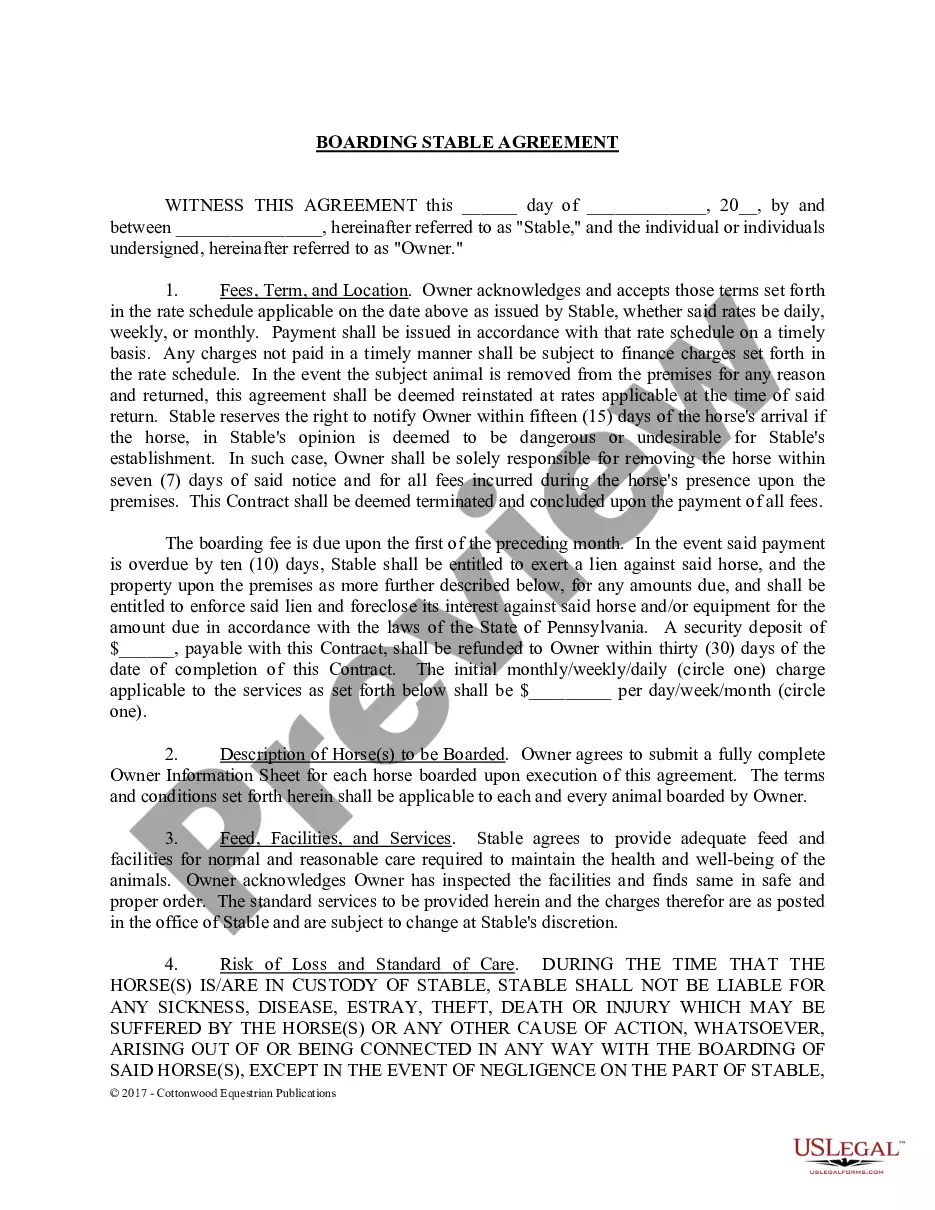
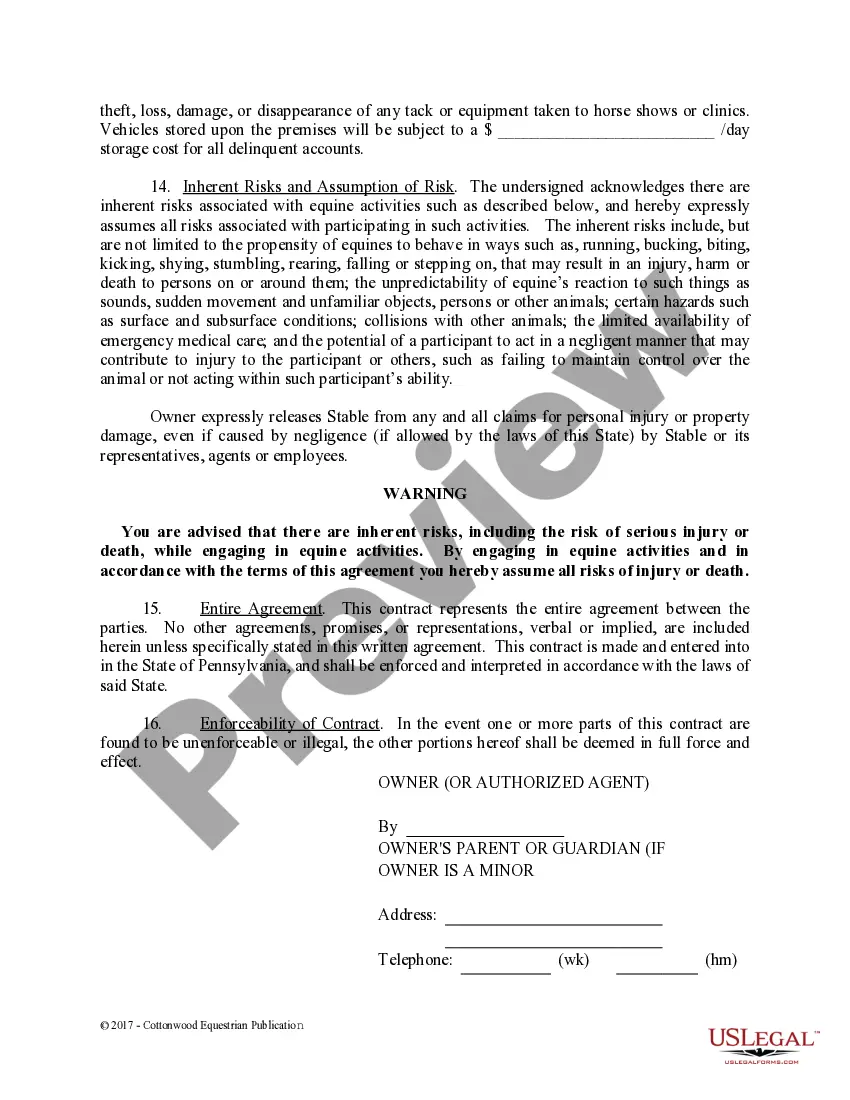
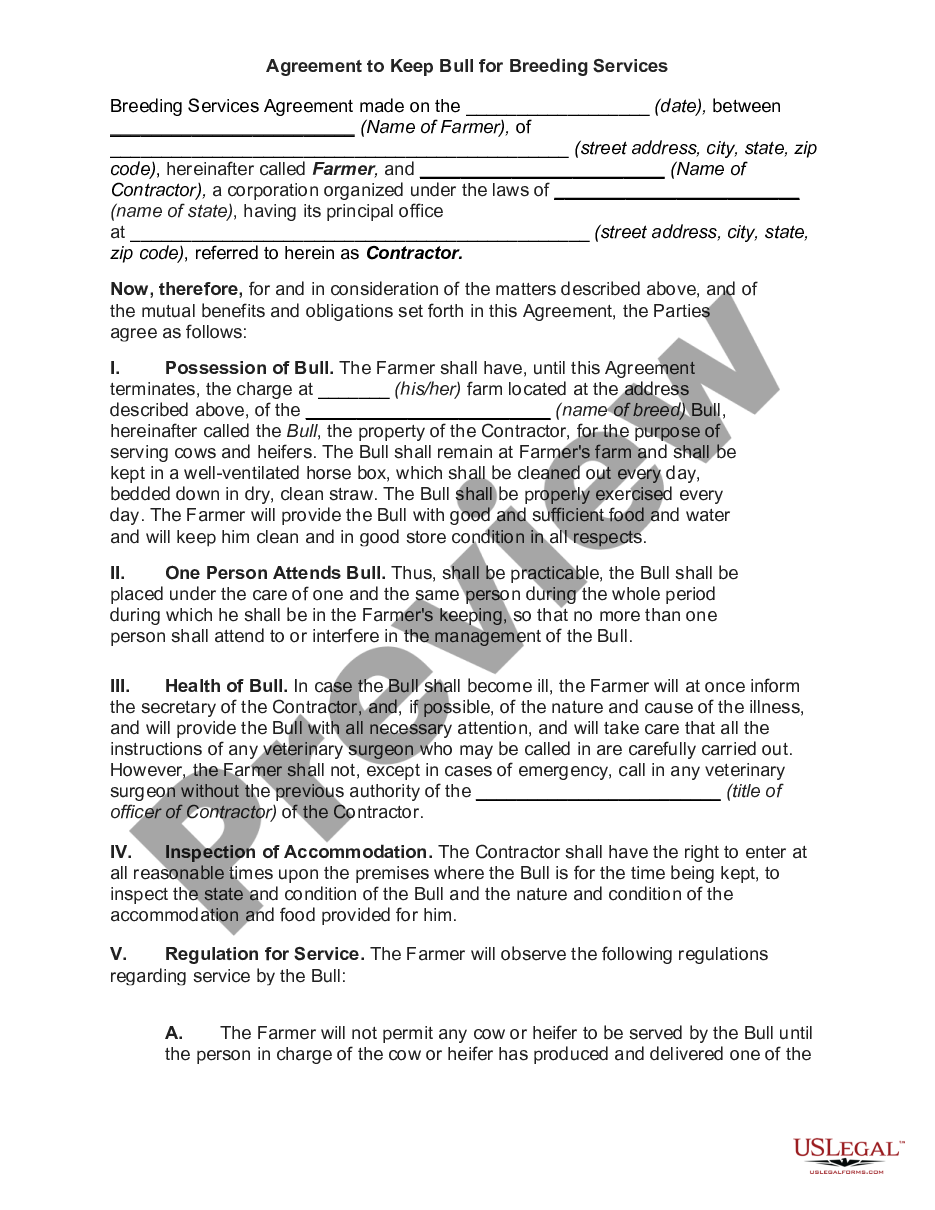
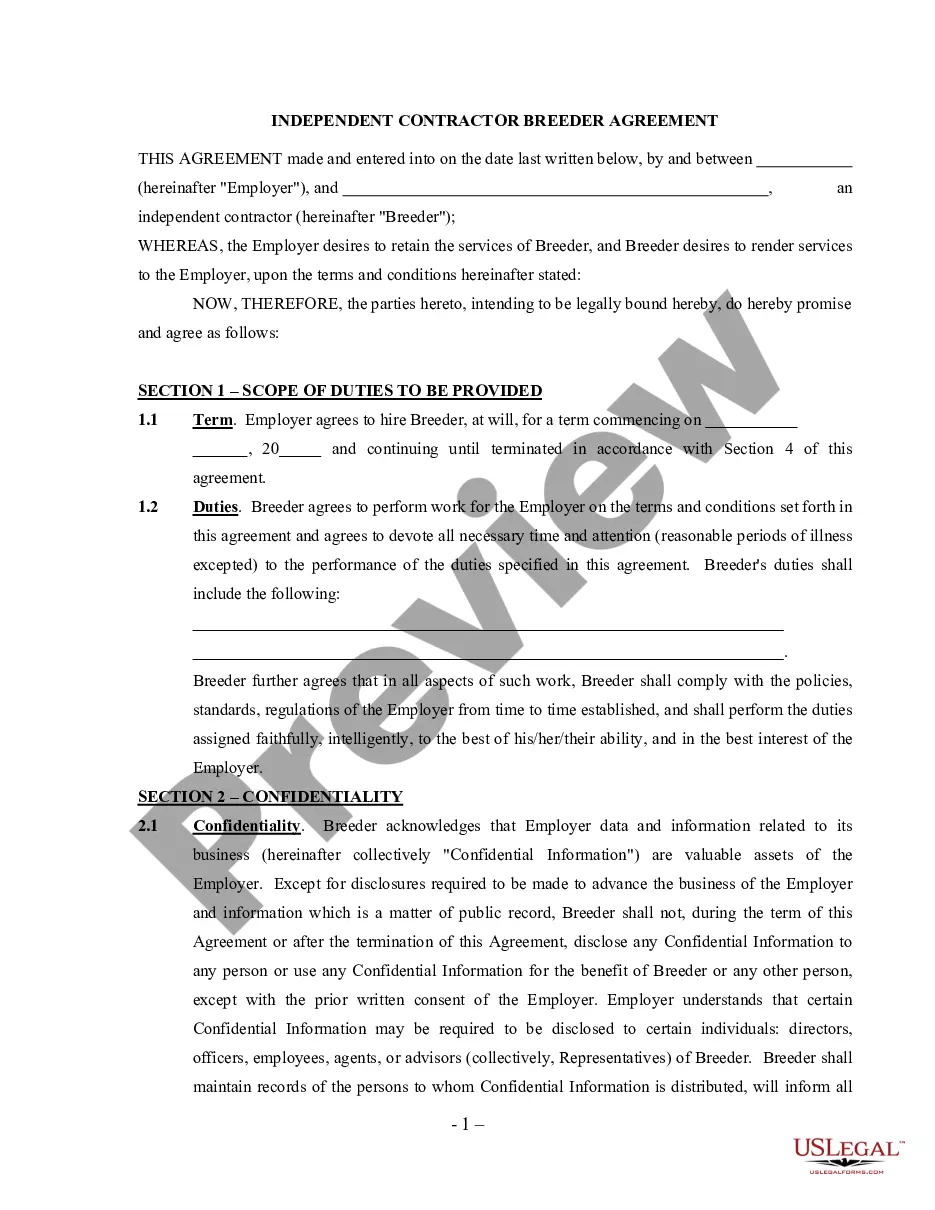
The Boarding Stable Agreement is a legally binding document between a stable owner and a horse owner. It outlines the responsibilities of both parties regarding the care and boarding of horses. This agreement includes detailed provisions on fees, liability, emergency care, and the standard of care required for the horses. Unlike simpler contracts, this form addresses multiple aspects of equine care, making it essential for both stable owners and horse owners to have a clear understanding of their rights and obligations.
Main sections of this form
- Fees, term duration, and location for boarding horses.
- Description of horse(s) to be boarded, including health and identification information.
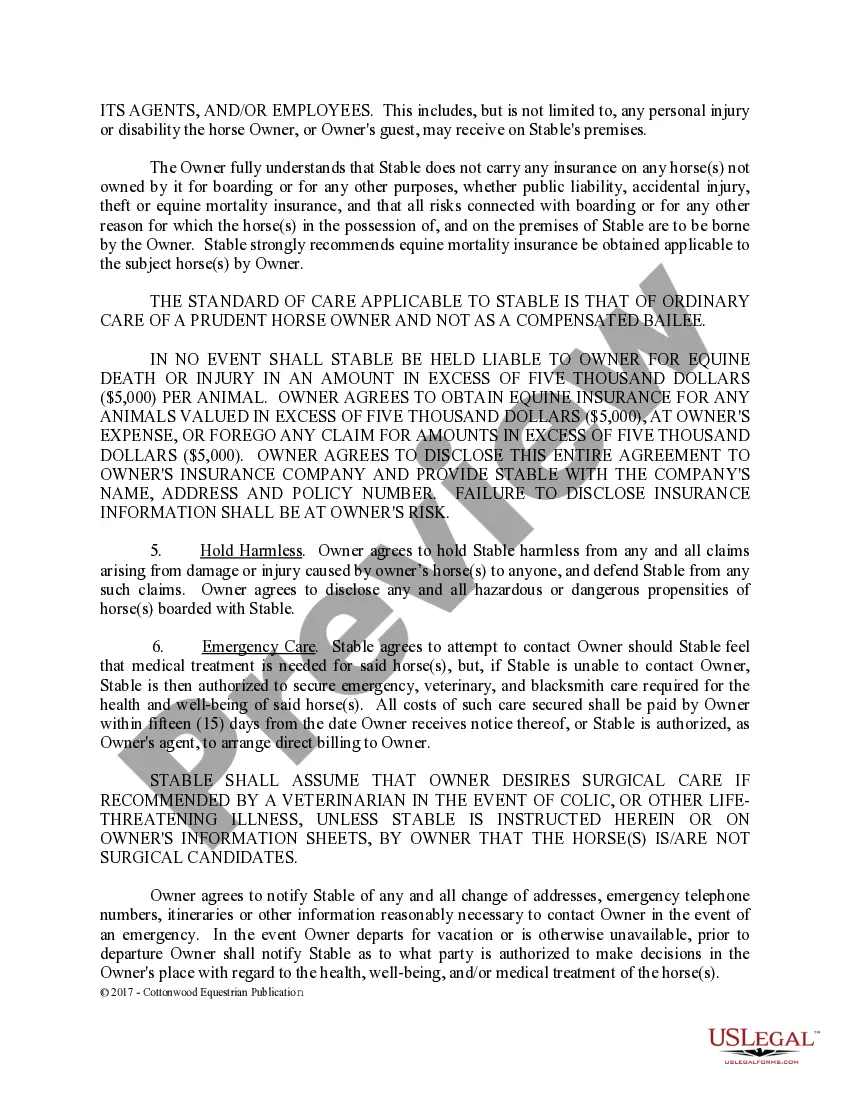
- Liability clauses and risk of loss provisions to protect the stable owner.
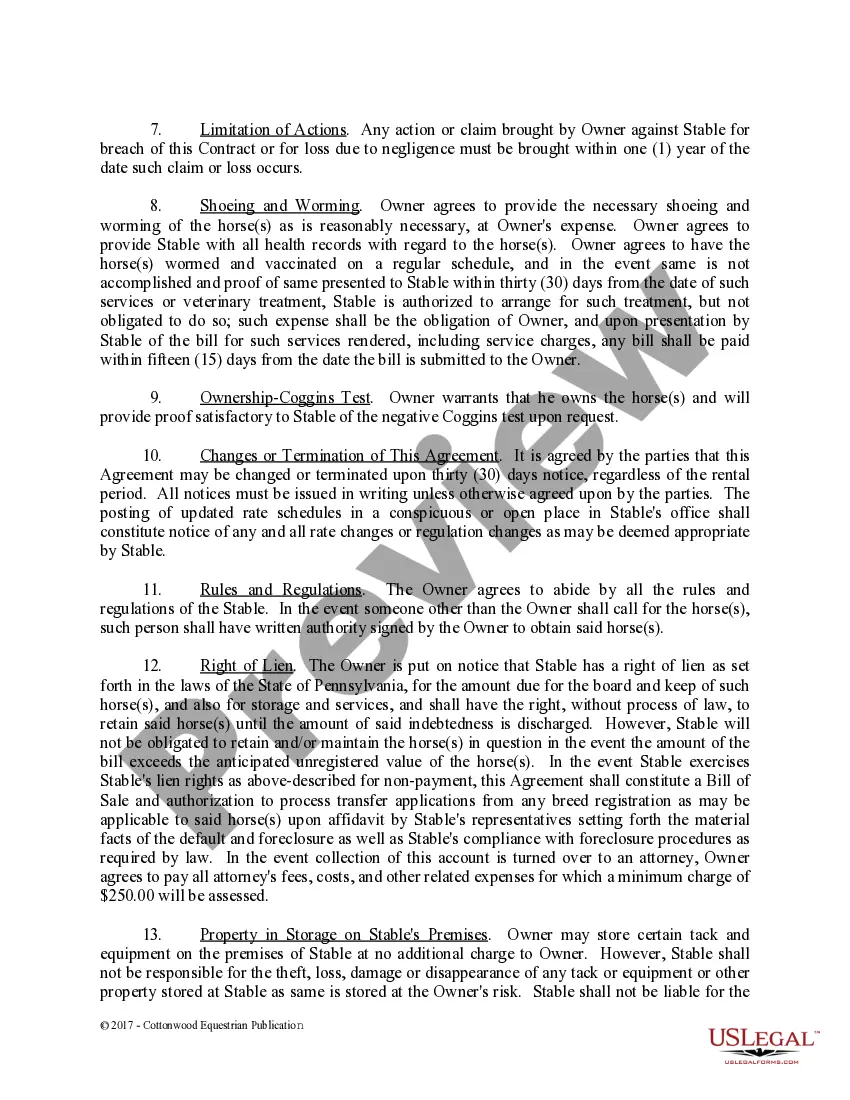
- Emergency care procedures and responsibilities for veterinary and health-related decisions.
- Termination conditions and notice requirements for changing or ending the agreement.
Situations where this form applies
This Boarding Stable Agreement should be used whenever a horse owner seeks to board their horse at a stable. It is particularly important in situations where the owner wants to ensure their horse's welfare, understand their financial obligations, and clarify liability in case of any incidents related to the horse. It is also used when a stable owner wants to formalize their terms and conditions to protect their business interests.
Who can use this document
- Horse owners looking for a formal agreement with a boarding stable.
- Stable owners who offer boarding services and need to establish clear terms with clients.
- Individuals or businesses involved in the equine industry who require comprehensive agreements regarding horse care.
How to prepare this document
- Identify the parties involved by entering the names of the stable and horse owner.
- Specify the fees for boarding, including any security deposits and additional costs.
- Provide a detailed description of each horse to be boarded, including health records.
- Review and acknowledge the sections on liability and emergency care.
- Sign and date the agreement to validate it legally.
Does this form need to be notarized?
Notarization is not commonly needed for this form. However, certain documents or local rules may make it necessary. Our notarization service, powered by Notarize, allows you to finalize it securely online anytime, day or night.
Get your form ready online
Our built-in tools help you complete, sign, share, and store your documents in one place.
Make edits, fill in missing information, and update formatting in US Legal Forms—just like you would in MS Word.
Download a copy, print it, send it by email, or mail it via USPS—whatever works best for your next step.
Sign and collect signatures with our SignNow integration. Send to multiple recipients, set reminders, and more. Go Premium to unlock E-Sign.
If this form requires notarization, complete it online through a secure video call—no need to meet a notary in person or wait for an appointment.
We protect your documents and personal data by following strict security and privacy standards.

Make edits, fill in missing information, and update formatting in US Legal Forms—just like you would in MS Word.

Download a copy, print it, send it by email, or mail it via USPS—whatever works best for your next step.

Sign and collect signatures with our SignNow integration. Send to multiple recipients, set reminders, and more. Go Premium to unlock E-Sign.

If this form requires notarization, complete it online through a secure video call—no need to meet a notary in person or wait for an appointment.

We protect your documents and personal data by following strict security and privacy standards.
Common mistakes to avoid
- Failing to provide complete and accurate horse descriptions, which can lead to misunderstandings.
- Not reviewing the liability clauses thoroughly, leading to unexpected risks.
- Overlooking the payment terms and deadlines, which can result in additional fees.
- Neglecting to disclose previous health issues of the horse, which can affect care.
Why complete this form online
- Convenient access to a professionally drafted legal document tailored for boarding agreements.
- Editability allows for customization to meet specific needs without legal jargon complications.
- Reliable format ensures compliance with legal standards and state requirements.
- Immediate availability facilitates quick onboarding of horses into stables.
Legal use & context
- The agreement is enforceable in Pennsylvania, provided all parties comply with its terms.
- Understanding the limits of liability and the necessary precautions can help ensure legal protection.
- The form offers clarity on responsibilities and financial obligations, reducing potential disputes.
Main things to remember
- A Boarding Stable Agreement clarifies responsibilities between stable owners and horse owners.
- It is crucial for protecting both parties in terms of liability, care, and fees.
- Ensure all horse information and payment terms are accurately completed to avoid misunderstandings.
Looking for another form?
Form popularity
FAQ
Pasture board means your horse is living out on pasture 24/7, usually with a herd. They have shelter, food, and water. Some facilities only offer hay to pasture boarders. Others only offer self care pasture boarding.
Equine/Stable Liability will be required; Care, Custody, Control to provide coverage for the non-owned boarded horses; General Liability and Property insurance.
Full board will include all the necessities for the horse, plus a stall with full turn out to pasture. Full board does not require owners to visit their horses every day; instead, staff at the barn clean the stall, feed the horse, and bring him in/out of the pasture.
Currently, under federal law commercial horse breeders and owners are treated as farmers. Since horses are considered as livestock, state sales and excise tax rates are often advantageous. If horse breeding ceases to be an agricultural endeavor, taxes could increase.
The cost of boarding averages $400 to $500 per month but can go as high as $1,200 to $2,500 in metropolitan areas. Services such as mucking out stalls, feeding and turning out your horse to pasture may not be included in the price. For those lucky enough to own sufficient land, there are still costs to consider.
While boarding horses is satisfying work, you won't want to do it for free. Expect to charge between $200 and $800 or more per month for full-board depending on your geographic locale, facilities and the type and quality of services you offer. Make certain it's enough!
The horse owner and stable manager can decide on what works best, but usually partial board or semi board includes a stall, pasture, hay, bedding, and grain. The horse owner would need to complete the daily care of the horse to include feeding and stall cleaning.
If you have the space and facility to keep your equines at home, it's more cost effective and offers a number of advantages that boarding does not.Keeping a horse on full board offers owners virtually hassle-free maintenance. Full board includes, at the very least, feeding, stall cleaning and turnout.
AS an instructor, you obviously need insurance cover to protect you in the course of your commercial activities. Anyone involved in business-related equestrian activities should have public liability insurance.