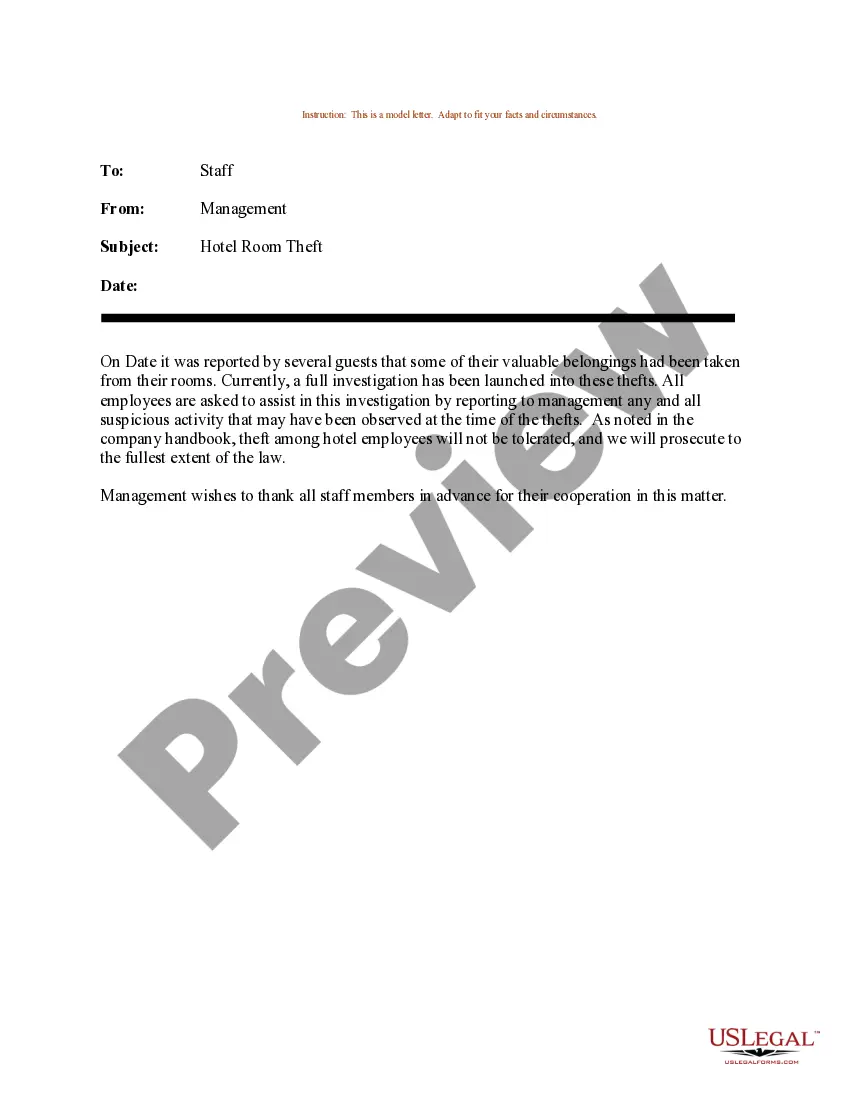
Oregon Sample Letter for Hotel Room Theft
Description
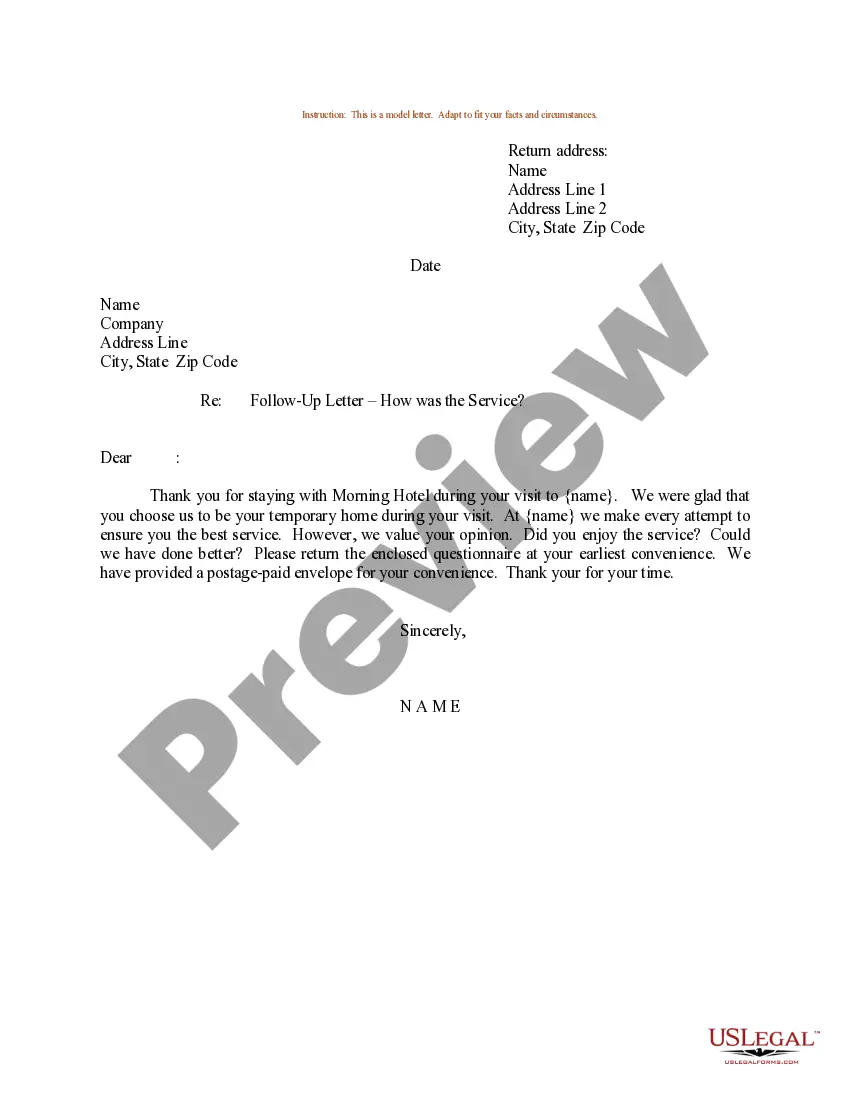
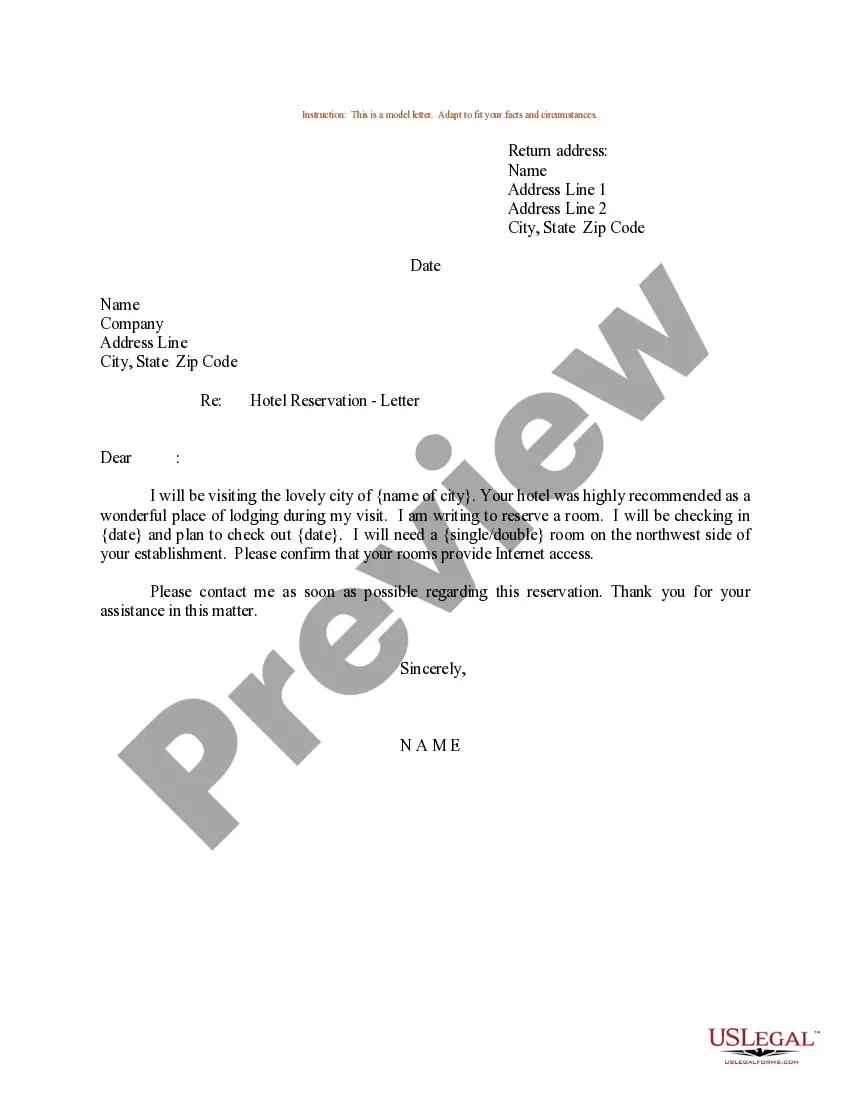




How to fill out Sample Letter For Hotel Room Theft?
Are you presently in a situation where you require documentation for occasional business or personal use nearly every day.
There are numerous authentic document templates available online, but finding ones you can trust is challenging.
US Legal Forms offers a vast array of form templates, including the Oregon Sample Letter for Hotel Room Theft, crafted to meet national and state requirements.
Once you locate the appropriate form, click Get now.
Select the pricing plan you prefer, fill in the necessary details to create your account, and pay for your order via PayPal or credit card. Choose a convenient file format and download your copy. You can find all the document templates you have purchased in the My documents section. You can request an additional copy of the Oregon Sample Letter for Hotel Room Theft at any time, if needed. Simply select the required form to download or print the document template. Use US Legal Forms, the most extensive collection of legitimate documents, to save time and avoid errors. The service provides professionally created legal document templates suitable for a variety of purposes. Create a free account on US Legal Forms and start making your life easier.
- If you are already familiar with the US Legal Forms website and have an account, simply Log In.
- Then, you can download the Oregon Sample Letter for Hotel Room Theft template.
- If you do not possess an account and wish to start using US Legal Forms, follow these steps.
- Obtain the form you need and check that it is for the correct area/region.
- Utilize the Review button to assess the form.
- Review the description to ensure you have selected the right form.
- If the form doesn't match your search criteria, use the Search field to find one that fits your needs.
Form popularity
FAQ
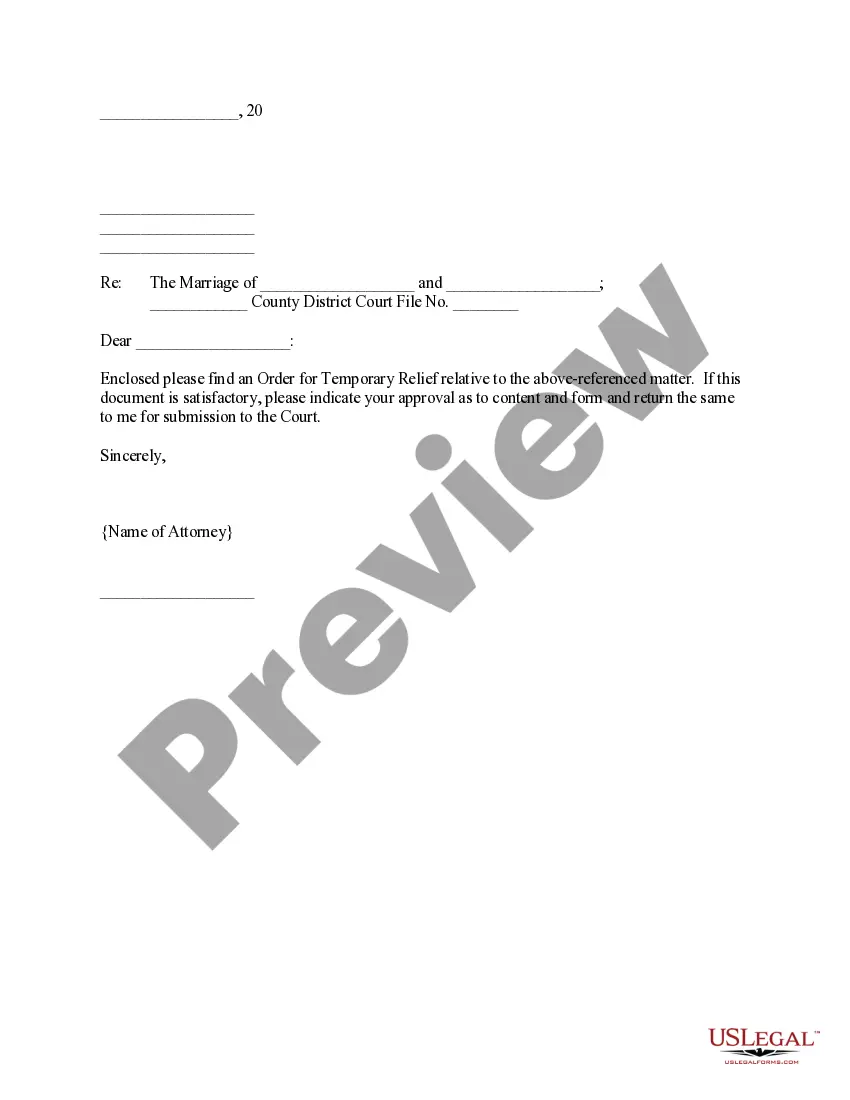
An example of a theft of services letter could involve requesting payment for unpaid services, such as a hotel that failed to secure your belongings. The letter should outline the services provided, the incident, and any necessary proof. Incorporating an Oregon Sample Letter for Hotel Room Theft can help you communicate your needs effectively to the hotel.
The first and most important step is to report the theft or loss first to hotel management and then to the police. You'll most likely need to provide a formal police report to file with a travel insurance claim, said Stan Sandberg, the co-founder of travel insurance comparison website TravelInsurance.com.
Hotels and motels can purchase what is known as innkeeper's insurance. This is an insurance policy that pays for loss or damage to a guest's property while on the hotel premises and in their possession. It is a policy especially for any business that provides lodging.
Hotels can be held liable when hotel guests who are on their property are injured, or have their personal property stolen. There is a common law innkeeper's duty which states that innkeepers (hotel owners) are responsible for injuries to and theft from their guests.
A room reservationeven when it's not prepaidis a contract, which a hotel is legally obligated to honor. Occasionally, however, when you arrive to claim your reservation, the room you chose might not be available. At that point, usually, the hotel will give you any room at all, even if it's a more expensive suite.
But Paul Frederick, the former vice president of global security for Starwood, who now runs his own firm, tells Conde Nast Traveler that, in his experience, 90 percent of theft is in public areas, and just 10 percent occurs in rooms.
As I was about to shift my attention for other more interesting things to see, one particular rule caught my eye; the rule said: Take care of your personal belongings. The Hotel shall not be liable for any such loss/theft of any valuables/cash or any document(s).
The first and most important step is to report the theft or loss first to hotel management and then to the police. You'll most likely need to provide a formal police report to file with a travel insurance claim, said Stan Sandberg, the co-founder of travel insurance comparison website TravelInsurance.com.
If you're ever in a similar situation, try these tactics to reach a resolution with your hotel.How did a thief get our luggage?Spoiler alert: Just buy trip insurance.Be proactive and demand action.Feeling victimized is stressful but stay calm.Explain what you need.Consult your packing list.File a police report.More items...?
According to the concept of constructive bailment, there is an automatic and involuntary legal duty that requires a hotel to retain and safeguard lost or misplaced items of value that are discovered by or turned in to its staff. Such items must be reported and handled according to the hotel's lost and found procedures.