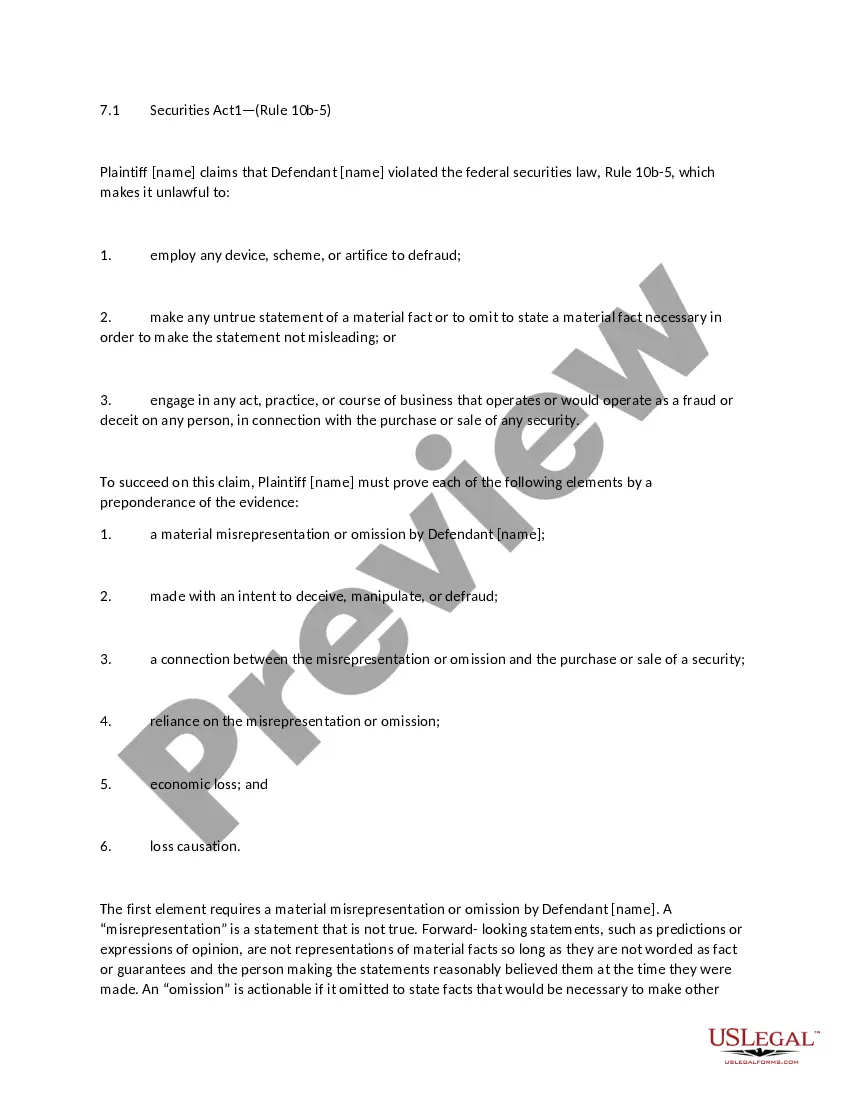
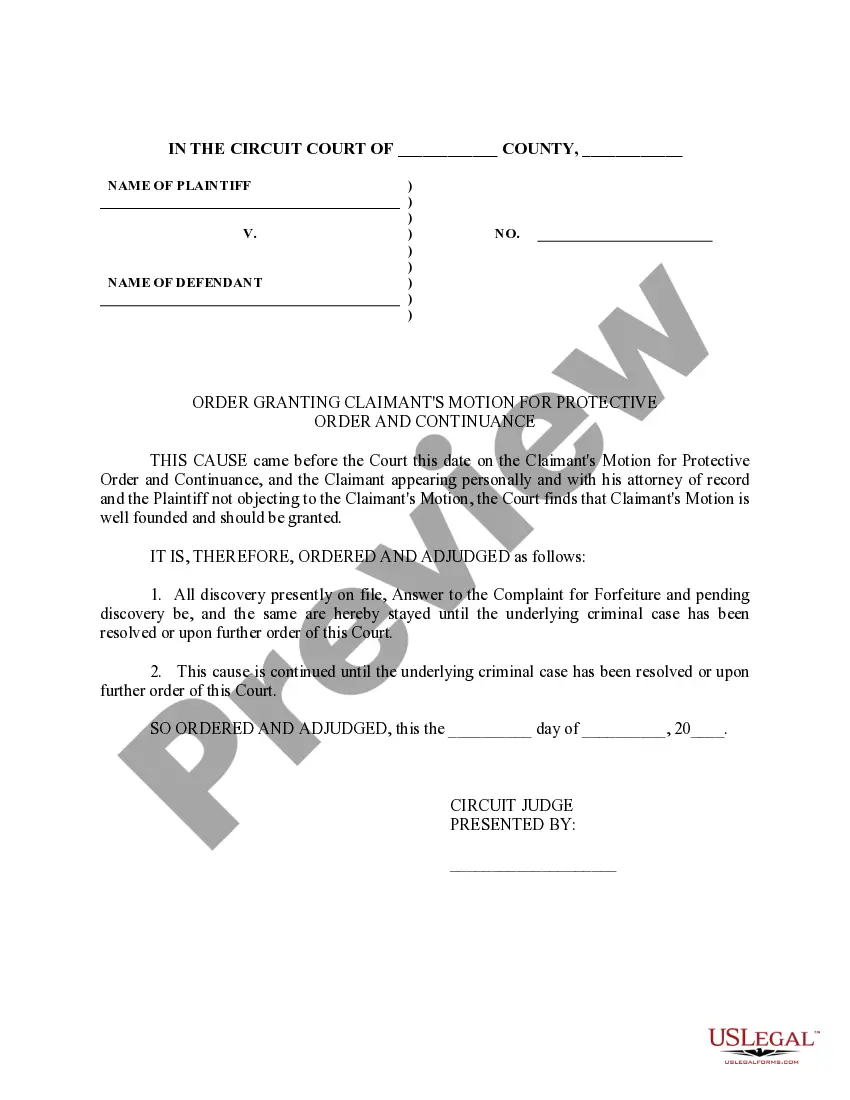
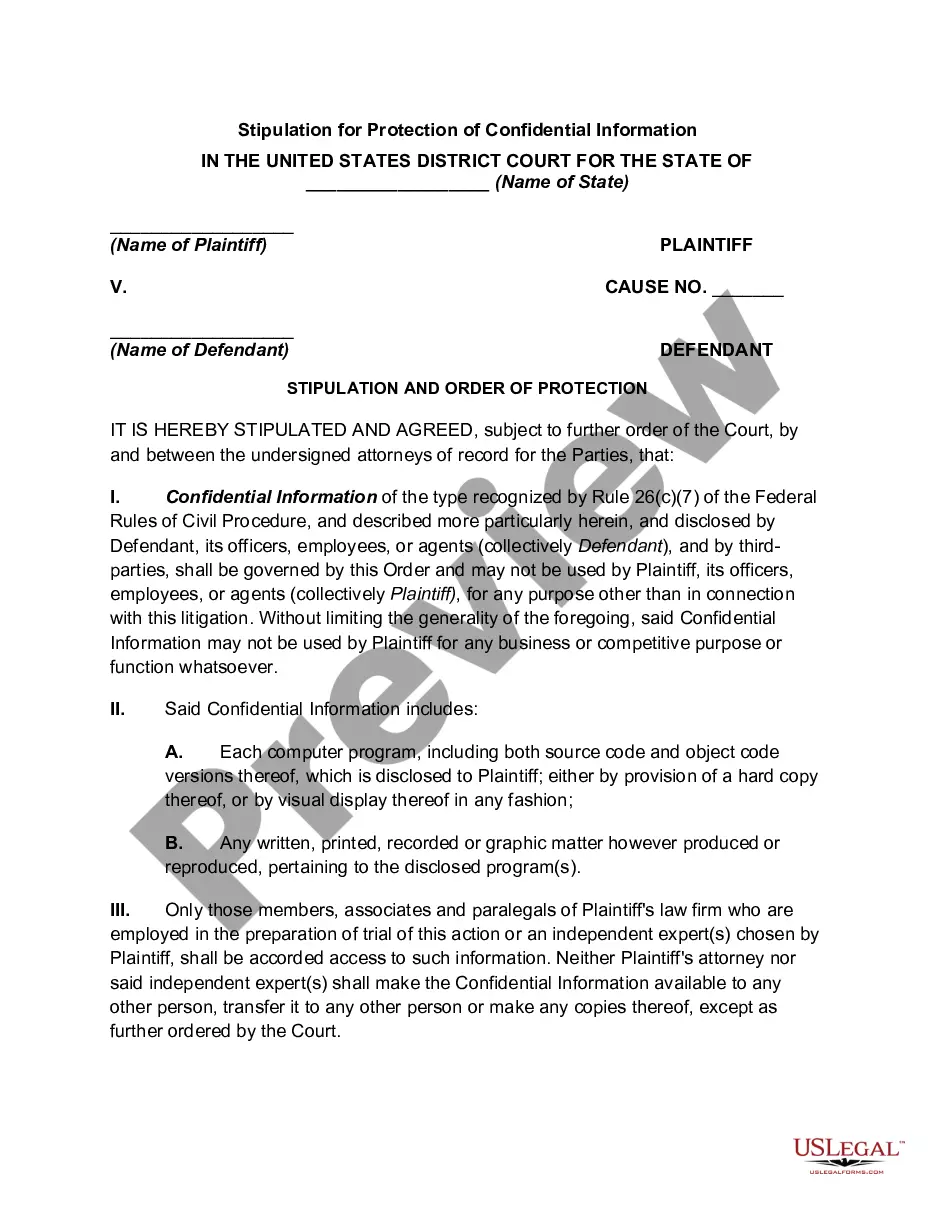
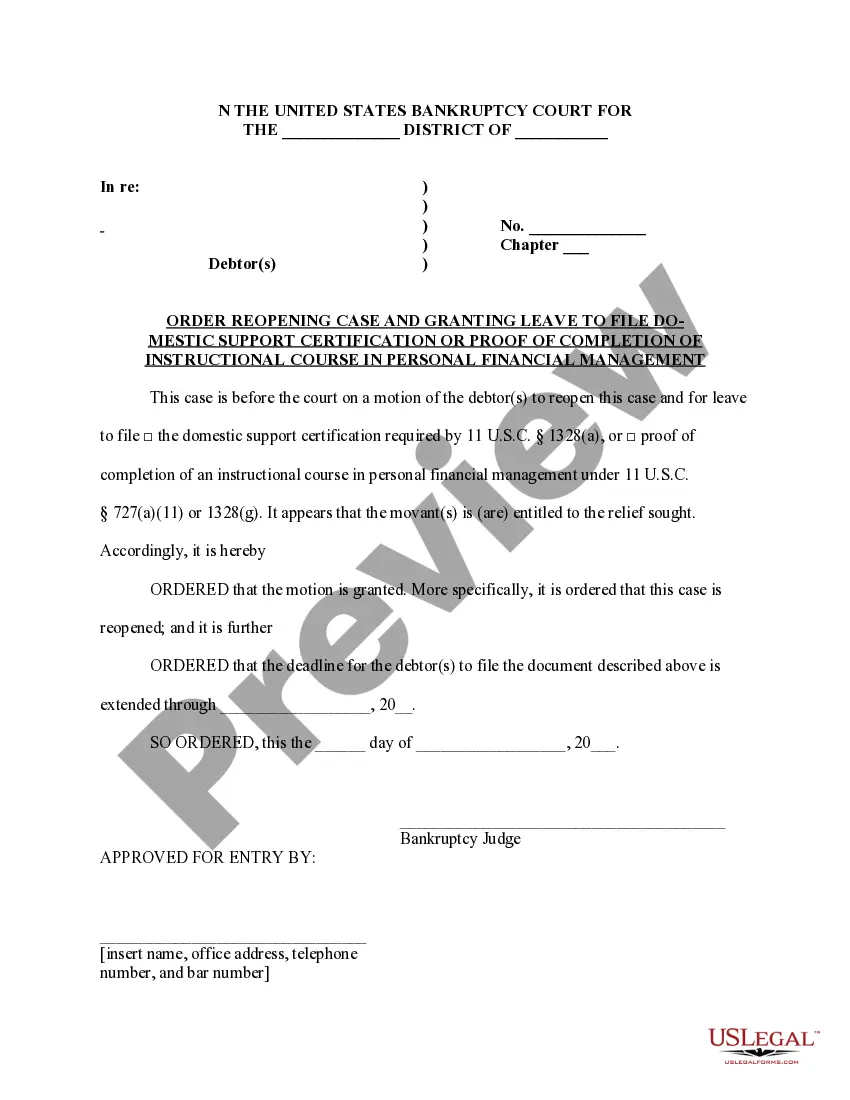
Oregon Order Granting Protective Order
Description
Get your form ready online
Our built-in tools help you complete, sign, share, and store your documents in one place.
Make edits, fill in missing information, and update formatting in US Legal Forms—just like you would in MS Word.
Download a copy, print it, send it by email, or mail it via USPS—whatever works best for your next step.
Sign and collect signatures with our SignNow integration. Send to multiple recipients, set reminders, and more. Go Premium to unlock E-Sign.
If this form requires notarization, complete it online through a secure video call—no need to meet a notary in person or wait for an appointment.
We protect your documents and personal data by following strict security and privacy standards.

Make edits, fill in missing information, and update formatting in US Legal Forms—just like you would in MS Word.

Download a copy, print it, send it by email, or mail it via USPS—whatever works best for your next step.

Sign and collect signatures with our SignNow integration. Send to multiple recipients, set reminders, and more. Go Premium to unlock E-Sign.

If this form requires notarization, complete it online through a secure video call—no need to meet a notary in person or wait for an appointment.

We protect your documents and personal data by following strict security and privacy standards.
Looking for another form?




How to fill out Order Granting Protective Order?
If you need to finalize, download, or print authentic document templates, utilize US Legal Forms, the largest repository of legitimate forms available online. Take advantage of the site’s straightforward and user-friendly search to find the documents you require. A range of templates for commercial and personal use are categorized by types and states, or keywords. Access US Legal Forms to obtain the Oregon Order Granting Protective Order with just a few clicks.
If you are already a US Legal Forms user, Log In to your account and click on the Download button to receive the Oregon Order Granting Protective Order. Additionally, you can retrieve forms you previously acquired from the My documents section of your account.
If you are using US Legal Forms for the first time, follow the steps outlined below: Step 1. Ensure you have selected the form for the correct city/state. Step 2. Use the Review option to browse through the content of the form. Remember to check the description. Step 3. If you are dissatisfied with the form, utilize the Search field at the top of the screen to find alternative forms of your legal type design. Step 4. Once you have located the form you need, click the Get now button. Choose the payment plan you prefer and enter your credentials to register for the account. Step 5. Process the payment. You can use your Visa or Mastercard or PayPal account to complete the transaction. Step 6. Select the format of your legal form and download it to your device. Step 7. Complete, edit, and print or sign the Oregon Order Granting Protective Order.
Every legal template you obtain is yours permanently. You can access all forms you have acquired in your account. Navigate to the My documents section to select a form to print or download again.
Stay competitive by downloading and printing the Oregon Order Granting Protective Order with US Legal Forms. Countless professional and state-specific forms are available for your business or personal requirements.
- Each legal document template you acquire is yours indefinitely.
- You have access to every form you obtained in your account.
- Select the My documents section and choose a form to print or download again.
- Stay competitive and download, and print the Oregon Order Granting Protective Order with US Legal Forms.
- There are thousands of professional and state-specific forms you can utilize for your business or personal needs.
- Make sure to follow the steps carefully to ensure a smooth process.
- Enjoy the convenience of accessing legal documents with ease.
Form popularity
FAQ
How do I dispute a restraining order in Oregon? By requesting a hearing in writing. This is done by filing a request of the court that has jurisdiction over the parties and the FAPA order. The court scheduler then schedules a legal and evidentiary hearing.
Stay away: Requires a person to keep a specified distance away from the victim at all times. The common number is 100 yards away. It applies not only to the victim's person, but as well as their home, work, or school.
A temporary restraining order is a court order designed to provide you and your family members with immediate protection from the abuser. You may receive a temporary, ex parte restraining order as soon as you file your petition, without the abuser present in court.
Violation of the Restraining Order may result in civil and/or criminal penalties, including a jail sentence of up to 6 months and a fine of $500 or 1% of your annual gross income, whichever is more. If you have any questions about the Restraining Order or your rights, you should consult an attorney.
If you receive a restraining order, it will likely appear on your record if it goes from being a temporary order to a permanent one during the court hearing. If the petition for a permanent restraining order is denied, then it is possible that the order will be expunged from your record.
Both forms of legal action prohibit contact by one party to the other. One of the main differences is that restraining orders often last up to one year and are temporary. No-contact agreements are binding contracts that can be removed only by the district attorney or the judge who is working the case.
The court will need a complete picture of your case to make a fair decision about your restraining order. If there are any previous restraining orders or family court issues in your past with the respondent, this information must be provided to the court.
Both forms of legal action prohibit contact by one party to the other. One of the main differences is that restraining orders often last up to one year and are temporary. No-contact agreements are binding contracts that can be removed only by the district attorney or the judge who is working the case.