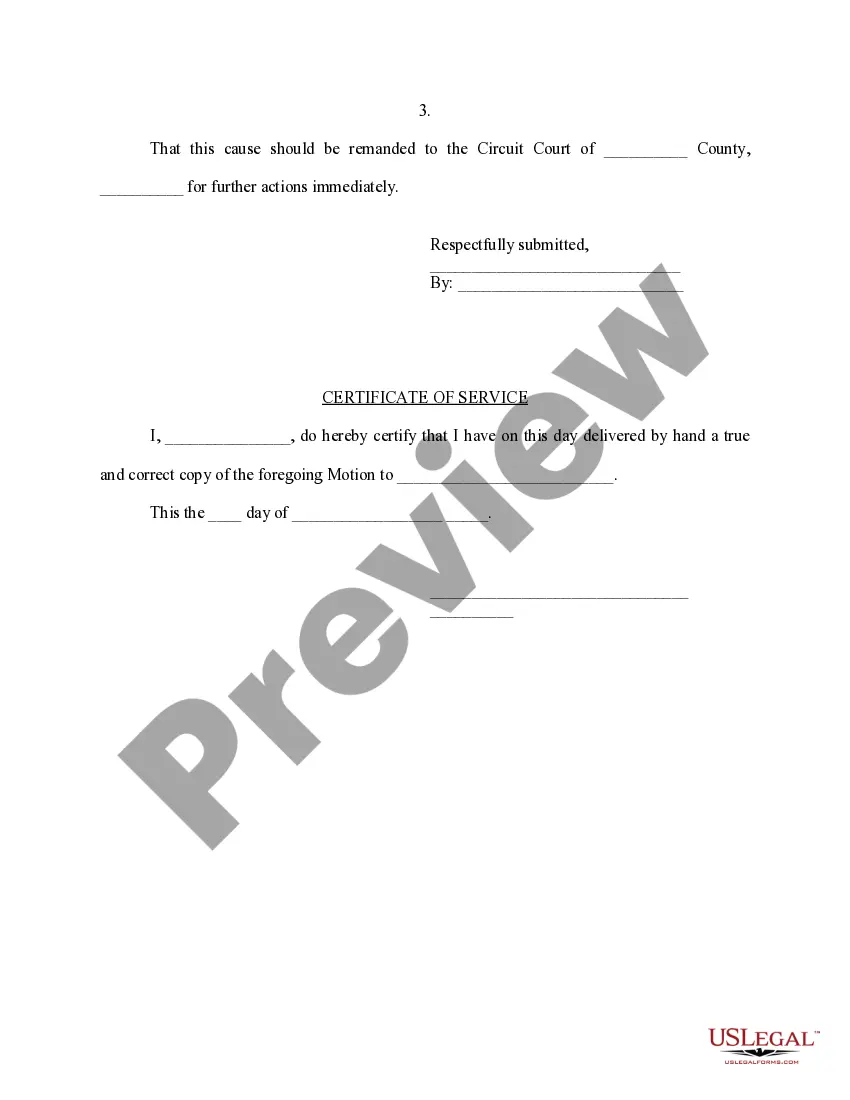
Oregon Emergency Motion to Remand Cause
Description
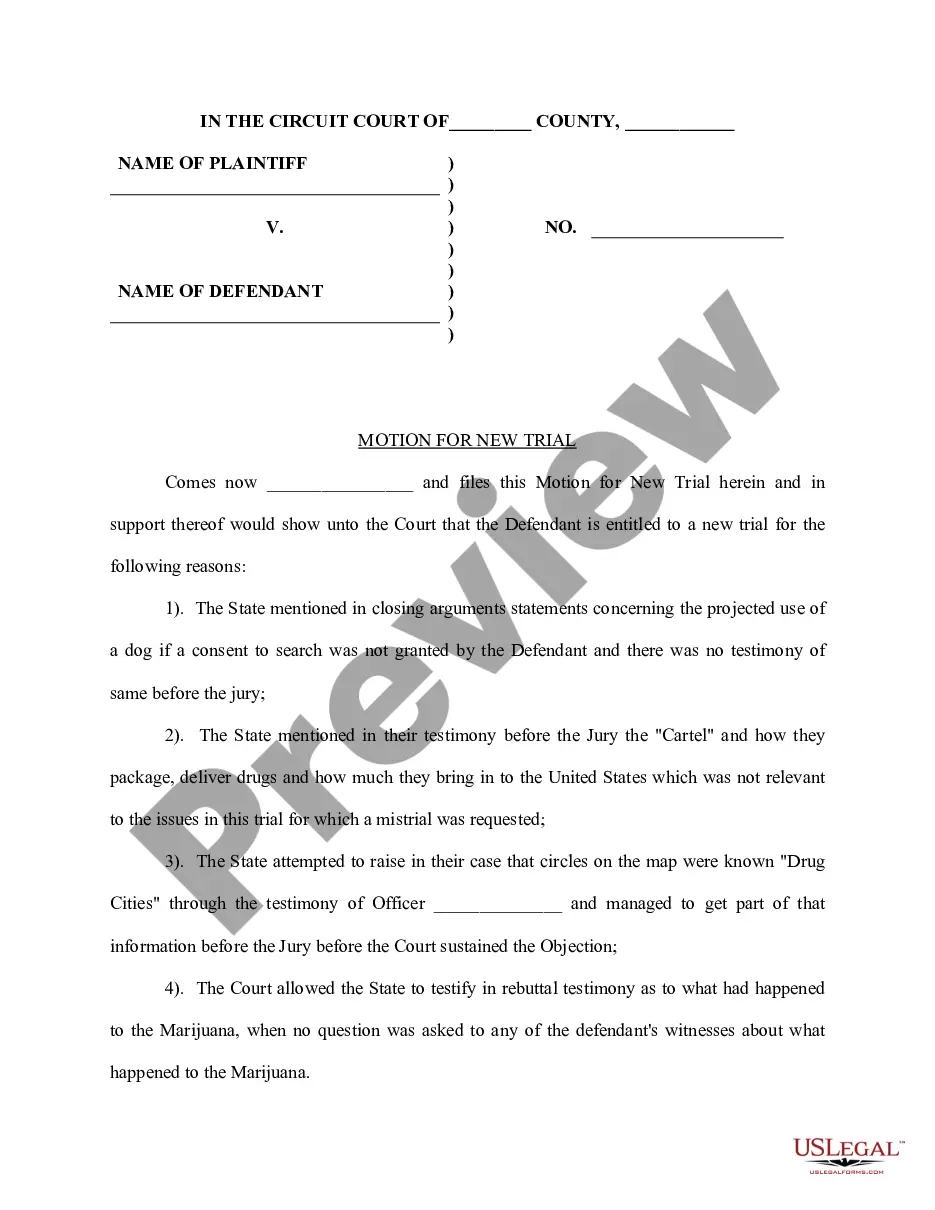
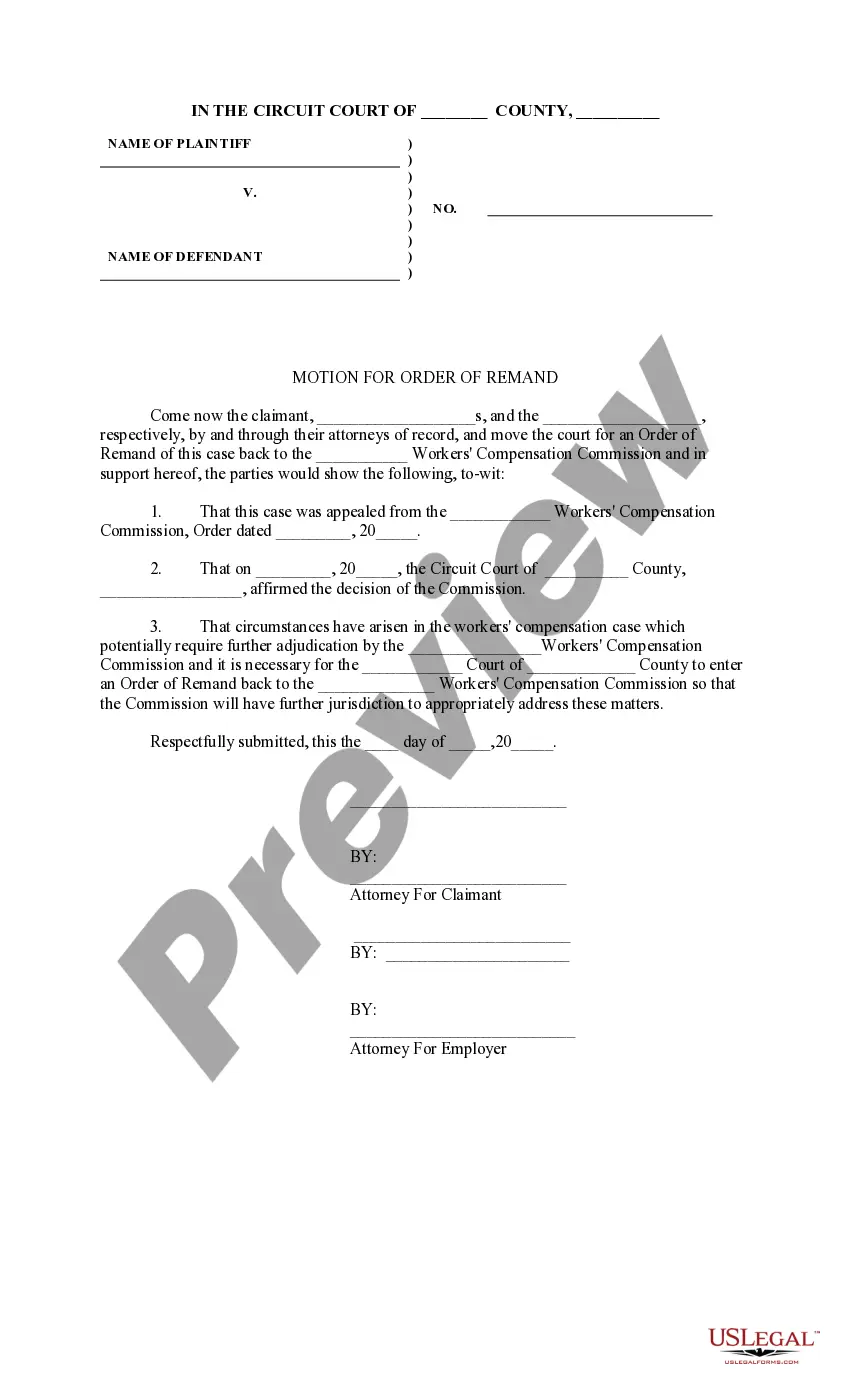
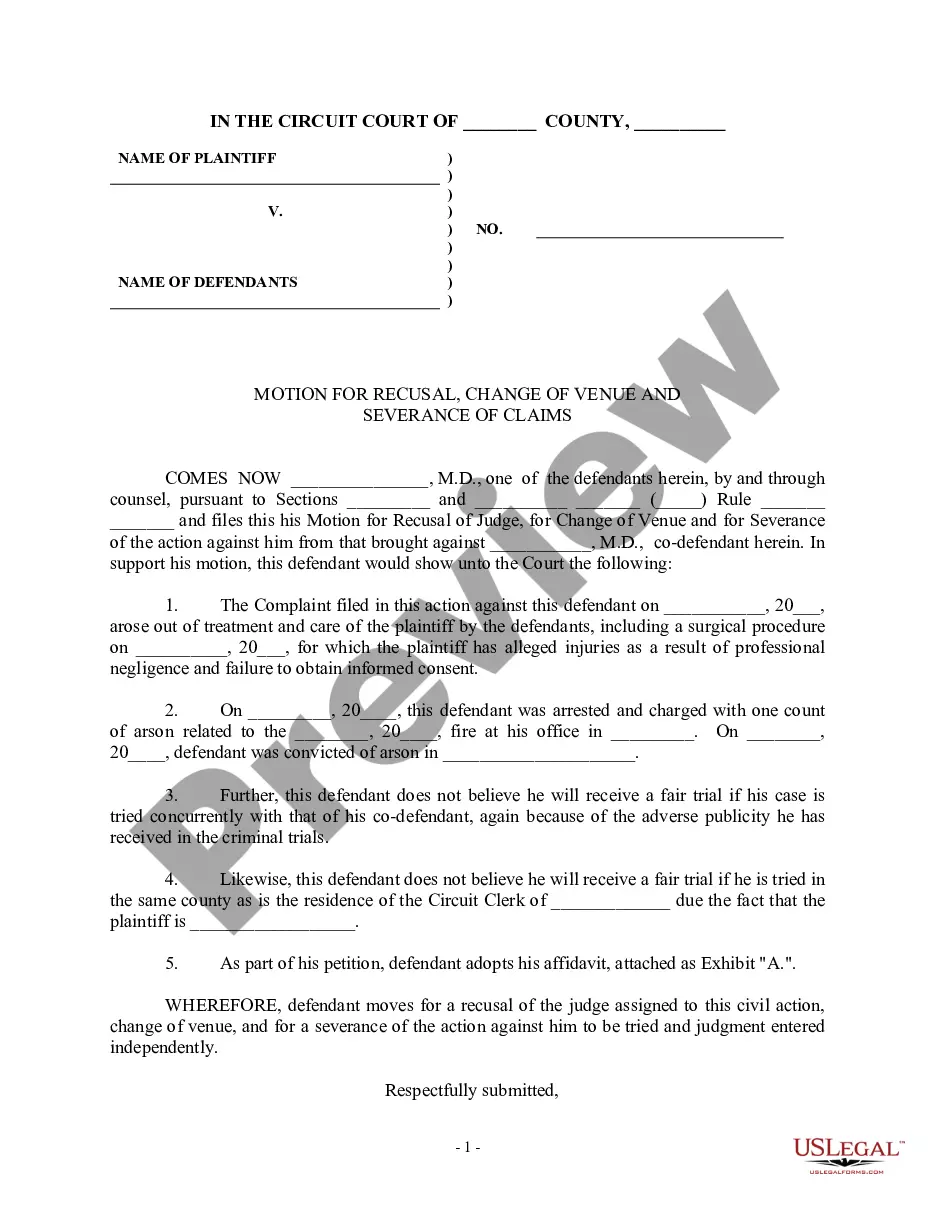
Get your form ready online
Our built-in tools help you complete, sign, share, and store your documents in one place.
Make edits, fill in missing information, and update formatting in US Legal Forms—just like you would in MS Word.
Download a copy, print it, send it by email, or mail it via USPS—whatever works best for your next step.
Sign and collect signatures with our SignNow integration. Send to multiple recipients, set reminders, and more. Go Premium to unlock E-Sign.
If this form requires notarization, complete it online through a secure video call—no need to meet a notary in person or wait for an appointment.
We protect your documents and personal data by following strict security and privacy standards.

Make edits, fill in missing information, and update formatting in US Legal Forms—just like you would in MS Word.

Download a copy, print it, send it by email, or mail it via USPS—whatever works best for your next step.

Sign and collect signatures with our SignNow integration. Send to multiple recipients, set reminders, and more. Go Premium to unlock E-Sign.

If this form requires notarization, complete it online through a secure video call—no need to meet a notary in person or wait for an appointment.

We protect your documents and personal data by following strict security and privacy standards.
Looking for another form?
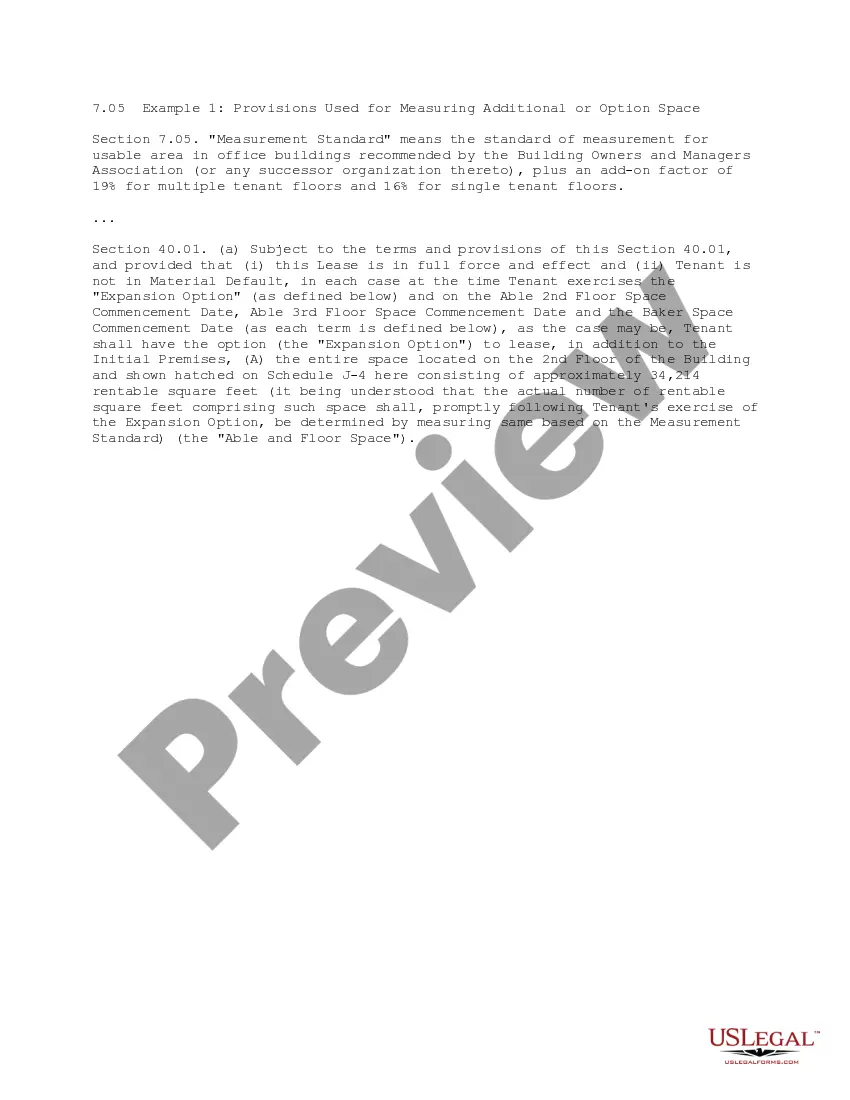



How to fill out Emergency Motion To Remand Cause?
US Legal Forms - one of the largest collections of legal documents in the United States - offers a broad selection of legal template files that you can download or print.
By utilizing the website, you can access a vast number of documents for business and personal use, organized by categories, states, or keywords. You can obtain the latest editions of documents such as the Oregon Emergency Motion to Remand Cause in just a few minutes.
If you already have a monthly subscription, Log In and retrieve the Oregon Emergency Motion to Remand Cause from your US Legal Forms library. The Download button will appear on every form you view. You have access to all previously downloaded documents in the My documents section of your account.
Complete the transaction. Use your credit card or PayPal account to finalize the transaction.
Select the format and download the form to your device. Edit. Fill out, modify, and print and sign the downloaded Oregon Emergency Motion to Remand Cause. Each template you added to your account has no expiration date and is yours indefinitely. So, if you wish to download or print another copy, simply go to the My documents section and click on the form you need. Access the Oregon Emergency Motion to Remand Cause with US Legal Forms, the most extensive library of legal document templates. Utilize a vast array of professional and state-specific templates that fulfill your business or personal needs and requirements.
- If you want to use US Legal Forms for the first time, here are simple instructions to get you started.
- Make sure to select the correct form for your city/state. Click the Preview button to review the form's content.
- Check the form description to confirm that you have chosen the correct document.
- If the form does not meet your needs, utilize the Search feature at the top of the page to find one that does.
- When you are satisfied with the form, confirm your selection by clicking the Download now button.
- Next, choose the payment plan you prefer and provide your information to register for the account.
Form popularity
FAQ
An example of a motion to suppress is where a defendant requests the court to suppress a confession by the defendant to the police that was obtained as a result of a Miranda violation.
While in general, on a motion to suppress, the defendant has the burden of proving, by a preponderance of the evidence, that the material in question was seized in violation of his constitutional rights, there are several situations where the burden shifts to the government. United States v.
A Motion to Suppress is a request by a defendant that the judge issue an order excluding or limiting certain evidence from trial. In some cases, the motion to suppress may be a request by the defendant to effectively dismiss the entire case due to an unlawful stop, detention, search, or arrest by law enforcement.
Every OAR uses the same numbering sequence of a three-digit chapter number followed by a three-digit division number and a four-digit rule number. For example, Oregon Administrative Rules, chapter 166, division 500, rule 0020 is cited as OAR 166-500-0020.
A motion to suppress is a motion filed by a criminal defense attorney when he or she has reason to believe that evidence was illegally obtained through an unlawful search or seizure. The goal is to have the judge throw out evidence that the State plans to use against you.
For instance, evidence seized pursuant to an unlawful arrest may be suppressed at trial, while a voluntary confession made after that arrest will not automatically be suppressed. But if the confession is too closely tied to the illegal arrest which may not be truly voluntary, it may be suppressed; see Wong Sun v.