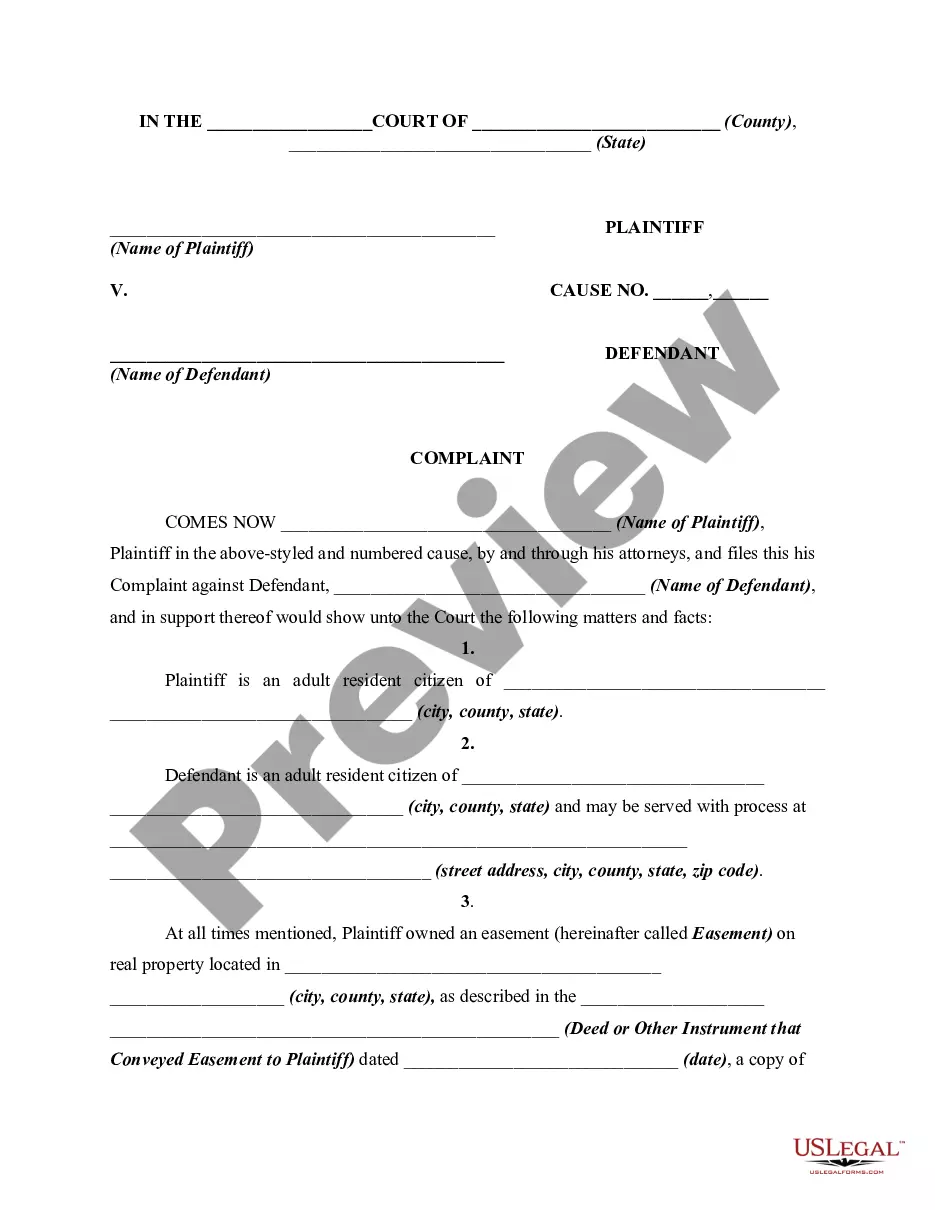
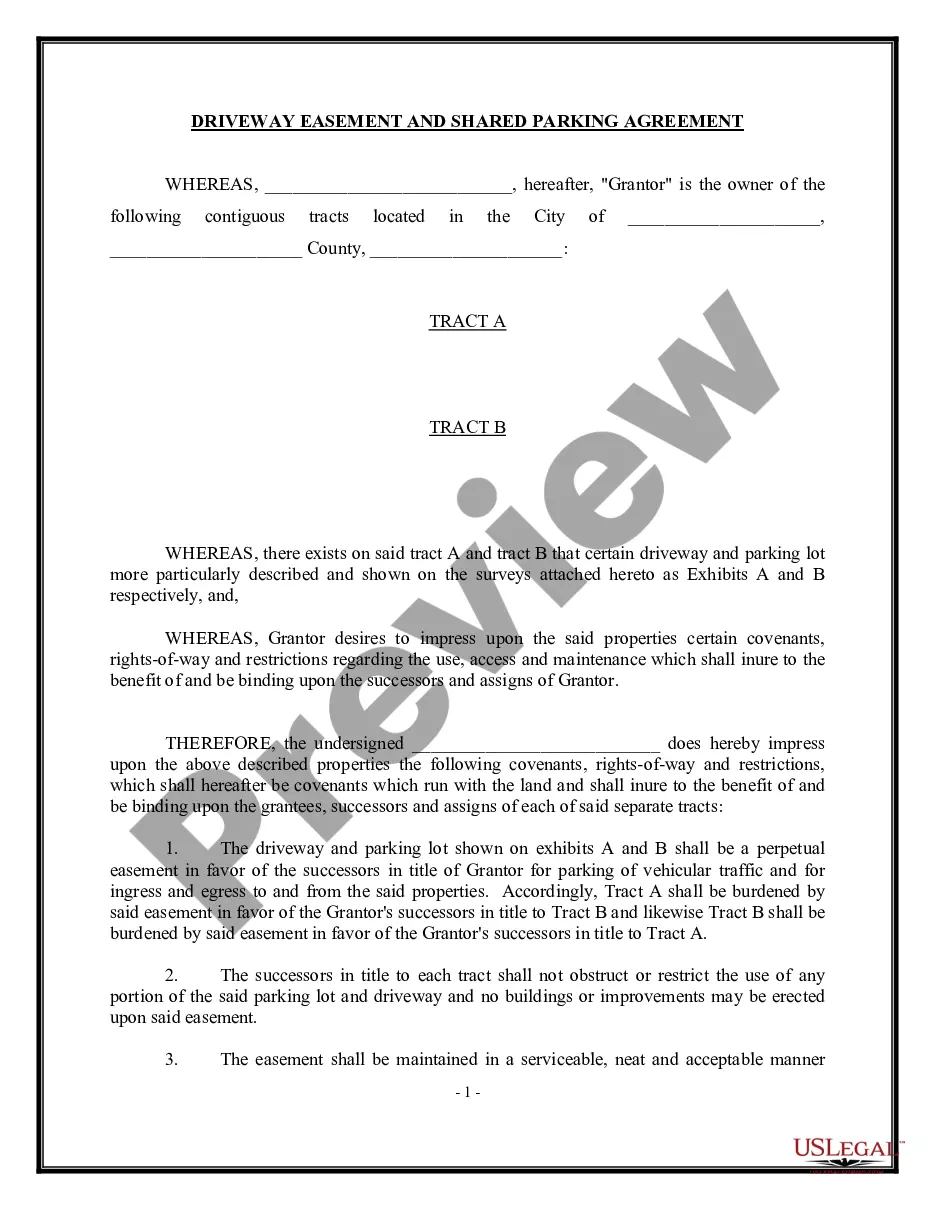
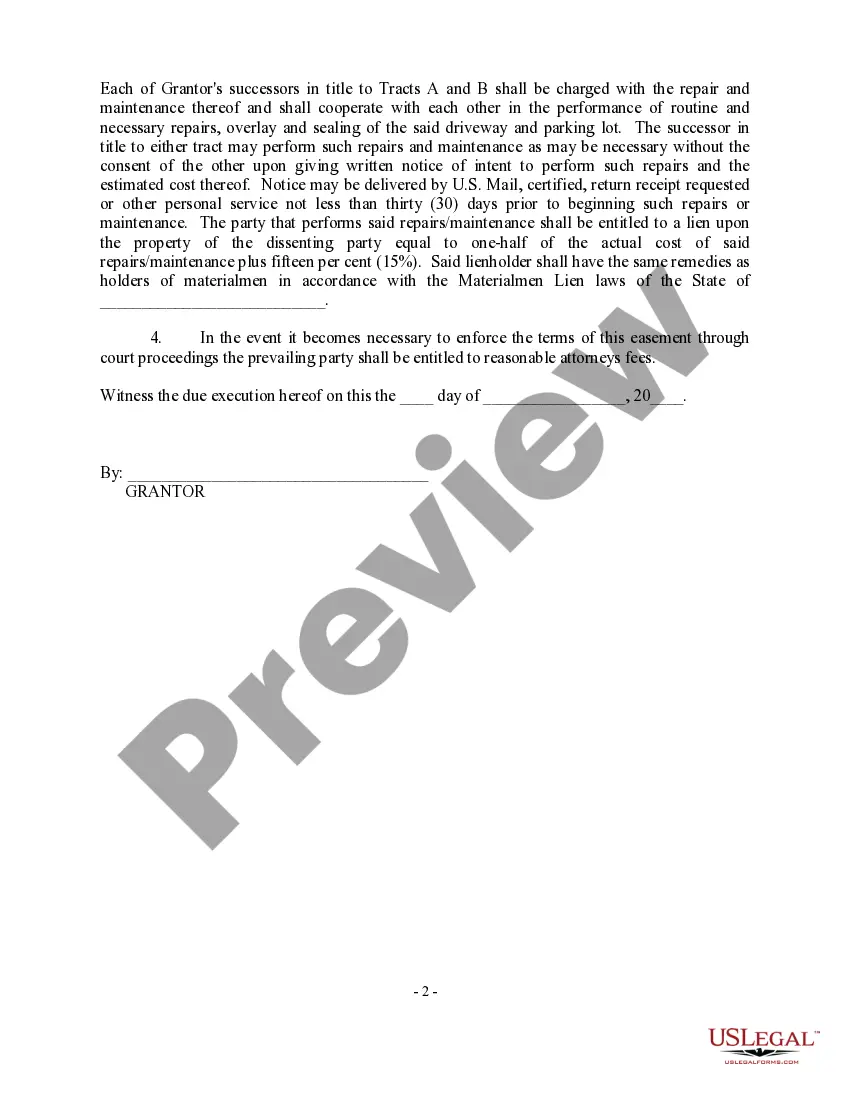
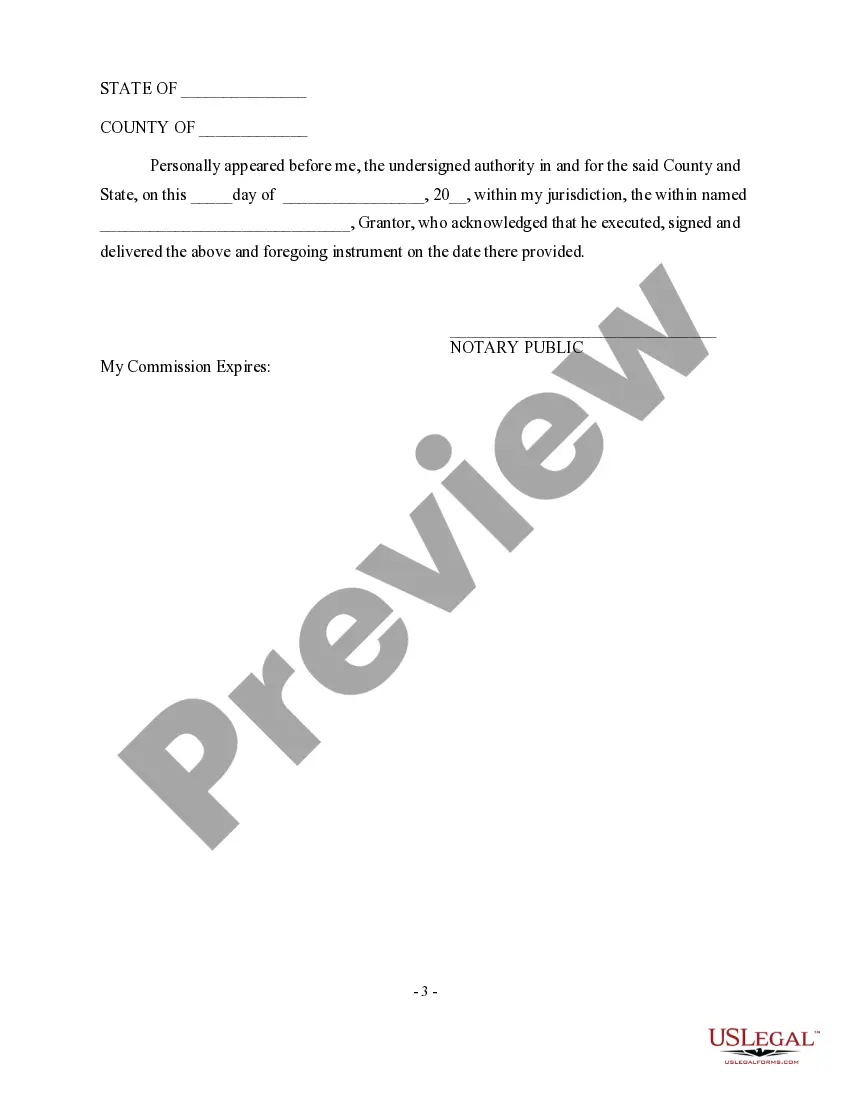
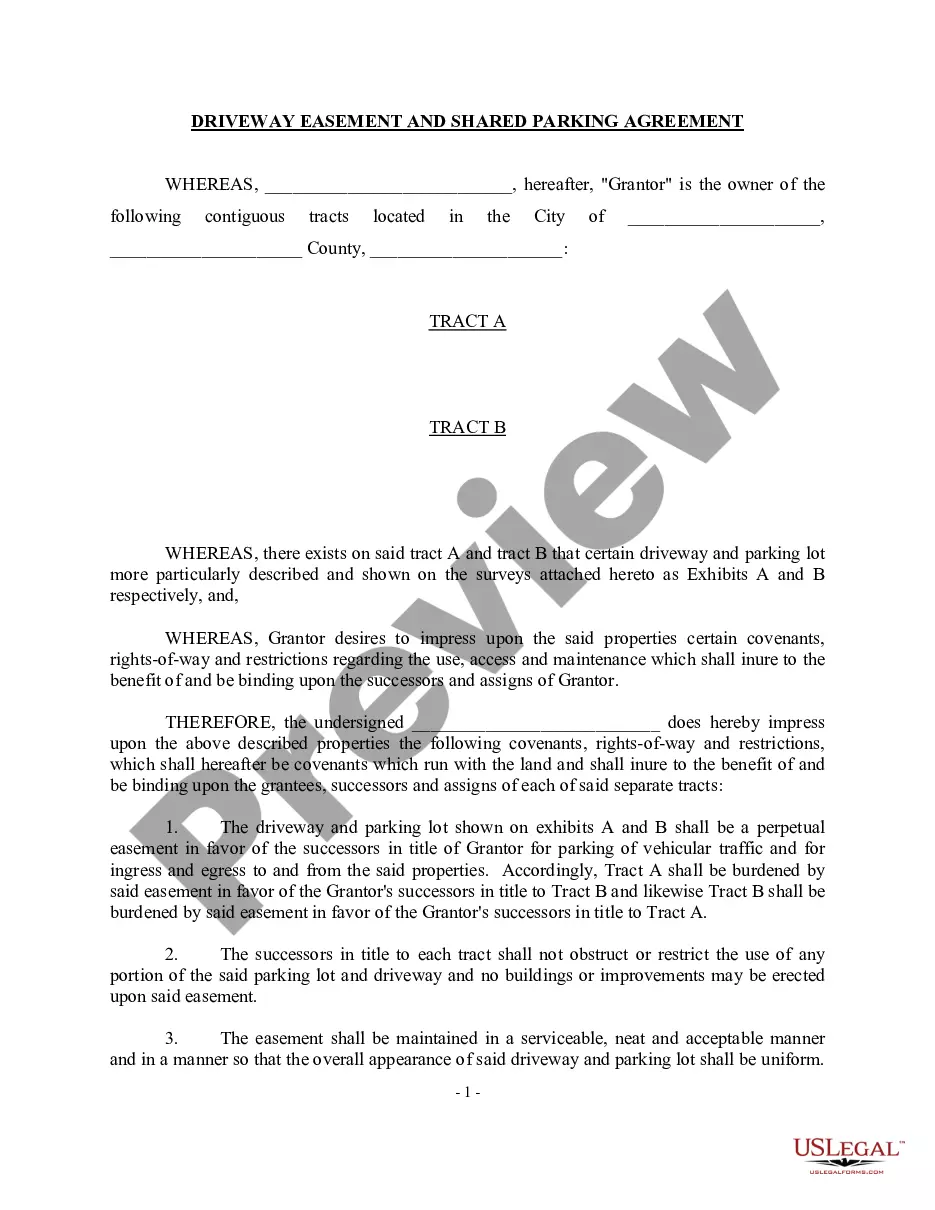
This form is a Driveway Easement and Shared Parking Agreement. The grantor conveys to the grantee certain covenants, rights-of-way, and restrictions regarding the use of a driveway and parking lot.
Oregon Easement - Shared Parking
State:
Multi-State
Control #:
US-00498
Format:
Word;
Rich Text
Instant download
Description
Free preview
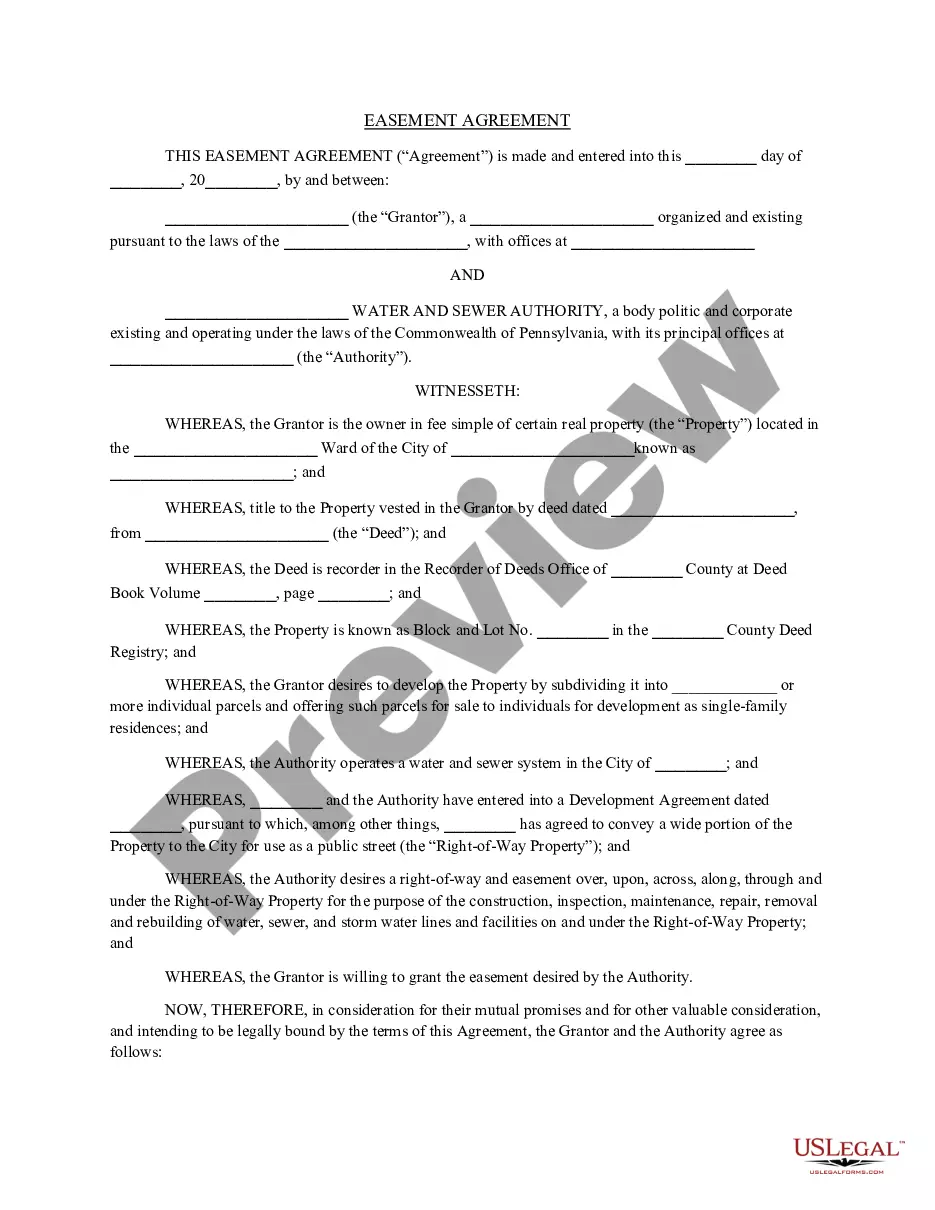
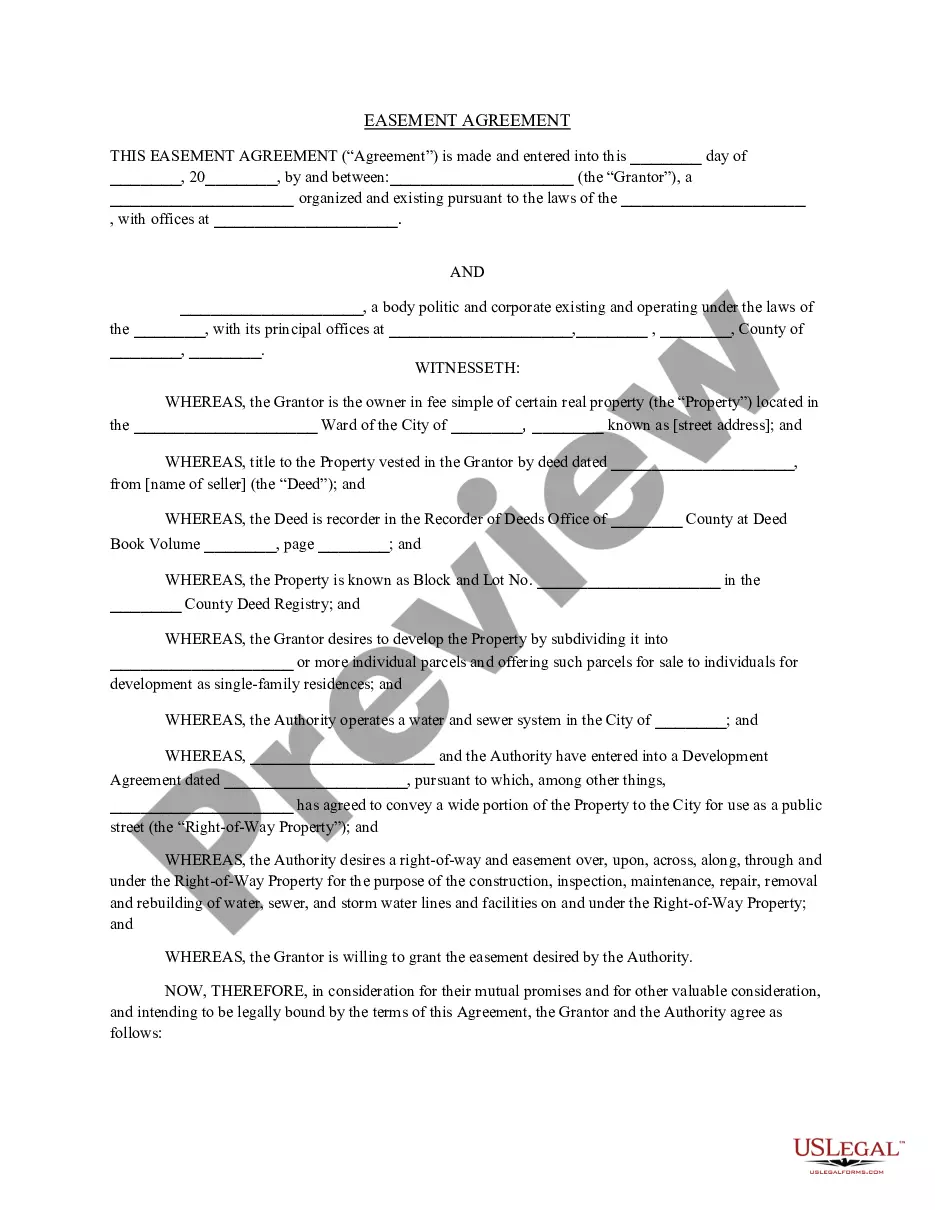
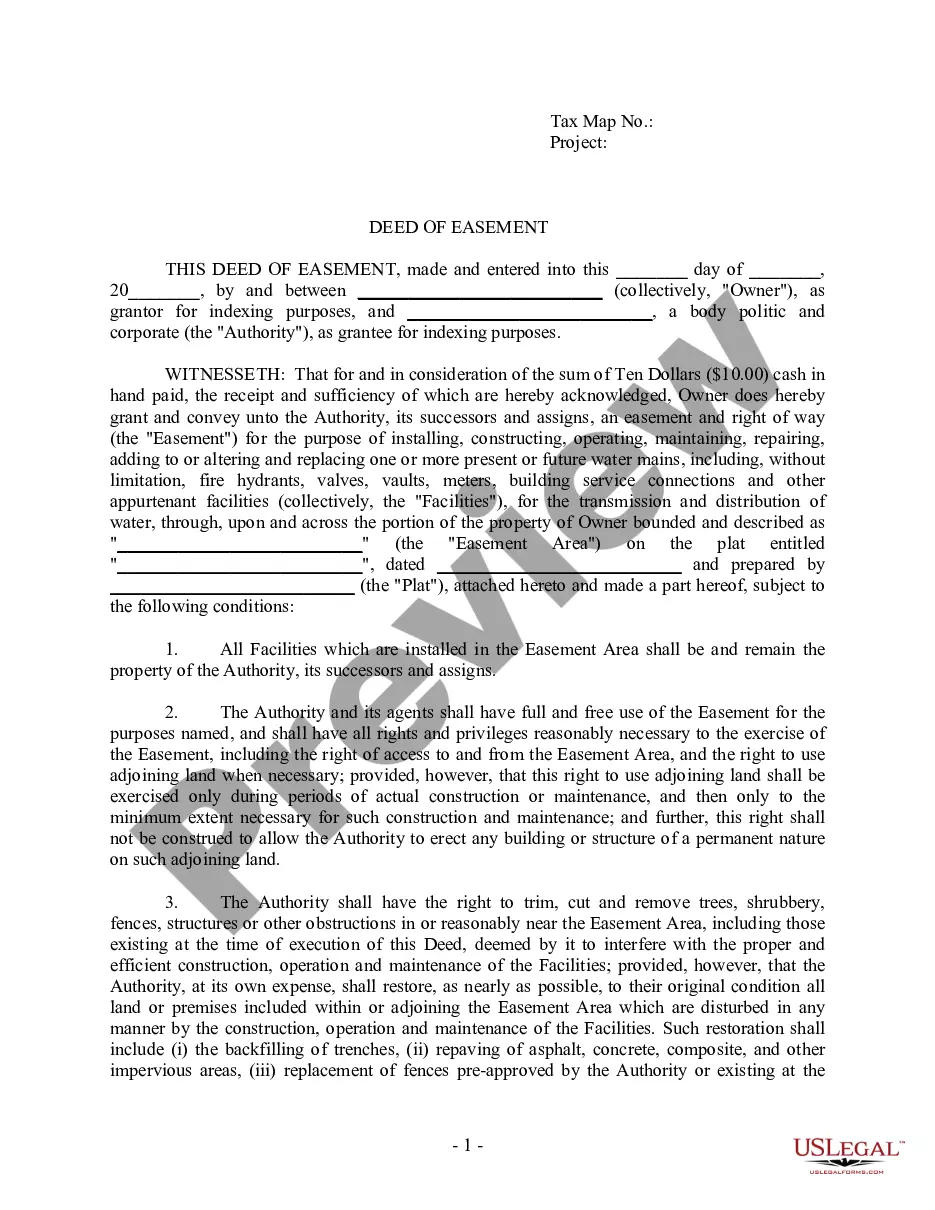
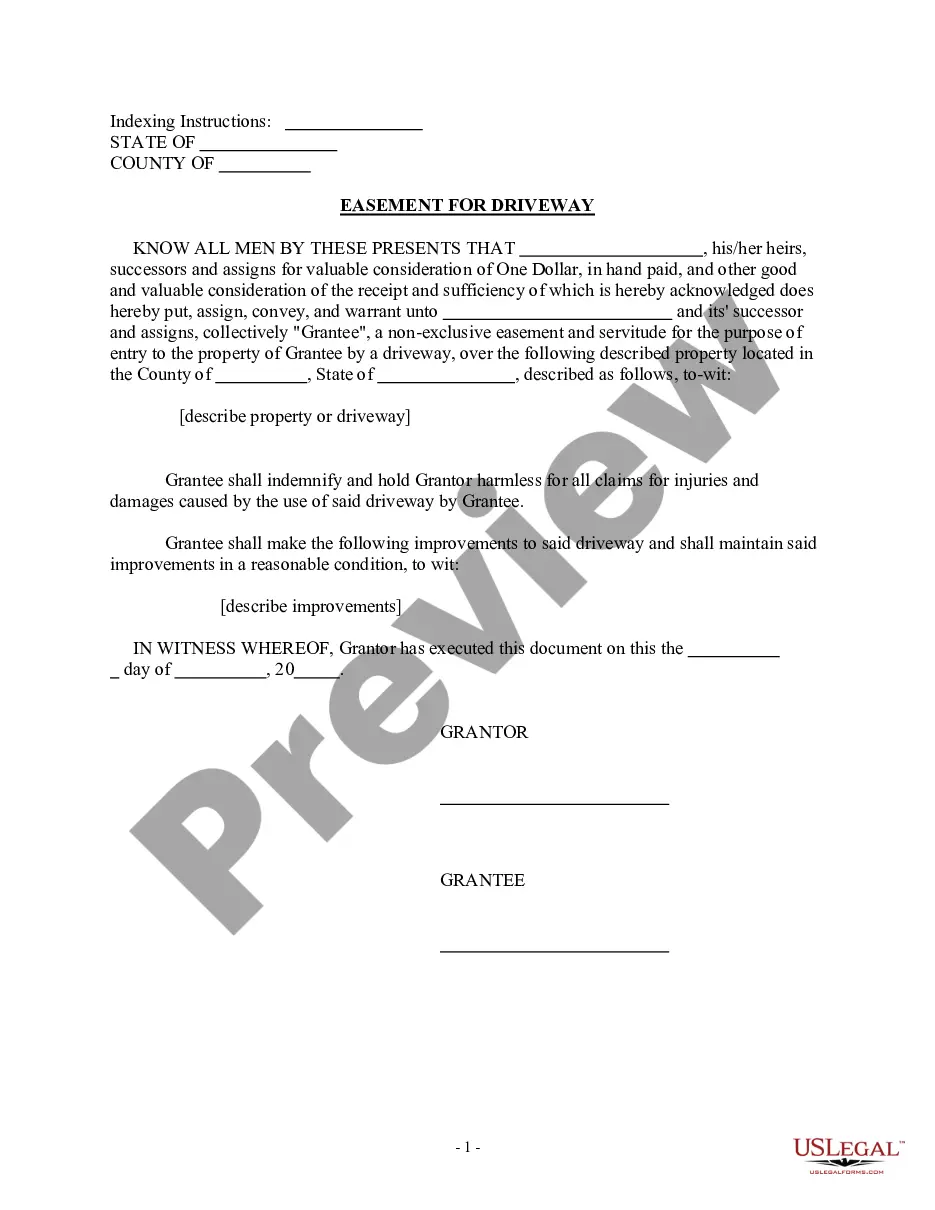
Get your form ready online
Our built-in tools help you complete, sign, share, and store your documents in one place.
Built-in online Word editor
Make edits, fill in missing information, and update formatting in US Legal Forms—just like you would in MS Word.
Export easily
Download a copy, print it, send it by email, or mail it via USPS—whatever works best for your next step.
E-sign your document
Sign and collect signatures with our SignNow integration. Send to multiple recipients, set reminders, and more. Go Premium to unlock E-Sign.
Notarize online 24/7
If this form requires notarization, complete it online through a secure video call—no need to meet a notary in person or wait for an appointment.
Store your document securely
We protect your documents and personal data by following strict security and privacy standards.

Make edits, fill in missing information, and update formatting in US Legal Forms—just like you would in MS Word.

Download a copy, print it, send it by email, or mail it via USPS—whatever works best for your next step.

Sign and collect signatures with our SignNow integration. Send to multiple recipients, set reminders, and more. Go Premium to unlock E-Sign.

If this form requires notarization, complete it online through a secure video call—no need to meet a notary in person or wait for an appointment.

We protect your documents and personal data by following strict security and privacy standards.
Looking for another form?




How to fill out Easement - Shared Parking?
US Legal Forms - one of the largest collections of legal documents in the USA - offers a selection of legal document templates that you can download or print. By using the website, you can obtain thousands of forms for business and personal purposes, categorized by type, state, or keywords.
You can find the most recent versions of forms such as the Oregon Easement - Shared Parking in just minutes. If you have a monthly subscription, Log In and download the Oregon Easement - Shared Parking from your US Legal Forms library. The Download button will appear on every form you view. You can access all previously downloaded forms in the My documents tab of your account.
If you are using US Legal Forms for the first time, here are simple instructions to get started: Ensure you have selected the correct form for your area/county. Click the Preview button to examine the form’s content. Review the form description to confirm that you have chosen the right document. If the form does not meet your requirements, use the Search field at the top of the screen to find one that does. If you are satisfied with the form, confirm your choice by clicking the Get now button. Then, select the pricing plan you wish and provide your credentials to register for an account. Process the payment. Use a Visa or Mastercard or PayPal account to complete the transaction. Choose the format and download the form onto your device. Make edits. Fill out, modify, print, and sign the downloaded Oregon Easement - Shared Parking.
- Every template you add to your account has no expiration date and is yours permanently.
- So, if you want to download or print another copy, just navigate to the My documents section and click on the form you desire.
- Access the Oregon Easement - Shared Parking with US Legal Forms, one of the most extensive collections of legal document templates.
- Utilize thousands of professional and state-specific templates that meet your business or personal needs and requirements.
Form popularity
FAQ
Termination of Easement for Real Estate Located in Oregon This document allows the owner of the land, burdened by the access and the party that benefits from the access, to sign an agreement releasing the property from such access, under the premises the benefiting party no longer needs access.
For example, in Oregon, a person may claim a prescriptive easement if they have openly and continuously used a roadway on someone else's property for at least 10 years without the owner's permission.
An easement is the right to cross or use someone else's land for a specific purpose. The owner of the easement does not own the land, just the right to use it. The owner of the land may also use the area covered by the easement as long as they do not interfere unreasonably with the purpose of the easement.
In plain language, an ?easement? is a legal right to use another property owner's property for a limited use. An easement allows the holder of the easement to use the real property of another for a specific purpose. Title to the underlying land is retained by the owner of real property.
Can You Build on an Easement? Yes, you can usually build on a property easement, even a utility easement. Yet if you value peace of mind over everything else, not building on that easement is the best way to go. The dominant estate owning the easement may need to access the easement.
An easement is a nonpossessory interest in the land of another that entitles the easement holder to limited use of another's land without interference. ORS 105.170 (1). An easement holder is a person with a legal right to use the easement and may include the owner of the land across which the easement passes.