Oregon Ch. 13 Plan [Use w/ Case Filed or Converted On/After 12/1/17]
Description
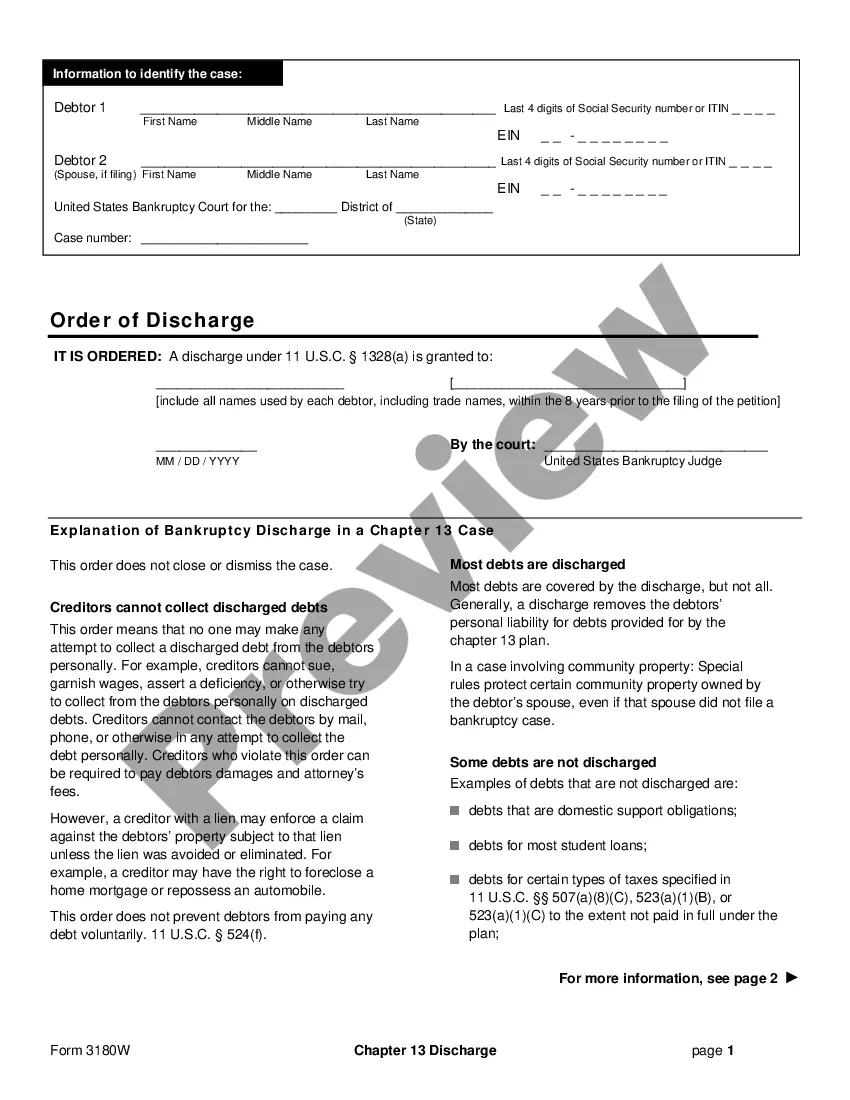
![Preview Ch. 13 Plan [Use w/ Case Filed or Converted On/After 12/1/17]](https://cdn.uslegal.com/uslegal-preview/OR/OR-SKU-0106/webp/1.webp "Get Ch. 13 Plan [Use w/ Case Filed or Converted On/After 12/1/17]")
![Preview Ch. 13 Plan [Use w/ Case Filed or Converted On/After 12/1/17]](https://cdn.uslegal.com/uslegal-preview/OR/OR-SKU-0106/webp/2.webp "Get Ch. 13 Plan [Use w/ Case Filed or Converted On/After 12/1/17]")
![Preview Ch. 13 Plan [Use w/ Case Filed or Converted On/After 12/1/17]](https://cdn.uslegal.com/uslegal-preview/OR/OR-SKU-0106/webp/3.webp "Get Ch. 13 Plan [Use w/ Case Filed or Converted On/After 12/1/17]")
![Preview Ch. 13 Plan [Use w/ Case Filed or Converted On/After 12/1/17]](https://cdn.uslegal.com/uslegal-preview/OR/OR-SKU-0106/webp/4.webp "Get Ch. 13 Plan [Use w/ Case Filed or Converted On/After 12/1/17]")
![Preview Ch. 13 Plan [Use w/ Case Filed or Converted On/After 12/1/17]](https://cdn.uslegal.com/uslegal-preview/OR/OR-SKU-0106/webp/5.webp "Get Ch. 13 Plan [Use w/ Case Filed or Converted On/After 12/1/17]")
![Preview Ch. 13 Plan [Use w/ Case Filed or Converted On/After 12/1/17]](https://cdn.uslegal.com/uslegal-preview/OR/OR-SKU-0106/webp/6.webp "Get Ch. 13 Plan [Use w/ Case Filed or Converted On/After 12/1/17]")
![Preview Ch. 13 Plan [Use w/ Case Filed or Converted On/After 12/1/17]](https://cdn.uslegal.com/uslegal-preview/OR/OR-SKU-0106/webp/7.webp "Get Ch. 13 Plan [Use w/ Case Filed or Converted On/After 12/1/17]")
Get your form ready online
Our built-in tools help you complete, sign, share, and store your documents in one place.
Make edits, fill in missing information, and update formatting in US Legal Forms—just like you would in MS Word.
Download a copy, print it, send it by email, or mail it via USPS—whatever works best for your next step.
Sign and collect signatures with our SignNow integration. Send to multiple recipients, set reminders, and more. Go Premium to unlock E-Sign.
If this form requires notarization, complete it online through a secure video call—no need to meet a notary in person or wait for an appointment.
We protect your documents and personal data by following strict security and privacy standards.

Make edits, fill in missing information, and update formatting in US Legal Forms—just like you would in MS Word.

Download a copy, print it, send it by email, or mail it via USPS—whatever works best for your next step.

Sign and collect signatures with our SignNow integration. Send to multiple recipients, set reminders, and more. Go Premium to unlock E-Sign.

If this form requires notarization, complete it online through a secure video call—no need to meet a notary in person or wait for an appointment.

We protect your documents and personal data by following strict security and privacy standards.
Looking for another form?
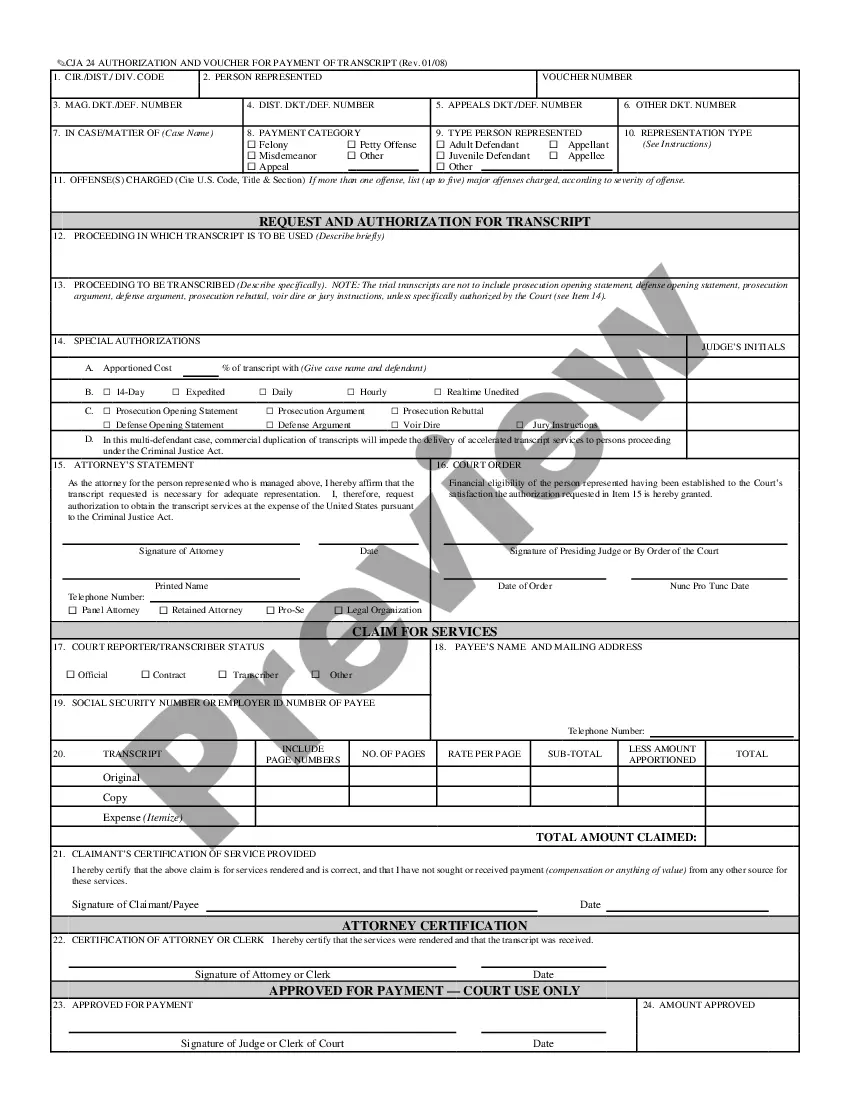
How to fill out Oregon Ch. 13 Plan [Use W/ Case Filed Or Converted On/After 12/1/17]?
US Legal Forms is the most straightforward and affordable way to find suitable formal templates. It’s the most extensive online library of business and personal legal paperwork drafted and verified by attorneys. Here, you can find printable and fillable templates that comply with federal and local laws - just like your Oregon Ch. 13 Plan [Use w/ Case Filed or Converted On/After 12/1/17].
Getting your template takes just a couple of simple steps. Users that already have an account with a valid subscription only need to log in to the web service and download the form on their device. Afterwards, they can find it in their profile in the My Forms tab.
And here’s how you can get a professionally drafted Oregon Ch. 13 Plan [Use w/ Case Filed or Converted On/After 12/1/17] if you are using US Legal Forms for the first time:
- Look at the form description or preview the document to guarantee you’ve found the one meeting your demands, or find another one utilizing the search tab above.
- Click Buy now when you’re sure of its compatibility with all the requirements, and judge the subscription plan you prefer most.
- Register for an account with our service, sign in, and pay for your subscription using PayPal or you credit card.
- Select the preferred file format for your Oregon Ch. 13 Plan [Use w/ Case Filed or Converted On/After 12/1/17] and save it on your device with the appropriate button.
Once you save a template, you can reaccess it whenever you want - just find it in your profile, re-download it for printing and manual fill-out or import it to an online editor to fill it out and sign more efficiently.
Benefit from US Legal Forms, your reliable assistant in obtaining the required formal paperwork. Give it a try!
Form popularity
FAQ
About 45 days after you've received your discharge, you will receive a document called a Final Decree. It's the document that officially closes your case. Once this document is received, you are no longer in bankruptcy.
The discharge releases the debtor from all debts provided for by the plan or disallowed (under section 502), with limited exceptions. Creditors provided for in full or in part under the chapter 13 plan may no longer initiate or continue any legal or other action against the debtor to collect the discharged obligations.
The good news is that Chapter 13 will not be on your credit report forever. Chapter 13 bankruptcy is removed from your credit report after seven years. Once it is removed from your credit report, your credit scores will increase.
Objections must be filed within 21 days after the conclusion of the 341 meeting. Plan can be confirmed without further notice or hearing absent timely objections.
THREE STEPS TO REBUILDING YOUR CREDIT AFTER BANKRUPTCY Step One: Make arrangements to pay any nondischargeable debts. Step Two: Use secured credit cards or small loans to help build a record of on-time payments. Step Three: Avoid unnecessary post-bankruptcy debt. Buying a new or used car bankruptcy.
About 45 days after you've received your discharge, you will receive a document called a Final Decree. It's the document that officially closes your case. Once this document is received, you are no longer in bankruptcy.
After receiving all required payments under the plan (including any tax refunds owed) and completing an audit to determine that all amounts owed were received, the Chapter 13 Trustee will file a Certificate of Final Payment with the Bankruptcy Court.
A motion to modify a confirmed Chapter 13 plan (also called a motion to amend confirmed plan) is filed typically by the debtor, but these motions can also be filed by the trustee or a creditor with an allowed, unsecured proof of claim. 11 U.S.C. § 1329.