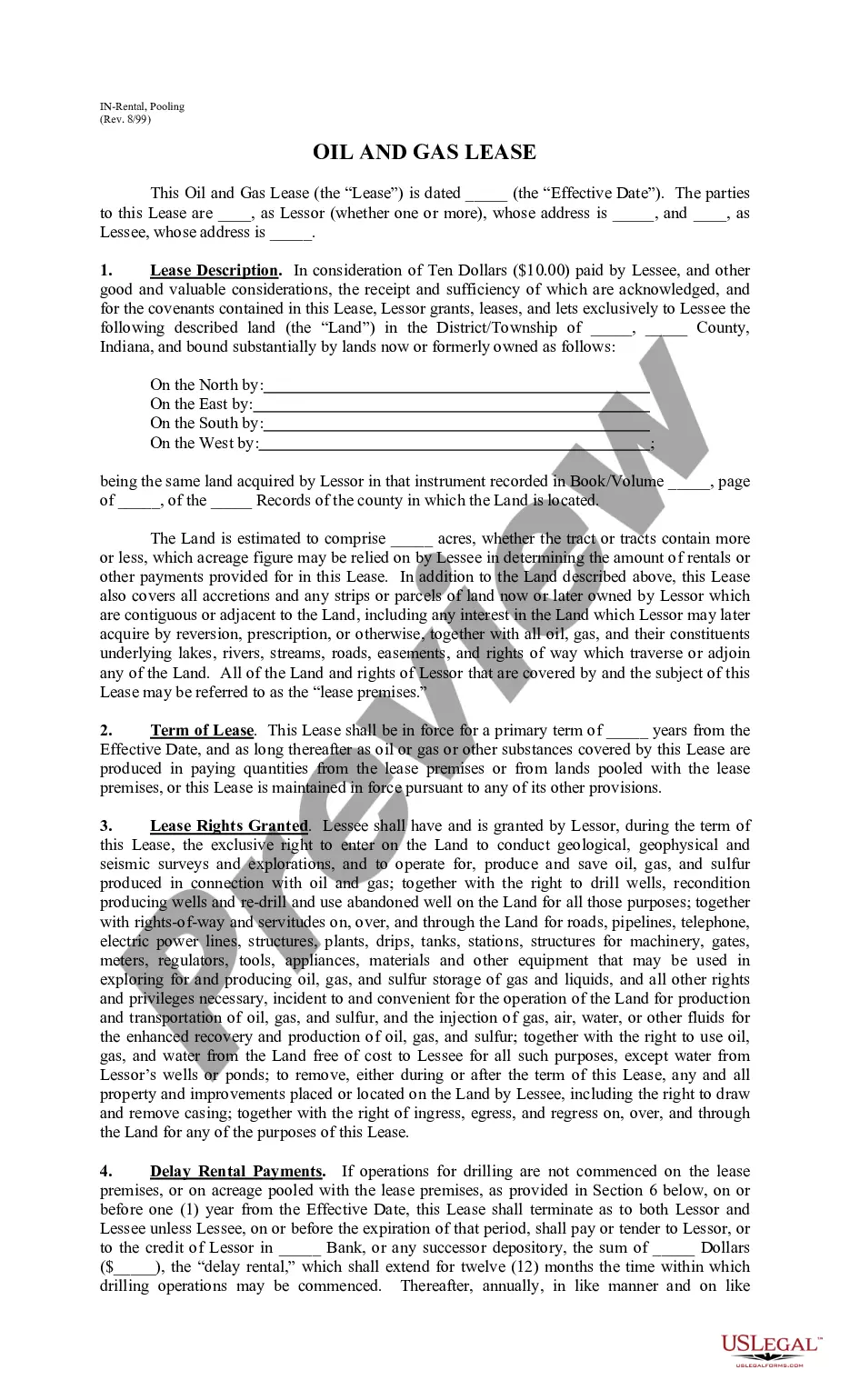
Oregon Notice of Option for Recording
Overview of this form
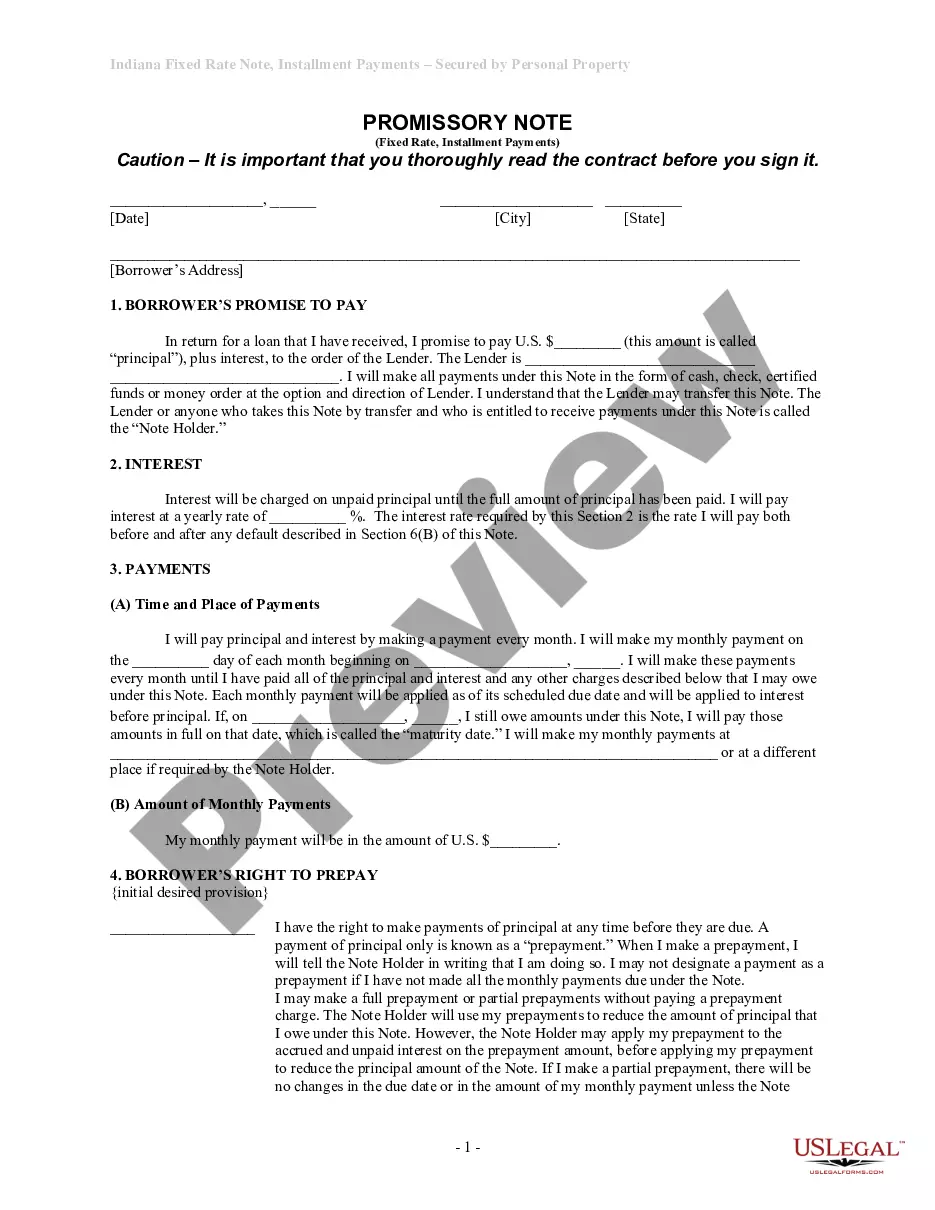
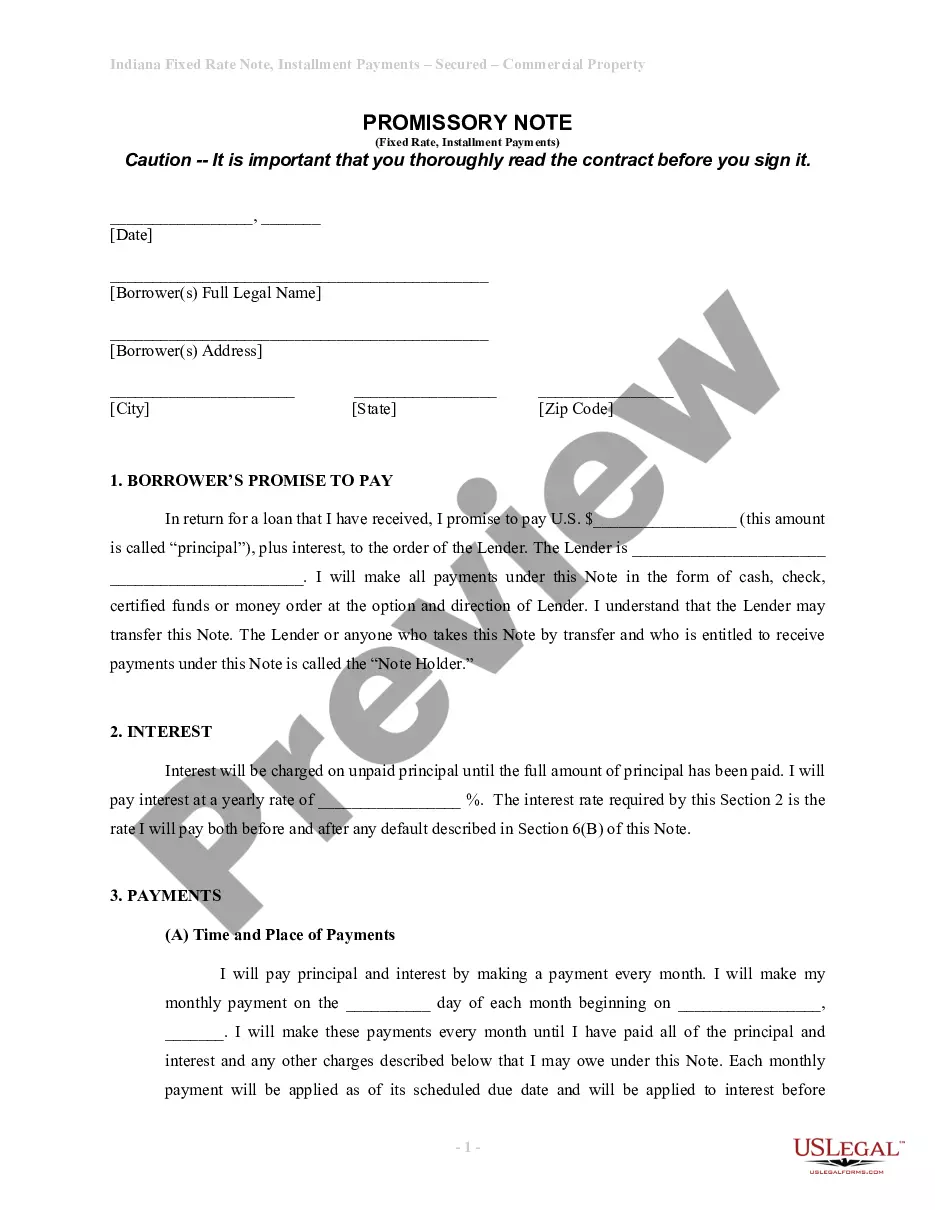
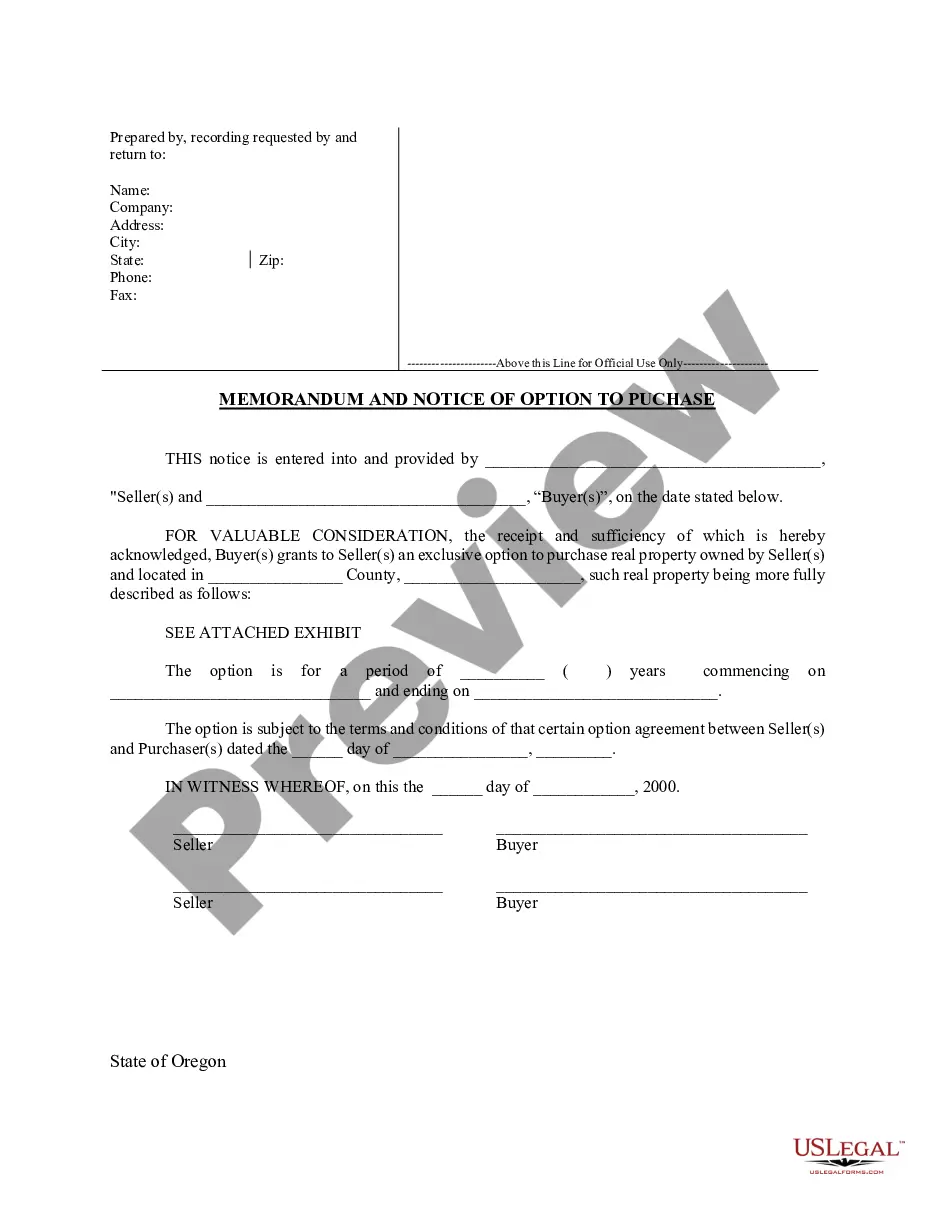
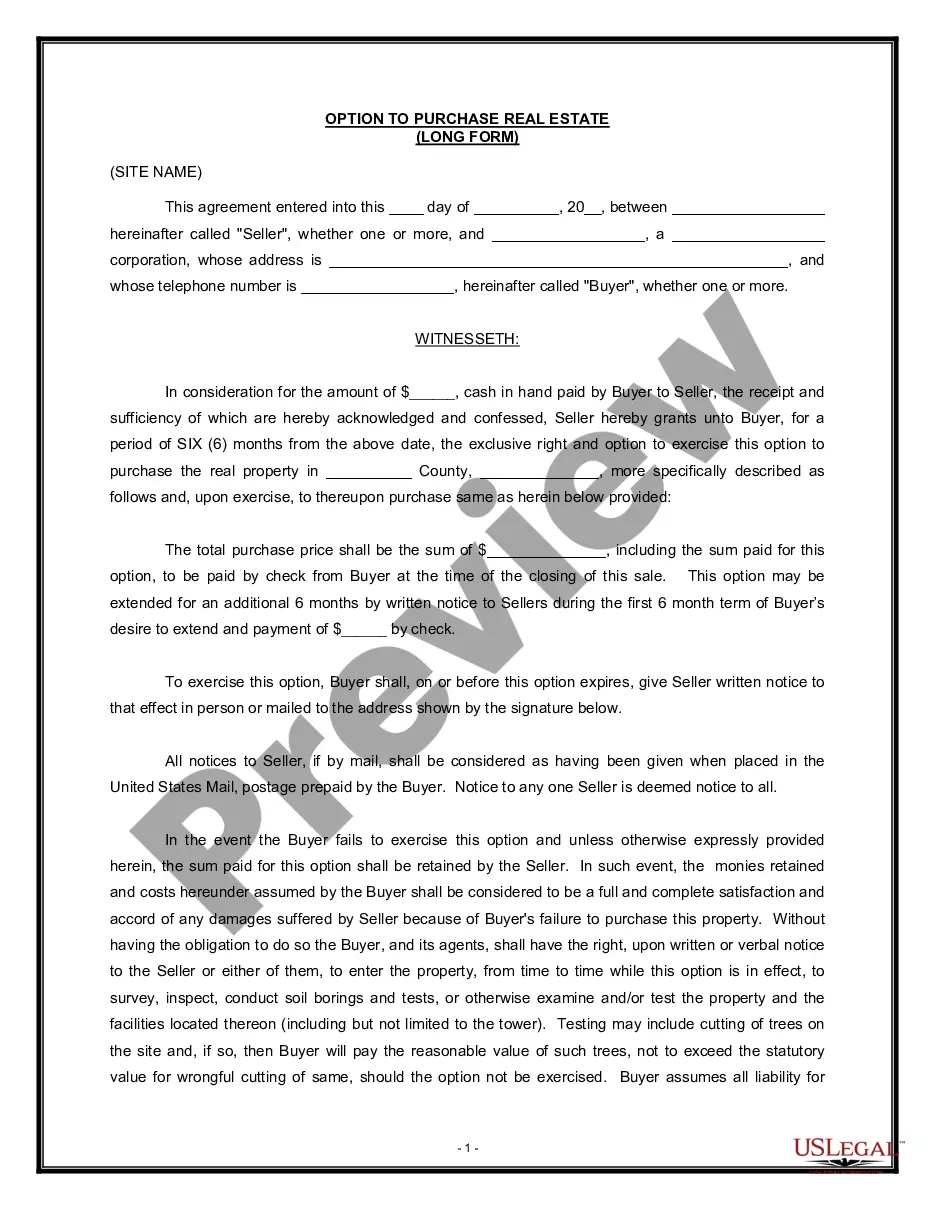
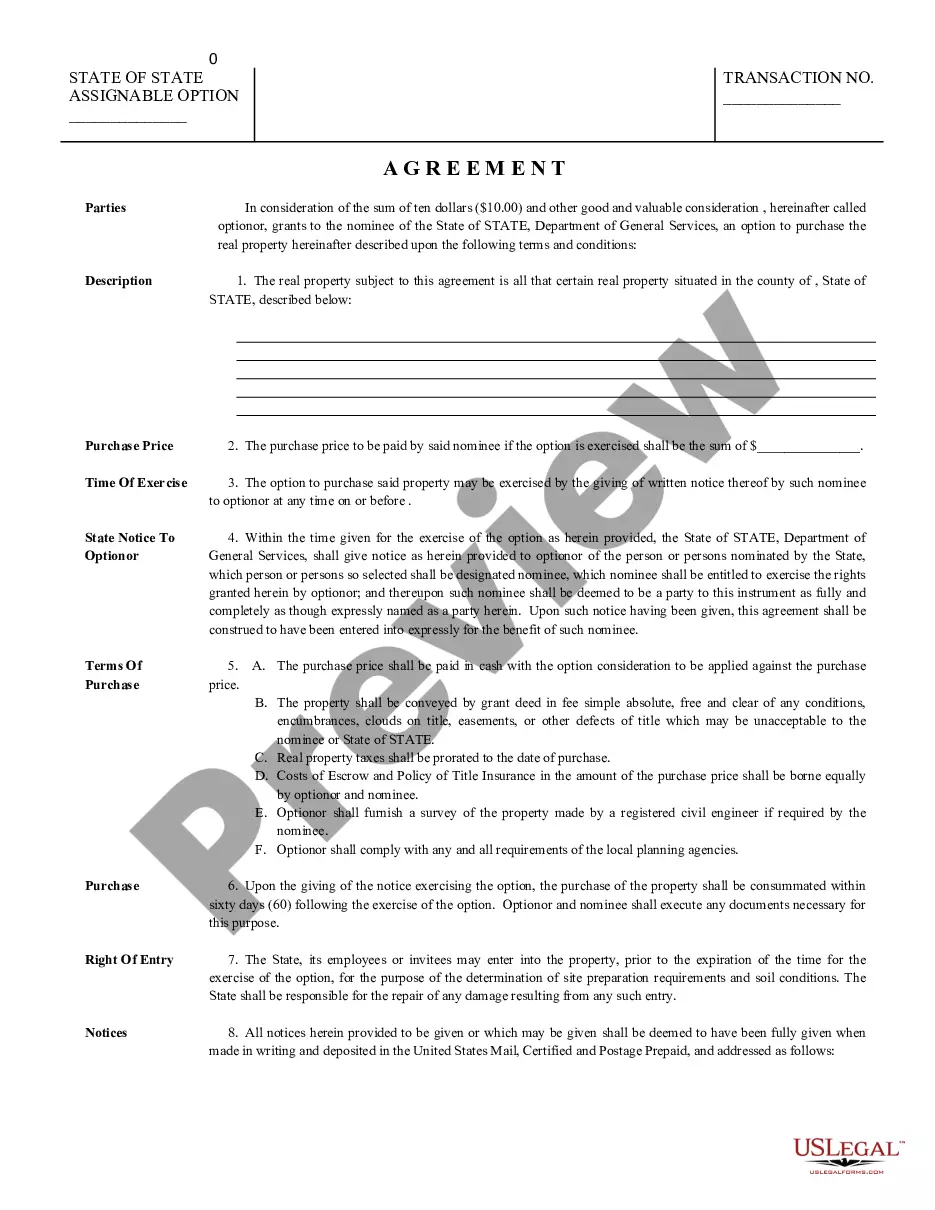
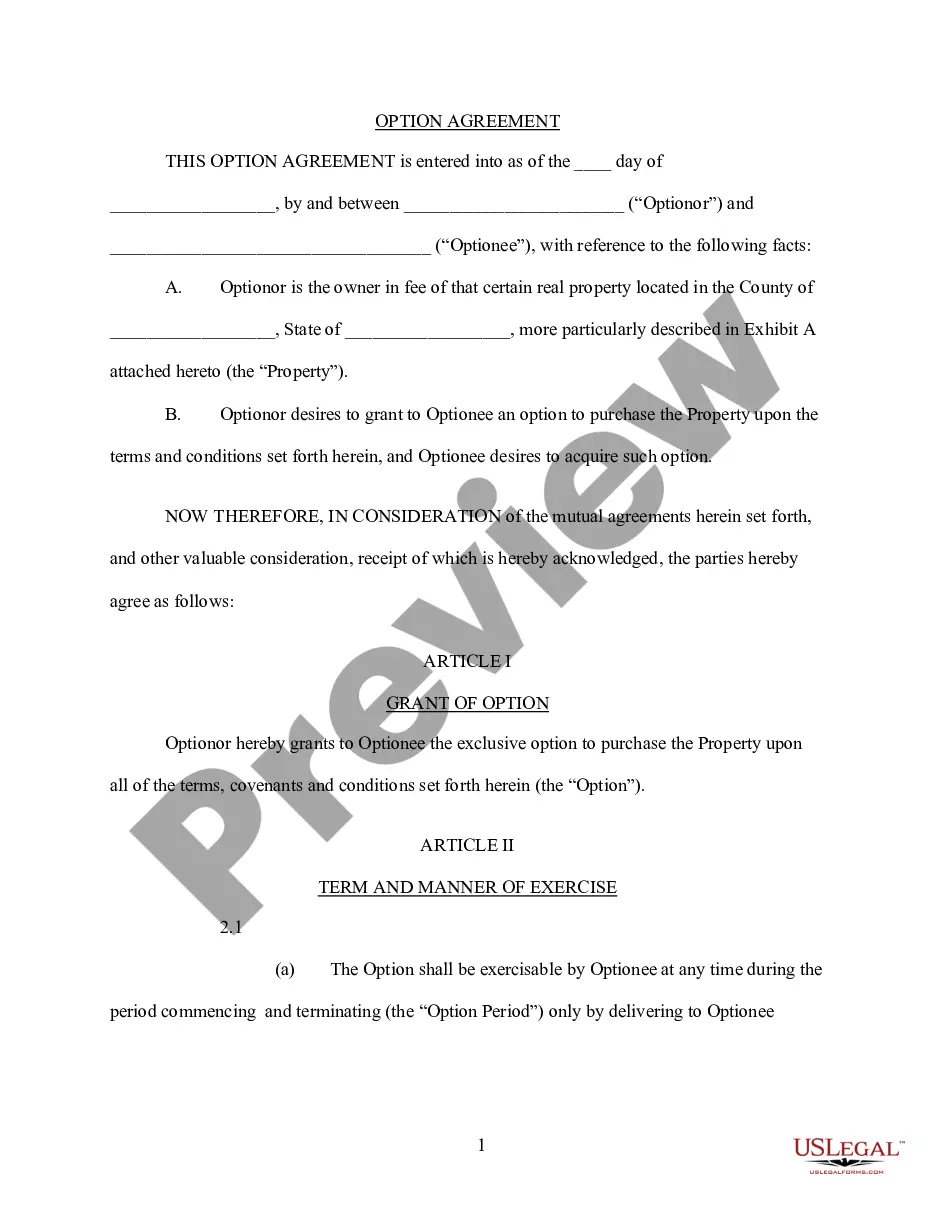
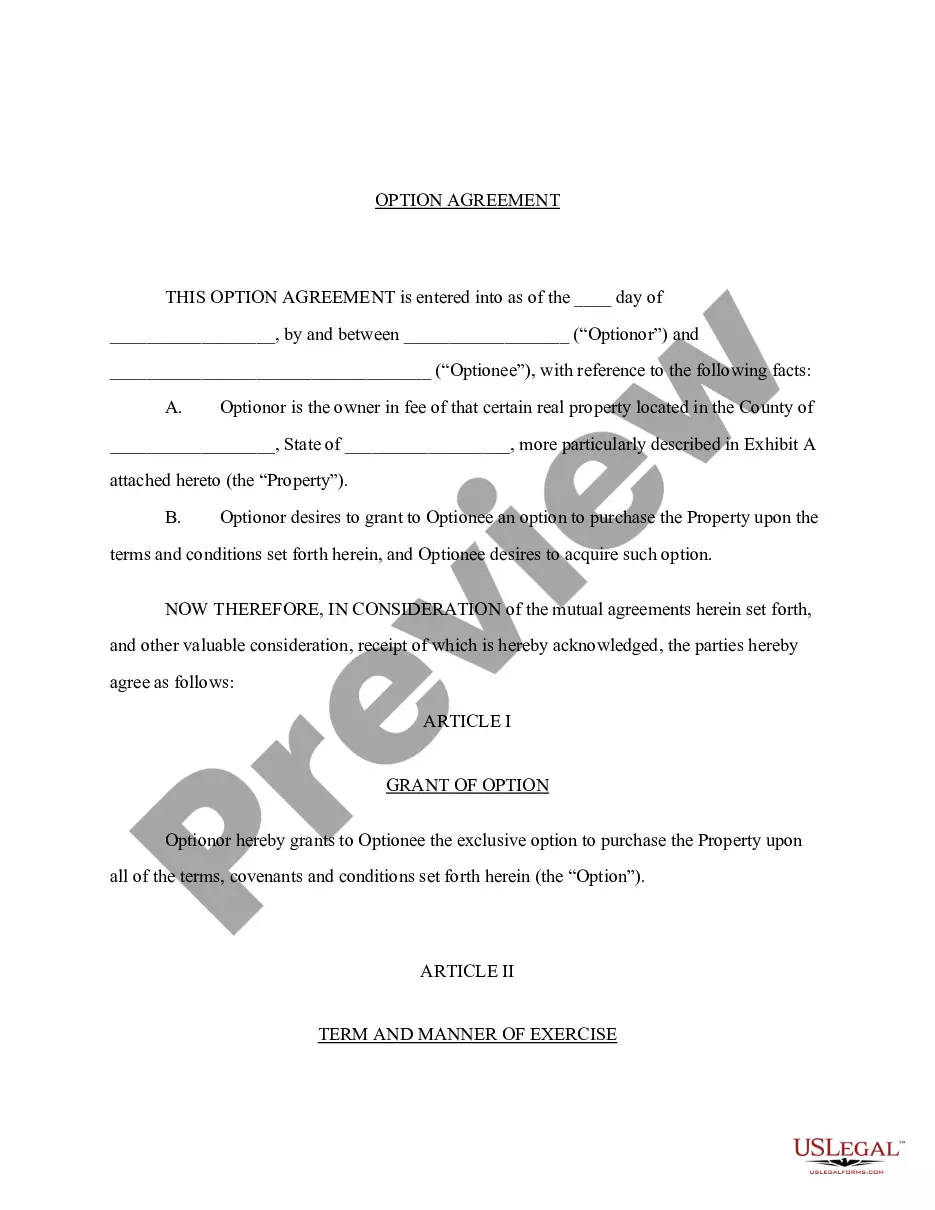
The Notice of Option for Recording is a legal document that communicates the existence of an option to purchase a specific parcel of real estate. This form provides a public record of the option without needing to record the entire option agreement. It is particularly useful for sellers and buyers who want to establish their rights and responsibilities concerning the property in question.
Key parts of this document
- Prepared by: Information about the person or entity requesting the recording.
- Seller(s) and Buyer(s): Names of the individuals or entities involved in the option agreement.
- Property Description: Detailed address or description of the real estate parcel.
- Option Period: Duration of the option to purchase the property, including start and end dates.
- Exhibit Attachment: Reference to any additional documentation related to the property.
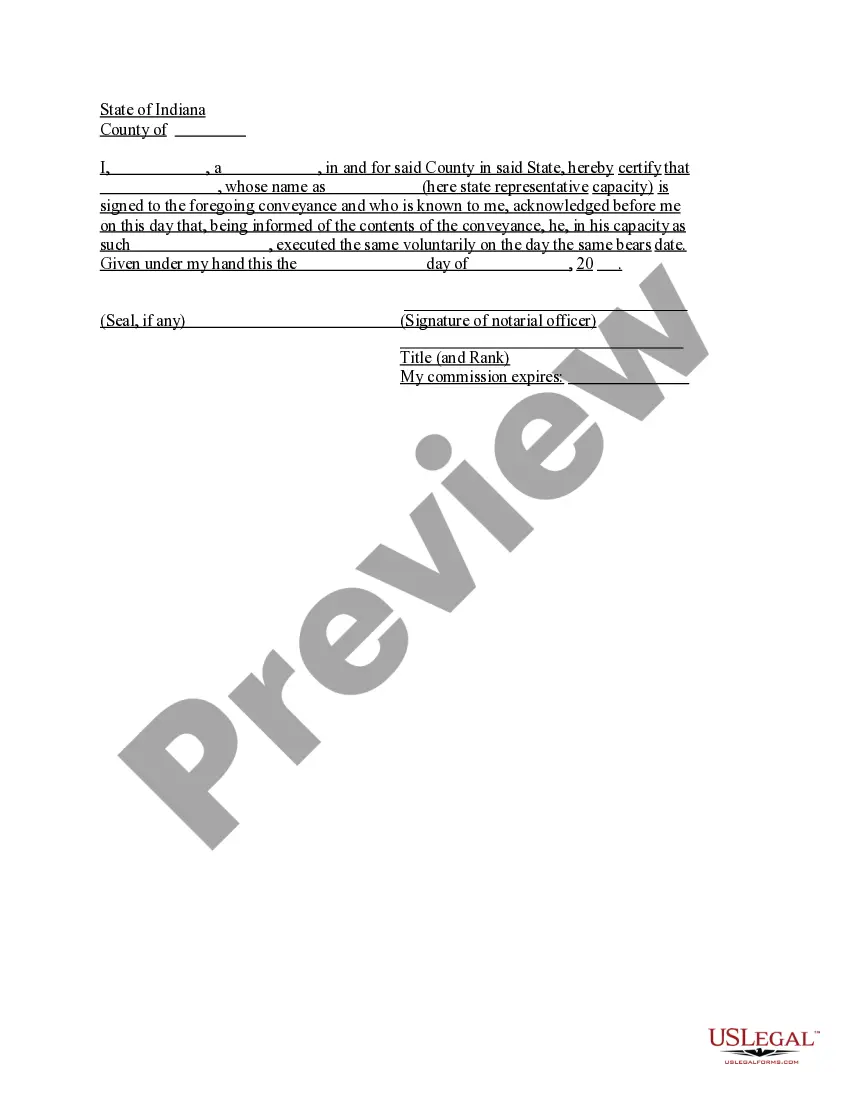
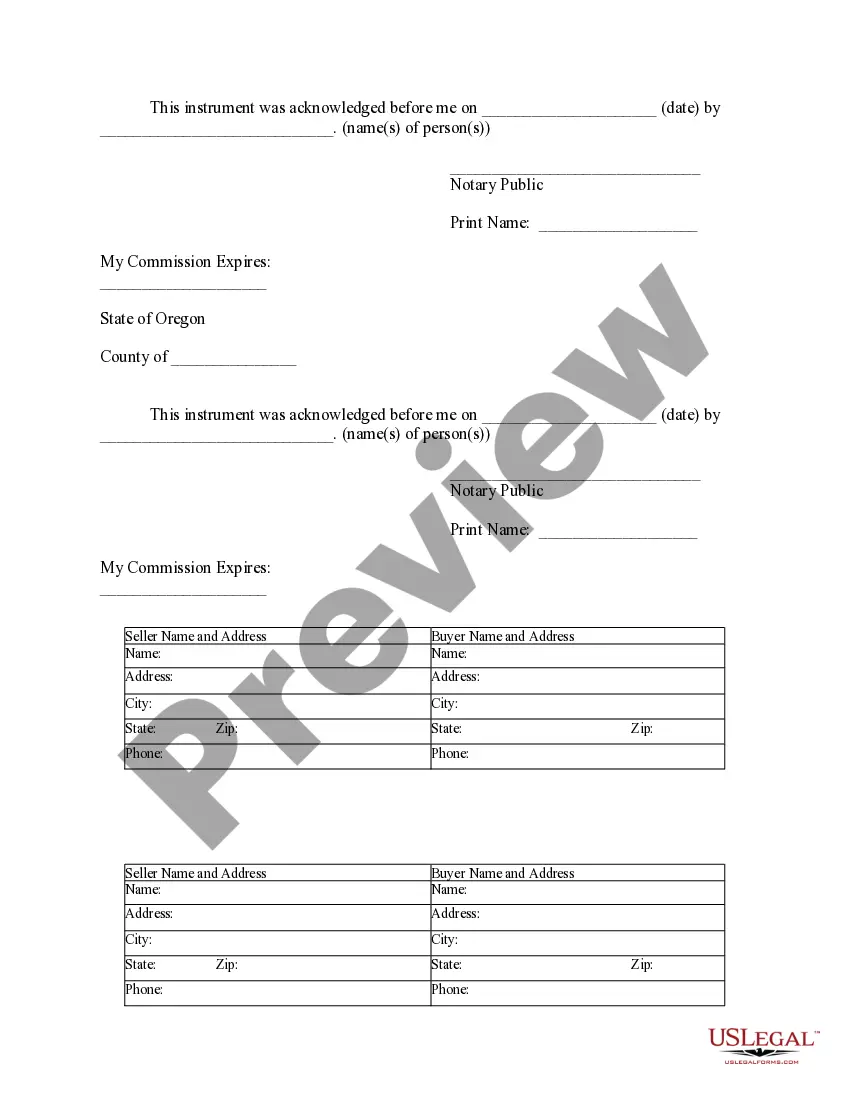
- Notary Section: Confirmation of acknowledgment by a notary public to validate the document.

Common use cases
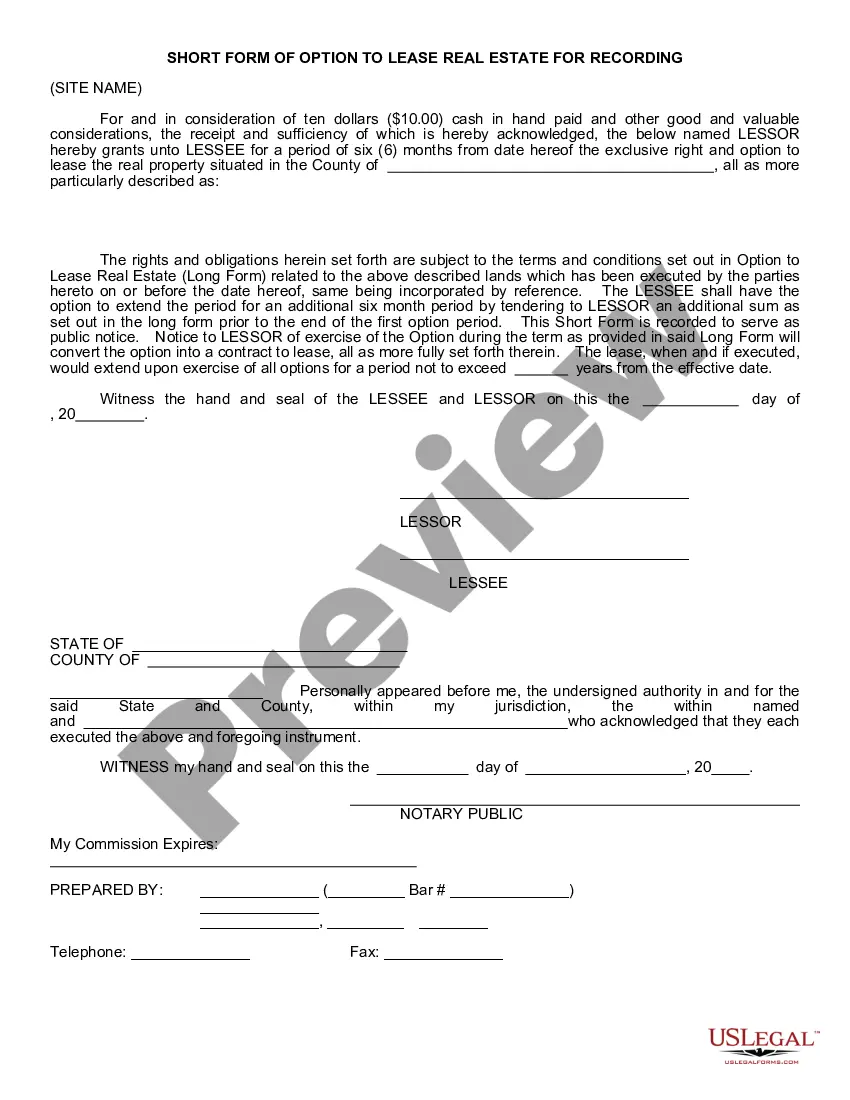
This form should be used when a seller grants a buyer the exclusive right to purchase a property within a specified time frame. It is applicable when parties want to ensure that the option agreement is publicly recorded, making it enforceable against third parties who may have an interest in the property in the future.
Who this form is for
- Real estate sellers wanting to secure their rights while providing a potential buyer with an option.
- Buyers interested in obtaining an exclusive opportunity to purchase a property.
- Real estate agents or attorneys facilitating transaction agreements between buyers and sellers.
Instructions for completing this form
- Identify the parties: Enter the names of both the seller(s) and buyer(s).
- Specify the property: Provide a detailed description of the real estate being sold.
- Set the option period: Indicate the duration of the option, including start and end dates.
- Attach required documentation: Include any additional exhibits that substantiate the option agreement.
- Gather signatures: Ensure all parties sign the document in the appropriate areas.
- Notarize the form: Have the document notarized to validate it legally.
Notarization requirements for this form
This document requires notarization to meet legal standards. US Legal Forms provides secure online notarization powered by Notarize, allowing you to complete the process through a verified video call, available 24/7.
Get your form ready online
Our built-in tools help you complete, sign, share, and store your documents in one place.
Make edits, fill in missing information, and update formatting in US Legal Forms—just like you would in MS Word.
Download a copy, print it, send it by email, or mail it via USPS—whatever works best for your next step.
Sign and collect signatures with our SignNow integration. Send to multiple recipients, set reminders, and more. Go Premium to unlock E-Sign.
If this form requires notarization, complete it online through a secure video call—no need to meet a notary in person or wait for an appointment.
We protect your documents and personal data by following strict security and privacy standards.

Make edits, fill in missing information, and update formatting in US Legal Forms—just like you would in MS Word.

Download a copy, print it, send it by email, or mail it via USPS—whatever works best for your next step.

Sign and collect signatures with our SignNow integration. Send to multiple recipients, set reminders, and more. Go Premium to unlock E-Sign.

If this form requires notarization, complete it online through a secure video call—no need to meet a notary in person or wait for an appointment.

We protect your documents and personal data by following strict security and privacy standards.
Typical mistakes to avoid
- Failing to accurately describe the property, which can lead to disputes.
- Leaving out signatures from essential parties, making the document invalid.
- Neglecting to notarize the form when required by state law.
Why complete this form online
- Convenience: Download and complete the form quickly from any location.
- Editability: Easily fill in the necessary fields and make changes as needed.
- Reliability: Access forms that are drafted by licensed attorneys to ensure legal compliance.
Looking for another form?


Form popularity
FAQ
Contact information is available from the state vital records office at (971) 673-1190. If the death occurred more than six months ago, order the certificate from the state vital records office. You may order the death certificate in person, by mail, the Internet, fax, or telephone.
Are Oregon Death Records Open to the Public? Until 50 years after the death occurred, Oregon death records are not open to the public.
In 12 statesCalifornia, Connecticut, Florida, Illinois, Maryland, Massachusetts, Michigan, Montana, Nevada, New Hampshire, Pennsylvania, and Washingtonall parties involved need to consent before one of them can record the conversation.
Recording A deed should be filed at the Recorder's Office in the County where the property is located (See List of County Offices). Required Disclosure (ORS 93.040) This Statement must be written in all deeds filed in the State of Oregon.
Access Restrictions All birth records, including indexes, have a 100-year access restriction, and death certificates have a 50-year access restriction (Oregon Health Division, OAR 333-011-096). Permission to access vital records in the Archives that are restricted must be obtained through the State Registrar.
In Oregon it is legal to record telephone conversations with the consent of at least one party, but recording in-person conversations requires the consent of all parties except for in certain circumstances, such as when all parties reasonably should have known they were being recorded.
Here are the main things you should know about Oregon surveillance laws: For audio recordings, all parties must be informed of and consent to the recording (posting a sign is not good enough). For telephone conversations, only one party must consent to the recording.
In New South Wales, the Surveillance Devices Act 2007 prohibits the recording of audio conversations without the consent of all parties unless it is reasonably necessary for the purpose of protecting the lawful interests of the party who records the conversation.
OREGON is considered both a One-Party and an All-Party Consent State, in that, at least one person or all persons (depending on the presiding law) involved in the recorded communication must give permission.