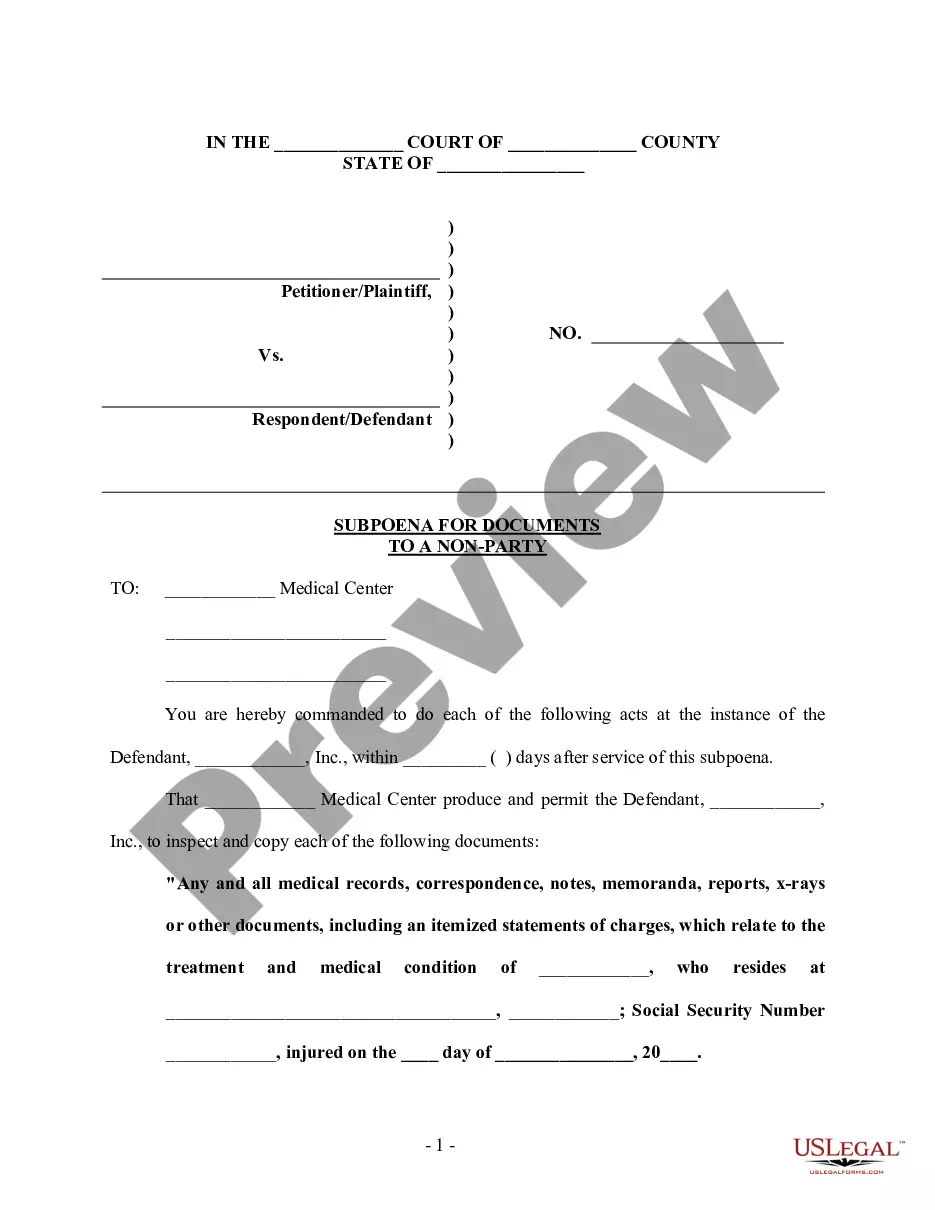
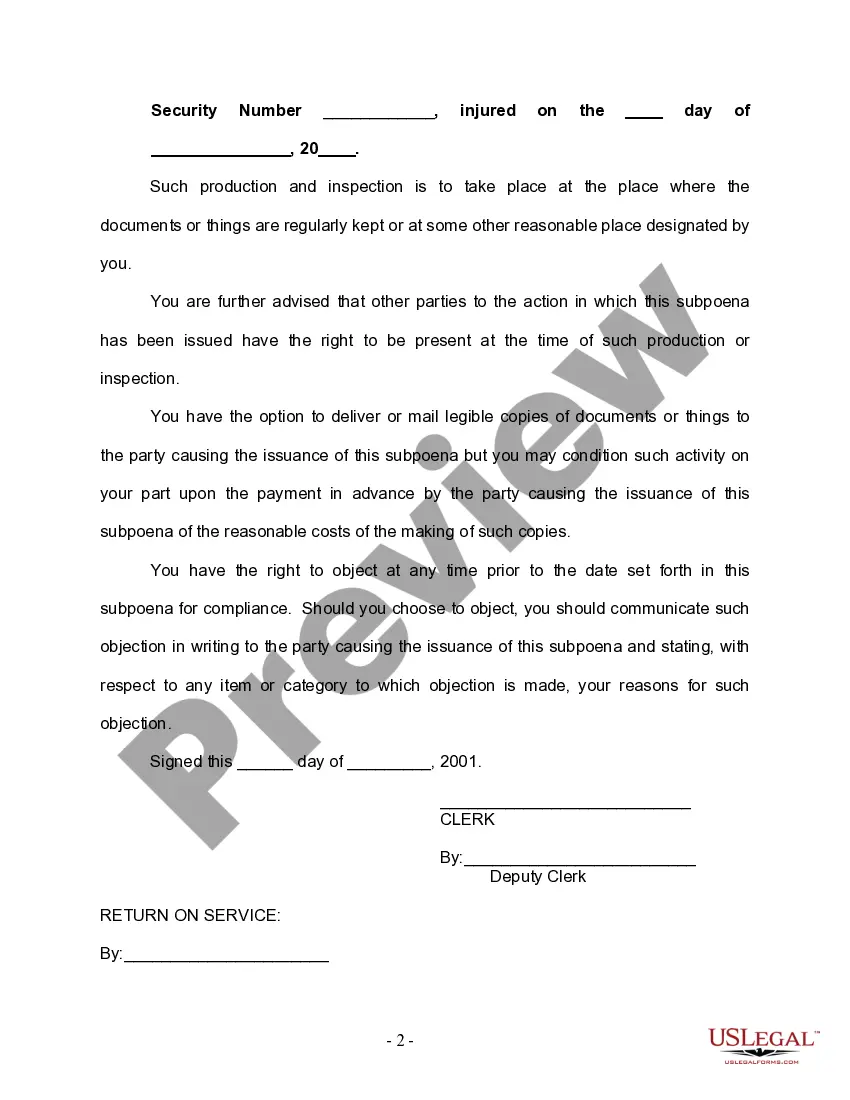
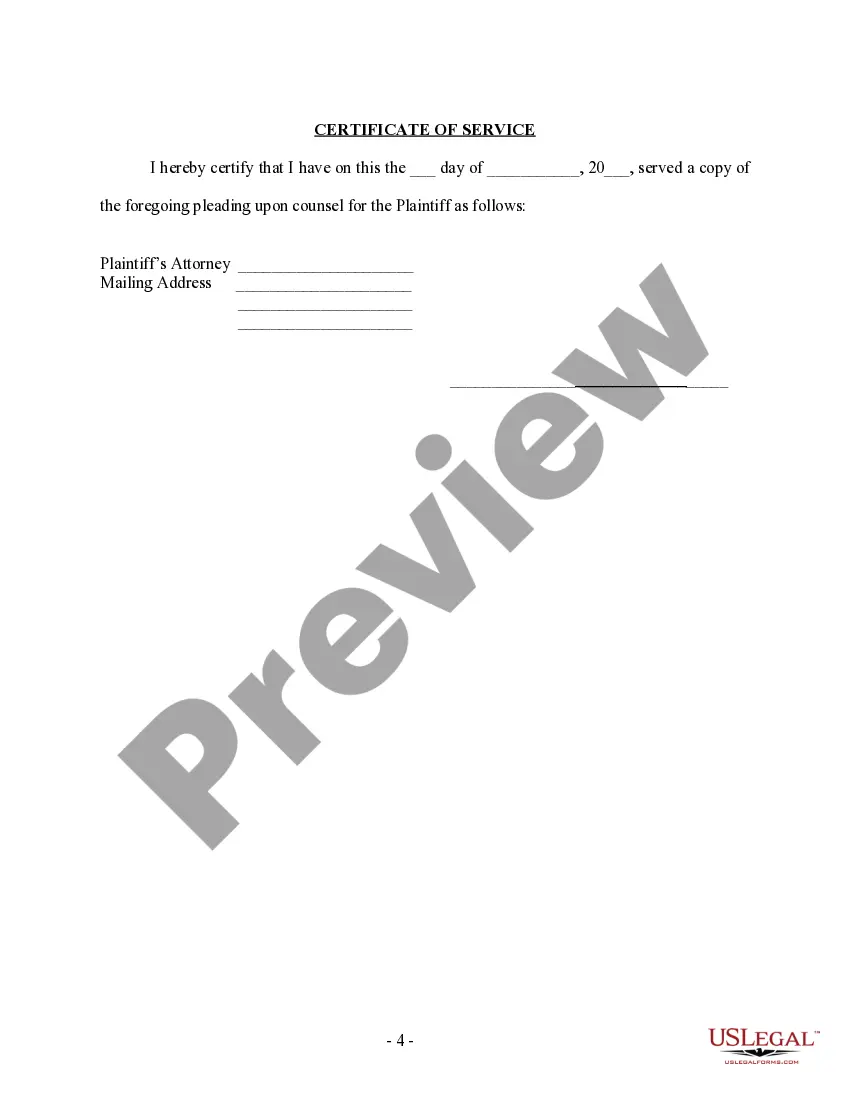
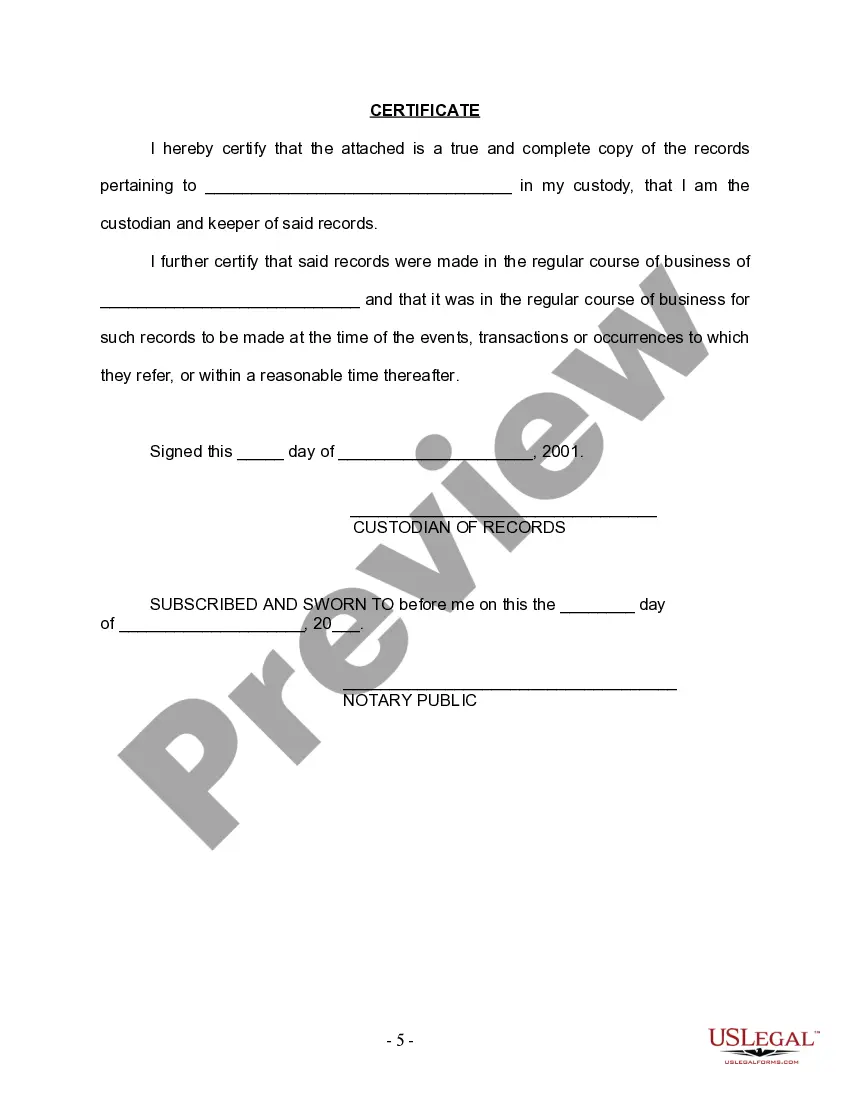
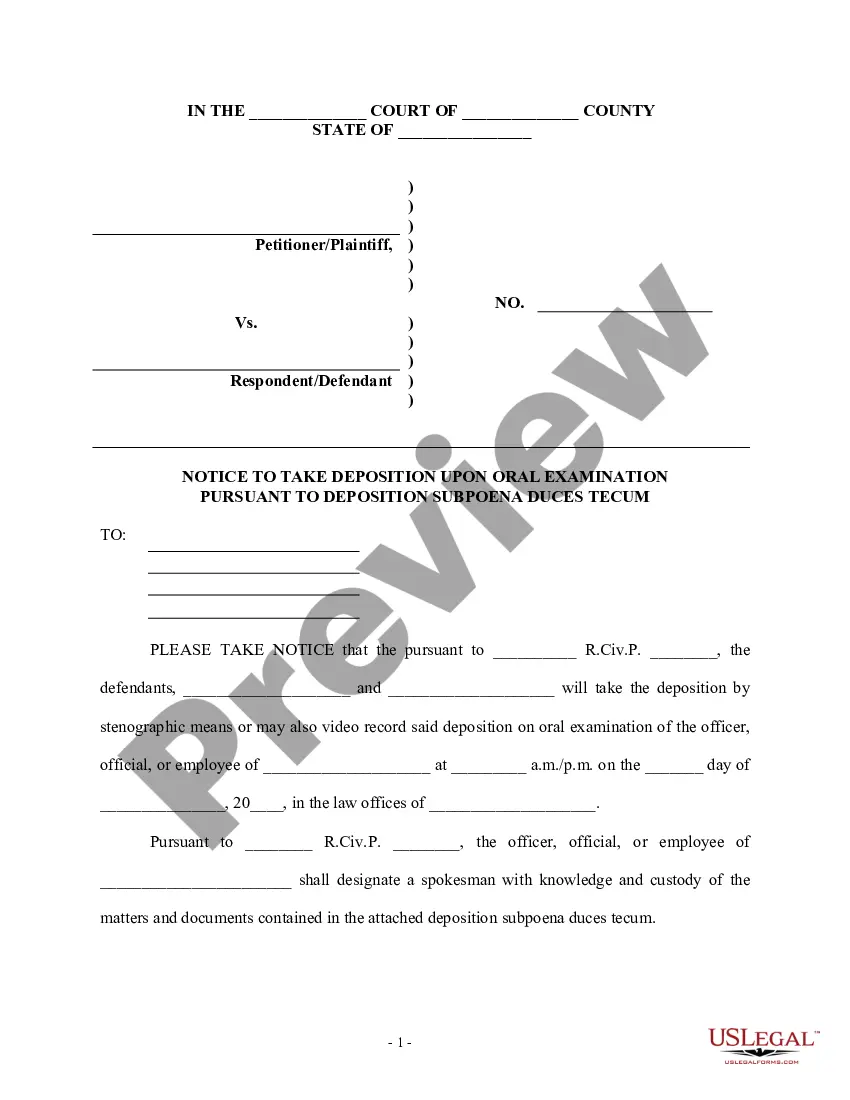
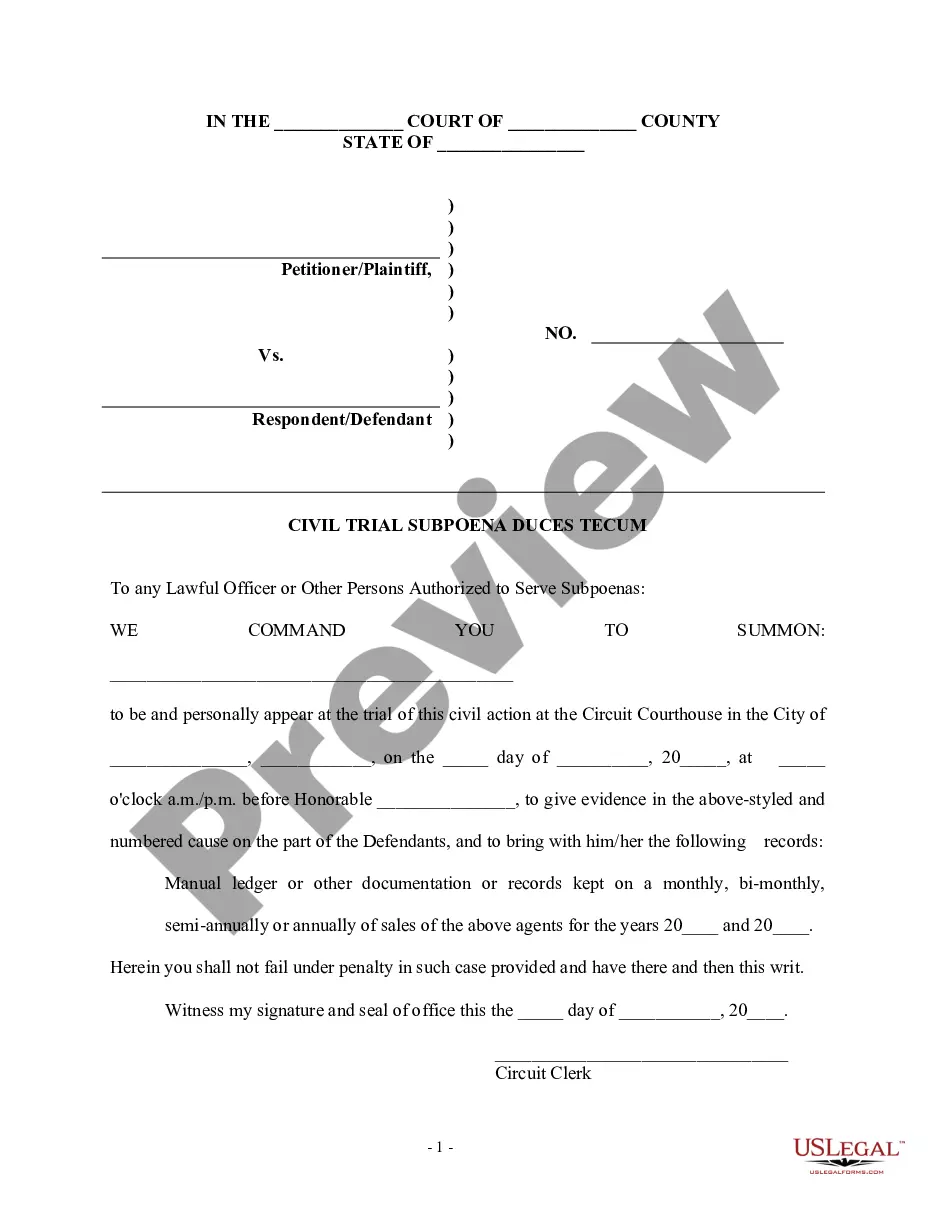
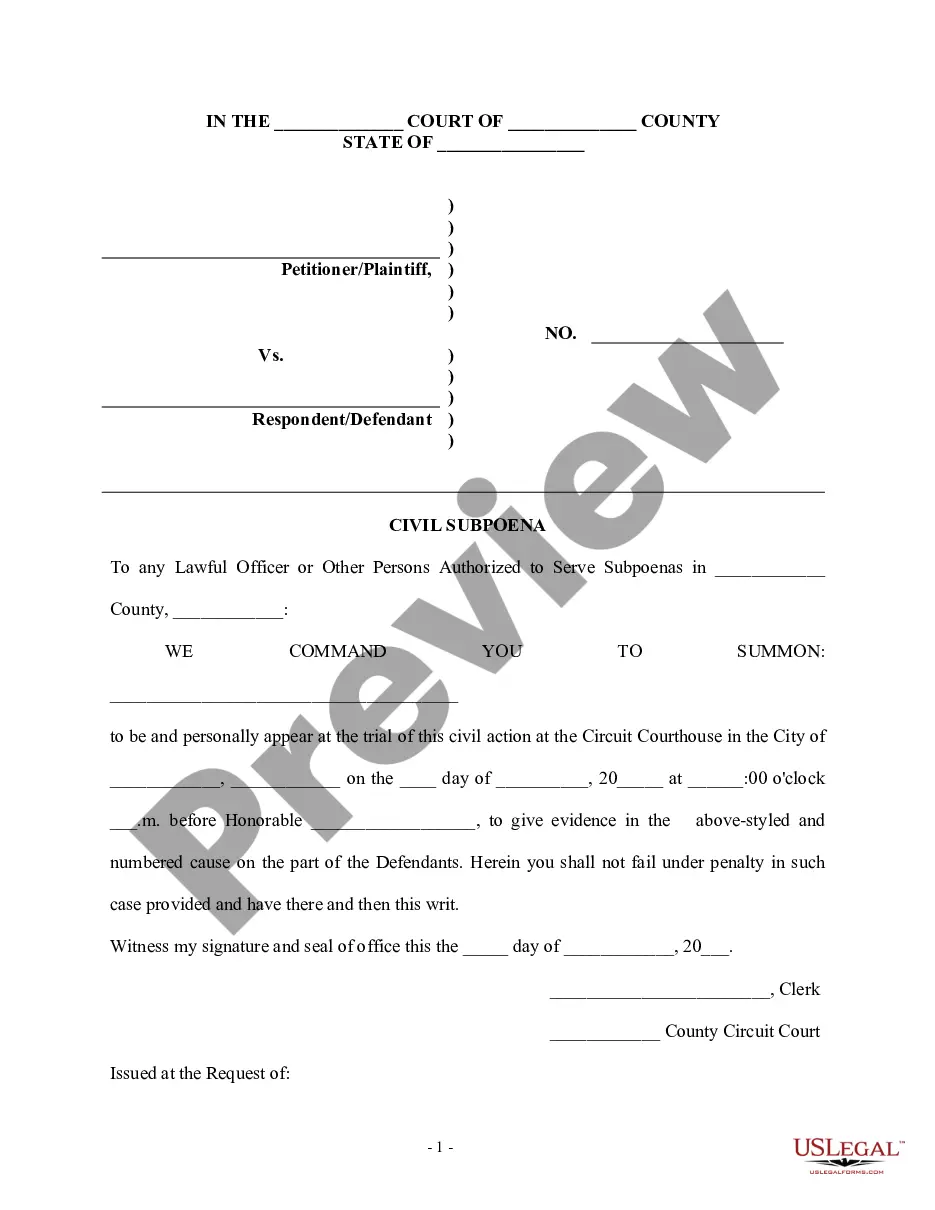
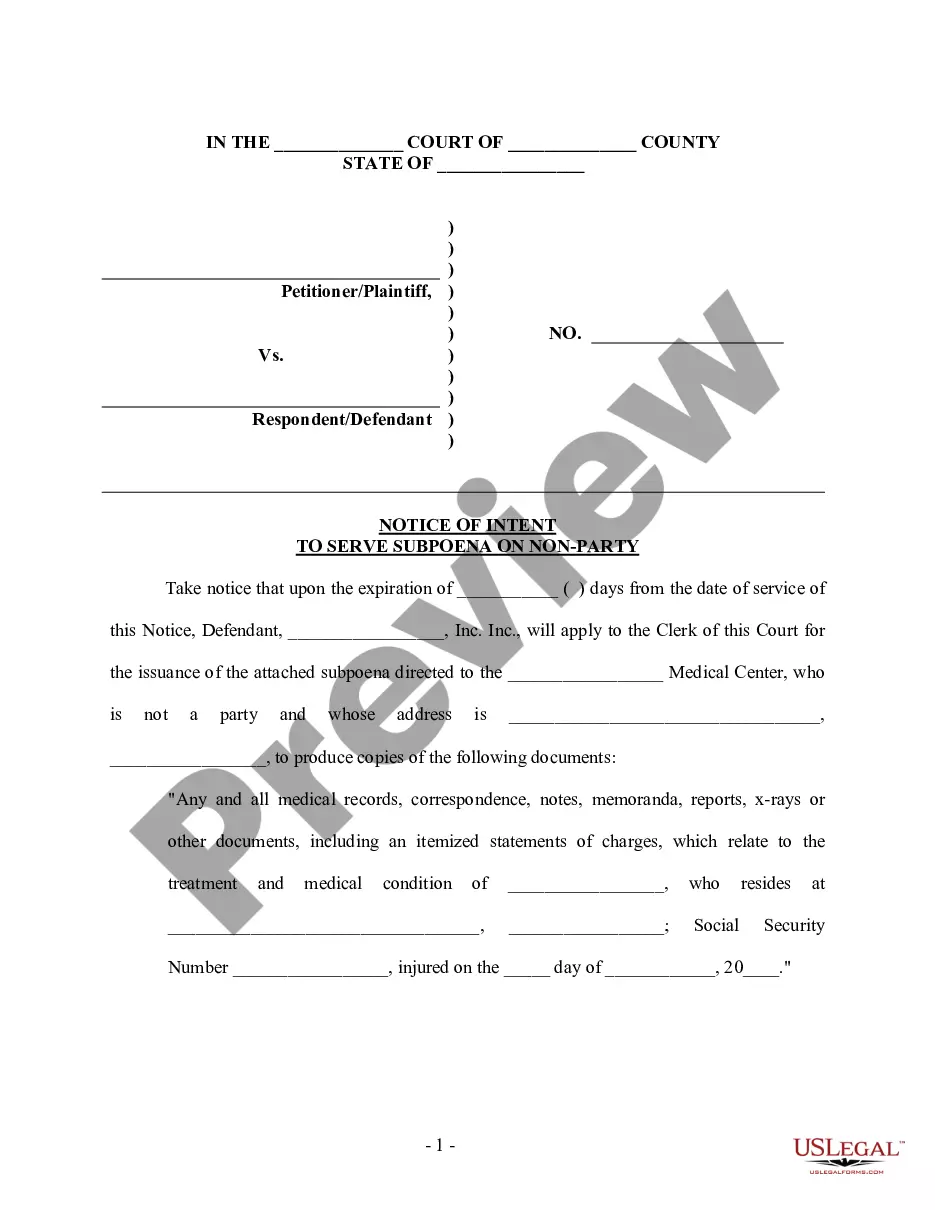
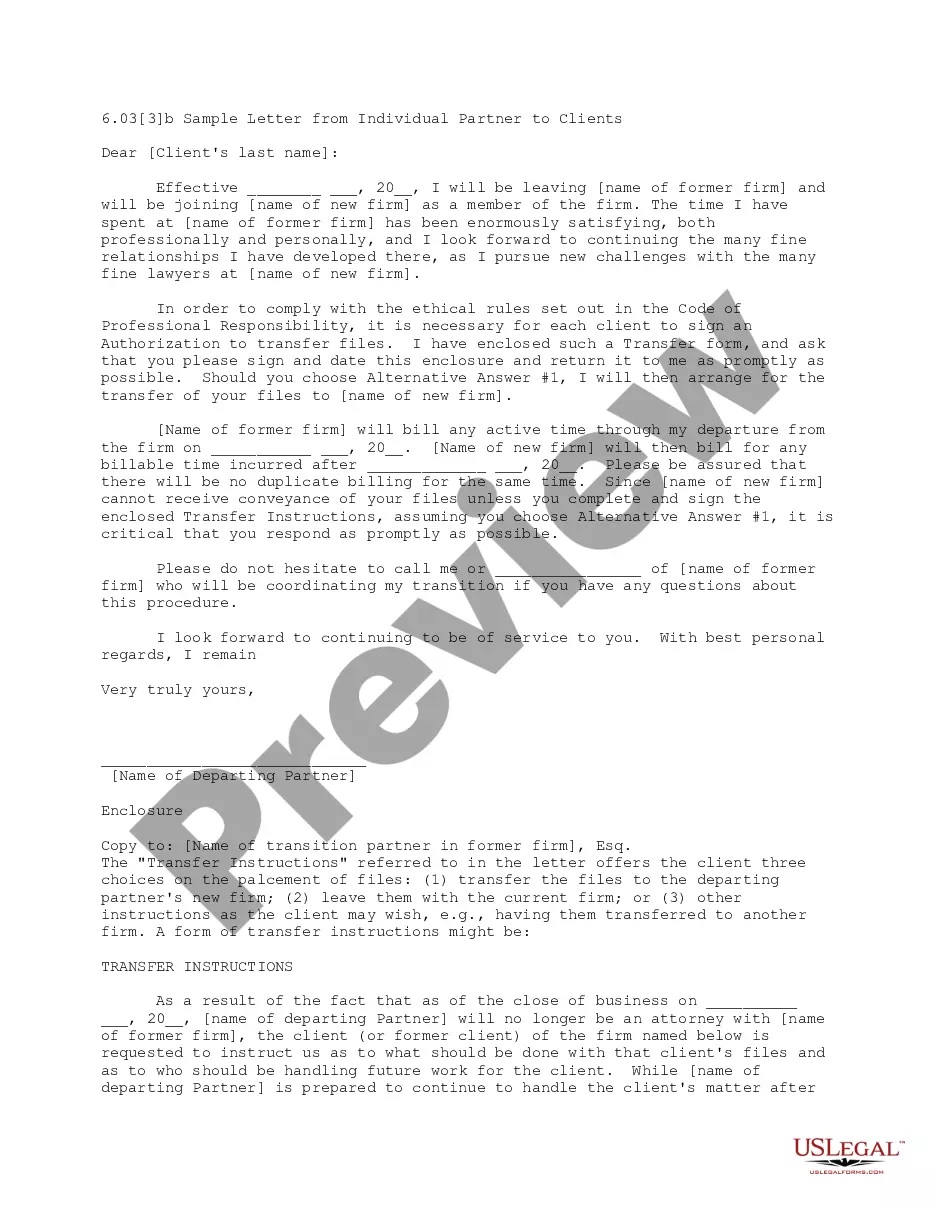
This form is a sample subpoena seeking documents, served upon a non-party to the action.
Oklahoma Subpoena for Documents to a Nonparty
State:
Multi-State
Control #:
US-PI-0315
Format:
Word;
Rich Text
312 downloads
Description
Free preview

Get your form ready online
Our built-in tools help you complete, sign, share, and store your documents in one place.
Built-in online Word editor
Make edits, fill in missing information, and update formatting in US Legal Forms—just like you would in MS Word.
Export easily
Download a copy, print it, send it by email, or mail it via USPS—whatever works best for your next step.
E-sign your document
Sign and collect signatures with our SignNow integration. Send to multiple recipients, set reminders, and more. Go Premium to unlock E-Sign.
Notarize online 24/7
If this form requires notarization, complete it online through a secure video call—no need to meet a notary in person or wait for an appointment.
Store your document securely
We protect your documents and personal data by following strict security and privacy standards.

Make edits, fill in missing information, and update formatting in US Legal Forms—just like you would in MS Word.

Download a copy, print it, send it by email, or mail it via USPS—whatever works best for your next step.

Sign and collect signatures with our SignNow integration. Send to multiple recipients, set reminders, and more. Go Premium to unlock E-Sign.

If this form requires notarization, complete it online through a secure video call—no need to meet a notary in person or wait for an appointment.

We protect your documents and personal data by following strict security and privacy standards.
Looking for another form?
How to fill out Subpoena For Documents To A Nonparty?
Finding the right legal record template can be quite a battle. Of course, there are plenty of layouts accessible on the Internet, but how do you find the legal form you require? Make use of the US Legal Forms site. The support offers thousands of layouts, for example the Oklahoma Subpoena for Documents to a Nonparty, which you can use for organization and private demands. Every one of the forms are examined by pros and meet up with state and federal requirements.
In case you are already registered, log in to your accounts and then click the Down load switch to obtain the Oklahoma Subpoena for Documents to a Nonparty. Utilize your accounts to search with the legal forms you may have bought in the past. Check out the My Forms tab of your respective accounts and have an additional duplicate in the record you require.
In case you are a fresh end user of US Legal Forms, here are straightforward directions that you should follow:
- First, make certain you have chosen the correct form for your area/county. You are able to look over the form using the Review switch and look at the form information to make sure this is basically the right one for you.
- When the form is not going to meet up with your preferences, make use of the Seach field to find the correct form.
- When you are sure that the form is proper, go through the Acquire now switch to obtain the form.
- Pick the pricing plan you need and enter the required information and facts. Make your accounts and purchase the transaction utilizing your PayPal accounts or charge card.
- Choose the file formatting and acquire the legal record template to your device.
- Total, revise and print out and indication the obtained Oklahoma Subpoena for Documents to a Nonparty.
US Legal Forms will be the greatest local library of legal forms in which you can discover different record layouts. Make use of the company to acquire skillfully-produced files that follow state requirements.
Form popularity
FAQ
Service may be made in person, by certified mail, with return receipt, by leaving a copy of the subpoena at the principal place of business of the party, with the party, or an employee who customarily serves as the secretary or receptionist of the party. Service may also be made in any other manner provided by law.
A nonparty may be required to produce documents at his or her deposition. The client is not involved in the production of documents. Interrogatories are best used at an early stage in the discovery process to help an attorney determine what documents are available for a later document production request.
It's based on Oklahoma Civil Rules of Procedure, which applies to pretty much all civil cases, and that requirement is you have to give three days' plus travel time notice of a subpoena to appear at court.
A subpoena is a court order that requires a party (or a witness who is not a party) to come to court to testify. It can also require the person to bring certain papers to the court hearing or trial.
Under the rules, a subpoena rather than a notice of examination is served on a non-party to compel attendance at the taking of a deposition. The amendment provides that a subpoena may name a non-party organization as the deponent and may indicate the matters about which discovery is desired.
A subpoena duces tecum or a subpoena for documents is a court order that requires a third party to produce documents. It is different from a subpoena for testimony, or subpoena ad testificandum, because it does not require the party to give testimony.
Under the rules, a subpoena rather than a notice of examination is served on a non-party to compel attendance at the taking of a deposition. The amendment provides that a subpoena may name a non-party organization as the deponent and may indicate the matters about which discovery is desired.
1. A party may take the testimony of any person, including a party, by deposition upon oral examination without leave of court except as provided in paragraph 2 of this subsection. The attendance of witnesses may be compelled by subpoena as provided in Section 2004.1 of this title.