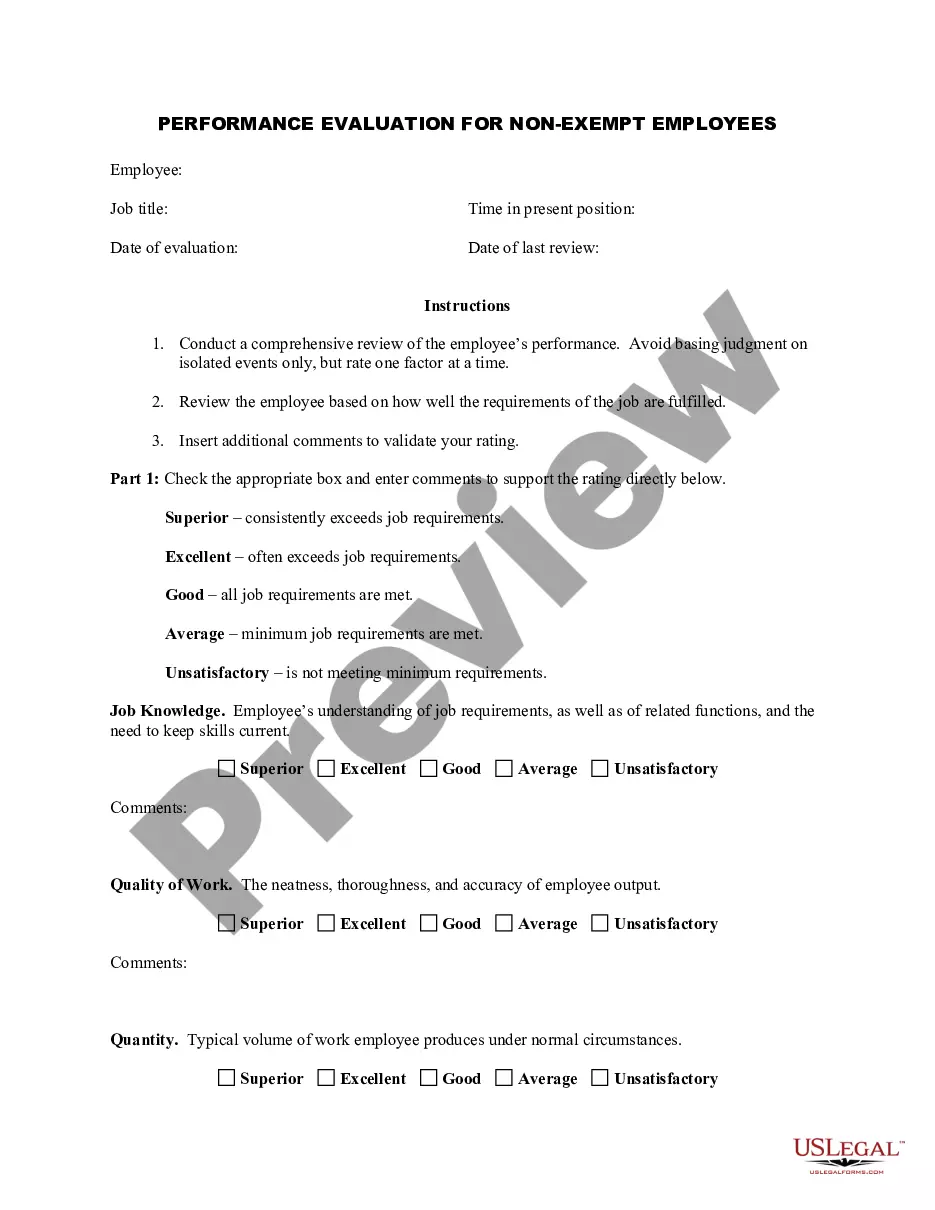
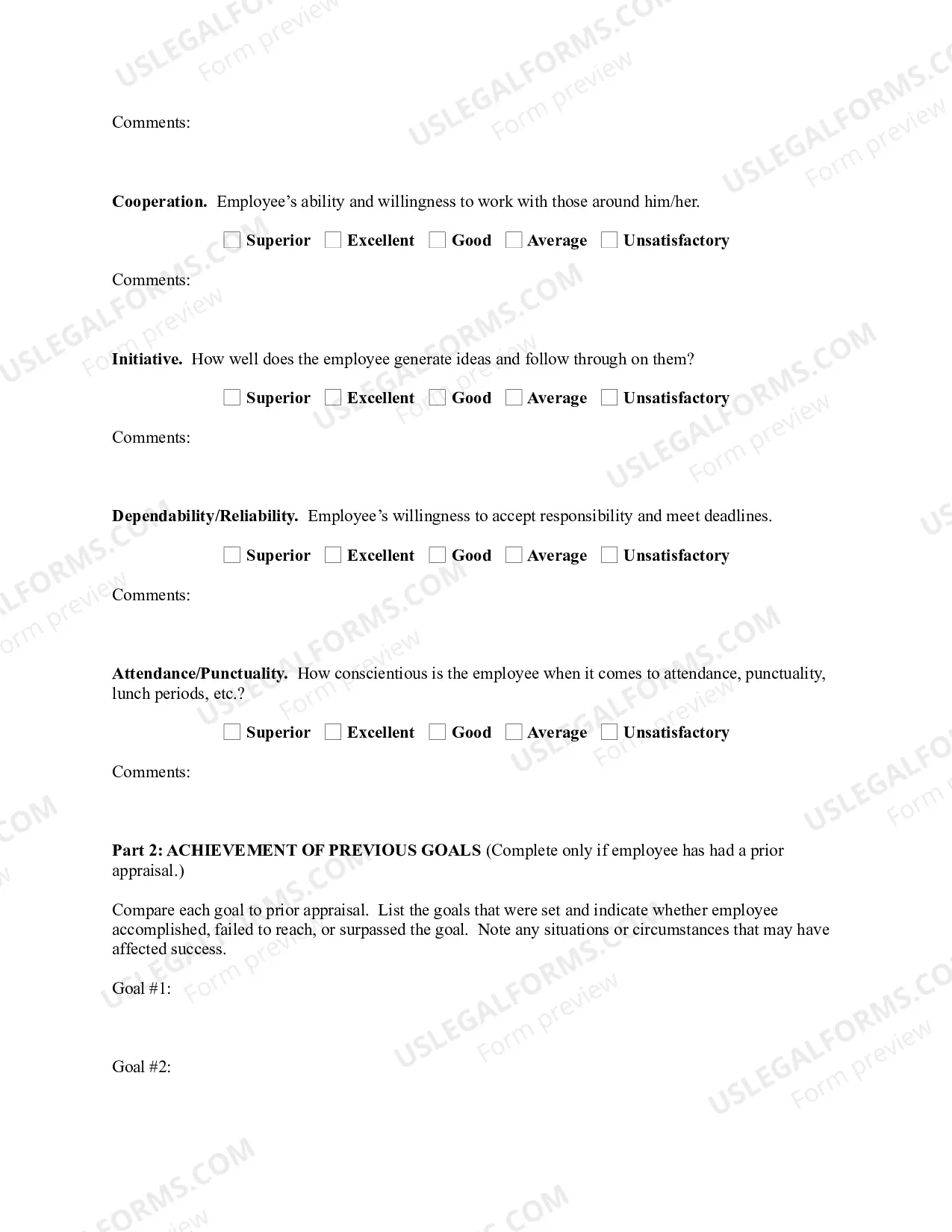
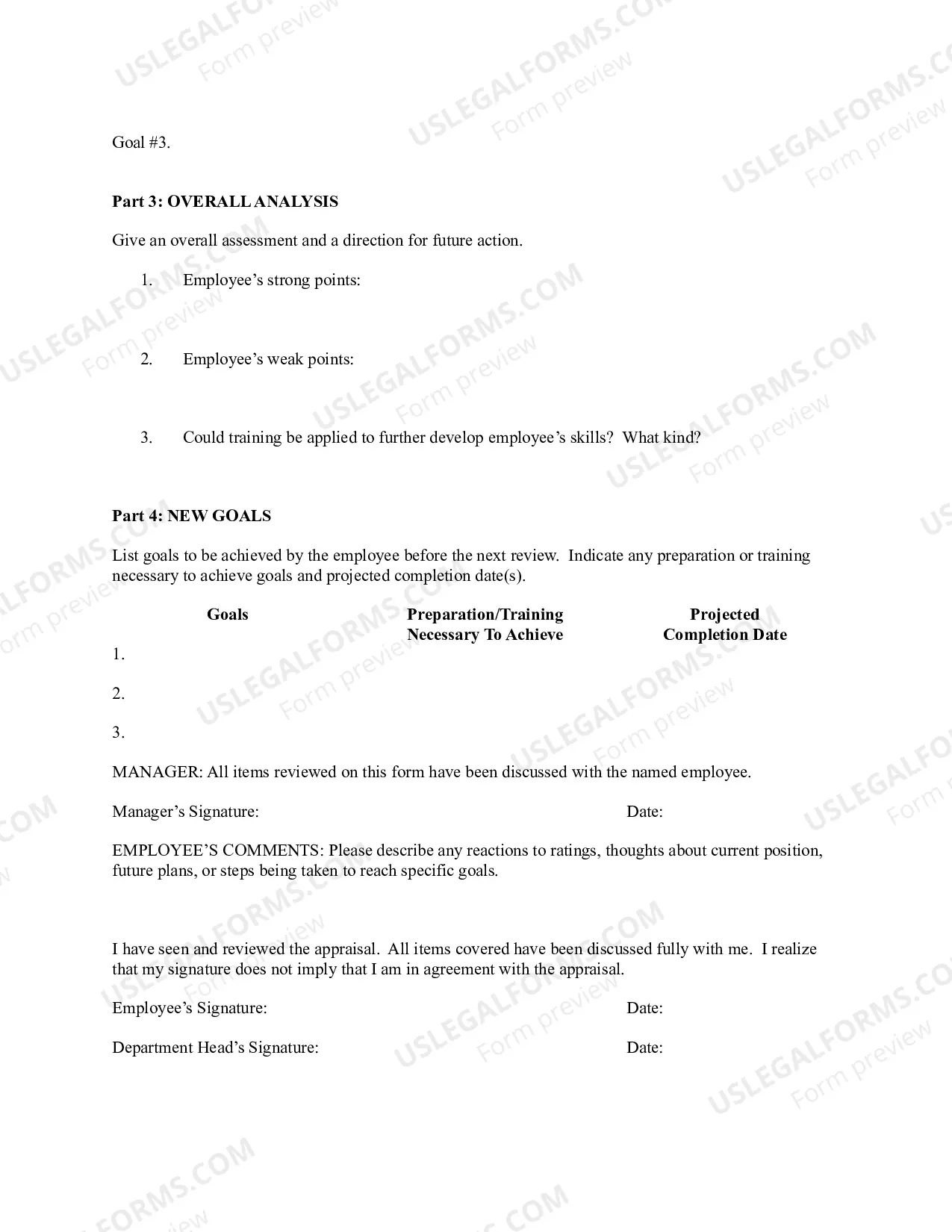
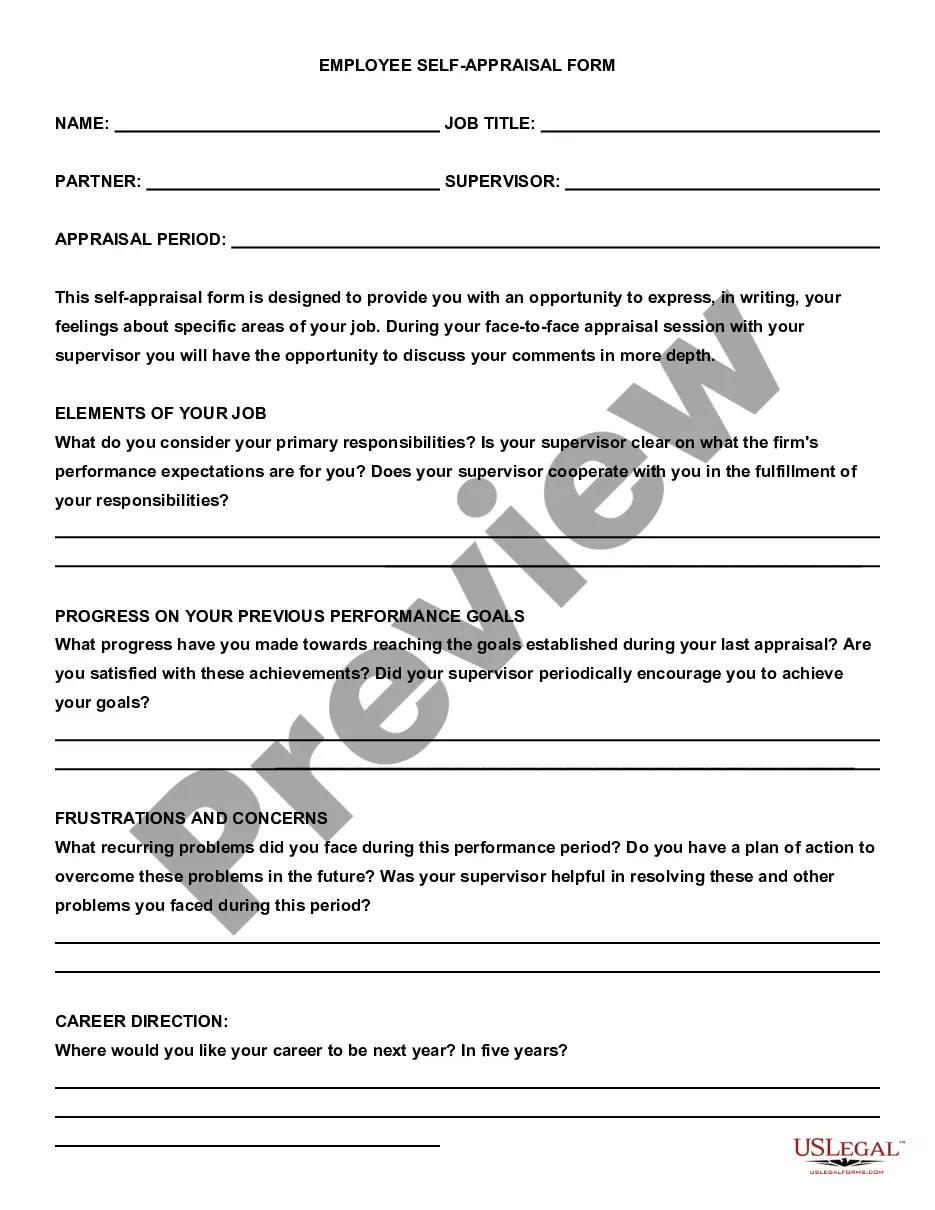
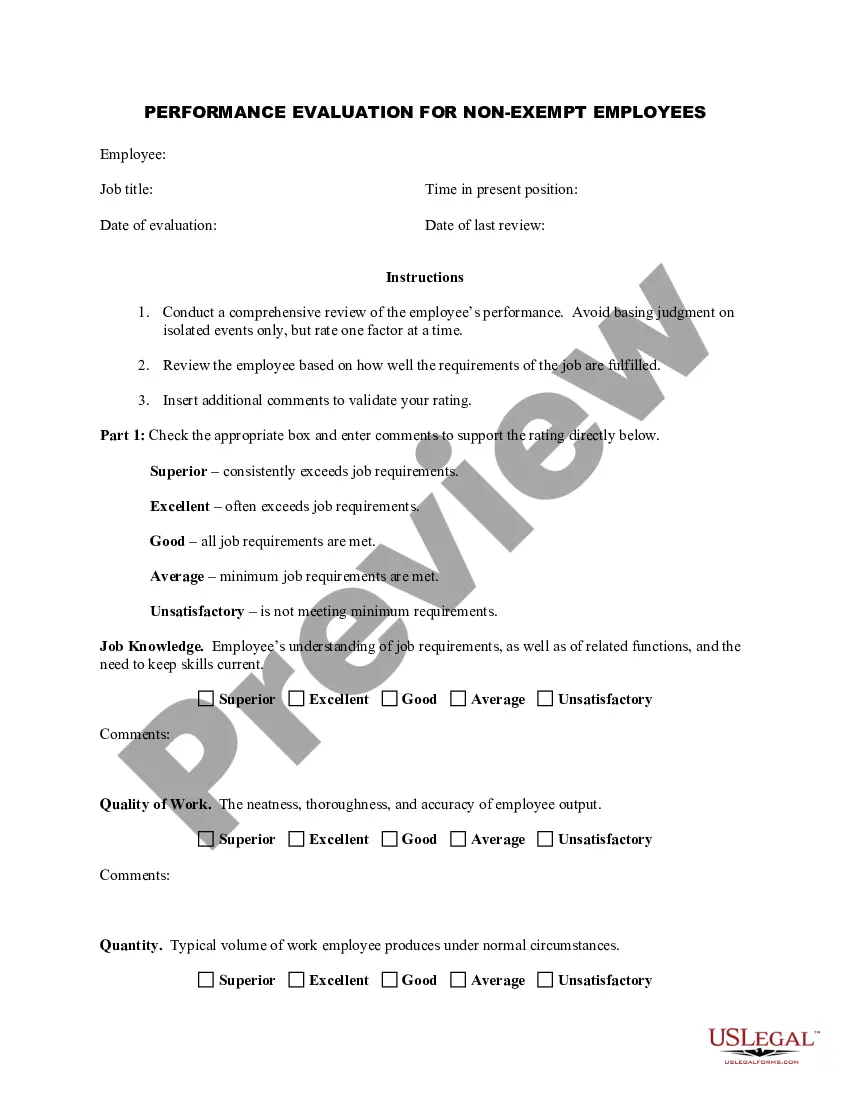
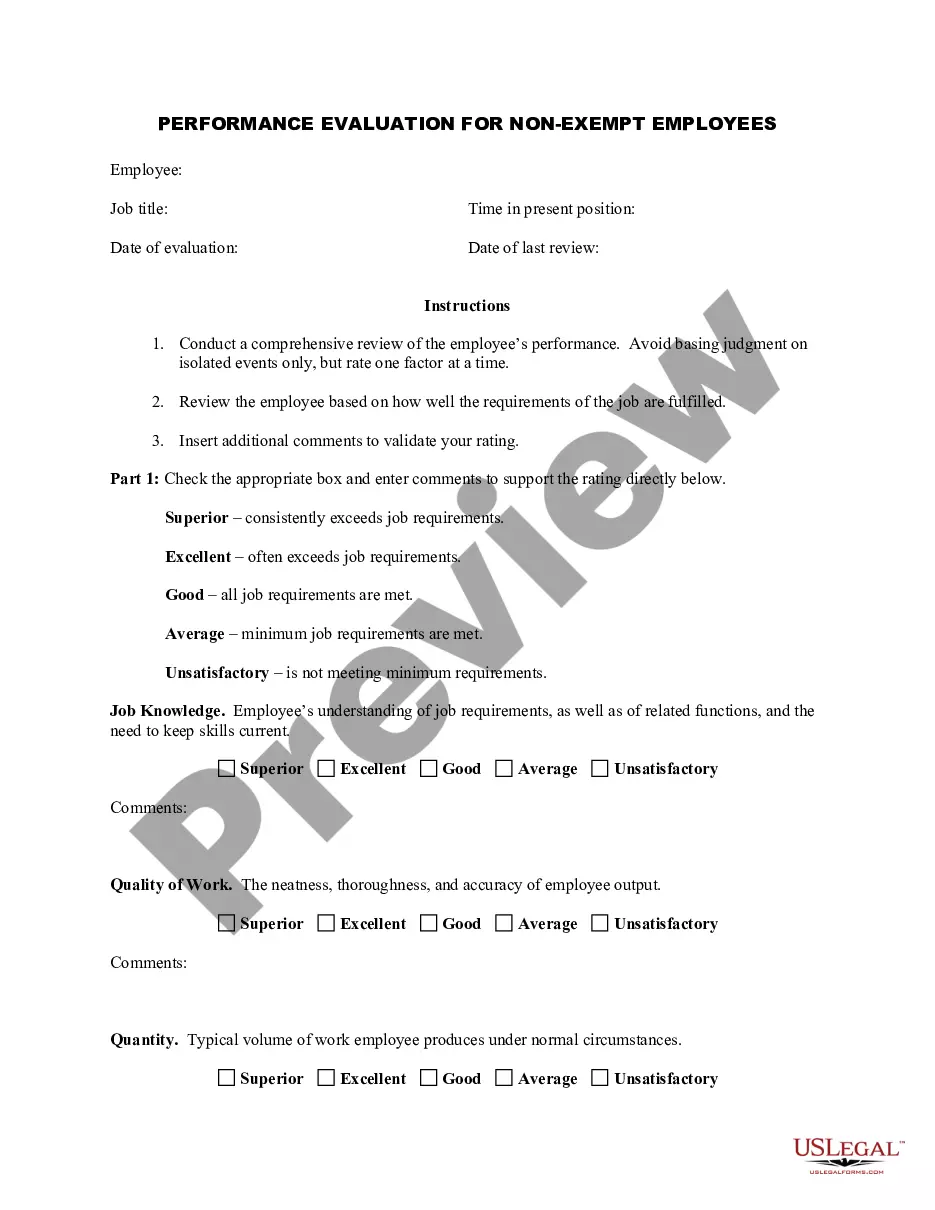
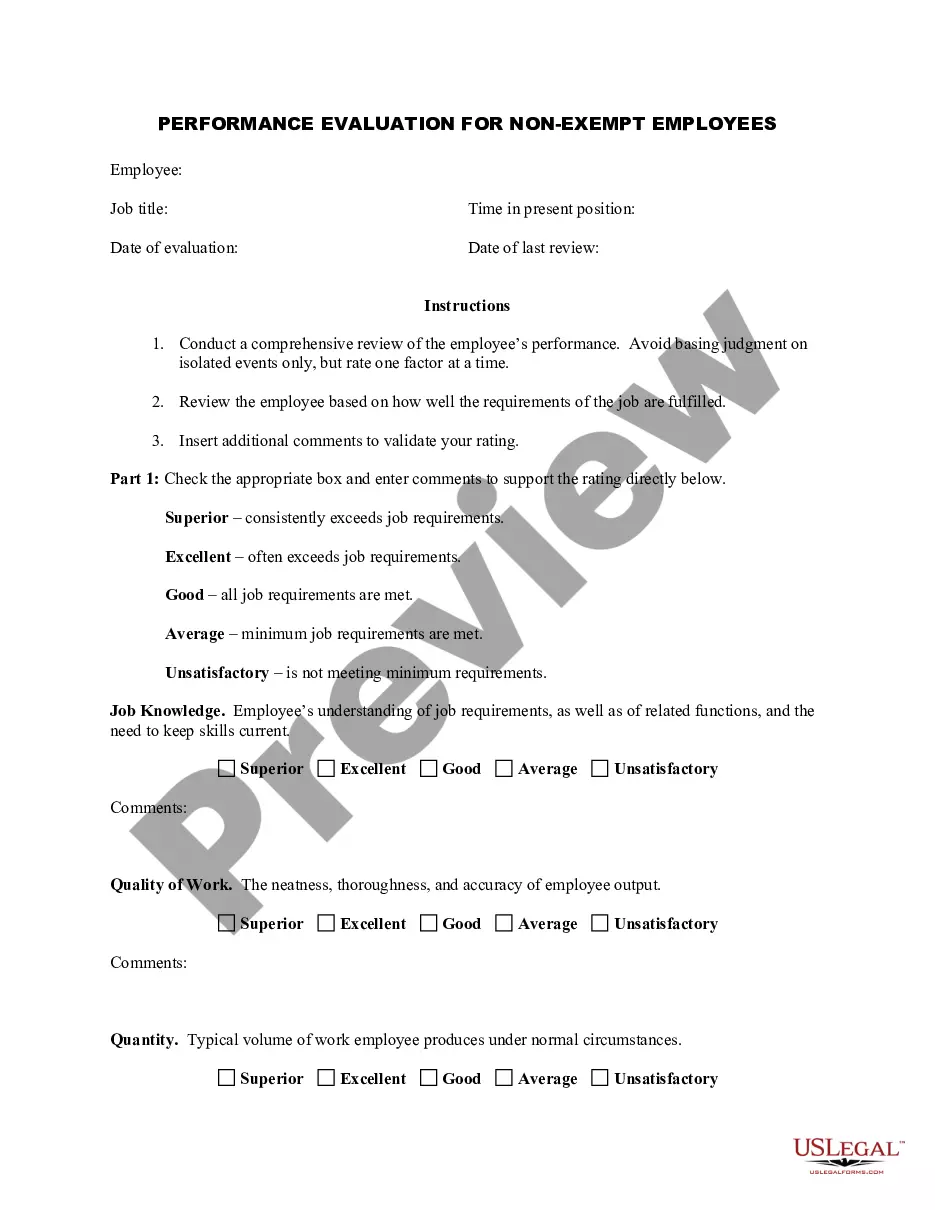
Oklahoma Employee Evaluation Form for Teacher
Description
Get your form ready online
Our built-in tools help you complete, sign, share, and store your documents in one place.
Make edits, fill in missing information, and update formatting in US Legal Forms—just like you would in MS Word.
Download a copy, print it, send it by email, or mail it via USPS—whatever works best for your next step.
Sign and collect signatures with our SignNow integration. Send to multiple recipients, set reminders, and more. Go Premium to unlock E-Sign.
If this form requires notarization, complete it online through a secure video call—no need to meet a notary in person or wait for an appointment.
We protect your documents and personal data by following strict security and privacy standards.

Make edits, fill in missing information, and update formatting in US Legal Forms—just like you would in MS Word.

Download a copy, print it, send it by email, or mail it via USPS—whatever works best for your next step.

Sign and collect signatures with our SignNow integration. Send to multiple recipients, set reminders, and more. Go Premium to unlock E-Sign.

If this form requires notarization, complete it online through a secure video call—no need to meet a notary in person or wait for an appointment.

We protect your documents and personal data by following strict security and privacy standards.
Looking for another form?






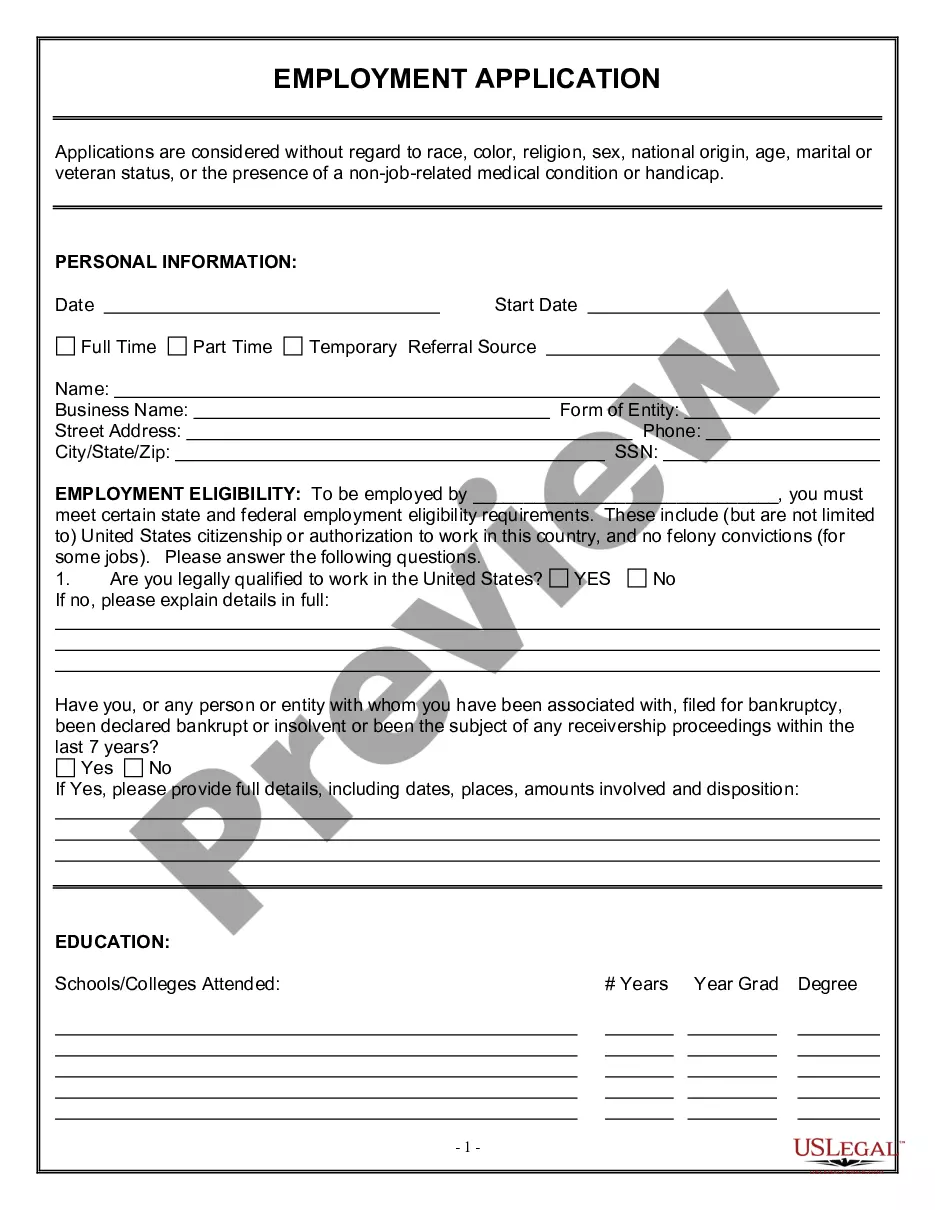

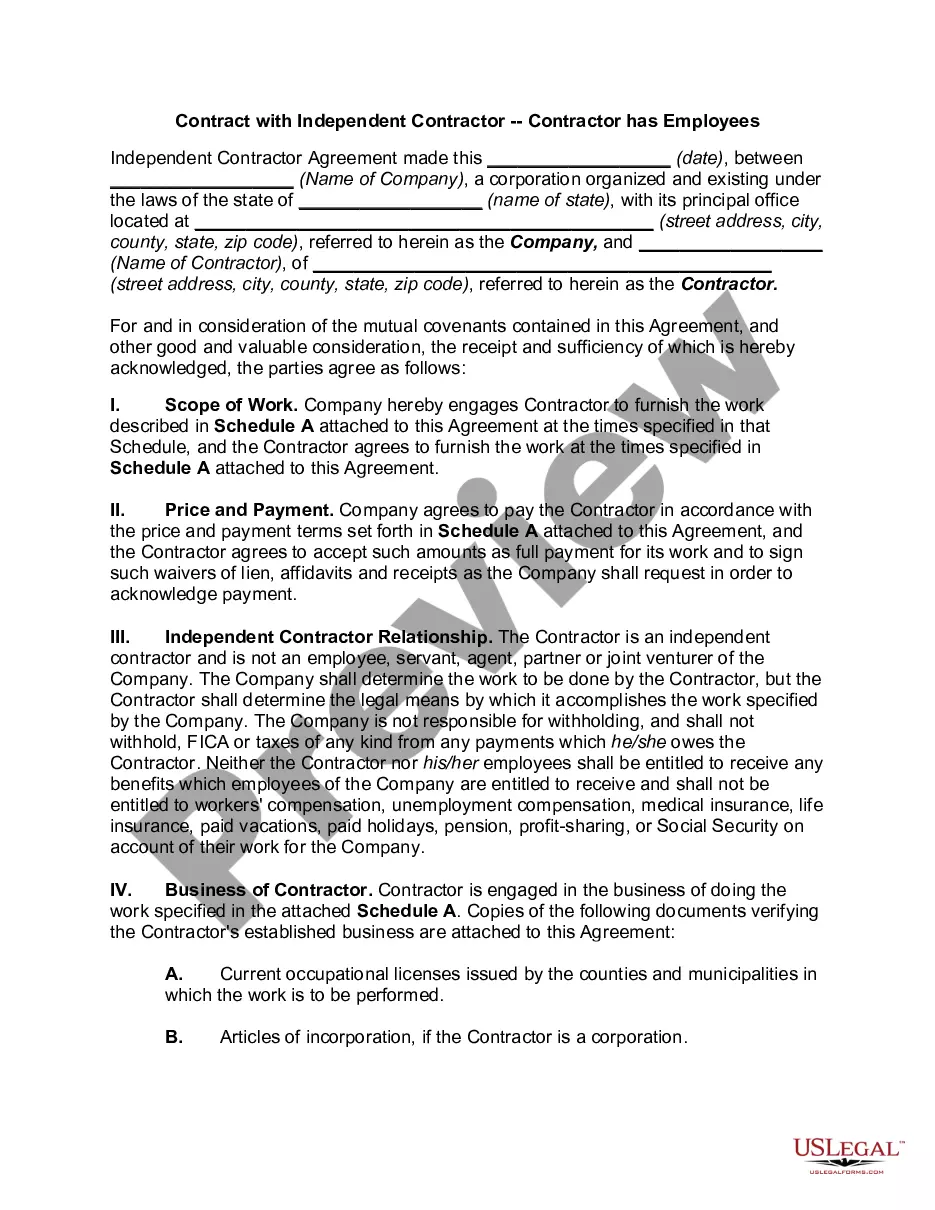
How to fill out Employee Evaluation Form For Teacher?
Are you in the circumstance where you require documents for either corporate or personal reasons nearly every day.
There are numerous legitimate document templates available online, yet finding versions you can trust is not easy.
US Legal Forms offers thousands of form templates, such as the Oklahoma Employee Evaluation Form for Teacher, which are crafted to meet federal and state requirements.
Once you find the correct template, click on Purchase now.
Select the pricing plan you prefer, provide the necessary information to create your account, and complete your purchase using PayPal or Visa or Mastercard.
- If you are already acquainted with the US Legal Forms website and have an account, simply Log In.
- After that, you can download the Oklahoma Employee Evaluation Form for Teacher template.
- If you do not possess an account and wish to begin using US Legal Forms, follow these instructions.
- Locate the template you need and ensure it belongs to the correct town/state.
- Utilize the Review option to verify the form.
- Examine the description to confirm you have selected the right template.
- If the template is not what you’re looking for, use the Search field to find the template that meets your requirements.
Form popularity
FAQ
See AlsoUnderstand Your Evaluation Tool. Get out of the compliance mindset.Pre-Game With the Teacher.Visit Classrooms Early and Often.Observe EverythingNot Just the Teacher.Provide Immediate Feedback.Find a 'Root Cause'Give Teachers a Voice.Provide Opportunities to Improve and Grow.
BEFORE A TEACHER EVALUATIONChoose a topic wisely. Select a subject about which you feel passionate and well-versed.Test drive the lesson.Talk to your evaluator.Explain the scope and sequence.Consider classroom decor and seating.Move around.
Evaluations should include multi-faceted evidence of teacher practice, student learning, and professional contributions that are considered in an integrated fashion, in relation to one another and to the teaching context.
Two of the most widely used measures of teacher effectiveness value-added models and classroom observationsare discussed. Then, other methodsprincipal evaluations, analyses of classroom artifacts, portfolios, self-reports of practice, and student evaluationsare examined.
In general, teacher evaluation refers to the formal process a school uses to review and rate teachers' performance and effectiveness in the classroom. Ideally, the findings from these evaluations are used to provide feedback to teachers and guide their professional development.
Explain your relationship to the teacher, including details as to how long you have known the teacher in this capacity as well as outlining your history with the teacher if you have one. If, for example, you are a student writing an evaluation of a teacher who has instructed you in several courses, explain this.
For a teacher evaluation system to be truly effective, it should set clear, rigorous performance expectations for teachers that lead to strong student achievement. Evaluations should use objective data to fairly and reliably measure teacher performance against those standards.
DURING A TEACHER EVALUATIONStart class right away.Incorporate differentiation.Talk to students.Reflect.Student contribution.Have your evidence ready.Show them your portfolio.Explain your rules and procedures.More items...?
Explain your relationship to the teacher, including details as to how long you have known the teacher in this capacity as well as outlining your history with the teacher if you have one. If, for example, you are a student writing an evaluation of a teacher who has instructed you in several courses, explain this.