Oklahoma License Agreement for Software
Description
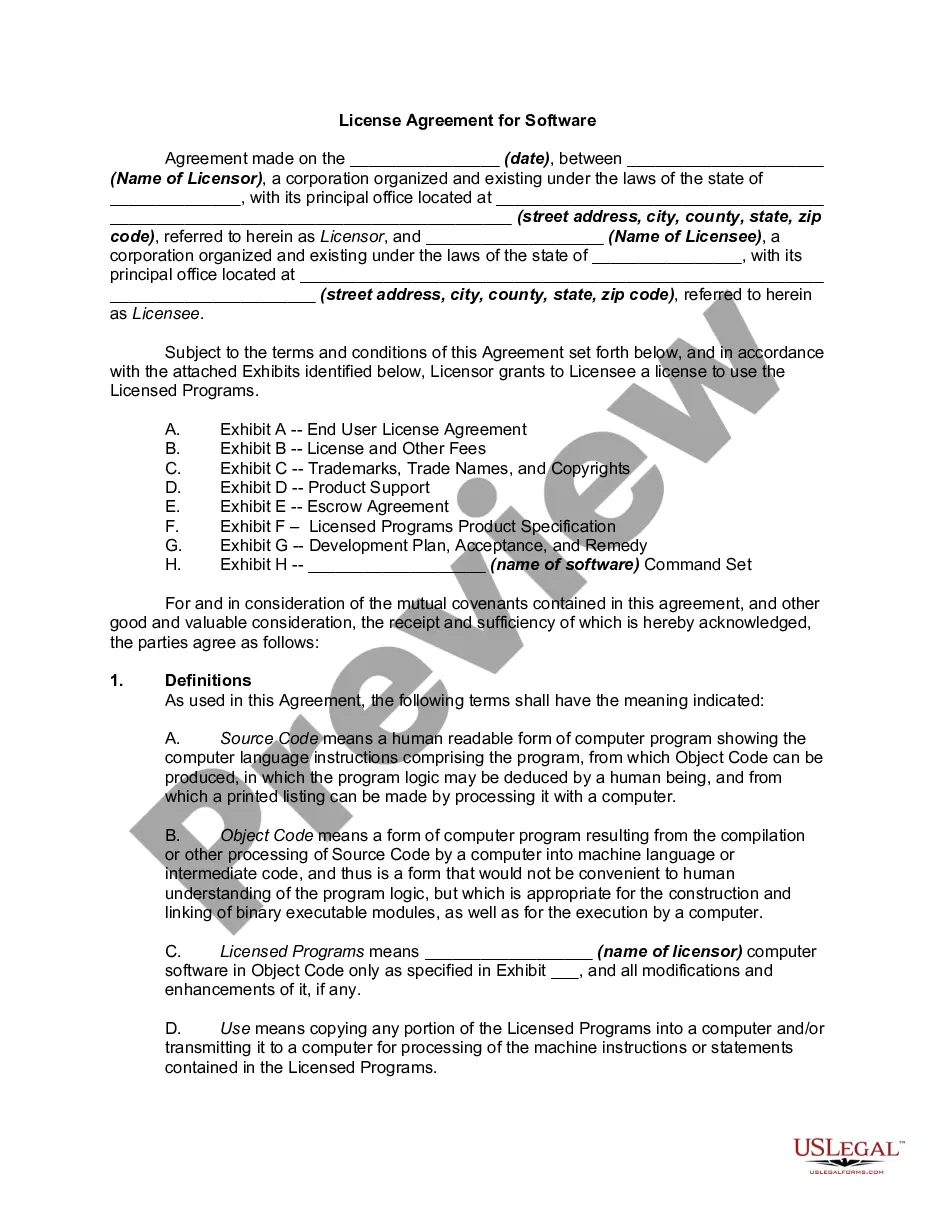
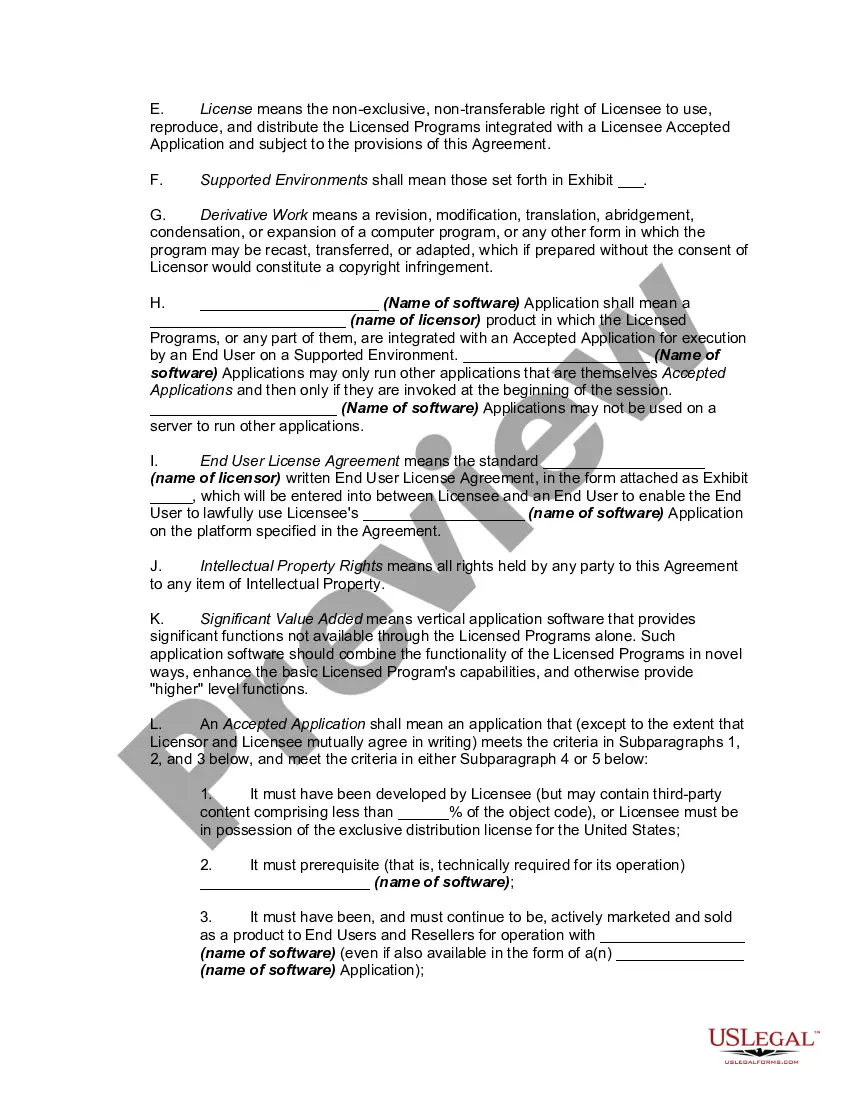
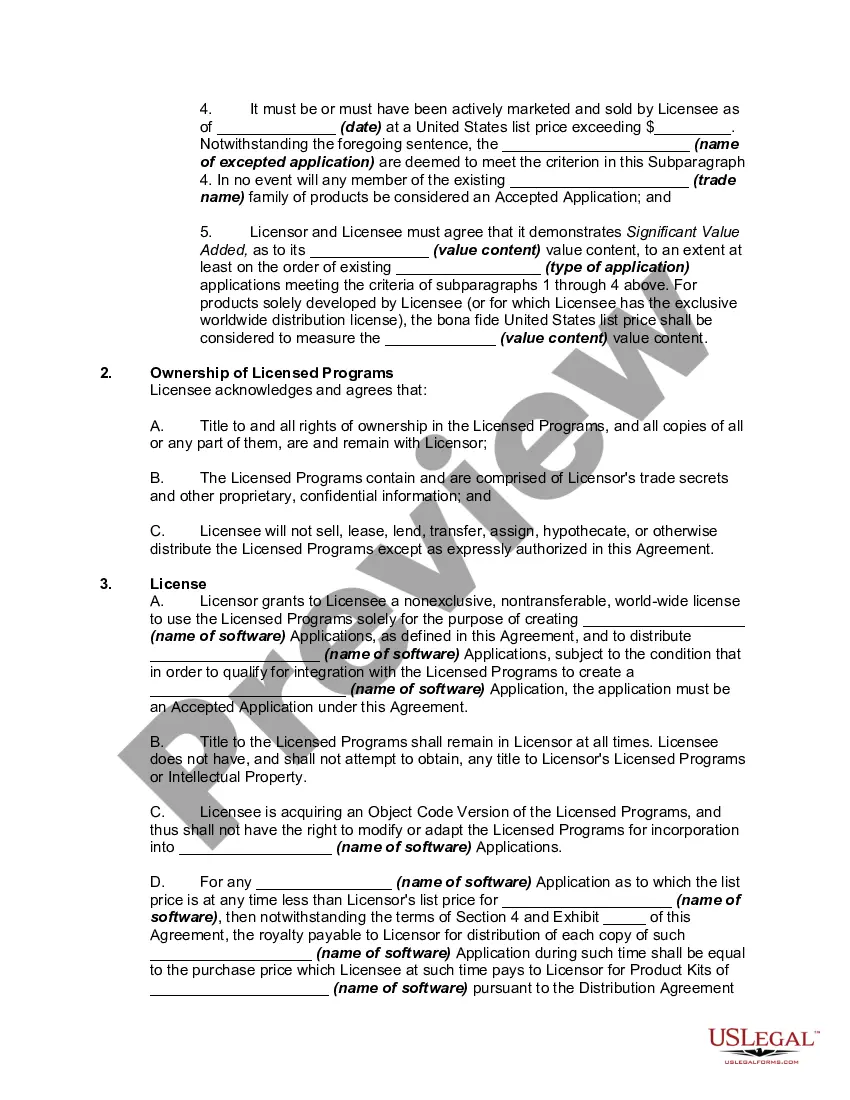
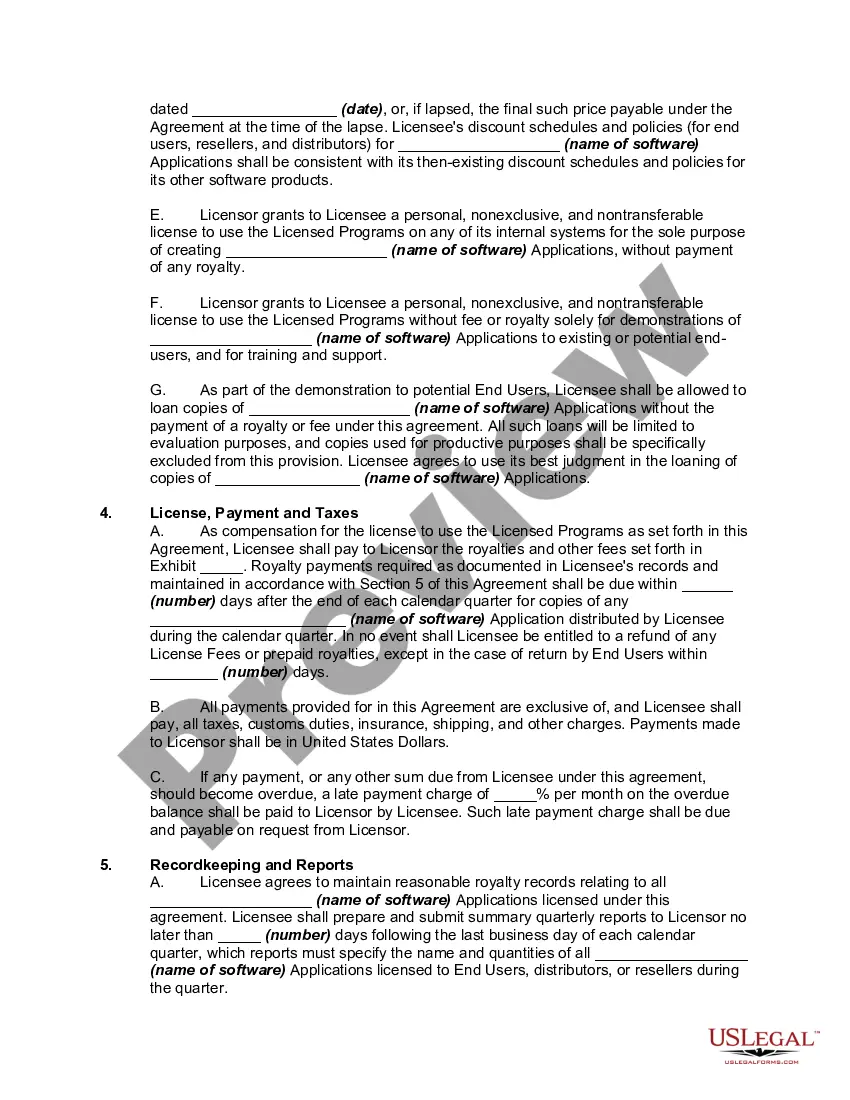
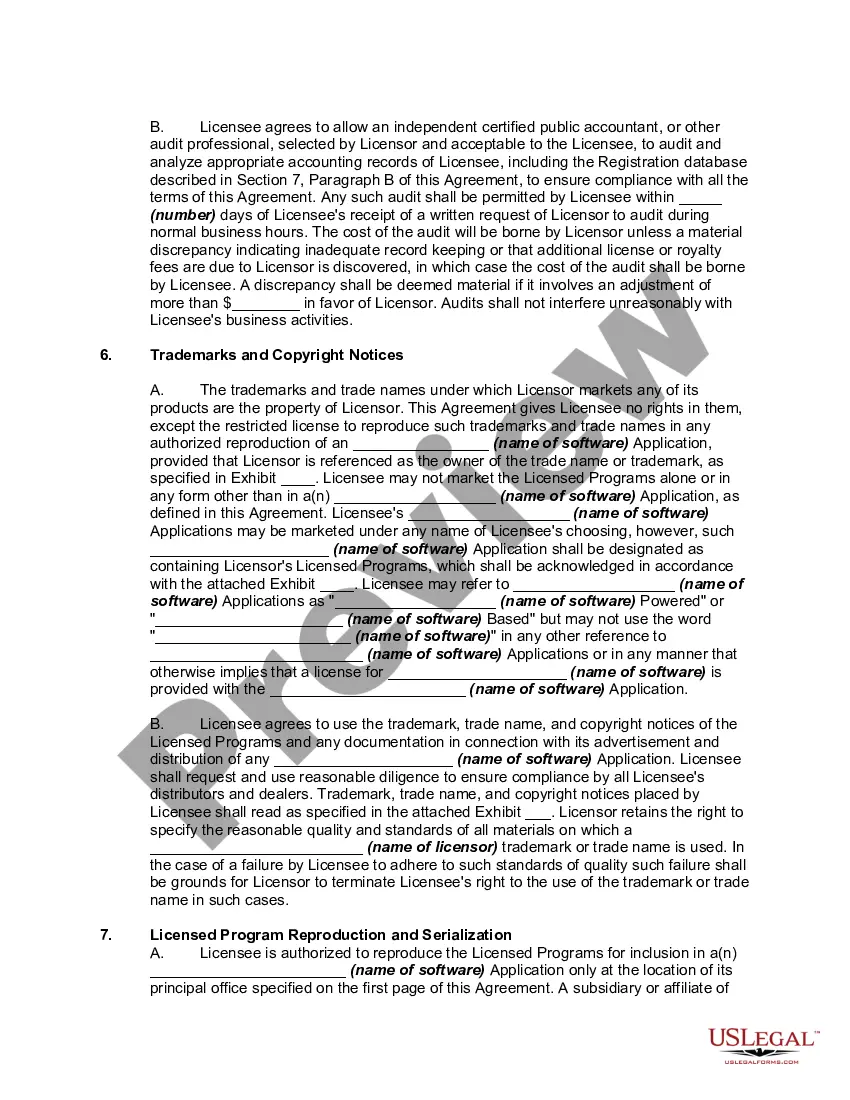
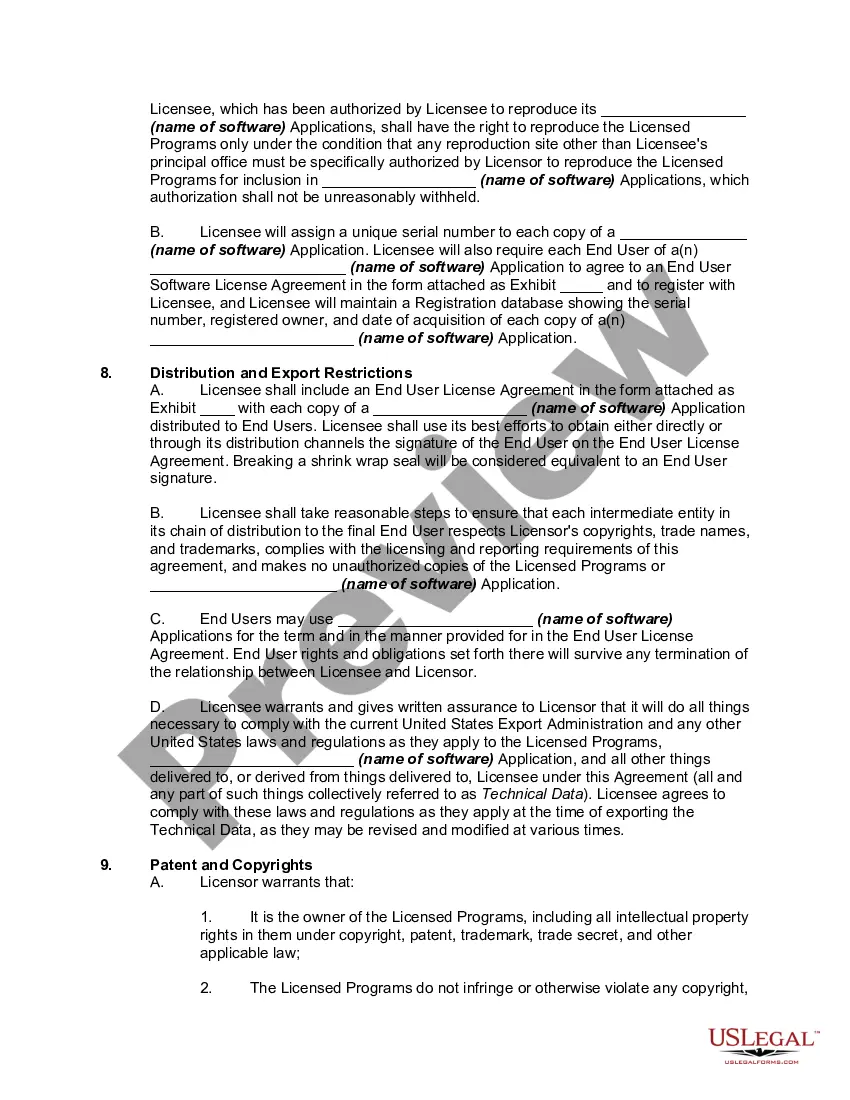
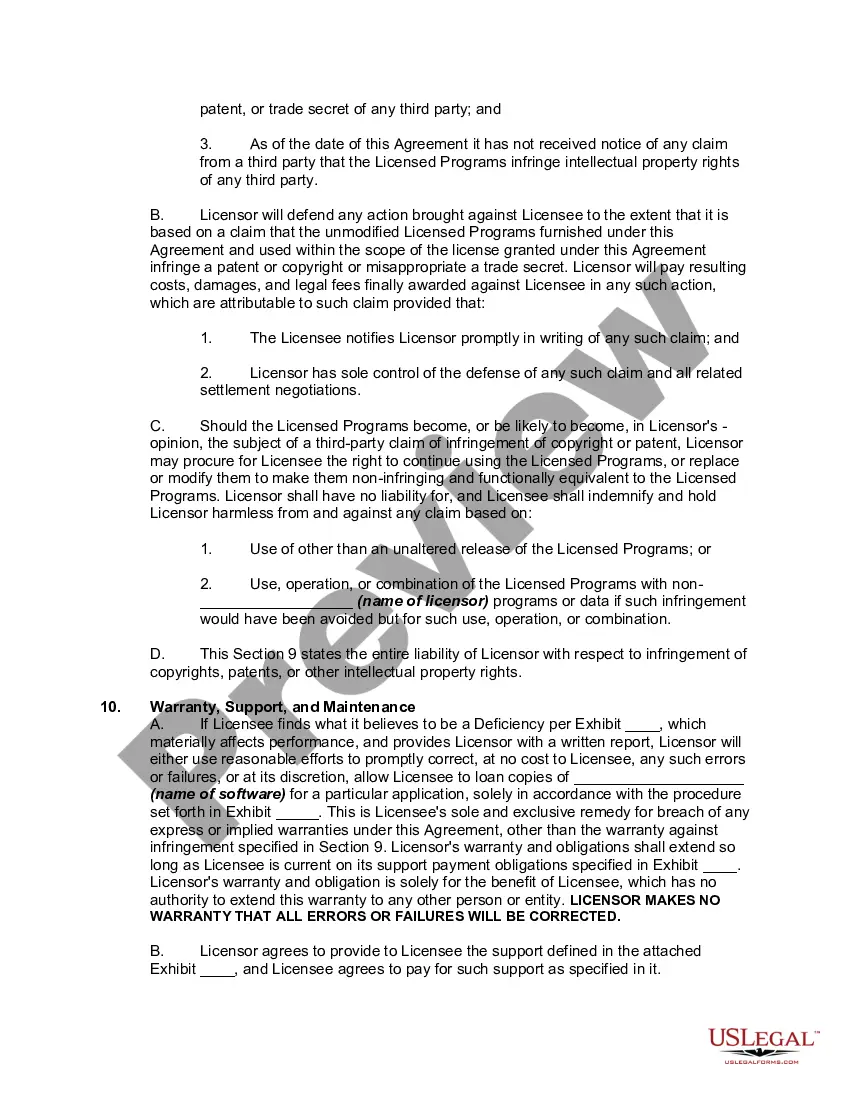
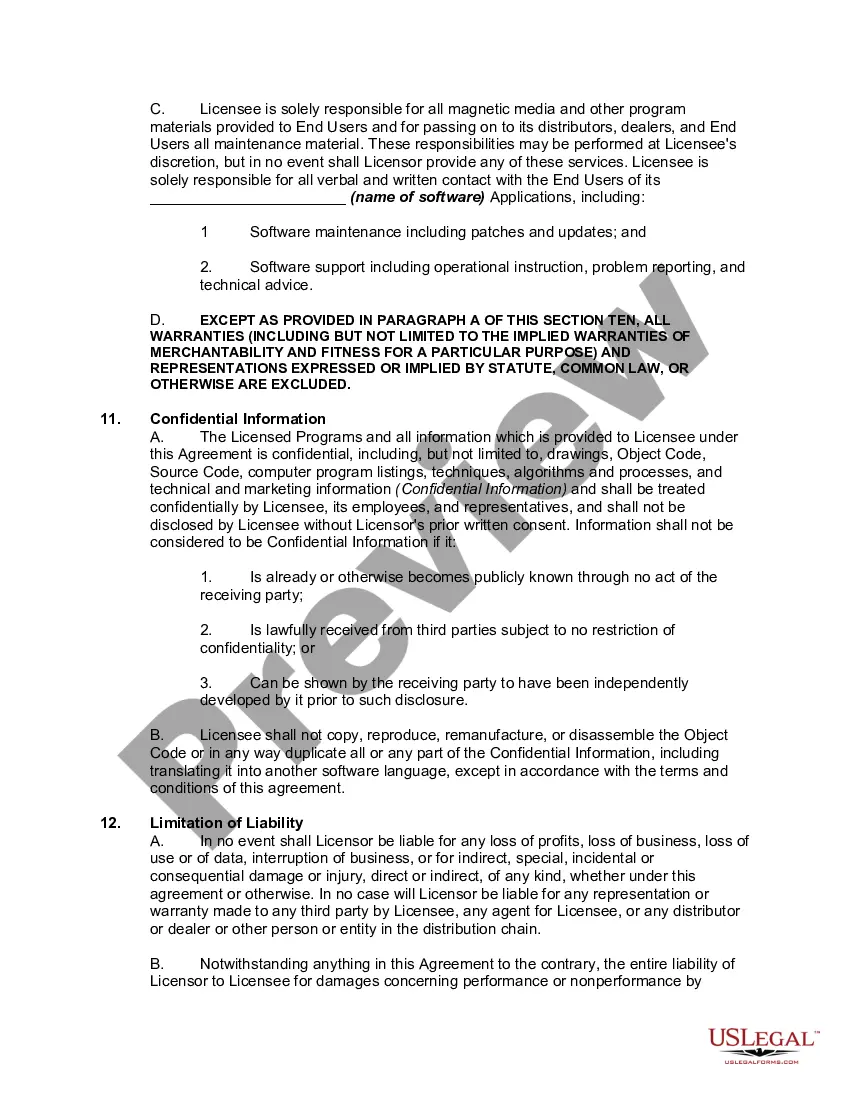
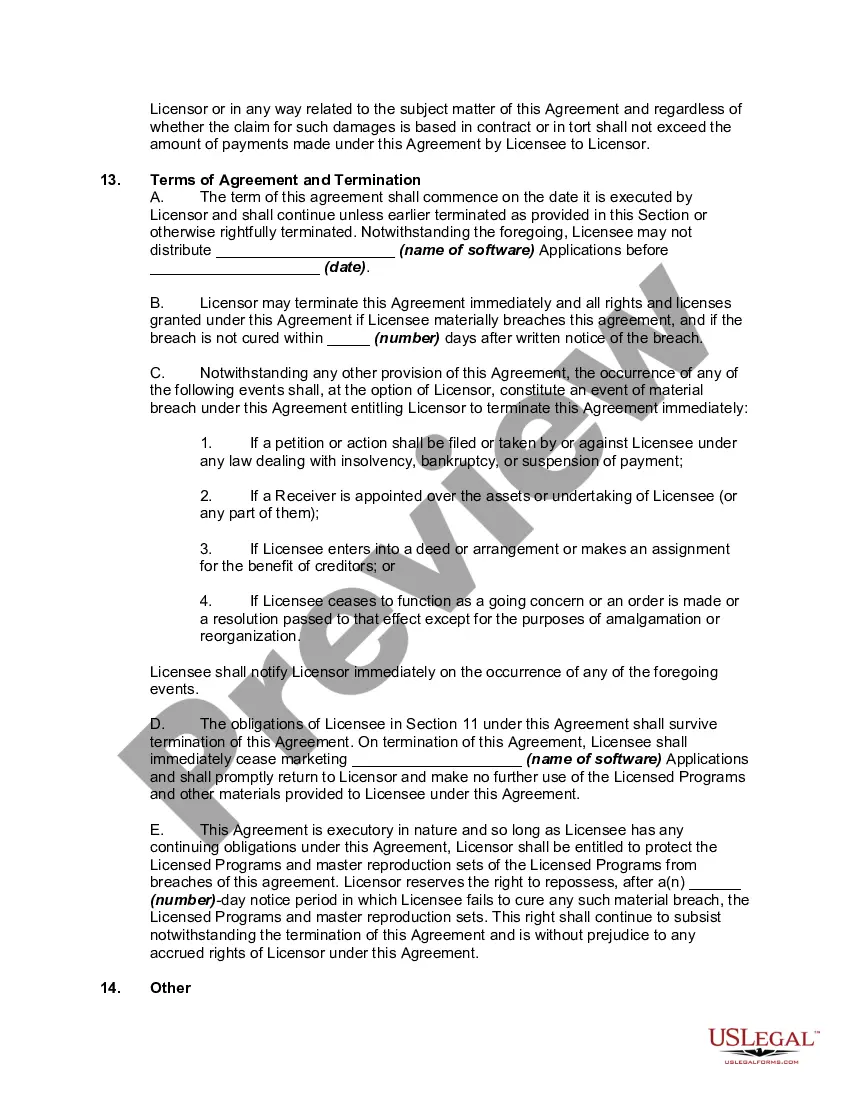
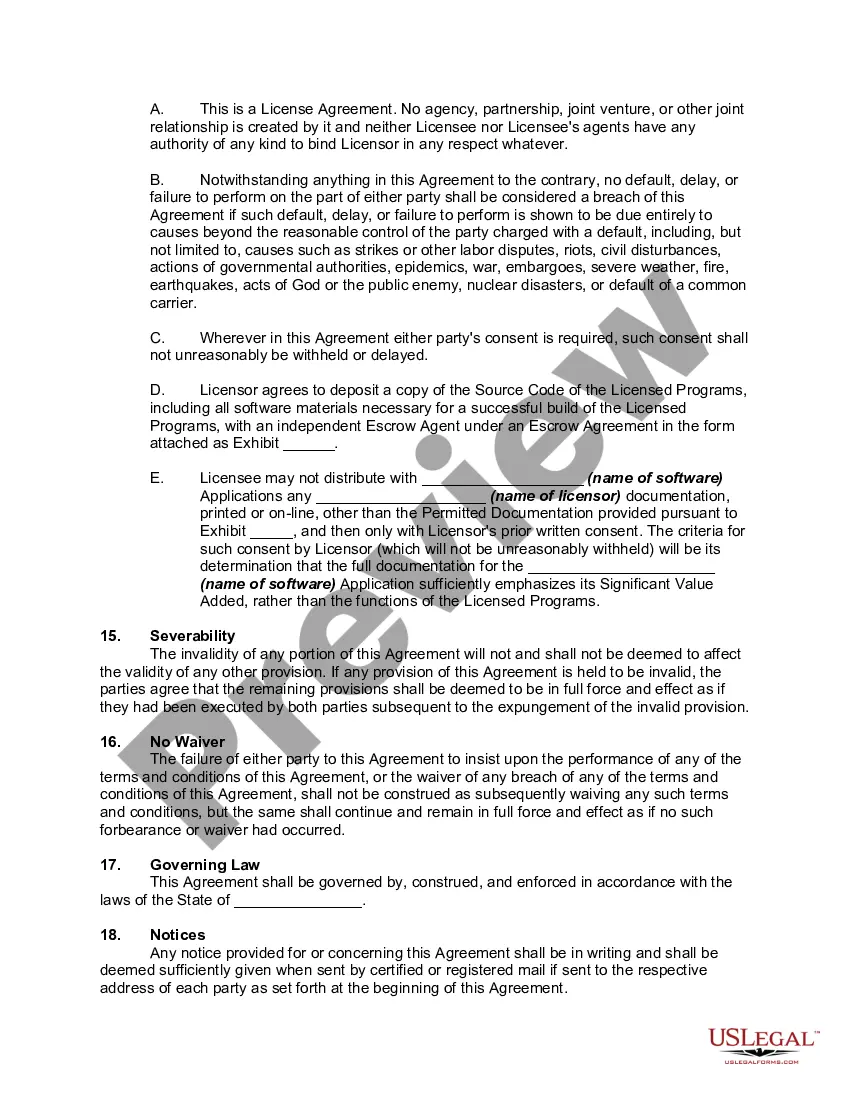

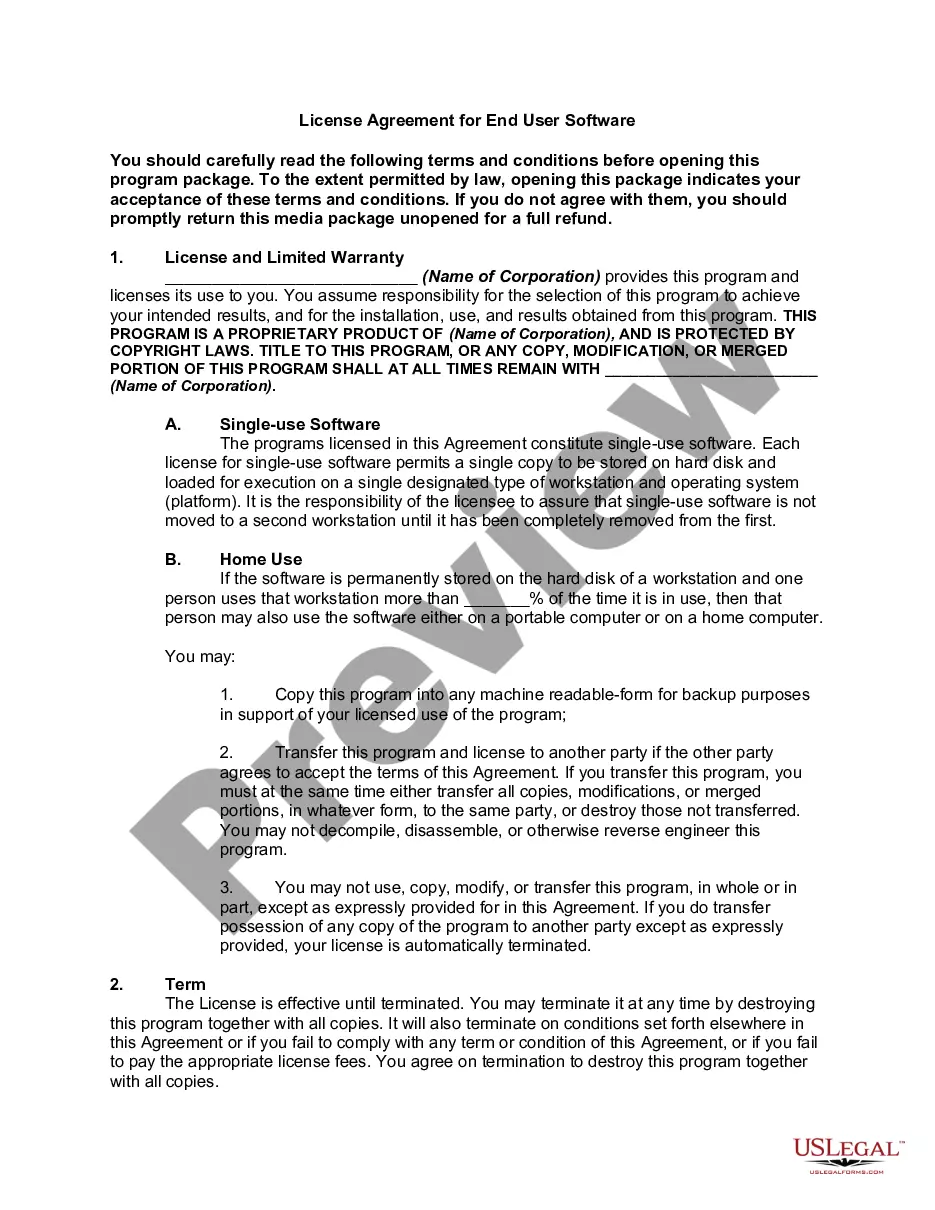
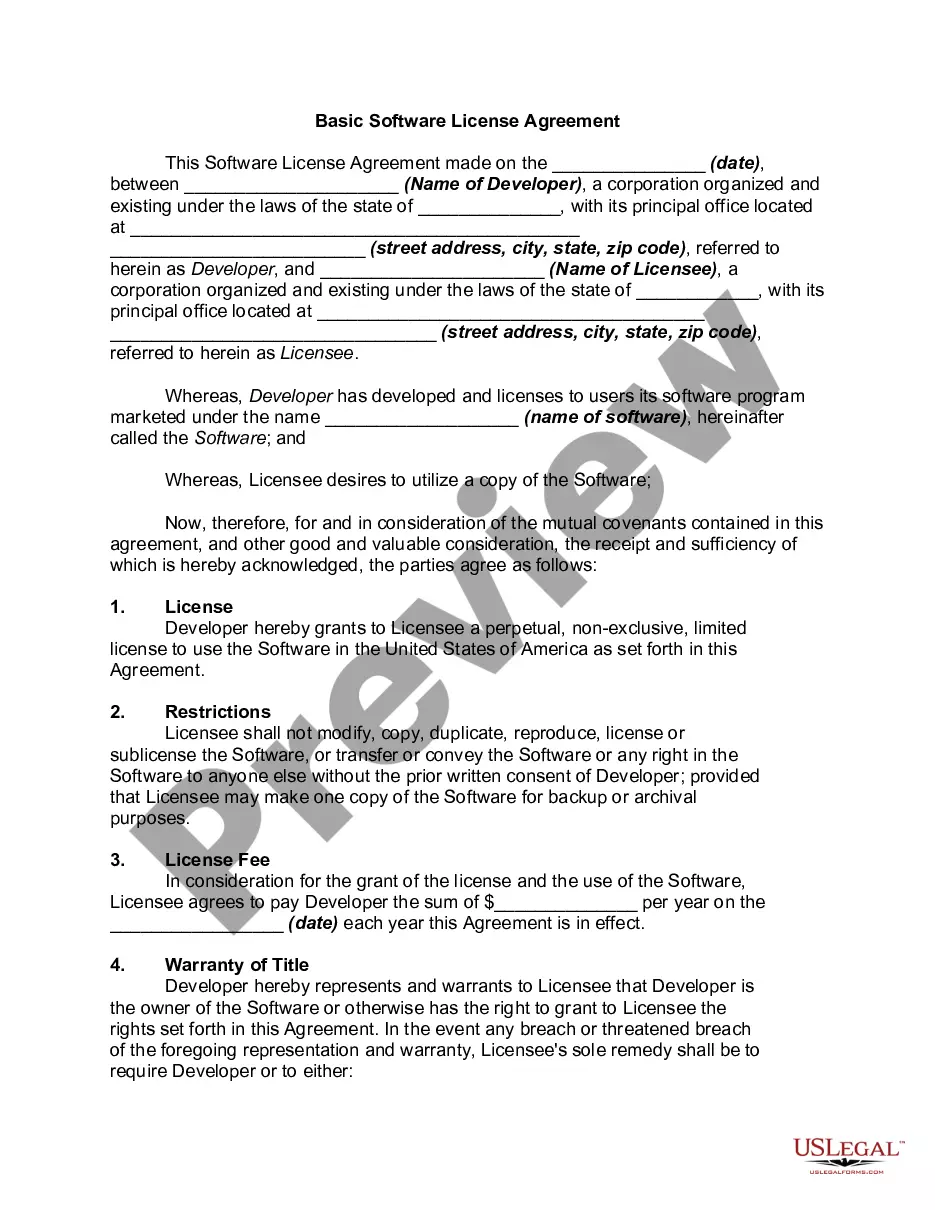
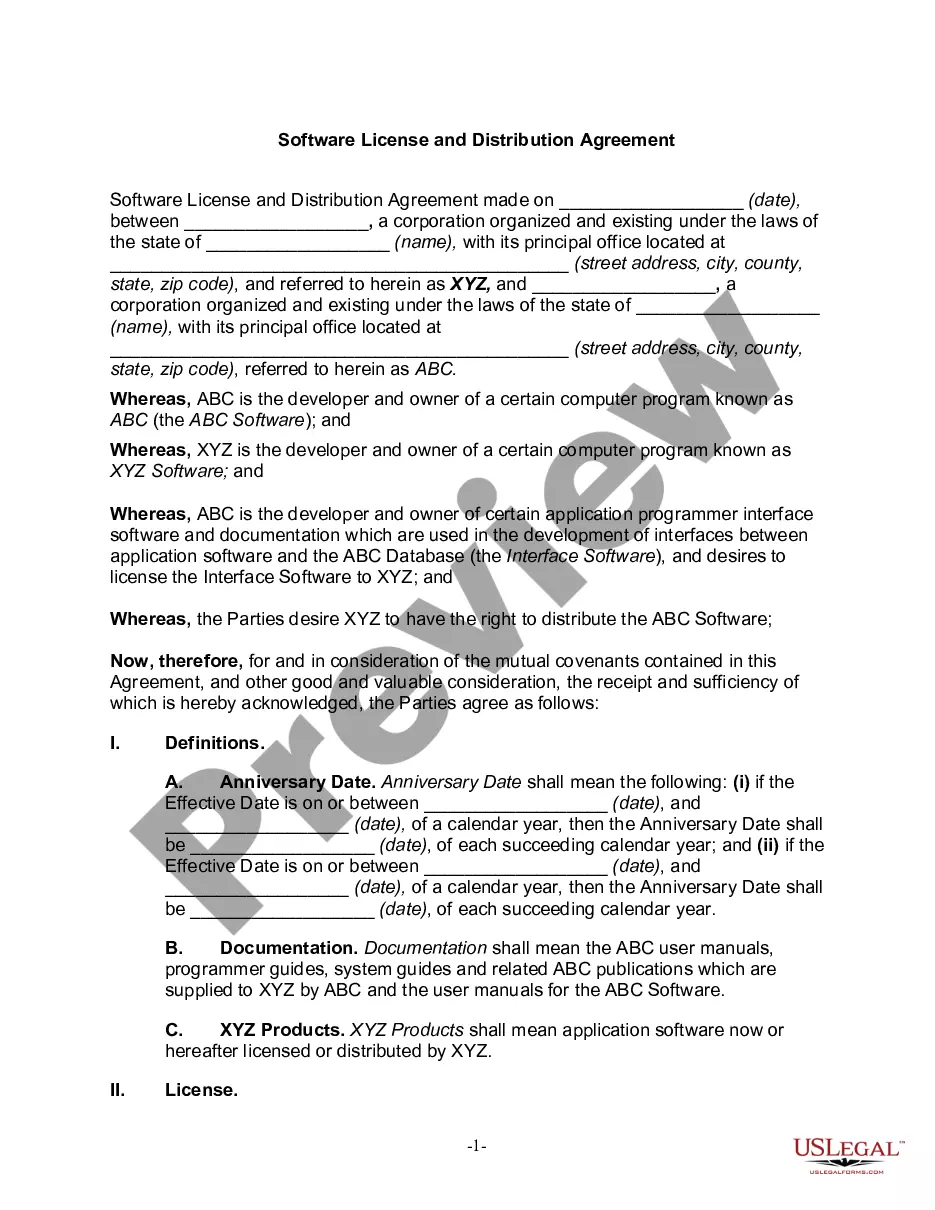
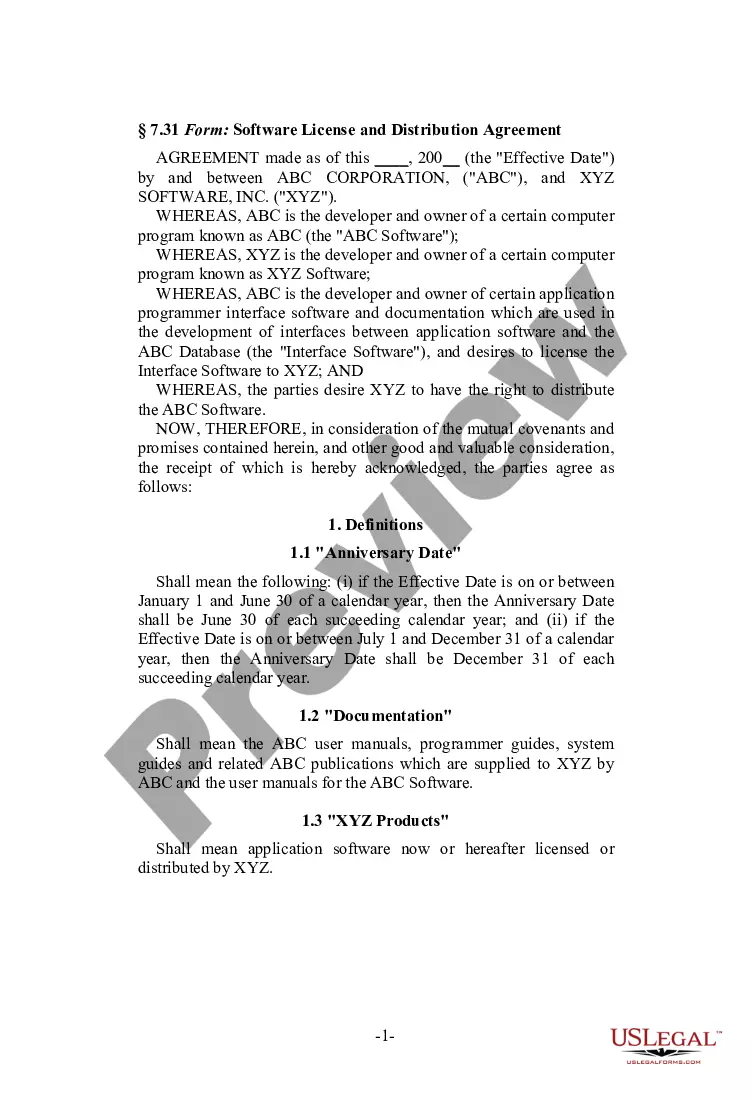
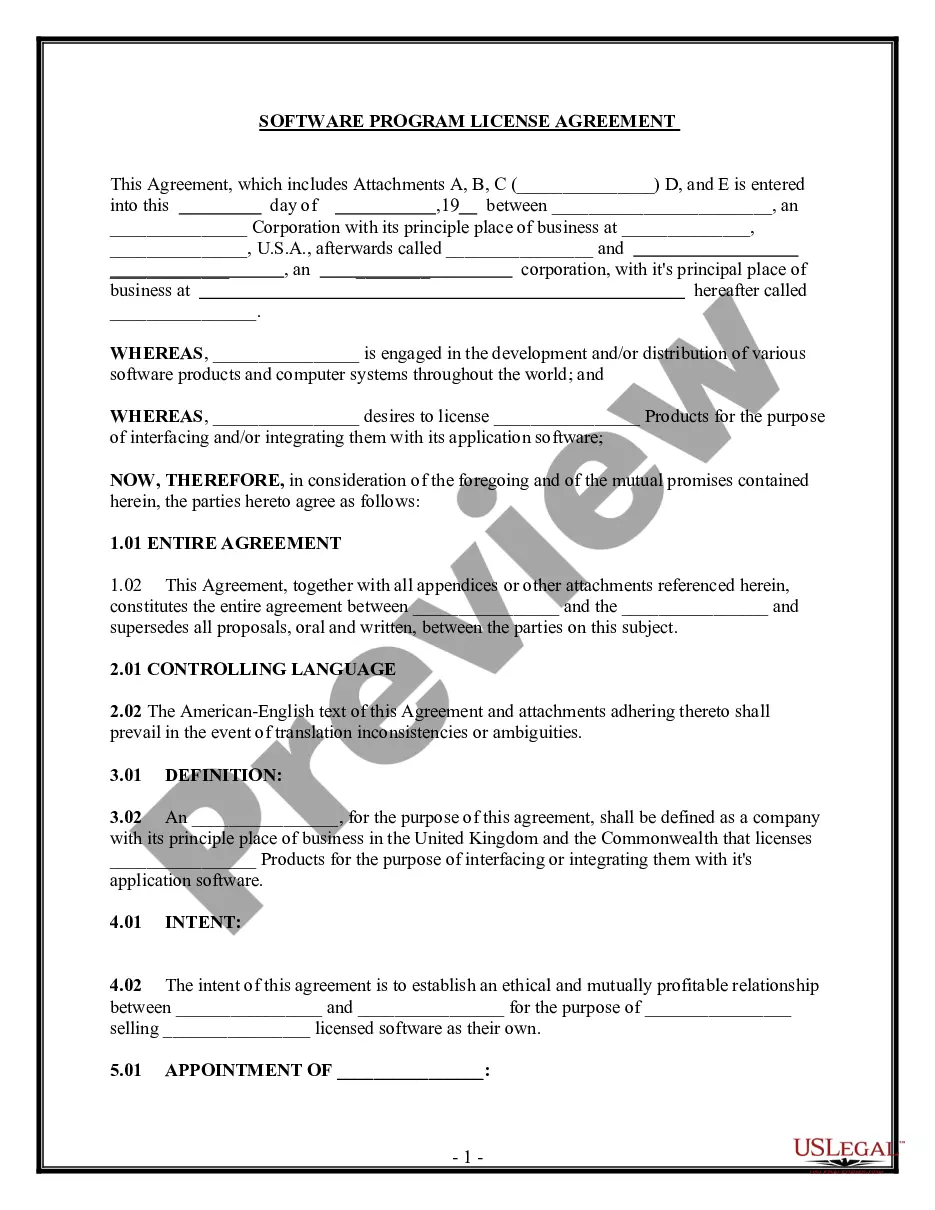
How to fill out License Agreement For Software?
You can spend hours online searching for the legal document template that meets the federal and state requirements you desire.
US Legal Forms provides thousands of legal forms that are reviewed by professionals.
You can conveniently obtain or generate the Oklahoma License Agreement for Software from this service.
If available, use the Preview button to check the document template as well.
- If you already have an account with US Legal Forms, you can Log In and click the Download button.
- Next, you can fill out, modify, produce, or sign the Oklahoma License Agreement for Software.
- Every legal document template you purchase is yours indefinitely.
- To retrieve another copy of the purchased template, navigate to the My documents section and click the corresponding button.
- If you are using the US Legal Forms website for the first time, follow the simple instructions below.
- First, ensure that you have selected the correct document template for the county/city of your preference.
- Review the document description to confirm that you have chosen the right form.
Form popularity
FAQ
An example of a software license is the Microsoft Windows license agreement, which grants users the right to install and use the operating system on their computers. This agreement typically includes conditions like the prohibition against unauthorized distribution. If you are looking to create or understand a similar agreement, an Oklahoma License Agreement for Software can provide the framework necessary to formalize your licensing intentions.
Some of the most common license agreements include end-user license agreements (EULAs), site licenses, and distribution agreements. EULAs are particularly important for software, as they delineate user rights and restrictions. Many businesses rely on an Oklahoma License Agreement for Software to ensure that their software distribution aligns with legal requirements and protects their intellectual property.
The two main types of licensing agreements are exclusive and non-exclusive licenses. An exclusive license allows only one licensee to use the software, protecting their interests. In contrast, a non-exclusive license enables multiple users to access the software simultaneously, often with a typical Oklahoma License Agreement for Software outlining the terms.
An example of a licensing agreement could be a document that allows a company to use a specific software application while outlining conditions for modifications and distribution. This type of agreement helps prevent misuse and protects the software creator. For a well-structured Oklahoma License Agreement for Software, turn to uslegalforms, which offers ready-made examples to guide you.
Writing a user license agreement requires you to be clear about the rights you grant to users. Include important details such as usage limits, copying permissions, and termination clauses. You can find helpful resources and templates for an Oklahoma License Agreement for Software on uslegalforms, making the drafting process easier.
To fill out a license agreement, start by entering the names and addresses of the parties. Next, clearly define the software being licensed and stipulate the terms of use. Using a user-friendly template from uslegalforms can guide you through creating an Oklahoma License Agreement for Software effectively.
Filling out a license agreement requires accurate information about the parties involved and the software in question. You must specify the purpose of the license, duration, and any fees if applicable. By referencing uslegalforms, you can ensure that your Oklahoma License Agreement for Software includes all necessary details in a clear and organized manner.
Creating licensing agreements involves defining the terms under which software can be used. You must outline rights, responsibilities, and limitations for both parties involved. To simplify this process, consider using tools from uslegalforms, which provide templates for drafting an Oklahoma License Agreement for Software tailored to your needs.
The four main types of software licenses include proprietary, open-source, freeware, and shareware licenses. Each type serves a specific purpose and governs how users can use the software. Understanding these types is crucial when creating an Oklahoma License Agreement for Software, as it ensures clarity between the developer and user regarding rights and restrictions.
Acquiring a licensing agreement usually requires you to negotiate terms with the software owner or developer. You can either draft your own agreement or seek a professional service that specializes in licensing. An easy option is to access templates for an Oklahoma License Agreement for Software through uslegalforms, streamlining the process and ensuring compliance with legal standards.