Oklahoma Checklist for Remedying Identity Theft of Deceased Persons
Description
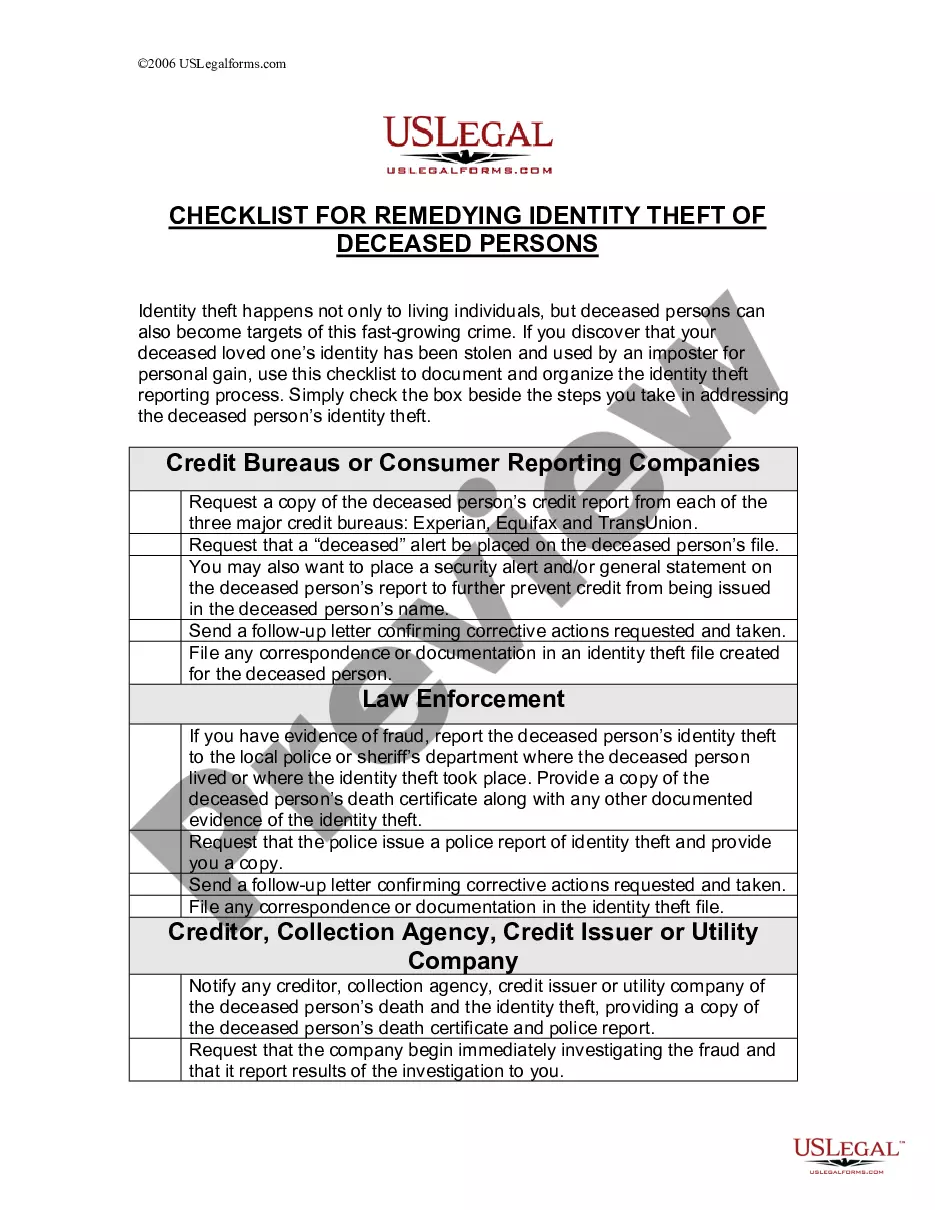
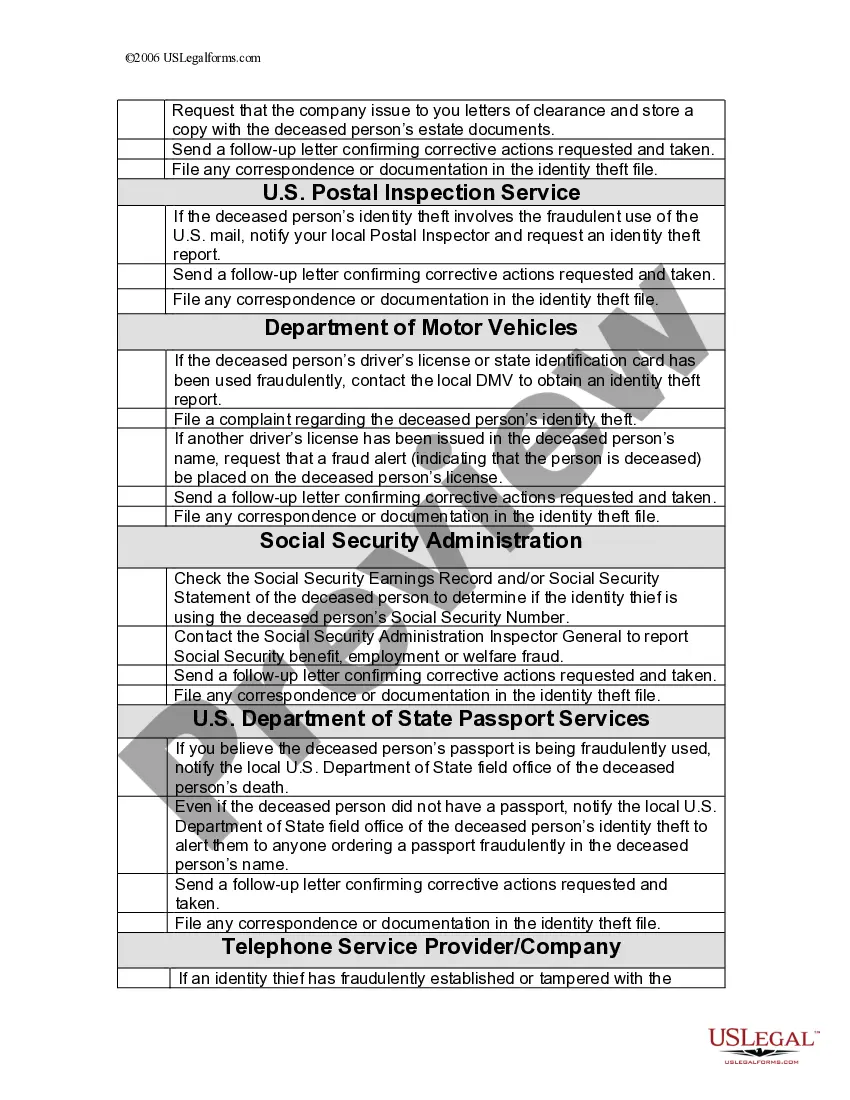
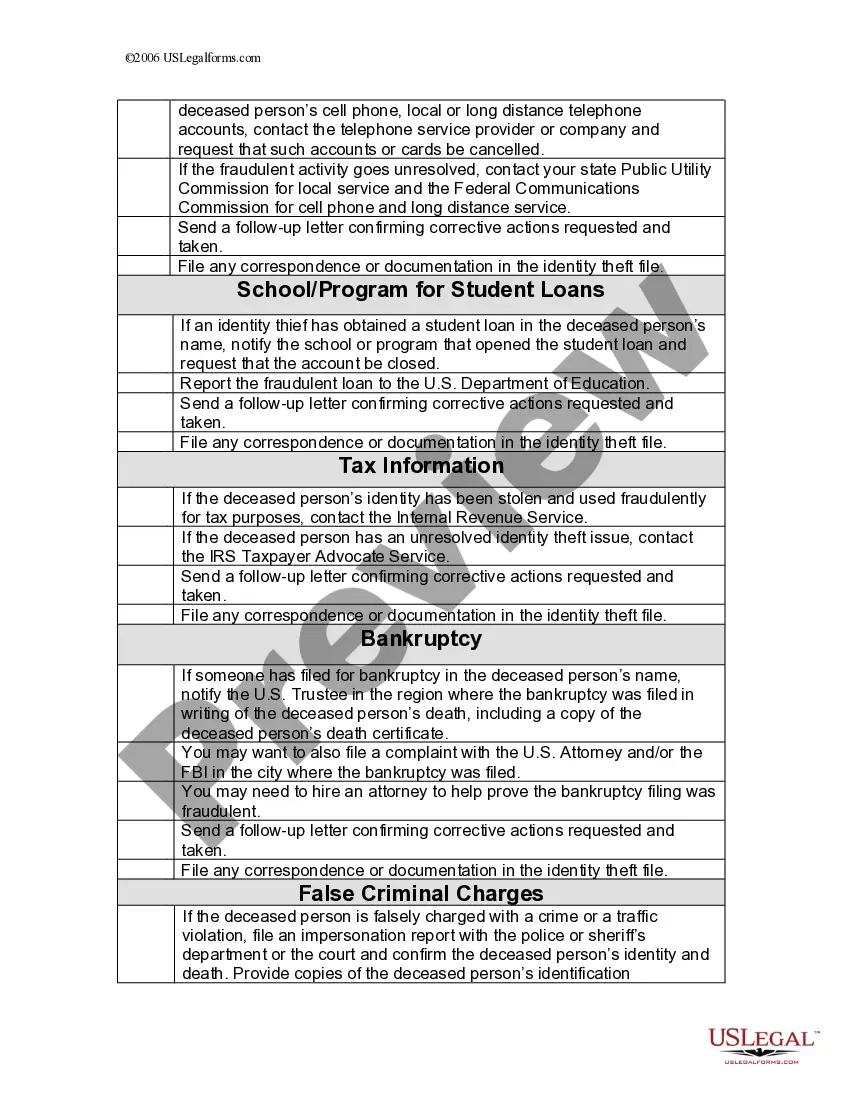
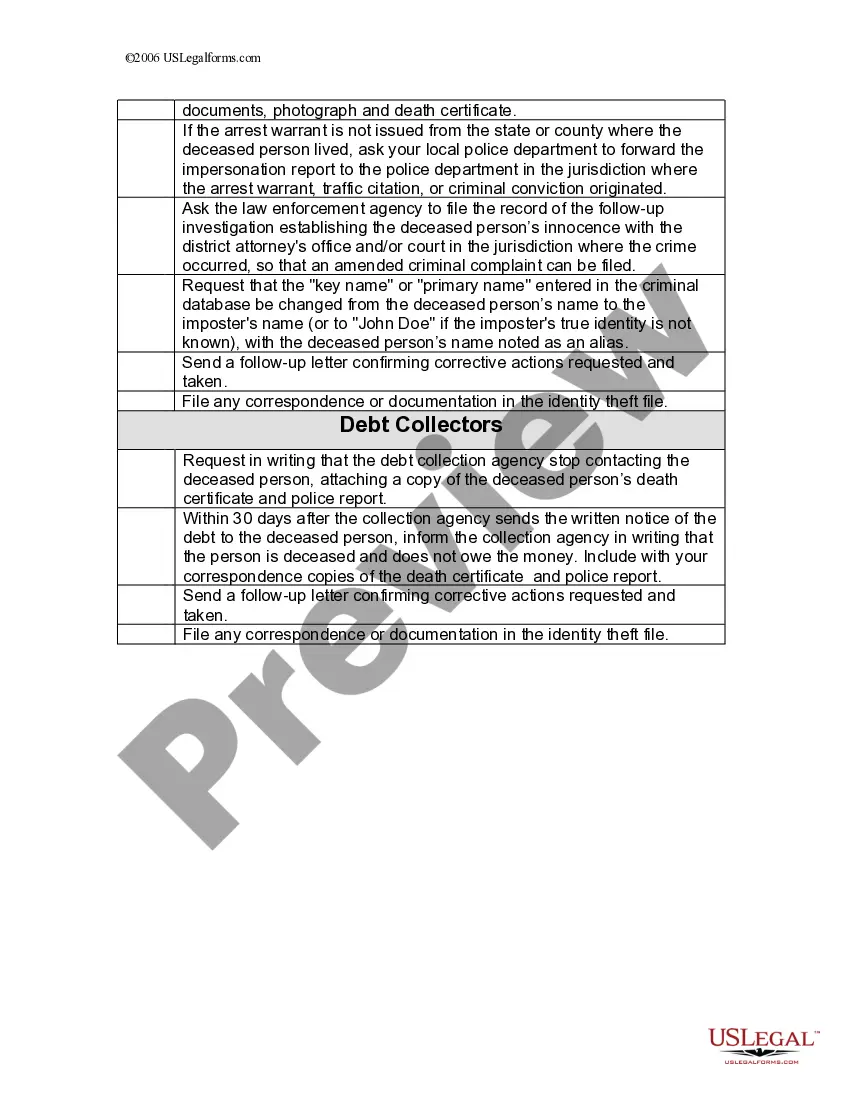
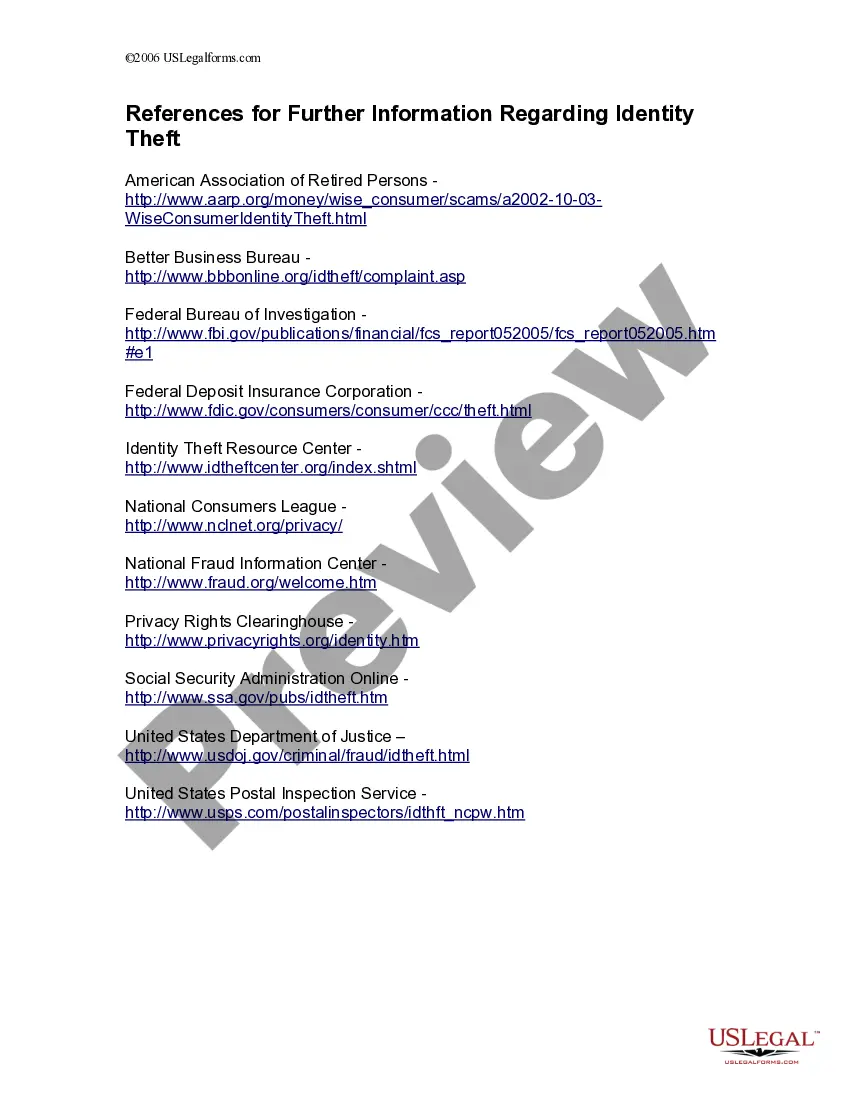
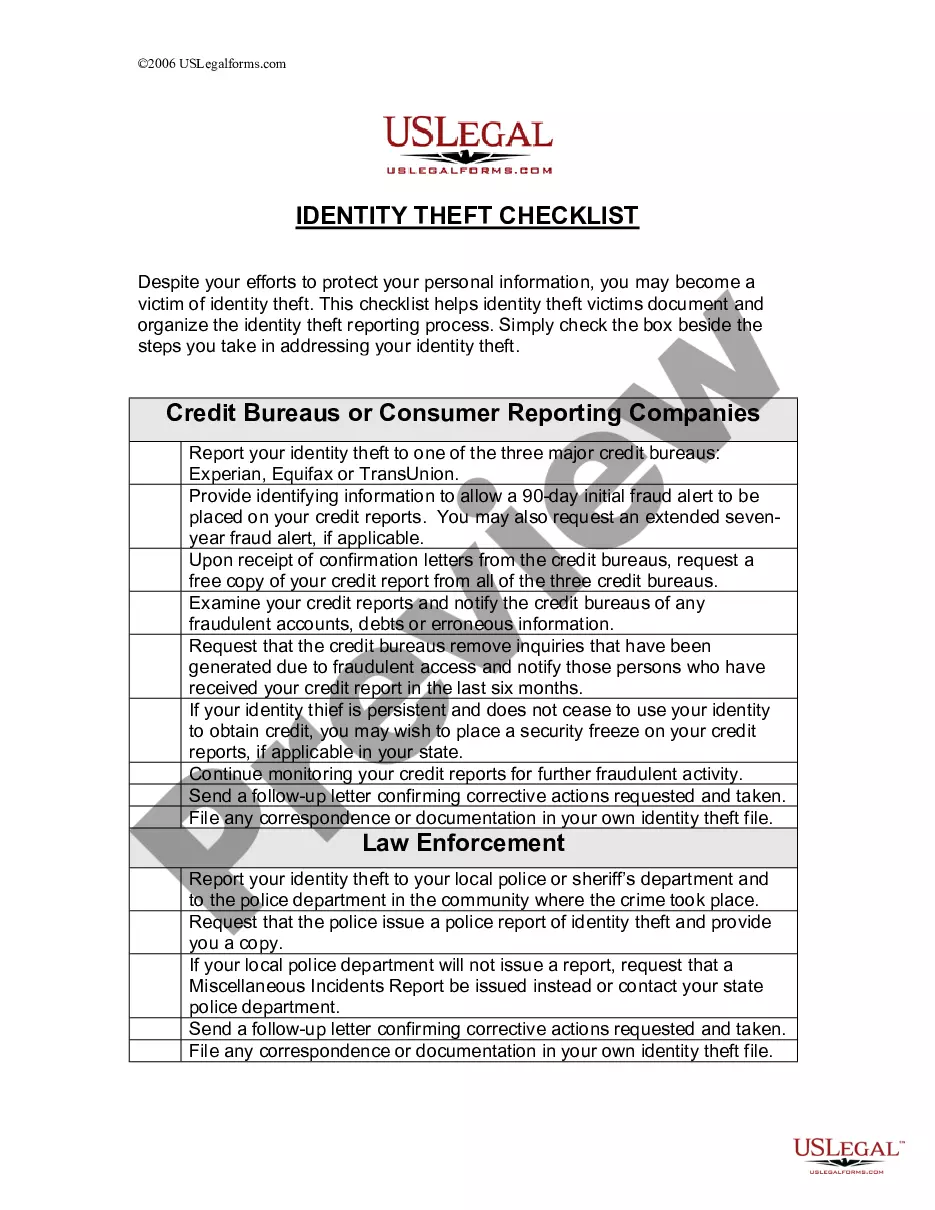
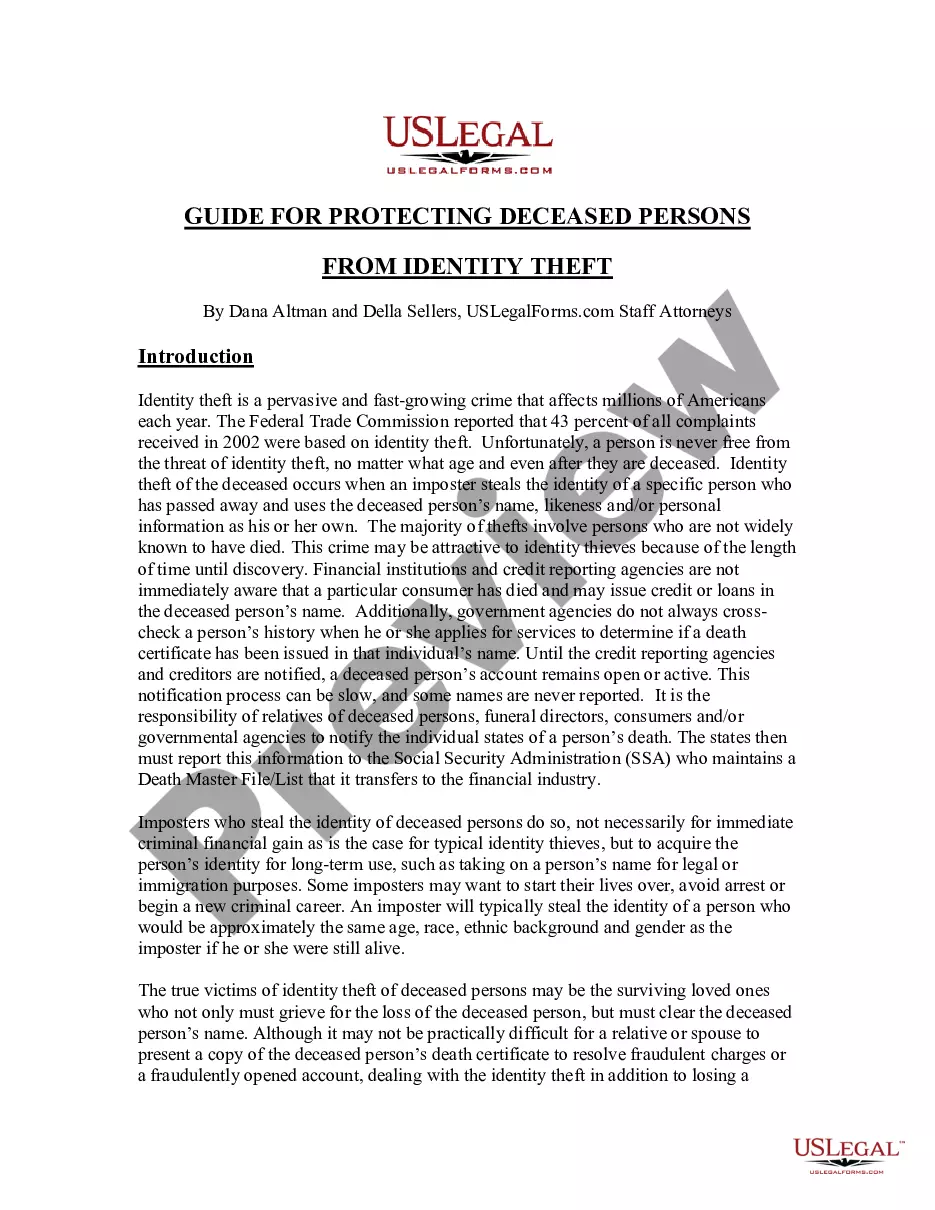
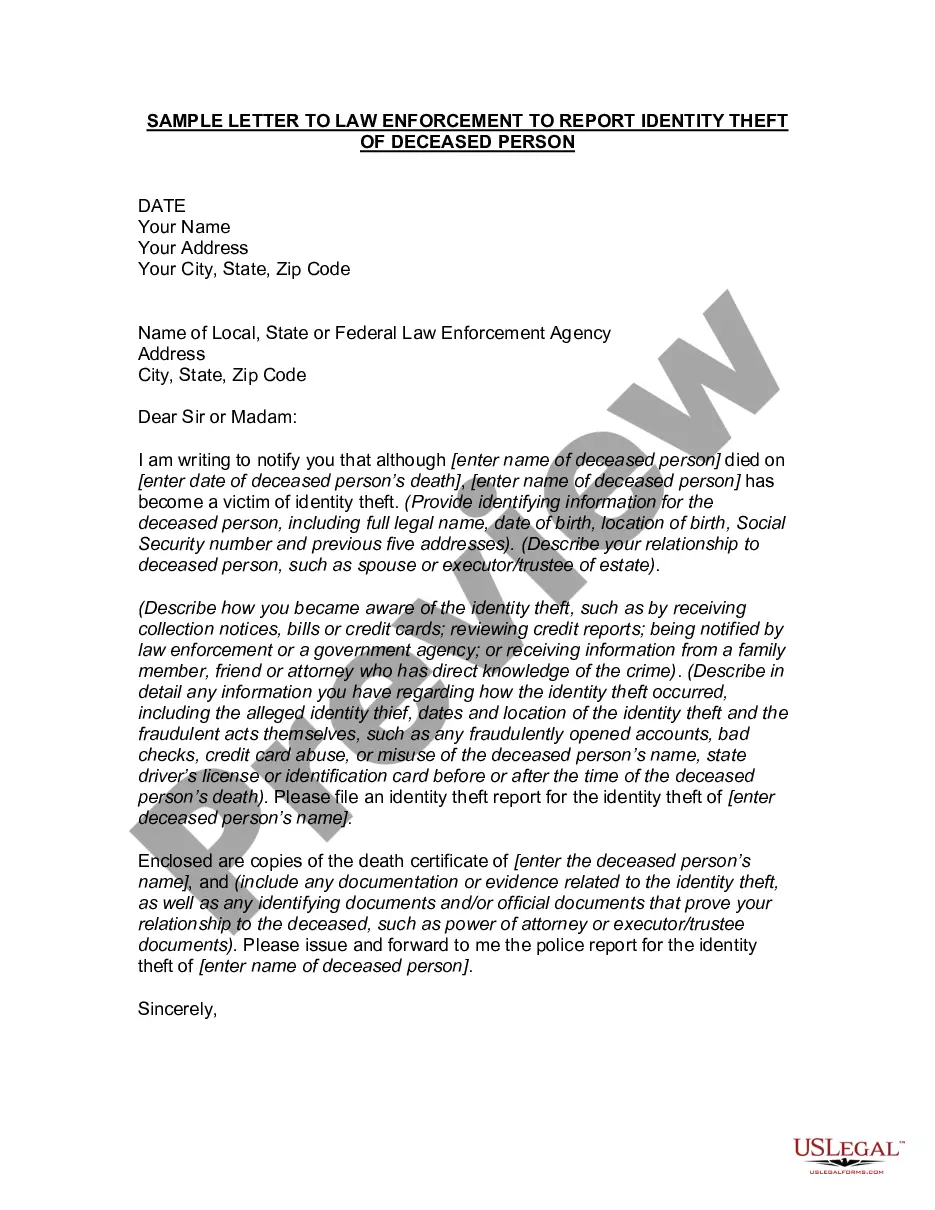
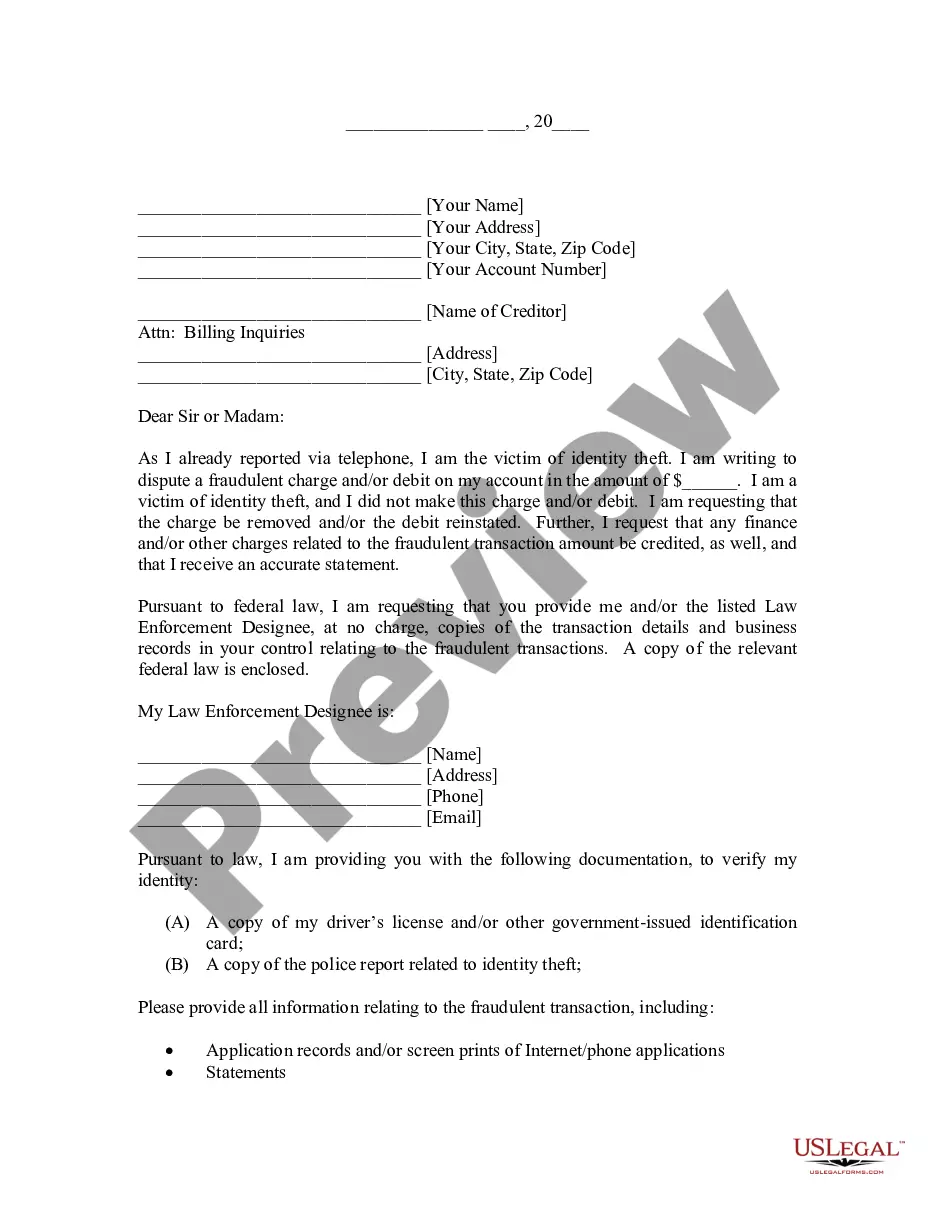
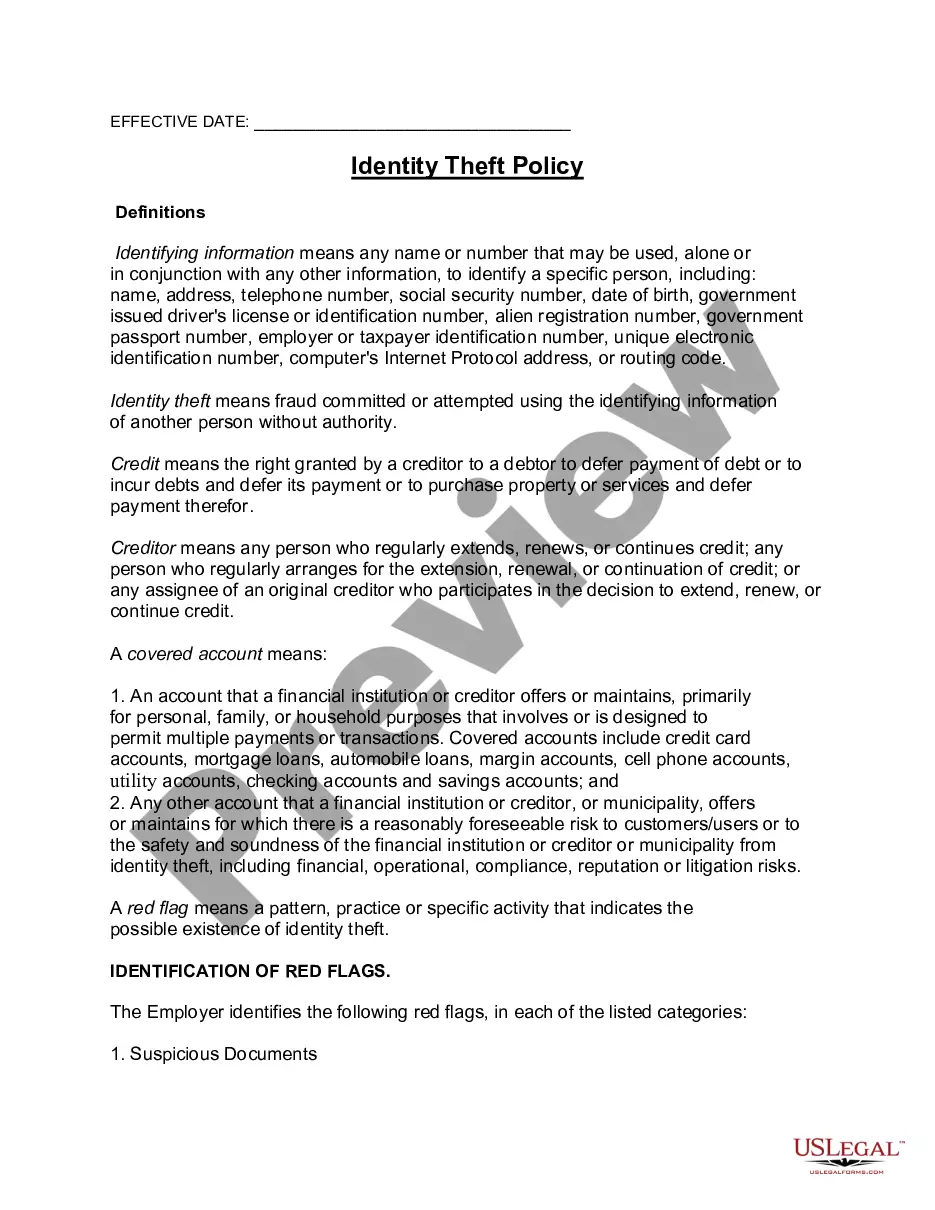
How to fill out Checklist For Remedying Identity Theft Of Deceased Persons?
It is feasible to allocate time on the Internet looking for the valid document template that meets the state and federal requirements you will need.
US Legal Forms provides a vast array of valid forms that are reviewed by specialists.
You can download or print the Oklahoma Checklist for Addressing Identity Theft of Deceased Individuals from your service.
If available, use the Preview button to review the document template as well. If you wish to find another version of the form, use the Lookup field to find the template that fits your requirements and needs. Once you have located the template you want, click Get now to proceed. Select the pricing plan you desire, enter your credentials, and sign up for a free account on US Legal Forms. Complete the purchase. You can use your credit card or PayPal account to pay for the valid form. Choose the format of the document and download it to your device. Make adjustments to your document if necessary. You can complete, modify, sign, and print the Oklahoma Checklist for Addressing Identity Theft of Deceased Individuals. Download and print a vast number of document templates using the US Legal Forms website, which offers the largest collection of valid forms. Utilize professional and state-specific templates to address your business or personal needs.
- If you already have a US Legal Forms account, you may Log In and click on the Download button.
- After that, you can complete, modify, print, or sign the Oklahoma Checklist for Addressing Identity Theft of Deceased Individuals.
- Every valid document template you obtain is yours permanently.
- To obtain another copy of any acquired form, visit the My documents tab and click on the corresponding button.
- If you are using the US Legal Forms website for the first time, follow the simple instructions below.
- First, ensure that you have selected the correct document template for the area/city of your choice.
- Check the form description to ensure you have chosen the appropriate form.
Form popularity
FAQ
Avoid listing birth date, maiden name, or other personal identifiers in obituaries as they could be useful to ID thieves. Report the death to the Social Security Administration by calling 800-772-1213. Order multiple certified copies of the death certificate with and without cause of death.
Submit the following with your information request as proof that you're authorized to receive deceased person's information: The full name of the deceased, their last address and Social Security Number. A copy of the death certificate. Either: A copy of Letters of Testamentary approved by the court or.
Here are some steps you can take to prevent identity theft after someone you care about has passed away. Be mindful about expressions of grief online. Ensure social media accounts are properly shut down. Contact financial institutions and credit bureaus. Notify the federal government of the death.
Identity theft can happen to anyone, but you can reduce the risk of becoming a victim by taking some simple steps to protect your personal information. Keep Your Personal Information Secure. ... Monitor Your Credit Reports, Bank and Credit Accounts. ... Ask Questions Before You Share Your Information.
Even after someone dies, it's still possible for criminals to use their information to illegally open credit cards, apply for loans, file fraudulent tax returns, and buy goods and services. In some cases, thieves intentionally steal the identity of someone who has died ? a practice known as ghosting.
Identity theft can victimize the dead. An identity thief's use of a deceased person's Social Security number may create problems for family members. This type of identity theft also victimizes merchants, banks, and other businesses that provide goods and services to the thief.
It is unlawful for any person to use with fraudulent intent the personal identity of another person, living or dead, or any information relating to the personal identity of another person, living or dead, to obtain or attempt to obtain credit or anything of value.
Be aware that you must call 1-800-772-1213 to report a death or apply for survivors benefits. If a Social Security recipient has passed away, the SSA can lock their Social Security number in order to help prevent a thief from changing the address and bank account number where benefits are received.