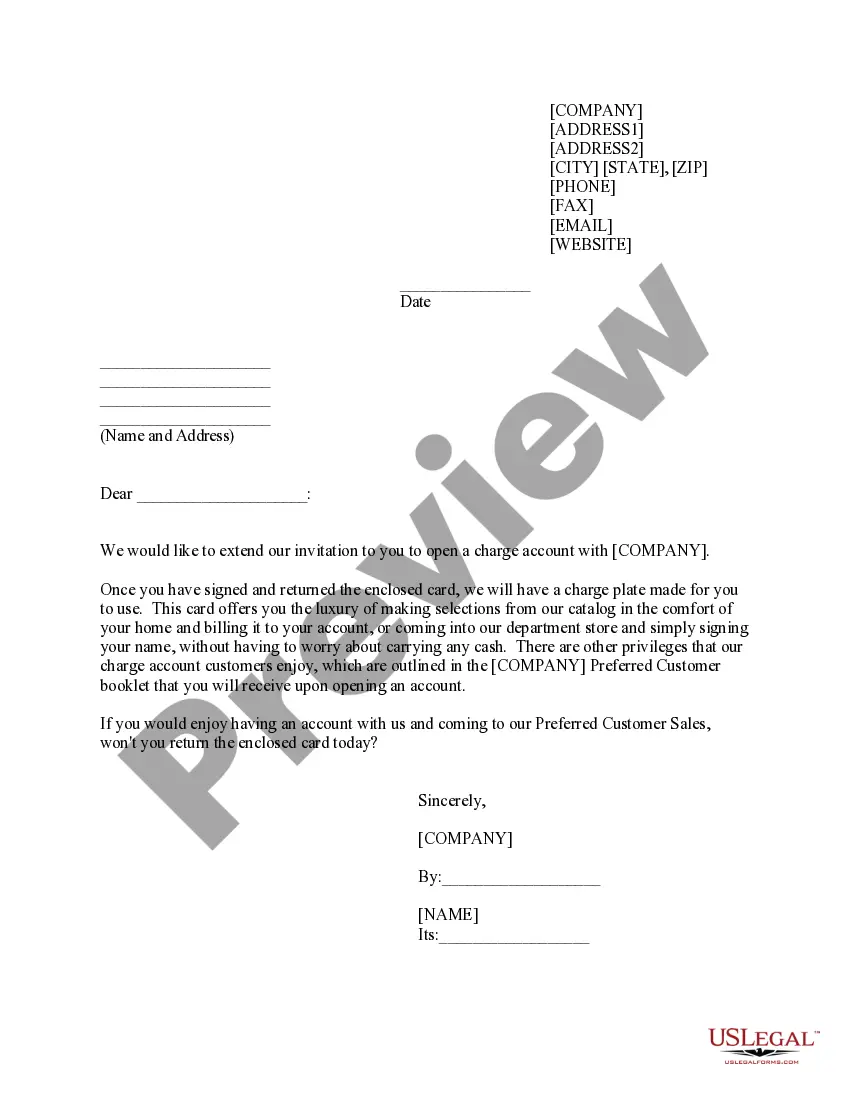
Ohio Tenant Improvement Lease
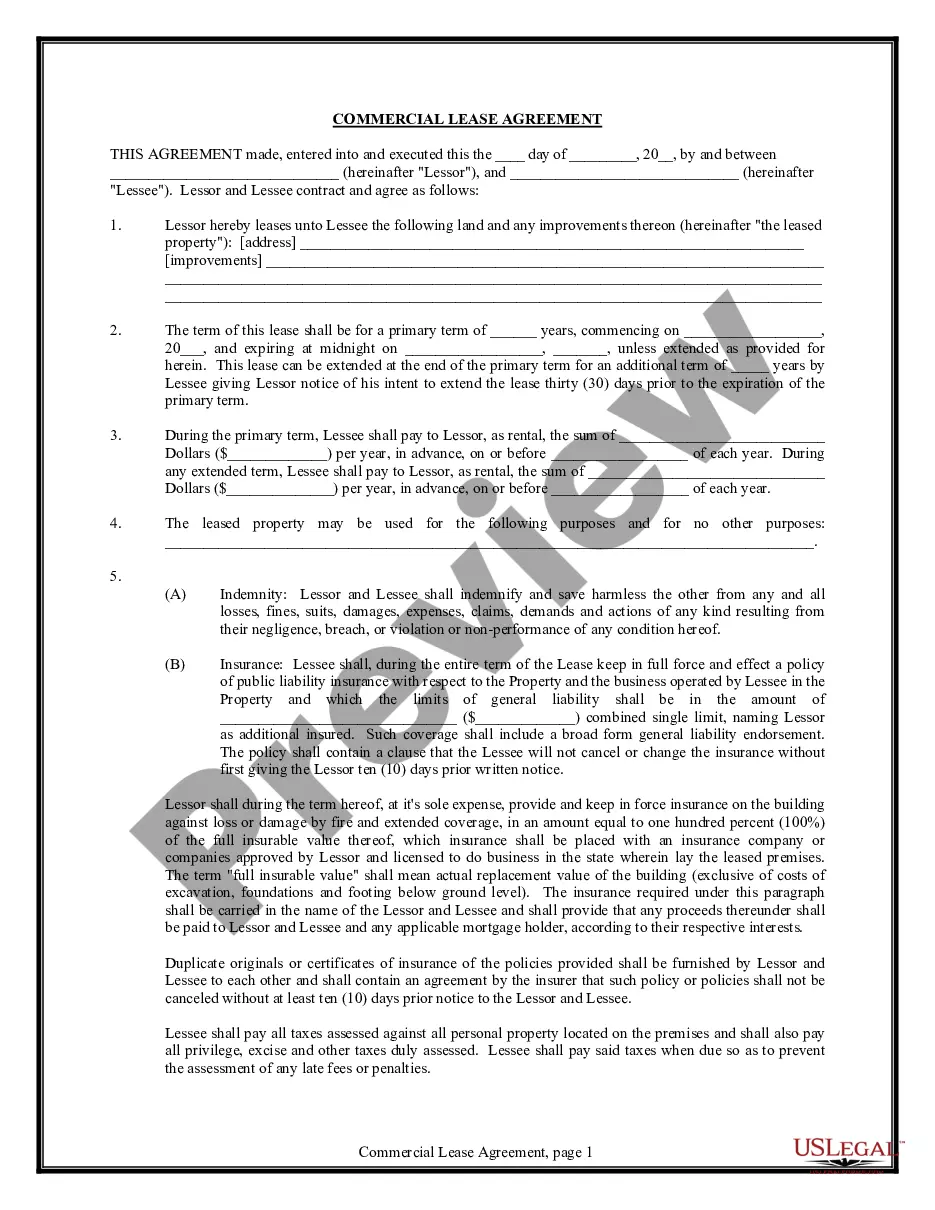
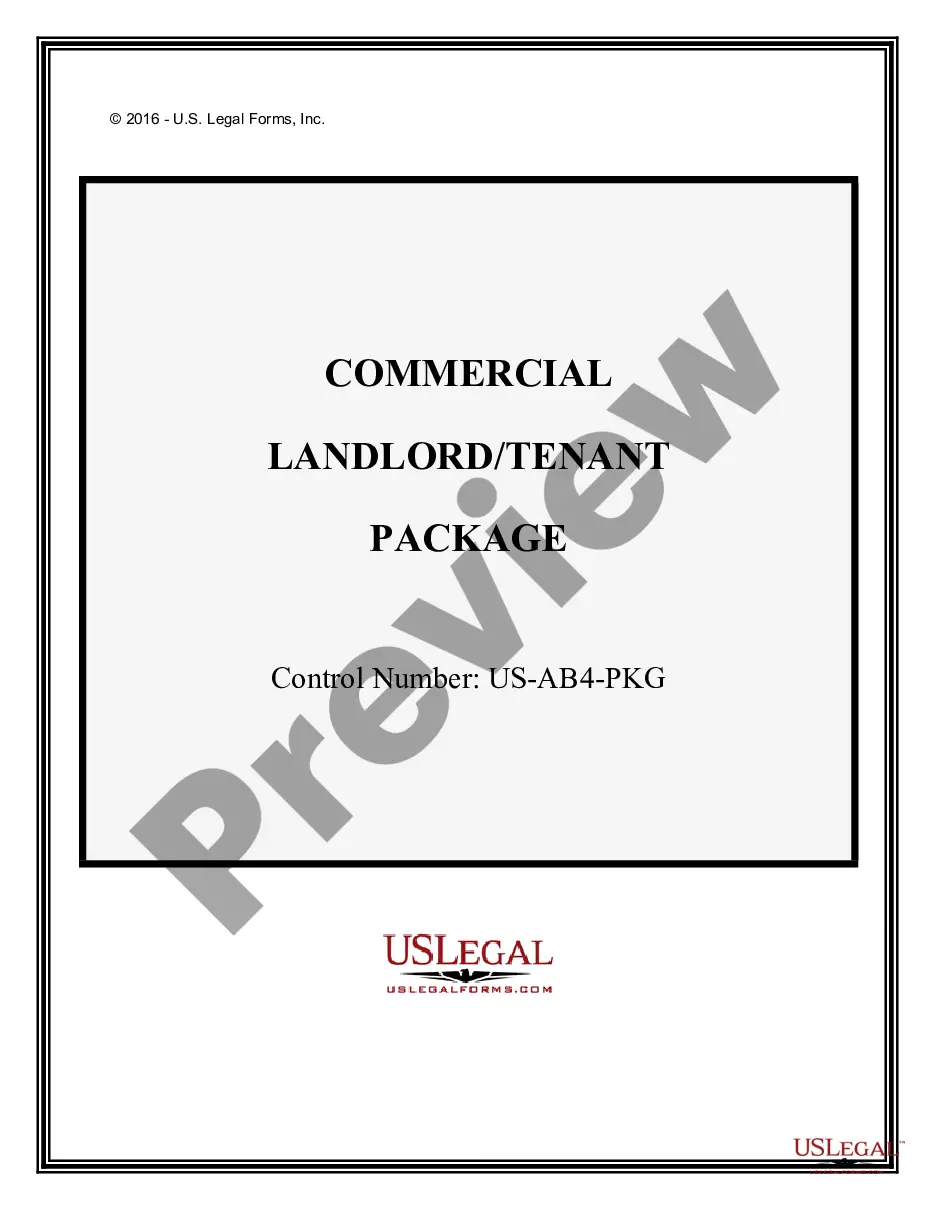
Description
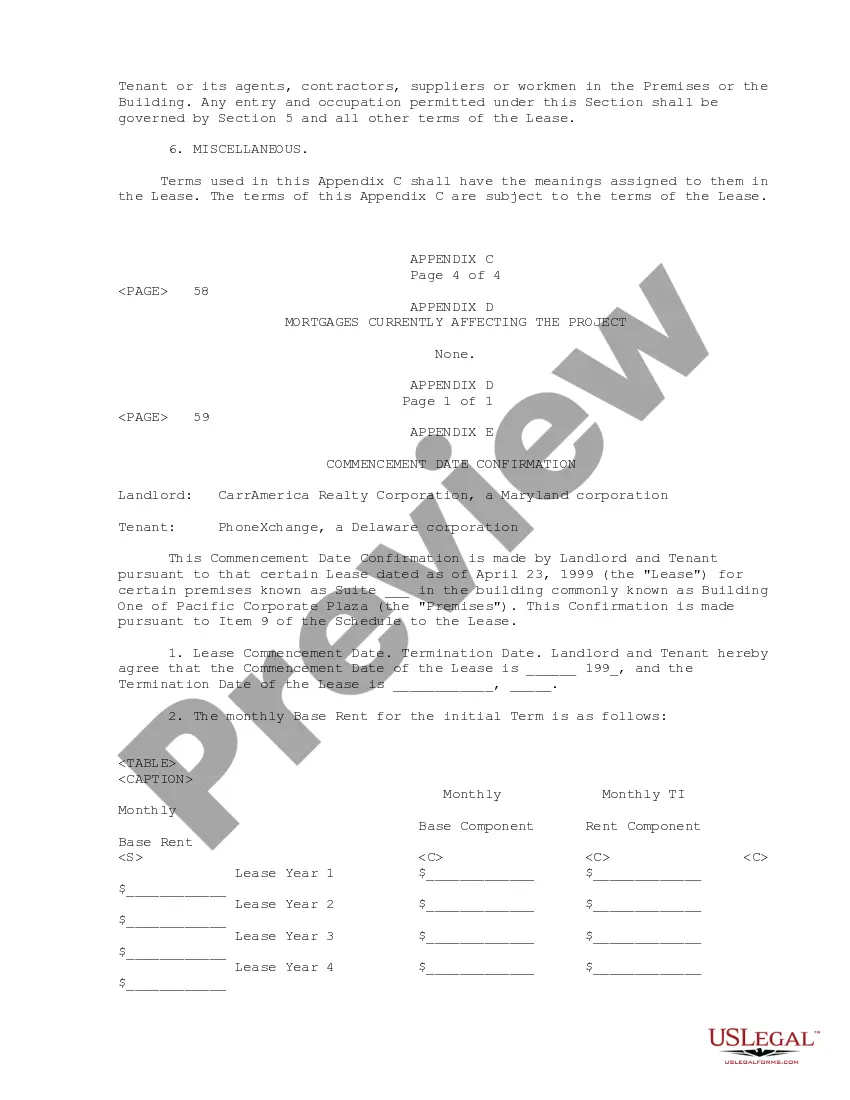
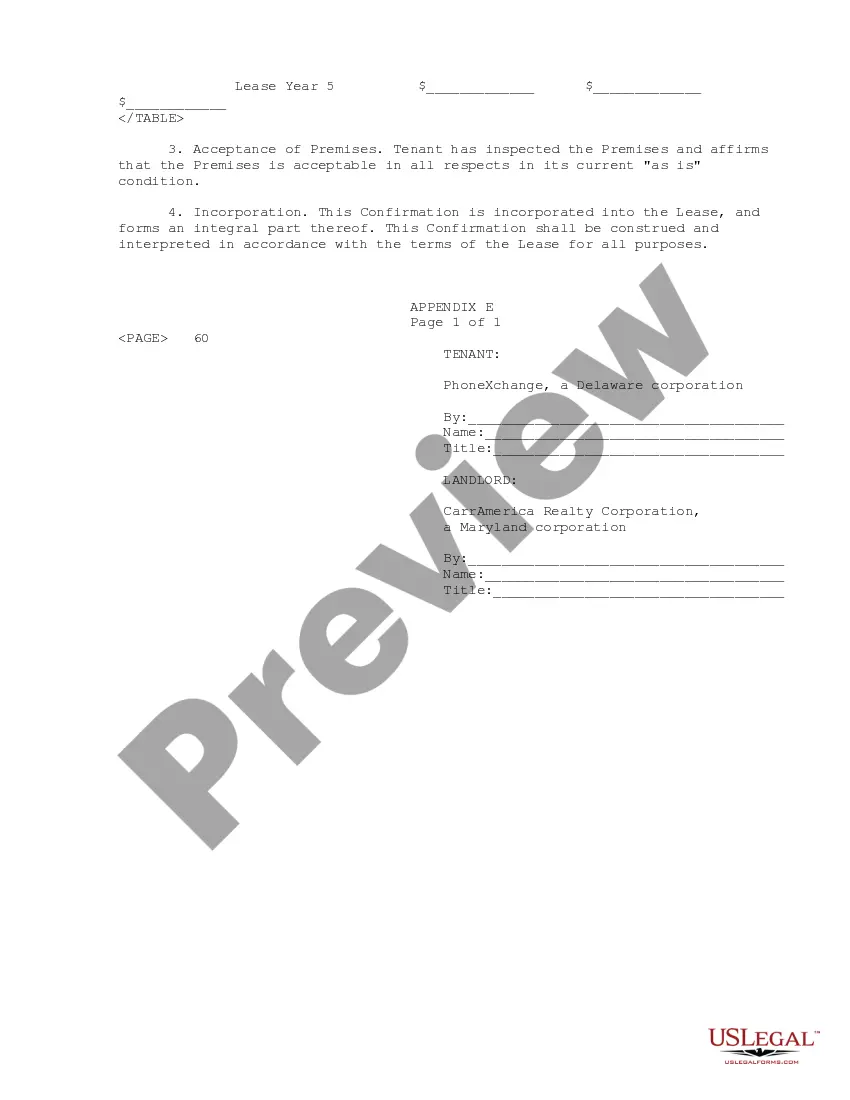
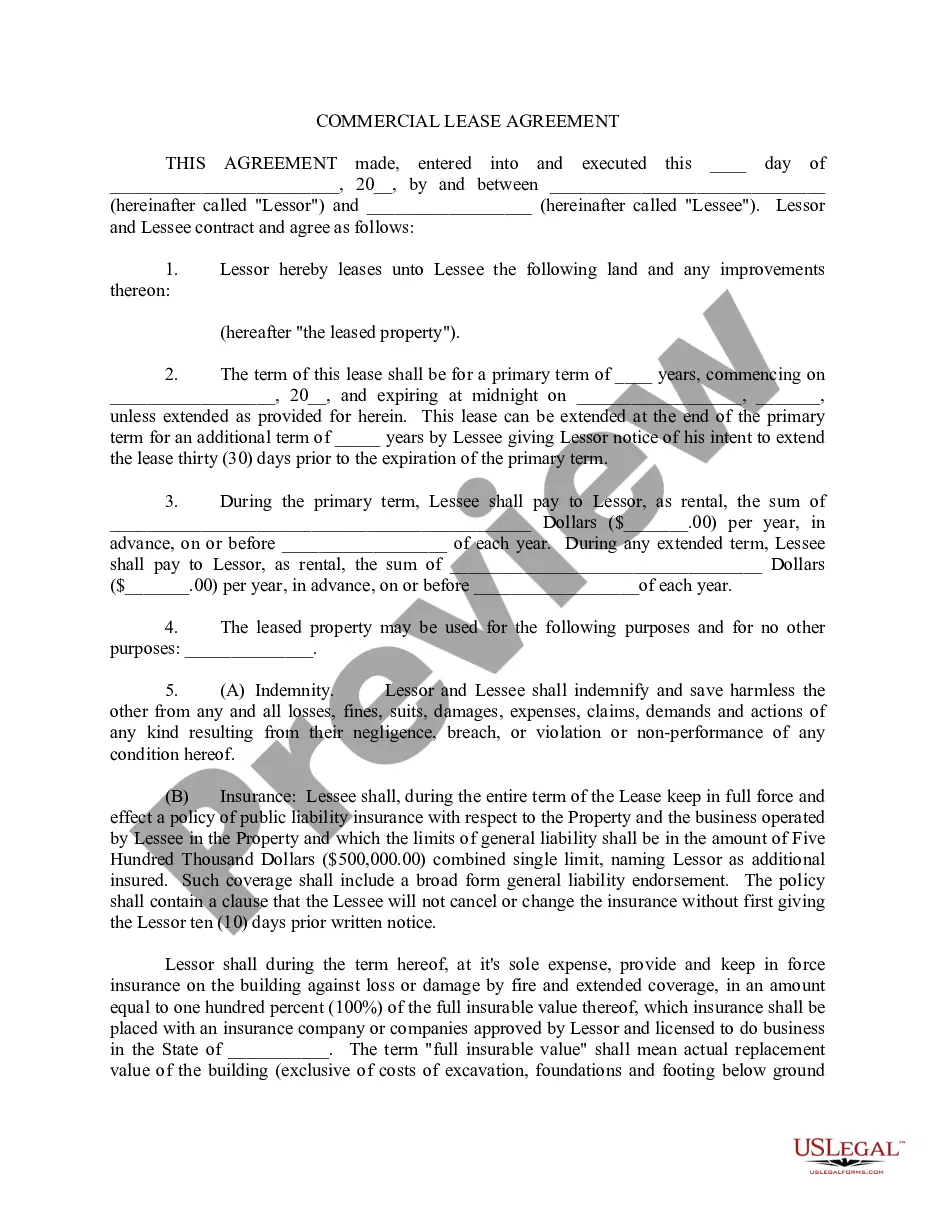
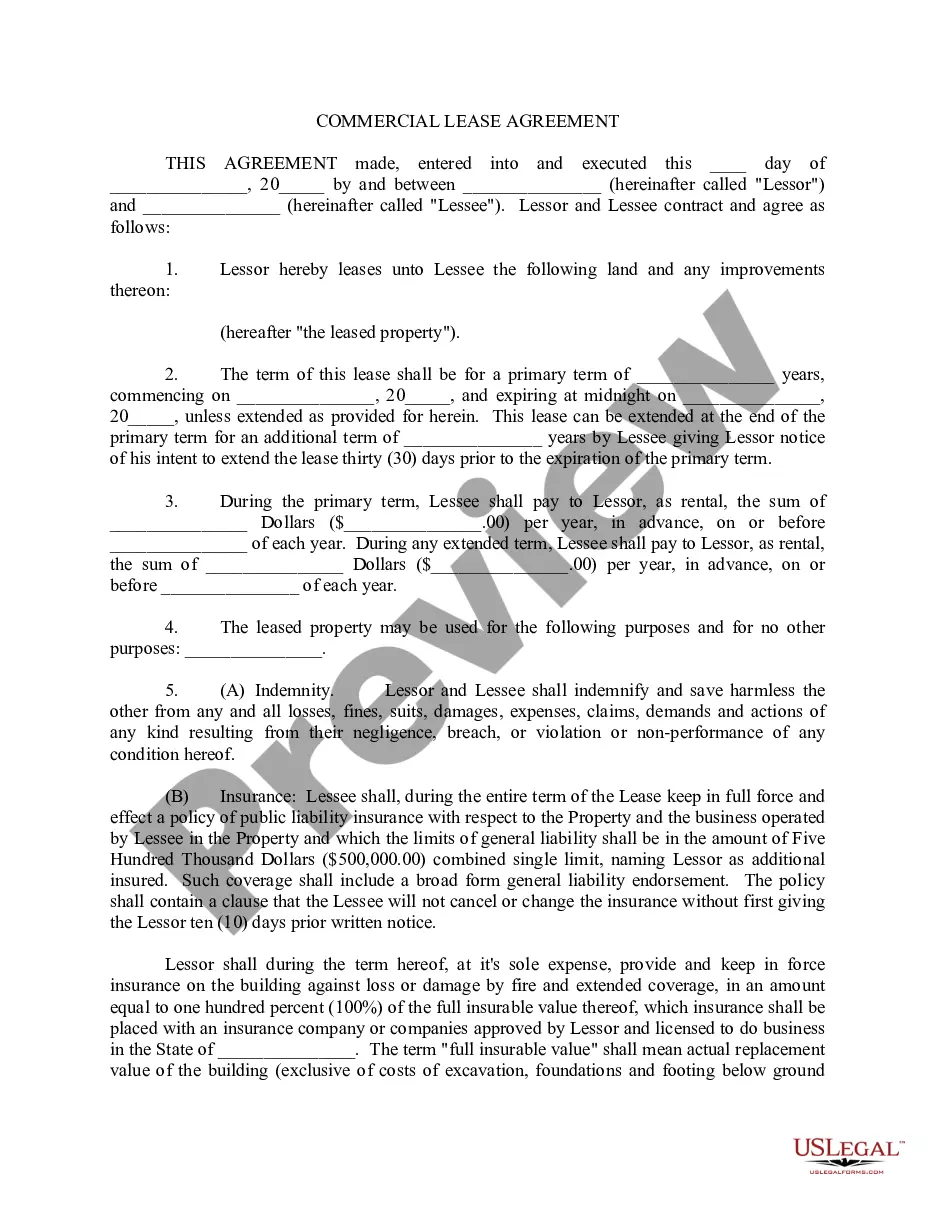
Get your form ready online
Our built-in tools help you complete, sign, share, and store your documents in one place.
Make edits, fill in missing information, and update formatting in US Legal Forms—just like you would in MS Word.
Download a copy, print it, send it by email, or mail it via USPS—whatever works best for your next step.
Sign and collect signatures with our SignNow integration. Send to multiple recipients, set reminders, and more. Go Premium to unlock E-Sign.
If this form requires notarization, complete it online through a secure video call—no need to meet a notary in person or wait for an appointment.
We protect your documents and personal data by following strict security and privacy standards.

Make edits, fill in missing information, and update formatting in US Legal Forms—just like you would in MS Word.

Download a copy, print it, send it by email, or mail it via USPS—whatever works best for your next step.

Sign and collect signatures with our SignNow integration. Send to multiple recipients, set reminders, and more. Go Premium to unlock E-Sign.

If this form requires notarization, complete it online through a secure video call—no need to meet a notary in person or wait for an appointment.

We protect your documents and personal data by following strict security and privacy standards.
Looking for another form?




How to fill out Tenant Improvement Lease?
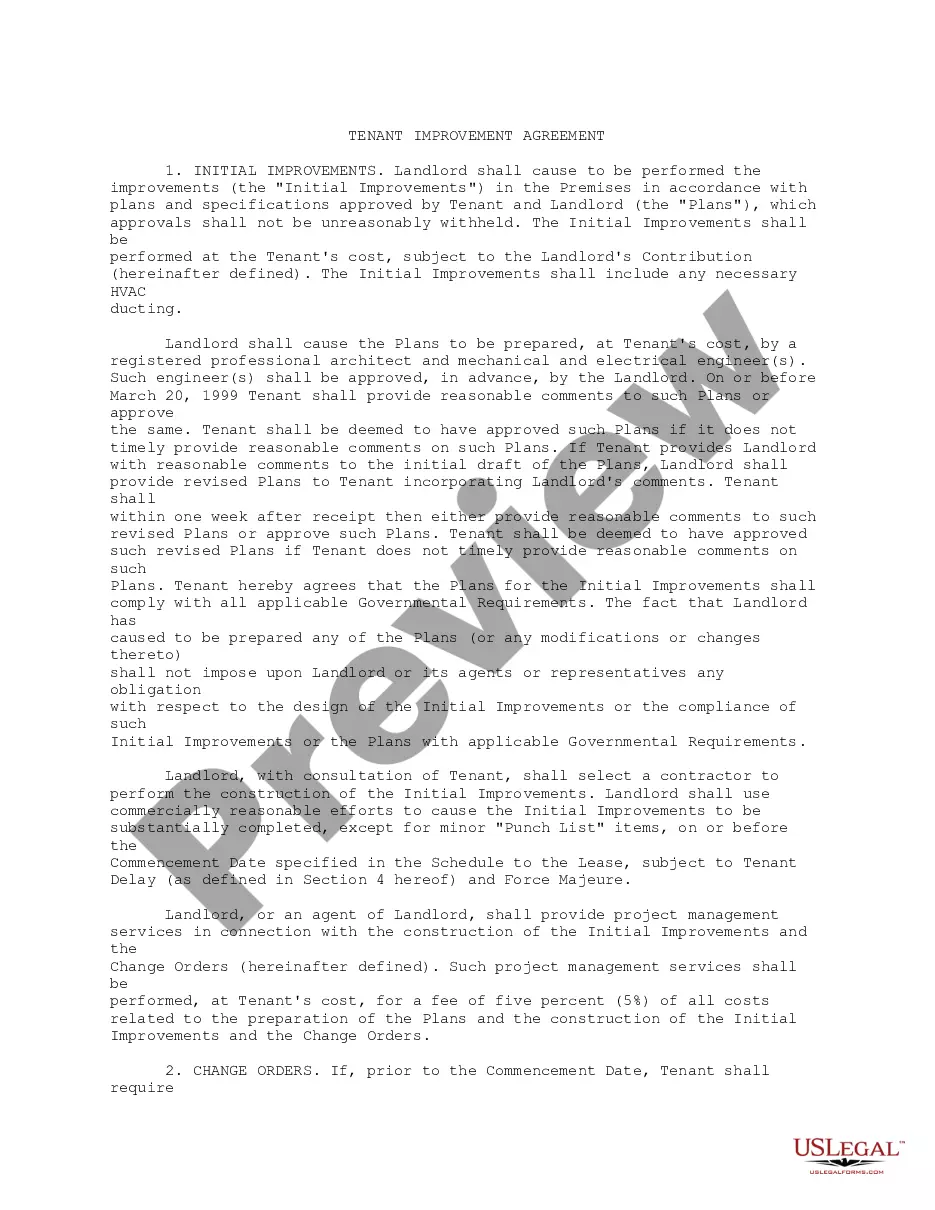
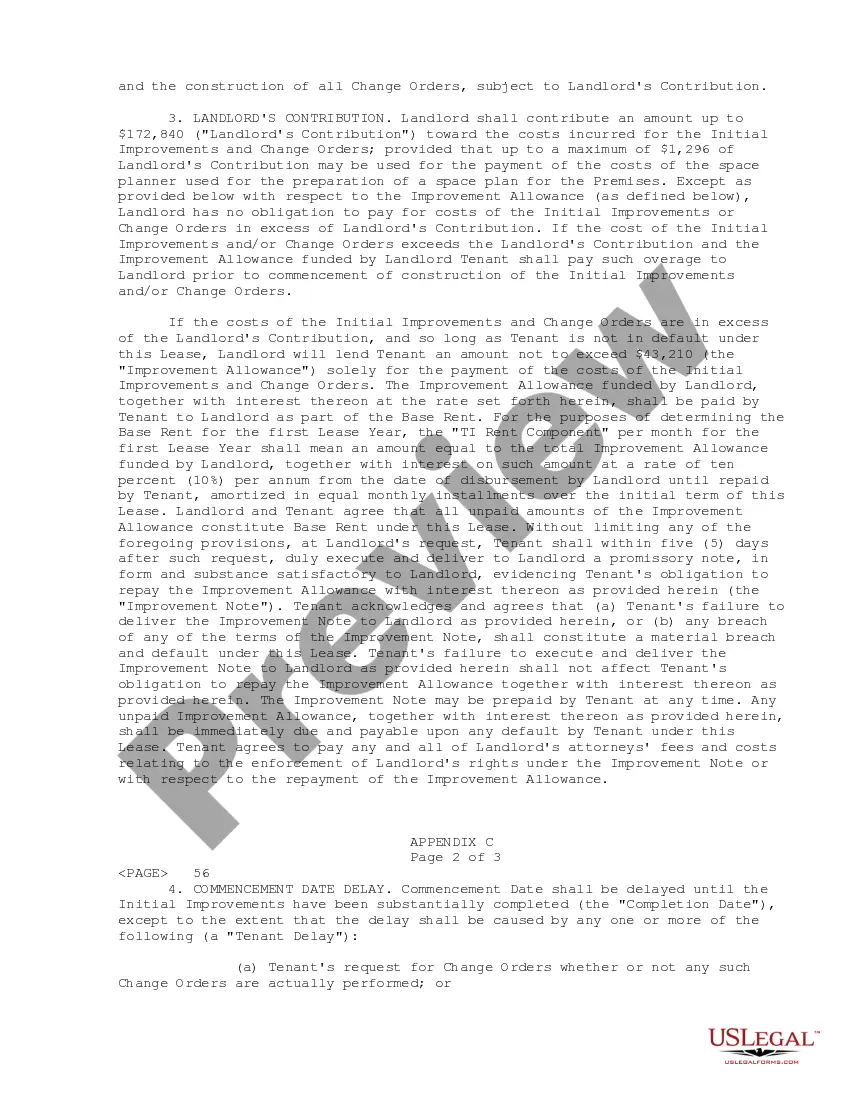
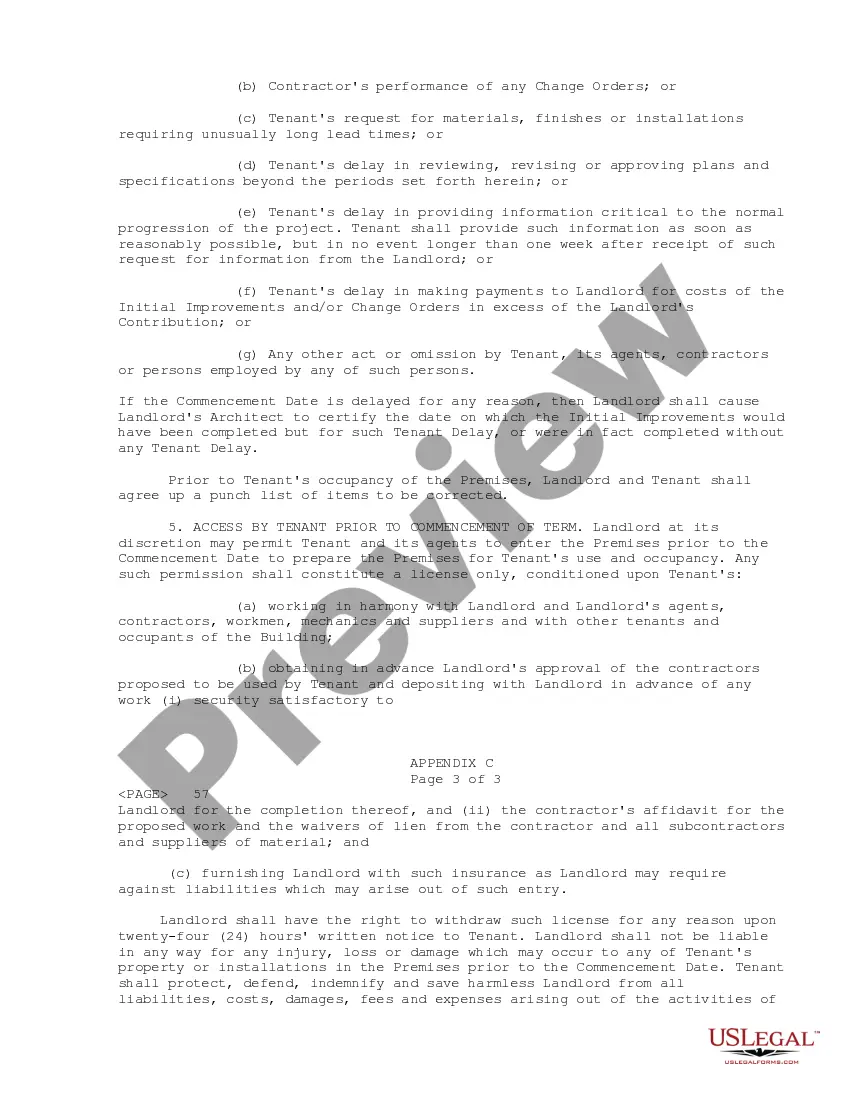
Are you currently in the placement where you will need papers for either business or individual purposes nearly every time? There are tons of lawful file web templates accessible on the Internet, but discovering versions you can rely isn`t simple. US Legal Forms gives 1000s of type web templates, just like the Ohio Tenant Improvement Lease, which are created to meet federal and state needs.
If you are presently knowledgeable about US Legal Forms internet site and have an account, basically log in. Following that, you are able to obtain the Ohio Tenant Improvement Lease format.
If you do not come with an account and need to begin using US Legal Forms, adopt these measures:
- Get the type you want and make sure it is for the correct town/region.
- Use the Preview switch to examine the shape.
- Read the outline to ensure that you have chosen the appropriate type.
- If the type isn`t what you are looking for, utilize the Search area to find the type that fits your needs and needs.
- Once you get the correct type, click Acquire now.
- Choose the pricing strategy you desire, fill in the desired information to make your bank account, and purchase the transaction using your PayPal or bank card.
- Select a convenient document format and obtain your version.
Get all of the file web templates you have purchased in the My Forms food selection. You can obtain a additional version of Ohio Tenant Improvement Lease at any time, if possible. Just select the essential type to obtain or print the file format.
Use US Legal Forms, probably the most considerable variety of lawful forms, to conserve efforts and steer clear of faults. The services gives appropriately made lawful file web templates that can be used for an array of purposes. Create an account on US Legal Forms and start producing your way of life a little easier.
Form popularity
FAQ
Hard costs are improvements that will be left behind after the tenant leaves that could benefit the landlord directly. The landlord is mostly concerned with the modifications that will increase the value of the building, such as framing and walls, HVAC, doors, windows, paint and flooring.
Common examples are adding permanent buildings and other structures, or making an addition to an existing building. Renovating or repairing an existing structure would also be an improvement. Examples typically include the addition of foundations, driveways, utility services, other engineering structures, etc.
If the lessee owns the improvements, then the lessee initially records the allowance as an incentive (which is a deferred credit), and amortizes it over the lesser of either the term of the lease or the useful life of the improvements, with no residual value.
What Is a Leasehold Improvement? The term leasehold improvement refers to any changes made to customize a rental property to satisfy the particular needs of a specific tenant. These changes and alterations may include painting, installing partitions, changing the flooring, or putting in customized light fixtures.
From an accounting standpoint, leasehold improvements must be capitalized on the balance sheet, meaning the cost of the improvements is spread out over time in line with the company's use of space.
What are some examples of TI's? Every business has specific needs and TI's enable them to customize a lease space to meet specific needs. Some examples of TI's include adding walled offices, a break room or kitchen, an additional bathroom, conference rooms, drop ceilings and painting.
Per-Square-Foot Basis: Many leases calculate TIAs based on a per-square-foot basis. This involves multiplying the agreed-upon per-square-foot allowance by the total square footage of the leased space. For example, if the TIA is $10 per square foot, and your space is 2,000 square feet, your TIA would be $20,000.
The real estate definition of a TI (tenant improvements) is the customized alterations a building owner makes to rental space as part of a lease agreement, in order to configure the space for the needs of that particular tenant. Who pays for commercial tenant improvements?