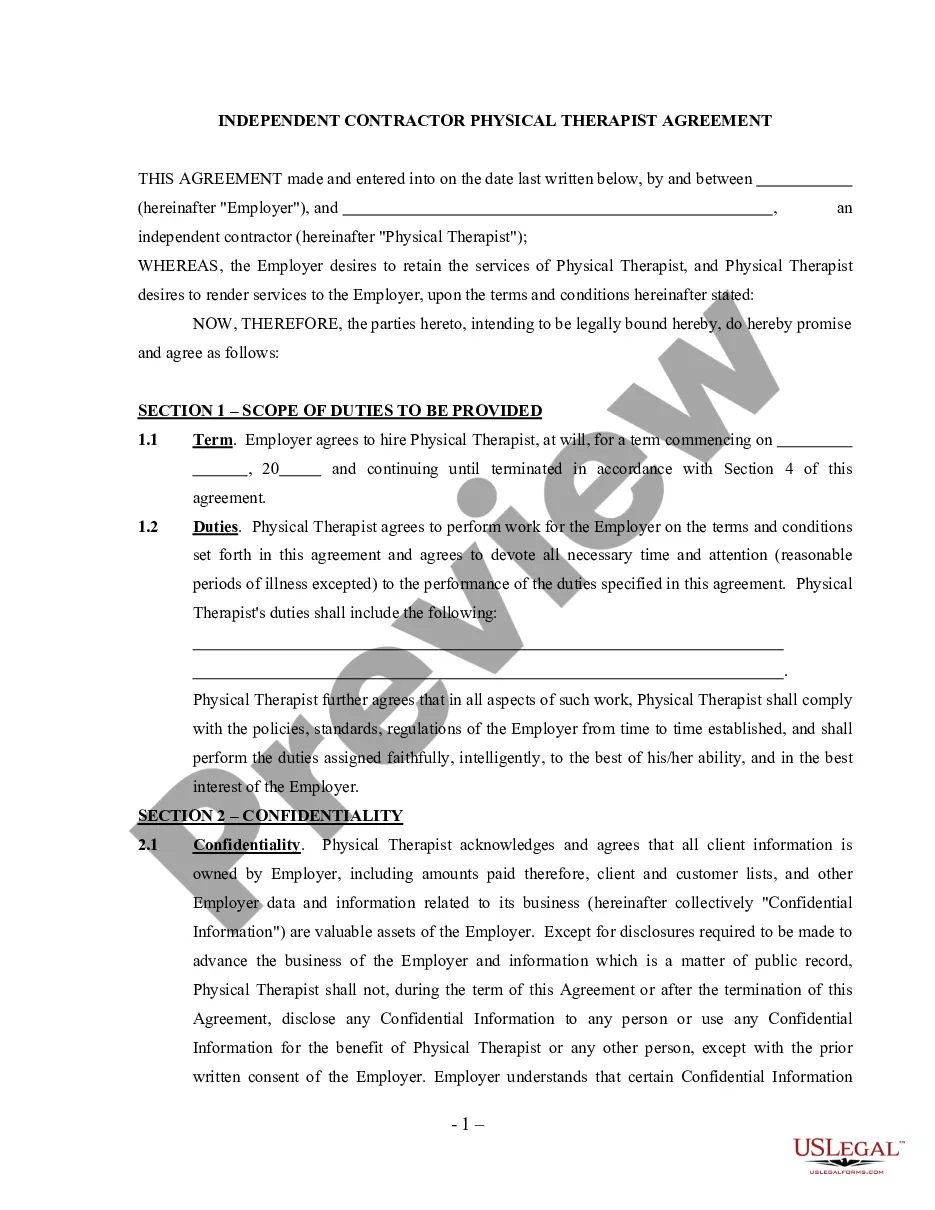
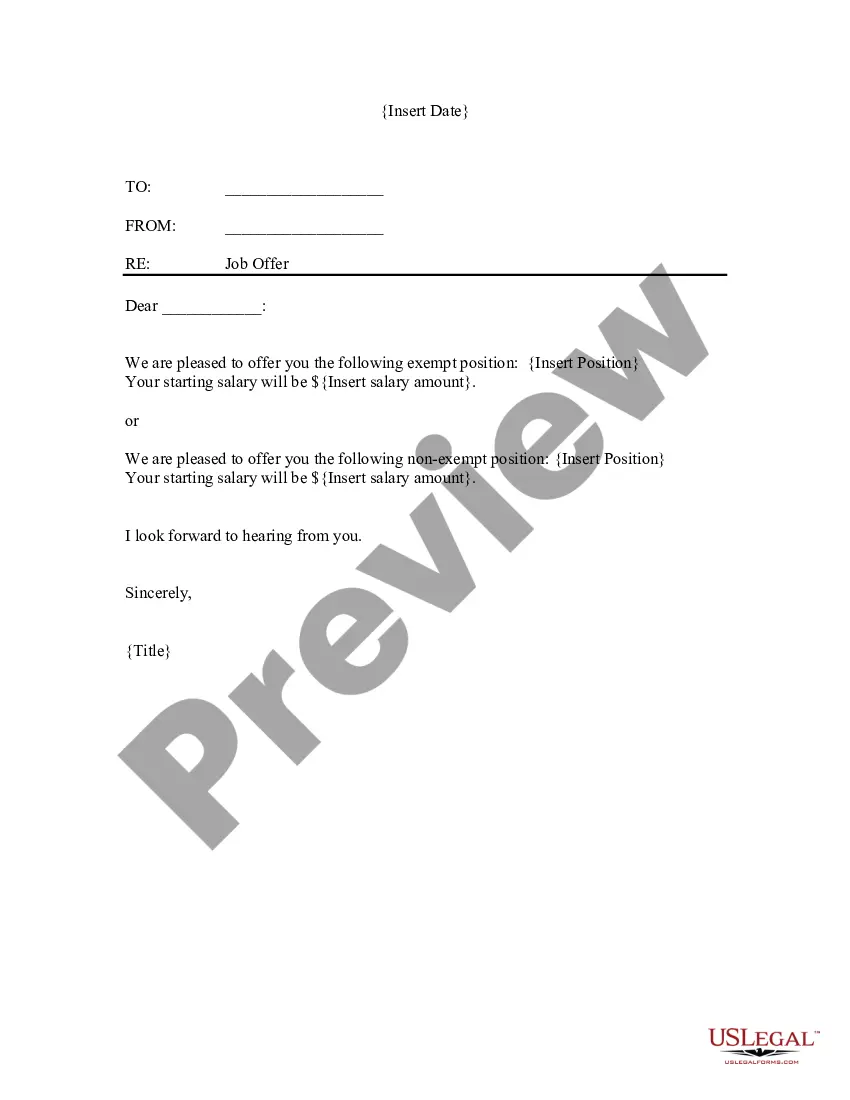
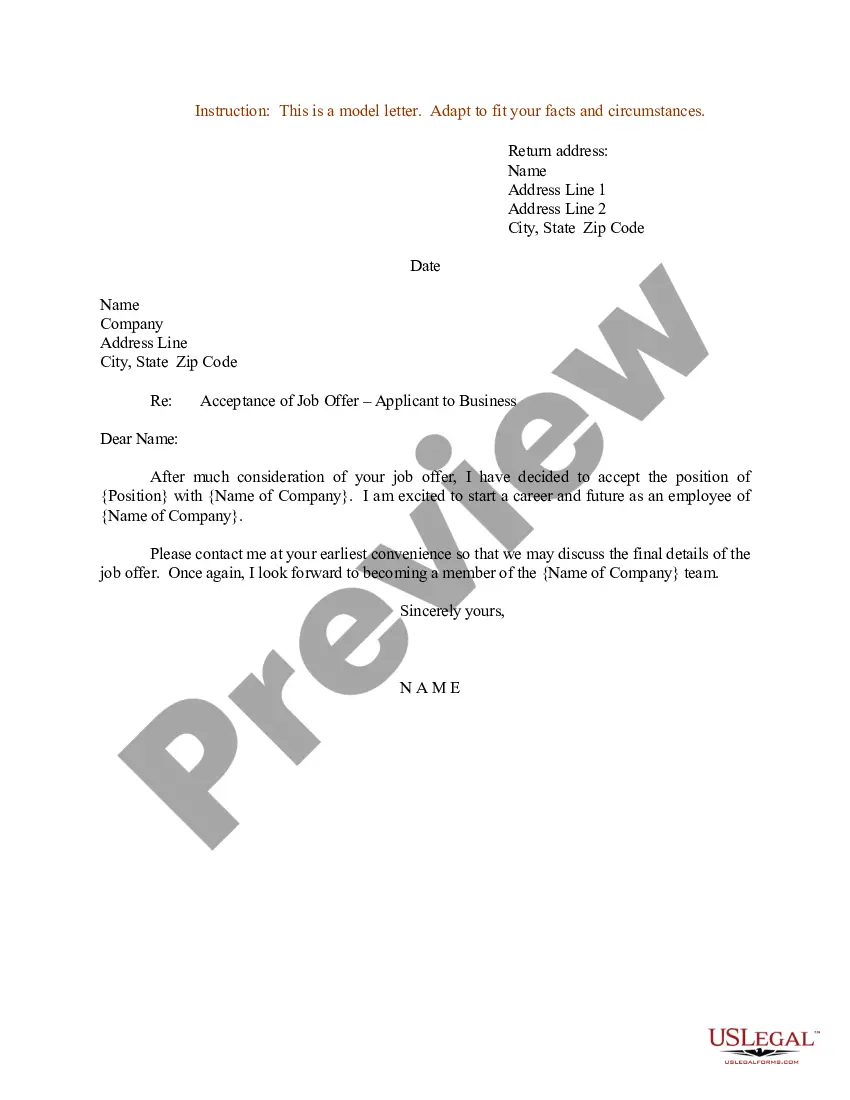
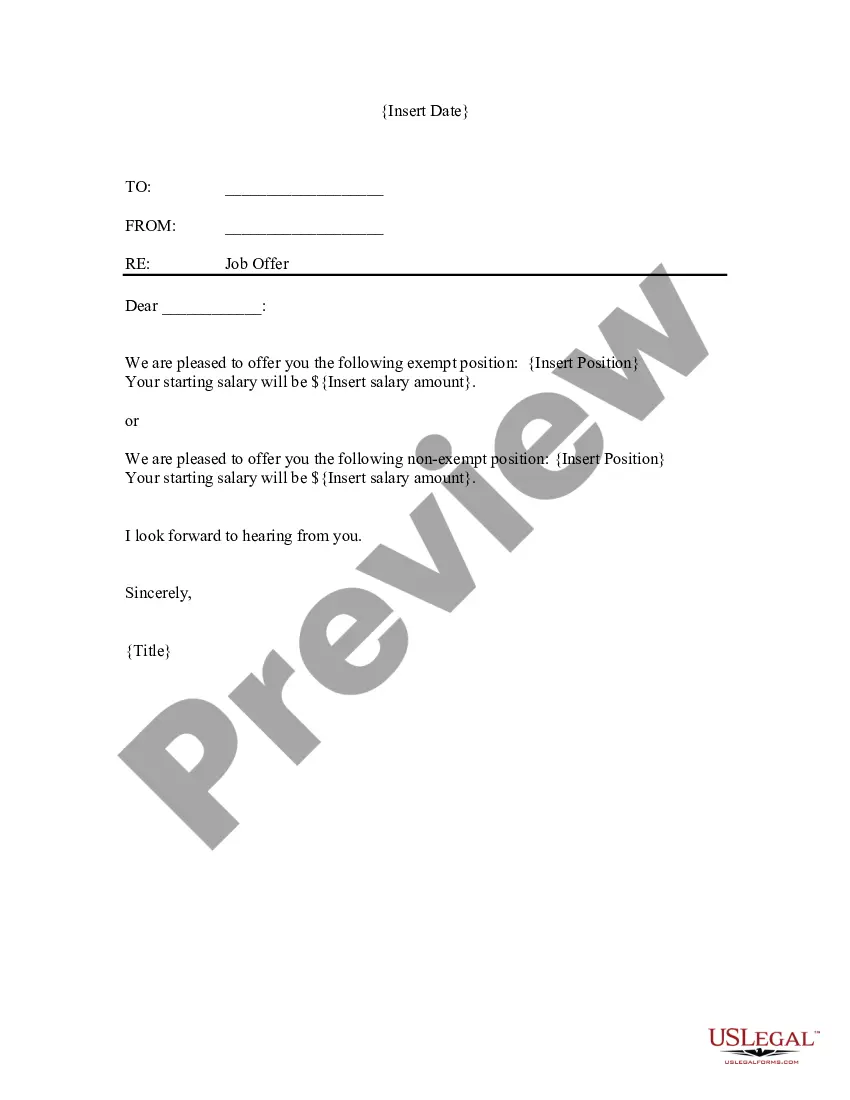
Ohio Job Offer Letter for Actor
Description
Get your form ready online
Our built-in tools help you complete, sign, share, and store your documents in one place.
Make edits, fill in missing information, and update formatting in US Legal Forms—just like you would in MS Word.
Download a copy, print it, send it by email, or mail it via USPS—whatever works best for your next step.
Sign and collect signatures with our SignNow integration. Send to multiple recipients, set reminders, and more. Go Premium to unlock E-Sign.
If this form requires notarization, complete it online through a secure video call—no need to meet a notary in person or wait for an appointment.
We protect your documents and personal data by following strict security and privacy standards.

Make edits, fill in missing information, and update formatting in US Legal Forms—just like you would in MS Word.

Download a copy, print it, send it by email, or mail it via USPS—whatever works best for your next step.

Sign and collect signatures with our SignNow integration. Send to multiple recipients, set reminders, and more. Go Premium to unlock E-Sign.

If this form requires notarization, complete it online through a secure video call—no need to meet a notary in person or wait for an appointment.

We protect your documents and personal data by following strict security and privacy standards.
Looking for another form?






How to fill out Job Offer Letter For Actor?
If you're looking to compile, obtain, or print legal document templates, utilize US Legal Forms, the premier collection of legal forms available online.
Take advantage of the site's straightforward and user-friendly search feature to find the documentation you require.
A variety of templates for business and personal purposes are organized by categories and states, or keywords.
Step 4. Once you've located the form you require, click the Purchase now button. Choose your preferred pricing plan and enter your information to register for the account.
Step 5. Process the payment. You can choose to use your credit card or PayPal account to complete the transaction.
- Utilize US Legal Forms to find the Ohio Job Offer Letter for Actor in just a few clicks.
- If you are already a US Legal Forms user, Log In to your account and press the Download button to retrieve the Ohio Job Offer Letter for Actor.
- You can also access forms you've previously downloaded from the My documents section of your account.
- For first-time users of US Legal Forms, follow these steps.
- Step 1. Ensure you have selected the form for your specific city/state.
- Step 2. Use the Review feature to examine the form's content. Don't forget to read the description.
- Step 3. If you are not satisfied with the form, utilize the Search bar at the top of the screen to find different versions of the legal form template.
Form popularity
FAQ
Another common proof of income is a recent offer of employment on company letterhead. This is forward-looking and indicates the salary or hourly rate. Be careful: offer letters are often conditional upon things like drug tests, which the applicant may not yet have passed. Offer letters may also have expiration dates.
Once you have accepted the offer, whether verbally or in writing, you are legally bound by it. However, it is best practice for a verbal offer to be followed up in writing and for you to accept it in writing; most graduate employers wait for you to accept it in writing rather than holding you to a verbal agreement.
The main difference between an offer letter and employment letter is that an offer letter contains the details of the job that the company wants the candidate to accept. However, the candidate may or may not accept it. The offer letter is exchanging the information between a company and an employee.
Most contracts won't have any specific clauses about this sort of thing and generally focus on salary levels, confidentiality clauses and responsibilities. However, while it is likely there won't be any legal repercussions if you change your mind, it might be pertinent to get some advice from a lawyer or expert.
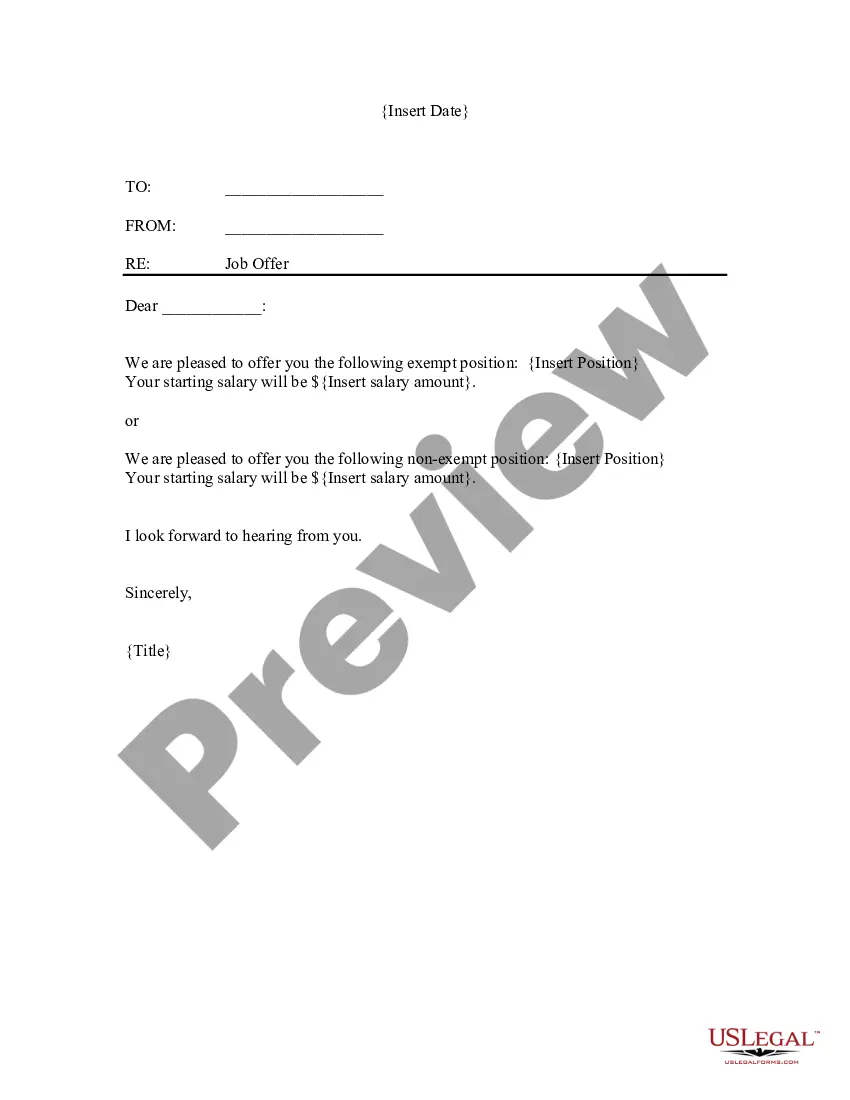
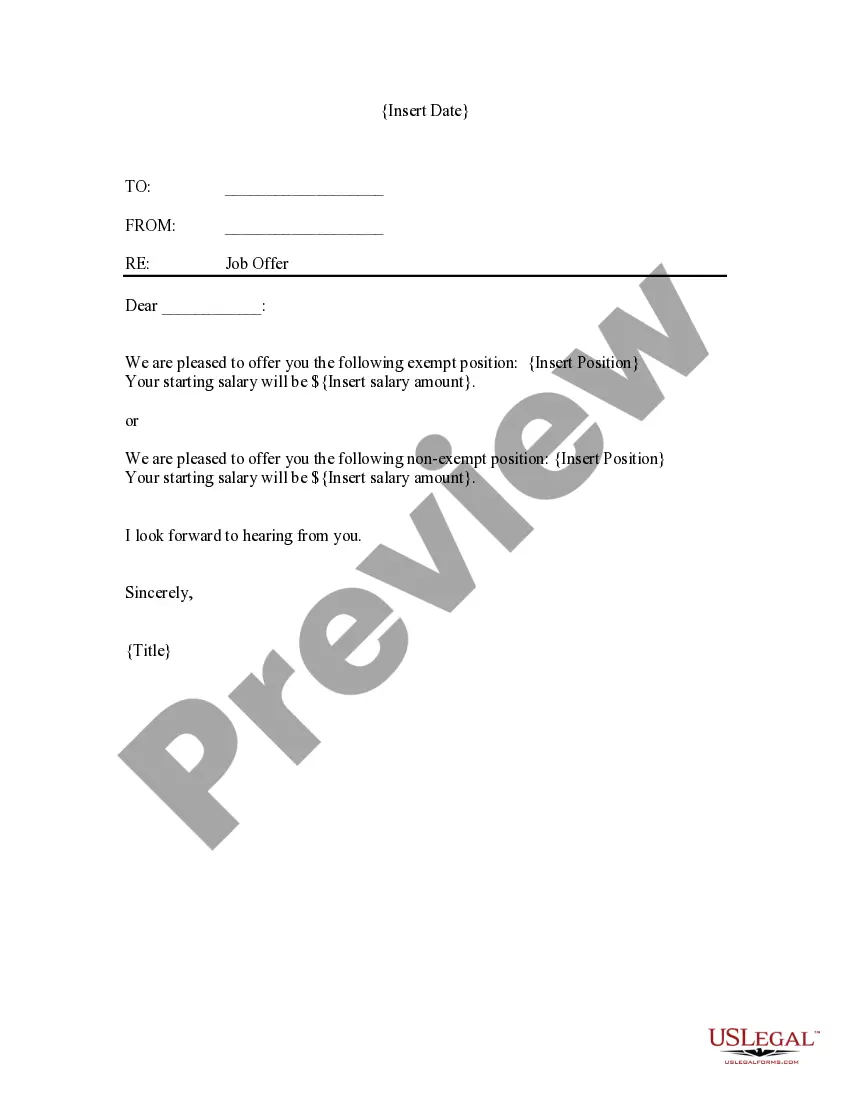
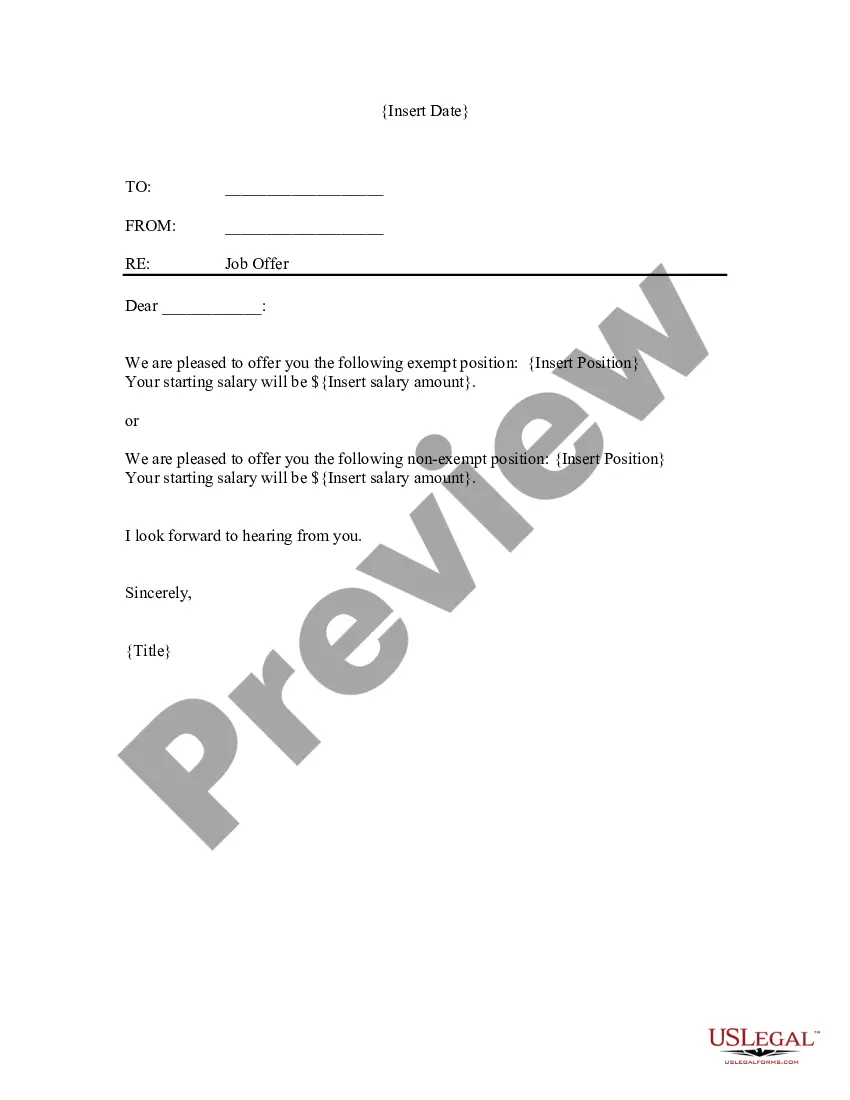
A job offer letter from employer to employee should include:Job title.Job description.Starting date.Work schedule.Reporting structure.Salary (Compensation Bonus or Commission)Paid time off.Employee benefits.More items...
Can you back out of the job offer? Yes. Technically, anyone can turn down a job offer, back out of a job already started, or renege on an acceptance at any point. Most states operate with what is called at will employment. This means the employee and the employer are not in a binding contract.
The most common proof of employment is an employment verification letter from an employer that includes the employee's dates of employment, job title, and salary. It's also often called a "letter of employment," a "job verification letter," or a "proof of employment letter."
In general, offer letters are less formal than employment contracts, which typically set terms and conditions of employment that are legally binding. It's also vital for employers to understand that they aren't required by federal law to send an offer letter to new hires.
Some important details about an offer letter are: It is NOT a legally binding contract. It does NOT include promises of future employment or wages. It includes an employment at-will statement.
A job offer letter is a written communication sent to a prospective employee who has been selected for a specific position. A job offer letter should provide the candidate with information on salary, job status, job duties, contingencies, supervision and starting date.