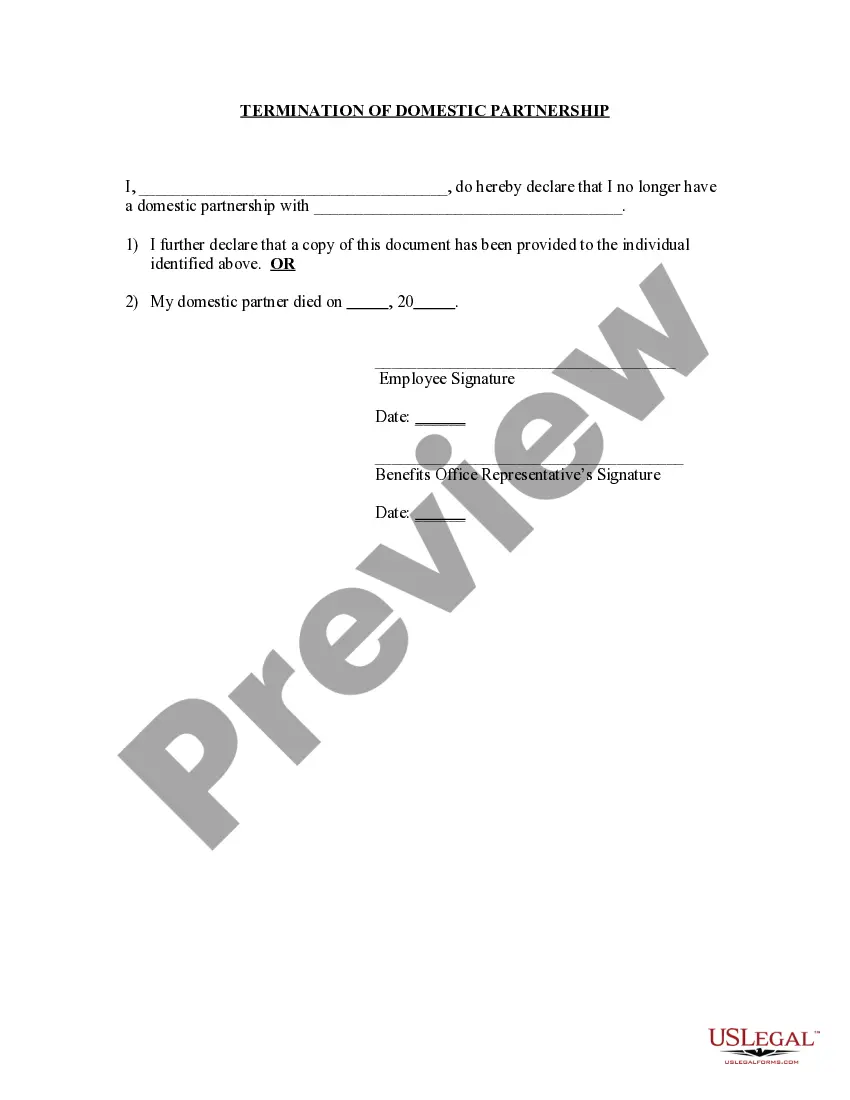
Ohio Termination of Domestic Partnership
Description
Get your form ready online
Our built-in tools help you complete, sign, share, and store your documents in one place.
Make edits, fill in missing information, and update formatting in US Legal Forms—just like you would in MS Word.
Download a copy, print it, send it by email, or mail it via USPS—whatever works best for your next step.
Sign and collect signatures with our SignNow integration. Send to multiple recipients, set reminders, and more. Go Premium to unlock E-Sign.
If this form requires notarization, complete it online through a secure video call—no need to meet a notary in person or wait for an appointment.
We protect your documents and personal data by following strict security and privacy standards.

Make edits, fill in missing information, and update formatting in US Legal Forms—just like you would in MS Word.

Download a copy, print it, send it by email, or mail it via USPS—whatever works best for your next step.

Sign and collect signatures with our SignNow integration. Send to multiple recipients, set reminders, and more. Go Premium to unlock E-Sign.

If this form requires notarization, complete it online through a secure video call—no need to meet a notary in person or wait for an appointment.

We protect your documents and personal data by following strict security and privacy standards.
Looking for another form?
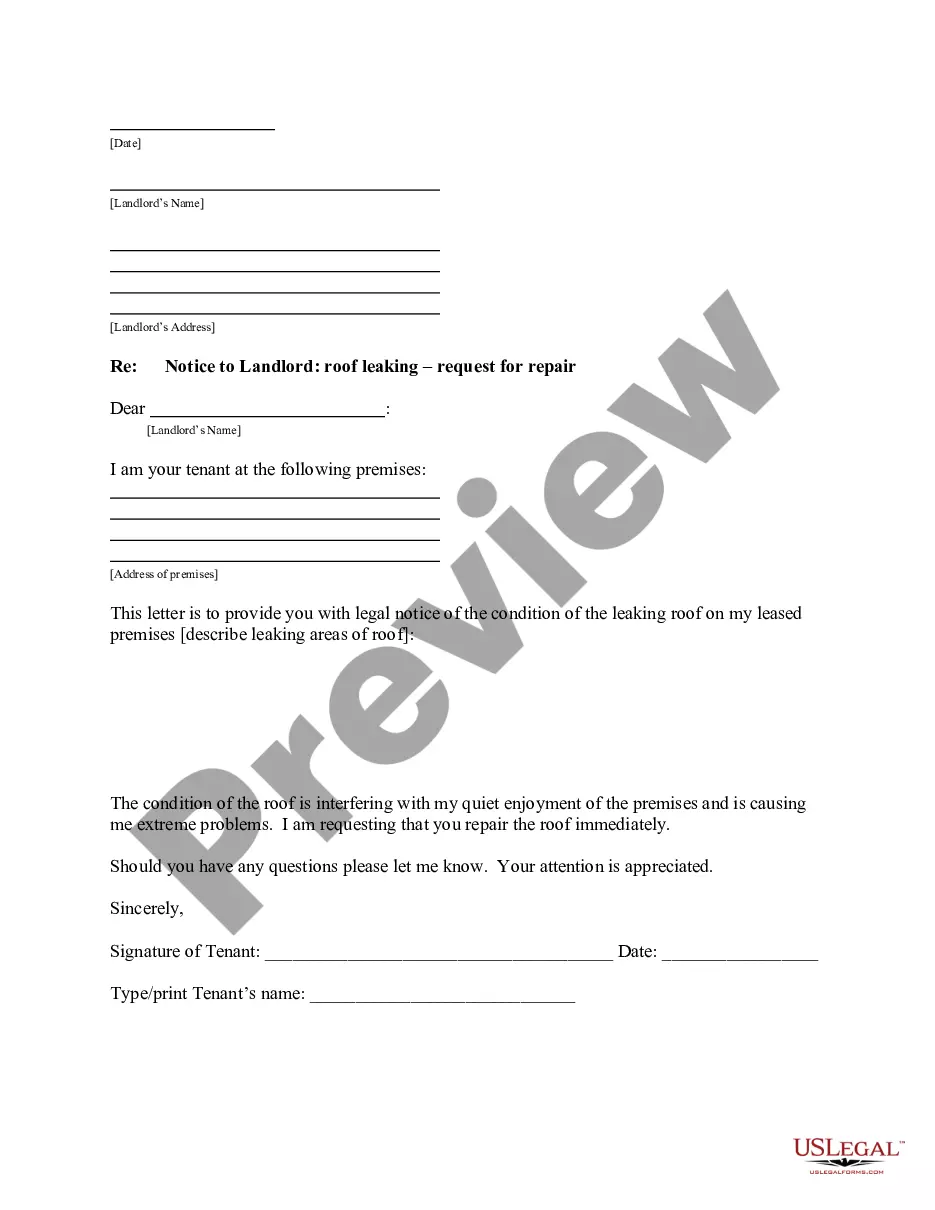
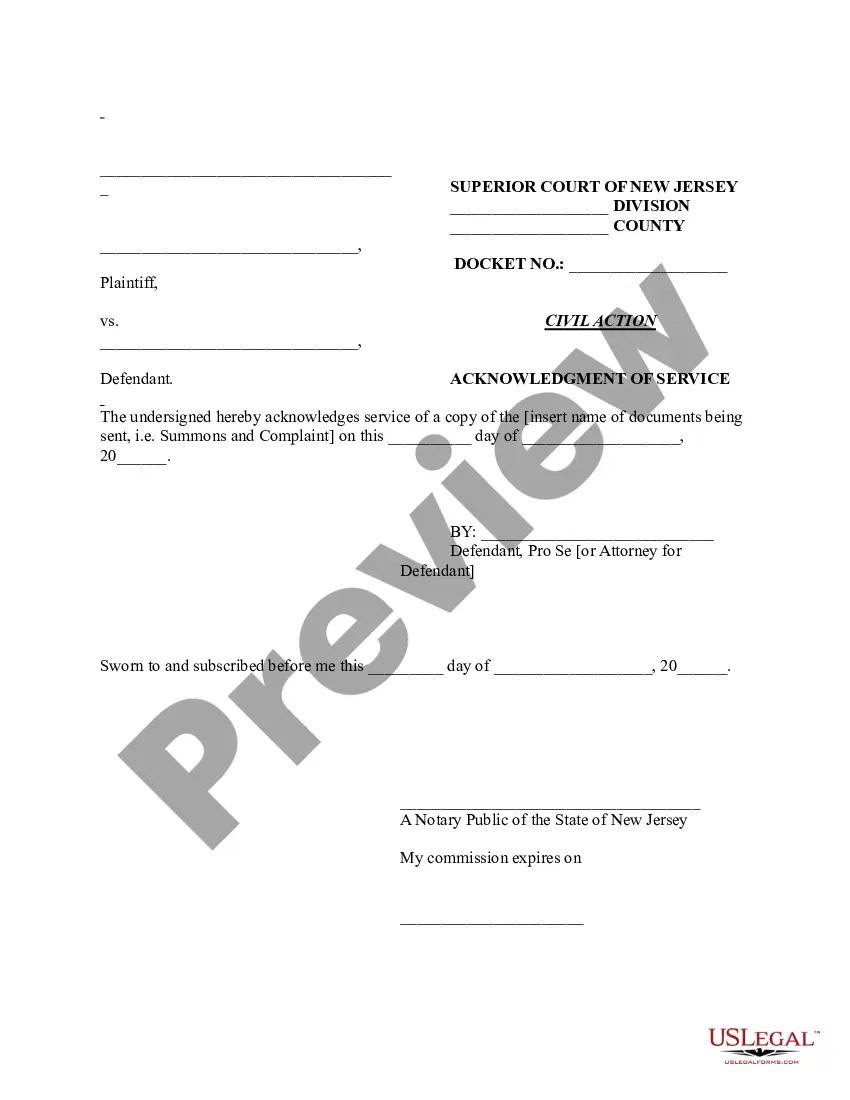
How to fill out Termination Of Domestic Partnership?
You might spend hours online attempting to discover the legal document format that meets the federal and state requirements you will need.
US Legal Forms provides thousands of legal forms that are reviewed by experts.
You can indeed download or print the Ohio Termination of Domestic Partnership from your service.
To find another variant in the form, leverage the Search box to locate the format that suits your needs and requirements.
- If you already have a US Legal Forms account, you can Log In and click the Acquire button.
- After that, you can complete, modify, print, or sign the Ohio Termination of Domestic Partnership.
- Every legal document format you obtain is yours permanently.
- To get another copy of any purchased form, go to the My documents tab and click the corresponding button.
- If you are visiting the US Legal Forms site for the first time, follow the simple instructions below.
- First, ensure that you have selected the correct document format for the state/region of your choice.
- Read the form information to confirm that you have chosen the right type.
Form popularity
FAQ
The process for terminating a domestic partnership varies between states. In some jurisdictions, ending a domestic partnership is as simple as filing a Notice of Termination with the Secretary of State. In other jurisdictions, domestic partners must dissolve their relationship through divorce or annulment proceedings.
A Petition for Dissolution of Domestic Partnership and Marriage is a formal request by one partner/spouse to a California Superior Court to dissolve both the domestic partnership and the marriage in a single proceeding. A judgment issued by the court in this case will end both the domestic partnership and the marriage.
General Qualifications to Register a Domestic Partnership The individuals are over 18 years old; The individuals aren't related in a way that would prevent them from marrying; The individuals aren't already married to or in a similar legal relationship with someone else; and. The individuals share a common residence.
A domestic partnership is a legal relationship between two individuals who live together and share a common domestic life, but are not married (to each other or to anyone else). People in domestic partnerships receive benefits that guarantee right of survivorship, hospital visitation, and others.
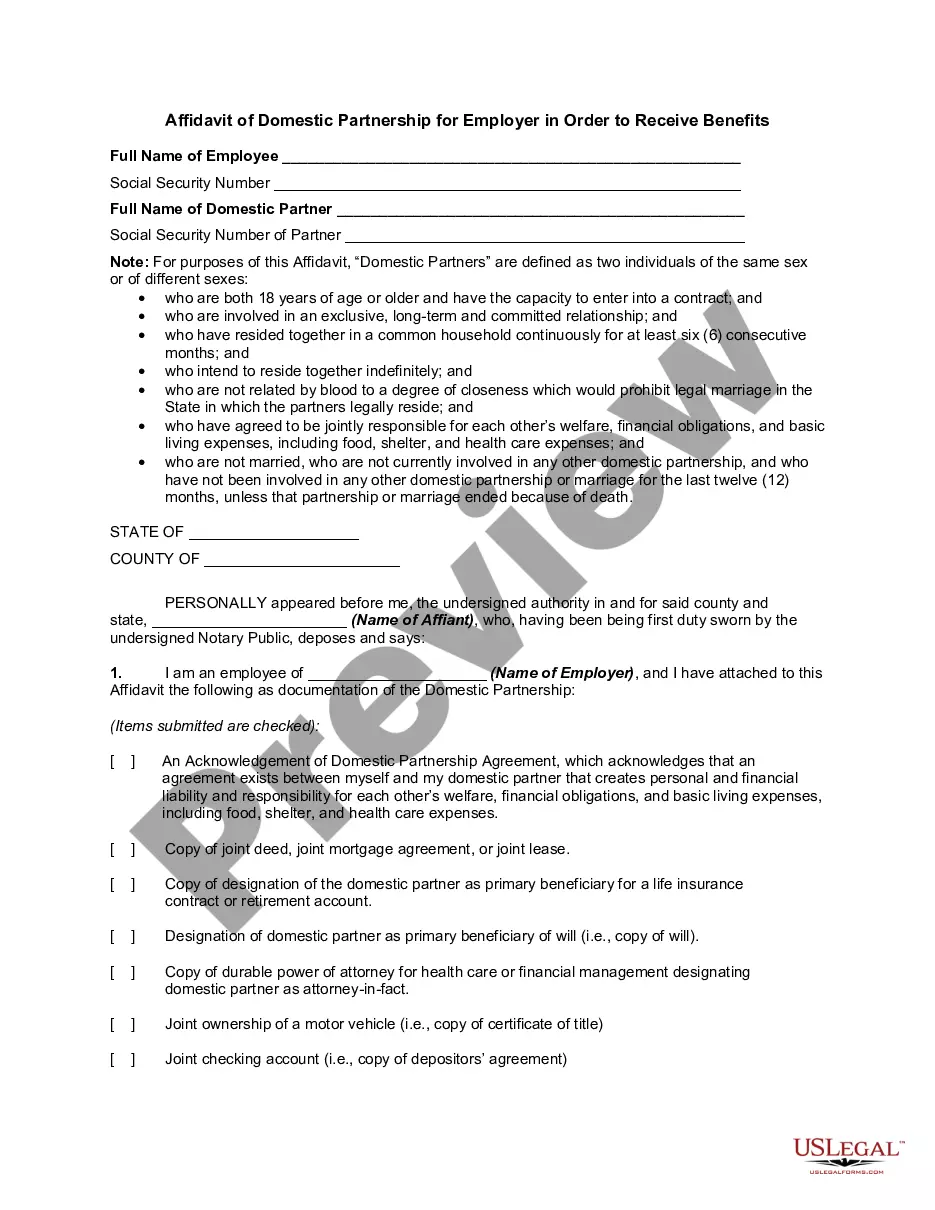
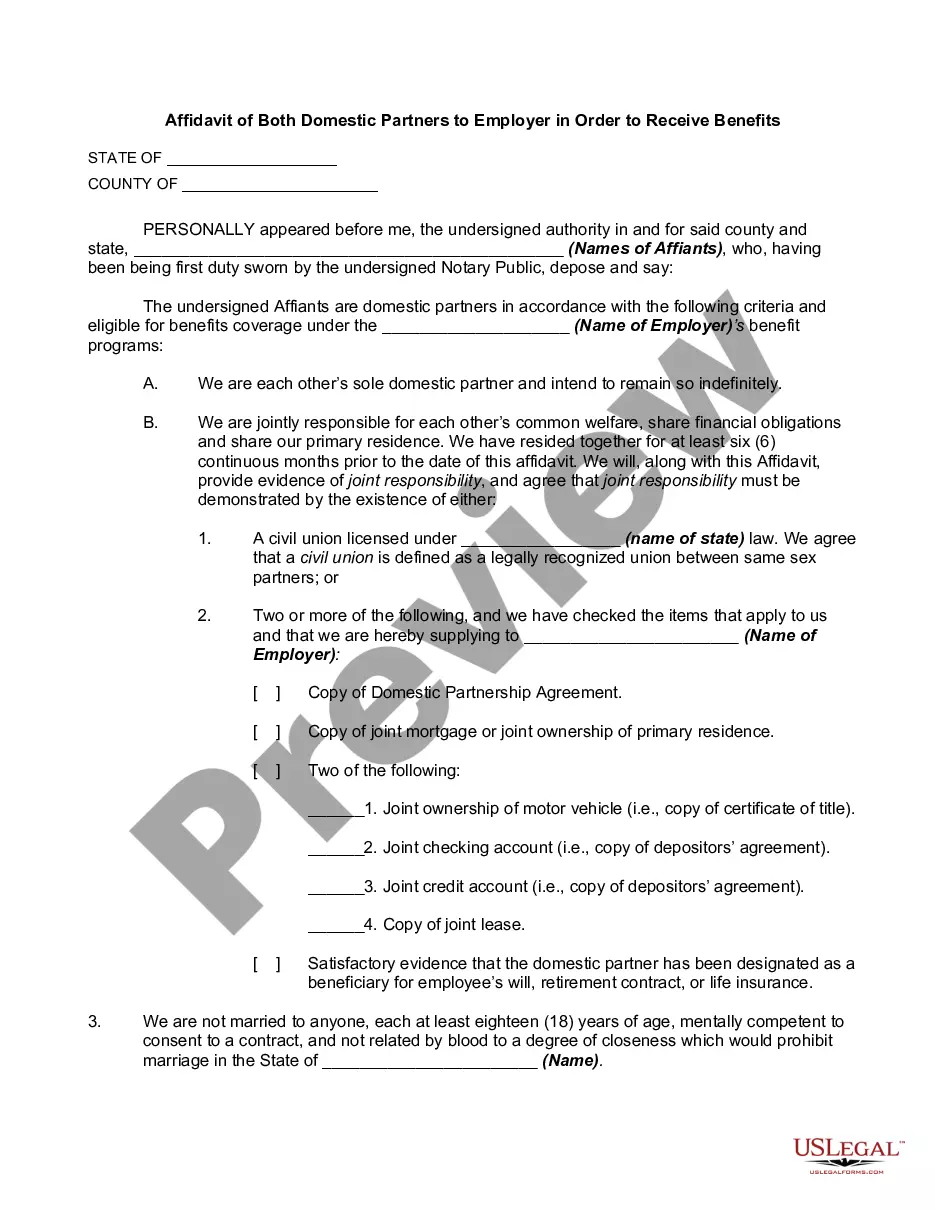
What are the criteria for a Domestic Partnership? statutory or common law, as recognized by the state of Ohio; and 2. we share responsibility for each others' common welfare; and 3. we are not related by blood in a manner that would bar our marriage in the State of Ohio; and 4.
There are no state laws addressing domestic partnerships in Ohio.
How do we dissolve a domestic partnership? You must complete and file a termination form stating the partnership has ended. If a domestic partnership certification was filed with the clerk, the termination form should be filed with the clerk as well.
One major change that was not enforced before the new law is that domestic partners are now financially responsible for each other's debts, both during and after the partnership.
The State of Ohio and its entire legal system does not recognize cohabitation and/or domestic partnership as a legal marriage. Common law marriages do not exist in this state. The only way you can be married in Ohio is by applying for and obtaining a marriage license from your county's probate court.
People who are already married or in a domestic partnership with someone else (people who are in a domestic partnership with each other can later get married without dissolving the partnership)