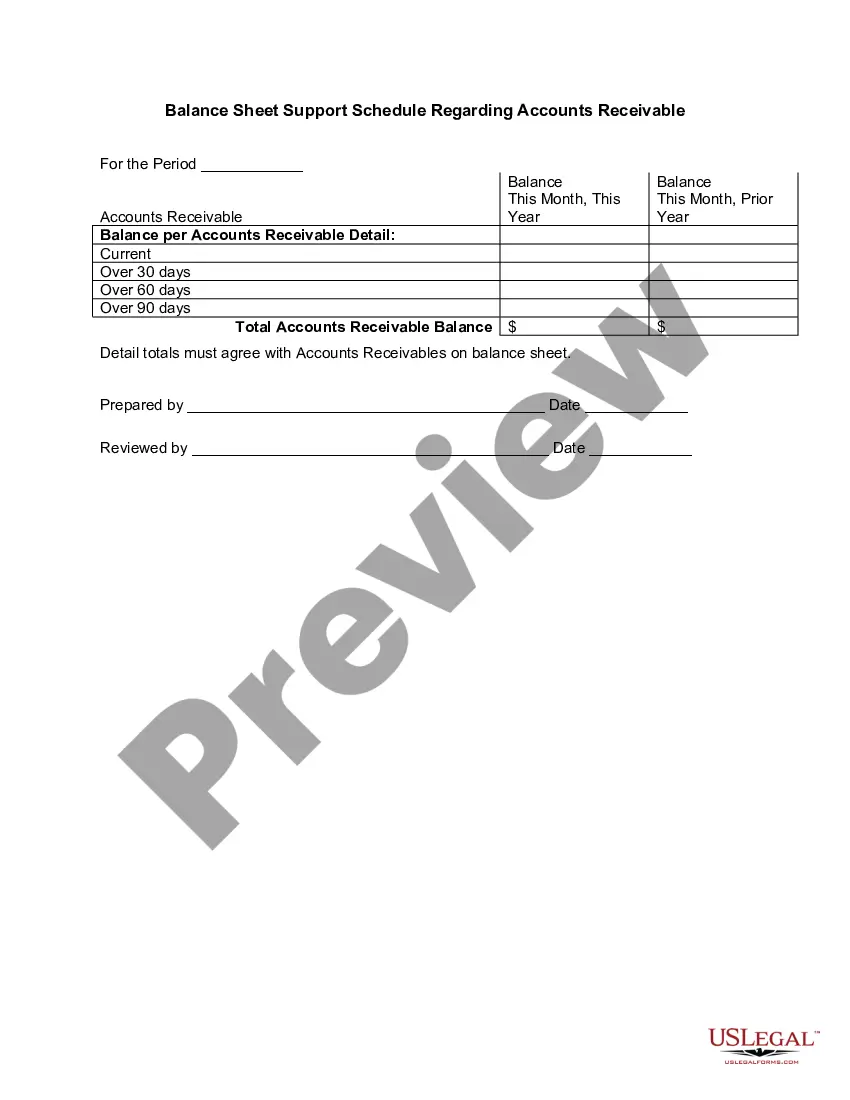
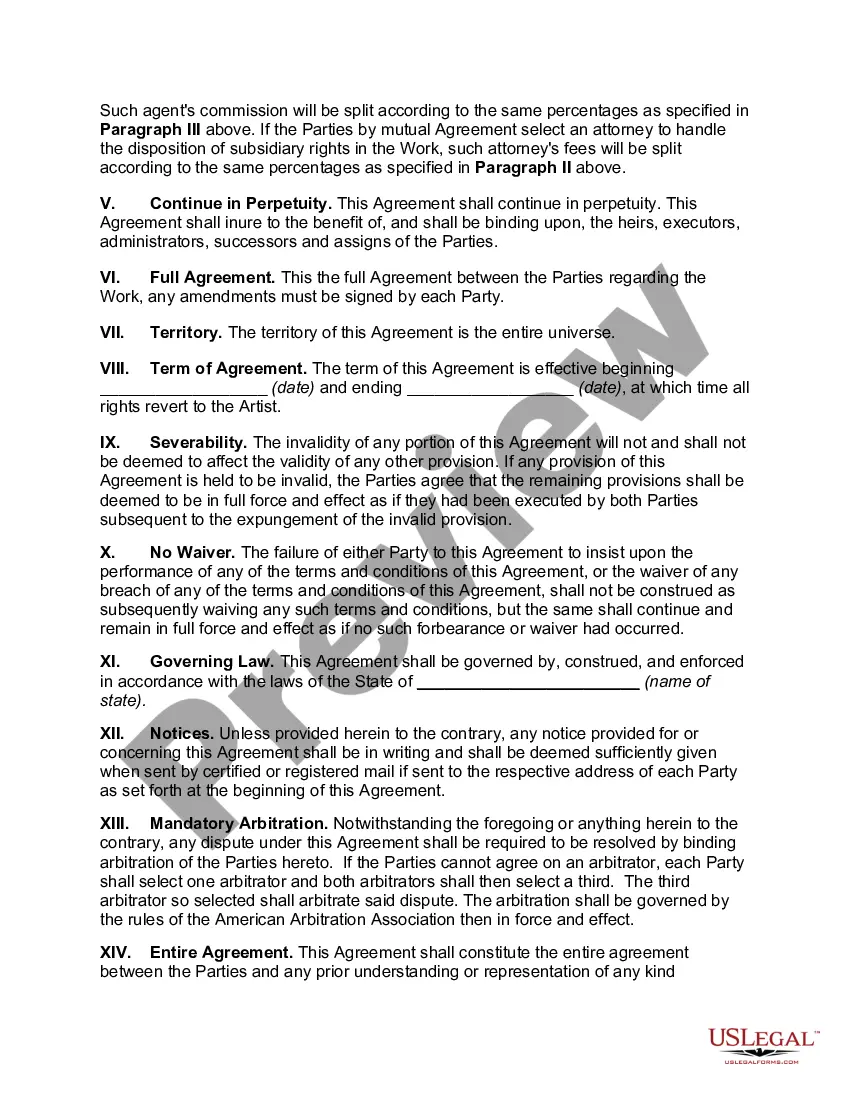
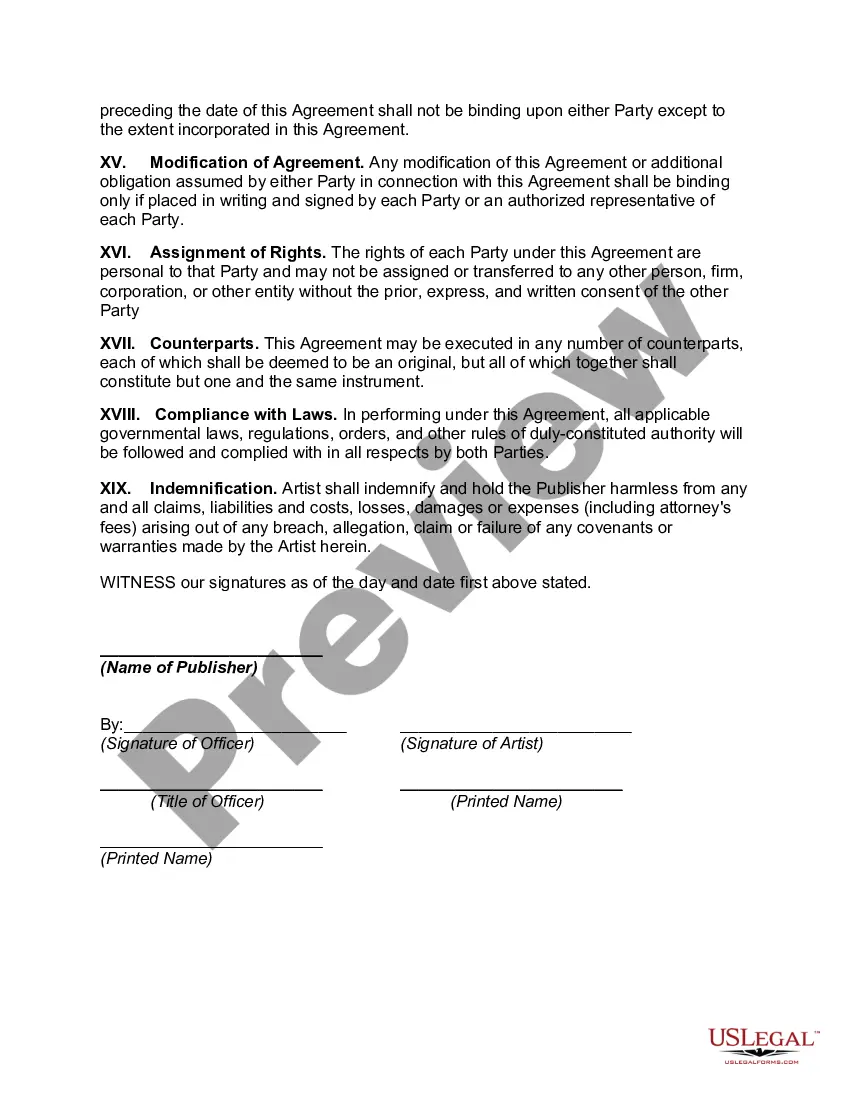
Ohio Royalty Split Agreement
Description
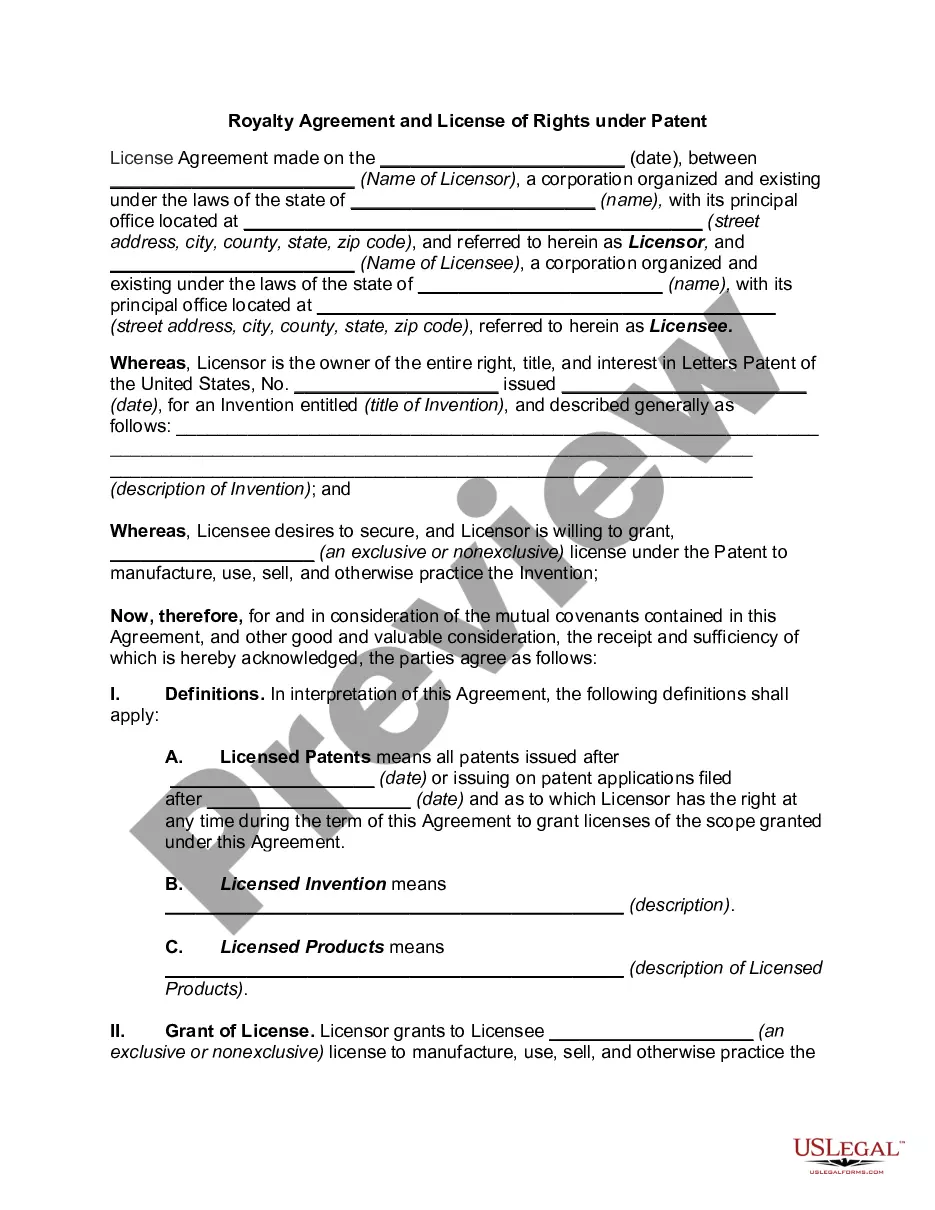
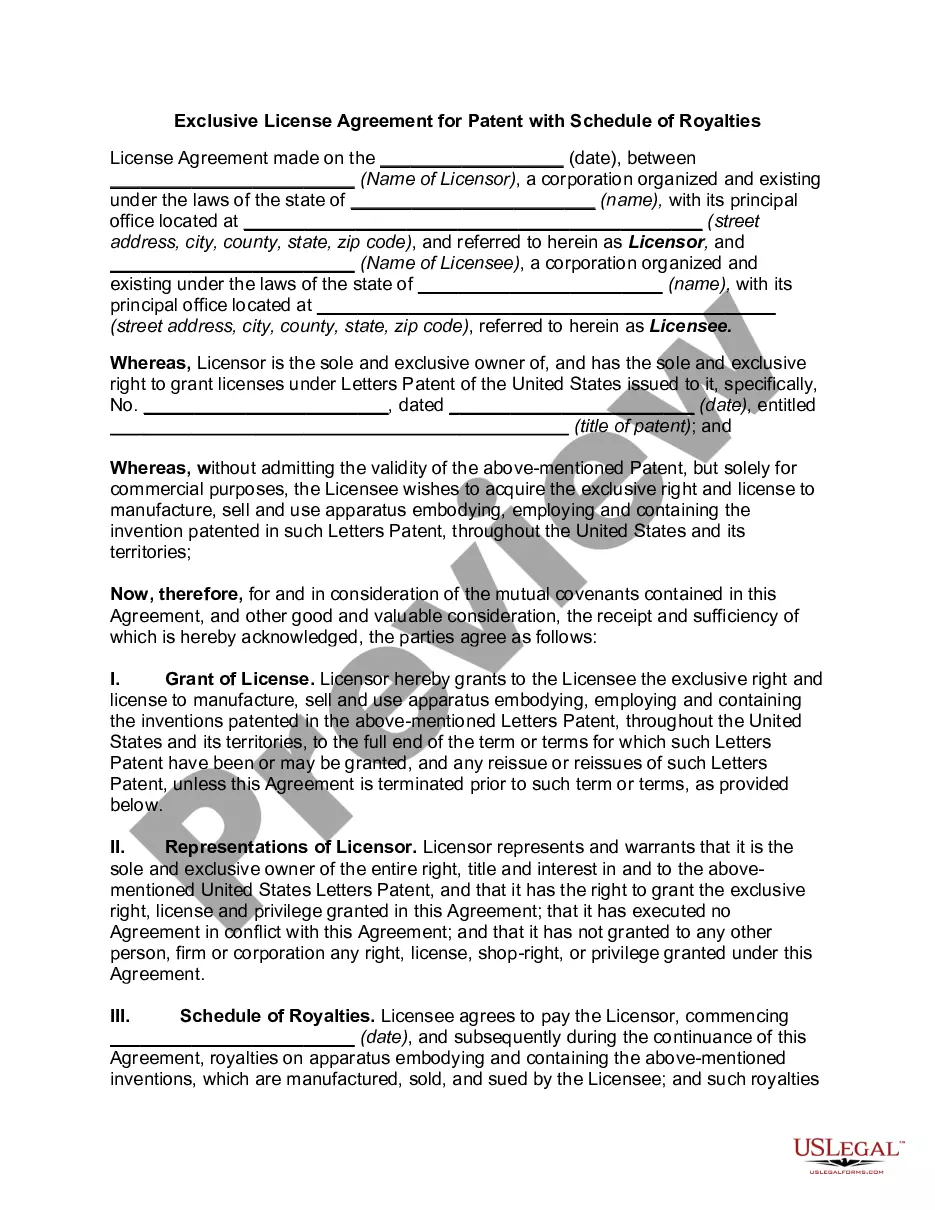
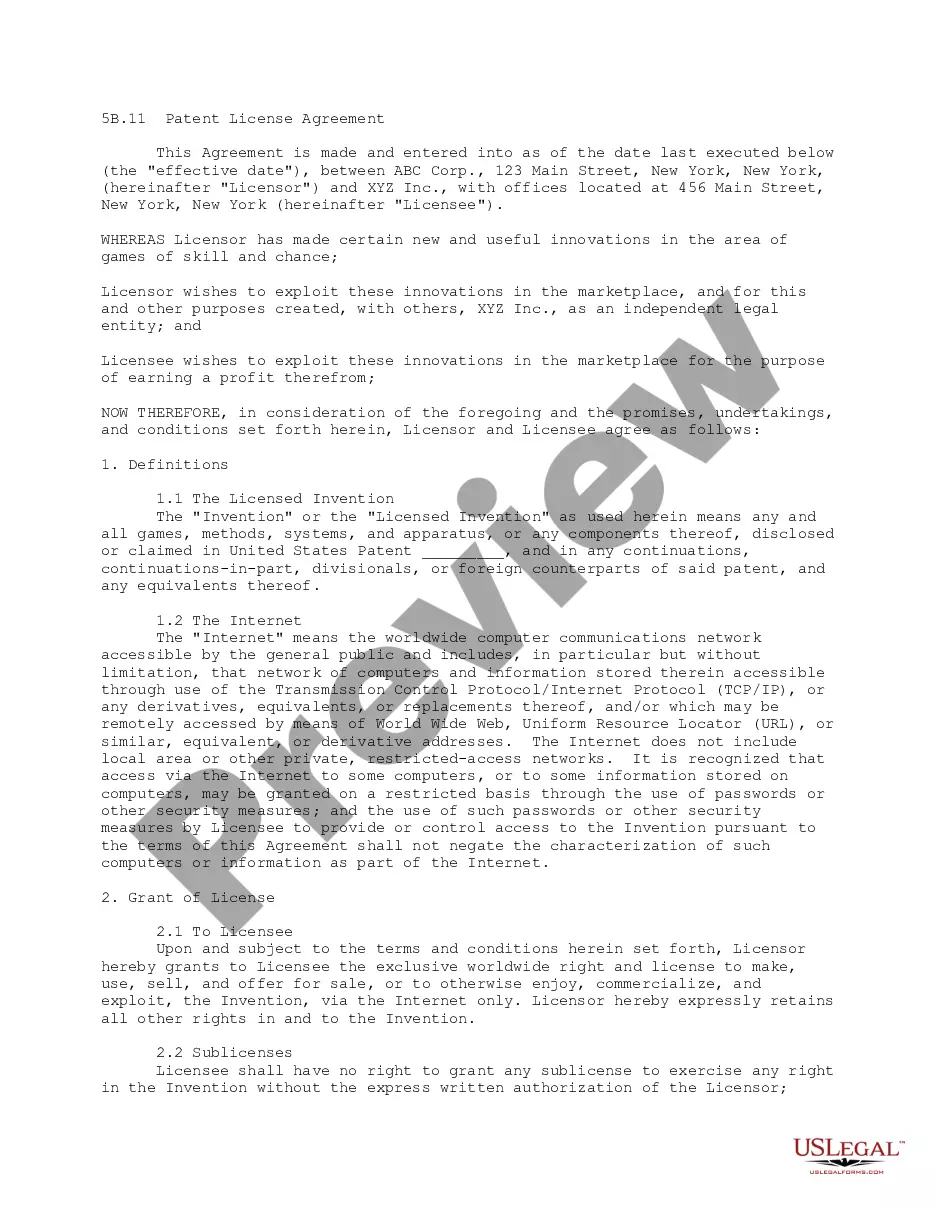
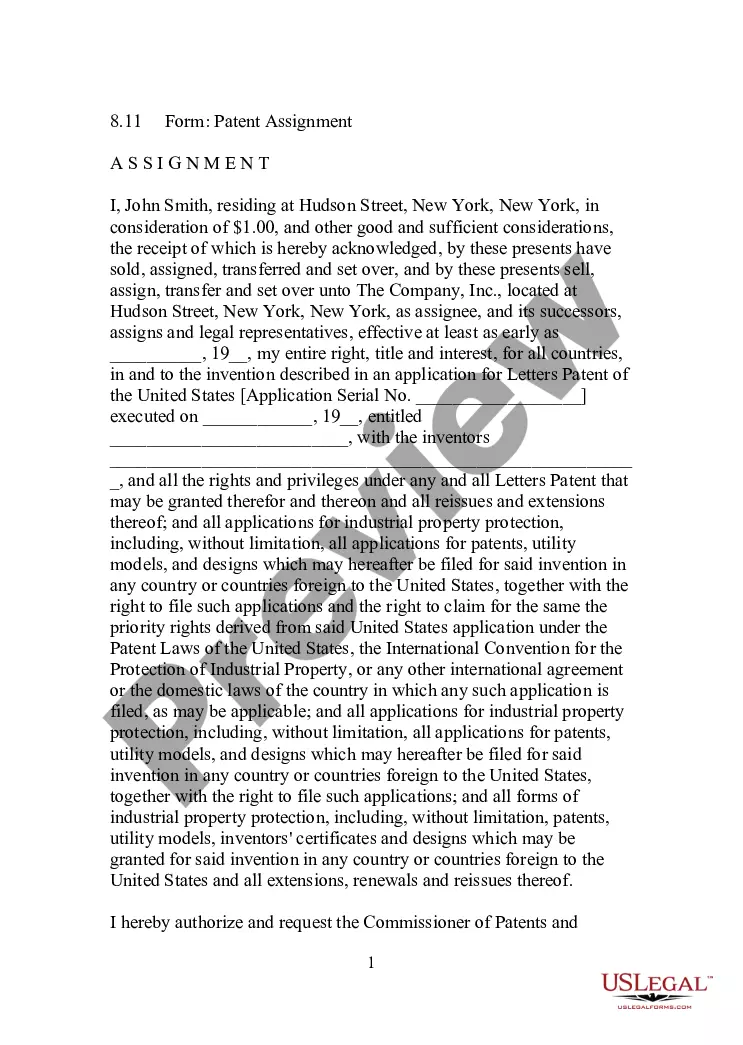
Get your form ready online
Our built-in tools help you complete, sign, share, and store your documents in one place.
Make edits, fill in missing information, and update formatting in US Legal Forms—just like you would in MS Word.
Download a copy, print it, send it by email, or mail it via USPS—whatever works best for your next step.
Sign and collect signatures with our SignNow integration. Send to multiple recipients, set reminders, and more. Go Premium to unlock E-Sign.
If this form requires notarization, complete it online through a secure video call—no need to meet a notary in person or wait for an appointment.
We protect your documents and personal data by following strict security and privacy standards.

Make edits, fill in missing information, and update formatting in US Legal Forms—just like you would in MS Word.

Download a copy, print it, send it by email, or mail it via USPS—whatever works best for your next step.

Sign and collect signatures with our SignNow integration. Send to multiple recipients, set reminders, and more. Go Premium to unlock E-Sign.

If this form requires notarization, complete it online through a secure video call—no need to meet a notary in person or wait for an appointment.

We protect your documents and personal data by following strict security and privacy standards.
Looking for another form?





How to fill out Royalty Split Agreement?
If you need to be thorough, acquire, or create legal document templates, utilize US Legal Forms, the most extensive collection of legal documents available online.
Take advantage of the site`s straightforward and user-friendly search feature to find the documents you need.
Different templates for business and personal purposes are organized by categories and recommendations, or keywords.
Step 4. Once you have found the form you need, click the Get now button. Choose your preferred payment method and provide your information to register for an account.
Step 5. Complete the transaction. You may use your Misa or credit card or PayPal account to finalize the purchase.
- Utilize US Legal Forms to obtain the Ohio Royalty Split Agreement in just a few clicks.
- If you are already a US Legal Forms customer, Log In to your account and select the Download button to access the Ohio Royalty Split Agreement.
- You can also retrieve forms you previously obtained from the My documents section of your account.
- If this is your first time using US Legal Forms, follow these steps.
- Step 1. Verify that you have selected the form for your specific city/state.
- Step 2. Use the Review option to examine the content of the form. Don’t forget to read the summary.
- Step 3. If you are unsatisfied with the template, use the Search field at the top of the screen to find alternative versions of the legal form format.
Form popularity
FAQ
Performance royalties are shared 50/50 between the publisher and the songwriter, so each gets 50% of the revenue. If you are both the songwriter and the publisher for your own music, you will receive 100% of performance royalties.
A distributor collects royalties directly from stores/streaming platforms on behalf of labels. An artist's label will then collect the recording royalties and distribute them to the artist. If an artist is not with a label, the artist will collect the recording royalties directly from the distributor.
Every time a track or record sells, all the songwriters receive a total of 9.1 cents in mechanical-royalty payments.
As a songwriter, you receive mechanical royalties on the sale or reproduction of a song on vinyl, CD, cassette, and other physical media through the Harry Fox Agency. Right now, the rate is 9.1 cents per song.
Performance royalties are shared 50/50 between the publisher and the songwriter, so each gets 50% of the revenue. If you are both the songwriter and the publisher for your own music, you will receive 100% of performance royalties.
A royalty clause in an oil and gas lease specifies the amount of royalty to be paid to the Lessor (the owner of the leased mineral rights) and sets forth terms and conditions of payment.
In each accounting month, the label will receive their share of the revenue from the digital service provider (Spotify, Napster, Tidal, etc.). This revenue amount is from the number of streams played multiplied by the revenue per stream. This amount is then split out among the artists that were played in that duration.
Mechanical Royalties In the U.S., the amount owed to the songwriter is 200b$0.091200b per reproduction of a song, reports Tune Core. Outside the U.S. the royalty rate is around 8 percent to 10 percent, but varies by country.
The full-publishing deals used to be the standard of the industry back in the day. A fully published songwriter assigns 100% of their rights to the publisher.
This rate is set by a Copyright Royalty Board made up of 3 judges who meet every 5 years to set rates. The original mechanical royalty was established in 1909 and set at 2 cents. Today, the current rate is 9.1 cents (typically split with co-writers and publishers).